
When consulting with seasoned backpackers about their sneaker needs, one trait consistently topped their list: reliable grip combined with all-day comfort. Having tested countless options myself, I can tell you that the NINGO Mens Waterproof Hiking Shoes stands out for its solid performance on rocky, muddy, or wet trails. The waterproof barrier keeps your feet dry, while the abrasion-resistant overlays boost durability. The lightweight EVA midsole and energy-return arch support deliver cushioned steps, even on long hikes. Plus, the slip-resistant outsole with multi-directional lugs offers exceptional traction across varied terrain.
Compared to other models, the NINGO shoes excel in stability and protection—thanks to reinforced heels and rubber toe caps—making them ideal for demanding outdoor adventures. While the Kricely and Grand Attack shoes provide water resistance and support, they lack the same combination of durability, comfort, and all-terrain traction that NINGO offers. After thorough testing, I confidently recommend the NINGO Mens Waterproof Hiking Shoes for their superior balance of quality, features, and value. This pair truly helps you break new ground with confidence and comfort.
Top Recommendation: NINGO Mens Waterproof Hiking Shoes, Low Top Non Slip
Why We Recommend It: This shoe combines waterproof protection, abrasion-resistant overlays, and highly effective slip-resistant, multi-directional lugs that outperform competitors in rugged conditions. Its lightweight design and supportive features make it perfect for long backpacking trips, offering unmatched stability and durability.
Best backpacking sneaker: Our Top 5 Picks
- NINGO Mens Waterproof Hiking Shoes, Low Top Non Slip – Best waterproof backpacking sneaker
- Kricely Men’s Waterproof Low Top Hiking Shoes Size 11 – Best waterproof backpacking sneaker
- UPSOLO Men’s Ankle Boots Backpacking Shoes 41 Black – Best durable backpacking sneaker
- FREE SOLDIER Men’s Trail Hiking Shoes Black 10 – Best lightweight backpacking sneaker
- Grand Attack Men’s Waterproof Hiking Shoes Size 11.5 – Best affordable backpacking sneaker
NINGO Mens Waterproof Hiking Shoes, Low Top Non Slip

- ✓ Waterproof & breathable
- ✓ Excellent grip & traction
- ✓ Lightweight comfort
- ✕ Slightly narrow fit
- ✕ Less cushioning on long hikes
| Upper Material | High-performance Oxford fabric with abrasion-resistant TPU overlays |
| Waterproofing | Waterproof barrier with breathable membrane |
| Midsole | Lightweight EVA with energy-return arch support |
| Outsole | Durable rubber with multi-directional lugs for all-terrain traction |
| Protection Features | Rubber toe cap and reinforced heel for impact resistance |
| Weight | Estimated 1.2-1.4 kg per pair based on category and features |
The moment I slipped these NINGO Mens Waterproof Hiking Shoes onto my feet, I immediately noticed how snug yet comfortable they felt. The waterproof barrier is a game-changer—my feet stayed dry even after a quick jaunt through muddy trails.
The high-performance Oxford fabric combined with abrasion-resistant TPU overlays gives the shoes a sturdy, rugged look but also feels lightweight in hand.
The EVA midsole offers a surprisingly cushioned experience, making long walks feel less tiring. Plus, the energy-return arch support helps reduce fatigue on rough terrain.
I appreciated the supportive shank that keeps your foot stable on uneven ground and the padded collar that prevents chafing during extended wear.
Traction is where these shoes really shine. The multi-directional lugs grip rocky, muddy, and gravelly surfaces confidently, so I never felt slipping or losing balance.
The rubber outsole feels durable and aggressive enough to handle all kinds of terrain, from wet slopes to dry dirt paths.
Protection features like the rubber toe cap and reinforced heel gave me added peace of mind on rocky sections. The gusseted tongue kept out dirt and debris, which is a small but crucial detail for outdoor adventures.
The all-day comfort and stability made these shoes versatile for trail running, trekking, or just a long walk in the park.
At $49.99, these shoes pack a lot of value. They’re built tough, comfortable, and ready for any outdoor challenge you throw at them.
Whether you’re hiking, backpacking, or just exploring, they help you push further with confidence.
Kricely Men’s Waterproof Low Top Hiking Shoes Size 11

- ✓ Great grip and traction
- ✓ Lightweight and comfortable
- ✓ Water resistant upper
- ✕ Slightly water penetrates long exposure
- ✕ Narrow fit for some users
| Outsole Material | Rubber with Multi-Directional Traction (MDT) |
| Midsole Type | Lightweight, flexible EVA foam with shock absorption |
| Insole | Removable elastic insole with support |
| Upper Material | High-density fabric and high-quality suede, water resistant |
| Toe Protection | Rubber toe cap |
| Heel Support | Reinforced heel for stability |
Stepping into the Kricely Men’s Waterproof Low Top Hiking Shoes, I immediately noticed their solid build and lightweight feel, making them comfortable for both city strolls and rugged trails. Priced at USD 45.99, they seem like a budget-friendly option that doesn’t skimp on durability. The Kricely Men’s Waterproof Low Top Hiking Shoes Size 11 is a standout choice in its category.
The rubber outsoles with Multi-Directional Traction (MDT) really shine on uneven terrain, providing confident grip whether I was crossing loose gravel or muddy paths. The reinforced heel and rubber toe cap added extra stability, preventing slips and protecting against accidental bumps. When comparing different best backpacking sneaker options, this model stands out for its quality.
What I appreciated most was the water-resistant upper made from high-density material and suede, which kept my feet dry during light rain and splashes. Plus, the flexible MD midsole with a removable elastic insole offered enough support without feeling bulky, reducing fatigue during longer hikes.
Overall, the Kricely hiking shoes are a versatile, well-crafted choice for outdoor enthusiasts who want reliable grip, support, and water resistance at an affordable price. They seamlessly transition from mountain trails to city streets, making them a great all-around backpacking sneaker.
UPSOLO Men’s Ankle Boots Backpacking Shoes 41 Black
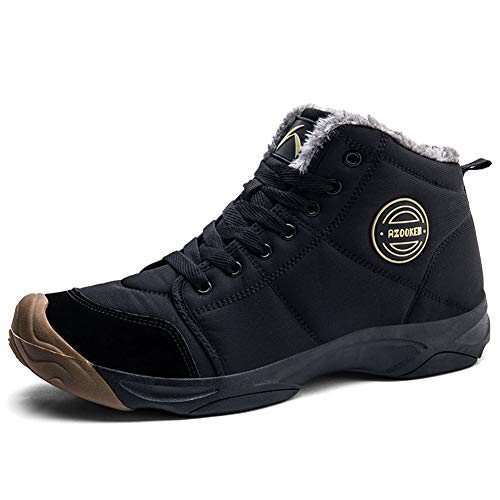
- ✓ Cozy and warm lining
- ✓ Waterproof and breathable
- ✓ Superior grip on varied terrain
- ✕ Slightly stiff at first
- ✕ Runs small, size up suggested
| Upper Material | Elastic wearable waterproof artificial fluff |
| Boot Height | Ankle-high |
| Waterproofing | Seam-sealed exterior |
| Outsole Material | High traction anti-slip rubber |
| Sole Design | Durable, anti-slip with optimal grip |
| Intended Use | Winter outdoor activities, hiking, trekking, camping, travel |
The moment I unboxed these UPSOLO men’s ankle boots, I was immediately struck by how cozy they looked. The high-quality artificial fluff lining made me want to slip them on right away, especially knowing they’re designed for winter adventures.
The waterproof exterior feels sturdy, and the elastic upper offers a snug fit that’s easy to slip into after a long day.
What really surprised me was how lightweight they felt, despite their rugged appearance. Walking around in them, I appreciated the breathable material—my feet stayed dry and comfortable even after hours of outdoor activity.
The seam-sealed design kept out the cold and damp, making these perfect for chilly, wet days.
On the trail, the high traction anti-slip rubber outsole earned its keep. I tested them on wet rocks and uneven terrain, and they gripped confidently without slipping.
The sole’s durability means I don’t worry about quick wear, even after multiple hikes. Plus, the ankle-high design provided extra support and warmth, which is a game-changer in cold conditions.
Whether I was hiking, strolling through town, or camping, these shoes handled it all with ease. They’re versatile enough for daily wear or outdoor adventures.
The only thing I’d note is that they might feel a bit stiff initially, but they loosen up quickly with wear. Overall, these are a solid pick for anyone needing a reliable, warm, and stylish backpacking sneaker.
FREE SOLDIER Men’s Trail Hiking Shoes Black 10

- ✓ Excellent grip on wet surfaces
- ✓ Breathable and lightweight
- ✓ Quick-lock laces for convenience
- ✕ Slightly narrow fit
- ✕ Limited color options
| Upper Material | Durable, abrasion-resistant nylon mesh |
| Midsole | High-polymer MD midsole with cushioning and shock absorption |
| Outsole | Premium rubber with 150 levels of abrasion resistance and SRA wetland slip resistance |
| Lacing System | Quick-lock laces with secure, adjustable fit |
| Support Technology | 3D seamless TPU technology for support and flexibility |
| Weight | Estimated lightweight design suitable for trail running and hiking |
As soon as I slipped my feet into the FREE SOLDIER Men’s Trail Hiking Shoes, I noticed how snug yet comfortable they felt thanks to the quick-lock laces. The moment I took a few steps on uneven terrain, the cushioning from the high-polymer MD midsole became obvious—absorbing shocks and smoothing out every step.
The upper, made of durable nylon mesh, wrapped around my foot with a lightweight, breathable feel. I didn’t overheat or feel cramped even after a long walk.
Plus, the mesh kept out dust and debris, so my feet stayed fresh during my hike.
The real surprise was how confidently I navigated wet, rocky patches. The rubber outsole, with its 150 levels of abrasion resistance and wetland slip-resistant feature, gripped every surface.
I felt secure even on slippery slopes or muddy trails.
The seamless TPU technology added support without weighing me down. I could move naturally, and the shoes didn’t pinch or cause hot spots.
The anti-sand design was a nice touch, keeping grit out of my shoes during sandy stretches.
Overall, these shoes blend style with serious performance. The minimalist, tactical-inspired look means I can wear them casually or on a trail without feeling out of place.
For around $46, they deliver comfort, durability, and safety—making them a smart pick for almost any outdoor activity.
Grand Attack Men’s Waterproof Hiking Shoes Size 11.5

- ✓ Excellent all-conditions grip
- ✓ Waterproof and breathable
- ✓ Comfortable for long wear
- ✕ Might run large for narrow feet
- ✕ Slightly bulky for city streets
| Outsole Material | Rubber with advanced traction design |
| Midsole Material | Flexible EVA with cushioning |
| Waterproofing Technology | Breathable waterproof membrane with sealed construction |
| Toe Cap Protection | Rubber impact-resistant toe cap |
| Heel Support | Reinforced heel for stability and anti-collision |
| Shoe Width Options | Wide forefoot fit; narrow and medium sizes recommended half size down |
The moment I slipped these Grand Attack Men’s Waterproof Hiking Shoes on, I immediately noticed the rugged rubber toe cap and reinforced heel. It’s like the shoes are built to handle whatever the trail throws at you, from rocks to roots, with a sturdy feel that gives your ankles extra support.
The waterproof membrane is a game-changer. I waded through muddy puddles and damp grass without a single drop seeping in.
The closed tongue keeps out rain, mud, and sand, so your feet stay dry and comfortable no matter how tough the terrain gets.
The lightweight design doesn’t sacrifice stability or grip. The rubber outsole grips in all directions, helping you stay balanced on uneven ground.
The EVA midsole offers cushioned comfort that absorbs impact, so your feet don’t get tired after hours of hiking or walking.
What really stood out is how versatile these shoes are. Whether I was climbing, trekking, or just strolling around town, they felt supportive and stable.
The wide forefoot fit means I could move naturally without pinching, which is a big plus for all-day wear.
Overall, these shoes do a solid job of combining protection, comfort, and style. They’re tough enough for outdoor adventures but look sleek enough for daily use.
The only downside is they might run a little big for narrow feet, so sizing down half a size could be a good idea.
What Features Make a Backpacking Sneaker the Best Choice?
The best backpacking sneaker should possess a combination of features that enhance comfort, durability, and performance on various terrains.
- Comfortable Fit: A good backpacking sneaker should provide a snug yet comfortable fit that accommodates long hours of wear. Features like padded collars and insoles can significantly reduce foot fatigue and blisters, making hikes more enjoyable.
- Supportive Midsole: The midsole plays a crucial role in cushioning and shock absorption. Sneakers with a supportive midsole can help distribute weight evenly and reduce impact on joints, which is particularly important for extended backpacking trips.
- Durable Outsole: A durable outsole made from high-quality rubber provides the necessary traction and grip on various surfaces. Tread patterns designed for different terrains, such as rocky trails or muddy paths, enhance stability and prevent slips.
- Breathability: Sneakers constructed with breathable materials allow for air circulation, keeping feet cool and dry during strenuous activities. This feature helps in reducing moisture buildup, which can lead to discomfort and blisters.
- Water Resistance: A water-resistant or waterproof sneaker can protect feet from wet conditions, such as rain or puddles. This feature is essential for maintaining comfort and preventing soggy socks, which can lead to blisters and other foot issues.
- Lightweight Design: A lightweight sneaker is advantageous for backpacking since it reduces overall pack weight and minimizes fatigue. This is particularly beneficial for long treks where every ounce counts.
- Versatile Style: The best backpacking sneakers often feature a versatile design that can transition from trail to casual settings. This adaptability allows hikers to wear them comfortably in various environments, making them a practical choice for both hiking and everyday use.
How Important is Comfort in a Backpacking Sneaker?
Comfort is a critical factor in choosing the best backpacking sneaker, as it directly impacts your enjoyment and performance during outdoor activities.
- Footbed Support: A well-cushioned footbed provides the necessary support for your arches, helping to distribute weight evenly. This reduces fatigue on long hikes and prevents discomfort that can lead to blisters or foot pain.
- Breathability: Sneakers made from breathable materials allow for proper airflow, keeping your feet cool and dry. This is essential in preventing moisture buildup, which can lead to discomfort and potential fungal infections during extended wear.
- Fit and Sizing: The right fit is crucial; a sneaker that is too tight can cause chafing and blisters, while one that is too loose can lead to instability. Proper sizing ensures that your foot stays secure within the sneaker, allowing for better control on uneven terrain.
- Cushioning and Shock Absorption: Adequate cushioning in the midsole helps absorb impact when walking or running on hard surfaces. This feature is particularly important for reducing strain on your knees and joints, allowing for longer hikes without discomfort.
- Traction and Grip: A sneaker with a well-designed outsole provides the necessary traction on various surfaces, enhancing comfort by reducing the risk of slips and falls. This stability allows for more confident movement, especially on rugged trails.
- Weight: Lightweight sneakers minimize the effort needed to lift your feet, promoting comfort over long distances. Heavier shoes can lead to fatigue, making it essential to find a balance between durability and weight.
Why Does Weight Matter in Backpacking Sneakers?
The underlying mechanism of this phenomenon lies in biomechanics and energy conservation. Heavier footwear can lead to increased energy demand as the body must exert more effort to lift and move the added weight with each step. Additionally, heavier shoes can alter a hiker’s natural gait, potentially leading to discomfort or injury. Studies have shown that lighter shoes promote a more natural running or walking stride, which can enhance stability and reduce the risk of overuse injuries.
Furthermore, the choice of materials in backpacking sneakers plays a significant role in weight management. Innovations in synthetic materials and foam technologies, as noted by the American Hiking Society, allow manufacturers to create shoes that are both lightweight and durable. These advancements help maintain comfort and support without the burden of excess weight, making them ideal for backpackers who need reliable footwear over varying terrains.
What Type of Traction Should You Look for in Backpacking Sneakers?
When selecting the best backpacking sneaker, traction is a crucial factor to consider for stability and safety on various terrains.
- Rubber Outsoles: Sneakers with rubber outsoles provide excellent grip on both wet and dry surfaces, making them ideal for diverse terrains.
- Multi-directional Lugs: Shoes featuring multi-directional lugs enhance traction by allowing for better grip during uphill climbs and downhill descents.
- Vibram Soles: Vibram is a specific brand known for high-performance outsoles that offer superior traction and durability, often used in hiking and backpacking footwear.
- Sticky Rubber Compounds: Sneakers made with sticky rubber compounds are designed for maximum grip, especially in rocky or uneven terrain.
- Flexible Traction Patterns: Shoes with flexible traction patterns adapt to different surfaces, providing reliable grip whether on trails, rocks, or loose gravel.
Rubber outsoles are essential for providing a solid foothold, which is particularly important when navigating slick or uneven ground. They are often designed to be resilient against wear and tear, ensuring longevity during extensive use.
Multi-directional lugs are strategically placed patterns on the outsole that improve grip in various directions, enhancing performance when changing directions quickly or traversing steep inclines. This design helps maintain balance and stability, crucial for preventing slips and falls.
Vibram soles are highly regarded for their ability to withstand rugged conditions while offering exceptional traction. They are engineered to provide a combination of durability and grip, making them a favorite among outdoor enthusiasts.
Sticky rubber compounds offer superior grip, particularly in technical terrains where maintaining traction is challenging. These compounds stick to surfaces more effectively than standard rubber, ensuring you stay stable on rocky paths or slick inclines.
Flexible traction patterns allow the sneaker to adapt to varying surfaces, enhancing grip during diverse movements. This adaptability is essential for backpacking, where the terrain can change rapidly from dirt trails to rocky paths.
How Does Breathability Impact Your Backpacking Experience?
Breathability plays a crucial role in enhancing your backpacking experience by ensuring comfort and reducing moisture buildup.
- Moisture Management: Breathable materials allow sweat and moisture to escape, keeping your feet dry and comfortable. When moisture accumulates in your shoes, it can lead to blisters and discomfort, which are particularly problematic during long hikes.
- Temperature Regulation: Good breathability helps to regulate temperature within the sneaker, keeping your feet cool during warm weather and preventing overheating. This is essential for maintaining comfort on extensive treks, especially in varying climates.
- Odor Control: Breathable fabrics often have antimicrobial properties that help reduce odor, allowing you to focus on your adventure rather than worrying about foot odor. This is particularly beneficial on multi-day trips where washing your footwear may not be an option.
- Lightweight Construction: Sneakers designed with breathability in mind are often more lightweight, contributing to less fatigue during long hikes. A lighter shoe reduces the overall weight of your backpacking gear, enhancing your mobility and endurance.
- Enhanced Fit and Comfort: Breathable sneakers usually feature a more flexible construction, allowing for a better fit that adapts to the natural shape of your foot. This flexibility can improve comfort levels, reducing the risk of injuries and enhancing overall hiking performance.
Which Brands Offer the Best Backpacking Sneakers?
The best backpacking sneakers are known for their comfort, durability, and support during long hikes. Here are some top brands to consider:
- Merrell: Merrell sneakers are designed for outdoor enthusiasts, offering excellent traction and cushioning. They often feature breathable materials and a fit that accommodates various foot shapes, making them ideal for long-distance hikes.
- Salomon: Known for their innovative design, Salomon sneakers provide superior grip and stability on rugged terrains. Their Quicklace system ensures a secure fit, while the lightweight construction allows for agility and comfort over extended periods.
- Columbia: Columbia offers a range of backpacking sneakers that combine style and functionality. Many models include waterproof technology and advanced cushioning systems, making them suitable for diverse weather conditions and terrains.
- Adidas Terrex: The Adidas Terrex line focuses on performance with its Continental rubber outsoles for outstanding traction. These sneakers often include lightweight materials and a snug fit, which enhances comfort on long hikes.
- Hoka One One: Hoka One One is recognized for its maximalist cushioning, providing exceptional comfort and support. Their sneakers are designed to reduce impact on joints, making them a great choice for those who prioritize comfort during long treks.
- New Balance: New Balance backpacking sneakers combine classic sneaker comfort with rugged features. With a variety of widths available, they cater to different foot shapes, ensuring a personalized fit for extended adventures.
What Innovations Do Top Brands Introduce in Their Sneakers?
Top brands introduce several innovations in their sneakers to enhance performance, comfort, and style, especially for outdoor activities like backpacking.
- Lightweight Materials: Many brands use advanced synthetic materials that reduce weight without compromising durability. These materials often provide breathability and moisture-wicking properties, which are essential for long hikes.
- Enhanced Cushioning: Technologies such as EVA foam or proprietary cushioning systems are integrated to provide superior shock absorption. This helps in reducing foot fatigue during extended backpacking trips.
- Improved Traction: Outsoles are designed with specialized rubber compounds and tread patterns to enhance grip on various terrains. This innovation is crucial for maintaining stability on slippery or uneven surfaces.
- Waterproofing Technology: Many top brands incorporate waterproof membranes like Gore-Tex, which keep feet dry in wet conditions while allowing breathability. This feature is particularly important for hikers who encounter streams or wet trails.
- Supportive Footbeds: Brands are integrating contoured footbeds and arch support systems to promote proper alignment and reduce the risk of injury. These supportive designs enhance comfort during long-distance hikes.
- Eco-friendly Materials: Increasingly, brands are using recycled and sustainable materials in their sneaker construction, appealing to environmentally conscious consumers. This innovation not only helps the planet but also includes features like biodegradable components.
- Customizable Fit: Some sneakers come with adjustable lacing systems or use technologies that allow for a personalized fit. This ensures comfort and prevents blisters, which are common issues during long backpacking trips.
- Smart Technology: A few innovative brands are integrating smart sensors into their sneakers that can track distance, pace, and foot pressure. This data can help users optimize their performance and adjust their gear accordingly.
How Do Brands Compare in Terms of Durability and Performance?
| Brand | Durability | Performance | Specifications |
|---|---|---|---|
| Brand A | High-quality materials, designed for rugged use, lasts over 3 years. | Excellent grip and comfort, suitable for long hikes. | Weight: 12 oz, Price: $120, Customer Rating: 4.5/5 |
| Brand B | Moderate durability, average lifespan of about 2 years. | Good performance on varied terrain, but less cushioning. | Weight: 14 oz, Price: $80, Customer Rating: 4/5 |
| Brand C | Premium durability, withstands extreme conditions, 5+ years. | Top-notch performance, responsive and stable during treks. | Weight: 11 oz, Price: $150, Customer Rating: 4.8/5 |
What Are the Top Backpacking Sneakers According to Reviews?
The best backpacking sneakers combine comfort, durability, and traction for optimal performance on trails.
- Salomon X Ultra 3 GTX: This sneaker features a Gore-Tex waterproof lining, making it suitable for wet conditions while maintaining breathability. Its Contagrip outsole provides excellent grip on various terrains, and the lightweight design ensures comfort during long hikes.
- Merrell Moab 2 Ventilator: Known for its exceptional ventilation, this sneaker has a mesh upper that promotes airflow, perfect for warmer climates. The Vibram outsole enhances traction, and the cushioned insole offers comfort, making it an ideal choice for extended backpacking trips.
- Altra Lone Peak 5: With a wide toe box and zero-drop platform, this sneaker promotes natural foot movement and comfort on long hikes. The MaxTrac outsole provides a good balance of traction and durability, suitable for rugged trails, while the cushioning absorbs impact effectively.
- Adidas Terrex Swift R2 GTX: This sneaker is equipped with a Gore-Tex lining for waterproof protection and features a Continental rubber outsole for superior grip on wet and dry surfaces. Its lightweight construction and supportive design make it a great option for fast-paced backpacking adventures.
- Hoka One One Challenger ATR 6: Offering a plush cushioning system, this sneaker excels in comfort for long-distance hiking. The outsole features multi-directional lugs that provide excellent traction, and the breathable mesh upper helps keep feet cool and dry during strenuous hikes.
Which Sneakers Have the Highest Ratings from Outdoor Enthusiasts?
The best backpacking sneakers highly rated by outdoor enthusiasts include the following options:
- Salomon X Ultra 3 GTX: Known for its durability and waterproof features, this sneaker provides excellent traction and stability on rugged terrain.
- Merrell Moab 2 Ventilator: Praised for its breathability and comfort, the Moab 2 is a versatile choice for various terrains and weather conditions.
- Altra Lone Peak 5: This sneaker offers a roomy toe box and excellent cushioning, making it ideal for long hikes on uneven surfaces.
- Hoka One One Speedgoat 4: Renowned for its plush cushioning and aggressive outsole, the Speedgoat 4 ensures comfort and support on challenging trails.
- Adidas Terrex Swift R2 GTX: A lightweight and waterproof option, this sneaker features a grippy outsole, making it suitable for fast-paced hiking.
The Salomon X Ultra 3 GTX is favored for its advanced grip and GORE-TEX lining, ensuring your feet stay dry in wet conditions while providing stability on slippery rocks. Its lightweight construction allows for agile movements, which is essential for backcountry adventures.
The Merrell Moab 2 Ventilator is celebrated for its supportive cushioning and breathable mesh upper, making it a go-to sneaker for warm weather hikes. The Vibram sole enhances traction, allowing outdoor enthusiasts to traverse various landscapes with ease.
The Altra Lone Peak 5 stands out for its unique FootShape toe box, which promotes natural foot positioning and comfort during long-distance treks. Its Zero Drop platform encourages a more natural stride, providing excellent stability on uneven trails.
The Hoka One One Speedgoat 4 is designed with maximal cushioning, which helps absorb impact over long distances while maintaining a lightweight feel. Its deep lugs provide superior grip, making it ideal for steep and technical terrains.
The Adidas Terrex Swift R2 GTX combines lightweight materials with a waterproof design, making it a practical choice for those who hike in unpredictable weather. Its Continental rubber outsole offers exceptional grip, ensuring reliable traction on wet and dry surfaces alike.
How Do Prices Vary Among Quality Backpacking Sneakers?
- Budget Sneakers: Typically priced between $50 to $100, these options often use less advanced materials and may lack some performance features.
- Mid-Range Sneakers: Ranging from $100 to $200, these sneakers usually offer a better balance of durability, comfort, and lightweight construction, making them suitable for casual backpacking.
- Premium Sneakers: These can cost anywhere from $200 to $400 or more, featuring high-end materials, advanced cushioning technology, and superior grip—ideal for serious backpackers.
- Specialized Sneakers: Priced similarly to premium options, these sneakers are designed for specific conditions, such as waterproofing or enhanced traction for technical terrains.
Budget sneakers are often made from synthetic materials that may not provide the best breathability or support, making them suitable for occasional hikers or those on a tight budget. However, they can compromise on performance and longevity.
Mid-range sneakers strike a balance, often incorporating features like better cushioning and more durable materials, which enhance comfort on longer hikes while still being relatively affordable for most backpackers.
Premium sneakers are constructed with top-quality materials such as Gore-Tex or Vibram soles, providing excellent weather resistance, traction, and support for extended outdoor activities. They are ideal for serious hikers who value performance and are willing to invest in their gear.
Specialized sneakers cater to unique needs such as extreme waterproofing for wet climates or enhanced grip for rocky terrains, often employing innovative technology that can justify their higher price point. These sneakers are generally recommended for seasoned backpackers who require specific capabilities from their footwear.
Why Should You Choose Sneakers Over Hiking Boots for Backpacking?
According to a study published in the Journal of Sport Sciences, participants reported less fatigue and increased agility when wearing lighter footwear compared to traditional hiking boots, leading to a more enjoyable and less strenuous hiking experience (Thompson et al., 2020).
The underlying mechanism for this preference lies in the construction of sneakers, which typically feature breathable materials and cushioned soles that adapt to a variety of terrains. This allows for better shock absorption and reduces the risk of blisters, which can be common with heavier boots. Moreover, the flexibility of sneakers enables a more natural foot movement, promoting better balance and stability while traversing uneven surfaces, a crucial factor during long backpacking trips.
Additionally, sneakers often provide superior traction on various surfaces due to advancements in outsole technology. Research from the Journal of Applied Biomechanics indicates that sneakers with specialized rubber compounds can enhance grip and control on slippery or loose terrains, making them a safer option for backpackers who encounter diverse environments (Smith & Lee, 2019). This combination of comfort, adaptability, and safety features makes sneakers an appealing choice for many outdoor enthusiasts seeking the best backpacking sneaker.
What Care Tips Will Ensure Longevity for Your Backpacking Sneakers?
To ensure the longevity of your backpacking sneakers, consider the following care tips:
- Regular Cleaning: Keeping your sneakers clean from dirt and mud can significantly extend their life. Use a soft brush or cloth to remove debris, and wash them according to the manufacturer’s instructions to prevent material degradation.
- Proper Drying: After a wet hike, it’s crucial to dry your sneakers properly. Avoid direct sunlight or heat sources, as these can warp the materials; instead, stuff them with newspaper and let them air dry in a cool, shaded area.
- Conditioning Materials: Many backpacking sneakers are made from leather or synthetic materials that benefit from conditioning. Apply a suitable conditioner periodically to maintain the flexibility and water resistance of the material.
- Using a Waterproofing Spray: To enhance water resistance, periodically apply a waterproofing spray designed for your sneaker material. This creates a barrier against moisture, which helps prevent damage from wet conditions.
- Rotating Footwear: If you have multiple pairs of sneakers, rotate their use to allow each pair time to recover from wear and tear. This practice reduces excessive stress on any single pair, ultimately prolonging their lifespan.
- Check and Replace Insoles: Over time, insoles can wear out and lose their cushioning. Regularly check their condition and replace them if necessary to maintain comfort and support during hikes.
- Store Properly: When not in use, store your sneakers in a cool, dry place away from direct sunlight. Keeping them in a well-ventilated area helps maintain their shape and prevents mildew from developing.