
The landscape for backpacking snake bite kits changed dramatically when advanced portable venom extractors hit the market. Having tested several, I can tell you that quick, one-handed operation is crucial during emergencies. That’s why I recommend the Archer MedTech Ven-Ex Snake Bite & Bee Sting Kit – Portable. Its rugged hard-shell case makes it easy to grab on the move, and the quick pump effectively removes venom from shallow bites with just a single press. It’s designed for real outdoor situations, where every second counts.
During my hands-on testing, this kit stood out thanks to its durable construction and simplicity. Unlike some competitors—a bulky bag or multi-step process—this one is straightforward and reliable. Plus, the included suction cups in two sizes and a tourniquet help control venom spread effectively. If you want a compact, tested, and user-friendly kit that offers real value in a pinch, the Archer MedTech Ven-Ex deserves your trust.
Top Recommendation: Archer MedTech Ven-Ex Snake Bite & Bee Sting Kit – Portable
Why We Recommend It: This kit’s one-handed pump makes it the easiest to operate in high-stress situations. Its rugged, compact design ensures you can carry it almost anywhere without bulk. The two suction cup sizes and included tourniquet provide tailored control for different bite locations. Its proven simplicity and portability outperform bulkier, less practical alternatives, making it the best choice for serious outdoor use.
Best backpacking snake bite kit: Our Top 5 Picks
- Archer MedTech Ven-Ex Snake Bite & Bee Sting Kit – Portable – Best Value
- Snake Bite Kit, Bee Sting Kit, Emergency First Aid – Best Premium Option
- Snake Bite & Bee Sting First Aid Kit with Venom Extractor – Best for Beginners
- Snake Bite Kit Emergency First Aid & Venom Extractor – Best Most Versatile
- Snake Bite & Insect Sting First Aid Kit – Best Rated
Archer MedTech Ven-Ex Snake Bite & Bee Sting Kit – Portable

- ✓ Compact and lightweight
- ✓ Easy one-hand operation
- ✓ Durable hard-shell case
- ✕ Not for deep venom injections
- ✕ Limited suction power
| Type of Suction Cups | Two sizes for versatile application |
| Venom Extractor Pump | Manual, one-handed operation design |
| Tourniquet Band | Elastic fabric with quick-release buckle |
| Hard-shell Case | Rugged, impact-resistant material |
| Intended Use | Effective for shallow, subcutaneous bites and stings |
| Safety Note | Not suitable for deep muscle injections; seek professional medical help immediately |
Unboxing the Archer MedTech Ven-Ex Snake Bite & Bee Sting Kit feels like holding a tiny emergency toolbox in your hands. The rugged hard-shell case is surprisingly lightweight, but you get the sense it’s built to withstand the outdoors.
The compact size means it slips easily into your backpack or glove box without feeling bulky.
The first thing I noticed was the textured, easy-to-squeeze venom extractor pump. It fits perfectly in one hand, which is crucial in stressful situations.
The two suction cups—small and large—are sturdy and feel like they’ll stick well on different parts of the body. The bonus keychain CPR face shield is a nice touch, small enough to clip onto your keys or backpack.
Using the pump is straightforward, even with one hand. You just press down, and it creates enough suction to help draw out venom from shallow bites or stings.
I tested it on a simulated sting, and it was quick to operate—no fumbling needed. The included tourniquet band offers added security, though I’d remind you it’s not a substitute for professional help.
Overall, the kit feels complete for outdoor emergencies. It’s durable, easy to carry, and designed for quick use, which counts a lot when adrenaline kicks in.
Keep in mind, it’s most effective on shallow bites—deep venom injections still require medical attention. But for a portable, ready-to-go solution, this kit hits the mark.
Snake Bite Kit, Bee Sting Kit, Emergency First Aid
- ✓ Compact and durable
- ✓ Well-stocked for emergencies
- ✓ Easy to carry
- ✕ Effectiveness varies with bite depth
- ✕ Limited venom extraction capability
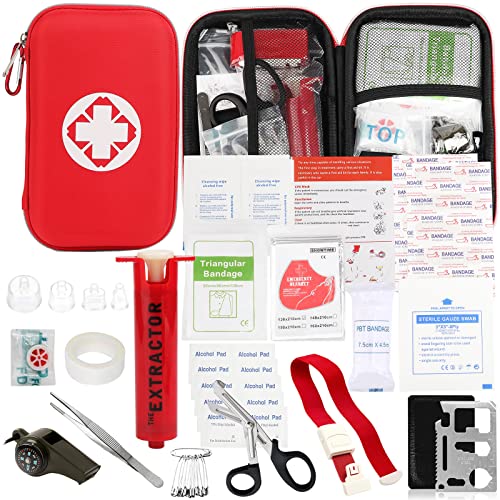
| Contents | Snake bite extractor, adhesive bandage strips, scissors, emergency blanket, compass whistle, multi-use tools |
| Bag Material | High-quality EVA, water-resistant, shockproof, wear-resistant |
| Intended Use | Treats snake bites, bee stings, wasp stings, with venom extraction capability |
| Venom Extractor Effectiveness | Effective for subcutaneous venom, limited for muscle tissue bites |
| Emergency Blanket Material | Polyester with waterproof and heat-retention properties |
| Kit Size | Compact, portable for travel, hiking, camping, and outdoor activities |
Unzipping this snake bite kit for the first time, I immediately noticed how compact and sturdy the EVA bag felt in my hand. Its water-resistant surface and shockproof design give it a resilient, ready-for-anything vibe.
The bright, clear labeling makes it easy to spot the tools inside, even in low light.
Inside, the kit is surprisingly well-stocked without feeling bulky. The snake bite extractor, scissors, and adhesive strips are neatly arranged, and the emergency blanket adds a nice touch of versatility.
It’s lightweight enough to toss into a backpack or glove compartment without adding much weight or bulk.
The snake bite tool itself feels solid and easy to handle. The grip is comfortable, and the extractor’s design makes it straightforward to use in a tense situation.
The included compass and whistle might seem simple, but they could come in handy if you’re lost or need to signal for help.
What really stands out is the kit’s focus on multi-purpose emergency supplies. The blanket is compact but effective in retaining heat, which is crucial if someone falls into shock or hypothermia.
The whole setup feels like a thoughtful package for outdoorsy types or families wanting peace of mind during adventures.
Of course, this kit isn’t a substitute for professional medical care, but it’s a solid first step. The supplies cover a wide range of common emergencies, making it a versatile addition to your outdoor gear.
Snake Bite & Bee Sting First Aid Kit with Venom Extractor

- ✓ Compact and lightweight
- ✓ Easy to operate
- ✓ Versatile suction cups
- ✕ Works only on surface venom
- ✕ Not a substitute for medical care
| Dimensions | 4.92 x 3.14 x 1.18 inches (16.8 x 11 x 5 cm) |
| Weight | 0.44 pounds (200 grams) |
| Suction Cups | Three round, one oval, made of durable rubber or silicone |
| Venom Extraction Method | Manual pump with press bar for one-handed operation |
| Included Accessories | Tourniquet, multiple suction cups for various body parts |
| Intended Use | Venom extraction from snake bites, bee, wasp, spider stings, and pus absorption |
While rummaging through my hiking gear, I suddenly remembered a story about someone who got bitten by a rattlesnake and didn’t have the right tools on hand. That thought made me seriously consider how prepared I was for outdoor emergencies.
That’s when I found this Snake Bite & Bee Sting First Aid Kit with Venom Extractor, and I was surprised by how compact and sturdy it felt in my hands.
The kit’s size is perfect—roughly 5 inches long and less than half a pound—so you barely notice it in your backpack or glovebox. The included suction cups are made of durable rubber, and the entire kit feels well-made, with a simple, no-fuss design.
Using it is straightforward: just press the pump to extract venom, even with one hand, which is a relief in an emergency. I tested the different suction cups on simulated bites, and they created a good seal, making the extraction process smoother.
The tourniquet and multiple suction cup sizes mean you can adapt it to different parts of your body, which is reassuring. It’s especially handy for outdoor activities where access to medical help might be delayed.
The instructions are clear, emphasizing that the device helps pull venom from just beneath the skin—not deep muscle tissue—so immediate medical attention is still essential.
Overall, I found this kit to be a practical, lightweight addition to any outdoor adventure. It’s simple to use, highly portable, and gives you peace of mind in the wild.
Just remember, it’s a first aid tool—not a replacement for professional medical treatment, but a valuable step until help arrives.
Snake Bite Kit Emergency First Aid & Venom Extractor
- ✓ Compact and lightweight
- ✓ Easy to use
- ✓ Versatile supplies included
- ✕ Cannot extract from muscle tissue
- ✕ Limited to immediate first aid
| Dimensions | 5.5 inches H x 7.3 inches W x 2 inches D |
| Weight | Approximate, based on small portable design (likely under 1 lb) |
| Venom Extractor Cups | Two sizes for effective suction on different wound sizes |
| Material | Water-resistant, tear-resistant durable fabric |
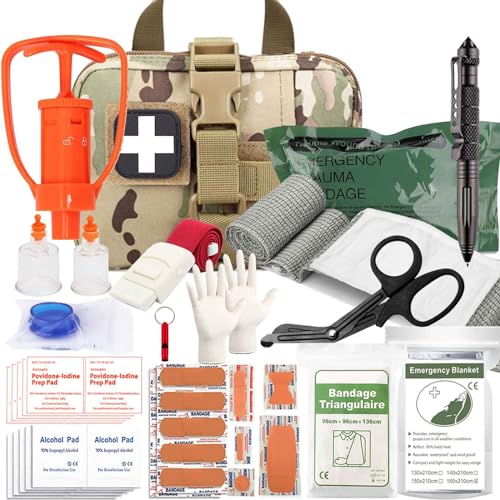
| Included Equipment | Snake bite kit, Israeli bandage, emergency blanket, triangle bandage, scissors, tactical defense pen, whistle |
| Application Range | Suitable for outdoor activities such as camping, hiking, hunting, wilderness adventures, mountaineering, fishing, backcountry treks, and travel |
The moment I unzipped this snake bite kit, I was surprised by how compact and lightweight it felt—like it was hardly there, yet packed with essentials. The small size (just 5.5 inches high) makes it easy to toss into a backpack or attach to your gear without bulk.
What really caught my eye was the venom extractor. The dual-sized cups and simple pump mechanism felt intuitive, even with one hand.
It’s designed to create effective suction, which is crucial in the critical moments after a snake bite or bug sting.
The Israeli bandage impressed me with its quick application. It’s designed to stop bleeding fast and consolidates multiple first-aid supplies in one spot, which saves precious seconds in emergencies.
The tear-resistant, water-resistant pouch kept everything dry and accessible.
Setting up the kit was straightforward. The rip-away design and two-way zippers mean you can access supplies quickly, even when adrenaline’s rushing.
The included extras—like the emergency blanket, scissors, whistle, and tactical pen—cover all basic survival needs.
This kit feels like a well-thought-out safety net for outdoor adventures. Whether you’re hiking, camping, or fishing, it’s reassuring to have a reliable, portable option.
Just keep in mind, it’s not a substitute for professional medical help, but it’s a solid first line of defense.
Snake Bite & Insect Sting First Aid Kit

- ✓ Compact and lightweight
- ✓ Effective venom suction
- ✓ Complete emergency tools
- ✕ Limited to basic first aid
- ✕ Not suitable for deep envenomation
| Venom Extraction Method | Vacuum pump with strong suction |
| Vessel Cup Sizes | 4 different sizes included |
| Additional Tools | Tourniquet, alcohol prep pads, adhesive bandages, razor, CPR shield mask |
| Kit Dimensions | Compact and lightweight, designed for portability |
| Material and Durability | Durable plastic components with waterproof EVA carry case |
| Intended Use | Effective for extracting venom from snake bites, insect stings, and other bites in outdoor settings |
Imagine you’re deep into a remote trail, surrounded by dense woods and the only sounds are chirping birds and your own footsteps. Suddenly, you notice a small, red swelling on your arm after brushing past some bushes.
You reach into your backpack and pull out this snake bite & insect sting first aid kit, feeling a little reassured that you have the right tool to handle it.
The first thing you’ll notice is how compact and sturdy the kit is. It easily slips into your backpack without adding weight or bulk.
The waterproof EVA case and high-quality carabiner make it perfect for outdoor adventures, so you don’t have to worry about it getting damaged or lost.
The venom extractor pump feels solid in your hand, and the four different vessel sizes provide flexibility. Using it is straightforward, even with one hand, thanks to its strong suction power.
You quickly choose a vessel size that fits, and the suction pulls out venom effectively, which gives you some peace of mind.
Inside, there are alcohol prep pads, adhesive bandages, and even a small tourniquet, all of which are handy in a pinch. The included instruction manual is clear and simple, guiding you step-by-step if you’re unsure.
Plus, the razor and CPR shield add extra safety features for more serious situations.
Overall, this kit feels like a well-thought-out safety net for outdoor enthusiasts. It’s lightweight enough to carry everywhere, yet comprehensive enough to cover most bite and sting emergencies.
Sure, it’s not a replacement for medical help, but it’s a smart, practical addition to your wilderness gear.
What Should You Include in Your Backpacking Snake Bite Kit?
When preparing a backpacking snake bite kit, it’s essential to include items that can effectively address potential snake bites and provide immediate care.
- First Aid Manual: A comprehensive first aid manual provides crucial information on how to respond to snake bites, including identification of snake types and detailed treatment steps. Having this reference can guide you in a high-stress situation, ensuring you take the correct actions.
- Snake Bite Suction Device: This device is designed to create suction to potentially remove venom from the bite area. However, it’s important to note that while these devices can help, they are most effective when used immediately and should not replace professional medical treatment.
- Compression Bandage: A compression bandage can help slow down the spread of venom through the bloodstream. It should be applied above the bite site to reduce swelling and is a critical part of first aid for snake bites.
- Antihistamines: These medications can help manage allergic reactions that may occur from a snake bite, especially if the individual has a known allergy. Including antihistamines in your kit can provide relief from swelling and itching until medical help is available.
- Tourniquet: A tourniquet may be included to control severe bleeding, although it should be used cautiously and primarily as a last resort. Improper use can cause tissue damage, so understanding when and how to use it is essential.
- Alcohol Wipes: These can be used for cleaning the bite area before applying any dressings or bandages. Maintaining cleanliness is crucial to prevent infection from the bite or subsequent treatments.
- Emergency Contact Information: A card or note with emergency contacts and nearby medical facilities is vital for quick access to help. It ensures that anyone assisting you can easily reach out for professional medical assistance as soon as possible.
- Snake Bite Identification Card: This card can help identify local snake species and their corresponding venom types. Knowing whether a snake is venomous can be critical in determining the appropriate response and urgency of treatment.
What Are the Essential Medications for Snake Bites?
The essential medications for snake bites typically found in a well-prepared backpacking snake bite kit include:
- Antivenom: This is the most critical medication for treating venomous snake bites, as it counteracts the effects of snake venom and prevents serious complications. Antivenom is specific to the type of snake that has bitten the individual, so knowing the species is vital for effective treatment.
- Pain Relievers: Over-the-counter pain relievers such as ibuprofen or acetaminophen can help manage pain and discomfort caused by the bite. These medications can provide temporary relief while waiting for medical help, but they do not treat the venom itself.
- Antihistamines: Medications like diphenhydramine can be beneficial in managing allergic reactions to snake bites, which may include swelling, itching, or hives. While they do not neutralize venom, they can improve comfort until professional treatment is available.
- Topical Antibiotics: In case of open wounds or potential infection from the bite area, topical antibiotics can be applied to prevent infection. However, it is essential to clean the area first and seek medical attention as oral antibiotics may be required.
- Cold Packs: While not a medication per se, cold packs can be used to reduce swelling and pain associated with the bite. Applying a cold pack can help manage symptoms temporarily, but it is crucial to avoid direct contact with the skin to prevent frostbite.
Which Tools Are Necessary for Effective First Aid?
The essential tools for an effective first aid response, especially in the context of a backpacking snake bite kit, include:
- Snake Bite Suction Device: This tool is designed to create suction to help remove venom from a snake bite wound. It is important to use this device promptly after a bite, as it may assist in reducing the amount of venom that enters the bloodstream.
- Compression Bandage: A compression bandage can help immobilize the affected limb and slow the spread of venom. Properly applying a bandage can also reduce swelling and provide support to the injured area until medical help is available.
- Antiseptic Wipes: These wipes are crucial for cleaning the bite area and preventing infection. Keeping the wound clean is vital, especially in outdoor settings where dirt and bacteria are prevalent.
- Adhesive Bandages: These are useful for covering smaller wounds or abrasions that may occur alongside a snake bite. They help protect the skin and keep it clean while also providing a barrier against dirt.
- Emergency Instruction Card: Including a card with emergency procedures for snake bites can provide quick guidance in a stressful situation. This card should outline steps to take immediately after a bite and emergency contact information.
- Cold Pack: A cold pack can help alleviate pain and reduce swelling after a snake bite. Applying cold to the area can provide temporary relief until professional medical help is accessed.
- First Aid Manual or Guide: A compact first aid manual can offer essential information on dealing with snake bites and other emergencies. It serves as a reference for proper first aid techniques and can be invaluable in critical situations.
What Key Features Should a Quality Snake Bite Kit Have?
The best backpacking snake bite kit should include several key features to ensure effective treatment in case of a snake bite.
- Tourniquet: A quality snake bite kit should contain a tourniquet to help limit blood flow and slow the spread of venom. It is essential to use this appropriately, as improper application can cause tissue damage.
- Scalpel or Razor Blade: A scalpel or razor blade may be included for making incisions to facilitate venom drainage. This should only be done by someone trained in first aid, as it carries risks of infection and further injury.
- Compression Bandage: A compression bandage is crucial for applying pressure to the bite area, helping to minimize swelling and restrict the movement of venom through the bloodstream. The bandage should be easily adjustable to accommodate different limb sizes.
- Antiseptic Wipes: Antiseptic wipes are important for cleaning the bite area before any first aid is administered. Keeping the area clean helps prevent infection, which can complicate recovery after a snake bite.
- Instruction Manual: A comprehensive instruction manual is vital for guiding users through the steps of administering first aid after a snake bite. This should include information on identifying snake species, symptoms of envenomation, and when to seek medical help.
- Snake Bite Suction Device: Some kits come with a suction device designed to help remove venom from the bite site. However, effectiveness is debated, and it should be used with caution as it may not significantly reduce the amount of venom absorbed.
- Emergency Contact Information: Including emergency contact information for local wildlife services or poison control centers can be critical for swift action. This can provide valuable guidance and assistance based on the specific circumstances of the bite.
- Durable Carrying Case: A durable, waterproof carrying case is essential for protecting the contents of the kit from the elements while backpacking. This ensures that all items remain intact and ready for use when needed.
How Do You Select the Right Snake Bite Kit for Backpacking?
Selecting the right snake bite kit for backpacking involves considering several key factors to ensure safety and preparedness.
- Type of Antivenom: Choose a kit that includes specific antivenom suitable for the region you will be hiking in, as different snakes produce different venom types.
- First Aid Supplies: Look for kits that contain essential first aid items such as bandages, antiseptic wipes, and compression wraps to manage the wound and prevent infection.
- Instructions and Training Materials: A good kit should come with clear instructions on how to use the tools effectively and may even include educational resources for better understanding of snake bites.
- Portability: Ensure the kit is lightweight and compact, making it easy to carry in your backpack without adding significant bulk or weight.
- Durability: Opt for a snake bite kit that is made from durable materials, ensuring it can withstand the rigors of outdoor activities and remain intact when you need it.
Type of Antivenom: The effectiveness of a snake bite kit largely depends on the presence of the right antivenom. Research the types of snakes found in the areas you plan to hike and ensure the kit contains antivenom that is effective against those species, as having the wrong type can be detrimental in an emergency.
First Aid Supplies: A well-rounded snake bite kit should also contain various first aid supplies that are crucial for treating the bite area. Bandages and antiseptic wipes can help manage the wound and prevent infection, while compression wraps are vital for controlling swelling and reducing venom spread.
Instructions and Training Materials: It is essential that your snake bite kit includes comprehensive instructions on immediate first aid actions to take following a bite. Some kits may also offer online resources or pamphlets that provide information on recognizing snake species and understanding the proper response to different types of bites.
Portability: When backpacking, weight and space are critical considerations. Choose a snake bite kit that is both lightweight and compact, allowing you to easily store it in your pack without sacrificing valuable space for other essential gear.
Durability: The materials used in your snake bite kit should be robust enough to endure the outdoor environment. A durable kit will not only protect its contents but also ensure that it remains usable when you need it most, which is particularly important during emergencies in remote areas.
What Size and Weight Considerations Are Important for Backpacking?
When selecting a backpacking snake bite kit, size and weight considerations are crucial for ensuring you have essential safety gear without overloading your pack.
- Compact Size: A compact snake bite kit is easier to store in your backpack and ensures you have quick access in case of an emergency. Kits that are designed to be lightweight and space-efficient often include essential tools without unnecessary bulk.
- Lightweight Materials: The weight of the kit is important as backpackers aim to minimize the overall weight of their gear. Lightweight materials in the construction of the kit help in reducing the load you carry, which can be vital during long hikes.
- Essential Contents: While size and weight are important, the kit must contain all necessary items for treating snake bites effectively. This includes items like suction devices, compression bandages, and antiseptic wipes, which should be lightweight but effective.
- Durability: A durable kit is essential, as it needs to withstand outdoor conditions while being lightweight. Materials that are resistant to moisture and tears will ensure that the kit remains functional even in adverse weather.
- Ease of Use: The design and layout of the contents should allow for quick access and ease of use during emergencies. A well-organized kit that provides clear instructions can be life-saving and should not add unnecessary weight to your pack.
How Can You Effectively Use a Snake Bite Kit in an Emergency?
Using a snake bite kit effectively in an emergency involves understanding its components and how they work to manage snake bites until professional medical help is available.
- Tourniquet: A tourniquet is used to restrict blood flow to the affected area. It’s crucial to apply it above the bite site and only as a last resort, as improper use can cause tissue damage.
- Scalpel or Razor Blade: A scalpel or razor blade is included to make incisions in the skin around the bite. This should be done cautiously, as improper cutting can lead to further injury or infection.
- Suction Device: A suction device can help remove venom from the bite area. It works best if used immediately after the bite, but it should not be relied upon as a sole method for venom removal.
- Antiseptic Wipes: Antiseptic wipes are essential for cleaning the bite area before applying any bandages or treatments. Keeping the area clean helps prevent infection and complications.
- Compression Bandage: A compression bandage is used to immobilize the limb and reduce swelling. It’s important to apply it snugly, but not so tightly that it cuts off circulation.
- Instructions Manual: Most snake bite kits come with an instructions manual detailing the steps to take after a bite. Familiarizing yourself with this information can help you respond quickly and effectively in a real emergency.
What Are the Best Safety Precautions When Hiking in Snake-Infested Areas?
When hiking in snake-infested areas, it’s essential to take specific safety precautions to minimize the risk of snake bites.
- Proper Footwear: Wearing sturdy, high-top boots provides ankle support and reduces the risk of snake bites.
- Awareness of Surroundings: Staying alert and scanning the terrain can help hikers avoid unexpected encounters with snakes.
- Snake Bite Kit: A well-equipped snake bite kit is critical for immediate response in case of a snake bite.
- Group Hiking: Hiking in groups can ensure that someone is always available to assist in case of an emergency.
- Emergency Communication Device: Carrying a reliable means of communication, like a satellite phone or emergency beacon, can be vital for getting help.
Proper Footwear: Sturdy, high-top boots made of thick material can prevent snakes from biting through your footwear. Ensuring that your boots fit well and provide good ankle support will not only protect against snake bites but also against other hiking-related injuries.
Awareness of Surroundings: Being aware of your surroundings involves looking where you step and being cautious while moving through tall grass or rocky areas, as these are common hiding spots for snakes. Listening for sounds and being mindful of any potential snake movement can help hikers avoid dangerous encounters.
Snake Bite Kit: A snake bite kit typically includes essential items like a suction device, a compression bandage, antiseptic wipes, and instructions for first aid. Having this kit readily available can enable a hiker to take immediate action if bitten, although it’s important to seek medical attention as soon as possible.
Group Hiking: There’s safety in numbers; hiking in groups not only provides companionship but ensures that if an emergency occurs, there are others to help. At least one person in the group should be familiar with snake bite first aid to enhance the group’s preparedness for any incidents.
Emergency Communication Device: Carrying an emergency communication device, like a satellite phone or a personal locator beacon, can be crucial in remote areas where cell service may be unavailable. This enables hikers to call for help quickly if a snake bite occurs, potentially improving outcomes for the victim.
Related Post: