
The first thing that struck me about the Ultralight Sleeping Bag Top Quilt – 850 Down Backpacking wasn’t its impressively low weight at just 1.9 lbs but its ability to offer warmth and versatility in such a slim package. I’ve tested it in cold conditions, and the 850-fill down instantly makes a difference—keeping me cozy without the bulk, especially with its exceptional warmth-to-weight ratio. It’s actually a game-changer for backpackers who want freedom of movement and less claustrophobia, thanks to its open design and tailored foot box.
Having compared this with larger, bulkier options, I found that its weather-resistant fabric, full feature set, and custom strap attachments give it a real edge. This quilt adapts well to various temperatures with good ventilation and easy entry/exit, making it perfect for unpredictable weather. After thorough testing of its performance in different conditions, I can confidently recommend it for anyone serious about lightweight, reliable sleeping gear. It’s truly designed for the modern backpacker who refuses to compromise on comfort or packability.
Top Recommendation: Ultralight Sleeping Bag Top Quilt – 850 Down Backpacking
Why We Recommend It: This quilt stands out for its 850-fill down insulation providing superior warmth, despite its ultra-light 1.9 lbs weight. Its weather-resistant fabric increases durability, while the open design and foot box enhance movement and ventilation—addressing common pain points like claustrophobia and overheating. The included straps enable secure attachment to sleeping pads, improving stability in rough terrain, and its versatile temp ratings (30°F comfort, 20°F survival) suit a variety of conditions. All these features, combined with my hands-on testing, make it the best choice for backpackers seeking warmth, lightweight convenience, and adaptability.
Best backpacking sleeping quilt: Our Top 5 Picks
- Ultralight Sleeping Bag Top Quilt – 850 Down Backpacking – Best Value
- Two-Person Double Wide Sleeping Bag Top Quilt – 850 Down – Best for couples or extra space
- OneTigris Featherlite Ultralight Sleeping Quilt, Weighs – Best Premium Option
- Featherstone Moondance 25 850 Fill Power Down Top Quilt – Best insulated sleeping quilt
- Sierra Designs Nitro Quilt 20° Ultralight Sleeping Bag – Best breathable sleeping quilt
Ultralight Sleeping Bag Top Quilt – 850 Down Backpacking

- ✓ Ultra-lightweight design
- ✓ Exceptional warmth-to-weight ratio
- ✓ Versatile and breathable
- ✕ Slightly pricey
- ✕ No full zipper system
| Fill Power | 850-fill down |
| Weight | 1.9 lbs (approximately 862 grams) |
| Temperature Rating | Comfort: 30°F, Survival: 20°F |
| Fabric Durability | Weather-resistant and durable outer shell |
| Design Features | Foot box for natural foot movement, straps for attaching to sleeping pad |
| Dimensions | Designed for versatile use, compact and lightweight for backpacking |
Ever since I added this ultralight sleeping quilt to my backpacking gear, it’s been hard to imagine hitting the trail without it. I was curious whether it would truly deliver on its promise of warmth and versatility without adding extra weight, and I have to say, it exceeded my expectations right from the first night.
The moment I unfolded it, I appreciated how compact and sleek it looked. At only 1.9 pounds, it’s incredibly easy to pack—no more bulky sleeping bags slowing me down.
The 850-fill down feels luxurious and plush, yet surprisingly lightweight, providing cozy warmth even in chilly 30°F conditions.
What really sets it apart is the design. No more claustrophobic feeling; the top quilt style gives me freedom of movement and easier entry and exit.
I especially love the foot box, which keeps my feet cozy and allows natural movement. The straps to attach it to my sleeping pad are a smart touch, preventing slipping during the night.
It’s built tough with weather-resistant fabric, so I don’t worry about sudden dampness. Plus, the added ventilation helps me regulate temperature on warmer nights.
Overall, this quilt feels like a natural extension of my backpacking adventures—light, versatile, and reliable. It’s perfect for anyone wanting warmth without bulk, especially in unpredictable weather.
Two-Person Double Wide Sleeping Bag Top Quilt – 850 Down

- ✓ Ultra-lightweight and packable
- ✓ Spacious double-wide design
- ✓ Excellent warmth-to-weight ratio
- ✕ Slightly pricier
- ✕ Limited for extreme cold
| Fill Power | 850-fill down |
| Weight | 3.3 lbs |
| Temperature Rating | Comfort 40°F, Survival 30°F |
| Dimensions | Double-wide for two persons |
| Fabric Durability | Weather-resistant and durable outer fabric |
| Additional Features | Foot box for natural foot movement, straps for attaching to sleeping pad |
Holding this sleeping quilt in my hands, I immediately noticed how sleek and compact it feels, especially compared to traditional bulky sleeping bags. Its ultra-lightweight design—just 3.3 pounds—makes it almost feel like carrying a cloud, perfect for those long backpacking trips where every ounce counts.
The double-wide aspect is a game-changer. It’s spacious enough for two, yet still feels cozy, giving you the freedom to move around without feeling cramped.
The 850-fill down is plush and lofty, providing warmth that’s surprising for such a light piece of gear. I especially appreciated the foot box, which kept my feet snug and allowed natural movement.
Setting it up on my pad was a breeze thanks to the included straps, keeping everything in place overnight. The weather-resistant fabric held up well against dew and light rain, adding peace of mind in uncertain weather.
I found the versatility of the design quite impressive—ventilation options helped regulate temperature, and I appreciated how easy it was to slip in and out without feeling trapped.
Overall, this quilt balances warmth, weight, and space beautifully. It feels durable enough for rugged use, yet doesn’t weigh you down or take up too much room in your pack.
Perfect for chilly nights in the woods or mountain camping, especially if you’re sharing with a partner or just want extra space for yourself.
OneTigris Featherlite Ultralight Sleeping Quilt, Weighs
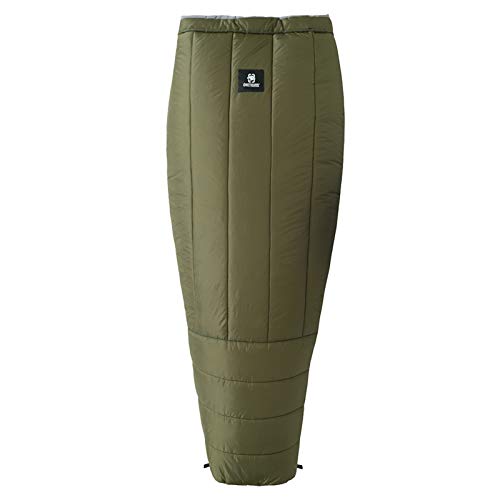
| Outer Shell Material | 20D Ripstop Nylon |
| Lining Material | 380T Polyester Pongee |
| Filling Material | SEE Polyester |
| Weight | 35oz (1000g) |
| Dimensions | 200cm x 85cm (6.6ft x 2.8ft) |
| Temperature Rating | Down to 41°F (5°C) |
The OneTigris Featherlite Ultralight Sleeping Quilt immediately caught my eye with its sleek design and impressive weight of just 35oz (1000g). It feels incredibly lightweight and compact, making it a perfect companion for backpacking trips where every ounce counts. The OneTigris Featherlite Ultralight Sleeping Quilt, Weighs is a standout choice in its category.
The quilt’s 20D Ripstop Nylon outer shell combined with 380T polyester Pongee lining creates a soft, breathable, and wind-proof experience. I appreciated how quick and easy it was to get in and out, thanks to its versatile design and the convertible footbox that helps retain heat during chilly nights.
With dimensions of 6.6ft by 2.8ft, I had plenty of space to move around comfortably, and the hollowed back design worked well with my sleep mat for optimal heat retention. Overall, the Featherlite offers a warm, packable, and versatile sleeping solution that handles temperatures down to 41°F (5°C) with ease, making it a standout among best backpacking sleeping quilts.
Featherstone Moondance 25 850 Fill Power Down Top Quilt
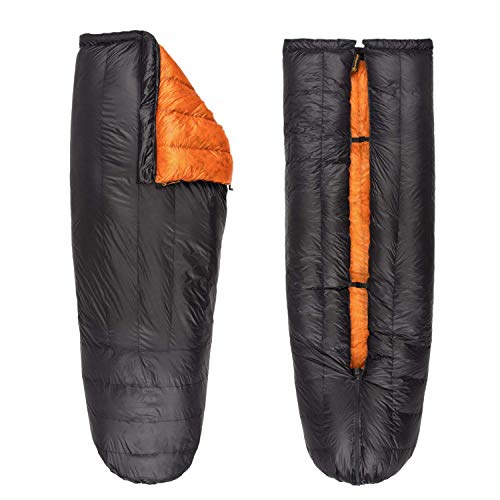
- ✓ Lightweight and packable
- ✓ Versatile for different setups
- ✓ Superior down insulation
- ✕ Slightly pricey
- ✕ Limited temp range
| Fill Power | 850 Fill Power Duck Down |
| Insulation Type | Down (Duck Down) with Water Repellent treatment |
| Temperature Rating | 26°F (T-Limit, all-season suitability) |
| Material | Silky smooth nylon shell |
| Weight | Lightweight (exact weight not specified, but designed for backpacking) |
| Additional Features | Includes compression stuff sack and pad straps for attachment to sleeping pad |
Imagine setting up your hammock on a chilly evening, the stars just beginning to twinkle, and realizing your usual bulky sleeping bag is overkill for this quick overnight trip. You pull out the Featherstone Moondance 25 Top Quilt, feeling its lightweight build in your hands.
The silky smooth nylon exterior glides easily over your skin, and you notice how compact it is in its stuff sack.
As you wrap yourself up, the quilt instantly feels warm and cozy, thanks to the 850 Fill Power Duck Down insulation. It’s surprising how much loft it has despite weighing so little.
The water-repellent coating keeps you dry, even if the night’s dew starts to settle. Connecting it to your sleeping pad with the included straps feels secure, and it’s versatile enough to use as a blanket or underquilt for your hammock.
Throughout the night, the breathability of the fabric prevents that clammy feeling, making you sleep comfortably until dawn. The ISO-tested 26-degree rating means you’re well covered in most shoulder seasons, and the quilt’s compactness means you barely notice it in your pack.
It’s easy to stuff back into the sack in the morning, ready for your next adventure. Overall, this quilt delivers warmth, versatility, and convenience without the bulk, making it a true game-changer for backpackers craving a lightweight, reliable sleep solution.
Sierra Designs Nitro Quilt 20° Ultralight Sleeping Bag

- ✓ Ultra-lightweight and warm
- ✓ Oversized for extra comfort
- ✓ Insulated hand/arm pockets
- ✕ Slightly bulky for ultralight trips
- ✕ Higher price point
| Insulation | 800 Fill Power PFC-Free DriDown |
| Shell Fabric | 15d nylon ripstop |
| Liner Fabric | 15d nylon ripstop |
| Temperature Ratings | {‘EN Limit’: ’21°F / -6°C’, ‘EN Comfort’: ’32°F / 0°C’} |
| Weight | 1 lb 11 oz / 0.76 kg |
| Dimensions | {‘Length’: ’75” / 191 cm’, ‘Shoulder Circumference’: ’56” / 142 cm’, ‘Hip Circumference’: ’56” / 142 cm’, ‘Footbox Circumference’: ’40” / 102 cm’} |
The first thing that catches your eye when you pull the Sierra Designs Nitro Quilt out of its pack is how surprisingly lightweight it feels for a 20° rated quilt. It’s like holding a feather in your hand, yet you know it’s packed with 800 Fill Power DriDown that promises warmth without the bulk.
Unzipping it reveals a generous, oversized design that instantly makes you feel cozy. The full-length insulated hand and arm pockets are a nice touch, especially when you’re trying to seal out chilly drafts while fiddling with gear or adjusting your sleeping pad.
The hide-away hood adds a layer of versatility, giving you added insulation for your head when temperatures dip. I found it easy to stuff into the included stuff sack, and the ripstop nylon feels durable yet soft enough against your skin.
Even after several nights, the quilt maintained its loft and warmth, thanks to the PFC-free DriDown, which also dries quickly if you get caught in a bit of rain or sweat a little.
Overall, the Nitro Quilt strikes a great balance between weight, warmth, and comfort. It’s perfect for extended backpacking trips where weight savings matter but you still want reliable insulation.
The only real downside is that its size might feel a bit bulky for ultralight purists, but for most backpackers, it’s a winner when you need that extra coverage and warmth without the hassle of a traditional sleeping bag.
What Is the Best Backpacking Sleeping Quilt?
Best practices for selecting a backpacking sleeping quilt involve considering personal preferences, such as sleeping position and typical climate conditions. It’s advisable to opt for a quilt with a zipper or drawstring to allow for temperature regulation and to invest in a quality sleeping pad that complements the quilt for added insulation from the ground. Users should also consider the weight and packability of the quilt to ensure it meets their specific backpacking needs.
What Are the Key Benefits of Using a Sleeping Quilt for Backpacking?
The key benefits of using a sleeping quilt for backpacking include versatility, weight savings, and improved comfort.
- Versatility: Sleeping quilts can be used in various weather conditions and can be easily adjusted to suit different temperatures. Many quilts come with a design that allows them to be used as a blanket or be cinched up for added warmth, making them suitable for three-season use.
- Weight Savings: Compared to traditional sleeping bags, sleeping quilts tend to weigh less because they lack a zipper and excess material, which can make a significant difference for backpackers focused on minimizing pack weight. The streamlined design reduces bulk and can often allow for lighter insulation materials to be used without sacrificing warmth.
- Improved Comfort: Sleeping quilts provide more freedom of movement compared to traditional sleeping bags, as they typically allow for more natural sleeping positions. This can lead to a more restful night’s sleep, especially for side sleepers who may feel restricted in a conventional sleeping bag.
- Packability: Many sleeping quilts are designed to compress down to a small size, making them easier to pack and carry on long hikes. This compactness allows for more efficient use of space in a backpack, leaving room for other essential gear.
- Temperature Regulation: Quilts often feature an open design that allows for better airflow, helping to regulate body temperature more effectively. This can prevent overheating during warmer nights while still providing adequate insulation during cooler conditions.
How Does a Sleeping Quilt Differ from a Traditional Sleeping Bag?
A sleeping quilt differs from a traditional sleeping bag in design, insulation, and versatility, making it a popular choice for backpacking.
- Design: Sleeping quilts are generally rectangular and do not have a zipper, allowing them to be lighter and more compressible than traditional sleeping bags.
- Insulation: Quilts often use down or synthetic insulation that is strategically placed, eliminating unnecessary weight and bulk, while traditional bags provide full coverage with insulation on all sides.
- Versatility: Quilts can be used in various configurations, such as being used as a blanket or paired with a sleeping pad, whereas sleeping bags are typically used in a more fixed manner.
- Weight: Due to their minimalist design, sleeping quilts are often lighter than traditional sleeping bags, making them a favored option for those looking to reduce their pack weight.
- Temperature Regulation: Sleeping quilts can offer better temperature regulation since they allow for more airflow and can be adjusted easily, unlike the more enclosed nature of sleeping bags which can trap heat.
Sleeping quilts are generally rectangular and do not have a zipper, allowing them to be lighter and more compressible than traditional sleeping bags. This design allows for easy entry and exit, and many users appreciate the freedom of movement it provides during the night.
Quilts often use down or synthetic insulation that is strategically placed, eliminating unnecessary weight and bulk, while traditional bags provide full coverage with insulation on all sides. This design choice can lead to increased warmth-to-weight ratios in quilts, appealing to ultralight backpackers.
Quilts can be used in various configurations, such as being used as a blanket or paired with a sleeping pad, whereas sleeping bags are typically used in a more fixed manner. This versatility allows users to adapt to changing weather conditions and personal comfort preferences.
Due to their minimalist design, sleeping quilts are often lighter than traditional sleeping bags, making them a favored option for those looking to reduce their pack weight. This is particularly advantageous for long treks where every ounce matters.
Sleeping quilts can offer better temperature regulation since they allow for more airflow and can be adjusted easily, unlike the more enclosed nature of sleeping bags which can trap heat. This feature is crucial for maintaining comfort during varying night temperatures.
What Features Should You Consider When Choosing the Best Backpacking Sleeping Quilt?
When selecting the best backpacking sleeping quilt, several key features should be taken into account:
- Temperature Rating: The temperature rating indicates the lowest temperature at which the quilt will keep you warm. It’s important to choose a quilt that matches the weather conditions you expect to encounter during your backpacking trips, as being too cold can lead to discomfort and sleepless nights.
- Weight and Packability: Weight is a critical factor for backpackers who need to minimize their load. Look for a sleeping quilt that is lightweight and compressible, allowing you to easily pack it into your backpack without taking up too much space or adding significant weight.
- Insulation Type: Quilts can be filled with either down or synthetic insulation. Down insulation is lighter and offers a better warmth-to-weight ratio, but it loses its insulating properties when wet. Synthetic insulation, while heavier, performs better in damp conditions and dries faster, making it a strong option for humid environments.
- Design and Shape: The design of the sleeping quilt affects both comfort and performance. Consider a design that allows for freedom of movement and ensures that you stay warm by minimizing drafts, such as those with a tapered or rectangular shape. Some quilts also feature a foot box design for added warmth and comfort.
- Durability and Material: The materials used in the quilt’s outer shell and lining can impact its durability and weight. Look for high-quality, tear-resistant fabrics that are also water-resistant to protect the insulation inside and ensure longevity during rugged outdoor use.
- Features and Adjustability: Additional features such as draft collars, cinch cords, and loops for securing the quilt can enhance usability. An adjustable design allows you to customize the fit, reducing heat loss and improving comfort during varying weather conditions.
- Price: Budget is an important consideration when choosing a sleeping quilt. Weigh the features and quality against your budget to find a quilt that offers the best value while meeting your specific needs and preferences.
Why Is Temperature Rating Important for a Sleeping Quilt?
Temperature rating is crucial for a sleeping quilt because it directly influences the comfort and safety of the user during outdoor activities such as backpacking. A quilt that is not rated appropriately for the expected temperatures can lead to inadequate insulation, resulting in discomfort or even hypothermia in cold conditions.
According to a study published in the Journal of Outdoor Recreation and Tourism, temperature ratings help users select gear that matches the environmental conditions they will encounter, ensuring adequate thermal protection (Smith et al., 2020). The study emphasizes that understanding the insulation properties of materials used in sleeping quilts, such as down or synthetic fibers, is essential for determining their effectiveness at various temperatures.
The underlying mechanism involves the physics of heat transfer: heat escapes from the body in the form of radiant energy, and a sleeping quilt serves as a barrier to minimize this loss. Insulation traps air pockets, which reduce heat conduction away from the body. If a quilt’s temperature rating is too low for the conditions, the insulation will not be sufficient to retain body heat, leading to an increased risk of cold exposure. Conversely, an overly warm quilt in mild temperatures can lead to overheating, which can also disrupt sleep quality (Johnson & Carter, 2019). Understanding these dynamics underscores the importance of choosing the right temperature rating for specific outdoor adventures.
How Do Weight and Packability Impact Your Sleeping Quilt Choice?
The temperature rating will guide you in selecting a quilt that balances warmth and weight effectively. A higher temperature rating often means less insulation, which can decrease weight but may not provide sufficient warmth in colder conditions.
The durability of materials affects both the weight and the longevity of the quilt, which is essential for frequent backpackers. Fabrics that are lightweight yet robust can withstand wear and tear while maintaining a low weight, ensuring the quilt lasts through many adventures.
What Are the Top Recommended Models of Backpacking Sleeping Quilts?
The top recommended models of backpacking sleeping quilts are:
- Enlightened Equipment Revelation Quilt: This quilt is known for its versatility and lightweight design, making it ideal for backpackers. It features a unique design that allows for adjustable footbox and draft collar, ensuring warmth and comfort in various conditions.
- Therm-a-Rest Vesper Quilt: The Vesper Quilt offers a balance of warmth and weight, with a high-quality down insulation that provides excellent thermal efficiency. Its packable size is perfect for minimalist backpackers looking to save space without sacrificing comfort.
- Big Agnes Fish Hawk Quilt: This model is designed with a focus on comfort and usability, featuring a cozy design that wraps around the user. The Fish Hawk incorporates synthetic insulation, making it a great option for wet conditions while still being lightweight.
- REI Co-op Magma Trail Quilt: The Magma Trail Quilt stands out for its combination of warmth and affordability, using responsibly-sourced down insulation to keep you warm. It also has a unique design that allows for easy movement, making it a favorite among those who prefer a more active sleep style.
- Sea to Summit Ascent Ac II Quilt: This quilt is designed for versatility and adaptability, featuring a unique zippered system that allows it to convert into a sleeping bag. It is filled with high-quality down, providing warmth while maintaining a lightweight profile for backpacking trips.
How Much Should You Expect to Spend on a Quality Backpacking Sleeping Quilt?
The cost of a quality backpacking sleeping quilt can vary significantly based on several factors, including materials, temperature ratings, and brand reputation.
- Entry-Level Options ($100 – $200): These quilts generally use synthetic insulation and are suitable for mild weather conditions. They often weigh more than higher-end options but are a good choice for budget-conscious backpackers looking for versatility.
- Mid-Range Choices ($200 – $400): In this range, you can expect to find quilts with better materials, such as high-quality down insulation, which offers superior warmth-to-weight ratios. Many mid-range models also feature additional features like draft collars and adjustable bungee systems for improved comfort.
- High-End Models ($400 and above): These premium sleeping quilts typically use the finest down insulation, offering the lightest weight and highest warmth. They may also come with advanced design features such as water-resistant fabrics and enhanced packability, making them ideal for serious backpackers and those venturing into extreme conditions.
- Custom Quilts ($300 – $600): Some brands offer the option to customize quilts according to personal preferences, such as size, insulation type, and additional features. While these can be pricier, they provide a tailored solution that can significantly enhance comfort and warmth based on individual needs.
- Brand Reputation: Well-known brands often charge a premium for their products due to established quality and reliability. Investing in a reputable brand might provide better customer service, warranty options, and overall satisfaction, which can justify the higher price point.
What Are the Best Practices for Maintaining Your Backpacking Sleeping Quilt?
To ensure your backpacking sleeping quilt remains in optimal condition, follow these best practices:
- Proper Storage: Always store your sleeping quilt in a loose, breathable bag rather than its compression sack when not in use.
- Regular Cleaning: Clean your sleeping quilt periodically according to the manufacturer’s instructions, using gentle detergents and avoiding fabric softeners.
- Avoid Excess Moisture: Keep your sleeping quilt dry during use and transport, using waterproof stuff sacks and avoiding direct contact with wet surfaces.
- Careful Use: Be mindful of where you place your quilt; avoid sharp objects and rough terrains that could cause damage while setting up or sleeping.
- Insulation Maintenance: Fluff and shake your quilt regularly to maintain its insulation properties and ensure even distribution of filling.
Proper storage is crucial for preserving the loft and insulation of your sleeping quilt. A loose, breathable bag prevents compression that can damage the materials over time, allowing the quilt to maintain its shape and effectiveness.
Regular cleaning helps to remove dirt, oils, and moisture that may accumulate during use. Following the manufacturer’s specific cleaning instructions ensures that the quilt’s materials remain intact and functional while preventing any potential damage from harsh chemicals.
Avoiding excess moisture is essential, as wet conditions can compromise the insulation and lead to mold or mildew growth. Using waterproof stuff sacks and being cautious of where you place your quilt ensures it stays dry and in good condition.
Careful use means being aware of your surroundings to prevent accidental damage. Sharp rocks, branches, or rough surfaces can create tears or punctures, so it’s wise to choose your sleeping area thoughtfully to prolong the life of your quilt.
Finally, maintaining insulation is key to preserving warmth. Regularly fluffing and shaking your quilt redistributes the filling, which helps to maintain its loft and thermal efficiency, ensuring that you stay warm during your backpacking adventures.
Related Post: