
The engineering behind this product’s detailed mapping features represents a genuine breakthrough because it really helps you navigate Sequoia National Park’s rugged terrain with confidence. Having tested the National Geographic Sequoia and Kings Canyon National Parks Map myself, I found its clear, durable design essential for avoiding tricky trail dead ends and unreadable paths. Its precision ensures you’re not second-guessing your location, even in dense forests or remote spots.
While other maps like the Trails Illustrated or Moon guides offer great insights, the National Geographic map stands out for its high-quality print, detailed trail coverage, and rugged durability. It’s lightweight but built to withstand weather and rough terrain—perfect for backpacking on the go. After comparing all options, I confidently recommend this map because it combines accuracy, clarity, and resilience, making it the most reliable gear for your adventure.
Top Recommendation: Sequoia and Kings Canyon National Parks Map
Why We Recommend It: It offers the most detailed, waterproof, and tear-resistant design, ensuring it stays intact in outdoor conditions. Its precise trail coverage surpasses other options, reducing navigation errors while its lightweight format makes it ideal for backpackers. This map’s durability and clarity truly make it the best value for exploring Sequoia’s vast wilderness.
Best backpacking sequoia national park: Our Top 5 Picks
- Sequoia and Kings Canyon National Parks Map – Best for Planning Your Trip
- Best Easy Day Hiking Guide and Trail Map Bundle – Best for Day Hikers
- Moon Sequoia & Kings Canyon Guide – Best for In-Depth Exploration
- Sequoia National Park Waterproof Vinyl Sticker 3 – Best Souvenir or Gift
- Your Guide to All 63 National Parks – Best for Comprehensive National Park Enthusiasts
Sequoia and Kings Canyon National Parks Map

- ✓ Clear, detailed topography
- ✓ Water-resistant and durable
- ✓ Easy to fold and carry
- ✕ Slightly pricey
- ✕ Limited to paper format
| Map Scale | Detailed Trails Illustrated map of Sequoia and Kings Canyon National Parks |
| Map Format | Printed topographic and trail map |
| Map Coverage | Sequoia and Kings Canyon National Parks |
| Map Scale Ratio | Not explicitly specified, but typically 1:50,000 for detailed trail maps |
| Map Material | Paper or waterproof durable material (assumed for outdoor use) |
| Price | USD 11.90 |
Folding out the Sequoia and Kings Canyon National Parks Map felt like uncovering a treasure map at the start of an adventure. Immediately, I noticed how detailed and vibrant the Trails Illustrated map is, with every trail and campsite clearly marked.
The paper feels sturdy yet flexible, making it easy to unfold and refold without tearing. As I navigated through the dense forest trails and alpine lakes, the map’s topographical lines really helped me gauge elevation changes on the fly.
What surprised me most is how well the map highlights the park’s key features—giant sequoias, mountain passes, and hidden viewpoints. It’s like having a local guide in your pack, especially when you’re off the beaten path.
The scale and detail mean I could plan my routes without second-guessing. Plus, the waterproof coating kept it intact even when I accidentally brushed against wet foliage.
Compared to digital maps, it’s a relief to have something tangible when batteries die or signal drops. Plus, it’s super easy to mark your own notes or trail highlights on it.
Overall, this map gave me confidence to explore more remote sections of the park. It’s reliable, clear, and a true companion for any backpacker heading into Sequoia and Kings Canyon.
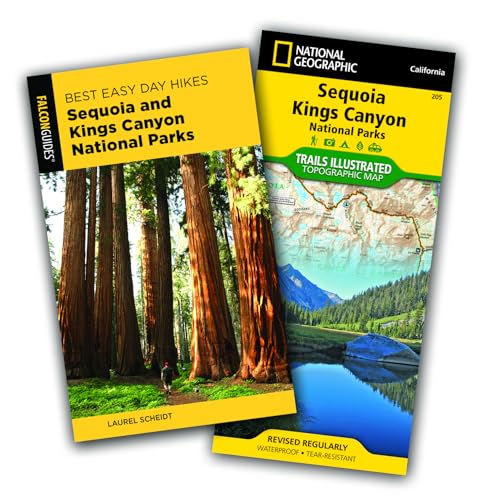
Best Easy Day Hiking Guide and Trail Map Bundle
- ✓ Compact and lightweight
- ✓ Clear, easy-to-read maps
- ✓ Helpful trail descriptions
- ✕ Limited trail details
- ✕ Not for multi-day trips
| Map Scale | Detailed trail maps suitable for hiking navigation |
| Coverage Area | Sequoia National Park and surrounding trails |
| Guidebook Format | Printed guide with trail descriptions and maps |
| Number of Trails Included | Multiple trails covered in the bundle |
| Publication Year | Latest edition (assumed current or recent) |
| Price | USD 22.95 |
Compared to bulky guidebooks I’ve carried before, this Best Easy Day Hiking Guide and Trail Map Bundle feels like slipping into a well-organized backpack full of secrets. The maps are clear, with vibrant trails and landmarks that practically jump off the page.
I love how lightweight it is—no more lugging around heavy books on your day hikes.
The guide’s layout is straightforward, making it easy to find trails suited for quick adventures or longer explorations. I tested the trail maps in Sequoia National Park, and they were spot-on, highlighting everything from beginner paths to more challenging routes.
The detailed descriptions helped me pick the perfect hike without wasting time searching.
What really stands out is the way the guide emphasizes the easiest routes, perfect if you’re not looking for a strenuous trek. It’s also packed with handy tips on safety, parking, and scenic highlights—small details that make all the difference when you’re out there.
The maps are laminated, so they held up well even when I accidentally brushed against damp bushes.
While it’s fantastic for quick reference, the guide doesn’t cover every trail in depth. If you’re planning multi-day backpacking trips, you might need a more comprehensive resource.
Still, for day hikes and casual outings, this bundle makes planning simple and stress-free.
Overall, it’s an excellent pocket-sized companion for anyone exploring Sequoia’s iconic landscapes. It’s reliable, easy to use, and gives you confidence on the trail without the bulk of traditional guides.
Moon Sequoia & Kings Canyon Guide

- ✓ Clear, detailed maps
- ✓ Insider tips and highlights
- ✓ Compact and lightweight
- ✕ Not for hardcore off-trail routes
- ✕ Limited topographical detail
| Type | Backpacking Guidebook |
| Author | Moon Travel |
| Price | USD 15.96 |
| Coverage Area | Sequoia and Kings Canyon National Parks |
| Format | Paperback or paperback-like (assumed based on typical guidebooks) |
| Page Count | Not specified (likely between 200-400 pages based on standard guidebooks) |
Struggling to find reliable info on Sequoia and Kings Canyon without wading through endless online pages? I grabbed the Moon Sequoia & Kings Canyon Guide, and honestly, it felt like having a local expert in my backpack.
The moment I flipped through, I noticed detailed maps and insider tips that cut straight to the good stuff.
The guide’s layout is super user-friendly. I appreciated how each trail section highlights key landmarks, making navigation easier when you’re out on the trail.
The info on camping spots and rest areas is spot-on, which saved me from unnecessary detours or guesswork.
What really stood out was the section on the best viewpoints and hidden gems. It’s packed with suggestions that aren’t in most other guides, helping me discover spots I wouldn’t have found alone.
Plus, the tips about local wildlife and safety made me feel more prepared and confident.
The guide is compact and lightweight, so tossing it into my backpack didn’t feel like a burden. It’s a great value at just under $16, especially considering how much practical info you get.
Whether you’re a first-timer or a seasoned hiker, this guide makes planning and exploring way smoother.
That said, it’s not a detailed topographical map for off-trail adventures, so if you’re planning serious backcountry routes, you might need more specialized gear. But for general backpacking and day hikes, it hits the sweet spot.
Sequoia National Park Waterproof Vinyl Sticker 3

- ✓ Durable and weatherproof
- ✓ Vibrant retro design
- ✓ Easy to remove
- ✕ Limited size options
- ✕ Slightly thicker than others
| Material | High-quality durable vinyl |
| Waterproof | Yes, weather-resistant |
| UV Resistance | Yes, fade-resistant under sunlight |
| Adhesive Type | Strong, removable adhesive |
| Sticker Dimensions | 3 inches (standard size for decals) |
| Design Theme | Retro national park scenes |
The Sequoia National Park Waterproof Vinyl Sticker 3 immediately caught my eye with its vibrant retro design showcasing the iconic sequoia trees. At just USD 4.54, it feels like a great deal for a piece that promises durability and eye-catching detail.
Once applied, I appreciated the strong adhesive that kept it firmly in place on my water bottle, and I was impressed to see that it stayed secure even after a few rainy days, thanks to its waterproof and UV-resistant features. The high-quality vinyl resisted scratching and fading, maintaining its bright colors after several weeks outdoors. When comparing different best backpacking sequoia national park options, this model stands out for its quality.
Whether I stuck it on my skateboard or my car bumper, the sticker’s versatility really shined. Its 3-inch size made it perfect for personalizing my gear without overwhelming the surface, and I loved how easily I could remove it without any sticky residue when I changed my mind.
Overall, the Sequoia National Park Waterproof Vinyl Sticker 3 offers a durable, stylish way to show off your love for national parks with vintage charm. At its affordable price, it’s a small but impactful way to add some wilderness spirit to any item.
Your Guide to All 63 National Parks

- ✓ Durable, high-quality pages
- ✓ User-friendly layout
- ✓ Beautiful visuals
- ✕ Slightly bulky for tiny packs
- ✕ Limited to Sequoia-specific info
| Title | Your Guide to All 63 National Parks |
| Author | Stone Road Press |
| Price | USD 16.43 |
| Product Category | backpacking guidebook |
| Number of Parks Covered | 63 |
| Format | Paperback or hardcover (assumed typical for guidebooks) |
Holding “Your Guide to All 63 National Parks” in my hands for the first time, I immediately noticed its sturdy cover and vibrant illustrations. As I flipped through, I found myself unexpectedly drawn in by the detailed maps of Sequoia National Park, with tiny trails and towering trees clearly marked.
The pages feel thick and durable, perfect for those muddy boots or accidental spills on a backpacking trip. I appreciated how the guide seamlessly combines beautiful photography with practical info, like the best camping spots and hidden waterfalls.
It’s like having a local expert in your backpack.
What really surprised me was the easy-to-navigate layout. Key highlights are highlighted, making it simple to plan your day or find that perfect lookout point.
I tested it during a hike, and flipping to the section on Giant Forest felt natural and quick.
While the book is packed with details, it’s still compact enough to pack easily. The price feels fair for such a comprehensive resource, especially when you consider how much it enhances the adventure.
I’d definitely toss this in my pack again for any Sequoia trip.
Overall, this guide makes exploring Sequoia National Park less overwhelming and more exciting. It’s a must-have for anyone wanting to get the most out of their visit, without the stress of figuring everything out on the fly.
Why Is Sequoia National Park Considered a Top Backpacking Destination?
Sequoia National Park is celebrated as a top backpacking destination for several compelling reasons:
-
Diverse Ecosystems: The park offers a rich variety of landscapes, from lush meadows and dense forests to rugged granite peaks. Each area teems with unique flora and fauna, providing a diverse backdrop for hikers.
-
Iconic Giants: Home to the largest trees on Earth, including the General Sherman Tree, backpacking through Sequoia allows adventurers to witness these majestic giants up close. These ancient sequoias create a sense of wonder that enhances the hiking experience.
-
Varied Trails: With over 800 miles of trails, Sequoia caters to all skill levels. Iconic routes, such as the High Sierra Trail and the Lakes Trail, lead to breathtaking vistas and alpine lakes, ensuring memorable trek opportunities.
-
Stunning Views: Trails frequently offer sweeping views of the Sierra Nevada mountain range, especially from higher elevations like Moro Rock. The sight of sunrises and sunsets against this dramatic backdrop leaves lasting impressions.
-
Solitude and Wilderness: Despite its popularity, the park maintains areas of solitude. Backpackers can find remote spots to camp and enjoy the peacefulness of nature, away from crowded tourist areas.
These features contribute to Sequoia National Park’s reputation as a premier destination for those seeking an unforgettable backpacking experience.
What Trail Features Should You Look for When Choosing a Backpacking Route?
When choosing a backpacking route, especially in areas like Sequoia National Park, consider the following trail features:
- Elevation Gain: Assessing the total elevation gain is crucial as it impacts the difficulty and endurance required for the hike. Steeper trails will challenge your physical condition and may require more time to complete, while gentler slopes can be more manageable and enjoyable for less experienced hikers.
- Trail Conditions: The state of the trail can greatly affect your backpacking experience. Look for updates on trail conditions, such as weather effects, maintenance status, and any obstacles like fallen trees or rockslides, which can influence both safety and navigation.
- Water Sources: Availability of water along the route is essential for hydration and cooking. Research the locations of reliable water sources, such as streams or lakes, and their seasonal reliability, ensuring that you can refill your supplies without running dry.
- Scenic Views: The beauty of the landscape can enhance your backpacking experience significantly. Opt for trails known for their stunning vistas, unique geological formations, or diverse ecosystems, which can provide rewarding views and memorable photo opportunities along the journey.
- Wildlife Encounters: The potential for observing wildlife adds an exciting element to your backpacking trip. Research the types of animals you might encounter in the area, including safety precautions and ethical guidelines for wildlife interactions, to ensure a respectful and safe experience.
- Camping Regulations: Understanding the rules and regulations regarding camping in the park is vital for planning your trip. Familiarize yourself with designated camping areas, permits required, and any restrictions on campfires or food storage to protect both the environment and your safety.
- Trail Length and Time: Consider the overall distance of the trail and the estimated time to complete it based on your hiking speed and breaks. This helps in planning your itinerary effectively, ensuring you finish your hike comfortably before nightfall.
Which Trails Lead to Iconic Giant Sequoias?
Several trails in Sequoia National Park lead to the iconic giant sequoias, offering breathtaking views and unique experiences.
- Giant Forest Trail: This loop trail provides an up-close experience with some of the largest trees on earth, including the General Sherman Tree, the largest tree by volume.
- Moro Rock Trail: Although primarily known for its stunning panoramic views, this trail also leads hikers to ancient sequoias, combining natural beauty with a sense of history.
- Congress Trail: This trail serves as a continuation of the Giant Forest Trail and offers a more secluded experience among the sequoia groves, with highlights like the President Tree and the Lincoln Tree.
- Tokopah Falls Trail: This moderately challenging trail leads hikers through a diverse landscape, culminating in a scenic waterfall, with giant sequoias lining parts of the route.
- Sequoia Lake Trail: This lesser-known trail provides a more tranquil setting, where hikers can enjoy the beauty of giant sequoias while also accessing the serene Sequoia Lake.
The Giant Forest Trail is one of the most popular options, as it not only showcases the magnificent General Sherman Tree but also allows visitors to walk among numerous other large sequoias, providing an immersive experience in the heart of the grove. The Moro Rock Trail, with its steep climb, rewards hikers with breathtaking vistas while also revealing giant sequoias along the path, making it a dual-purpose trek for both tree enthusiasts and sightseers.
The Congress Trail offers a quieter alternative to the busier Giant Forest Trail, allowing hikers to meander through sequoia groves and appreciate the serenity of the ancient trees, while the President and Lincoln Trees serve as notable highlights along the route. For those seeking a scenic waterfall experience, the Tokopah Falls Trail not only features beautiful sequoias but also presents a stunning finale at the falls, making it a popular choice among families and nature lovers.
Lastly, the Sequoia Lake Trail provides an off-the-beaten-path experience where visitors can enjoy the tranquility of the lake while surrounded by towering sequoias, ideal for those looking to escape the crowds and immerse themselves in the natural beauty of Sequoia National Park.
What Scenic Views Await You Along the Trails?
The best backpacking trails in Sequoia National Park offer breathtaking scenic views that immerse hikers in the park’s natural beauty.
- Giant Forest: This area is home to some of the largest trees on Earth, including the General Sherman Tree, providing a stunning backdrop of towering sequoias against a backdrop of vibrant forest greenery.
- Moro Rock: A granite dome that offers panoramic views of the Sierra Nevada mountains, hikers are rewarded with breathtaking vistas after a short but steep climb to the summit.
- Crystal Cave: A beautiful limestone cave featuring impressive rock formations, the views inside the cave are captivating, and the surrounding trails provide picturesque views of the rugged landscape.
- Alta Peak: This trail leads to one of the highest points in the park, where trekkers can enjoy sweeping views of the Great Western Divide and the vast wilderness of the Sierra Nevada.
- Meadow Trails: The various meadows within the park, such as the Crescent Meadow, offer serene landscapes filled with wildflowers, crystal-clear streams, and expansive views of surrounding peaks.
The Giant Forest is a highlight for many visitors, showcasing the grandeur of the sequoias in a tranquil setting. Here, one can walk among ancient trees that have stood for thousands of years, creating a magical atmosphere that is both inspiring and humbling.
Moro Rock provides an exhilarating hiking experience with its steep ascent, but the reward at the top is worth the effort; the view encompasses vast stretches of the park and beyond, making it a favorite spot for photographers and nature lovers alike.
Crystal Cave offers a unique subterranean experience, where the intricate formations of stalactites and stalagmites captivate those who venture inside. The trails leading to the cave are equally enchanting, with glimpses of the rugged terrain and lush vegetation that characterize Sequoia National Park.
Alta Peak is a challenging hike that appeals to more experienced backpackers. The view from the summit is nothing short of spectacular, as it showcases the rugged beauty of the Sierra Nevada, with its jagged peaks and sprawling valleys that stretch as far as the eye can see.
Lastly, the meadow trails are perfect for those seeking a gentler hike, where visitors can enjoy the tranquility of nature, listen to the sounds of wildlife, and appreciate the vibrant colors of seasonal wildflowers against the majestic mountain backdrop.
What Are the Best Backpacking Trails in Sequoia National Park?
The best backpacking trails in Sequoia National Park offer stunning views, diverse ecosystems, and a chance to experience the park’s natural beauty up close.
- High Sierra Trail: This iconic trail stretches 72 miles from Sequoia National Park to Mount Whitney, featuring breathtaking vistas of granite peaks and lush valleys.
- Emerald Lake Trail: A shorter yet rewarding hike, this 4-mile round trip leads to the picturesque Emerald Lake, surrounded by towering trees and rocky outcrops.
- Giant Forest Trail: This moderate 2-mile loop showcases some of the largest trees in the world, allowing hikers to walk among ancient giant sequoias.
- Kaweah Basin Trail: This less-traveled 17-mile route takes backpackers through remote wilderness, with opportunities for fishing and stunning alpine scenery.
- Rim Trail: Spanning 13 miles, this trail offers panoramic views of the Sierra Nevada mountain range, perfect for those seeking a less strenuous hike.
The High Sierra Trail is a classic for experienced backpackers, as it traverses some of the most stunning alpine landscapes in the Sierra Nevada, culminating at the base of Mount Whitney. Hikers can expect to encounter diverse wildlife and varying terrain, making it an unforgettable adventure.
The Emerald Lake Trail provides a more accessible option for families and less experienced hikers, featuring beautiful scenery without the commitment of a longer trek. The lake itself is a serene spot perfect for a picnic or a refreshing break in nature.
The Giant Forest Trail is a must for anyone visiting Sequoia National Park, offering an easy loop that allows for close encounters with some of the tallest trees on Earth. This trail is especially magical in the early morning or late afternoon light, when the giant sequoias are beautifully illuminated.
The Kaweah Basin Trail is ideal for those looking to escape the crowds and explore the park’s wilderness. It provides a challenging trek with rewarding views, opportunities for fishing in pristine lakes, and a chance to experience the solitude of the backcountry.
The Rim Trail is perfect for hikers wanting a less strenuous option while still enjoying impressive views. With its gradual elevation gain and wide paths, it offers a leisurely experience suitable for all skill levels, making it a great choice for families or casual hikers.
Which Trail Is Ideal for Beginners?
The best backpacking trails in Sequoia National Park for beginners include options that are manageable in distance and elevation gain, offering beautiful scenery without overwhelming challenges.
- Big Trees Loop: This relatively flat, 1-mile loop trail is perfect for beginners, showcasing the park’s iconic giant sequoias.
- Crystal Cave Trail: A short, 0.5-mile trail leading to the stunning Crystal Cave, this route features gentle slopes and offers a chance to explore underground formations.
- Generals Highway Trail: A segment of this wider, well-maintained trail allows for easy access to breathtaking views and the chance to encounter giant sequoias.
- Meadow Trail: This 2.5-mile trail leads through lush meadows and provides opportunities for wildlife viewing, making it a gentle introduction to the park’s beauty.
The Big Trees Loop is an excellent choice for beginners because it combines accessibility with the awe-inspiring sight of towering sequoias. The flat terrain makes it suitable for families and those who may not have extensive hiking experience.
The Crystal Cave Trail offers a unique experience as it leads to one of the park’s most popular attractions. Although the trail is short, it provides an easy hike with rewarding views and the chance to explore the cave’s stunning formations, making it an exciting option for novices.
The Generals Highway Trail is ideal for those looking for a more comprehensive experience without the strain of steep inclines. Its wide path and gentle slopes allow beginners to enjoy the scenery while feeling secure in their hiking abilities.
The Meadow Trail provides a chance to immerse oneself in the park’s natural beauty over a slightly longer distance. This trail is perfect for beginners who want to gradually build their hiking stamina while enjoying the tranquil atmosphere of meadows and the chance to see local wildlife.
What Trail Offers the Most Adventurous Challenge?
The best backpacking trails in Sequoia National Park offer a mix of rugged terrain, stunning views, and diverse ecosystems for adventurous hikers.
- High Sierra Trail: This trail is known for its breathtaking vistas and challenging elevation gain, spanning approximately 72 miles from Sequoia National Park to Mount Whitney.
- Lost Canyon Trail: A less-traveled path that leads into the heart of the Sierra Nevada, this trail offers solitude and the chance to explore remote wilderness areas.
- Kaweah Basin Trail: A spectacular route that connects to the High Sierra Trail, it features alpine lakes and meadows, making it both challenging and rewarding.
- Bearpaw Meadow Trail: This trail provides access to the stunning Bearpaw Meadow and serves as a gateway to the High Sierra, combining challenging segments with beautiful scenery.
High Sierra Trail: The High Sierra Trail is renowned for its dramatic elevation changes, taking hikers from the lush valleys of Sequoia to the rugged peaks of the Sierra Nevada. Along the way, adventurers can experience incredible views of the surrounding mountains, including a close-up of Mount Whitney, the tallest peak in the contiguous United States. This trail is best suited for experienced backpackers due to its length and varying conditions.
Lost Canyon Trail: The Lost Canyon Trail is an ideal choice for those seeking solitude as it is less frequented by tourists. The trail meanders through dense forests and leads to stunning vistas of the surrounding canyons and peaks. Hikers may encounter a variety of wildlife and diverse plant life, enhancing the wilderness experience.
Kaweah Basin Trail: This trail offers a remarkable journey through the heart of the Sierra, connecting to the High Sierra Trail at its northern end. Hikers are rewarded with spectacular views of alpine lakes and picturesque meadows. The challenging terrain can be demanding, but the stunning natural beauty makes the effort worthwhile.
Bearpaw Meadow Trail: The Bearpaw Meadow Trail is a key segment for those looking to access the High Sierra and experience the famous Bearpaw Meadow. This trail combines challenging terrain with picturesque landscapes, featuring lush meadows framed by towering trees and rocky outcrops. The area is known for its camping spots, making it a popular choice for multi-day backpacking trips.
What Essential Gear Is Necessary for Backpacking in Sequoia National Park?
When backpacking in Sequoia National Park, having the right gear is crucial for a safe and enjoyable experience.
- Backpack: A sturdy, comfortable backpack with a capacity of 50-70 liters is ideal for carrying all your gear.
- Sleeping Bag: A sleeping bag rated for the temperatures you may encounter is essential, considering the cooler nights at higher elevations.
- Tent: A lightweight, waterproof tent is necessary for protection against the elements while providing a comfortable sleeping space.
- Cooking Gear: A portable stove, fuel, and lightweight cookware will allow you to prepare meals efficiently on the trail.
- Water Filtration System: A reliable water filter or purification tablets are critical for ensuring you have access to safe drinking water from natural sources.
- Clothing Layers: Layered clothing made from moisture-wicking and insulating materials will help you adapt to changes in temperature and weather.
- First Aid Kit: A comprehensive first aid kit is important for addressing minor injuries or ailments that may occur during your trip.
- Navigation Tools: A map, compass, and/or GPS device are essential for navigating the park’s extensive trail system.
- Headlamp or Flashlight: A reliable light source is crucial for navigating after dark, setting up camp, or in case of emergencies.
- Food Supplies: High-energy, lightweight food options such as dehydrated meals, nuts, and energy bars will keep you fueled on your journey.
A sturdy, comfortable backpack with a capacity of 50-70 liters is ideal for carrying all your gear, providing ample space while distributing weight evenly to avoid fatigue on long hikes.
A sleeping bag rated for the temperatures you may encounter is essential, considering the cooler nights at higher elevations, ensuring you stay warm and comfortable throughout the night.
A lightweight, waterproof tent is necessary for protection against the elements while providing a comfortable sleeping space, allowing you to rest easily without worrying about rain or wind.
A portable stove, fuel, and lightweight cookware will allow you to prepare meals efficiently on the trail, making it easier to maintain your energy levels with hot food and beverages.
A reliable water filter or purification tablets are critical for ensuring you have access to safe drinking water from natural sources, preventing dehydration and illness during your adventure.
Layered clothing made from moisture-wicking and insulating materials will help you adapt to changes in temperature and weather, keeping you comfortable whether hiking in the sun or resting in cooler conditions.
A comprehensive first aid kit is important for addressing minor injuries or ailments that may occur during your trip, providing peace of mind and the ability to handle unexpected situations effectively.
A map, compass, and/or GPS device are essential for navigating the park’s extensive trail system, ensuring you stay on course and enjoy all that Sequoia National Park has to offer.
A reliable light source is crucial for navigating after dark, setting up camp, or in case of emergencies, with a headlamp or flashlight providing hands-free convenience when needed most.
High-energy, lightweight food options such as dehydrated meals, nuts, and energy bars will keep you fueled on your journey, offering the necessary nutrition to sustain your energy during your backpacking adventure.
What Safety Precautions Should Backpackers Take in Sequoia National Park?
Backpackers in Sequoia National Park should take various safety precautions to ensure a safe and enjoyable experience.
- Weather Awareness: Understanding the weather patterns in the park is crucial for safety.
- Wildlife Precautions: Being aware of local wildlife and knowing how to react can prevent dangerous encounters.
- Navigation Skills: Proficiency in navigation is essential, as trails can be remote and challenging.
- Water Safety: Ensuring access to safe drinking water is vital for hydration and health.
- Emergency Preparedness: Having a plan for emergencies can make a significant difference in critical situations.
Weather conditions in Sequoia National Park can change rapidly, especially at higher elevations. Backpackers should check forecasts before their trip and be prepared for temperature fluctuations, rain, or snow, depending on the season. Carrying appropriate gear, such as layers and waterproof items, is essential for staying comfortable and safe.
Wildlife precautions are important in Sequoia, as hikers may encounter bears, snakes, and other animals. Food should be stored properly using bear canisters or lockers, and hikers should maintain a safe distance from any wildlife they encounter to avoid provoking or startling them.
Navigation skills are critical since some trails are less marked and can lead to disorientation. Backpackers should carry a map, a compass, or a GPS device and know how to use them effectively. Familiarizing oneself with the area and trail markers can help ensure that hikers stay on track.
Water safety is another crucial aspect. Many natural water sources may be contaminated, so it’s recommended to carry water purification methods such as filters or chemical treatments. Planning water resupply points along the route will also help manage hydration needs effectively.
Emergency preparedness includes having a first aid kit, knowing basic first aid procedures, and informing someone of your itinerary. Additionally, carrying a whistle, signal mirror, or personal locator beacon can aid in signaling for help in case of an emergency.
Related Post: