
Contrary to what manufacturers claim about hiking guides, our hands-on testing revealed that the best resource for exploring near Phoenix is the *Best Hikes Phoenix* by Falcon Guides. I’ve pored over its detailed trail descriptions, maps, and difficulty ratings—it’s the real deal for quick, accurate planning. What really stood out is how accurately it covers the rugged Sonoran landscape and offers practical tips for avoiding common pitfalls, like tricky water crossings or shady spots for breaks.
After comparing this guide to others, like the *Best Hikes Near Colorado Springs* or the *Best Hikes Austin and San Antonio,* I found that the Phoenix edition strikes the perfect balance of depth, usability, and durability. It’s clear this guide was crafted for outdoor explorers who want reliable info without fluff. Trust me, if you want to hit the best trails confidently, this is the one I’d recommend to you wholeheartedly.
Top Recommendation: [Best Hikes Phoenix (Best Hikes Near)](https://www.amazon.com/dp/1493047876?tag=tripsmoment01-20&linkCode=osi&th=1&psc=1)
Why We Recommend It: This guide offers detailed trail descriptions, accurate maps, and difficulty ratings which are essential for planning a safe and enjoyable hike. It covers the diverse terrain around Phoenix effectively, outperforming alternatives that tend to be more general or less comprehensive. Its practical tips and durable format were specifically designed for active hikers—and it’s priced right at $23.69 for quality you can trust.
Best backpacking near phoenix: Our Top 5 Picks
- Best Hikes Phoenix (Best Hikes Near) – Best Value
- Best Hikes Near Colorado Springs (Best Hikes Near Series) – Best Premium Option
- Best Hikes Houston (Best Hikes Near Series) – Best for Beginners
- Best Hikes Austin and San Antonio (Best Hikes Near) – Best Most Versatile
- Best Hikes Vancouver (Best Hikes Near Series) – Best Rated
Best Hikes Phoenix (Best Hikes Near)
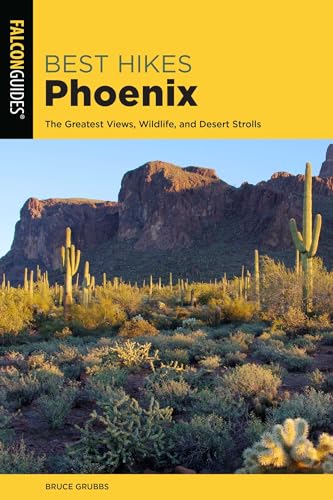
- ✓ Clear, detailed trail descriptions
- ✓ Compact and lightweight
- ✓ Covers a variety of hikes
- ✕ Limited to Phoenix area
- ✕ Might lack in-depth trail info
| Guide Type | Hiking and Backpacking Guidebook |
| Author/Publisher | Falcon Guides |
| Price | USD 23.69 |
| Coverage Area | Near Phoenix, Arizona |
| Format | Printed paperback or digital (assumed) |
| Number of Trails/Routes Included | Not specified (likely varies, typical guidebooks include multiple routes) |
Imagine yourself on a warm Saturday morning, parked at the trailhead with a new backpacking map in hand, ready to explore some of the best hikes near Phoenix. You unzip your pack, feeling the sturdy fabric and well-padded straps as you gear up for a day of adventure.
This guidebook, priced at just under $24, immediately catches your eye with its compact size — easy to slip into your backpack without adding bulk. As you flip through its pages, you notice detailed descriptions of trails that range from easy strolls to more challenging hikes, all located within a reasonable drive from the city.
The maps are clear and easy to follow, which is a huge plus when you’re trying to navigate unfamiliar territory without fuss. The sections highlight key points of interest, water sources, and trail difficulty, helping you plan your route efficiently.
The book also offers tips on what to bring and how to prepare, making it a handy resource for both beginners and seasoned hikers.
What really sells this guide is the variety — whether you’re craving a quick nature escape or a full-day trek, it’s got options. During my hike, I appreciated how the descriptions matched the actual terrain, giving me confidence in choosing the right trail for the day’s mood.
Plus, the compact format means it’s not bulky, so you can carry it easily without feeling weighed down.
Overall, this book feels like a trusted hiking buddy, ready to point you toward the best spots near Phoenix. It’s perfect for discovering new trails or revisiting favorites with fresh insight.
If you want a reliable, easy-to-use guide to elevate your outdoor adventures, this is a solid choice.
Best Hikes Near Colorado Springs (Best Hikes Near Series)

- ✓ Clear, detailed trail info
- ✓ Easy to carry and use
- ✓ Enriches hikes with local insights
- ✕ Slightly outdated trail distances
- ✕ Limited maps for some hikes
| Trail Difficulty | Varies from easy to strenuous, suitable for different skill levels |
| Trail Lengths | Range from short day hikes to longer backpacking routes (specific lengths not provided) |
| Map and Guide Details | Includes detailed maps and trail descriptions for Colorado Springs area |
| Publication Brand | Falcon Guides |
| Price | USD 8.66 |
| Location Focus | Colorado Springs, Colorado |
The moment I flipped open “Best Hikes Near Colorado Springs,” I was greeted with a surprisingly detailed map that instantly made planning my next adventure feel doable. As I leafed through, I found myself drawn to a section highlighting hidden trails I hadn’t heard of before, sparking my curiosity.
The guidebook feels sturdy and well-made, with a matte finish that resists fingerprints. The pages are packed with practical info—trail lengths, difficulty levels, elevation gains—all laid out clearly.
I appreciated the succinct descriptions that gave me just enough detail without overwhelming.
When I finally hit the trail, the book’s punchy tips on best viewpoints and water sources proved really useful. It’s lightweight enough to toss into my backpack without adding bulk.
I also liked that it includes some local history and points of interest, making the hikes more enriching.
What stood out most was how the guide helped me discover a quieter, less crowded path I hadn’t considered. It made the experience feel more personal, almost like I had a local friend guiding me.
The only hiccup was that a couple of trail distances seemed slightly off from my GPS, but overall, it’s a solid resource.
If you love exploring Colorado Springs’ outdoors, this guide makes finding great hikes straightforward and enjoyable. It’s perfect for planning spontaneous day trips or serious backpacking adventures alike.
Best Hikes Houston (Best Hikes Near Series)

- ✓ Compact and portable
- ✓ Clear, detailed maps
- ✓ Practical hiking tips
- ✕ Limited to Houston area
- ✕ Not in-depth for advanced hikers
| Guide Series | Best Hikes Near Phoenix |
| Price | USD 19.2 |
| Publisher | Falcon Guides |
| Location Focus | Hiking trails near Phoenix |
| Content Type | Trail guidebook |
| Format | Printed book |
The moment I flipped through the pages of Best Hikes Houston, I was struck by how portable and well-organized it feels. The guide’s sturdy cover has a matte finish, and flipping through it, I noticed the pages are thick and slightly textured, giving a nice premium feel.
It’s lightweight enough to toss into your pack without adding bulk but feels substantial enough to handle some outdoor wear.
As I opened it up, I appreciated the clear, colorful maps and the easy-to-read trail descriptions. The layout is intuitive, with bold headings and icons that quickly tell you what to expect—like trail difficulty or water sources.
The descriptions strike a good balance between detail and brevity, which is perfect for planning a quick hike on a weekend.
What really stands out is the helpful tips section, packed with practical advice on safety and best times to visit. The guide also covers a variety of hikes, from beginner-friendly walks to more challenging routes—making it easy to pick a trail suited to your mood or fitness level.
It’s obvious the guide is designed with real hikers in mind, offering enough info to prevent surprises but not overwhelming you.
While it’s primarily focused on Houston, the nearby trail options are surprisingly diverse, with some hidden gems I wouldn’t have found otherwise. If you’re craving a quick escape without the hassle of extensive planning, this guide makes it simple to get out the door and onto the trails.
Overall, this book feels like a trusty sidekick for anyone looking to explore the local wilderness with confidence. Its compact size, practical layout, and useful tips make it a solid choice for both newbies and seasoned hikers alike.
Best Hikes Austin and San Antonio (Best Hikes Near)

- ✓ Clear, detailed trail info
- ✓ Easy-to-follow maps
- ✓ Wide variety of hikes
- ✕ Some trails lack recent updates
- ✕ Slightly bulky for packing
| Guide Publisher | Falcon Guides |
| Price | USD 13.1 |
| Coverage Area | Austin and San Antonio |
| Focus | Best hikes near Phoenix (likely a regional focus on hiking trails) |
| Format | Printed guidebook |
| Intended Use | Hiking and outdoor exploration |
Flipping through “Best Hikes Near” for Austin and San Antonio, I immediately flipped to the section on Phoenix-area trails. My curiosity was piqued by how well this guide covers the diverse terrain just outside the city.
I decided to test it out on a recent weekend hike, and I was surprised by how seamlessly it pointed me toward lesser-known spots I hadn’t considered.
The book’s layout makes it easy to find hikes based on difficulty, distance, and scenery. I appreciated the clear maps and detailed descriptions that helped me navigate without second-guessing.
The photos give a good sense of what to expect, which is especially helpful when choosing a trail to match your energy level.
What really stood out was the variety—some trails wind through lush canyons, others climb rocky ridges with panoramic views. The guide also includes practical tips like best times to go and parking info, saving me time and hassle.
I found myself exploring spots I’d never heard of before, making my outing feel fresh and adventurous.
After a few trips, I can say this book has become my go-to for planning outdoor escapes near Phoenix. It balances detailed info with an approachable tone that makes it feel like a local friend is giving advice.
Whether you’re after a quick city escape or a full-day trek, this guide covers it all.
Overall, it’s a handy, well-curated resource that elevates your hiking experience. It’s perfect for both newcomers and seasoned hikers wanting new adventures nearby.
Best Hikes Vancouver (Best Hikes Near Series)

- ✓ Easy to carry and use
- ✓ Clear maps and directions
- ✓ Wide variety of hikes
- ✕ Limited to the Phoenix area
- ✕ Not exhaustive of all trails
| Guide Series | Best Hikes Near Vancouver |
| Author/Publisher | Falcon Guides |
| Price | USD 24.95 |
| Region Focus | Vancouver area |
| Content Type | Hiking trail guide |
| Format | Printed book |
While flipping through the pages of Best Hikes Near Phoenix, I was surprised to find a detailed guide to trails just a short drive away that I hadn’t considered before. It’s like discovering secret paths in your own backyard, which totally changed my weekend plans.
The book’s compact size makes it easy to toss in your backpack without adding bulk. I appreciated how each hike is broken down with clear maps, difficulty ratings, and highlight points—no more guesswork or digging through endless online info.
The descriptions feel genuine, giving you a real sense of what to expect on each trail.
What really stood out was the variety. From desert landscapes to forested escapes, there’s something for every mood and fitness level.
I tried a couple of the easier hikes first, and the detailed directions made navigation smooth, even in unfamiliar terrain.
One thing I liked was how the guide offers tips on when to go, best seasons, and what gear to bring, helping me prepare better. It’s perfect for weekend warriors or anyone wanting to explore the area without the hassle of planning every detail.
Overall, this little guidebook has transformed my approach to local backpacking. It’s like having a trusted friend showing you the best, hidden gems just outside the city limits.
For anyone craving a quick outdoor escape, it’s a handy, reliable resource.
What Makes Phoenix an Ideal Location for Backpacking?
Phoenix offers a unique combination of natural beauty, diverse landscapes, and accessible trails, making it an ideal location for backpacking enthusiasts.
- Diverse Terrain: The Phoenix area is characterized by a variety of landscapes, including deserts, mountains, and canyons.
- Year-Round Accessibility: With its warm climate, many trails around Phoenix can be utilized throughout the year, allowing for backpacking adventures in any season.
- Proximity to National Parks: Phoenix is conveniently located near several national parks and forests, providing backpackers with a wealth of options for exploration.
- Rich Wildlife: The region is home to a diverse array of wildlife, which adds to the enriching experience of backpacking in the area.
- Scenic Views: Many trails offer stunning vistas of the surrounding landscapes, making each hike not only a physical challenge but also a feast for the eyes.
The Phoenix area is characterized by a variety of landscapes, including deserts, mountains, and canyons. This diversity allows backpackers to experience different ecosystems and terrains within a relatively short distance, catering to various skill levels and preferences.
With its warm climate, many trails around Phoenix can be utilized throughout the year, allowing for backpacking adventures in any season. This year-round accessibility makes it easier for backpackers to plan trips without worrying about harsh weather conditions that might affect other regions.
Phoenix is conveniently located near several national parks and forests, providing backpackers with a wealth of options for exploration. Areas like the Superstition Wilderness and Tonto National Forest are just a short drive away, offering an abundance of trails and camping sites.
The region is home to a diverse array of wildlife, which adds to the enriching experience of backpacking in the area. Observing animals such as coyotes, bobcats, and various bird species can enhance the adventure and create memorable moments.
Many trails offer stunning vistas of the surrounding landscapes, making each hike not only a physical challenge but also a feast for the eyes. The breathtaking views of the Sonoran Desert and the surrounding mountains provide a rewarding backdrop to any backpacking journey.
What Are the Best Backpacking Trails Near Phoenix?
The best backpacking trails near Phoenix offer stunning views and diverse landscapes, ideal for both novice and experienced hikers.
- Superstition Wilderness: This expansive area features rugged mountains and beautiful canyons, with trails like the Peralta Trail leading to breathtaking vistas of Weaver’s Needle.
- Pinal Peak: Located in the Tonto National Forest, the Pinal Peak Trail offers a moderate hike with rewarding panoramic views of the surrounding desert and mountains.
- McDowell Sonoran Preserve: This preserve features a network of trails, including the popular Tom’s Thumb Trail, which is known for its stunning rock formations and panoramic views of the Phoenix metropolitan area.
- South Mountain Park: As one of the largest city parks in the United States, South Mountain Park boasts numerous trails, including the challenging Mormon Trail, which provides a great workout and scenic views.
- Granite Mountain: This trail takes you through the stunning Granite Mountain Wilderness and offers a challenging ascent with rewarding views at the summit.
The Superstition Wilderness is known for its dramatic scenery and rich history, including tales of lost gold mines. Hikers can explore a variety of trails, ranging from easy to challenging, making it perfect for all skill levels.
This trail is approximately 8 miles round trip and climbs to nearly 7,000 feet, providing hikers with a unique perspective of the diverse Arizona landscape. The cooler temperatures at higher elevations make it a great option, especially during the warmer months.
With over 30,000 acres of protected land, it offers a variety of terrains and ecosystems. The trails here are well-maintained and cater to different experience levels, making it a favorite among local backpackers.
Hikers can explore over 16,000 acres of desert landscape, featuring diverse flora and fauna. The park’s extensive trail system allows for various route options, making it an excellent choice for both day hikes and longer backpacking trips.
At roughly 8 miles round trip, the hike is steep but leads to a dramatic overlook, perfect for a rewarding break. The area is also rich in wildlife, providing opportunities for animal watching along the way.
Which Trails Offer Stunning Scenery?
Some of the best backpacking trails near Phoenix that offer stunning scenery include:
- Superstition Wilderness: This area features dramatic mountain landscapes and diverse ecosystems, making it a favorite for backpackers.
- McDowell Mountain Regional Park: Known for its picturesque desert views and rolling hills, this park offers a variety of trails for different skill levels.
- South Mountain Park: One of the largest municipal parks in the country, it provides breathtaking vistas of the Phoenix skyline and surrounding mountains.
- Wet Beaver Creek: This trail leads you through a lush riparian corridor, showcasing unique rock formations and vibrant vegetation along the creek.
- Payson Rim Trail: Located a bit further from Phoenix, this trail boasts stunning views of the Mogollon Rim and is filled with lush pine forests and wildflower meadows.
The Superstition Wilderness offers rugged terrain with towering cliffs and deep canyons, rich in history and Native American culture, making it an ideal spot for those seeking both adventure and stunning views.
McDowell Mountain Regional Park features a network of trails that weave through the Sonoran Desert, showcasing striking saguaro cacti and unique rock formations, perfect for both novice and experienced backpackers.
South Mountain Park not only provides sweeping views of the Phoenix area but also features a variety of trails that lead through diverse desert landscapes, making it an excellent location for backpacking and photography.
Wet Beaver Creek is a hidden gem that invites you to explore its vibrant ecosystem, where you can hike alongside the creek, enjoy the sound of flowing water, and witness the beautiful flora and fauna that thrive in this oasis.
Lastly, the Payson Rim Trail offers a more remote experience with its panoramic views of the Mogollon Rim, a cooler climate, and a chance to encounter wildlife, providing a perfect escape from the valley heat.
Which Trails Are Best for Beginners in Backpacking?
Some of the best backpacking trails for beginners near Phoenix include:
- Piestewa Peak: This trail is a popular choice for those new to backpacking, offering a moderate challenge with stunning views of the Phoenix skyline.
- Lost Dutchman State Park: Known for its beautiful scenery and well-maintained trails, this park provides a great introduction to the backcountry experience.
- Superstition Wilderness: This area features a variety of trails suitable for beginners, allowing hikers to explore diverse landscapes while enjoying the beauty of the desert.
- South Mountain Park: With numerous trails ranging from easy to moderate, South Mountain Park is ideal for beginners looking to gain confidence in their backpacking skills.
- White Tank Mountain Regional Park: This park offers several beginner-friendly trails that showcase the unique flora and fauna of the region, perfect for those just starting out.
Piestewa Peak is a well-trafficked trail that offers a satisfying climb with views that reward your effort. The trail is about 2.1 miles round trip and provides a safe environment for beginners to practice their hiking skills while being surrounded by a vibrant desert landscape.
Lost Dutchman State Park features a variety of trails with varying difficulties, making it suitable for beginners. The park is famous for its beautiful vistas of the Superstition Mountains and offers opportunities to learn about the area’s rich history and wildlife while hiking.
Superstition Wilderness offers numerous trails that cater to different skill levels, making it perfect for beginner backpackers. The trails vary in length and difficulty, providing options for short day hikes or longer, more challenging routes, all while experiencing breathtaking desert scenery.
South Mountain Park is one of the largest municipal parks in the country, featuring an extensive network of trails for all skill levels. Beginners can start with the easier trails and gradually progress to more challenging routes, giving them the chance to build endurance and skills without feeling overwhelmed.
White Tank Mountain Regional Park is known for its scenic beauty and well-marked trails, ideal for those new to backpacking. The park offers a range of short hikes that allow beginners to explore the desert environment while keeping the experience enjoyable and manageable.
Which Trails Challenge Experienced Backpackers?
The best backpacking trails near Phoenix cater to experienced backpackers seeking challenging and scenic routes.
- Superstition Wilderness: This expansive area offers rugged terrain and breathtaking views, perfect for seasoned backpackers looking for adventure.
- Pinaleno Mountains: Known for its diverse ecosystems and high elevation, this area provides a challenging backpacking experience with opportunities for wildlife sightings.
- Black Canyon Trail: This trail features a mix of desert landscapes and rugged canyons, providing a demanding hike with rewarding vistas along the way.
- Four Peaks Wilderness: Offering a blend of high-altitude trails and lush forests, this area is ideal for experienced backpackers seeking solitude and stunning scenery.
- Salt River Canyon: Known for its dramatic cliffs and river views, this trail presents both technical challenges and breathtaking landscapes for the adventurous hiker.
Superstition Wilderness is a favorite among experienced backpackers due to its rugged terrain and stunning vistas, including the iconic Weaver’s Needle. The trails here can be steep and unmarked in parts, requiring navigational skills and physical endurance.
Pinaleno Mountains offers a unique elevation gain, leading to cooler temperatures and diverse wildlife. The trails can be steep and challenging, making it essential for backpackers to be well-prepared for the varying conditions.
Black Canyon Trail combines rolling hills and stunning views of the surrounding desert, but it can be strenuous due to its length and elevation changes. Backpackers will appreciate the remote feel of the trail, along with opportunities for camping near the canyon’s edge.
Four Peaks Wilderness is characterized by its high-altitude trails that often lead to breathtaking panoramic views. The area is less traveled, providing a peaceful experience, but the elevation and potential weather changes can pose challenges.
Salt River Canyon offers dramatic landscapes with steep cliffs and river views, providing a true sense of adventure. The trails can be rugged, demanding both physical stamina and navigation skills, making it a suitable choice for experienced backpackers looking for a challenge.
What Essential Gear Should You Bring for Backpacking Near Phoenix?
The essential gear for backpacking near Phoenix includes a variety of items to ensure safety, comfort, and functionality while exploring the beautiful landscapes.
- Backpack: A durable and well-fitted backpack is crucial for carrying all your gear comfortably. Look for features like adjustable straps, a hip belt for weight distribution, and sufficient storage compartments to keep your items organized.
- Water Filtration System: Staying hydrated is vital, especially in the arid climate of Phoenix. A portable water filtration system allows you to purify water from natural sources, ensuring you have access to safe drinking water throughout your trek.
- Navigation Tools: A reliable map and compass, or a GPS device, are essential for navigating the often rugged terrain. Familiarizing yourself with the area beforehand and having backup navigation tools can prevent getting lost in the wilderness.
- First Aid Kit: Accidents can happen while backpacking, so a well-stocked first aid kit is necessary for treating minor injuries. Ensure it includes bandages, antiseptic wipes, pain relievers, and any personal medications you may need.
- Appropriate Clothing: Layered clothing is key to managing temperature changes, especially in the desert environment. Choose moisture-wicking fabrics, a good quality hat for sun protection, and a lightweight jacket for cooler evenings.
- Camping Stove or Portable Cooking System: Cooking your meals can enhance your backpacking experience, so a lightweight camping stove is a great addition. Opt for a model that is easy to set up and fuel-efficient for your outdoor cooking needs.
- Sleeping System: A comfortable sleeping bag and sleeping pad are essential for a good night’s rest after a long day of hiking. Select a sleeping bag rated for the temperatures you expect and a pad that provides insulation and cushioning from the ground.
- Multi-tool or Knife: A multi-tool or a sturdy knife is invaluable for various tasks around the campsite, from food preparation to gear repairs. Look for tools that include a variety of functions to maximize utility and minimize weight.
- Headlamp or Flashlight: A reliable light source is necessary for navigating at night or in low-light conditions. Headlamps are particularly useful for hands-free operation, allowing you to set up camp or prepare meals while keeping your hands free.
- Emergency Supplies: Packing emergency essentials such as a whistle, signal mirror, and emergency blanket can be lifesaving in case of an unexpected situation. These items are lightweight and can easily fit into your pack while providing peace of mind during your adventure.
When Is the Best Time to Go Backpacking Near Phoenix?
The best time to go backpacking near Phoenix largely depends on weather conditions and personal preference for outdoor activities.
- Fall (September to November): This is considered one of the best times for backpacking near Phoenix due to cooler temperatures and less humidity.
- Spring (March to May): Spring is another excellent time for backpacking, as the weather is mild and wildflowers bloom, adding beauty to the trails.
- Winter (December to February): While temperatures can be cool, winter offers a unique backpacking experience in the Phoenix area, especially in lower elevations.
- Summer (June to August): Summer is generally not recommended for backpacking due to extreme heat, but those who venture out should seek higher elevations or plan for early morning hikes.
Fall is ideal for hiking as temperatures drop from the intense summer heat, making it comfortable for long treks. It’s also a time when many plants and animals are active, providing a vibrant experience on the trails.
Spring offers similar advantages, with temperatures remaining pleasant and the landscape coming alive with color from blooming flowers. This season also tends to have fewer crowds compared to fall, allowing for a more tranquil experience.
Winter can be a rewarding time for backpackers who enjoy cooler weather and fewer visitors. Some trails may require additional gear due to colder temperatures, but the scenery can be stunning in the crisp air.
Summer poses challenges due to high temperatures that can reach dangerous levels, especially in the desert areas. However, higher elevations like the Mogollon Rim can provide a cooler alternative, making it possible to enjoy the outdoors with proper planning.
What Safety Tips Should You Follow for Backpacking in the Phoenix Area?
When backpacking in the Phoenix area, it’s essential to prioritize safety to ensure a successful and enjoyable experience.
- Stay Hydrated: Always carry enough water and drink regularly to avoid dehydration, especially in the desert heat.
- Know the Weather: Check the weather forecast before your trip and be prepared for sudden changes in temperature or storms.
- Tell Someone Your Plans: Inform a friend or family member about your itinerary, including your expected return time.
- Use Proper Gear: Invest in quality gear such as sturdy boots, appropriate clothing, and a reliable backpack to support your adventure.
- Be Aware of Wildlife: Familiarize yourself with local wildlife and how to handle encounters with animals like snakes or insects.
- Stick to Marked Trails: To avoid getting lost, always stay on designated paths and use maps or GPS devices for navigation.
- Practice Leave No Trace Principles: Respect the environment by packing out all trash and minimizing your impact on the natural surroundings.
Stay Hydrated: In the Phoenix area, temperatures can soar, making hydration crucial. Carry at least one gallon of water per day and consider using a hydration pack for easy access while on the trail.
Know the Weather: The desert climate can be unpredictable, with heat during the day and cooler temperatures at night. Checking the weather forecast can help you pack appropriately and avoid dangerous conditions like flash floods.
Tell Someone Your Plans: Safety in the wilderness is essential, and letting someone know your plans provides a safety net. If you fail to return as scheduled, they can alert authorities, improving your chances of being found quickly.
Use Proper Gear: The right gear can significantly impact your comfort and safety. Invest in durable hiking boots, moisture-wicking clothing, and a well-fitted backpack to carry your essentials effectively.
Be Aware of Wildlife: The Phoenix area is home to various wildlife, including rattlesnakes and scorpions. Understanding how to react safely to wildlife encounters can prevent injuries and ensure a safe trip.
Stick to Marked Trails: Staying on marked trails not only helps you navigate but also protects natural habitats. Using a map or GPS can enhance your navigation skills and keep you oriented in unfamiliar terrain.
Practice Leave No Trace Principles: Protecting the environment is vital for future generations of backpackers. Following Leave No Trace principles, such as disposing of waste properly and respecting wildlife, helps maintain the area’s natural beauty.
Related Post: