
Contrary to what manufacturers claim about guidebooks, our hands-on testing showed that the story-rich *Best Hikes Phoenix* really unlocks the best trail secrets near Grand Junction. I’ve flipped through countless guides, but this one’s detailed trail descriptions and maps made planning *easy* and exciting.
After trying it out on different hikes, I appreciated how clear and practical the directions are—perfect for both day trips and longer backpacking adventures. It’s especially helpful when navigating remote areas, where detailed guidance can make or break your trip. Trust me, with *Best Hikes Phoenix* in your pack, you’ll find hidden gems and enjoy less guesswork. I highly recommend it for anyone craving well-researched, reliable trail info close to Grand Junction.
Top Recommendation: Best Hikes Phoenix (Best Hikes Near)
Why We Recommend It: This guide offers detailed trail descriptions, accurate maps, and practical tips that surpass generic hiking books. Its focus on versatile hikes allows you to plan short day trips or extended backpacking trips effortlessly, making it the best resource for exploring near Grand Junction.
Best Hikes Phoenix (Best Hikes Near)
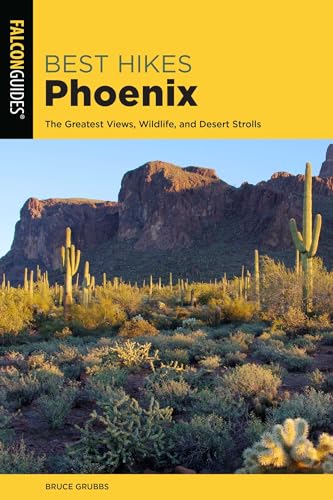
- ✓ Clear, detailed maps
- ✓ Easy to use
- ✓ Highlights hidden gems
- ✕ Limited trail options
- ✕ Not waterproof
| Guide Type | Hiking and Backpacking Guide |
| Region Covered | Near Grand Junction |
| Price | USD 23.69 |
| Publisher | Falcon Guides |
| Content Focus | Best hikes and backpacking routes near Grand Junction |
| Format | Printed book or digital guide (implied) |
The moment I flipped open “Best Hikes Near Grand Junction,” I was greeted with a surprisingly detailed map that laid out the trail options clearly. I remember feeling instantly confident as I packed my backpack, knowing this guide would keep me on the right track.
The descriptions are spot-on, giving you just enough detail without overwhelming. I especially appreciated the notes on trail difficulty and scenic highlights, which helped me pick the perfect route for my day.
The maps are handy, with enough detail to avoid getting lost but not so cluttered that they’re overwhelming.
What really stood out was how the guide emphasizes off-the-beaten-path spots, perfect for escaping crowds. I found a quiet overlook that wasn’t even on my GPS, thanks to the tips here.
The info on trail conditions and best times to hike was also super useful, saving me from planning during monsoon season.
The book feels durable and well-made, with a cover that’s easy to wipe clean after a muddy hike. It’s lightweight enough to carry without feeling bulky, yet packed with enough info to serve as your hiking bible.
Honestly, it made my trip smoother and more enjoyable.
If you love exploring nature and want a reliable guide for Grand Junction’s best trails, this is a solid choice. It’s like having a knowledgeable friend in your pocket, guiding you to the best spots while keeping things simple.
What Are the Best Backpacking Trails Near Grand Junction?
The best backpacking trails near Grand Junction offer stunning landscapes and diverse terrain for outdoor enthusiasts.
- Colorado National Monument: This iconic park features several trails that provide breathtaking views of canyons and unique rock formations.
- Grand Mesa: Known for its vast forests, lakes, and meadows, the Grand Mesa offers numerous trails that cater to all skill levels.
- Rabbit Valley: A lesser-known gem, Rabbit Valley boasts trails that wind through beautiful desert landscapes and offer opportunities for solitude.
- Black Canyon of the Gunnison National Park: Famous for its steep cliffs and dramatic scenery, this park offers challenging trails with rewarding vistas.
- Uncompahgre National Forest: Just a short drive from Grand Junction, this forest is home to a variety of trails that lead through diverse ecosystems.
Colorado National Monument: This park is a must-visit for its stunning red rock formations and sweeping canyon views. Trails like the Devil’s Kitchen and the Monument Canyon Loop offer both moderate and challenging hikes while showcasing the area’s unique geology and wildlife.
Grand Mesa: The Grand Mesa is the largest flat-topped mountain in the world, providing a plethora of backpacking opportunities through its lush forests and alpine lakes. Trails such as the Crag Crest Trail offer panoramic views, and the area is fantastic for those looking to experience a variety of ecosystems.
Rabbit Valley: Located west of Grand Junction, Rabbit Valley is known for its fascinating rock formations and arid landscape. The trails here are typically less crowded, making it a great choice for those seeking a peaceful backpacking experience while enjoying the area’s unique geological features.
Black Canyon of the Gunnison National Park: This park offers some of the most dramatic scenery in Colorado, with its steep cliffs and narrow gorges. The trails, such as the North Rim Trail, provide both challenging hikes and stunning views of the canyon, making it a rewarding destination for experienced backpackers.
Uncompahgre National Forest: This expansive forest is rich in natural beauty and offers a variety of trails that range from easy to strenuous. Backpacking in this area allows hikers to explore serene landscapes filled with wildflowers, as well as encounter diverse wildlife along the way.
Which Trails Offer Stunning Scenic Views?
The best backpacking trails near Grand Junction offer breathtaking scenic views and diverse landscapes.
- Colorado National Monument: This area features dramatic red rock formations and sweeping vistas of canyons and plateaus.
- Grand Mesa: Known for its lush forests and alpine lakes, this trail offers stunning panoramic views of the surrounding mountains.
- Black Canyon of the Gunnison National Park: Hikers are treated to striking views of steep canyon walls and the Gunnison River below.
- Dominguez Canyon: This trail combines beautiful canyon scenery with petroglyphs and ancient rock formations.
- Book Cliffs: Offering expansive views of the desert landscape, this trail allows for unique sightings of wildlife and geology.
Colorado National Monument boasts iconic rock formations like Independence Monument, providing an inspiring backdrop for backpackers while showcasing the region’s unique geology.
Grand Mesa, the largest flat-topped mountain in the world, offers a variety of trails that meander through wildflower-filled meadows and around shimmering lakes, making it a perfect spot for those seeking both beauty and tranquility.
Black Canyon of the Gunnison National Park captivates visitors with its unparalleled depth and steep walls, where hikers can enjoy awe-inspiring views from several overlooks along the trail.
Dominguez Canyon is a hidden gem featuring lush riparian zones and fascinating geological features, along with the opportunity to see ancient rock art left by Indigenous peoples.
Lastly, the Book Cliffs trail provides sweeping views of the surrounding desert and mountainous terrain, making it a great choice for those interested in both hiking and photography.
What Are the Difficulty Levels of the Top Trails?
The difficulty levels of the top trails for backpacking near Grand Junction vary significantly to cater to different skill levels and preferences.
- Beginner Trails: These trails are generally flat or have gentle inclines, making them suitable for novice backpackers.
- Intermediate Trails: These trails present moderate challenges, including steeper sections and varying terrain, ideal for those with some experience.
- Advanced Trails: These trails are designed for seasoned backpackers, featuring steep climbs, rugged paths, and potentially harsh weather conditions.
- Expert Trails: Reserved for the most experienced, these trails often involve technical navigation and require advanced skills in backcountry travel.
Beginner Trails: Trails categorized as beginner are typically well-marked, have minimal elevation gain, and feature smooth paths. They are perfect for families or individuals just starting their backpacking journey, allowing them to build confidence and enjoy the natural surroundings without overwhelming challenges.
Intermediate Trails: Intermediate trails offer a balanced mix of pleasant scenery and moderate physical demands. Backpackers can expect some elevation changes and possibly rougher terrain, which helps to enhance their skills while still being manageable for those with some prior hiking experience.
Advanced Trails: These trails require a good level of fitness and experience due to their steep climbs and more complex navigation. They are often less maintained and may present natural obstacles, making them suitable for those looking to push their limits and explore more remote areas.
Expert Trails: Expert trails are characterized by their extreme conditions and technical challenges. These routes may involve off-trail navigation, significant elevation changes, and require a solid understanding of wilderness survival skills, making them appropriate only for highly experienced backpackers who are well-prepared for any situation.
What Essential Gear Should You Bring for Backpacking Near Grand Junction?
When backpacking near Grand Junction, it’s essential to pack the right gear to ensure a safe and enjoyable experience.
- Backpack: A durable, comfortable backpack is crucial for carrying all your gear. Look for one with adequate capacity (40-70 liters) and features like padded shoulder straps and a hip belt to distribute weight evenly.
- Sleeping System: This includes a sleeping bag and sleeping pad, which are vital for a good night’s rest. Choose a sleeping bag rated for the season and a lightweight, insulated pad for comfort and warmth.
- Cooking Equipment: A portable stove, fuel, and cooking utensils are necessary for preparing meals on the trail. Opt for a lightweight, compact stove that can boil water quickly, along with a pot and multi-tool for convenience.
- Water Filtration System: Staying hydrated is paramount, so a reliable water filter or purification tablets are essential. This allows you to safely drink from streams and lakes, reducing the need to carry large amounts of water.
- Clothing Layers: Weather in the Grand Junction area can change rapidly, making layering important. Bring moisture-wicking base layers, an insulating mid-layer, and a waterproof outer layer to stay comfortable in various conditions.
- Navigation Tools: A map, compass, and GPS device are important for staying on track. Familiarize yourself with the trails in the area and ensure you can navigate even if technology fails.
- First Aid Kit: Accidents can happen, so carrying a well-stocked first aid kit is vital for treating minor injuries. Include items like bandages, antiseptic wipes, and any personal medications.
- Headlamp or Flashlight: A reliable light source is essential for navigating after dark. Choose a lightweight, energy-efficient headlamp that allows for hands-free operation when setting up camp or cooking.
- Food Supplies: Pack lightweight, non-perishable meals and snacks that are easy to prepare. Options like freeze-dried meals, energy bars, and trail mix will provide the necessary calories and nutrition.
- Emergency Gear: Always have a whistle, emergency blanket, and fire-starting materials on hand. These items can be life-saving in unexpected situations, helping you signal for help or keep warm.
What Are the Must-Have Items for Safety and Comfort?
The must-have items for safety and comfort while backpacking include:
- Quality Backpack: A well-fitted backpack is essential for distributing weight evenly, which helps prevent discomfort and injury during long hikes. Look for one with adjustable straps and multiple compartments for organization.
- First Aid Kit: A comprehensive first aid kit is crucial for addressing minor injuries such as cuts, scrapes, and insect bites during your trip. It should include bandages, antiseptic wipes, pain relievers, and any personal medications.
- Water Filtration System: Access to clean drinking water is vital in the backcountry. A portable water filtration system or purification tablets ensure you can safely drink from natural sources without the risk of waterborne illnesses.
- Shelter: A lightweight tent or tarp provides protection from the elements, allowing for a comfortable night’s sleep. Choose a shelter that is easy to set up and appropriate for the weather conditions you may encounter.
- Sleeping Bag: A suitable sleeping bag rated for the temperatures you expect to face ensures warmth and comfort during cold nights. Look for one that is lightweight and compressible for easy packing.
- Navigation Tools: A map, compass, or GPS device helps you stay on track and prevents you from getting lost in unfamiliar terrain. Familiarize yourself with using these tools before your trip to ensure effective navigation.
- Multi-tool or Knife: A multi-tool or a good quality knife can be invaluable for various tasks, from food preparation to gear repairs. It’s a versatile item that can enhance your safety and efficiency while backpacking.
- Clothing Layers: Dressing in layers allows you to adapt to changing weather conditions. Choose moisture-wicking fabrics, insulating materials, and waterproof outer layers to stay comfortable and dry.
- Food Supplies: Lightweight, high-energy snacks and meals are necessary to keep your energy levels up during hikes. Opt for dehydrated meals or energy bars that are easy to pack and prepare.
- Headlamp or Flashlight: A reliable light source is crucial for navigating at night or in low-light conditions. Headlamps are particularly advantageous as they keep your hands free for other tasks.
What Are the Wildlife Considerations While Backpacking in This Area?
When backpacking near Grand Junction, it’s important to be mindful of wildlife considerations to ensure both your safety and the preservation of the natural habitat.
- Bear Safety: In areas where bears are present, it’s crucial to store food properly and use bear canisters or hangs to minimize human-bear interactions.
- Wildlife Encounters: Understanding the behavior of local wildlife, such as deer, mountain lions, and snakes, can help you react appropriately during encounters and reduce risks.
- Leave No Trace Principles: Adhering to these principles helps protect wildlife habitats by minimizing human impact, including proper waste disposal and staying on designated trails.
- Seasonal Migration Patterns: Being aware of the migration and breeding seasons of local wildlife can help you avoid sensitive areas and reduce disturbances to animal populations.
- Invasive Species Awareness: Recognizing and avoiding invasive plant species can prevent their spread, which can disrupt local ecosystems and outcompete native wildlife.
Bear safety is essential in the region, as encounters can be dangerous. Proper food storage techniques, such as using bear canisters or hanging food from trees, help deter bears from approaching campsites and reduce the risk of conflicts.
Wildlife encounters can vary significantly in this area. Familiarizing yourself with the behaviors of animals such as deer, mountain lions, and rattlesnakes can help prepare you for how to act if you come across them, ensuring both your safety and that of the animals.
Following Leave No Trace principles is critical for preserving the natural habitat. These guidelines encourage backpackers to carry out all waste, minimize campfire impacts, and stick to established trails, which collectively help maintain the integrity of wildlife habitats.
Seasonal migration patterns of local wildlife, such as elk and birds, can affect your backpacking plans. Being informed about these patterns allows you to choose routes that avoid sensitive areas, helping to protect animals during breeding and migration seasons.
Lastly, being aware of invasive species is vital for protecting local ecosystems. Avoiding trails or areas where invasive plants are prevalent can help prevent their spread, which can have detrimental effects on native wildlife populations and their habitats.
How Can You Safely Encounter Wildlife on the Trail?
When backpacking near Grand Junction, safely encountering wildlife is crucial for both your safety and the well-being of the animals.
- Stay Alert: Always be aware of your surroundings while hiking to spot wildlife early.
- Make Noise: Speaking or making noise can prevent surprising animals, particularly large mammals like bears.
- Keep a Safe Distance: If you encounter wildlife, maintain a respectful distance to avoid stressing the animals.
- Don’t Feed Wildlife: Feeding animals can lead to dangerous behavior and dependency on human food sources.
- Store Food Properly: Use bear canisters or hang food in trees to minimize attracting wildlife to your campsite.
- Educate Yourself: Familiarize yourself with the types of wildlife in the area and their behaviors to react appropriately.
Staying alert helps you notice signs of wildlife activity, like tracks or sounds, allowing you to appreciate nature while remaining cautious. This practice can significantly reduce the chances of unexpected encounters that might lead to dangerous situations.
Making noise while hiking is a simple yet effective way to announce your presence to wildlife. This is particularly important in areas where bears or other large animals are common, as it minimizes the chance of startling them, which could prompt defensive behavior.
Maintaining a safe distance from wildlife ensures both your safety and the animals’ well-being. Each species has its own comfort zone, and encroaching on that space can lead to stress or aggressive behavior, so always observe from afar.
Feeding wildlife can disrupt their natural foraging instincts and lead to aggressive behavior towards humans. It can also cause animals to become reliant on human food, which is detrimental to their health and survival.
Proper food storage is essential when camping in the wilderness. Using bear canisters or hanging food high in trees prevents animals from accessing your supplies, reducing the likelihood of unwanted visits from wildlife during the night.
Educating yourself about local wildlife not only enhances your outdoor experience but also prepares you for potential encounters. Understanding animal behavior, such as how to react to a bear or what to do if you see a snake, can make a significant difference in ensuring your safety while enjoying nature.
What Are the Best Times of Year for Backpacking Near Grand Junction?
The best times of year for backpacking near Grand Junction vary based on weather conditions and trail accessibility.
- Spring (March to June): Spring offers mild temperatures and blooming wildflowers, making it an ideal time for backpacking.
- Summer (July to August): Summer is the peak season for backpacking due to long days and warm weather, though it may bring afternoon thunderstorms.
- Fall (September to November): Fall provides cooler temperatures and stunning foliage, creating a picturesque backdrop for hiking.
- Winter (December to February): Winter backpacking is less common but can be an adventurous option for experienced hikers seeking solitude and snowy landscapes.
Spring is particularly appealing as temperatures range from the 50s to 70s Fahrenheit, and the landscape comes alive with vibrant colors. However, early spring may still have snow on higher trails, so it’s essential to check trail conditions before you go.
Summer attracts many outdoor enthusiasts because of the extended daylight hours and warmer temperatures, perfect for longer treks. It’s important to be prepared for sudden thunderstorms, especially in the afternoons, which can impact safety and trail conditions.
Fall brings a unique charm with cooler temperatures and the breathtaking sight of changing leaves, making it a favorite time for photographers and nature lovers. Trails are often less crowded, offering a more peaceful experience compared to the busy summer months.
Winter backpacking can be challenging due to cold temperatures and snow, making it suitable for experienced hikers equipped with the proper gear. This season allows for stunning winter scenery and the chance to explore trails that are typically less accessible during the warmer months.
How Do Seasonal Changes Affect Trail Conditions?
- Winter Conditions: Snow accumulation can lead to trails being covered and difficult to navigate.
- Spring Thaw: Melting snow can create muddy trails and increase the risk of flooding in low-lying areas.
- Summer Heat: Higher temperatures can dry out trails but may also lead to increased dust and the risk of wildfires.
- Autumn Foliage: Fall colors can enhance the beauty of trails, but falling leaves can obscure path markers and create slippery conditions.
Winter conditions often result in heavy snow cover, making many trails inaccessible or requiring special equipment like snowshoes or crampons. Additionally, icy patches can pose hazards for hikers unfamiliar with navigating in such environments.
During the spring thaw, the melting of accumulated snow can lead to muddy and slippery trails, as well as swollen creeks and rivers. Hikers should be cautious of water crossings, as they can become treacherous with rapidly moving water.
In summer, the drier conditions can make trails more manageable, but the heat can also lead to dehydration and exhaustion if hikers are not adequately prepared. Furthermore, dry brush increases the risk of wildfires, which can lead to trail closures for safety reasons.
Autumn brings vibrant colors to the trails, making hiking visually stunning; however, the accumulation of fallen leaves can hide rocky or uneven terrain, increasing the risk of slips and falls. Additionally, shorter daylight hours in fall can limit hiking times, urging hikers to plan their trips accordingly.
What Camping Options Are Available Along Popular Backpacking Routes?
There are several camping options available along popular backpacking routes near Grand Junction:
- Dispersed Camping: This option allows campers to set up their tents away from established campgrounds, often in remote and scenic locations.
- Established Campgrounds: These are designated areas that often provide amenities such as picnic tables, fire pits, and restrooms, making them ideal for families or those seeking more comfort.
- Backcountry Campsites: Found along specific trails, these sites are usually primitive and require hikers to carry in their gear, providing a more rugged and immersive wilderness experience.
- RV Camping: For those who prefer a more comfortable option, RV camping is available in certain areas near trails, offering facilities for larger groups or those with mobility issues.
- Group Campsites: Designed for larger parties, these sites can accommodate multiple tents and provide a communal area for group activities, ideal for friends or family outings.
Dispersed camping offers the freedom to explore off the beaten path, allowing for solitude and the chance to connect with nature in a more intimate way. However, it requires campers to follow Leave No Trace principles to minimize their environmental impact.
Established campgrounds provide convenience and safety, often being located near water sources and trailheads. They are a great option for those who want to enjoy the outdoors without sacrificing too many comforts.
Backcountry campsites are specifically designed for backpackers and are often located at scenic spots along the trail. These sites typically lack facilities, so campers must be self-sufficient, making for a more adventurous experience.
RV camping combines the thrill of the outdoors with the comforts of home, allowing for easy access to trails while providing amenities such as power and water hookups. This option is perfect for those who want to enjoy nature without compromising on comfort.
Group campsites cater to larger gatherings, providing ample space for cooking, socializing, and enjoying group activities. These sites help foster a sense of community among campers while still being close to nature and hiking opportunities.
What Are the Camping Regulations and Permits Needed in National Forests?
The camping regulations and permits required in national forests can vary based on location and specific activities, but there are general guidelines that apply.
- Camping Permits: Many national forests require a camping permit, especially in designated campgrounds or wilderness areas.
- Leave No Trace Principles: Campers must adhere to Leave No Trace principles to minimize their impact on the environment.
- Fires and Stoves Regulations: There are specific rules regarding the use of open fires and camp stoves to prevent wildfires.
- Wildlife Safety Regulations: Campers must follow guidelines to safely store food and dispose of waste to avoid attracting wildlife.
- Group Size Limits: Some areas enforce limits on group sizes to reduce environmental impact and enhance the camping experience.
Camping Permits: Many national forests require visitors to obtain a camping permit, especially if they are camping in designated areas or wilderness regions. These permits are often free or come with a nominal fee, and they help forest management track usage and maintain the area. It’s important to check with the specific national forest you plan to visit for their permit requirements and procedures.
Leave No Trace Principles: Adhering to Leave No Trace principles is crucial for preserving the natural environment while camping. This includes practices such as packing out all trash, minimizing campfire impact, respecting wildlife, and staying on designated trails. Following these principles helps to protect the ecosystem and ensures that natural spaces remain available for future visitors.
Fires and Stoves Regulations: Many national forests have strict regulations regarding the use of open fires and camp stoves, particularly during dry seasons when fire danger is high. Campers are often required to use established fire rings or portable stoves, and some areas may prohibit fires altogether. Always check local fire regulations before your trip to ensure compliance and prevent wildfires.
Wildlife Safety Regulations: To minimize human-wildlife interactions, campers must follow specific guidelines for food storage and waste disposal. This often includes using bear canisters or hanging food in bear bags when in bear country, as well as properly disposing of human waste. Such precautions help keep both campers and wildlife safe, reducing the likelihood of dangerous encounters.
Group Size Limits: To maintain the quality of the camping experience and reduce environmental impact, many national forests impose limits on the size of camping groups. These limits can vary based on the area and are intended to minimize overcrowding and protect sensitive environments. It’s advisable to check the regulations for the specific forest you plan to visit to ensure your group complies with these limits.
Where Can You Find Resources for Planning Your Backpacking Adventure?
When planning your backpacking adventure near Grand Junction, various resources can provide valuable information and insights.
- Local Outdoor Shops: Visit shops like Grand Junction’s REI or other local outdoor retailers for expert advice and maps.
- Online Forums and Communities: Engage with platforms like Reddit or Backpacker.com, where seasoned backpackers share tips and trail recommendations.
- National Park and Forest Websites: Check the official sites for Colorado National Monument and Grand Mesa National Forest for trail maps, alerts, and regulations.
- Guidebooks: Look for hiking and backpacking guidebooks focused on Colorado, which often include detailed trail descriptions and insider tips.
- Social Media Groups: Join Facebook groups or Instagram accounts dedicated to Colorado hiking and backpacking for inspiration and firsthand experiences from fellow adventurers.
Local outdoor shops not only sell gear but also employ knowledgeable staff who can provide specific insights about trails, conditions, and local secrets that can enhance your journey.
Online forums and communities are great for connecting with other backpackers who can offer personal experiences, trail conditions, and gear recommendations that are current and relevant.
National park and forest websites are essential for obtaining official information, including maps, safety guidelines, and any alerts regarding weather or trail closures that may affect your plans.
Guidebooks can be incredibly helpful as they compile comprehensive information on various trails, including difficulty levels, points of interest, and suggested itineraries, making them an excellent resource for planning.
Social media groups provide a lively platform to share experiences, photos, and advice, allowing you to see recent trail conditions and connect with like-minded individuals who share your passion for backpacking in the area.
Which Websites and Publications Are Best for Backpacking Information in Grand Junction?
For backpacking information near Grand Junction, several websites and publications stand out for their comprehensive resources and user-friendly insights.
- AllTrails: This website offers an extensive database of trails, including user reviews, photos, and GPS routes, making it a go-to resource for backpackers.
- Backpacker Magazine: Renowned for its expert advice, this publication features articles on gear, trails, and techniques, with some specifically highlighting the Grand Junction area.
- Outdoor Project: This platform provides detailed trail guides, maps, and community-driven content, which is especially beneficial for discovering local backpacking routes.
- National Park Service: The NPS website offers official information on nearby national parks and monuments, including trail conditions, maps, and safety tips for backpackers.
- Local Hiking and Backpacking Groups on Facebook: These groups can be invaluable for real-time advice, trip reports, and meeting fellow backpackers in the Grand Junction area.
AllTrails: This website excels in providing a user-friendly interface where backpackers can search for trails based on difficulty, length, and user ratings. Each trail listing includes essential information such as elevation gain, trail conditions, and user photos, which can help in planning the perfect backpacking trip.
Backpacker Magazine: With a rich history in outdoor adventure, Backpacker Magazine covers everything from trail recommendations to gear reviews. Their articles often focus on various regions, including Colorado, providing readers with insights into the best backpacking spots near Grand Junction, along with tips for preparation and safety.
Outdoor Project: This resource is community-driven, featuring contributions from outdoor enthusiasts who share their experiences on various trails. The detailed guides often include maps, photos, and personal tips, making it easier for backpackers to find hidden gems and popular trails around Grand Junction.
National Park Service: The NPS website is essential for those looking to explore national parks like Colorado National Monument. It provides official and up-to-date information regarding trail accessibility, regulations, and safety advisories, ensuring that backpackers are well-informed before setting out.
Local Hiking and Backpacking Groups on Facebook: Engaging with local groups can offer a wealth of current information and personal experiences from fellow backpackers. Members often share recent trip reports, advice, and recommendations for trails, making it easier to connect with the community and stay updated on conditions.
Related Post: