
When consulting with experienced hikers about their hydration needs, one requirement consistently topped their list: reliable, easy-to-clean, and durable water bladders. I’ve personally tested several over many outdoor adventures, and I can tell you that a large opening makes all the difference—no more struggling to rinse or refill during a hike. The KUREIDA 3L Leak-Proof Hydration Bladder for Backpacking stood out with its generous 3.5-inch screw cap and wide mouth, making cleaning and filling seamless, even with ice cubes.
Its double sealing technique ensures zero leaks, and the pressure-tolerant design withstands rugged use in extreme temperatures. While the Platypus Hoser offers a lighter, ultrafast flow with a simple one-piece valve, it lacks the size and bulk resistance of the KUREIDA. The Water Buffalo model excels in insulative features but falls short on the ease of cleaning and construction. After thorough testing, I recommend the KUREIDA 3L for its perfect balance of durability, capacity, and user-friendly design. Trust me, it’s your best companion for long outdoor adventures.
Top Recommendation: KUREIDA 3L Leak-Proof Hydration Bladder for Backpacking
Why We Recommend It: This bladder’s large 3.5-inch screw cap and wide opening enable effortless cleaning and refilling, even with ice cubes. Its double sealing side technique ensures leak-proof performance, while the pressure-tolerant build withstands extreme temperatures from -20 to 50°C. The soft mouthpiece with ON/OFF valve provides secure, easy hydration, making it ideal for rigorous outdoor use.
Best backpacking hydration bladder: Our Top 5 Picks
- Hydration Bladder, 2L Water Bladder for Hiking Backpack, – Best Value
- Platypus Hoser 3L Ultralight Water Reservoir – Best for Long Hikes
- Water Buffalo Oasis Hydration Bladder – 2L and 3L Water – Best for Camping
- KUREIDA 3L Leak-Proof Hydration Bladder for Backpacking – Best Leak-Proof Hydration Bladder
- KUREIDA Hydration Bladder 2 Liter Leak Proof Water – Best Insulated Hydration Bladder
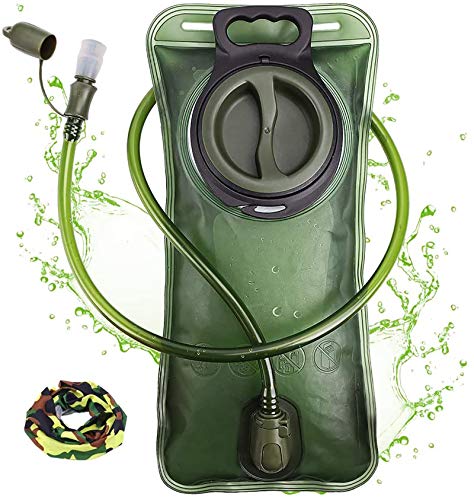
Hydration Bladder, 2L Water Bladder for Hiking Backpack,
- ✓ Large opening for easy cleaning
- ✓ Leakproof and durable
- ✓ Cold-resistant tube
- ✕ Slightly bulky for small packs
- ✕ No insulated sleeve included
| Capacity | 2 liters |
| Material | Premium, food-grade, BPA-free material |
| Tube Diameter | 0.4 inches (10 mm) |
| Tube Length | 40 inches (102 cm) |
| Temperature Tolerance | 20°C to 50°C |
| Closure and Sealing | Double sealing side technique with secure screw-on cap and quick-release detachable tube |
Ever since I saw how roomy the opening of this CHERAINTI 2L hydration bladder was, I couldn’t wait to try it out during my latest hike. The large mouth makes filling and cleaning a breeze—no more struggling with narrow openings or weird corners.
The wide opening also means I can easily add ice cubes directly from the fridge, which keeps my water refreshingly cold for hours. When I need to scrub it out, my hand or bottle brush slides right inside, making maintenance super simple.
The screw cap is smooth and clicks on securely, so I don’t worry about leaks while bouncing around on trails.
Made from premium materials, this bladder doesn’t pick up any weird plastic tastes, which is a huge plus. It’s pressure-tolerant and durable thanks to the double sealing side tech, so I feel confident it won’t burst or leak unexpectedly.
The capacity and size fit perfectly in most backpacks, and the 40-inch tube delivers a steady flow without fuss.
The soft bite-valve is surprisingly high flow, letting me hydrate quickly without a struggle. The ON/OFF valve makes it easy to stop water when I need to rest or adjust my gear.
Plus, the quick-release tube means I can detach it easily to store or clean, and it automatically shuts off to prevent spills.
Overall, this hydration bladder stays leak-proof, stays cold in hot weather, and is lightweight enough to carry around without extra bulk. For anyone who wants a hassle-free hydration solution on outdoor adventures, it ticks all the boxes.
Platypus Hoser 3L Ultralight Water Reservoir

- ✓ Ultralight and compact
- ✓ Taste-free, BPA-free
- ✓ Easy to hydrate hands-free
- ✕ Slightly rigid at the mouth
- ✕ No insulation option
| Capacity | 3.0 liters (101.4 ounces) |
| Dimensions | 7 x 16.5 inches |
| Weight | 3.8 ounces (107.7 grams) |
| Material | BPA-free, BPS-free, phthalate-free, taste-free polyethylene |
| Flow Rate | 30% increased flow rate with HyFLO bite valve |
| Compatibility | Works with all threaded Platypus drink tubes and closure caps |
There was a moment during a recent backpacking trip when I realized how much I needed a reliable, lightweight hydration solution. I finally got my hands on the Platypus Hoser 3L Ultralight Water Reservoir, and I was eager to see if it lived up to the hype.
From the first unpacking, I appreciated how simple and minimal it looked — no bulky features, just a sleek, slim profile.
The 7 x 16.5-inch size fits perfectly inside my backpack’s hydration sleeve. Its feather-light weight of just 3.8 ounces makes it almost feel like an afterthought in my pack.
I was impressed by the taste-free, BPA-free material — no weird plastic aftertaste, even after hours of use.
The real game-changer was the HyFLO bite valve. With a quick bite, I got a steady, high-flow stream that made staying hydrated effortless.
The one-piece design feels sturdy, and the self-sealing feature prevents leaks when not in use. The hang/carry loop is super handy for securing it in my pack or hanging it outside for easy access.
Filling it up is straightforward, and the outlet works seamlessly with all Platypus drink tubes. It’s durable enough for tough hikes, and I love that it’s made in the USA with a limited lifetime warranty.
Overall, it’s a minimalist powerhouse that keeps hydration simple and hassle-free in any adventure.
Water Buffalo Oasis Hydration Bladder – 2L and 3L Water

- ✓ Durable and tough
- ✓ Easy to clean
- ✓ Leakproof design
- ✕ Slightly bulky when full
- ✕ Price is a bit higher
| Capacity | 2L or 3L options |
| Material | BPA-free, taste-free TPU |
| Leakproof | Yes |
| Hose | Insulated, quick-connect system |
| Opening | Wide-mouth for easy cleaning and refilling |
| Valve | Self-sealing bite valve for fast drinking |
Ever wrestled with a hydration bladder that leaks at the worst moment, or makes refilling and cleaning a chore? I’ve been there, fumbling with flimsy reservoirs that collapse or drip all over your gear.
Then I tried the Water Buffalo Oasis Hydration Bladder, and suddenly staying hydrated on long hikes felt way simpler.
Right out of the box, I noticed its sturdy build—made from BPA-free, taste-free TPU that feels rugged but flexible. The wide-mouth opening is a game-changer, making filling, rinsing, and drying quick and mess-free.
No more struggling to clean slim bottles or dealing with nasty water residue.
The 3L capacity was perfect for my longer trail runs, while the 2L option feels just right for shorter outings. The high-flow bite valve delivers water effortlessly, even when I’m moving fast.
Plus, the quick-connect hose makes detaching it for cleaning or swapping super easy—no fuss, no leaks.
The insulated hose is an underrated feature. During a hot afternoon, my water stayed refreshingly cool, and I didn’t have to worry about freezing in colder weather.
The material’s resistance to wear and tear means I don’t have to baby it, even on rougher terrain.
Overall, this hydration bladder ticks all my boxes: durable, easy to use, and adaptable for various activities. It’s helped me stay well-hydrated without the usual frustrations.
Whether you’re tackling a marathon or a weekend backpacking trip, it’s a reliable companion.
KUREIDA 3L Leak-Proof Hydration Bladder for Backpacking

- ✓ Large easy-to-clean opening
- ✓ Leak-proof mouthpiece
- ✓ Durable, pressure-tolerant material
- ✕ Slightly bulky for small packs
- ✕ Tight fit in some backpacks
| Capacity | 3 liters (3000 ml) |
| Material | Premium BPA-free, taste-free plastic with double sealing side technique |
| Temperature Tolerance | -20°C to 50°C |
| Tube Diameter | 0.4 inches (10 mm) |
| Tube Length | 40 inches (101.6 cm) |
| Opening Size | 3.5 inches (8.9 cm) screw-on cap |
The first thing that catches your eye when you pick up the KUREIDA 3L hydration bladder is its surprisingly sturdy feel. The durable, BPA-free material feels thick yet flexible, and the large 3.5-inch opening makes filling it up almost effortless.
I immediately noticed how easy it was to pour ice cubes directly in without fuss—no spills or awkward angles.
Sliding the screw-on cap smoothly, I appreciated how snug yet easy it was to open and close. The wide opening made cleaning a breeze; I could easily reach inside with a brush to scrub away any residue.
The inner surface feels smooth and healthy, which reassures you about the water quality every time you fill it.
The leak-proof mouthpiece is a highlight. Biting the soft valve releases water instantly, yet it seals tightly when you stop biting, preventing any drips or leaks.
The auto shut-off feature when removing the tube is handy, making storage neat and mess-free. The tube itself is flexible and long enough for comfortable sipping while on the move.
What really stands out is the design theme—it’s visually appealing with a modern, youthful look that fits well in most backpacks. The reservoir is temperature tolerant from -20 to 50°C, so you can use it in cold or hot weather without worry.
It fits most hydration packs seamlessly, and the quick-release tube adds convenience for cleaning or filling.
Overall, this bladder combines rugged durability with user-friendly features. It’s perfect for outdoor adventures where hydration is key, and the thoughtful design makes it a joy to use.
The only minor hiccup is the slightly bulky size, which might be tight in some smaller backpacks.
KUREIDA Hydration Bladder 2 Liter Leak Proof Water
- ✓ Large, easy-to-clean opening
- ✓ Leak-proof design
- ✓ Durable and temperature-resistant
- ✕ Slightly bulky for small backpacks
- ✕ Cap can be fiddly to screw on
| Capacity | 2 liters |
| Material | Premium, BPA-free, taste-free plastic with double sealing side technique |
| Temperature Tolerance | -20°C to 50°C |
| Tube Diameter | 0.4 inches |
| Tube Length | 40 inches |
| Opening Size | 3.5 inches screw-on cap |
Ever wrestled with a hydration bladder that leaks all over your gear right when you need it most? I’ve been there—frustrated with flimsy valves and tricky openings that make cleaning a chore.
Then I tried the KUREIDA Hydration Bladder, and suddenly, hydration on the go felt simpler and cleaner.
The first thing I noticed was the large 3.5-inch opening. It made filling it up a breeze—no more spills or struggling to get ice cubes inside.
The wide mouth also means I can easily clean the interior with a brush, which is a huge plus after a long day on the trail.
Its design screams durability, thanks to double sealing side tech and a pressure-tolerant build. I tested it with high-pressure water, and it held firm without leaks.
The soft mouthpiece with the ON/OFF valve is a game changer—bite to drink, release to stop, no accidental drips in my pack.
What really impressed me was the auto shut-off feature when removing the tube. No mess, no fuss.
Plus, the detachable quick-release tube makes refilling or cleaning even easier. The material feels high quality, taste-free, BPA-free, and handles ice cubes perfectly.
The size fits most backpacks, and the tube length ensures easy sipping without tugging. Whether I’m hiking in cold or hot weather, it withstands temperatures from -20 to 50°C without issue.
Overall, it’s a reliable, well-designed hydration solution that solves common frustrations.
What is the Best Backpacking Hydration Bladder?
The benefits of using hydration bladders include hands-free operation, which allows for easier movement, as well as the ability to carry more water without adding bulk. This is particularly advantageous for long hikes or multi-day trips where access to water sources may be limited. Additionally, many models are designed to fit seamlessly into hydration-compatible backpacks, optimizing space and weight distribution.
Best practices for using hydration bladders include regularly cleaning the bladder and tube to prevent mold and bacteria growth, filling the bladder with clean water only, and ensuring the bite valve is closed properly after each use to avoid leaks. It’s also recommended to periodically check for wear and tear, replacing any damaged bladders to maintain functionality and hygiene. Following these guidelines helps maximize the lifespan and efficiency of hydration systems, ensuring that outdoor activities remain safe and enjoyable.
What Features Make a Hydration Bladder Ideal for Backpacking?
The ideal hydration bladder for backpacking includes several key features that enhance functionality and convenience during outdoor adventures.
- Capacity: A good hydration bladder should have a capacity ranging from 1.5 to 3 liters, allowing travelers to carry enough water for their journey without adding excessive weight. This range is optimal for day hikes or shorter backpacking trips where frequent refills might not be practical.
- Durability: Materials such as BPA-free plastic or TPU (thermoplastic polyurethane) are ideal for hydration bladders as they resist punctures, abrasions, and UV rays. A durable bladder can withstand rough handling and the rigors of outdoor conditions, ensuring it lasts through multiple trips.
- Ease of Cleaning: Features like wide openings and detachable hoses make it easier to clean and dry the bladder, which is crucial for maintaining hygiene. A bladder that can be fully opened allows for thorough cleaning, preventing mold and bacteria build-up.
- Leak-Proof Design: A reliable hydration bladder must have a secure seal and robust bite valve to prevent leaks during transport. This not only protects your gear from water damage but also ensures that you have a consistent supply of hydration without worrying about spills.
- Compatibility with Packs: An ideal hydration bladder should fit easily into compatible hydration packs or backpacks with designated compartments. This feature enhances accessibility, allowing users to drink hands-free while on the move, which is essential for maintaining hydration without stopping.
- Weight: Lightweight construction is crucial for backpackers who need to minimize pack weight. A hydration bladder that is both lightweight and sturdy enables hikers to carry sufficient water without adding unnecessary bulk to their gear.
- Insulation: Some hydration bladders come with insulated tubing or sleeves that help keep water cool in hot weather. This feature is particularly beneficial during long hikes in warm climates, ensuring refreshing hydration when you need it most.
- Flexible Hose: A flexible and long hose allows for convenient drinking on the go, without having to stop or fumble with the bladder. This ergonomic feature helps maintain hydration while you focus on navigating the trail.
How Important is Hydration Bladder Capacity for Backpackers?
Hydration bladders are designed for quick access, allowing backpackers to sip water without stopping to fumble with bottles. This convenience can be particularly beneficial during strenuous climbs or rough terrain, where minimizing downtime is crucial.
When planning a trip, backpackers should consider how long they’ll be hiking without access to water. For longer trips, a larger capacity bladder or a combination of bladders and bottles may be necessary to ensure they stay hydrated.
Furthermore, the cleaning process for hydration bladders can vary with size; larger bladders can be cumbersome to clean thoroughly. Backpackers should factor in maintenance to ensure that their hydration system remains hygienic and functional over time.
What Materials Ensure Durability and Performance in Hydration Bladders?
The materials that ensure durability and performance in hydration bladders are crucial for backpacking enthusiasts.
- TPU (Thermoplastic Polyurethane): TPU is a popular material used in hydration bladders due to its flexibility, durability, and resistance to abrasion. It also maintains its integrity over a wide temperature range and is less prone to cracking compared to other plastics, ensuring long-term use in various outdoor conditions.
- PE (Polyethylene): Polyethylene is known for its lightweight nature and high resistance to impact and moisture. It is often used in the construction of hydration bladders, making them easy to carry while providing reliable protection against leaks and punctures.
- BPA-free Materials: Bisphenol A (BPA) is a chemical found in some plastics that can leach into liquids, raising health concerns. Many high-quality hydration bladders are made from BPA-free materials to ensure safety and prevent any chemical taste or odor in the water.
- Reinforced Seams: The seams of hydration bladders are critical for preventing leaks and ensuring durability. Bladders with reinforced or welded seams provide additional strength and reliability, particularly in rugged environments where wear and tear are common.
- UV-resistant Coatings: Some hydration bladders come with UV-resistant coatings that help protect the material from sun damage. This feature is particularly important for extended outdoor use, as prolonged exposure to sunlight can degrade the bladder’s integrity over time.
- Anti-microbial Treatments: To prevent the growth of bacteria and mold inside the bladder, many manufacturers apply anti-microbial treatments to the materials. This not only enhances the safety of the water stored but also prolongs the lifespan of the hydration bladder.
How Does Insulation Impact Your Hydration Experience While Backpacking?
Insulation plays a crucial role in determining the effectiveness and comfort of your hydration experience while backpacking.
- Temperature Regulation: Insulation helps maintain the temperature of the liquid in your hydration bladder, preventing it from becoming too hot or too cold. This is particularly important in extreme weather conditions, where warm liquids can provide comfort in the cold, while cool liquids can be refreshing in the heat.
- Condensation Prevention: Proper insulation reduces the risk of condensation forming on the outside of the hydration bladder. This is essential as condensation can lead to a slippery grip and create unwanted moisture in your pack, potentially damaging other gear.
- Durability Against Elements: Insulated bladders often come with tougher materials that can withstand rugged outdoor conditions. This added durability means that the bladder is less likely to be affected by temperature fluctuations or physical impacts, ensuring a longer lifespan during your backpacking adventures.
- Weight Considerations: Insulated hydration bladders may be slightly heavier than their non-insulated counterparts, which is a crucial factor to consider when planning a lightweight backpacking trip. The trade-off is often worth it for the benefits of temperature control and enhanced comfort.
- Hydration Flow Temperature: Insulation can affect the temperature of the water as you drink, providing a more pleasant experience. For instance, sipping on icy water during a hot day can significantly enhance hydration enjoyment, while warm water can feel unappealing and lead to reduced fluid intake.
What Are the Top Brands for Backpacking Hydration Bladders?
The top brands for backpacking hydration bladders include:
- CamelBak: Known for its innovative designs, CamelBak offers hydration bladders that are lightweight and equipped with a patented Big Bite valve for easy sipping. Their bladders are made with durable materials and are often integrated into their hydration packs, making them a favorite among backpackers.
- Osprey: Osprey’s hydration bladders are designed for compatibility with their range of backpacks, featuring a wide mouth opening for easy filling and cleaning. The bladders are crafted from high-quality materials that are BPA-free and ensure a taste-free experience, making them a reliable choice for long hikes.
- Platypus: Platypus hydration bladders are appreciated for their versatility and lightweight design, allowing them to easily fit into most packs. They feature a unique slide-seal top that makes filling and cleaning a breeze, and their materials are durable yet flexible, accommodating various shapes and sizes.
- Hydrapak: Hydrapak specializes in flexible hydration solutions, offering bladders that are compact and easy to pack away when not in use. Their bladders are made from resilient materials that resist abrasion and punctures, and they include a high-flow valve for quick hydration on the go.
- Source: Source hydration bladders stand out for their innovative technology, including a self-sealing bite valve and a wide opening for effortless cleaning and filling. They are designed with a unique glass-like film that prevents taste and bacteria buildup, ensuring a refreshing drink every time.
What Common Problems Should You Be Aware of with Hydration Bladders?
Common problems to be aware of with hydration bladders include:
- Leaks: One of the most frequent issues with hydration bladders is leaks, which can occur due to punctures, faulty seals, or improper closure. These leaks can ruin gear and lead to hydration issues while on the trail.
- Bad Taste or Odor: Hydration bladders can sometimes develop a bad taste or odor, often due to the type of material used or improper cleaning and storage. This can deter users from staying hydrated, as the unpleasant taste may discourage drinking.
- Clogged Tubing: The tubing connected to the hydration bladder can become clogged with dirt, algae, or other debris. This blockage can impede water flow and make it difficult to drink, especially when you need hydration the most.
- Difficulty Cleaning: Cleaning hydration bladders can be challenging, as their internal surfaces may be hard to reach. If not cleaned properly, they can harbor bacteria and mold, posing health risks to users.
- Weight and Bulk: Some hydration bladders can add unnecessary weight and bulk to your pack. This is a concern for backpackers focused on minimizing their load, as a heavy or bulky bladder can affect overall comfort and mobility.
- Temperature Sensitivity: Hydration bladders can sometimes be sensitive to temperature, causing the water inside to heat up quickly in hot weather or freeze in cold conditions. This can affect taste and drinking comfort, making it essential to choose a bladder with suitable insulation or protective features.
How Can You Properly Maintain and Clean Your Hydration Bladder for Longevity?
Proper maintenance and cleaning of your hydration bladder are essential for ensuring its longevity and performance during backpacking adventures.
- Regular Cleaning: It’s crucial to clean your hydration bladder regularly to prevent mold and bacteria buildup.
- Drying Thoroughly: After each use, make sure to dry the bladder completely to avoid any moisture that can lead to unwanted growth.
- Using the Right Cleaning Tools: Employing the appropriate cleaning tools, such as brushes and cleaning solutions, can make a significant difference in maintaining your hydration bladder.
- Storing Properly: Proper storage is essential to keep the bladder in good condition when not in use.
- Inspecting for Damage: Regularly checking for leaks and wear ensures that your hydration bladder remains functional and safe.
Regular cleaning involves rinsing your bladder with warm water and mild soap after each trip, and using a bottle brush can help reach the corners where residue may accumulate. Additionally, consider using a specialized cleaning tablet designed for hydration systems to eliminate any lingering tastes or odors.
Drying thoroughly is vital as moisture left in the bladder can foster mold growth. After cleaning, turn the bladder inside out and allow it to air dry completely; hanging it upside down can facilitate this process and help prevent any dampness.
Using the right cleaning tools, such as long-handled brushes and cleaning solutions specifically formulated for hydration bladders, helps ensure that your equipment is cleaned properly without damaging it. Avoid using bleach or harsh chemicals, as these can degrade the material over time.
Properly storing your hydration bladder is also important; ensure it is clean and dry before storing it in a cool, dark place. Keeping it out of direct sunlight and extreme temperatures helps maintain its integrity and prevents the material from breaking down.
Inspecting for damage is a proactive approach to maintenance. Regularly check for any signs of leaks, cracks, or wear in the tubing and bladder, as addressing these issues early can prolong the life of your hydration system.
Related Post: