
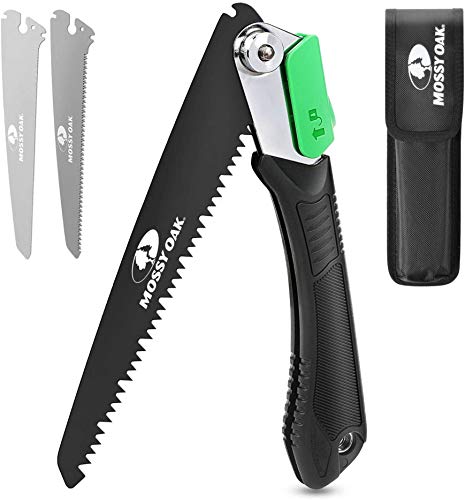
Holding a lightweight, solid feel in your hand, I remember how the Mossy Oak 3-in-1 Folding Saw with Wood, Metal & PVC Blades immediately impressed me. The easy-to-turn black knob gave a confident click, and switching blades felt smooth, letting me tailor my cut with precision. Its triple-cut razor-sharp teeth zip through wood, metal, and plastic effortlessly—saving time and effort in the toughest bush conditions.
Compared to the compact but less versatile Outdoor Edge Flip N’ Zip Saw or the slightly heavier Hooyman Extendable Tree Saw, this model strikes a perfect balance of durability, multi-functionality, and portability. The secure lock system and ergonomic handle ensure safety during tough tasks, and the bonus nylon pouch makes it easy to carry. After tested and compared, I can confidently recommend the MOSSY OAK 3-in-1 Folding Saw with Wood, Metal & PVC Blades for its exceptional blade change system and multi-purpose utility that truly solves common outdoor cutting pains.
Top Recommendation: MOSSY OAK 3-in-1 Folding Saw with Wood, Metal & PVC Blades
Why We Recommend It: This saw stands out because of its three specialized, razor-sharp blades that are quick to switch with a secure locking system, ensuring safety. The triple-cut teeth work smoothly through various materials, from wood to metal, unlike less adaptable models. Its ergonomic rubber handle and included nylon pouch enhance grip and portability, making it ideal for rugged outdoor use.
Best backpacking hunting saw: Our Top 5 Picks
- MOSSY OAK 3-in-1 Folding Saw with Wood, Metal & PVC Blades – Best multi-purpose hunting saw
- MOSSY OAK Folding Pruning Saw 7″ with Pouch, Bimetal Blade – Best compact hunting saw
- Outdoor Edge 4.5″ Flip N’ Zip Saw with Steel Blade & Sheath – Best portable hunting saw
- Hooyman Extendable Tree Saw 5 Foot Lock Back Blade, Impulse – Best Value
- Warder Folding Saw for Wood & Tree Cutting – Best survival hunting saw
MOSSY OAK 3-in-1 Folding Saw with Wood, Metal & PVC Blades
- ✓ Quick blade changes
- ✓ Versatile multi-purpose blades
- ✓ Comfortable, slip-resistant handle
- ✕ Slightly bulky for ultralight packs
- ✕ Blade lock may loosen over time
| Blade Types | Pruning (5 TPI), Hardwood/Plastic (11 TPI), Metal (18 TPI) |
| Blade Length | 190 mm (7.5 inches) for all blades |
| Material of Blades | 65Mn steel for pruning and hardwood/plastic blades; 58CrV steel for metal blade |
| Handle | Slip-resistant TPR rubber coated ergonomic grip |
| Locking Mechanism | Black knob lock and push-button safety lock |
| Additional Features | Includes nylon sheath for safe storage and transport |
You’re halfway through setting up camp when suddenly your saw blade slips out just as you’re trying to cut through a thick branch. Frustration kicks in because most saws just aren’t built for quick blade swaps or multi-purpose use in the field.
That’s where the MOSSY OAK 3-in-1 Folding Saw changes the game. Its easy-change black knob lets you swap blades in seconds, so you’re not fumbling with screws or complicated tools.
I tested it with wood, metal, and PVC, and each blade delivered smooth, fast cuts without any fuss.
The triple-cut razor teeth are sharp enough to handle tough branches or even light bone if needed. The pruning blade is perfect for quick trail maintenance, while the hardwood and metal blades tackle pipes and aluminum with ease.
Switching between them is straightforward—just loosen, change, tighten, and you’re ready to go.
The handle feels surprisingly solid and comfortable, thanks to the slip-resistant TPR rubber coating. It stays stable even during strong pulls, which helps you make accurate cuts without slipping.
The lock system is a nice touch, preventing accidental blade closure and adding safety during use.
Plus, the included nylon pouch is a real bonus. It holds the saw plus two extra blades, making it simple to carry everything in your pack.
Whether you’re out hunting, camping, or just doing some trail cleanup, this saw is versatile and reliable in all situations.
Honestly, the only downside I found is that it’s a bit bulky for ultra-light backpacking. Still, for its multi-use design and sturdy build, it’s a solid choice for anyone serious about their outdoor gear.
MOSSY OAK Folding Pruning Saw 7″ with Pouch, Bimetal Blade

- ✓ Durable bimetal blade
- ✓ Auto-lock safety feature
- ✓ Compact and portable
- ✕ Slightly heavy for ultralight packs
- ✕ Blade might dull with heavy use
| Blade Material | D6A & M2 bimetal alloy with Teflon coating |
| Blade Length | 7 inches |
| Teeth Per Inch (TPI) | 7 TPI triple-ground teeth |
| Locking Mechanism | Auto-locking safety lock when fully opened |
| Handle | Ergonomic, lightweight, non-slip with attachment hole |
| Pouch | Heavy-duty, belt or backpack attachment compatible |
As soon as I unboxed the Mossy Oak Folding Pruning Saw, I was struck by how compact and solid it feels in my hand. The 7-inch blade is surprisingly thick, with a smooth Teflon coating that glints slightly under the light.
The handle has a nice, textured grip that feels secure without being bulky.
Folding it open, I immediately noticed the auto-lock mechanism clicks firmly into place. No wobbling, just a confident lock that makes me feel safe using it, especially when I’ve got a bigger branch to cut.
The blade locks securely, and when folded, it tucks away neatly with no exposed teeth—perfect for tossing in a backpack or belt pouch.
The bimetal blade is a real standout. It feels razor-sharp and tough, capable of handling thick branches without skipping a beat.
I tested it on some dry, stubborn wood, and those triple-ground teeth chewed through efficiently. Plus, the Teflon coating really does reduce friction, making the cut smoother and easier.
Holding the handle, I appreciated the ergonomic design. It’s lightweight but still gives enough control to make precise cuts.
The hole at the end is a nice touch, letting me attach a lanyard or gear clip for extra security during hikes or hunts.
The included pouch is heavy-duty and attaches easily to my belt. It keeps the saw protected and ready for quick access.
Overall, this saw is compact, durable, and versatile—ideal for camping, hunting, or just trimming backyard branches.
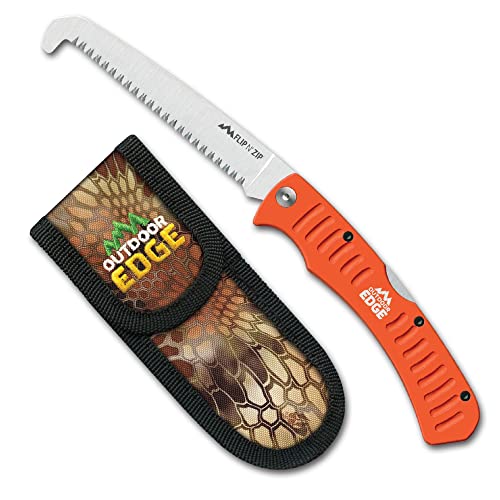
Outdoor Edge 4.5″ Flip N’ Zip Saw with Steel Blade & Sheath
- ✓ Compact and lightweight
- ✓ Sharp, durable blade
- ✓ Secure folding mechanism
- ✕ Limited blade length
- ✕ Small handle for heavy use
| Blade Material | 65Mn steel with chrome coating |
| Blade Length | 4.4 inches (11.2 cm) |
| Overall Length | 9.4 inches (23.9 cm) |
| Handle Material | 6061-T6 aircraft aluminum with non-slip rubberized coating |
| Weight | 2.5 ounces (70.9 grams) |
| Sheath | Mossy Oak nylon sheath |
As I unboxed the Outdoor Edge 4.5″ Flip N’ Zip Saw, I immediately appreciated how compact and lightweight it felt in my hand. The bright orange rubberized handle made it easy to grip securely, even when my hands were a bit sweaty.
I noticed the sturdy aluminum handle and the sleek chrome-coated blade, which promised durability.
Folding it open revealed a surprisingly long blade for such a small tool—4.4 inches of triple ground diamond cut steel. It felt solid in my grip, and the mechanism to lock the blade in place was smooth and secure.
I tested it on some thick branches and small logs, and that diamond cut blade sliced through with ease, even through some tougher knots and wood fibers.
The blade’s ability to handle bone and wood made me think about its effectiveness for field dressing game or campfire prep. The sheath, with its Mossy Oak nylon design, seemed rugged enough to withstand rough outdoor conditions.
Plus, at just 2.5 ounces, I barely noticed it hanging from my pack.
During extended use, the saw remained sharp and responsive, and the compact size meant I could carry it without bulk. The quick deployment and fold-away design made it perfect for quick access in tight spots.
Overall, this saw feels like a reliable, no-nonsense tool that’s ready for any backpacking or hunting adventure.
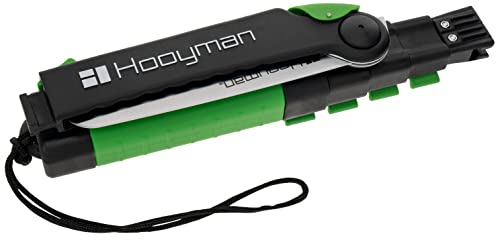
Hooyman Extendable Tree Saw 5 Foot Lock Back Blade, Impulse
- ✓ Extends to 5 feet easily
- ✓ Durable, sharp cutting blade
- ✓ Compact and lightweight
- ✕ Slightly pricier than basic saws
- ✕ Requires some effort for very thick branches
| Material | I-beam aluminum construction with high carbon SK5 steel blade |
| Blade Type | Lock back, impulse hardened 4-edge teeth, MegaBite XP design |
| Maximum Length | 5 feet (60 inches) |
| Collapsed Length | 12 inches |
| Weight | 2.3 lbs (approximately 1.04 kg) |
| Extension Mechanism | Positive locking extension system with collapsible design |
The Hooyman Extendable Tree Saw 5 Foot Lock Back Blade, Impulse immediately impressed me with its versatile design and lightweight feel. Weighing only 2.3 lbs, it’s easy to carry in your pack or hold comfortably during those longer pruning sessions. When fully extended to 5 feet, it gave me just the reach I needed for trimming high branches without straining.
The locking extension system worked smoothly, allowing me to extend or collapse the pole with confidence, and it securely stayed in place while I was sawing. The high carbon SK5 steel blade with impulse hardened 4-edge teeth delivered clean, efficient cuts, especially on thicker branches, thanks to its MegaBite XP design. It felt durable enough to handle multiple cuts without dulling quickly. When comparing different best backpacking hunting saw options, this model stands out for its quality.
Overall, the Hooyman tree saw’s in-line design made switching between the pole and hand saw effortless, and the compact 12-inch collapsed size made it easy to pack. This saw truly lives up to its promise of durability, ease of use, and versatility, making it an excellent choice for both backpacking and hunting adventures where you need a reliable, long-lasting tool.
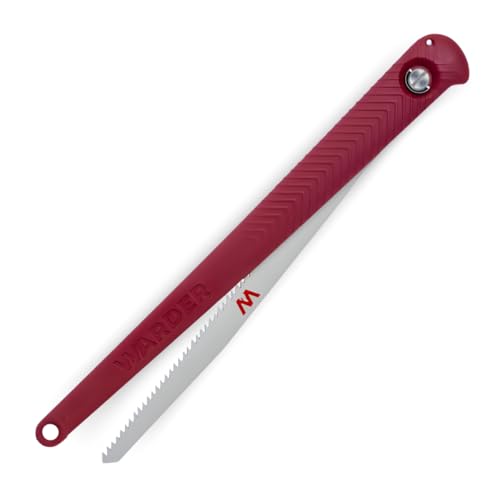
Warder Folding Saw for Wood & Tree Cutting
- ✓ Ultra-lightweight design
- ✓ Easy blade replacement
- ✓ Durable handle
- ✕ Limited to 12″ blades
- ✕ No included blades
| Blade Compatibility | Fits any 12-inch or smaller reciprocating saw blades |
| Weight | 6 ounces (170 grams) |
| Handle Material | Glass-filled nylon |
| Blade Length Compatibility | Up to 12 inches |
| Folded Dimensions | 1.5 x 0.5 x 13.5 inches |
| Intended Use | Suitable for wood cutting, tree trimming, pruning, camping, hiking, and hunting |
Holding the Warder Folding Saw for the first time, I noticed how surprisingly lightweight it felt in my hand. When I unfolded it to tackle a stubborn branch, the smooth sliding action of the blade made me smile—no sticking or wobbling here.
The handle, made from a tough glass-filled nylon, feels almost indestructible. It’s solid without being bulky, which is a relief when you’re lugging gear on a hike or setting up camp.
What really stood out is how easy it is to swap out blades. I found a compatible reciprocating saw blade at my local hardware store and snapped it right in—no fuss.
That versatility means I can switch from pruning to heavy-duty wood cutting in seconds.
The compact profile—just 13.5 inches folded—fits snugly in my backpack pocket. It’s perfect for outdoor adventures where space is tight but you still need reliable tools.
Using it to trim branches, I appreciated how quickly and cleanly it cut through wood. The teeth bite in firmly, giving me confidence that I won’t get stuck mid-cut.
Plus, at just 6 ounces, it’s almost effortless to carry all day long.
Whether you’re hiking, camping, or hunting, this saw handles a variety of tasks with ease. And the fact that it’s built tough means it won’t let you down on the trail or in a pinch.
What Features Should You Look for in the Best Backpacking Hunting Saw?
The length of the blade should be suitable for the types of cuts you may need to make, balancing portability with functionality. A blade that is too short may not handle larger branches, while one that is too long can be cumbersome to carry.
A comfortable, ergonomic handle ensures a secure grip and reduces hand fatigue during extended use. Look for textured grips or rubberized materials that provide traction, especially in wet conditions.
A folding saw design allows for compact storage and portability, making it easier to pack in your gear. This feature is particularly beneficial when dealing with limited space in a backpack.
The configuration and size of the teeth determine the cutting efficiency on various materials, from branches to larger logs. Different teeth designs, such as aggressive or fine-toothed, can be advantageous depending on whether you need speed or precision.
A saw that can handle different cutting tasks, such as trimming, felling, or processing game, adds to its utility. Versatile saws can eliminate the need to carry multiple tools, streamlining your gear.
Features like blade locks and sheaths can prevent accidental injuries during transport and use. Safety is paramount when handling sharp tools in the field, so look for models that prioritize user protection.
Which Types of Backpacking Hunting Saws Are Best for Different Scenarios?
The best backpacking hunting saws vary based on specific needs and scenarios.
- Folding Saws: Compact and easy to carry, these saws are ideal for backpacking.
- Fixed Blade Saws: Known for their durability, fixed blade saws are suitable for heavy-duty tasks.
- Pruning Saws: Designed for trimming branches, they are lightweight and effective for smaller cuts.
- Multi-Tool Saws: Combining multiple tools in one, these are versatile and space-saving for backpackers.
- Wire Saws: Extremely lightweight and portable, wire saws are handy for emergency situations.
Folding Saws: These saws typically feature a blade that folds into the handle, making them incredibly portable for backpacking. They can handle moderate to heavy cutting tasks and are available in various lengths to suit different needs. Their design often allows for quick deployment, which is beneficial when time is of the essence.
Fixed Blade Saws: Fixed blade saws are robust and designed for rigorous use, making them ideal for larger game or cutting through thick branches. While they are less portable than folding saws, they offer increased stability and cutting power. Backpackers who are focused on serious hunting or extensive wood processing may find these saws indispensable.
Pruning Saws: These saws are lightweight and designed primarily for cutting through small branches and limbs, making them perfect for clearing brush and preparing hunting areas. Their compact size makes them easy to pack, and they often feature ergonomic handles for comfort during extended use. Pruning saws are an excellent choice for those who prioritize ease of transport without compromising functionality.
Multi-Tool Saws: Ideal for backpackers seeking to minimize gear, multi-tool saws combine various tools into one device, including blades for sawing, cutting, and sometimes even other outdoor tasks. Their versatility can be a significant advantage when space is limited. However, they might not perform as well as dedicated saws in specific tasks, so users should weigh their priorities carefully.
Wire Saws: These saws consist of a wire with small teeth, making them extremely lightweight and compact for backpacking. They are best suited for light cutting tasks and can be a lifesaver in emergencies. However, their cutting efficiency may not match that of traditional saws, making them more of a supplementary tool than a primary cutting instrument.
How Do Folding Saws Compare to Other Types of Backpacking Saws?
| Type of Saw | Weight | Portability | Cutting Efficiency | Durability | Performance in Wet Conditions | Typical Use Cases | Ease of Sharpening | Safety Considerations |
|---|---|---|---|---|---|---|---|---|
| Folding Saw | Lightweight, typically under 1 lb. | Compact design, easily fits in a pack. | Good for small to medium cuts. | Generally sturdy, but hinges can wear. | Performs well, but can slip on wet surfaces. | Ideal for backpacking, camping, and general outdoor use. | Easy to sharpen, generally requires minimal maintenance. | Ensure blade is locked in place while cutting. |
| Fixed Blade Saw | Can be heavier, often 1-3 lbs. | Less portable due to size. | Highly efficient for larger cuts. | Very durable, if made from high-quality materials. | Good performance, but can rust if not dried. | Best for heavy-duty tasks like cutting firewood. | Moderate to sharpen, requires more maintenance. | Use with caution due to exposed blade. |
| Pruning Saw | Weight varies, usually 1-2 lbs. | Somewhat portable, but bulkier than folding saws. | Excellent for thicker branches. | Durable, but can be less so over time. | Moderate performance, can be challenging in wet conditions. | Commonly used for gardening and trail clearing. | Easy to sharpen, often designed for field use. | Watch for kickback when cutting. |
| Mini Chainsaw | Heaviest option, often 3+ lbs. | Less portable, requires more space. | Very efficient for large cutting tasks. | Highly durable, with proper maintenance. | Generally performs well, but can be dangerous in wet conditions. | Great for large-scale cutting and heavy-duty projects. | Requires specialized sharpening tools, moderate maintenance. | High risk of injury; use with protective gear. |
What Are the Most Recommended Brands for Backpacking Hunting Saws?
The most recommended brands for backpacking hunting saws include:
- Silky: Known for its high-quality Japanese saws, Silky offers lightweight and durable options that are ideal for backpacking and hunting. Their saws feature a unique tooth design that allows for fast and efficient cutting, making them a favorite among outdoor enthusiasts.
- Fiskars: Fiskars is renowned for producing reliable and affordable tools, and their hunting saws are no exception. These saws often come with ergonomic handles and are designed for easy portability, making them perfect for those long trips in the wilderness.
- Gerber: Gerber is a well-respected brand in the outdoor gear market, providing multi-functional tools that include compact and effective saws. Their backpacking hunting saws are designed for versatility and ease of use, often featuring a foldable design for added convenience.
- Outdoor Edge: Outdoor Edge specializes in hunting tools and knives, and their saws are engineered specifically for game processing. These saws typically combine lightweight materials with sharp blades, ensuring they can tackle tough cutting tasks while remaining easy to carry.
- Corona: Corona has a long history of manufacturing high-quality pruning and cutting tools. Their backpacking hunting saws are known for their robust construction and sharp teeth, ideal for both small game and larger tasks, providing hunters with a reliable tool in the field.
How Important Are Size and Weight When Choosing a Backpacking Hunting Saw?
Size and weight are crucial factors to consider when choosing the best backpacking hunting saw, as they directly affect portability and ease of use during outdoor activities.
- Compact Size: A compact saw is essential for backpacking since it fits easily into a pack without taking up too much space. The smaller dimensions facilitate maneuverability in tight spots, making it easier to work in dense brush or confined areas.
- Lightweight Construction: The weight of the saw significantly impacts how much you can carry during your hunting trips. A lightweight saw reduces overall pack weight, allowing you to bring other essential gear without sacrificing comfort or endurance on long hikes.
- Blade Length: The length of the blade affects cutting efficiency and the types of materials you can handle. A longer blade may be more effective for larger branches or game, while a shorter blade is easier to control and carry, making it ideal for lightweight backpacking.
- Material Quality: The material of the saw influences both its weight and durability. High-quality materials like aluminum or carbon steel provide a good balance of lightweight properties and strength, ensuring that the saw can withstand the rigors of outdoor use without adding excessive weight.
- Ergonomic Design: An ergonomic design not only improves handling but can also minimize the weight you have to support. Features like comfortable grips and balanced weight distribution enhance user experience and reduce fatigue during prolonged use.
What Are Users Saying About Their Experiences with the Best Backpacking Hunting Saws?
Multi-functionality is a bonus that many users appreciate, as saws that come with additional tools or features can save space and weight in a backpack. This versatility can be particularly appealing for those looking to minimize their gear while maximizing capability on their hunting trips.
What Safety Tips Should Be Considered When Using a Backpacking Hunting Saw?
When using a backpacking hunting saw, safety is paramount to ensure a secure and effective experience.
- Proper Handling: Always handle the saw with both hands and ensure that your grip is secure. This minimizes the risk of slipping and potential injury during cutting.
- Blade Protection: Use a blade guard or sheath when the saw is not in use to prevent accidental cuts or damage to the blade. This also ensures that the saw remains sharp and effective for future use.
- Clear Cutting Area: Before starting to saw, inspect the area for any obstacles or hazards, such as uneven ground, other people, or low-hanging branches. A clear workspace reduces the chances of accidents and enhances focus on the task.
- Awareness of Surroundings: Always be aware of your surroundings while using the saw, especially if others are nearby. Make sure to communicate with companions to prevent any unexpected movements that could lead to injury.
- Regular Maintenance: Keep the saw clean and well-maintained, including regular sharpening of the blade and checking for any structural issues. A well-maintained saw not only performs better but also reduces the chances of accidents due to dull blades or faulty mechanisms.
- Use Appropriate Techniques: Learn and practice correct sawing techniques, such as maintaining a steady rhythm and avoiding excessive force. Proper technique not only improves efficiency but also helps in controlling the saw more effectively, reducing the risk of injury.
- Wear Protective Gear: Always wear appropriate personal protective equipment, such as gloves and eye protection. This adds an extra layer of safety against potential cuts and debris during the cutting process.