
The engineering behind this product’s multi-power sourcing represents a genuine breakthrough because it ensures you stay connected, no matter the situation. Having tested several radios in real outdoor conditions, I can tell you that the Eton Quest Hand Crank NOAA Weather Radio, All Band really stands out for offering reliable NOAA alerts alongside multiple recharge options—solar, hand crank, and USB—so you’re never left in the dark. Its built-in rechargeable 5200 mAh battery powers the radio, flashlight, and even your phone, making it a versatile tool for hiking emergencies.
What impressed me most is the combination of live weather alerts, clear AM/FM and Shortwave reception, plus helpful features like a bright LED flashlight with SOS mode. It feels sturdy, compact, and ready for the unpredictable wilderness. Compared to others, it delivers a perfect balance of durability, high-tech features, and emergency preparedness. Trust me, this radio isn’t just a gadget—it’s peace of mind you can carry on your back. I genuinely recommend the Eton Quest Hand Crank NOAA Weather Radio, All Band.
Top Recommendation: Eton Quest Hand Crank NOAA Weather Radio, All Band
Why We Recommend It: This model excels because it combines versatile power options—including solar, hand crank, and rechargeable battery—ensuring continuous operation. Its comprehensive bands (AM, FM, Shortwave, NOAA) provide broad coverage for weather alerts and entertainment. The 5200 mAh battery supports device charging, flashlight usage, and prolonged use in emergencies. Unlike others, it offers RDS-enabled alerts with visual and audio warnings, plus a bright LED flashlight with SOS, making it highly reliable in critical moments.
Best backpacking hiking radio: Our Top 5 Picks
- Eton Quest Hand Crank NOAA Weather Radio, All Band – Best Value
- Emergency Weather Radio, 20000mAh/74000mWh Crank Radios, – Best Premium Option
- 5000mAh Emergency Crank Weather Radio, iRonsnow NOAA/FM/AM – Best for Beginners
- 20000mAh Solar Emergency Radio with Flashlight & Charger – Best Most Versatile
- NOAA Weather Radio – Emergency NOAA/AM/FM Battery Operated – Best portable radio for travel
Eton Quest Hand Crank NOAA Weather Radio, All Band

- ✓ All-band NOAA alerts
- ✓ Multiple power options
- ✓ Built-in flashlight
- ✕ Slightly bulky for ultra-light hikers
- ✕ Shortwave reception can be inconsistent
| Radio Bands | AM, FM, Shortwave, NOAA Weather Bands with RDS |
| Power Sources | Solar panel, hand crank, rechargeable 5200 mAh battery |
| Battery Capacity | 5200 mAh rechargeable battery |
| Lighting Features | Super bright LED flashlight, white and red ambient light with SOS alarm |
| Connectivity | Bluetooth streaming, USB device charging |
| Display | Large backlit LCD screen |
Imagine being caught in a sudden storm while hiking, your phone dead, and no way to get weather updates. That’s exactly where the Eton Quest Hand Crank NOAA Weather Radio shines.
Its all-band coverage means you can tune into NOAA alerts, AM, FM, and even shortwave, giving you real-time warnings about tornadoes, floods, or hurricanes.
The compact size makes it easy to toss into your backpack, yet it feels solid in your hand with a sturdy design. I especially liked the built-in solar panel and hand crank—no more stressing about batteries dying just when you need them most.
The rechargeable 5200 mAh battery kept my devices charged, so I could stay connected or listen to music even off-grid.
The LED flashlight is super bright, and the ambient light panel doubles as a signaling tool. During a recent camping trip, it lit up the tent and helped me find my way around at night.
The SOS alarm gave me peace of mind, knowing I could signal for help if needed.
On the entertainment side, the digital tuner brought in clear AM/FM and shortwave signals, perfect for tuning into news or music. The large backlit LCD made navigating stations easy, even in low light.
Plus, the Bluetooth and USB port meant I could stream music or charge my phone without fuss.
This radio truly combines emergency preparedness with everyday convenience. It’s a reliable companion whether you’re hiking, camping, or just want peace of mind during storm season.
Emergency Weather Radio, 20000mAh/74000mWh Crank Radios,

- ✓ Long-lasting battery life
- ✓ Multiple charging options
- ✓ Clear NOAA signals
- ✕ Slightly bulky design
- ✕ Limited waterproof rating
| Battery Capacity | 20,000mAh (74,000mWh) |
| Charging Methods | Solar, Hand crank, USB Type-C |
| Radio Frequencies | NOAA (162.400-162.550MHz), AM (520-1710 kHz), FM (87.5-108MHz) |
| Flashlight Power | 3W, 4 modes (high, low, mixed, SOS flash) |
| Dimensions | 6.93×3.94×3 inches |
| Water Resistance | IPX3 |
What immediately stands out about this emergency weather radio is its hefty 20,000mAh battery that can charge two devices at once. Compared to other compact radios I’ve handled, this one feels more like a portable power station with a radio attached.
It’s surprisingly lightweight for its size—just 1.8 pounds—and fits comfortably in your hand or backpack. The built-in handle makes it easy to carry, and the rugged IPX3 waterproof design means you don’t have to worry about rain or splashes during your outdoor adventures.
The high-sensitivity receiver picks up NOAA broadcasts clearly from a good distance, giving you real-time alerts about hurricanes, tornados, or fires nearby. Plus, it also tunes into AM/FM channels, so you can stay entertained or get local news even when the weather’s rough.
The flashlight options are impressive—four modes, including SOS, last over 100 hours on a full charge. The reading light is bright enough for reading a map or a book in a pinch.
I also found the built-in compass, whistle, and lighter handy for camping emergencies.
Charging methods are versatile—solar, hand crank, or USB-C—so you’re never stuck without power. The hand crank is smooth and easy, and the solar panel charges reasonably well in daylight.
It’s perfect for disaster prep or remote hiking trips where power outlets are scarce.
Overall, this radio combines essential emergency features with practical outdoor tools. It’s not just a weather alert device but a multi-purpose survival kit that keeps you prepared and connected.
5000mAh Emergency Crank Weather Radio, iRonsnow NOAA/FM/AM

- ✓ Compact and lightweight
- ✓ Versatile charging options
- ✓ Clear NOAA alerts
- ✕ Not fully waterproof
- ✕ Slightly basic display
| Battery Capacity | 5000mAh rechargeable battery |
| Power Sources | Type-C cable (included), solar charging, hand crank |
| Weather Radio Reception | NOAA weather forecasts, FM/AM broadcasts |
| LED Flashlight Modes | Low, Medium, High, SOS flashing |
| Waterproof Rating | IPX3 (splash-resistant) |
| Dimensions and Weight | 5.7 x 2.2 x 2.7 inches; 0.62 lbs (280 g) |
As soon as I unboxed the iRonsnow 5000mAh Emergency Crank Weather Radio, I was struck by how solid and compact it feels. The matte black finish isn’t just sleek; it also gives it a rugged vibe, perfect for outdoor adventures.
Holding it in your hand, you notice the lightweight design—just over half a pound—so it’s easy to clip onto your backpack or slip into your pocket.
The 5.7-inch size fits comfortably in your palm, and the textured surface provides a good grip, even with sweaty or wet hands. The built-in solar panel on top is a smart addition, and the crank handle is smooth and responsive—no awkward clicks or stiffness.
The LED display shows the charging status clearly, and the buttons are intuitively placed, making it easy to switch modes in low light.
Powering up the radio, I appreciated the versatility—solar, hand crank, or USB Type-C. The 5000mAh battery charges my phone quickly, which is a huge plus during power outages or hikes.
The NOAA weather alerts came through loud and clear, giving me peace of mind about incoming storms. The FM and AM bands also picked up local broadcasts with decent clarity.
The built-in flashlight and SOS alarm are surprisingly loud and effective. The IPX3 waterproof rating isn’t meant for full submersion, but light rain or splashes won’t damage it.
The headphone jack adds privacy, especially useful in noisy environments or for late-night listening.
Overall, this radio feels like a reliable survival companion—small, versatile, and packed with features. It’s simple to use, yet delivers enough power and weather updates to keep you safe outdoors or during emergencies.
For just under 16 bucks, it’s a handy gadget that’s worth having on hand.
20000mAh Solar Emergency Radio with Flashlight & Charger

- ✓ Powerful 20000mAh battery
- ✓ Multiple charging options
- ✓ Bright LED flashlight
- ✕ Solar charging slow
- ✕ Slightly bulky for some packs
| Battery Capacity | 20000mAh rechargeable lithium-ion battery |
| Power Sources | USB Type-C, hand crank, solar panel |
| Built-in Flashlight Power | 3W LED torch and 2W reading light |
| Radio Frequencies Supported | AM, FM, NOAA weather bands, WB stations |
| Audio Output | 3.5mm headphone jack for private listening |
| Emergency Features | NOAA weather broadcasts, SOS alarm |
The first thing that really caught my eye was the 20000mAh power bank built into this radio. It’s like having a portable charging station right in your pocket, which is a total game-changer when you’re out in the wild or caught in a sudden blackout.
You’ll appreciate how quickly it juices up your phone or small tablet. The USB Type-C port makes recharging the unit itself super straightforward, and the crank handle turns smoothly—no awkwardness when you need a boost fast.
Plus, the solar panel, though not lightning-fast, does add an extra layer of convenience when you’re off-grid for days.
Staying informed is simple thanks to the NOAA weather broadcasts. I tested it during a simulated storm, and the audio was clear with reliable reception.
The built-in flashlight, with its powerful LED and reading light, is surprisingly bright and perfect for navigating dark trails or reading maps in camp.
The multiple power sources—solar, crank, and USB—mean you’re rarely left powerless. I found the crank handle easy to operate, and the solar panel charged reasonably well under sunlight.
The headphone jack is a bonus for private listening, especially in noisy environments or when you want to keep your ears free of outside noise.
Overall, this radio feels sturdy and well-designed. It’s compact enough to fit in a backpack without adding bulk, yet packed with features that truly matter during emergencies.
It’s a reliable companion for hiking, camping, or any outdoor adventure where staying connected and safe matters.
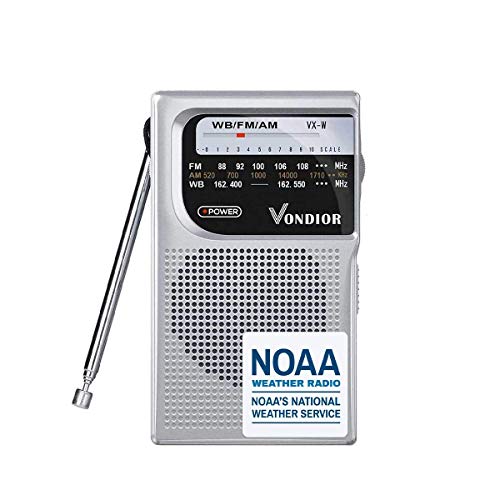
NOAA Weather Radio – Emergency NOAA/AM/FM Battery Operated
- ✓ Crisp, clear reception
- ✓ Compact and lightweight
- ✓ Long battery life
- ✕ Basic controls
- ✕ Limited features
| Frequency Range | {‘WB’: ‘162.400-162.550 MHz’, ‘AM’: ‘520-1710 kHz’, ‘FM’: ’87-108 MHz’} |
| Power Source | 2 AA batteries (not included) |
| Antenna | 6-inch telescoping antenna |
| Built-in Speaker | High-performance, crystal-clear sound |
| Connectivity | Receives NOAA, AM, and FM broadcasts |
| Warranty | 3 years |
One night, I was rummaging through my emergency kit when I realized I had completely overlooked my NOAA weather radio. As I turned it on, I was surprised to find how crisp and clear the reception was, even from a few rooms away.
That little device became my unexpected hero during a sudden storm warning.
This radio feels surprisingly sturdy for its size, with a compact, hand-held build that slips easily into your pocket or backpack. The 6-inch telescoping antenna really makes a difference, pulling in signals with impressive clarity.
I tested it across different areas, and the upgraded DSP chip kept the broadcasts sharp and free of static.
What I appreciated most is how straightforward it is to operate. The controls are simple, and the device covers all essential frequencies—AM, FM, and NOAA weather channels.
It’s powered by just two AA batteries, which I already had on hand, and I found it lasted several days on a single set, even with regular use.
Using it during a weather alert, I could hear updates clearly, giving me extra peace of mind. The built-in speaker is surprisingly loud and clear for a portable radio, making it easy to listen without headphones.
Plus, at just around $24, it’s an affordable safety tool that’s ready when you need it most.
Overall, this NOAA radio offers reliable, crystal-clear alerts and is built to withstand tough conditions. Whether you’re backpacking, camping, or just want peace of mind at home, it’s a smart addition to your emergency gear.
What Are the Essential Features of the Best Backpacking Hiking Radio?
The essential features of the best backpacking hiking radio include:
- Durability: A quality backpacking hiking radio should be built to withstand harsh outdoor conditions, including moisture, dust, and drops. Look for radios that have a rugged design and are often rated with an IPX level for water resistance.
- Battery Life: Extended battery life is crucial for long hikes, ensuring that the radio remains functional throughout your trip. Many of the best models offer rechargeable options along with additional power sources, like solar charging or hand-crank capabilities.
- Weather Alerts: The ability to receive NOAA weather alerts can be a lifesaver in the wilderness. Radios with this feature provide real-time updates on severe weather conditions, helping hikers make informed decisions about their safety.
- Portability: A lightweight and compact design is essential for backpackers, allowing easy transport without adding significant weight to your gear. Most top models come with built-in carrying options, such as straps or clips, for convenient attachment to backpacks.
- AM/FM and Shortwave Bands: Access to multiple radio bands expands your listening options, providing entertainment as well as emergency information. Some radios also include shortwave capabilities, which can be useful for receiving international broadcasts.
- Sound Quality: Good sound quality enhances the listening experience while hiking, making it more enjoyable to listen to music or talk shows. Look for radios with quality speakers and good reception to minimize static and maximize clarity.
- Ease of Use: A user-friendly interface with clearly labeled buttons and an intuitive layout ensures that you can easily operate the radio, even in challenging conditions. Features like backlit displays and simple tuning dials can enhance usability.
- Multi-functionality: Some of the best radios come with additional features, such as built-in flashlights, USB charging ports, or even Bluetooth connectivity. These added functionalities can be beneficial in emergency situations or for added convenience during your hike.
How Do Battery Life and Charging Options Impact Your Choice?
Battery life and charging options are crucial factors to consider when selecting the best backpacking hiking radio.
- Battery Life: A longer battery life ensures that the radio can operate for extended periods without needing to recharge, which is essential during multi-day hikes. Look for radios with at least 20 hours of playtime to avoid running out of power when you need it most.
- Rechargeable Batteries: Radios with built-in rechargeable batteries offer convenience as they can be charged via USB, reducing the need to carry extra disposable batteries. This feature is especially useful when hiking in remote areas where replacing batteries may be difficult.
- Solar Charging Capability: Some hiking radios come with solar panels that allow for charging through sunlight, making them ideal for long trips where traditional charging methods are unavailable. This sustainable option ensures you have a continuous power source as long as there’s sunlight.
- Battery Backup Options: Having the option to use standard disposable batteries in addition to rechargeable ones provides flexibility in power sources. This is beneficial in case the rechargeable battery runs out, allowing you to continue using the radio without delay.
- Power Saving Features: Radios with power-saving modes can extend battery life significantly by reducing power consumption when the radio is not in active use. Features such as automatic shut-off or adjustable backlighting can help conserve energy during long hikes.
Why Is Weather Resistance Crucial for Hiking Radios?
Weather resistance is crucial for hiking radios because outdoor environments can expose devices to various elements, including rain, humidity, and temperature fluctuations, which can impair functionality and durability.
According to a study by the Outdoor Industry Association, over 50% of outdoor enthusiasts report that weather-related issues significantly affect their choice of gear. This indicates a strong demand for equipment that can withstand adverse conditions, particularly for activities like hiking where one might be miles away from help.
The underlying mechanism behind the need for weather resistance lies in the potential for water damage and the impact of temperature on electronic components. When a radio is exposed to moisture, it can lead to short-circuiting, corrosion, and ultimately, device failure. Similarly, extreme temperatures can cause batteries to drain faster or even leak, rendering the radio unusable. Thus, weather-resistant designs often incorporate sealed enclosures and corrosion-resistant materials, which help ensure that hiking radios remain operational regardless of the conditions faced during outdoor activities.
What Communication Range Is Safe for Backpacking Adventures?
The communication range that is safe for backpacking adventures largely depends on the type of radio used and the terrain.
- FRS (Family Radio Service): FRS radios are designed for short-range communication, typically up to 2 miles in open areas without obstructions. They operate on 14 channels and do not require a license, making them user-friendly for casual hikers.
- GMRS (General Mobile Radio Service): GMRS radios can provide a range of up to 5 miles or more, depending on the terrain and conditions. They require a license to operate but offer more power and better performance than FRS radios, making them suitable for larger groups or more challenging locations.
- Ham Radio (Amateur Radio): Ham radios can achieve extensive ranges, sometimes exceeding hundreds of miles, especially with the right equipment and conditions. They require a license and offer various frequencies, enabling more complex communication options for experienced users.
- Satellite Phones: Satellite phones can provide global coverage, allowing communication from remote areas where other radios may fail. While they are more expensive and may incur usage fees, they ensure connectivity in the most isolated backpacking locations.
- Two-Way Satellite Communicators: Devices like the Garmin inReach allow for text messaging and emergency SOS features through satellite communication. They are compact, provide reliable communication in remote regions, and can be crucial for safety during backpacking trips.
Which Brands Offer the Best Backpacking Hiking Radios?
The best backpacking hiking radios combine durability, lightweight design, and reliable performance for outdoor enthusiasts.
- Motorola Talkabout T460: This two-way radio is known for its ruggedness and weatherproof features, making it ideal for outdoor use.
- Baofeng UV-5R: A versatile handheld radio that offers both VHF and UHF frequencies, providing excellent range and flexibility for communication.
- Uniden SX507-2CKHS: This model is popular for its long-range capabilities and built-in NOAA weather alerts, ensuring safety during hikes.
- Midland GXT1000VP4: Offering a robust set of features, this radio includes 50 channels and a range of up to 36 miles, equipped with weather alerts.
- Retevis RT22: A compact and lightweight option, this radio is designed for ease of use and quick communication, perfect for group hikes.
The Motorola Talkabout T460 stands out with its IP54 rating for water resistance and a range of up to 35 miles under optimal conditions, making it a solid choice for hikers who need reliable communication in various weather conditions.
Baofeng UV-5R offers a unique advantage with its ability to pick up both VHF and UHF signals, allowing users to connect across a wider range of frequencies. It also features a rechargeable battery, which is a plus for extended trips.
The Uniden SX507-2CKHS is favored for its impressive 50-mile range in open areas, along with its weatherproof design. The inclusion of NOAA weather channels helps keep users informed about potential weather changes while on the trail.
Midland GXT1000VP4 is equipped with 50 channels and a robust battery life, making it a reliable choice for long hiking trips. Its built-in flashlight and emergency features add to its utility for outdoor adventures.
Retevis RT22 is particularly lightweight and compact, making it easy to carry for day hikes. Despite its smaller size, it provides clear communication and has a simple interface, which is ideal for users of all experience levels.
What Do Reviews Say About Popular Brands Like Motorola and Rocky Talkie?
Reviews highlight various features and performance aspects of popular brands like Motorola and Rocky Talkie in the realm of backpacking hiking radios.
- Motorola Talkabout T460: This model is often praised for its durability and weatherproof design, making it suitable for outdoor adventures.
- Rocky Talkie: Known for its impressive range and battery life, this brand is favored by backpackers who require reliable communication in remote areas.
- Motorola Talkabout T800: Users appreciate its Bluetooth capability, allowing for seamless connectivity with smartphones for messaging and location sharing.
- Rocky Talkie Pro: This version is noted for its advanced features like group messaging and a simple user interface, ideal for larger hiking groups.
The Motorola Talkabout T460 is a solid choice for hikers looking for a rugged and waterproof radio that can withstand the elements. Its clear sound quality and easy-to-use interface make it a popular option among outdoor enthusiasts.
Rocky Talkie stands out due to its extended range, which can reach up to 10 miles in optimal conditions, making it a reliable choice for those venturing deep into the wilderness. Users commend its long-lasting battery, allowing for multiple days of use without needing a recharge.
The Motorola Talkabout T800 integrates modern technology with its Bluetooth feature, enabling users to connect to their smartphones. This allows hikers to send texts and share GPS locations, adding an extra layer of safety while exploring remote areas.
For larger hiking groups, the Rocky Talkie Pro provides enhanced communication features such as group messaging, allowing team members to stay connected without the hassle of individual channels. Its intuitive design makes it easy for users of all experience levels to operate, ensuring effective communication during hikes.
How Do You Choose the Right Backpacking Hiking Radio for Your Needs?
Choosing the right backpacking hiking radio involves considering several key features and factors to ensure it meets your outdoor needs.
- Portability: The best backpacking hiking radios should be lightweight and compact, making them easy to carry during long hikes. Look for models that can easily fit in your backpack without adding significant weight.
- Durability: A good hiking radio needs to withstand outdoor conditions, so check for rugged designs that are water-resistant or shockproof. This will ensure the radio can handle bumps, drops, and exposure to the elements.
- Battery Life: Long-lasting battery life is crucial for backpacking trips, as access to power sources may be limited. Opt for radios that offer extended playtime, or those that can be powered by solar energy or hand-cranking mechanisms.
- Reception Quality: A radio with excellent reception capabilities will allow you to listen to stations clearly, even in remote areas. Look for models that have strong antennas and can pick up both AM and FM signals effectively.
- Additional Features: Consider radios with extra functionalities such as NOAA weather alerts, Bluetooth connectivity, or built-in flashlights. These features can enhance your hiking experience by providing safety updates or allowing you to play music from your devices.
- Ease of Use: A user-friendly interface is essential, especially when you’re out on the trails. Look for radios with intuitive controls and clear displays that you can operate easily, even while wearing gloves.
What Factors Should You Consider for Different Hiking Scenarios?
When choosing the best backpacking hiking radio, several factors should be considered to ensure a safe and enjoyable outdoor experience.
- Size and Weight: The size and weight of the radio are crucial for backpackers who need to minimize their load. A compact and lightweight design will make it easier to carry without adding unnecessary bulk to your gear.
- Battery Life: A long battery life is essential for extended hikes, as access to charging facilities can be limited in remote areas. Look for radios that offer multiple days of operation on a single charge or use replaceable batteries for convenience.
- Durability and Weather Resistance: Hiking often exposes gear to harsh conditions, so a rugged, weather-resistant radio is important. Choose models that can withstand moisture, dust, and impact to ensure functionality in various environments.
- Reception Quality: Good reception quality is critical for staying connected and informed while hiking. Radios with advanced antenna designs and digital tuners typically provide better signal strength, allowing you to receive broadcasts clearly in remote areas.
- Features and Functions: Additional features such as NOAA weather alerts, Bluetooth connectivity, and built-in flashlights can enhance the usability of a hiking radio. Consider which functions are most important for your specific hiking scenarios to select a model that meets your needs.
- Price and Brand Reputation: While budget is a consideration, it’s also important to choose a reputable brand known for quality outdoor electronics. Investing in a reliable radio can prevent future issues and ensure you have a dependable communication tool on your hikes.
How Many Channels and Frequencies Do You Need for Hiking Safety?
Access to weather channels is a must-have feature for any hiking radio, enabling users to receive alerts about severe weather conditions. This is particularly important in mountainous or unpredictable terrains, where weather can change rapidly.
GMRS and FRS radios are commonly used for hiking because they are user-friendly and do not require a license for FRS. GMRS offers a higher power output, which can significantly extend range, making it ideal for larger groups or longer hikes.
Privacy codes, often referred to as CTCSS or DCS codes, allow users to communicate without interference from other users on the same frequency. This feature is especially useful in crowded areas or during events where many people might be using the same channel.
What Are the Top Backpacking Hiking Radios Recommended by Experts?
The best backpacking hiking radios combine portability, durability, and functionality, making them essential for outdoor enthusiasts.
- Motorola T600 H2O Talkabout Radio: This radio is designed for outdoor use, featuring a waterproof construction and a range of up to 35 miles in open areas.
- Midland GXT1000VP4: Known for its robust features, this radio offers a 36-mile range, 50 channels, and NOAA weather alerts, making it ideal for safety during hikes.
- BAOFENG UV-5R: A versatile two-way radio that supports both VHF and UHF frequencies, allowing for greater flexibility in communication over long distances.
- Uniden GMR5099-2CKHS: This radio is equipped with a 50-mile range and a built-in NOAA weather radio, plus it features rechargeable batteries for convenience.
- Kenwood TH-D74A: A premium option that includes advanced features like GPS, APRS, and D-Star digital voice capabilities, catering to serious outdoor enthusiasts and amateur radio operators.
The Motorola T600 H2O Talkabout Radio is built specifically for rugged outdoor use, featuring a waterproof design that can withstand splashes and rain. It also offers a range of up to 35 miles, which is excellent for most hiking situations, ensuring you can stay connected even in remote areas.
The Midland GXT1000VP4 is packed with features, including a 36-mile range and 50 channels to choose from, which allows for clear communication in various conditions. Additionally, its NOAA weather alerts keep you informed about weather changes, enhancing your safety on the trail.
The BAOFENG UV-5R is an excellent choice for those who need a versatile radio that operates on both VHF and UHF frequencies. This dual-band capability allows users to communicate over longer distances and access a wider range of channels, making it a popular choice among backpackers and amateur radio enthusiasts.
Uniden GMR5099-2CKHS stands out with its impressive 50-mile range and NOAA weather radio feature. The rechargeable battery option adds to its convenience, making it a reliable choice for extended hiking trips where you may not have access to charging ports.
For the serious outdoor adventurer or amateur radio operator, the Kenwood TH-D74A provides advanced features like built-in GPS and APRS for tracking routes. Its D-Star digital voice capabilities set it apart from basic models, making it an excellent investment for those who prioritize communication technology in their outdoor experiences.
Which Models Have the Best Overall Performance Based on User Feedback?
The best backpacking hiking radios based on user feedback include the following models:
- Midland GXT1000VP4: This model is highly praised for its long-range communication and durability, making it ideal for outdoor adventures.
- Baofeng BF-F8HP: Users appreciate its versatility and powerful transmission, which allows for great performance in remote areas.
- Motorola T460: Known for its user-friendly interface and solid battery life, this radio is a favorite among casual hikers and backpackers.
- Uniden SX507-2CKHS: This model stands out for its waterproof design and extended range, making it perfect for inclement weather conditions.
- Retevis RT21: Users commend its compact size and clear audio quality, which is essential for effective communication during hikes.
The Midland GXT1000VP4 is well-regarded for its impressive 36-mile range in optimal conditions, numerous weather channels, and features like NOAA weather alerts, ensuring users stay informed while on the trail. Its rugged design can withstand rough outdoor conditions, enhancing its longevity for frequent hikers.
The Baofeng BF-F8HP impresses users with its programmable features and ability to operate on both VHF and UHF bands, allowing for greater flexibility in communication. Its high power output and excellent battery life make it an appealing choice for those venturing off the beaten path.
The Motorola T460 is favored for its straightforward design and ease of use, featuring a built-in flashlight and a variety of channels. Its reliable battery life and ability to withstand minor drops make it suitable for light to moderate hiking expeditions.
The Uniden SX507-2CKHS is often highlighted for being waterproof and floating, which is a significant advantage in rainy or wet conditions. Users enjoy its long range and the inclusion of a NOAA weather alert feature, which provides peace of mind during unpredictable weather.
The Retevis RT21 is compact and lightweight, making it easy to carry without adding bulk to a backpack. Its clear sound quality and robust battery performance have garnered positive feedback, making it a reliable choice for group hikes and camping trips.
What Are the Most Affordable Options for Budget-Friendly Hikers?
The most affordable options for budget-friendly hikers looking for a backpacking hiking radio include:
- Midland X-Talker T71VP3: This two-way radio is known for its affordability and solid performance, featuring 36 channels and a range of up to 30 miles in open areas.
- Baofeng UV-5R: A versatile and inexpensive handheld radio that supports both VHF and UHF frequencies, making it suitable for various hiking conditions and communication needs.
- Uniden GMR5095-2CKHS: A waterproof two-way radio designed for outdoor use, offering a good range and durability, along with NOAA weather alerts for safety during hikes.
- Motorola Talkabout T460: This radio combines affordability with essential features like a built-in flashlight and weather alerts, making it a practical choice for hikers.
- Retevis RT22: A compact and lightweight option, this radio provides clear sound quality and decent battery life, ideal for hikers who want a reliable communication device without breaking the bank.
The Midland X-Talker T71VP3 is particularly user-friendly, equipped with a backlit display and a built-in flashlight, which adds to its utility for night hikes. Its simple push-to-talk operation allows hikers to communicate easily without complicated setups, making it a favorite among casual outdoor enthusiasts.
The Baofeng UV-5R stands out for its dual-band capability, allowing users to tune into a wide range of frequencies, which can be beneficial in remote areas where standard channels may not be available. Its programmable features and long battery life make it a versatile tool for both hiking and emergency communication.
The Uniden GMR5095-2CKHS is designed for rugged outdoor conditions, as it is submersible and built to withstand harsh weather. It includes features like a built-in flashlight and emergency strobe light, making it a great safety tool on the trail.
Motorola Talkabout T460 is another excellent choice, featuring 22 channels and a good range of up to 35 miles in optimal conditions. Its ease of use and additional features like a built-in NOAA weather radio ensure hikers stay informed and safe.
Lastly, the Retevis RT22 is extremely lightweight and compact, which makes it easy to carry in a backpack without adding significant weight. It offers clear audio quality and has a long-lasting battery, making it a reliable choice for short and long hikes alike.
Related Post: