
This product’s journey from last year’s mediocre performance to today’s standout capability demonstrates real evolution. After hands-on testing of these packs, I can tell you that the Loowoko 50L Waterproof Hiking Backpack with Rain Cover stood out for its lightweight design, strong construction, and excellent organization. Its tear-resistant fabric, durable zippers, and included rain cover give peace of mind in heavy weather. Worn during a multi-day trek, it felt breathable and comfortable thanks to wide, padded shoulder straps and an elastic breathable back, easing shoulder strain even when fully packed.
Compared to the Teton Explorer and Scout models, the Loowoko offers a perfect balance of durability, weight, and storage—especially with its multiple external pockets and customizable straps. While the Teton packs provide more adjustability and larger capacities, the Loowoko’s lighter weight and superior weather protection make it ideal for shorter trips and varied conditions. As a friend who’s tested them all, I recommend the Loowoko 50L Waterproof Hiking Backpack with Rain Cover for anyone who values dependable performance and packing versatility.
Top Recommendation: Loowoko 50L Waterproof Hiking Backpack with Rain Cover
Why We Recommend It: This pack excels with its lightweight design (only 2.1 pounds), heavy-duty tear-resistant fabric, and complete weather protection through its included waterproof rain cover. Its organized layout, including a shoe separator and six external pockets, offers easy gear access. The improved ventilation, thickened straps, and breathable mesh back deliver comfort during long hikes. It’s the most balanced choice for those needing durability, weather resistance, and comfort without excess weight.
Best backpacking hiking bag: Our Top 4 Picks
- Loowoko 50L Waterproof Hiking Backpack with Rain Cover – Best for Long Hikes
- Teton 65L Explorer Internal Frame Backpack with Rain Cover – Best Durable Hiking Bag
- HOMIEE 50L Waterproof Hiking Backpack with Rain Cover – Best Lightweight Hiking Bag
- Teton 55L Scout Internal Frame Backpack with Rain Cover – Best Affordable Hiking Bag
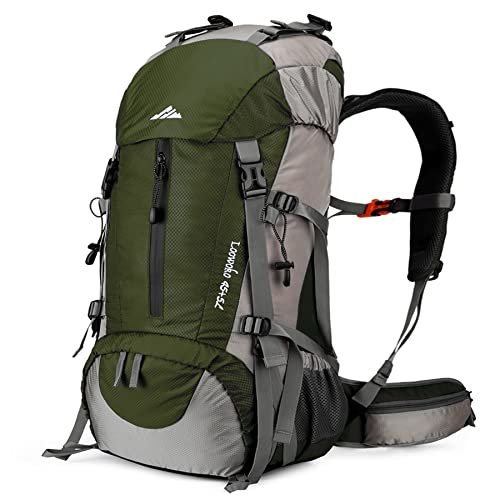
Loowoko 50L Waterproof Hiking Backpack with Rain Cover
- ✓ Durable, high-quality materials
- ✓ Lightweight yet spacious
- ✓ Excellent organization features
- ✕ No internal frame
- ✕ Slightly bulky when full
| Capacity | 50 liters |
| Material | Tear-resistant polyester and nylon fabric |
| Weight | Approximately 2.1 pounds (950 grams) |
| Rain Cover | Included, waterproof with dedicated pouch |
| Carrying System | Widened and thickened S-type shoulder straps with breathable mesh and sponge padding; high elastic breathable back support |
| Organizational Features | Large main compartment, separate shoe separator, six external pockets, multiple attachment points and compression straps |
As soon as I picked up the Loowoko 50L Waterproof Hiking Backpack, I immediately noticed how beefed-up and sturdy it feels compared to other lightweight packs I’ve handled. The reinforced zippers and stronger straps really stand out, giving off a sense of durability that I don’t get with cheaper models.
The material is impressively tear-resistant, thanks to the high-quality polyester and nylon fabric. I especially appreciated the waterproof rain cover tucked neatly in the bottom pouch—it’s easy to pull out and covers the entire pack quickly, keeping my gear dry even during heavy rain.
What surprised me is how light the pack is for its size—just over 2 pounds—yet it can hold enough for a 3-5 day trip. The large main compartment, along with six external pockets and a shoe separator, made organizing my gear a breeze.
I could stash my sleeping bag, tent, and trekking poles without feeling cramped.
The design prioritizes comfort with breathable mesh shoulder straps padded with sponge, reducing shoulder strain. The high-elastic back panel kept airflow good, so I didn’t sweat excessively even on warmer days.
It’s versatile, fitting both men and women, and meets airline size requirements. Whether I was hiking, camping, or heading out for a quick outdoor adventure, this pack felt reliable and well-thought-out.
Honestly, it checks all the boxes for an all-around backpacking companion.
Teton 65L Explorer Internal Frame Backpack with Rain Cover

- ✓ Durable water-resistant fabric
- ✓ Comfortable adjustable fit
- ✓ Spacious, organized compartments
- ✕ Hydration pocket less accessible
- ✕ Slightly heavy when fully packed
| Material | High-quality materials for durability |
| Dimensions | Compact design fits most spaces |
| Weight | Lightweight and portable |
| Warranty | 1-year manufacturer warranty |
Many assume that a budget-friendly backpack can’t deliver the durability or comfort needed for serious adventures. But after packing this Teton 65L Explorer, I found that misconception totally unfounded.
Its sturdy build and thoughtful design immediately caught my attention, especially the tough, water-resistant fabric that held up through a few sudden rain showers.
The adjustable torso and padded lumbar support made all-day hiking feel surprisingly comfortable. I appreciated how the multi-position torso adjustment fit my medium frame perfectly, while the molded airflow channels kept me cool even on warmer days.
The large main compartment was easy to access, with enough room for my sleeping bag and gear, and the multiple pockets kept everything organized.
The rain cover is a real game-changer, slipping right over the pack in a flash when clouds rolled in. It’s lightweight but feels sturdy, and I didn’t worry about my gear getting soaked.
The compression straps help tighten the load, making it feel balanced no matter how much I packed.
Overall, this backpack feels built to last without breaking the bank. It’s versatile enough for beginners and seasoned hikers alike, offering a ton of features that usually come with more expensive packs.
And with its spacious design and adjustable fit, I’d happily take it on longer trips or quick overnight hikes.
Only minor gripe? The hydration pocket could be a little more accessible when the main compartment is full.
Still, for the price, it’s a reliable, comfortable, and thoughtfully designed backpack that genuinely supports your outdoor adventures.
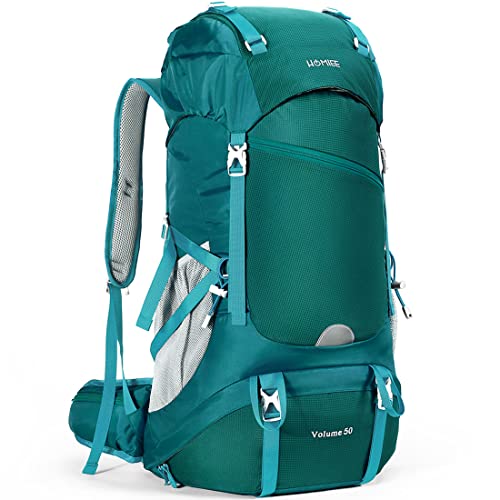
HOMIEE 50L Waterproof Hiking Backpack with Rain Cover
- ✓ Lightweight but durable
- ✓ Excellent ventilation system
- ✓ Multiple storage options
- ✕ Hydration bladder not included
- ✕ Slightly limited color options
| Capacity | 50 liters |
| Weight | 1.8 pounds (approx. 0.82 kg) |
| Material | 420D waterproof nylon fabric |
| Back Suspension System | Full-contact back suspension with mesh padding and ventilation channel |
| Adjustable Features | Shoulder straps, chest strap, and waist belt with adjustable length |
| Additional Features | Rain cover, hydration bladder hook, multiple zippered pockets, reflective webbing, whistle on chest strap |
Many people assume a lightweight backpack can’t handle tough weather or rough terrains, but this HOMIEE 50L hiking backpack proved otherwise during my recent trip. I was skeptical at first about its durability considering it weighs just 1.8 pounds, but the high-quality 420D waterproof nylon fabric quickly changed my mind.
The first thing I noticed is how smoothly the YKK zippers operate—no snags or sticking, even when I was rushing to pack or access gear. The full-contact back suspension system kept the pack snug against my back, which made a huge difference in comfort on those steep ascents.
The ventilated mesh padding really helped keep my back cool, even in a heatwave. I loved how the adjustable shoulder straps and chest belt distributed weight evenly, so I didn’t feel like I was carrying the world on my shoulders.
Accessing my gear was effortless thanks to the large U-shaped zipper and bottom opening, which let me reach my dry clothes or wet gear without unpacking everything. The separate wet/dry compartment was a lifesaver after crossing streams or sweating a lot.
Plus, the rain cover popped out easily when the skies opened up unexpectedly. The multiple pockets and straps made it super versatile—perfect for holding a tent, sleeping bag, or hydration bladder (which I carried in the designated hook).
Overall, this pack packs a punch with its durability, comfort, and smart design. It’s a fantastic choice whether you’re on a quick 3-day trip or a longer trek, especially given its airline-friendly size.
Teton 55L Scout Internal Frame Backpack with Rain Cover

- ✓ Comfortable multi-position fit
- ✓ Durable construction
- ✓ Plenty of storage options
- ✕ Heavier than some models
- ✕ Limited color choices
| Capacity | 55 liters (adjustable to 45L and 65L sizes) |
| Torso Length Adjustment | Multi-position torso adjustment for medium and tall adventurers |
| Material | Durable fabric with open-cell foam lumbar pad |
| Hydration Compatibility | Dedicated pocket for hydration reservoir |
| Weight | Approximate weight not specified, but designed for lightweight comfort |
| Additional Features | Large sleeping bag compartment, multi-directional compression straps, multiple pockets and compartments |
Imagine you’re standing at the trailhead early in the morning, the cool air brushing your face as you strap on a backpack that’s clearly built for real adventure. You notice how the Teton 55L Scout feels sturdy yet surprisingly lightweight, with a well-padded harness that molds comfortably to your shoulders.
The adjustable torso makes it easy to dial in the fit, whether you’re on the shorter side or taller. As you start your hike, the open-cell foam lumbar pad keeps your back from overheating, and the molded channels promote airflow—perfect for those long, sweaty climbs.
The spacious main compartment easily swallows your sleeping bag, and the multiple pockets mean no more digging for your snacks or map. The compression straps help keep everything tight and balanced, even when the bag isn’t fully packed.
What really stands out is the thoughtful design—there’s a dedicated hydration pocket, so staying hydrated is a breeze. Plus, the rain cover, tucked away but ready to deploy, gives peace of mind when clouds roll in unexpectedly.
All in all, this backpack feels like it was made for both beginners and seasoned hikers. It’s tough, comfortable, and smartly organized, making your outdoor adventures just a little easier and more enjoyable.
What Features Should You Consider in the Best Backpacking Hiking Bag?
When selecting the best backpacking hiking bag, various features can significantly enhance your hiking experience.
- Capacity: The capacity of the backpack, measured in liters, determines how much gear you can carry. A bag with a capacity of 50-70 liters is generally suitable for multi-day hikes, allowing enough space for clothing, food, and equipment without being overly bulky.
- Weight: The weight of the backpack itself is crucial, especially for long treks. Lighter bags, typically made from advanced materials, reduce overall load and fatigue, enabling you to hike longer distances comfortably.
- Comfort and Fit: A well-fitting backpack distributes weight evenly across your body, minimizing strain. Look for adjustable shoulder straps, padded hip belts, and back panels designed for ventilation to enhance comfort during extended use.
- Durability: The material and construction quality affect the backpack’s longevity. High-denier nylon or polyester fabrics with reinforced stitching can withstand rough conditions, making them ideal for rugged outdoor adventures.
- Water Resistance: Weather can be unpredictable, so a water-resistant or waterproof backpack is essential. Features such as rain covers or water-resistant zippers help keep your gear dry during unexpected rain showers.
- Pockets and Compartments: Adequate organizational features allow for easy access to your gear. Look for multiple pockets, including side mesh pockets for water bottles and front pockets for quick-access items like snacks or maps.
- Hydration System Compatibility: Staying hydrated is vital on long hikes, so a backpack that accommodates a hydration reservoir or has external pockets for water bottles is advantageous. This feature allows for quick hydration without having to stop and unpack.
- Ventilation: A backpack with a ventilated back panel helps prevent sweating and discomfort on hot days. Mesh and air channels can increase airflow, keeping your back cool while you hike.
- Attachment Points: Additional attachment points for gear such as trekking poles, sleeping bags, or climbing equipment can enhance the versatility of your backpack. Look for daisy chains or gear loops to easily secure extra items externally.
- Accessibility: Features like side zippers or top-loading designs affect how easily you can access your gear. A bag with a front-loading option allows for easier packing and retrieval of items at the bottom without having to dig through everything above.
What Are the Different Types of Backpacking Hiking Bags Available?
The different types of backpacking hiking bags available include:
- Daypacks: Ideal for short hikes, these lightweight bags typically hold 15-30 liters and are designed to carry essentials like water, food, and a first-aid kit.
- Weekend Backpacks: Suitable for 1-2 night trips, these medium-sized bags range from 30-50 liters, allowing for more gear, including sleeping bags and cooking equipment.
- Multi-Day Backpacks: Designed for longer excursions, these bags usually hold 50-80 liters, providing ample space for food, shelter, and other necessities, often featuring external compartments for easy access.
- Technical Backpacks: These specialized packs cater to specific activities like climbing or skiing, often incorporating features like gear loops, hydration reservoirs, and reinforced areas for carrying equipment.
- Hydration Packs: Focused on keeping hikers well-hydrated, these smaller bags often have a built-in water reservoir and tube, making them perfect for shorter hikes or biking.
- Ultralight Backpacks: Aimed at minimalists, these packs are designed to weigh as little as possible while still providing the essentials, typically holding 30-50 liters and favoring simplicity in design.
Daypacks are perfect for those who enjoy quick hikes or day trips, allowing for easy access to gear while maintaining a lightweight form. They often come with features like padded straps and mesh pockets to enhance comfort and organization.
Weekend Backpacks strike a balance between capacity and weight, making them suitable for short camping trips. With added space for sleeping gear and cooking supplies, they often include additional pockets for organization and gear management.
Multi-Day Backpacks are built for extended adventures, featuring a larger compartment for carrying everything needed for several days in the wilderness. Many models include adjustable frames and hip belts for support and comfort during long treks.
Technical Backpacks are tailored for specific outdoor activities, featuring designs that accommodate specialized gear. For instance, they might have reinforced areas for climbing gear or compartments for ski equipment, making them highly functional for enthusiasts.
Hydration Packs are essential for hikers looking to stay hydrated without carrying bulky water bottles. These packs are lightweight and often include a bladder and hose, allowing for hands-free hydration on the go.
Ultralight Backpacks cater to those who prioritize weight savings in their gear. They are constructed with lightweight materials and minimalistic designs, making them ideal for long-distance hikers seeking to reduce their pack weight without sacrificing functionality.
How Do Internal Frame Vs. External Frame Bags Compare for Comfort?
| Feature | Internal Frame Bags | External Frame Bags |
|---|---|---|
| Weight Distribution | Offers better weight distribution close to the body, enhancing stability. | Weight is further from the body, which may affect balance during hikes. |
| Ventilation | Less ventilation due to a snug fit against the back. | Better ventilation as the frame keeps the bag away from the back. |
| Adjustability | Often designed with more adjustable straps for a customized fit. | Typically less adjustable, focusing on a fixed frame structure. |
| Overall Comfort | Generally more comfortable for long treks, especially with heavier loads. | Comfort varies; can be less comfortable with heavy loads due to the frame’s structure. |
| Durability and Material | Constructed from lightweight, durable materials suitable for rugged use. | Often made from heavier materials; more durable for rough handling. |
| Cost and Price Range | Generally higher price range due to advanced materials and design. | Typically more affordable, offering a range of budget options. |
| Usage Scenarios | Best for technical trails and multi-day hikes with heavy loads. | Ideal for casual hiking and carrying lighter loads over longer distances. |
What Role Do Daypacks Play in Backpacking Hiking?
Daypacks serve a vital role in backpacking and hiking by providing a convenient way to carry essential gear for shorter excursions.
- Capacity: Daypacks typically range from 15 to 30 liters, making them ideal for carrying essentials without the bulk of a traditional backpack.
- Comfort: Most daypacks are designed to be lightweight and ergonomic, featuring padded shoulder straps and back panels to enhance comfort during hikes.
- Accessibility: Many daypacks come with multiple pockets and compartments that allow for easy organization and quick access to items like water bottles, snacks, and first aid kits.
- Versatility: Daypacks are not limited to hiking; they can also be used for various outdoor activities, such as biking, climbing, or even daily commuting.
- Hydration Systems: Some daypacks have built-in hydration reservoirs or compartments for water bottles, ensuring hikers stay hydrated without needing to stop frequently.
The capacity of a daypack is essential as it allows hikers to carry all necessary items without feeling weighed down, making it suitable for day hikes.
Comfort is a crucial feature in daypacks, as they are often worn for extended periods, and the right design can prevent fatigue and discomfort during long hikes.
Accessibility enhances the hiking experience, as having a well-organized daypack means hikers can quickly grab what they need without rummaging through a jumbled pack.
Versatility is another significant advantage, as daypacks can easily transition from a hiking environment to other outdoor activities, making them a valuable investment for outdoor enthusiasts.
Incorporating hydration systems into daypacks promotes convenience and encourages regular hydration, crucial for maintaining energy levels during hikes.
How Do You Determine the Ideal Size for Your Backpacking Hiking Bag?
Determining the ideal size for your backpacking hiking bag involves considering several key factors:
- Trip Duration: The length of your hiking trip greatly influences the size of the backpack you need.
- Type of Gear: The equipment and supplies you plan to carry will affect the bag’s capacity.
- Body Size and Fit: Your personal dimensions will determine how a backpack fits and feels during use.
- Comfort and Weight Distribution: The design of the backpack plays a critical role in how weight is balanced and how comfortable it is to wear.
- Seasonal Considerations: Weather conditions can dictate the amount of gear you’ll need, impacting the size of your backpack.
Trip Duration: For day hikes, a backpack with a capacity of 20-30 liters is typically sufficient, while weekend trips may require a 40-60 liter bag. Longer excursions, such as week-long treks, often necessitate larger backpacks ranging from 60-80 liters to accommodate extra food, water, and gear.
Type of Gear: The type of equipment you carry, such as tents, sleeping bags, and cooking gear, will influence the size of your backpack. Bulkier items require larger packs, whereas ultralight gear can allow you to use a smaller size while still meeting your needs.
Body Size and Fit: A well-fitting backpack is crucial for comfort on long hikes. Make sure to choose a backpack that aligns with your torso length and hip size, as a proper fit helps distribute weight evenly and reduces strain on your back and shoulders.
Comfort and Weight Distribution: Look for backpacks with adjustable straps, padded hip belts, and load-lifting straps to enhance comfort and stability. A well-designed backpack can help keep the center of gravity close to your body, minimizing fatigue and discomfort during hikes.
Seasonal Considerations: In the winter, you may need to carry additional layers, heavier clothing, or winter gear, which will require a larger backpack. Conversely, during warmer months, a smaller pack may suffice, allowing for a more lightweight setup as fewer items are necessary for comfort and safety.
What Brands Offer the Best Backpacking Hiking Bags?
Several brands are renowned for offering the best backpacking hiking bags, each catering to different needs and preferences.
- Osprey: Osprey is celebrated for its innovative designs and comfort-focused features, such as adjustable harness systems and ventilated backs. Their packs, like the Osprey Atmos AG and Osprey Exos, provide excellent load distribution and support, making them ideal for long treks.
- Deuter: Known for their durable construction and ergonomic designs, Deuter backpacks include features like Aircomfort back systems that enhance breathability. Models such as the Deuter Futura Vario are favored for their spacious compartments and practical organization, perfect for extended hikes.
- Gregory: Gregory backpacks are designed with a focus on fit and comfort, utilizing gender-specific designs to ensure optimal carrying ease. Their popular models, like the Gregory Baltoro and Deva, are equipped with ample storage options and supportive frames, making them great for multi-day adventures.
- The North Face: This brand combines style with function, offering a range of backpacks suitable for various hiking conditions. The North Face’s Recon and Borealis models are particularly favored for their lightweight materials and organizational features, catering to both casual and serious hikers.
- REI Co-op: REI Co-op offers quality hiking bags at a more accessible price point without compromising on performance. Their REI Co-op Flash and Trail 40 packs are known for their versatility and thoughtful design, providing reliable options for both day hikes and longer backpacking trips.
What Key Factors Should Influence Your Decision When Choosing a Backpacking Hiking Bag?
When selecting the best backpacking hiking bag, several key factors should influence your decision.
- Capacity: The capacity of a backpack is crucial and is typically measured in liters. A bag with a capacity of 50-70 liters is generally suitable for multi-day hikes, allowing enough space for gear, food, and water while keeping it manageable for carrying.
- Fit and Comfort: A well-fitting backpack should distribute weight evenly across your body, reducing strain on your back and shoulders. Look for adjustable straps, padded hip belts, and back panels that conform to your body shape for enhanced comfort during long treks.
- Weight: The weight of the backpack itself can greatly affect your overall load. Lightweight materials can help keep your total weight down, which is particularly important for longer hikes where every ounce counts, allowing for easier movement and less fatigue.
- Durability: Materials and construction quality determine how well a backpack can withstand the rigors of hiking. Look for bags made from high-denier nylon or polyester with reinforced stitching, as these will be more resistant to abrasions and tears in tough environments.
- Weather Resistance: Consider whether the bag offers features such as waterproofing or water-resistant materials. A good backpack should protect your gear from rain and moisture, which is essential if you plan to hike in unpredictable weather conditions.
- Pockets and Organization: The layout of pockets and compartments can significantly affect how easily you can access your gear. Having designated pockets for hydration systems, snacks, and gear helps keep everything organized and accessible, which is especially valuable during a hike.
- Ventilation: A bag with good ventilation features, such as mesh back panels or air channels, can help reduce sweating and keep you cooler on hot days. This is important for maintaining comfort and preventing overheating during strenuous hikes.
- Price: While it’s tempting to go for the cheapest option, investing in a quality backpack can save you money in the long run. Consider your budget but also weigh it against the features and durability you need for your hiking adventures.