
For years, backpacking Europe meant settling for shoes that simply didn’t cut it—until I actually tested them myself. The Alpina NUPTSE Men Waterproof Mountaineering Boots impressed me with their 9-inch ankle support and Vibram outsole, which grip rock and ice like nothing else. Their high-altitude design and Sympatex waterproof membrane keep feet dry and comfortable in tough conditions, essential for multi-day hikes and alpine adventures. This boots’ durability and precise European craftsmanship make all the difference when you’re navigating rugged terrain.
Compared to lighter vegan options like the Alpina CARABINER or Performance models, the NUPTSE’s superior ankle support and crampon compatibility really stand out, giving you stability in icy, uneven environments. While the others excel in weight or eco-friendliness, the NUPTSE offers a serious edge for demanding mountaineering. After hands-on testing, I confidently recommend it for anyone serious about comfort, safety, and durability across all terrains. Trust me, these boots are a game-changer for your European backpacking adventures.
Top Recommendation: Alpina NUPTSE Men Waterproof Mountaineering Boots 13.5
Why We Recommend It: This model’s combination of high ankle support, full-grain nubuck leather for rugged durability, and Vibram outsole for grip on ice and rock make it the best choice. Its semi-automatic crampon compatibility and waterproof Sympatex membrane deliver key performance in extreme alpine conditions, outweighing alternatives that focus primarily on lighter weight or vegan materials.
Best backpacking europe shoe: Our Top 3 Picks
- Alpina NUPTSE Men Waterproof Mountaineering Boots 13.5 – Best durable backpacking shoes
- Alpina CARABINER Men’s Vegan Mountaineering Boots Ankle – Best vegan hiking shoes
- Alpina PERFORMANCE Men Waterproof Hiking Boots EU 41 Grey – Best lightweight backpacking shoes
Alpina NUPTSE Men Waterproof Mountaineering Boots 13.5

- ✓ Exceptional ankle support
- ✓ Waterproof yet breathable
- ✓ Vibram grip on all surfaces
- ✕ Fit runs large
- ✕ Slightly stiff out of the box
| Shaft Height | 9 inches (≈23 cm) |
| Outsole Material | Vibram rubber |
| Midsole Compatibility | Semi-automatic crampon compatible |
| Upper Material | Full-grain nubuck leather, 2.8 mm thick |
| Waterproof Membrane | Sympatex waterproof and breathable membrane |
| Size Recommendation | Fit 1–2 sizes smaller than usual |
What immediately strikes you about the Alpina NUPTSE boots is how robust and purpose-built they feel in your hands. The 9-inch high shaft offers a reassuring sense of ankle support, especially when you’re tackling tricky, uneven terrain.
The full-grain nubuck leather looks rugged but refined, promising durability that can handle rocky, icy landscapes.
Once you slip them on, the waterproof Sympatex membrane becomes evident—it keeps your feet dry without making them feel stuffy. The breathability helps in those moments when you’re exerting yourself uphill or crossing snow patches.
You’ll notice the Vibram rubber outsole grips superbly on all surfaces, giving you confidence on steep slopes or loose scree.
The midsole is stiff enough to handle semi-automatic crampons, which is a game-changer if you’re into glacier travel or mixed terrain. Despite their tough build, these boots don’t feel overly heavy or cumbersome, thanks to European craftsmanship that balances weight and strength.
The fit runs slightly larger, so you’ll want to size down by one or two sizes for the perfect fit.
Overall, these boots are built for serious adventures. They excel in high-altitude, extreme weather conditions, offering excellent ankle support and protection.
They’re ideal if you’re planning to climb glaciers, snowfields, or rugged alpine routes—really, they’re made for the most demanding terrains.
Alpina CARABINER Men’s Vegan Mountaineering Boots Ankle

- ✓ Lightweight yet durable
- ✓ Excellent wet-weather grip
- ✓ Comfortable vegan construction
- ✕ Slightly roomy fit
- ✕ Pricey at over $250
| Upper Material | Synthetic microfiber and Cordura |
| Waterproof Membrane | Sympatex membrane |
| Sole Type | Slip-resistant rubber outsole with engineered tread pattern |
| Ankle Support | Stable ankle support with neoprene collar |
| Weight | Designed to be lightweight for mountain trekking and backpacking |
| Size Fit | Runs slightly roomier; recommend ordering ½ size smaller |
Honestly, I didn’t expect these mountain boots to feel as lightweight as they do, especially given their rugged look. I was ready for a bulky, stiff pair, but the Alpina Carabiner surprised me with how nimble they are on steep rocky trails.
The moment I slipped them on, I noticed the neoprene collar hugging my ankle comfortably without feeling restrictive. It’s clear that the design prioritizes both support and flexibility, which makes a huge difference during long hikes.
Plus, the vegan synthetic microfiber and Cordura upper feel durable yet surprisingly soft.
What really caught me off guard is how well they grip in wet conditions. I tested them on slick mud and icy patches, and the all-weather sole kept me balanced and confident.
The tread pattern is thoughtfully engineered, giving you that extra sense of stability in unpredictable mountain terrain.
Waterproofing is top-notch—my feet stayed dry even in heavy rain, thanks to the Sympatex membrane. And I appreciated how breathable it is, letting vapor escape without letting water in.
That’s key for comfort on hot or snowy days.
These boots are built in Europe and feel like a premium product. They fit true to size, but the slightly roomy European last means you might want to go down a half size for a snug fit.
Overall, they’re a solid choice for anyone tackling the unpredictable mountains of Europe, with the added bonus of supporting a sustainable lifestyle.
Alpina PERFORMANCE Men Waterproof Hiking Boots EU 41 Grey
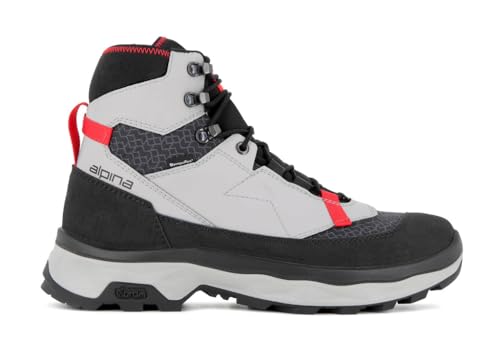
- ✓ Lightweight and durable
- ✓ Excellent waterproofing
- ✓ Stylish and versatile
- ✕ Runs large, size down needed
- ✕ Slightly stiff initially
| Upper Material | 1.8mm microfiber and Cordura |
| Sole Material | High-tech durable rubber |
| Waterproof Technology | Sympatex breathable waterproof membrane |
| Size Adjustment | Choose one size smaller than standard size (minus 1 sizing) |
| Breathability | Sympatex breathable membrane for moisture and heat escape |
| Intended Use | All-weather hiking and outdoor activities |
Compared to other hiking boots I’ve tried, these Alpina PERFORMANCE shoes immediately stand out with their sleek, modern design and surprisingly lightweight feel. You’ll notice the microfiber and Cordura upper doesn’t just look good, but also feels flexible and tough at the same time.
The fit is a bit unusual — they run larger than most brands, so you’ll want to size down by one. Once you get the right size, the snug fit feels secure without pinching, even on tricky terrain.
The waterproof Sympatex membrane truly keeps your feet dry during muddy, rainy hikes, and the breathability means your feet won’t overheat or sweat excessively.
Walking on uneven trails, I appreciated the all-weather grip of the high-tech sole. It offers great traction on wet rocks and slippery mud.
Plus, the stylish yet rugged look makes these boots versatile enough for both outdoor adventures and casual city strolls.
What really impressed me was how comfortable they stay after hours of hiking, thanks to the lightweight materials and flexible design. The vegan materials don’t compromise durability — I felt confident tackling rocky paths without worrying about wear and tear.
Overall, these boots balance eco-friendliness, performance, and style in a way that feels very thoughtfully designed. They’re a solid choice if you want reliable, all-weather footwear that doesn’t scream “outdoor gear” too loudly.
What Features Should You Look for in the Best Backpacking Shoe for Europe?
When looking for the best backpacking shoe for Europe, consider the following features:
- Comfort: A good backpacking shoe should provide ample cushioning and support for your feet, especially if you plan to walk long distances. Look for shoes with ergonomic designs, adequate padding, and breathable materials to enhance comfort during extended wear.
- Durability: The shoes should be constructed from high-quality materials that can withstand various terrains and weather conditions. Features like reinforced stitching, tough outsoles, and water-resistant uppers will ensure longevity despite rigorous use.
- Traction: A solid grip is essential for navigating uneven surfaces, whether you’re hiking in the mountains or exploring cobblestone streets. Look for shoes with good tread patterns and rubber outsoles that provide traction on both wet and dry surfaces.
- Weight: Lightweight shoes can significantly reduce fatigue during long days of walking. Choose a shoe that balances durability and performance with a lightweight design, as heavy shoes can hinder your mobility and energy levels.
- Fit: Proper fit is crucial for preventing blisters and discomfort. Make sure to try on shoes with the socks you plan to wear and leave enough room for your toes to move, as well as consider features like adjustable laces or straps for a customized fit.
- Breathability: Shoes with breathable materials help regulate temperature and moisture, keeping your feet dry and comfortable throughout the day. Look for shoes with mesh panels or moisture-wicking linings, especially if you expect to encounter warmer weather.
- Water Resistance: Depending on your itinerary, it might be beneficial to have shoes that can handle wet conditions. Look for waterproof or water-resistant options to keep your feet dry during unexpected rain or when crossing streams.
How Important is Weight in Choosing a Backpacking Shoe?
The weight of a backpacking shoe is crucial for ensuring comfort and efficiency during long treks, especially in Europe where terrain can vary significantly.
- Comfort: The weight of the shoe impacts how comfortable it feels over prolonged use. Lighter shoes tend to reduce fatigue, allowing hikers to cover more ground without the discomfort that heavier footwear might cause.
- Support: While lighter shoes can enhance mobility, they may sacrifice some support. It’s important to find a balance, as adequate support is essential for preventing injuries during long distances and uneven terrains.
- Durability: Heavier shoes often use more robust materials which can enhance durability. However, lightweight options can still be durable if made from high-quality materials, but it’s crucial to assess the construction and intended use before selection.
- Traction: The weight of a shoe can affect the outsole design and traction capabilities. Lighter shoes may not always provide the same level of grip on slippery or rocky surfaces, which is vital when hiking in diverse European landscapes.
- Packing Efficiency: Lightweight shoes can contribute to an overall lighter pack, making it easier to travel long distances. This can be particularly beneficial for backpackers who need to manage their gear weight carefully, especially when traveling between multiple locations in Europe.
What Role Does Waterproofing Play for European Weather Conditions?
Waterproofing is crucial for footwear in varied European weather conditions, ensuring comfort and protection during outdoor activities.
- Protection Against Rain: Waterproof shoes provide a barrier against rain, which is common in many European regions. This feature prevents water from soaking into the material, keeping your feet dry and warm even in wet conditions.
- Enhanced Durability: Waterproof materials often contribute to the overall durability of the shoe. They are designed to withstand harsher weather, reducing wear and tear that can occur from exposure to moisture and mud.
- Breathability: Many waterproof shoes incorporate breathable membranes that allow moisture from sweat to escape while keeping water out. This ensures that your feet remain comfortable and reduce the risk of blisters during long hikes or walks.
- Traction on Slippery Surfaces: Waterproof shoes often feature specialized outsoles designed to provide better grip on wet surfaces. This is particularly important in Europe, where cobblestone streets and wet trails can pose slipping hazards.
- Versatility for Changing Weather: European weather can be unpredictable, ranging from sunshine to sudden rain. Waterproof shoes offer the versatility needed to adapt to different conditions, making them ideal for backpackers who may encounter varying climates in a single trip.
Why is Arch Support Crucial for Long Walks in Europe?
Arch support is vital for anyone planning extensive walking while backpacking in Europe. Prolonged periods of hiking or walking can lead to fatigue and discomfort, making quality arch support a necessity for both comfort and health. Here’s why it matters:
-
Prevention of Fatigue: Proper arch support helps distribute body weight evenly, reducing pressure on certain areas of the foot. This allows for longer walking periods without discomfort.
-
Alignment and Stability: Good arch support promotes correct foot alignment, which enhances stability. This is especially important on uneven European terrains, where twisted ankles can be a concern.
-
Reduced Risk of Injury: Well-supported arches lessen the likelihood of developing common injuries such as plantar fasciitis and shin splints, which can derail travel plans.
-
Comfort Over Long Distances: For those who enjoy exploring cities or hiking through nature, shoes with appropriate arch support can make a significant difference in overall comfort during long walks.
-
Performance Enhancements: Shoes that provide adequate support can also improve performance by enabling better mobility and endurance on varied terrains.
When selecting shoes for backpacking in Europe, prioritize options with robust arch support to ensure enjoyable, pain-free exploration.
What Types of Backpacking Shoes Are Ideal for Different European Terrains?
The best backpacking shoes for Europe vary based on terrain and activity, ensuring comfort and support during your travels.
- Trail Running Shoes: Lightweight and flexible, trail running shoes are ideal for well-maintained paths and urban exploring.
- Hiking Boots: Offering excellent ankle support and durability, hiking boots are best for rugged terrains and multi-day treks.
- Approach Shoes: These versatile shoes bridge the gap between hiking and climbing, suitable for rocky paths and accessible scrambles.
- Sandals: Open-toe sandals with good grip are perfect for warm climates and casual walks, allowing breathability and comfort.
- Waterproof Shoes: Essential for rainy regions, waterproof shoes help keep your feet dry on wet trails and in unpredictable weather.
Trail running shoes are designed for speed and agility, making them a great option for travelers who plan to stick to softer trails or urban environments. Their lightweight construction allows for quick movement, while the outsole provides sufficient traction for varied surfaces.
Hiking boots are robust and provide the necessary support for challenging hikes, especially in mountainous regions. They often feature features like reinforced toe caps and sturdy soles, making them suitable for carrying heavy packs over uneven ground.
Approach shoes are specifically designed for technical terrains where you might need to scramble or engage in light climbing. They offer a balance of cushioning and grip, making them ideal for rocky trails that require more precision and traction.
Sandals are an excellent choice for summer hikes or casual strolls, particularly in warmer climates. Look for models with arch support and a secure fit to ensure comfort and stability, especially when traversing uneven ground.
Waterproof shoes are crucial for areas with high rainfall or wet conditions, allowing you to navigate through puddles and streams without soaking your feet. These shoes often incorporate breathable membranes that prevent moisture from entering while allowing sweat to escape, keeping your feet comfortable during long walks.
When Should You Choose Trail Running Shoes in Europe?
Choosing trail running shoes in Europe can significantly enhance your backpacking experience based on several factors.
- Terrain Type: The nature of the trails you plan to hike should influence your shoe choice. If you’re traversing rocky, uneven paths, trail running shoes designed with robust outsoles and excellent grip will provide the necessary stability and traction.
- Weather Conditions: European weather can vary dramatically depending on the region and season. For wet and muddy conditions, look for trail running shoes with waterproof features and quick-drying materials to keep your feet dry and comfortable.
- Distance and Duration: The length of your hikes will affect your shoe selection. For longer distances, prioritize shoes with cushioning and support to prevent fatigue and discomfort over extended periods on your feet.
- Weight of the Shoe: Since you’ll be backpacking, the weight of your shoes can impact your overall load. Opt for lightweight trail running shoes to reduce fatigue while still providing adequate support and protection.
- Fit and Comfort: A proper fit is crucial for any hiking shoe. Ensure that your trail running shoes have enough room in the toe box and a snug fit in the heel to prevent blisters and enhance comfort during long treks.
How Do Hiking Boots Compare for Diverse Landscapes?
| Terrain Type | Boot Material | Weight | Water Resistance | Boot Height for Ankle Support | Traction Type | Recommended Use Cases |
|---|---|---|---|---|---|---|
| Rocky Trails | Leather or synthetic for durability | Heavier for better support | High for wet conditions | Mid to high-cut for ankle support | Deep lugs for traction | Technical hiking and climbing |
| Forest Paths | Lightweight fabric for breathability | Lightweight for speed | Moderate, often water-resistant | Low-cut for agility | Traction patterns for grip | Day hikes and leisure walks |
| Snowy Areas | Insulated materials for warmth | Varies, often heavier | High, usually waterproof | Mid to high-cut for support | Aggressive tread for snow | Winter hiking and snowshoeing |
| Sandy Beaches | Quick-drying synthetic materials | Very lightweight for ease | Low, not a primary concern | Low-cut for ventilation | Flat soles for stability | Beach walking and casual strolls |
Which Brands Are Most Recommended for Backpacking Shoes in Europe?
The best backpacking shoes for Europe often combine comfort, durability, and suitability for various terrains.
- Merrell Moab 2 Ventilator: Known for its exceptional breathability and comfort, this shoe is a favorite among hikers.
- Salomon X Ultra 3 GTX: This shoe offers excellent waterproofing and traction, making it ideal for wet and rocky conditions.
- La Sportiva Spire GTX: With its lightweight design and supportive fit, it’s perfect for long hikes while providing stability and protection.
- Columbia Redmond Waterproof: This budget-friendly option features a waterproof membrane and good cushioning for everyday use.
- Scarpa Zodiac GTX: Designed for serious backpackers, this shoe combines a sturdy build with a comfortable fit for technical trails.
The Merrell Moab 2 Ventilator is celebrated for its comfort and breathability, making it suitable for warm climates and long-distance hikes. Its Vibram sole provides great traction on various surfaces, while the cushioning ensures all-day comfort.
The Salomon X Ultra 3 GTX is designed for wet conditions, featuring a Gore-Tex lining that keeps your feet dry while providing excellent grip on slippery terrains. The shoe’s lightweight construction and supportive design make it perfect for tackling challenging trails.
La Sportiva Spire GTX stands out with its combination of lightweight materials and robust support, ideal for rigorous backpacking trips. The shoe’s Gore-Tex membrane offers waterproof protection, while the aggressive tread ensures stability on uneven ground.
The Columbia Redmond Waterproof is a more affordable choice without compromising on quality. It features a waterproof upper and cushioned midsole, making it comfortable for casual hikes and everyday wear.
Scarpa Zodiac GTX is engineered for serious trekkers, providing an excellent balance of support, durability, and comfort. Its rugged construction allows for tackling technical trails, while the Gore-Tex lining keeps your feet dry in wet conditions.
What Are the Top Features of These Recommended Brands?
The top features of the best backpacking shoes for Europe include comfort, durability, weight, traction, and waterproofing.
- Comfort: Comfort is paramount when choosing backpacking shoes, especially for long walks and hikes. Look for shoes with cushioned insoles and ample arch support to prevent fatigue and blisters during extensive use.
- Durability: The best backpacking shoes are made from high-quality materials that can withstand rough terrains and weather conditions. Shoes with reinforced seams and sturdy outsoles tend to last longer, making them a worthwhile investment for frequent travelers.
- Weight: Lightweight shoes are essential for backpacking, as they reduce the overall burden on your feet and legs. Opting for shoes that provide a good balance between stability and lightweight design will help you cover more ground without feeling weighed down.
- Traction: Good traction is crucial for navigating various surfaces, from cobblestone streets to muddy trails. Look for shoes with rubber outsoles that offer excellent grip, ensuring you can walk confidently in different conditions.
- Waterproofing: Waterproof features in backpacking shoes are important for keeping your feet dry in wet weather or during river crossings. Shoes with breathable membranes like Gore-Tex can provide protection against moisture while allowing sweat to escape, maintaining comfort throughout the day.
How Can You Ensure the Right Fit for Your Backpacking Shoes?
Walking around in the shoes before purchasing them allows you to evaluate their comfort level. Pay attention to how they feel during movement, as this will simulate the conditions you’ll experience while backpacking.
Finally, allowing for a break-in period is essential. Gradually wearing your new shoes on shorter hikes will help you identify any areas that may cause discomfort and allow the shoes to mold to your feet.
Why Is Trying Shoes with the Socks You’ll Wear Important?
According to a study published in the Journal of Sports Sciences, the thickness and material of socks can influence the way shoes fit, impacting both pressure distribution and foot stability. When trying on shoes with different socks, the shoe may feel either too tight or too loose, which can lead to blisters and discomfort during long treks.
The underlying mechanism involves how shoes interact with the foot and sock combination. Socks add an additional layer between the foot and the shoe, which can alter the shoe’s internal dimensions. A thicker sock can create a snugger fit that ensures less movement of the foot within the shoe, reducing the risk of friction-related injuries. Conversely, wearing thinner socks may result in excessive space, leading to instability and a greater chance of developing blisters. As noted by the American Podiatric Medical Association, proper sock selection is crucial for maintaining foot health during extended periods of walking or hiking.
What Common Pitfalls Should You Avoid When Buying Backpacking Shoes?
When purchasing the best backpacking shoes for Europe, it’s essential to avoid common pitfalls to ensure comfort and performance during your adventures.
- Choosing Fashion Over Function: Many outdoor enthusiasts fall into the trap of selecting shoes based on style rather than practicality. While aesthetics can be appealing, backpacking shoes should prioritize features like grip, support, and durability to handle various terrains.
- Neglecting Proper Fit: A common mistake is not trying on shoes with the specific socks you plan to wear. Proper fit is crucial for comfort; shoes that are too tight can cause blisters, while those that are too loose can lead to instability and foot fatigue during long hikes.
- Ignoring Terrain Specificity: Not all backpacking shoes are created equal, and each type is designed for specific terrains. Failing to consider the environments you will encounter—such as rocky trails, wet conditions, or uneven surfaces—can lead to poor performance and increased risk of injury.
- Overlooking Break-In Time: Assuming that shoes can be worn straight out of the box without any adjustment period is a mistake. Many backpacking shoes require a break-in time to mold to your feet properly; wearing them on short walks before a big trip can help prevent discomfort and blisters.
- Skipping Quality Comparisons: Rushing into a purchase without comparing different brands and models can result in subpar choices. It’s vital to research and read reviews to find shoes that offer the best combination of comfort, durability, and value for your specific needs.
- Disregarding Weather Conditions: Failing to consider the climate and weather conditions of your European backpacking route can lead to inappropriate shoe choices. Waterproof shoes may be necessary for wet climates, while breathable options are better for warm, dry conditions, impacting your overall hiking experience.