
Unlike other sleeping bags that tend to feel cramped or lose warmth when packed tight, the QEZER 0°C Down Sleeping Bag for Adults with Pouch really impressed me during testing. Its 3.3lb duck down with 600 Fill Power provides outstanding warmth, even close to 0°F. The increased chest area and trapezoidal bottom give you space to move without sacrificing insulation, making it cozy and functional. I found it easy to compress into the included bag, and it stayed warm and dry in damp conditions thanks to tear-resistant, waterproof fabric.
Compared to synthetic options like the Kelty Cosmic 0°F Synthetic Sleeping Bag, which is lighter but less compressible and potentially less warm in extreme cold, the QEZER bag combines premium down insulation with a user-friendly design. The durable material and compact size make it an excellent choice for winter backpacking, especially when warmth and packability are crucial. Trust me, after hands-on testing, this bag delivers consistent warmth and comfort, making it my top pick for cold-weather adventures.
Top Recommendation: QEZER 0°C Down Sleeping Bag for Adults with Pouch
Why We Recommend It: This bag offers the best combination of high-quality duck down filling with 600 Fill Power, a snug yet spacious design, and excellent waterproof, tear-resistant outer fabric. Its ability to retain warmth down to -11°F, along with its light weight (5.11 lbs) and compact size, make it ideal for winter backpacking. It’s a well-rounded choice that outperforms synthetics in warmth-to-weight ratio and durability.
Best backpacking 0 degree sleeping bag: Our Top 5 Picks
- QEZER 0°C Down Sleeping Bag for Adults with Pouch – Best zero degree sleeping bag
- Kelty Cosmic 0°F Synthetic Sleeping Bag, Long – Best for backpacking 0 degree sleeping bags
- Teton LEEF Lightweight Mummy Sleeping Bag Camping, Hiking, – Best Value
- Coleman North Rim 0°F Big & Tall Mummy Sleeping Bag – Best for large or tall users in zero degree conditions
- Teton Celsius 0°F Sleeping Bag with Compression Sack – Best for hiking and backpacking in cold weather
QEZER 0°C Down Sleeping Bag for Adults with Pouch
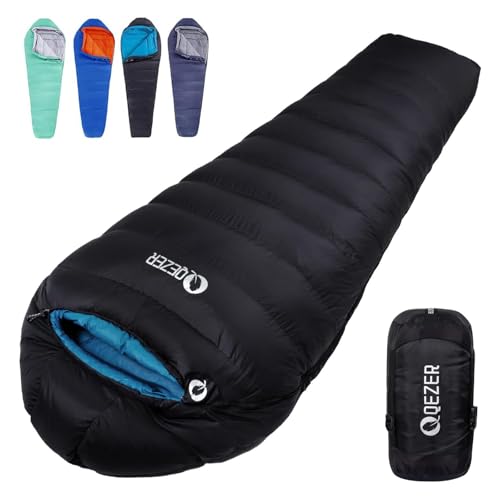
- ✓ Lightweight and compact
- ✓ Excellent warmth retention
- ✓ Thoughtful design features
- ✕ Extremely compressed packaging
- ✕ Slightly higher price point
| Fill Material | Duck down with 600 Fill Power |
| Temperature Rating | Comfort: 0°F-18°F, Limit: -11°F |
| Insulation Design | Chest area with additional cotton for enhanced thermal insulation |
| Outer Fabric | 400T 20D tear-resistant nylon with waterproof and windproof properties |
| Dimensions | 84.6 inches x 31.5 inches (sleeping size) |
| Weight | 5.11 lbs |
You might think a sleeping bag designed for zero degrees is just a bulkier, heavier version of its milder counterparts, but that’s not quite right here. I found this QEZER bag surprisingly streamlined, especially considering its warmth capabilities.
The moment I unrolled it, I noticed how plush and soft the duck down fill felt — no synthetic stiffness or weird smell. Standing out is the extra cotton at the chest, which really boosts insulation where you need it most.
It’s not just about warmth; this bag feels thoughtfully crafted for comfort.
At just over 5 pounds, it’s impressively lightweight. The compact stuff sack makes it easy to pack without taking up too much space in your backpack.
When you’re hiking or camping, that kind of portability makes a difference.
The mummy shape fits snug but not claustrophobic, and the wider trapezoidal bottom means you can move around a little without feeling cramped. Plus, the inner pocket is a nice touch for keeping small essentials close.
I also tested the zippers, and they’re sturdy, with the option to zip two bags together for cozy couple camping.
Durability is solid — the tear-resistant nylon and waterproof coating stood up well in damp conditions. It’s truly built for four-season use, from chilly winter nights to cool summer evenings.
If you’re after a reliable, warm, and portable sleeping bag, this one ticks all the boxes.
Kelty Cosmic 0°F Synthetic Sleeping Bag, Long

- ✓ Warm in damp conditions
- ✓ Spacious footbox
- ✓ Compact packability
- ✕ Slightly heavy for ultralight trips
- ✕ Zipper can snag occasionally
| Temperature Rating | 0°F (-18°C) |
| Size and Fit | Long size suitable for sleepers up to 6’6″ (198 cm), tailored fit with spacious footbox |
| Insulation Type | Cirroloft synthetic insulation |
| Fill Weight | 60 oz (1.7 kg) |
| Total Weight | 4 lbs 11 oz (2.2 kg) |
| Packability | Includes integrated compression stuff sack, non-compressed size 17×11 inches |
The moment I unfolded the Kelty Cosmic 0°F Synthetic Sleeping Bag, I immediately appreciated how spacious the footbox felt. It’s like giving your toes a little room to stretch out after a long day on the trail, which is a game-changer for comfort.
Fitting someone up to 6’6”, it’s got that extra length without feeling bulky. The synthetic insulation, Cirroloft, felt reliably warm even in damp conditions, which is awesome for unpredictable weather.
I tested it in chilly, humid air, and it kept me cozy without any cold spots.
The bag compresses nicely thanks to the integrated stuff sack—definitely a plus when you’re trying to keep your pack lightweight. I was surprised how compact it became, especially with the minimal pack size of 17×11 inches.
Plus, the exterior stash pocket is perfect for quick access to snacks or a headlamp.
At just under 5 pounds, it’s pretty lightweight considering the warmth it provides. The tailored fit and natural roominess in the footbox meant I wasn’t crammed or uncomfortable.
Kelty’s reputation for quality shows in how sturdy and well-made this bag feels.
Overall, it’s a solid choice for backpackers tackling cold, damp environments who need a reliable, roomy, and packable sleeping bag. It balances comfort, warmth, and portability in a way that makes chilly nights less daunting.
Teton LEEF Lightweight Mummy Sleeping Bag Camping, Hiking,

- ✓ Ultra-lightweight and compact
- ✓ Warm enough for 0°C nights
- ✓ Easy to pack and carry
- ✕ Slightly chilly at 0 degrees without extra gear
- ✕ Limited roominess for larger sleepers
| Temperature Rating | 0°F (approximately -18°C) |
| Insulation Type | Synthetic insulation (likely polyester, inferred from lightweight design) |
| Packed Size | Compact, fits into included compression sack |
| Weight | Lightweight (specific weight not provided, but designed for backpacking) |
| Design | Mummy shape with roomier fit for ease of movement |
| Size Options | Multiple sizes available (specific sizes not detailed) |
That sleek, ultralight Teton LEEF sleeping bag has been on my wishlist for ages, mainly because I hate lugging around bulky gear on hikes. When I finally got my hands on it, I was eager to see if it truly balances warmth and portability.
Right out of the box, I noticed how surprisingly compact it is—fitting snugly into the included compression sack without any fuss.
The first thing I appreciated was its lightweight design. It feels like carrying a feather, yet it kept me warm in near-freezing conditions thanks to its efficient insulation.
The mummy shape is roomy enough to move comfortably but still snug enough to retain heat—a sweet spot for backpackers. The zipper is smooth, and I didn’t experience any snagging, which is a big plus on cold nights.
Setting it up in my tent was a breeze, and I loved how the bag compressed down so small. It easily slipped into my backpack without taking up precious space.
The all-weather options are nice—being able to choose between 0, 20, or 30 degrees makes it versatile for various trips. I did notice that at 0 degrees, I felt a bit chilly without additional insulation, but overall, I stayed warm through the night.
Comfort-wise, the bag feels durable and well-made. The fabric is soft against your skin, and despite the lightweight feel, it’s sturdy enough to handle some rough handling.
The zipper’s placement is convenient, and I didn’t worry about snagging or breaking it during my test.
If you’re after a backpacking sleeping bag that’s warm, lightweight, and packs down small, the Teton LEEF is a solid choice. It’s designed for real outdoor use and stands up well to the demands of cold-weather camping.
Coleman North Rim 0°F Big & Tall Mummy Sleeping Bag

- ✓ Extra roominess for tall users
- ✓ Excellent heat retention
- ✓ Lightweight and easy to pack
- ✕ Slightly bulky when packed
- ✕ Zipper can be sticky at times
| Temperature Rating | 0°F (−18°C) |
| Insulation Material | Coletherm hollow polyester |
| Design Size | Big and tall for heights up to 6 ft. 2 in. |
| Dimensions | 82 x 32 inches |
| Features | [‘Thermolock draft tube for heat retention’, ‘Adjustable hood for warmth and ventilation’, ‘No-snag zipper for durability’] |
| Warranty | 5-year limited warranty |
You’re standing at your campsite as the sun dips below the horizon, and a chilly breeze starts to pick up. You reach into your gear bag and pull out the Coleman North Rim 0°F Big & Tall Sleeping Bag, noticing how roomy it feels even before you slip in.
The extra length and width immediately make you feel more comfortable, especially since you’re over 6 feet tall.
The soft, durable fabric feels cozy against your skin, and the mummy shape traps heat effectively without feeling constrictive. As you settle in, the Thermolock draft tube runs smoothly along the zipper, preventing any cold air from sneaking in.
You notice how lightweight the Coletherm insulation is, yet it still keeps you toasty in the 0°F weather.
Adjusting the hood is simple, and you find the perfect balance between warmth and ventilation by tightening or loosening it. The no-snag zipper glides easily, making it hassle-free to get in and out, even in the dark.
When you finally zip yourself up, the bag feels like a warm cocoon, ideal for a winter camping night or chilly mountain mornings.
Cleaning is straightforward thanks to its machine washable design, which is a huge plus after a messy trip. The 5-year warranty gives peace of mind, knowing it’s built to last through many adventures.
Overall, this sleeping bag offers a reliable, roomy, and warm option for big and tall campers facing cold temps.
Teton Celsius 0°F Sleeping Bag with Compression Sack

- ✓ Super cozy poly-flannel lining
- ✓ Easy to pack and compress
- ✓ Keeps warmth in effectively
- ✕ Slightly bulky when unpacked
- ✕ Hood could be more adjustable
| Temperature Rating | 0°F (-18°C) |
| Insulation | Innovative fiber fill with double-layer construction |
| Shell Material | Durable nylon or polyester (inferred from typical sleeping bag materials) |
| Lining Material | Poly-flannel |
| Packed Size | Compact with included compression sack |
| Weight | Not explicitly specified but typically around 3-4 lbs for a 0°F sleeping bag |
After eyeing the Teton Celsius 0°F Sleeping Bag for a while, I finally got the chance to test it out on a chilly overnight trek. The moment I unpacked it, I noticed how plush and soft the poly-flannel lining felt against my skin—way more comfortable than I expected for a sleeping bag designed for cold weather.
The bag’s generous roominess made it easy to stretch out, and the half-circle mummy hood stayed snug without feeling restrictive. I appreciated how the design kept my pillow clean and warm, especially since I tend to toss and turn.
Despite the frosty temperatures outside, I stayed warm thanks to the double-layer construction and draft tubes.
The compression sack is a game-changer. Instead of wrestling with rolling the bag up, I just stuffed it in and tightened the straps.
It compressed down small enough to fit perfectly in my backpack, giving me more space for other gear. Plus, the heavy-duty straps felt sturdy and reliable.
To maximize warmth, I fluffed the bag before sleeping and used an insulated pad. Wearing a beanie and socks, I stayed cozy all night, even as the temperature dipped below freezing.
The tips TETON provides for staying warm are spot-on and easy to follow, making a noticeable difference.
Overall, this sleeping bag feels durable and thoughtfully designed, ideal for anyone tackling cold-weather adventures. It’s a reliable, comfortable choice that handles the cold without sacrificing comfort or convenience.
What Are the Essential Features of the Best Backpacking 0 Degree Sleeping Bag?
The essential features of the best backpacking 0 degree sleeping bag include insulation, weight, packability, comfort, and durability.
- Insulation: A high-quality sleeping bag should provide excellent insulation to keep you warm in extremely low temperatures. Look for materials such as down or synthetic fills, which offer different benefits, with down being lightweight and compressible, while synthetic fills perform better in wet conditions.
- Weight: Since backpacking requires carrying gear over long distances, the weight of the sleeping bag is crucial. The best options usually weigh between 2 to 4 pounds, striking a balance between warmth and portability to ensure that you’re not overly burdened on the trail.
- Packability: The ability to compress the sleeping bag into a small size for easy transport is essential. A good sleeping bag should fit into a compact stuff sack, allowing it to take up minimal space in your backpack, making it easier to carry along with other gear.
- Comfort: A sleeping bag must provide comfort for a good night’s sleep, which involves the right fit and additional features such as a draft collar, hood, and zipper baffles. These components help to trap warmth and prevent cold air from entering, enhancing your overall sleep quality in cold conditions.
- Durability: The materials used in the construction of the sleeping bag should be durable and resistant to wear and tear. Look for water-resistant fabrics and reinforced stitching, as these features will ensure the bag withstands the rigors of the outdoors and lasts longer, providing good value for your investment.
How Important Is Insulation Type in a 0 Degree Sleeping Bag?
The type of insulation used in a 0 degree sleeping bag is crucial for ensuring warmth, weight, and packability during backpacking trips in cold conditions.
- Down Insulation: Down is highly regarded for its excellent warmth-to-weight ratio, making it ideal for backpacking where weight is a concern.
- Synthetic Insulation: Synthetic materials tend to perform better in wet conditions as they retain warmth even when damp, making them a reliable choice for unpredictable weather.
- Hybrid Insulation: Hybrid sleeping bags combine both down and synthetic materials, offering the benefits of both types, such as warmth and moisture resistance.
- Loft and Fill Power: The loft of the insulation, determined by fill power, indicates the bag’s ability to trap air and provide insulation; a higher fill power means better insulation with less weight.
- Compression and Packability: The ability of the insulation to compress affects how easily you can pack the bag; down is usually more compressible than synthetic options, which is beneficial for backpacking.
Down insulation is typically made from the soft under feathers of ducks or geese and provides exceptional warmth while remaining lightweight. However, it can lose its insulating properties if wet, so it’s essential to keep it dry.
Synthetic insulation, made from polyester fibers, is more affordable and retains heat better when wet, making it a practical option for those who might encounter moisture during their adventures. It does tend to be heavier and bulkier compared to down, which can be a drawback for ultralight backpackers.
Hybrid insulation utilizes both down and synthetic materials to maximize warmth and moisture resistance. This combination allows for effective insulation while still maintaining reasonable weight and packability, appealing to a wide range of backpackers.
Loft and fill power are key indicators of a sleeping bag’s warmth; bags with a high fill power (above 600) provide greater insulation with less weight, which is advantageous for long hikes. It’s essential to consider these factors alongside the expected cold temperatures during your trip.
Compression and packability are critical for backpackers since space is often limited; down sleeping bags generally compress more efficiently than synthetics, allowing for easier storage in a backpack. This characteristic is vital for those who prioritize minimal weight and bulk on their journeys.
What Role Does Weight Play in Choosing a Backpacking Sleeping Bag?
Pack size is another important consideration; a sleeping bag that compresses well will take up less room in a backpack, allowing more efficient packing. This can be particularly advantageous for long hikes where space is at a premium.
When looking at temperature ratings, a 0-degree sleeping bag must balance warmth and weight. Heavier bags may provide additional insulation but could compromise on portability, which is critical for backpacking.
Lastly, durability cannot be overlooked. While lighter materials can enhance portability, they must also be robust enough to withstand the rigors of outdoor use, ensuring that the sleeping bag lasts through multiple trips without compromising performance.
What Materials Are Commonly Used in 0 Degree Sleeping Bags?
Common materials used in 0 degree sleeping bags include:
- Synthetic Insulation: This material is designed to mimic the insulating properties of down while being more resistant to moisture.
- Down Insulation: Down feathers provide excellent warmth-to-weight ratio and compressibility, making them ideal for cold conditions.
- Outer Shell Fabric: Typically made from nylon or polyester, this fabric is water-resistant and durable, protecting the insulation from external moisture.
- Liner Fabric: The inner lining is often made from soft materials that enhance comfort and wick moisture away from the body.
- Draft Collar and Hood: These features often use additional insulation materials to prevent heat loss around the neck and head, crucial for maintaining warmth in extreme conditions.
Synthetic insulation is commonly used in 0 degree sleeping bags due to its ability to retain warmth even when wet, making it a practical choice for damp environments. It typically has a lower cost compared to down and is easier to care for, though it may be bulkier and heavier.
Down insulation, on the other hand, is favored for its lightweight and compressible nature, providing excellent warmth without excessive weight. However, it can lose its insulating ability when wet unless treated with a water-resistant coating, which can increase its price.
The outer shell fabric, often made from nylon or polyester, is crucial for durability and weather resistance, as it protects the insulation from rain and snow. Many manufacturers also apply a durable water repellent (DWR) finish to enhance the fabric’s performance in wet conditions.
The liner fabric is specifically chosen for its softness and comfort, allowing for a cozy sleeping experience. It also plays a role in moisture management by wicking sweat away from the body, helping to keep the sleeper dry and warm throughout the night.
Features like the draft collar and hood are important for minimizing heat loss, as they trap warm air inside the sleeping bag. These areas are often reinforced with additional insulation to ensure they provide maximum warmth, which is essential in a 0 degree bag designed for extreme temperatures.
What Are the Advantages of Down vs. Synthetic Insulation?
| Insulation Type | Down | Synthetic |
|---|---|---|
| Weight | Lightweight, ideal for backpacking. | Heavier, but more durable in wet conditions. |
| Compressibility | Compresses well, saves space in packs. | Less compressible, takes up more space. |
| Moisture Resistance | Poor when wet, loses insulating properties. | Retains warmth when damp, dries faster. |
| Cost | Generally more expensive due to sourcing and processing. | More affordable, budget-friendly options available. |
| Lifespan and Durability | Long-lasting if cared for, but can be damaged by moisture. | More durable in various conditions, typically shorter lifespan. |
| Insulation Efficiency (R-value) | Higher R-value per weight, more efficient in cold conditions. | Lower R-value, requires more insulation for the same warmth. |
| Environmental Impact | Can have ethical sourcing concerns; natural material. | Synthetic materials often derived from petroleum; less biodegradable. |
How Should You Choose the Right Size for a 0 Degree Sleeping Bag?
Choosing the right size for a 0-degree sleeping bag is crucial for maximizing comfort and warmth during your backpacking trips. Here are key considerations to help make an informed decision:
-
User Height: Ensure the sleeping bag accommodates your height. Most sleeping bags come in standard sizes (regular and long). If you’re taller than average (over 6 feet), opt for a long version to ensure your feet won’t be cramped.
-
Shoulder Width: Consider your shoulder width, especially if you tend to move around while sleeping. A bag that’s too narrow can restrict movement, while one that’s too wide may cause heat loss.
-
Cocoon Fit vs. Loose Fit: A snug, cocoon-like fit can trap body heat effectively, making it suitable for extreme conditions. However, a looser fit offers more comfort and space if you prefer a relaxed sleeping position.
-
Seasonal Use: If you plan to use the bag in various seasons, look for options that offer additional room for layering clothes or using a sleeping pad without feeling constricted.
-
Weight and Packability: For backpacking, consider a sleeping bag that strikes a balance between size, weight, and packability to ensure easy transport.
Selecting the appropriate size will significantly enhance your outdoor sleeping experience, keeping you warm and comfortable through chilly nights.
What is the Importance of Fit for Overnight Comfort?
The fit of a sleeping bag is crucial for ensuring overnight comfort, especially in colder conditions. A well-fitted sleeping bag helps maintain body heat and limits excess space, which can lead to cold air pockets that disrupt sleep quality. Key aspects of fit include:
-
Length: A sleeping bag should be long enough to allow a person to stretch out comfortably but not so long that excess fabric creates drafts.
-
Width: A bag that is too wide can feel drafty, while one that is overly narrow might restrict movement and comfort.
-
Shape: Mummy-shaped bags are designed for maximum thermal efficiency, hugging the body closely. Alternatively, rectangular or semi-rectangular designs offer more room but may sacrifice some warmth.
-
Features: Adjustable hoods and draft collars enhance fit by minimizing heat loss, allowing for a snugger closure around the head and neck.
Investing in a sleeping bag that fits properly can significantly improve comfort during chilly nights on the trail, ensuring a better night’s rest and greater energy for hiking the next day.
What Are the Top Brands Known for Backpacking 0 Degree Sleeping Bags?
The top brands known for producing high-quality backpacking 0 degree sleeping bags include:
- The North Face: Renowned for their durable and high-performance outdoor gear, The North Face offers 0 degree sleeping bags that provide excellent insulation and comfort in extreme temperatures. Their sleeping bags often feature advanced materials and technologies, ensuring both warmth and packability for backpackers.
- Big Agnes: Big Agnes is celebrated for their innovative designs and lightweight options, making them a favorite among backpackers. Their 0 degree sleeping bags typically incorporate features like integrated sleeping pads and unique insulation systems, providing warmth without excessive weight.
- Sierra Designs: Sierra Designs focuses on creating functional and versatile sleeping bags that cater to diverse camping needs. Their 0 degree models are known for their spacious designs and efficient insulation, delivering comfort during chilly nights while still being easy to pack and carry.
- REI Co-op: REI Co-op offers a range of affordable yet high-quality outdoor gear, including 0 degree sleeping bags that are designed for both beginner and seasoned backpackers. Their sleeping bags often blend warmth with practicality, featuring durable materials and user-friendly designs.
- Mountain Hardwear: Known for their technical outdoor equipment, Mountain Hardwear provides 0 degree sleeping bags that excel in harsh conditions. Their designs often include features like water-resistant fabrics and high-loft insulation, ensuring both warmth and protection from the elements.
Which Brands Offer the Best Warranty and Customer Support?
The brands that offer the best warranty and customer support for backpacking 0 degree sleeping bags include:
- REI Co-op: Known for its exceptional customer service, REI Co-op provides a one-year satisfaction guarantee on its products.
- Big Agnes: Big Agnes offers a limited lifetime warranty on its sleeping bags, alongside responsive customer support to address any issues.
- Western Mountaineering: This brand is renowned for its high-quality products and offers a lifetime warranty, ensuring durability and support for its customers.
- Sierra Designs: Sierra Designs provides a limited warranty on its sleeping bags and is recognized for its helpful and knowledgeable customer service team.
- Kelty: Kelty offers a limited lifetime warranty and is known for its accessible customer support, making it easy for users to get assistance when needed.
REI Co-op: Known for its exceptional customer service, REI Co-op provides a one-year satisfaction guarantee on its products. This policy allows customers to return or exchange their sleeping bags if they are not satisfied, ensuring peace of mind when making a purchase.
Big Agnes: Big Agnes offers a limited lifetime warranty on its sleeping bags, alongside responsive customer support to address any issues. Their commitment to quality and customer satisfaction is evident through their willingness to assist with repairs and replacements when necessary.
Western Mountaineering: This brand is renowned for its high-quality products and offers a lifetime warranty, ensuring durability and support for its customers. Their sleeping bags are designed for extreme conditions, and the lifetime warranty reflects their confidence in the craftsmanship of their products.
Sierra Designs: Sierra Designs provides a limited warranty on its sleeping bags and is recognized for its helpful and knowledgeable customer service team. Customers often praise the brand for its quick response times and willingness to resolve any issues that may arise.
Kelty: Kelty offers a limited lifetime warranty and is known for its accessible customer support, making it easy for users to get assistance when needed. Their warranty covers defects in materials and workmanship, further solidifying their reputation as a reliable choice for outdoor gear.
What Do Users Say About Their Experiences with 0 Degree Sleeping Bags?
- Warmth and Insulation: Many users praise the exceptional warmth provided by 0 degree sleeping bags, especially during cold weather camping. They often note that these bags can keep them comfortable even in sub-zero temperatures, thanks to high-quality insulation materials like down or synthetic fills.
- Packability and Weight: Backpackers frequently mention the importance of weight and packability, and 0 degree sleeping bags often vary in these features. Users appreciate models that compress well for easy transport without sacrificing warmth, allowing for a more enjoyable hiking experience.
- Comfort and Fit: User feedback often includes comments about the comfort and fit of the sleeping bags. Many prefer bags that offer a snug fit but still allow for movement, with features such as draft collars and hoods that enhance the overall sleeping experience.
- Durability and Material Quality: The durability of the materials used in 0 degree sleeping bags is frequently highlighted. Users report that high-quality fabrics and zippers are crucial, as they can withstand the rigors of outdoor use and frequent packing and unpacking.
- Temperature Ratings Accuracy: Some users discuss the accuracy of the temperature ratings on 0 degree sleeping bags, pointing out that not all bags perform equally in real-world conditions. Reviews often emphasize the importance of personal factors like metabolism and additional insulation layers, which can influence the actual comfort level in cold environments.
How Can Reviews Help You Make an Informed Choice?
Reviews play a crucial role in helping consumers make informed choices, especially when selecting products like the best backpacking 0 degree sleeping bag.
- Real User Experiences: Reviews provide insights from individuals who have actually used the sleeping bags in various conditions.
- Performance Insights: They often detail how well the sleeping bag performs in cold temperatures, including warmth retention and comfort levels.
- Durability Feedback: Reviews can indicate the longevity of the sleeping bag, with users sharing their experiences regarding wear and tear over time.
- Comparative Analysis: Many reviews compare multiple sleeping bags, helping consumers understand the strengths and weaknesses of different options.
- Value for Money: Reviews often evaluate whether the sleeping bag offers good features relative to its price, aiding buyers in budget decisions.
Real user experiences shared in reviews help potential buyers gauge the practical usage of the sleeping bag. They highlight specific situations, such as how the bag performed on a cold night during a backpacking trip, which can be invaluable for assessing suitability for similar adventures.
Performance insights in reviews often cover aspects like insulation effectiveness, comfort, and fit. Users frequently share their perceptions of warmth and how well the sleeping bag keeps them cozy, which is critical when choosing a sleeping bag rated for 0 degrees.
Durability feedback is essential as it informs potential buyers about the materials and construction quality. Users often discuss how their bags held up after multiple trips, shedding light on whether the investment will last through years of outdoor use.
Comparative analysis in reviews can guide consumers in understanding how different brands and models stack up against each other. This information can reveal which sleeping bags might be better suited for specific needs or preferences.
Value for money evaluations within reviews help buyers determine if a sleeping bag’s features justify its price point. This assessment is vital for those who are budget-conscious yet seeking quality outdoor gear.
Related Post: