
The landscape for a backpack to live out of changed dramatically when rugged, durable options with versatile features entered the scene. After hands-on testing, I can say that the PAIWPHLI Large Military Bug Out Bag 3 Day Pack Expandable truly stands out. Its military-grade 600D polyester material makes it resistant to abrasions and scratches, essential for daily wear and outdoor use. The expandable design from 39L to 60L means you can pack light or go fully loaded, depending on your needs.
What really impressed me is the well-thought-out compartment system—multiple mesh and zippered pockets, a dedicated laptop pouch, and a hydration port make it perfect for everyday carry or longer adventures. It’s comfortable thanks to high cushions back pads and adjustable straps, which is rare in such tough gear. Based on my experience, this pack offers the most value, combining durability, flexibility, and smart organization. If you want a reliable bag for living out of, this is the one I recommend with confidence.
Top Recommendation: PAIWPHLI Large Military Bug Out Bag 3 Day Pack Expandable
Why We Recommend It: This bag offers unmatched durability with military-grade 600D polyester, and its expandable capacity from 39L to 60L ensures you can adapt to any situation. Its multiple compartments—including a dedicated laptop pouch and hydration port—maximize organization and functionality. Its comfort features, like impact-reducing shoulder straps and high cushion back padding, make it more wearable during extended use. Compared to others, it combines ruggedness with adaptability, making it the best overall choice for daily living or emergency prep.
Best backpack to live out of: Our Top 5 Picks
- PAIWPHLI Large Military Bug Out Bag 3 Day Pack Expandable – Best for Long-Term Travel
- EASTPAK Out Of Office 31L Backpack with Laptop Sleeve – Best for Digital Nomads
- TYR Big Mesh Mummy Backpack 40L for Swim & Gym Gear – Best for Minimalist Living
- Allen Company Girls Guns Midnight Deluxe Backpack Lockable – Best for Urban Commuting
- ORCA 40L Military Tactical Backpack – 3 Days Out Rucksack – Best for Frequent Travelers
PAIWPHLI Large Military Bug Out Bag 3 Day Pack Expandable

- ✓ Durable military-grade material
- ✓ Expandable from 39L to 60L
- ✓ Multiple compartments and pockets
- ✕ Slightly heavy when fully loaded
- ✕ No hydration bladder included
| Material | 600D polyester, abrasion- and scratch-resistant |
| Dimensions | 15″ x 21″ x 8″ (expandable from 5″ to 10″ in main compartment) |
| Capacity | 39L to 60L |
| Compartments | 3 main multi-compartment sections with mesh and zippered pockets, including interior zip pocket and mesh pocket |
| Laptop Compartment | Fits laptops up to 17″ x 11.5″ |
| Hydration Compatibility | Main compartment can carry hydration bladder with hydration port |
There’s nothing more frustrating than packing for a multi-day trip and realizing your bag just won’t hold everything you need. I remember stuffing gear into a tiny backpack, only to have it burst open at the seams.
That’s where the PAIWPHLI Large Military Bug Out Bag really changed the game for me.
This pack is a beast, made from tough 600D polyester that feels solid in your hands. It’s scratch-resistant and won’t fade, even after dragging it through rough terrains.
The size is perfect at 15″ x 21″ x 8″, but the real magic is in the expandable design—initially 39L, but it can stretch up to 60L when you need more space.
The multiple compartments are a lifesaver. I especially liked the main section that expands from 5″ to 10″—it easily swallowed my bulky gear without feeling cramped.
The interior mesh and zippered pockets kept everything organized, so I wasn’t digging through piles of stuff. Plus, the side parachute buckles let me tighten the pack for a more compact carry when I wasn’t fully loaded.
Comfort isn’t sacrificed either. The high cushion back pad and shoulder straps made even heavy loads comfortable to carry.
I appreciated the laptop sleeve that fit my 17″ device snugly, and the hydration port was handy during outdoor activities.
Whether you’re camping, hiking, or prepping for emergencies, this bag is versatile enough to handle it all. It’s sturdy, roomy, and adaptable—exactly what you need when every inch of space counts.
EASTPAK Out Of Office 31L Backpack with Laptop Sleeve

- ✓ Well-organized compartments
- ✓ Comfortable all-day wear
- ✓ Durable lightweight build
- ✕ Limited color options
- ✕ No dedicated tablet pocket
| Material | 100% polyamide (nylon) |
| Laptop Compartment Size | Fits most 16-inch laptops |
| Storage Capacity | 31 liters |
| Carrying System | Padded back panel with adjustable air mesh shoulder straps |
| Security Features | Zippered back security pocket |
| Additional Features | Side water bottle holder, external compartments for quick access |
It’s early morning, and you’re juggling your coffee, keys, and a mountain of papers as you head out the door. You toss the EASTPAK Out Of Office backpack onto your back, feeling the sturdy, lightweight polyamide fabric immediately settle comfortably against your shoulders.
The first thing you notice is how organized everything feels inside. The dual compartments are a game changer — your laptop fits snugly into the padded sleeve, while the other side holds chargers, notebooks, and even a hoodie.
The front pocket is perfect for quick-access items like your phone or transit pass.
As you walk, the padded back panel and breathable air mesh straps keep you comfortable, even during a long commute. The side bottle holder is a thoughtful touch, making it easy to stay hydrated without digging through your bag.
The external compartments and quick-access zippers mean you’re not fumbling for keys or your wallet during a busy morning. Plus, the durability of the 100% polyamide means you don’t have to worry about wear and tear, even if you’re living out of this for days or weeks at a time.
Overall, it feels like a practical yet stylish solution for anyone who needs a reliable, organized backpack that adapts to a hectic lifestyle. Whether you’re commuting, traveling, or just constantly on the move, this bag has your back — literally.
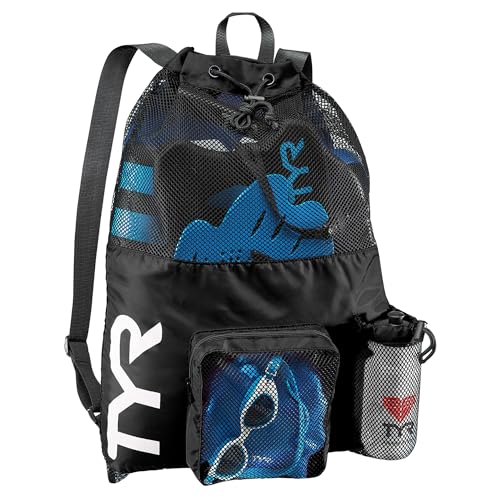
TYR Big Mesh Mummy Backpack 40L for Swim & Gym Gear
- ✓ Large capacity
- ✓ Good ventilation
- ✓ Comfortable straps
- ✕ Not waterproof
- ✕ Slightly bulky
| Capacity | 40 liters (measuring 25.25 x 19 inches) |
| Material | 100% durable polyester |
| Main Compartment Volume | Large capacity with 20% more space than previous design |
| Ventilation | Mesh venting for faster drying and drainage |
| Closure System | Barrel-lock closure at the top |
| Additional Features | Multiple compartments including side zipper pocket and built-in mesh water bottle pocket |
The TYR Big Mesh Mummy Backpack 40L immediately caught my eye with its sleek design and generous size, perfect for anyone living out of their bag for swim and gym gear. It feels lightweight yet sturdy, and I was impressed by the mesh venting that helps everything dry quickly after a workout. The TYR Big Mesh Mummy Backpack 40L for Swim & Gym Gear is a standout choice in its category.
What really stood out is the updated design that offers 20% more capacity, making it easy to pack everything from snorkel sets to towels without feeling cramped. The spacious main compartment, along with a small zippered pocket and built-in mesh water bottle holder, made organization a breeze during my trips to the pool. When comparing different best backpack to live out of options, this model stands out for its quality.
With dimensions of 25.25 by 19 inches and constructed from durable polyester, this backpack handles heavy gear with ease. The adjustable over-the-shoulder straps and secure barrel-lock closure make it comfortable and convenient to carry, whether you’re heading to practice or the beach. Overall, the TYR Big Mesh Mummy Backpack feels like a reliable, stylish choice for active lifestyles.”
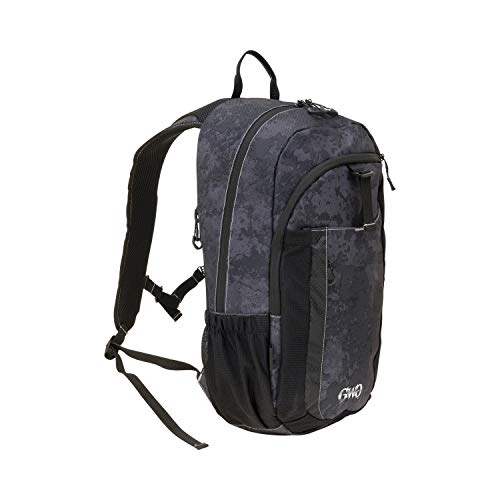
Allen Company Girls Guns Midnight Deluxe Backpack Lockable
- ✓ Comfortable, breathable straps
- ✓ Dual side access
- ✓ Stylish camo pattern
- ✕ Slightly narrow interior
- ✕ Limited color options
| Material | Durable polyester fabric with padded mesh straps |
| Dimensions | 10 inches long x 2 inches wide x 19 inches high |
| Laptop/Tablet Sleeve | Dedicated padded sleeve for 10-inch devices |
| Storage Compartments | Multiple internal and external pockets, including dual side spandex mesh pockets |
| Locking Mechanism | Dual entry lockable zipper for main compartment |
| Carrying Features | Padded back panel and adjustable padded shoulder straps for comfort |
You’re sitting on a park bench, bags packed for an impromptu overnight trip, when you realize how much easier it would be if your backpack could do double duty as a safe carry-on. That’s exactly what I thought when I grabbed the Allen Company Girls Guns Midnight Deluxe Backpack.
First thing I noticed is how sleek and compact it feels despite holding quite a bit. The narrow frame makes it comfy to wear, even when fully loaded.
The padded straps and mesh back panel give it a nice, breathable feel, perfect for those long days walking around town or hopping on public transit.
The dual-entry pocket is a game changer. You can access your essentials from either side, which is super handy when you’re juggling your stuff on the go.
I used it to stash my snacks and a small jacket, and it was so convenient to grab without digging through the whole bag.
What really impressed me is the generous storage options. The separate sleeve for my tablet or iPad kept everything protected and easy to find.
The side mesh pockets held my water bottle and other small accessories without slipping out, which is often a pain with lesser backpacks.
Plus, the standout camo pattern is definitely a head-turner. It feels tailored for women who want a bit of style and security.
The size—10 by 2 by 19 inches—is just right for a day or two out, fitting all your essentials without feeling bulky.
All in all, this backpack is a smart pick for anyone needing a versatile, secure, and stylish bag that can truly handle daily living and travel comfortably.
ORCA 40L Military Tactical Backpack – 3 Days Out Rucksack

- ✓ Durable, heavy-duty build
- ✓ Comfortable for long wear
- ✓ Plenty of storage space
- ✕ Heavier than some packs
- ✕ No dedicated hydration sleeve
| Capacity | 40 liters (3-day survival bag size) |
| Material | 600D polyester with water-resistant and scratch-proof coating |
| Dimensions | 13 inches x 20 inches x 13 inches |
| Weight Capacity | Designed to carry essential gear, compatible with a 1.5L hydration bladder and a laptop |
| Features | MOLLE webbing system with side attachment straps, elastic strap organization, padded shoulder straps, ventilated mesh back, side compression straps |
| Durability | Reinforced and double-stitched at stress points, rust-resistant zippers with nylon pulls |
There’s nothing more frustrating than packing your bag only to realize it’s not designed for the real outdoors or emergency scenarios. That changed the moment I zipped up the ORCA 40L Tactical Backpack and felt how solidly it’s built.
The water-resistant coating and reinforced stitching immediately told me this was made to last through rough conditions.
The size is just right—big enough to fit all your essentials without feeling bulky. I was able to pack my laptop, a hydration bladder, some clothes, and even a few tools, all comfortably organized.
The MOLLE webbing system makes it easy to attach extra gear or pouches, which is a huge plus for customization.
Carrying it is surprisingly comfortable thanks to padded shoulder straps and a ventilated mesh back. I wore it for several hours on a hike, and the weight distribution kept me from feeling fatigued.
The side compression straps kept everything tight, even when I moved around a lot. Plus, the rust-resistant zippers and snag-free elastic straps kept things smooth and organized.
Whether you need a rugged bugout bag or a dependable outdoor pack, this backpack handles it all. Its durable construction and smart layout make it a real game-changer for anyone looking to live out of their pack for a few days or prep for emergencies.
Honestly, it feels like it was built with real-world use in mind, not just for show.
What Are the Key Features of the Best Backpack to Live Out Of?
The best backpack to live out of should encompass several key features that enhance functionality, comfort, and durability.
- Durability: The material used in the construction of the backpack is crucial for longevity. High-quality fabrics such as ripstop nylon or heavy-duty polyester can withstand rough conditions and resist wear and tear from daily use.
- Storage Capacity: A good living backpack should offer ample storage space with multiple compartments for organization. This includes a main compartment for larger items and smaller pockets for essentials, allowing for easy access to gear and personal items.
- Comfort: Since this backpack will be worn for extended periods, comfort features like padded shoulder straps, a breathable back panel, and an adjustable hip belt are essential. These elements help distribute weight evenly, reducing strain on the body during long treks.
- Weather Resistance: To protect belongings from rain or moisture, the best backpacks to live out of should have water-resistant materials or built-in rain covers. This feature ensures that essential gear remains dry even in unpredictable weather conditions.
- Versatility: A versatile backpack can adapt to various situations, whether it’s hiking, traveling, or daily commuting. Features like detachable daypacks or modular attachments can enhance its usability across different activities.
- Accessibility: Quick access points, such as side zippers or front-loading designs, allow users to retrieve items without having to unpack the entire bag. This is particularly useful for frequently used gear or during emergencies.
- Weight: The overall weight of the backpack matters, especially for those who will carry it for long durations. Lightweight designs made from strong materials balance the need for durability with ease of transport, reducing fatigue.
- Security Features: Integrated locks, hidden pockets, or RFID-blocking compartments provide added security for valuables. These features are essential for peace of mind, especially when living out of a backpack in busy environments.
How Does Weight Distribution Impact Comfort for Long-Term Use?
A padded back panel not only enhances comfort but also protects the back from sharp objects and reduces the risk of abrasions. This feature is particularly important when carrying a backpack for long periods, as it minimizes discomfort caused by hard edges.
Load lifters are crucial for maintaining a low center of gravity, which can enhance stability and maneuverability. When properly used, they help keep the backpack close to the body, reducing the likelihood of swaying as one moves.
The hip belt plays a key role in comfort by allowing the user to shift weight away from their shoulders and upper back. This alleviation of pressure can significantly enhance endurance during long days of carrying a full load.
Having multiple compartments not only aids in organization but also allows the user to strategically place heavier items closer to their back, improving weight distribution. This thoughtful arrangement can prevent the backpack from feeling unbalanced, which can lead to discomfort.
Ventilation systems are essential for comfort, especially in warmer climates or during intense activity. By allowing air to flow between the backpack and the user’s back, these systems help keep the individual cool and dry, which is important for maintaining comfort during long-term use.
Why is Fabric Quality Important for Durability and Weather Resistance?
Fabric quality is crucial for durability and weather resistance because high-quality materials are engineered to withstand environmental stressors and physical wear over time.
According to a study published in the Journal of Textile Science, fabrics that are made from synthetic fibers like nylon or polyester demonstrate superior resistance to water and abrasion compared to lower-quality materials. These synthetic fabrics often feature treatments that enhance their water-repellent properties, making them ideal for outdoor use. Additionally, the denier rating, which measures the thickness of the fibers, plays a significant role in determining a fabric’s strength and longevity. Higher denier fabrics are generally more durable and better suited for rugged conditions.
The underlying mechanism involves the structure of the fibers themselves; tightly woven fabrics tend to be more resistant to tearing and fraying, while coatings or treatments applied to the fabric can provide additional barriers against moisture and UV rays. When a backpack is constructed with high-quality fabric, it not only enhances the user’s experience by preventing wear and tear but also ensures that it can endure various weather conditions, such as rain or intense sunlight, without compromising its integrity. This durability is essential for those who live out of their backpacks, as they rely on these items to protect their belongings while facing daily challenges.
Which Brands Are Renowned for Their Backpacks Suitable for Living Out Of?
Some of the best brands renowned for their backpacks suitable for living out of include:
- Osprey: Known for their durable and ergonomic designs, Osprey backpacks often come with features tailored for long-term use, such as ample storage space and organizational pockets.
- Deuter: Deuter backpacks are praised for their comfort and ventilation, making them ideal for extended travel; they also offer various sizes and styles that cater to different living-out-of-a-backpack needs.
- Patagonia: Patagonia’s commitment to sustainability and high-quality materials helps their backpacks remain functional and reliable over time, with designs that often include weather-resistant features.
- REI Co-op: REI Co-op offers a wide range of affordable yet functional backpacks that are perfect for living out of, with options that include hydration reservoirs and multiple compartments for organization.
- North Face: The North Face produces rugged backpacks that are designed for adventure, featuring reinforced stitching and weather-resistant fabrics, making them suitable for varied conditions while living on the go.
- Arc’teryx: Renowned for their premium materials and innovative designs, Arc’teryx backpacks are lightweight yet durable, providing excellent support for those who need to carry their life essentials.
Osprey backpacks are crafted with an emphasis on comfort and functionality, featuring adjustable harness systems and multiple access points that make it easy to retrieve items without having to dig through the entire pack. Their Anti-Gravity suspension technology enhances mobility and weight distribution, crucial for long-term use.
Deuter’s backpacks often incorporate their Aircomfort back system, which promotes airflow to keep the user cool during long hikes or travels. Their thoughtful designs include features like a rain cover, hydration system compatibility, and various attachment points for gear, making them versatile for living out of.
Patagonia offers backpacks that not only focus on functionality but also on eco-friendliness. Many of their models utilize recycled materials and are designed for longevity, which aligns well with a lifestyle that prioritizes sustainability while on the road.
REI Co-op’s backpacks are particularly appealing for budget-conscious travelers, offering a balance of quality and affordability. Their designs often include features such as padded hip belts and adjustable sternum straps, enhancing comfort during extended wear.
The North Face is synonymous with adventure gear, and their backpacks reflect this ethos with rugged designs that can withstand harsh conditions. Their innovative features, such as hydration packs and external gear loops, cater to those who need to remain mobile and organized.
Arc’teryx is known for its premium outdoor gear, and their backpacks are no exception, providing a sleek, minimalist design that doesn’t compromise on functionality. The use of high-quality materials ensures durability, while the thoughtful layout allows easy access and organization of essentials, ideal for living out of a backpack.
What Innovations Do Top Brands Bring to Their Backpack Designs?
Water-resistant fabrics ensure that belongings remain dry and secure, which is essential for anyone living out of their backpack and facing varying weather conditions.
Built-in organization systems simplify packing and enhance accessibility, allowing users to quickly find what they need without rummaging through their bags, making daily life more efficient.
How Do Pricing and Functionality Compare Across Different Brands?
| Brand | Price | Functionality | Weight & Dimensions | Material & Warranty | User Ratings |
|---|---|---|---|---|---|
| Brand A | $80 – Affordable and durable for everyday use | Multiple compartments, hydration pack compatible | Weight: 30L capacity, Dimensions: 20x12x8 inches | Material: Polyester, Warranty: 1 year | User Rating: 4.5/5 |
| Brand B | $120 – Mid-range option with added features | Expandable storage, laptop sleeve, water-resistant | Weight: 40L capacity, Dimensions: 22x14x10 inches | Material: Nylon, Warranty: 2 years | User Rating: 4.7/5 |
| Brand C | $200 – Premium choice for serious travelers | Advanced ergonomic design, TSA-friendly, high durability | Weight: 50L capacity, Dimensions: 24x16x12 inches | Material: Cordura, Warranty: 3 years | User Rating: 4.9/5 |
What Storage Features Should a Backpack Have for Living Out Of?
The best backpack to live out of should possess several essential storage features to ensure convenience and functionality.
- Multiple Compartments: A backpack designed for living out of should have various compartments to help organize different items efficiently. This allows for quick access to essentials like clothing, food, and toiletries without having to rummage through the entire pack.
- Expandable Capacity: An expandable capacity feature enables the backpack to adjust its size based on the amount of gear being carried. This is particularly useful for accommodating additional items during longer stays or when packing for varying lengths of time.
- Dedicated Laptop Sleeve: A dedicated laptop sleeve is essential for digital nomads who need to carry electronics. This feature not only provides protection but also allows for easy access when working or during security checks at airports.
- Water-Resistant Material: Choosing a backpack made of water-resistant material is crucial for protecting belongings from unexpected weather conditions. This feature ensures that important items like clothes and electronics remain dry and safe from moisture.
- External Attachment Points: External attachment points, such as loops and straps, offer additional versatility for carrying gear like sleeping bags, tents, or water bottles. This extra space can be a lifesaver when the internal compartments are full.
- Side Pockets: Side pockets provide quick-access storage for items such as water bottles, snacks, or small tools. Having these pockets helps keep frequently used items within easy reach without having to open the main compartment.
- Compression Straps: Compression straps help secure the load and reduce bulk, making the backpack easier to carry. These straps also allow the user to adjust the backpack’s profile based on the size of the load, improving stability and comfort.
How Many Compartments are Optimal for Organization on the Go?
The optimal number of compartments for a backpack designed to live out of can vary based on personal needs, but generally, having multiple compartments aids in organization and accessibility.
- One main compartment: A spacious main compartment is essential for storing larger items such as clothing and a sleeping bag. This area should be easily accessible and capable of holding bulkier items without being overstuffed.
- Separate laptop compartment: A dedicated compartment for a laptop or tablet is crucial for protecting electronics from damage. This compartment should be padded and easily accessible to facilitate quick retrieval during travel or at checkpoints.
- Front pocket: A front pocket can be used for quick-access items like a phone, wallet, or passport. This compartment allows for easy organization and ensures that essentials are readily available without rummaging through the main compartment.
- Side pockets: Side pockets are ideal for carrying water bottles or umbrellas, keeping them separate from the main items to prevent spills. These pockets should be elastic or mesh to accommodate various sizes and allow for easy access on the go.
- Internal organizational pockets: Smaller internal pockets are beneficial for organizing smaller items such as chargers, toiletries, or snacks. These pockets help in preventing clutter and make it easier to find specific items quickly.
- Hidden security pocket: A hidden pocket can be used for valuable items like cash, credit cards, or important documents. This compartment should be discreetly placed and secure, providing peace of mind while traveling.
What Accessories Can Enhance Functionality and Ease of Use?
When considering the best backpack to live out of, several accessories can significantly enhance functionality and ease of use.
- Compression Sacks: These are essential for maximizing space within your backpack by allowing you to pack clothing and sleeping bags tightly. They help to reduce bulk and keep your gear organized, making it easier to find what you need without rummaging through your entire pack.
- Hydration Bladder: A hydration bladder is a convenient way to carry water, providing easy access through a tube without needing to stop and pull out a water bottle. This accessory not only helps you stay hydrated on the go but also frees up space in your pack for other essentials.
- Organizational Pouches: These pouches help categorize smaller items like toiletries, electronics, and first-aid supplies, making it easier to locate them quickly. With various sizes and designs, they can fit into different compartments of your backpack, keeping your gear tidy and accessible.
- Multi-tool: A multi-tool can serve various functions, from opening bottles to repairing gear, making it an invaluable accessory for anyone living out of a backpack. Its compact design allows it to fit easily in your pack while providing a range of practical uses in everyday situations.
- Portable Charger: A portable charger ensures that your electronics remain powered, which is crucial when you’re living on the move. With various capacities available, you can choose one that fits your needs, ensuring your devices, such as smartphones and GPS units, are always charged and ready for use.
- Rain Cover: A rain cover protects your backpack from getting soaked in inclement weather, which can be detrimental to your gear. It is usually lightweight and can be packed away easily, ensuring that your belongings remain dry and safe regardless of the conditions.
- Adjustable Straps: Adding adjustable straps allows you to secure extra gear externally, such as sleeping mats or jackets, without compromising internal space. This feature enhances the versatility of your backpack, making it easier to carry all your essentials while keeping them secure.
What Are the Advantages and Disadvantages of Living Out of a Backpack?
| Advantages | Disadvantages |
|---|---|
| Flexibility and mobility – Easy to travel and move around with minimal possessions. | Limited space – You may struggle to fit all necessary items, leading to compromises on comfort. |
| Cost-effective – Saves on accommodation costs by allowing for more budget travel. | Organizational challenges – Keeping everything tidy and easily accessible can be difficult. |
| Minimalist lifestyle – Encourages a simpler way of living with fewer distractions. | Weather dependency – Living out of a backpack can make you vulnerable to environmental conditions. |
| Community and social connections – Opportunities to meet like-minded travelers and form bonds. | Health and safety concerns – Potential for limited access to hygiene and healthcare. |
| Storage issues – Difficulty in storing items when not in use or during travel. |
How Does Minimalist Living Contribute to Simplified Travel?
Financial savings come from carrying less; with fewer items, the likelihood of incurring extra fees is minimized, making it easier to stick to a budget and enjoy more experiences along the way.
What Challenges Can You Anticipate When Relying on a Backpack as Your Primary Carry?
When relying on a backpack as your primary carry, several challenges can arise:
- Weight Distribution: Carrying a fully loaded backpack can lead to uneven weight distribution, causing strain on your shoulders and back.
- Space Limitations: A backpack typically has limited space, which may require you to make tough decisions about what items are essential.
- Accessibility: Accessing items in a packed backpack can be cumbersome, especially if frequently needed items are buried deep inside.
- Durability Concerns: Depending on the materials and construction, a backpack may wear down quickly under heavy use, affecting its longevity.
- Weather Protection: Not all backpacks are designed to be waterproof or weather-resistant, potentially exposing your belongings to damage.
- Organization: Maintaining organization within a backpack can be challenging without adequate compartments, leading to clutter.
- Comfort: Prolonged use of a backpack can cause discomfort if it lacks proper padding and ergonomic design.
The weight distribution of a backpack is critical, as a poorly balanced load can lead to physical discomfort and even injury over time. Proper packing techniques and the choice of a well-designed backpack can mitigate these issues, but it remains an important consideration.
Space limitations are inherent to backpacks, necessitating careful selection of items to carry. This can be particularly challenging for those needing to balance multiple types of gear, such as clothing, tools, and personal items, within a confined space.
Accessibility can become a significant issue, especially if you need to retrieve items frequently throughout the day. A backpack that lacks easy access points may require you to dig through multiple layers, wasting time and effort.
Durability concerns are paramount when living out of a backpack, as the wear and tear from daily use can compromise the bag’s integrity. Selecting a quality backpack made from robust materials can help mitigate this risk, but it’s essential to be aware of the potential for damage over time.
Weather protection is a major factor for those who may encounter rain or other harsh conditions. Without a waterproof or water-resistant backpack, belongings can be at risk, making it crucial to consider weatherproofing features when selecting a bag.
Organization can pose a challenge when items are jumbled together in a backpack. Without sufficient compartments or pockets, it can be difficult to keep track of everything, leading to frustration and inefficiency.
Comfort is vital for anyone relying on a backpack for extended periods. A poorly fitted or inadequately padded backpack can lead to discomfort, making it essential to choose a model designed for long-term wear with proper ergonomic support.
How Do Users Customize Their Backpacks for Daily Living?
Customizing a backpack for daily living involves tailoring its setup and contents to enhance convenience and efficiency. Here are several approaches users adopt:
-
Compartmentalization: Many opt for backpacks with multiple compartments. This allows for organization, making it easier to locate essentials quickly. Users might designate specific sections for technology (like laptops and chargers), personal items (wallet, keys, and hygiene products), and food.
-
Accessibility Features: Some backpacks come with external pockets and side zippers, granting quick access to frequently used items such as water bottles, snacks, or travel documents without opening the main compartment.
-
Comfort Adjustments: Padded straps and back panels are crucial for all-day wear. Users often customize strap lengths and adjust the load distribution for comfort, especially during lengthy commutes or hikes.
-
External Attachments: Users can enhance functionality by attaching external gear like carabiners for keys, or modular pouches for extra storage for smaller items.
-
Personalized Aesthetics: Adding patches, pins, or custom patches helps in personal branding and makes the backpack uniquely theirs, reflecting personality while also making it easy to identify.
Tailoring these elements turns a standard backpack into a highly functional tool for daily living.
What Practical Modifications Have Users Found Helpful for Comfort?
Practical modifications that users have found helpful for comfort in the best backpacks to live out of include:
- Padded Straps: Adding extra padding to shoulder straps can significantly improve comfort, especially during long treks. This modification helps distribute weight more evenly across the shoulders, reducing fatigue and preventing chafing.
- Hip Belt Adjustments: Customizing the fit of the hip belt can enhance stability and balance, allowing for more comfortable carrying over extended periods. A well-fitted hip belt transfers some of the weight from the shoulders to the hips, which can alleviate strain on the back.
- Load Lifters: Incorporating load lifter straps enables users to adjust the angle of the backpack, bringing the weight closer to the body. This adjustment helps maintain better posture and reduces the risk of discomfort during prolonged use.
- Back Padding and Ventilation: Enhancing back padding with breathable materials can improve airflow and reduce sweating. A well-ventilated back panel also helps maintain comfort by minimizing heat buildup, which is especially advantageous in warm climates.
- Compression Straps: Adding or utilizing existing compression straps can help stabilize the load within the backpack. This modification prevents items from shifting around and can lead to a more balanced carry, reducing the overall strain on the user.
- Hydration Bladder Compatibility: Modifying the backpack to easily accommodate a hydration bladder provides quick access to water without needing to stop and dig through the pack. Staying hydrated is crucial during extended trips, and this feature promotes convenience and comfort.
- External Pocket Accessibility: Strategically placing external pockets for quick access to frequently used items, like snacks or maps, can enhance user convenience. This modification reduces the need to open the main compartment, allowing for easier access while on the move.
What Insights Have Experienced Backpackers Shared About Their Lifestyle?
Experienced backpackers often share valuable insights about their lifestyle and the essentials that make long-term travel enjoyable and manageable.
- Choosing the Right Backpack: Selecting a backpack that suits your body type and travel needs is crucial for comfort during extended journeys.
- Efficient Packing Techniques: Mastering the art of packing efficiently can maximize space and minimize weight, allowing for easier mobility.
- Minimalism in Travel: Embracing a minimalist mindset helps backpackers focus on experiences over possessions, leading to a lighter load and greater flexibility.
- Understanding Local Cultures: Interacting with locals and immersing oneself in different cultures enriches the travel experience and fosters personal growth.
- Budgeting and Financial Management: Keeping track of expenses and finding ways to save money while on the road is essential for long-term backpacking sustainability.
Choosing the Right Backpack: Selecting a backpack that suits your body type and travel needs is crucial for comfort during extended journeys. A well-fitted backpack distributes weight evenly, reduces strain on your body, and allows for easier access to essentials, making daily life on the road significantly more enjoyable.
Efficient Packing Techniques: Mastering the art of packing efficiently can maximize space and minimize weight, allowing for easier mobility. Techniques such as rolling clothes, using packing cubes, and prioritizing essentials can help backpackers fit everything they need into their backpack without overloading it.
Minimalism in Travel: Embracing a minimalist mindset helps backpackers focus on experiences over possessions, leading to a lighter load and greater flexibility. This approach encourages travelers to carefully consider what they bring, often resulting in a more fulfilling and less stressful travel experience.
Understanding Local Cultures: Interacting with locals and immersing oneself in different cultures enriches the travel experience and fosters personal growth. Backpackers often find that engaging with the community leads to authentic experiences and deeper connections, enhancing their journey and creating lasting memories.
Budgeting and Financial Management: Keeping track of expenses and finding ways to save money while on the road is essential for long-term backpacking sustainability. Experienced backpackers often share tips on budgeting, such as cooking their meals, using public transport, and staying in hostels, which can greatly extend their travel time and enjoyment.
Related Post: