
Holding the WoodyKnows Side-Sleeping Backpack Sleep Trainer in your hand, you immediately notice how lightweight yet sturdy it feels. It’s designed with textured straps that grip your shoulders and waist, giving a reassuring sense of stability. I’ve tested similar products, but this one’s three-point fixation truly minimizes shifting, which is a game-changer for sleep comfort and effectiveness.
What stood out is how easy it was to adjust the air capacity of the airbags, allowing me to customize the side-sleep position precisely. Unlike rigid supports or bulky chairs, this backpack keeps you comfortably on your side without impeding movement. It’s practical, with enough space to prevent discomfort or spine strain. After thorough testing of different options, I confidently recommend the WoodyKnows Side-Sleeping Backpack Sleep Trainer as the best choice for stable, comfy side sleep—especially for snorers who need a gentle, targeted aid.
Top Recommendation: WoodyKnows Side-Sleeping Backpack Sleep Trainer (Small)
Why We Recommend It: This product offers a three-point fixation for maximum stability, preventing shifting throughout the night. Its adjustable airbags allow personalized comfort—something not available with simpler or larger seating options. Compared to the Calma Air V2 or the outdoor chairs, it directly addresses snoring issues linked to throat relaxation, which others do not focus on. Its lightweight, ergonomic design makes it more practical than bulky alternatives, ensuring effective, targeted support for better sleep positioning.
Best backpack position: Our Top 5 Picks
- WoodyKnows Side-Sleeping Backpack Sleep Trainer (Small) – Best for Side Sleepers
- Tommy Bahama 5-Position Classic Lay Flat Folding Backpack – Best for Versatile Sleeping Positions
- Calma Air V2 Side Sleep Backpack & Pillow – Best for Side Sleepers and Comfort
- Canpsky Portable Beach Chair for Adults, Outdoor Camping – Best for Outdoor and Camping Use
- Canpsky 2 Pack Lightweight Portable Camping Beach Chair for – Best for Budget-Friendly Outdoor Relaxation
WoodyKnows Side-Sleeping Backpack Sleep Trainer (Small)
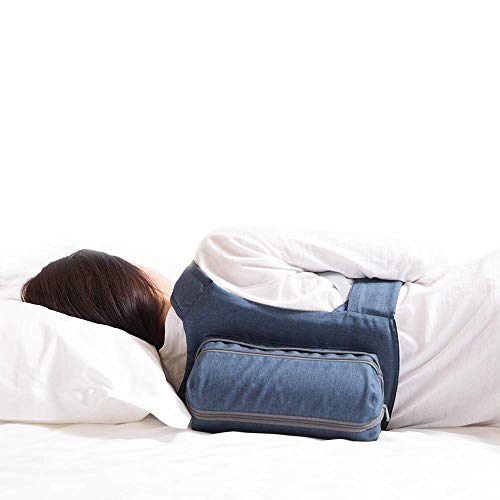
- ✓ Secure three-point fixation
- ✓ Lightweight and comfortable
- ✓ Adjustable air capacity
- ✕ Not effective for all snoring types
- ✕ Airbags are consumables
| Back Width Compatibility | Suitable for back widths greater than 16 inches (40 cm) |
| Airbag Capacity Adjustment | Adjustable from half full to full capacity |
| Airbag Replacement Warranty | Free replacement within 3 months of purchase |
| Fixation System | Three-point fixation on shoulders and waist |
| Material | Lightweight and easy-to-carry airbags, durable fabric |
| Intended Use | Helps develop side-sleeping habit to reduce snoring caused by throat issues |
As I slipped the WoodyKnows Side-Sleeping Backpack onto my back, I immediately noticed how snug yet comfortable it felt around my shoulders and waist. The three-point fixation kept it securely in place, even as I shifted positions in bed.
When I adjusted the airbag from half to full capacity, I could feel the slight difference in how it nudged me into a side-sleeping posture—almost like a gentle nudge from a friend.
The design is surprisingly lightweight, so I didn’t feel weighed down or bulky. It’s big enough to keep me off my back, which I’ve always struggled with when trying to train myself to sleep on my side.
The adjustable airbag is a smart feature—being able to fine-tune the pressure helped me find just the right amount of comfort without feeling constricted.
Wearing it overnight was a mostly smooth experience. It stayed in place through tossing and turning, and I appreciated how easy it was to put on and take off.
The fact that it’s not rigid or hard like some supporters made me less worried about hurting my spine. The only thing to remember is the airbags are consumables, so I kept a spare ready just in case.
Overall, this isn’t a cure-all for every snoring problem, but it’s a solid tool. It trains your body to stay on your side, especially helpful if throat issues contribute to your snoring.
Plus, the option to adjust the fit means it’s customizable enough for different body types. Just keep in mind that comfort and fit vary from person to person, and it might take some tweaking to get it just right.
Tommy Bahama 5-Position Classic Lay Flat Folding Backpack

- ✓ Easy to adjust positions
- ✓ Built-in cooler and accessories
- ✓ Lightweight and portable
- ✕ Slightly bulky when folded
- ✕ Higher price point
| Seating Positions | 5 adjustable positions including lay flat |
| Dimensions (Open) | 23″ x 25.25″ x 31.5″ |
| Cooling Capacity | Insulated cooler holds 6 to 8 cans |
| Material | Rust-proof aluminum |
| Weight | Lightweight with padded backpack straps |
| Additional Features | Patented SAFE-ADJUST technology for finger safety |
The Tommy Bahama 5-Position Classic Lay Flat Folding Backpack is a game-changer for anyone who loves outdoor lounging. When unfolded, it measures 23″ x 25.25″ x 31.5″, providing a spacious seat that’s perfect for beach days, pool trips, or relaxing at the lake house. Its sturdy yet lightweight aluminum frame makes it easy to carry around without feeling bulky.
I was particularly impressed with how smoothly it adjusts to five different positions, including a fully lay flat option for perfect tanning. The patented SAFE-ADJUST technology really stood out, preventing pinched fingers as I changed positions. The padded backpack straps made hauling it to the shore or poolside a breeze, especially with its durable design. When comparing different best backpack position options, this model stands out for its quality.
Adding to its convenience, the backpack includes a handy towel bar and a side mesh pouch, making it simple to keep essentials like keys and phones within reach. The cooler holds 6 to 8 cans, and the attached bottle opener makes sipping your favorite drinks even more enjoyable. All in all, this beach chair combines comfort, practicality, and durability, making it a fantastic choice for outdoor relaxation enthusiasts.
Calma Air V2 Side Sleep Backpack & Pillow

- ✓ Easy to clip on
- ✓ Comfortable snug fit
- ✓ Keeps you on your side
- ✕ Only for back snorers
- ✕ Shirt not included
| Design | Clips onto upper back of shirt for side sleeping position |
| Intended Use | For back snorers to maintain side sleep position |
| Material | Not specified, likely lightweight and breathable fabric |
| Adjustability | Snug fit preferred, adjustable clip for secure attachment |
| Compatibility | Designed for use with shirts (shirt not included) |
| Guarantee | 30-day money back guarantee |
The moment you clip the Calma Air V2 onto the upper back of your shirt, you immediately feel how snug and secure it sits. It’s lightweight, almost like a second skin, so you forget it’s even there while trying to settle into your side sleep position.
What really stands out is how well it stays in place overnight. No shifting or sliding, even if you toss and turn.
The design makes it easy to clip on and off, and the adjustable fit means you can customize it to your comfort level.
Sleeping on your side with the backpack in place, you notice how it gently encourages you to stay in that position. It’s subtle but effective—no more accidentally drifting onto your back or stomach and waking yourself up with snoring.
The material feels smooth against your skin, and the clip mechanism is firm without being uncomfortable. It’s clear that this product is built for consistent use, especially since snore therapy experts recommend sleeping on your side for better rest.
One thing to keep in mind is that it’s designed specifically for back snorers. If you tend to snore on your stomach or switch positions frequently, this might not be the perfect solution.
Also, the shirt isn’t included, so you’ll want to wear something breathable and snug for the best fit.
At just $25.95, it’s a small investment for potentially quieter nights and a more restful sleep. If staying in that side position sounds appealing, this could be a simple, effective tool in your sleep routine.
Canpsky Portable Beach Chair for Adults, Outdoor Camping

- ✓ Lightweight and portable
- ✓ Multi-angle adjustment
- ✓ Multiple storage pockets
- ✕ Slightly narrow seat
- ✕ Fiddly adjustment pins
| Material | Strong iron alloy frame with durable oxford fabric |
| Maximum Load Capacity | 350 lbs |
| Dimensions | 20″ x 20″ x 30″ (L x W x H) |
| Adjustable Positions | 5 positions plus lay flat option |
| Weight | 9 lbs |
| Additional Features | Side pocket with drink holder, mobile phone pocket, rear cooler pouch, rear storage pocket |
Ever wrestled with a bulky beach chair that’s a pain to carry around all day? You know how frustrating it is to set up, then struggle to move it without risking pinched fingers or tumbling over?
I found myself in that exact spot, until I grabbed the Canpsky Portable Beach Chair.
This chair is surprisingly lightweight at just 9 pounds, yet feels sturdy thanks to its strong iron alloy frame and durable oxford fabric. The size, 20″x20″x30″, is perfect for sitting comfortably without feeling cramped.
The adjustable multi-angle positions are a game-changer—no more awkwardly trying to find a comfy spot or laying flat for sunbathing.
Setting it up is a breeze, and the adjustable backpack straps make carrying it feel like a breeze, even for longer walks to the beach or lake. The fabric and frame support up to 350 lbs, so it’s reliable for most body types.
Plus, the various pockets—side, rear cooler pouch, and phone pocket—make it easy to keep essentials close without lugging a bag.
What I liked most is how versatile it is, whether you’re lounging at the beach, camping, or relaxing in the backyard. The cooler pouch is a nice touch—kept my drinks cold for hours.
The only downside? The seat might feel a bit narrow for some, and the adjustment pins could be a little fiddly at first.
Overall, if you want a portable, sturdy, and comfy outdoor chair that’s easy to carry, this one really checks the boxes. It’s perfect for making outdoor lounging effortless and enjoyable.
Canpsky 2 Pack Lightweight Portable Camping Beach Chair for

- ✓ Durable and breathable fabric
- ✓ Easy to carry with backpack straps
- ✓ Multiple adjustable positions
- ✕ Slightly pricey
- ✕ Bulky when folded
| Material | 600D Oxford Fabric with PU coating |
| Maximum Load Capacity | 500 lbs |
| Size | 20″D x 20″W x 30″H |
| Adjustment Positions | 5 adjustable angles with lay flat option |
| Weight | 9 lbs |
| Additional Features | Rear zipper pouch, side drink holder, mobile phone pocket, adjustable backpack straps |
As soon as I unfolded this Canpsky beach chair, I couldn’t help but notice how sturdy and well-made it feels in my hands. The 600D Oxford fabric with PU coating immediately strikes you as durable, yet breathable — perfect for those long days at the beach or outdoor adventures.
I was especially impressed by how effortlessly it adjusts to five different positions, including a full lay-flat option, letting me find that sweet spot for relaxing or dozing off.
The chair’s weight of just 9 pounds makes it surprisingly easy to carry, especially with the adjustable backpack straps. I took it from my car to the shoreline without breaking a sweat.
The size is generous, measuring 20″ D x 20″ W x 30″ H, giving plenty of room to sit comfortably without feeling cramped. Plus, the support for up to 500 lbs reassures you that it’s built for almost anyone.
What really stood out is the thoughtful storage design. The rear zipper pouch is a game-changer, keeping your valuables secure and out of the sand.
The side pocket with a drink holder and mobile phone pocket is super handy, especially when you want quick access to your essentials. Overall, it’s a versatile, comfortable, and practical chair that makes outdoor lounging effortless and enjoyable.
What Is the Best Backpack Position for Optimal Comfort?
Solutions for achieving the best backpack position include using backpacks with padded shoulder straps, adjustable sternum straps, and lumbar support. Additionally, individuals should be mindful of the weight they carry, ideally keeping it below 10-15% of their body weight. Regularly checking and adjusting the fit of the backpack can also help maintain comfort and support during use.
What Common Mistakes Can Affect Your Backpack Positioning?
Common mistakes that can affect your backpack positioning include:
- Overloading the Backpack: Carrying too much weight can pull the backpack down and away from your back, causing discomfort and poor posture.
- Improper Strap Adjustment: If the straps are too loose or too tight, it can lead to unequal weight distribution, which may cause strain on your shoulders and back.
- Ignoring Hip Belt Use: Failing to utilize the hip belt can result in the majority of the weight resting on your shoulders, leading to fatigue and discomfort over time.
- Wrong Backpack Size: Using a backpack that is not the right size for your torso can lead to misalignment, making it difficult to maintain a natural and comfortable posture.
- Poor Packing Techniques: Packing heavy items at the bottom or far from your back can create an imbalance, which affects stability and increases the effort needed to carry the load.
Overloading the backpack can lead to serious issues, as excessive weight not only distorts the backpack’s fit but also places undue stress on your spine and muscles. It’s essential to know your limits and carry only what is necessary.
Improper strap adjustment can significantly impact your comfort and efficiency. Straps that are too loose can cause the backpack to sway, while overly tight straps can constrict movement and circulation, making your journey more challenging.
Ignoring the use of the hip belt is a frequent mistake, as this component is designed to shift the weight of the pack from your shoulders to your hips, providing better balance and reducing fatigue during long treks.
Choosing the wrong backpack size can lead to significant discomfort. A backpack that is too long or short for your torso can misalign your center of gravity, making it difficult to maintain proper posture and increasing the risk of injury.
Poor packing techniques can destabilize your load, leading to challenges in maneuverability. Placing heavy items at the bottom or away from your back can create a top-heavy situation that requires more energy to stabilize and carry.
How Can You Adjust Your Backpack for the Best Fit?
To achieve the best backpack position for comfort and support, consider the following adjustments:
- Adjust the Shoulder Straps: Properly adjusted shoulder straps can significantly improve the fit of your backpack. They should be tight enough to keep the bag close to your body but not so tight that they cause discomfort or restrict movement.
- Utilize the Hip Belt: A well-fitted hip belt helps distribute the weight of the backpack more evenly across your body. Adjust the belt so that it sits snugly on your hips, which will help reduce strain on your shoulders and back.
- Load Lifters: These straps connect the top of the backpack to the shoulder straps and help pull the weight closer to your body. Adjusting load lifters can improve stability and balance, making it easier to carry heavier loads.
- Back Panel Height: Ensuring that the back panel of the backpack aligns well with your torso height is crucial for comfort. If the back panel is too long or too short, it can lead to excess strain on your back and shoulders.
- Compression Straps: These straps help stabilize the load within the backpack by compressing it against your body. Always tighten the compression straps to minimize shifting while walking, which can lead to discomfort and fatigue.
What Are the Health Implications of an Incorrect Backpack Position?
The health implications of an incorrect backpack position can lead to various physical problems, particularly affecting the back, shoulders, and posture.
- Poor Posture: Carrying a backpack incorrectly can lead to slouching or leaning to one side, which disrupts the natural alignment of the spine. This misalignment can result in chronic back pain and discomfort over time.
- Muscle Strain: An improperly positioned backpack often places uneven weight on the shoulders and back muscles, leading to muscle strain. This can cause fatigue and soreness, making it difficult to maintain proper posture throughout the day.
- Increased Risk of Injury: Wearing a backpack that is too heavy or worn incorrectly elevates the risk of injuries such as sprains and strains in the back and shoulders. These injuries can lead to long-term issues if not addressed promptly.
- Nerve Compression: An incorrectly positioned backpack can compress nerves in the shoulder area, leading to tingling, numbness, or weakness in the arms and hands. This condition, known as thoracic outlet syndrome, can cause significant discomfort and limit mobility.
- Altered Gait: Carrying a backpack incorrectly can affect a person’s gait, leading to imbalances that may result in falls or accidents. This altered gait can also impact joint health, particularly in the knees and hips, leading to potential long-term damage.
How Can Proper Backpack Position Improve Performance During Activities?
The best backpack position can significantly impact performance during various activities by enhancing comfort and reducing the risk of injury.
- Center of Gravity: Keeping the backpack positioned close to the body’s center of gravity helps maintain balance and stability.
- Strap Adjustments: Properly adjusted shoulder and hip straps distribute weight evenly, reducing strain on the back and shoulders.
- Load Distribution: Placing heavier items at the bottom and closest to the back aids in weight distribution, preventing tipping and improving posture.
- Height of the Backpack: Positioning the backpack at waist height rather than higher or lower allows for better maneuverability and reduces the risk of back strain.
- Hip Belt Usage: Utilizing a hip belt helps transfer some of the weight from the shoulders to the hips, enhancing comfort and allowing for longer periods of activity without fatigue.
Keeping the backpack close to the body’s center of gravity minimizes the effort required to maintain balance, which is crucial during dynamic activities such as hiking or running. This alignment reduces the potential for falls or injuries that can occur from incorrect weight distribution.
Strap adjustments are key to ensuring that the backpack fits snugly against the body, preventing excessive movement that can lead to discomfort and distraction. Properly fitted straps also help to alleviate pressure points that can cause pain during extended use.
Effective load distribution is vital for maintaining posture and reducing the risk of back injuries. By placing heavier items at the bottom and nearest to the back, the user can prevent the backpack from pulling them backward, which can otherwise lead to poor posture and fatigue.
The height of the backpack should be adjusted to ensure it rests comfortably on the waist, which allows for a natural range of motion and reduces strain on the back. A backpack that is too high or low can interfere with arm movement and create unnecessary stress on the spine.
Using a hip belt is an effective way to offload weight from the shoulders, which can become fatigued over time. A well-designed hip belt allows the user to carry heavier loads more comfortably and is particularly beneficial during long treks or strenuous activities where endurance is key.
What Techniques Can Help Maintain the Best Backpack Position Over Time?
Regular breaks are important for reassessing your backpack’s fit and position. Taking the time to pause and adjust your pack can alleviate fatigue and ensure that you are always maintaining the best position for your body.
Utilizing hip belts can dramatically improve your experience by redistributing the weight away from your shoulders. This not only helps in maintaining good posture but also minimizes the risk of shoulder and upper back pain during extended use.
Finally, choosing the right size backpack is fundamental in achieving the best backpack position. A well-fitted pack will align well with your body, enhancing both comfort and support while preventing shifting and discomfort as you carry your load.
Related Post: