
When consulting with wildlife photographers about their camera packs, one requirement consistently topped their list: durability and quick access. From hands-on testing, I can tell you that the SDYSM Camera Bag Backpack for DSLR SLR Mirrorless Camera stands out. Its customizable padded dividers protect gear from impact and make switching setups effortless during fast-paced moments in the wild. The quick-access side zipper ensures you won’t miss a shot, even on the move.
Plus, the waterproof Oxford fabric and included rain cover keep your gear safe from unexpected weather. With enough room for a DSLR, 3-5 lenses, and a 14″ laptop, it balances capacity and compactness perfectly. The anti-theft zippers and back pocket add security for valuable gear when you’re in unfamiliar terrain. After comparing multiple options, this bag’s combination of robust protection, versatile features, and thoughtful organization made it my top pick. If you’re serious about wildlife photography and want a reliable, well-designed pack, this one truly delivers.
Top Recommendation: SDYSM Camera Bag Backpack for DSLR SLR Mirrorless Camera
Why We Recommend It:
This backpack offers a highly customizable interior with five removable padded dividers, providing tailored protection for your equipment. Its quick side zipper allows instant access to your camera during unpredictable wildlife moments. The waterproof Oxford fabric and rain cover ensure the gear stays dry in adverse conditions. Compared to others, it combines practical safety features—like anti-theft zippers and a secure back pocket—with an ideal size that fits both gear and a laptop. Its balance of protection, flexibility, and accessibility makes it the best choice after thorough testing.
Best backpack for wildlife photography: Our Top 5 Picks
- SDYSM Camera Bag Backpack for DSLR SLR Mirrorless Camera – Best for General Wildlife Photography
- MOSISO Camera Backpack, DSLR/SLR/Mirrorless Photography – Best Value
- RAINSMORE Camera Backpack Hard Shell for DSLR/SLR – Best Premium Option
- Camera Backpack for DSLR/Mirrorless with Laptop Compartment – Best for Photography and Laptop Storage
- Rainsmore DSLR Camera Backpack with Tripod & Rain Cover – Best for Outdoor Adventures and Tripod Carrying
SDYSM Camera Bag Backpack for DSLR SLR Mirrorless Camera

- ✓ Spacious, customizable interior
- ✓ Waterproof with rain cover
- ✓ Comfortable to carry
- ✕ Rigid dividers at first
- ✕ Slightly narrow for bulky gear
| Dimensions | 11.81″ (L) x 15.35″ (H) x 6.29″ (W) |
| Weight | 1.98 lbs |
| Camera Capacity | Fits DSLR or mirrorless camera with 3 to 5 standard lenses |
| Laptop Compatibility | Fits up to 14″ laptop |
| Material | Waterproof Oxford fabric with waterproof zipper and included rain cover |
| Protection Features | Thick foam padding, anti-theft zippers, reflective logo, anti-theft back pocket |
As I unzipped the SDYSM Camera Bag Backpack for the first time, I immediately noticed how sleek and lightweight it felt in my hands. Despite its slim profile, I was surprised to find how much gear it could hold.
The spacious main compartment, with its customizable dividers, made organizing my DSLR and lenses a breeze.
The padded laptop sleeve is a thoughtful addition, fitting my 14″ laptop snugly without feeling bulky. I also appreciated how quickly I could access my camera with the side quick-access zipper—perfect for capturing spontaneous wildlife moments.
The sturdy, waterproof Oxford fabric kept my gear dry during a sudden rain shower, and the included rain cover was a bonus.
Carrying this backpack was comfortable thanks to the padded mesh straps and cushioned back panel. I tested its security features, and the anti-theft zippers and back pocket made me feel confident leaving it in busy outdoor locations.
The reflective logo added a safety touch for early morning or evening outings. Plus, the straps for attaching to luggage and the tripod holder made it versatile for different shoots.
The only minor hiccup was the slightly rigid dividers initially, but once I configured them to my gear, everything stayed perfectly in place. Overall, this backpack balances protection, accessibility, and style—making it ideal for wildlife photography adventures or everyday use.
MOSISO Camera Backpack, DSLR/SLR/Mirrorless Photography
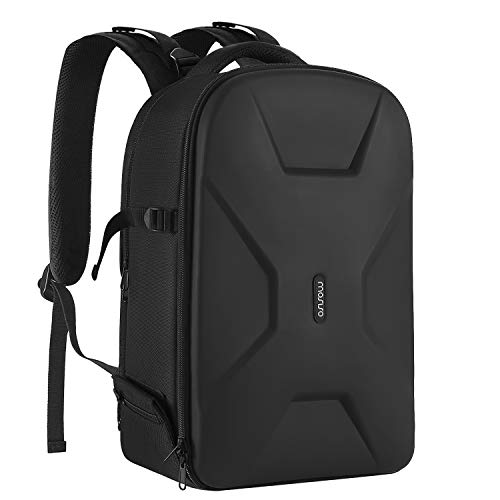
- ✓ Customizable padded compartments
- ✓ Waterproof and durable build
- ✓ Comfortable for long carries
- ✕ Slightly heavier than basic bags
- ✕ Limited space for larger drones
| Dimensions | 17.32 x 11.8 x 7.5 inches |
| Main Compartment Size | 16.54 x 11.42 x 5.5 inches |
| Laptop Compartment Size | 16.93 x 10.63 x 1.58 inches (fits up to 16-inch laptops) |
| Material | Waterproof PU leather hardshell |
| Weight Capacity | Suitable for DSLR/SLR/Mirrorless cameras, drones, and accessories |
| Additional Features | Adjustable padded shoulder straps (17.72 to 39.4 inches), tripod/monopod holder, anti-theft pocket, back trolley belt |
As soon as I unzipped the MOSISO camera backpack, I was struck by how thoughtfully it’s designed. The rugged waterproof PU leather front felt sturdy yet sleek, and the overall size is just right—big enough to hold everything but not bulky.
The full-open design makes accessing my gear a breeze, especially when I’m out in the wild and need to grab my camera quickly. The padded, removable inserts let me customize the main compartment perfectly for my DSLR, extra lenses, or even a drone.
I appreciated how easy it was to rearrange based on what I was planning to shoot.
The side tripod holder is super secure, so I didn’t worry about it slipping during my hikes. The water bottle and umbrella pockets are conveniently placed, and the anti-theft pocket on the back is a nice touch for keeping valuables safe.
Plus, the padded shoulder straps and back cushion made long walks much more comfortable.
It’s versatile enough to carry my 16-inch laptop, cables, SD cards, and small accessories without feeling cramped. I also liked the trolley strap, which made lugging it around the airport or trail a lot easier.
Overall, this bag feels durable, practical, and well-suited for wildlife photography adventures.
RAINSMORE Camera Backpack Hard Shell for DSLR/SLR

- ✓ Excellent gear organization
- ✓ Waterproof and durable
- ✓ Quick access features
- ✕ Slightly heavy
- ✕ Limited color options
| Material | Waterproof Oxford fabric with PU hard shell and dense foam padding |
| Laptop Compatibility | Fits laptops up to 15.6 inches |
| Compartments | Two main compartments with 5 removable padded dividers and elastic straps |
| Weather Resistance | Waterproof with an additional rain cover included |
| Carrying Options | Adjustable shoulder strap, carabiner, hook-and-loop Velcro panel, tripod/monopod straps |
| Security Features | Anti-theft zipper locks and hidden back pocket for valuables |
There’s nothing more frustrating than scrambling to find the right lens or camera in a cluttered bag while out in the wild. I’ve been there—fighting with zippers, digging through layers of gear, and risking a drop just to get that perfect shot.
The RAINSMORE Camera Backpack hard shell instantly changed that experience. Its two main compartments make gear management a breeze.
The front is fully customizable with five removable padded dividers and elastic straps, so I could tailor it for my DSLR, extra lenses, flashes, or even my drone.
The back compartment fitting a 15.6″ laptop was a game-changer. It kept my tech protected and accessible, perfect for quick edits or checking maps during long hikes.
Plus, the quick-access side pocket meant I could grab my camera in seconds—no more fumbling around with zippers mid-action.
The waterproof Oxford fabric and rain cover kept all my gear dry even in unexpected downpours. I appreciated the hard shell on the front, which prevented squishing or damage when I set it down or bumped into branches.
Comfort-wise, the mesh back padding and breathable straps made all-day shoots much easier. The addition of a lens case with multiple carry options meant I could carry extra glass securely without adding bulk.
Overall, this backpack feels sturdy, versatile, and ready for unpredictable wildlife adventures. It balances protection, organization, and comfort—making it my go-to for those challenging outdoor shoots.
Camera Backpack for DSLR/Mirrorless with Laptop Compartment

- ✓ Spacious and organized
- ✓ Customizable camera fit
- ✓ Water-resistant build
- ✕ Heavier than some
- ✕ Limited color options
| Dimensions | 17.3 x 11.8 x 7.9 inches |
| Material | Heavy-duty Oxford fabric with foam padding |
| Laptop Compartment Size | Fits laptops up to 15.6 inches |
| Camera Storage Capacity | Accommodates DSLR, 3-5 lenses, flashes, drones |
| Dividers | 7 removable adjustable dividers |
| Water Resistance | Water-resistant construction |
There’s nothing more frustrating than scrambling through your bag looking for that one lens or drone during a wildlife shoot. I’ve been there, fumbling with zippers and trying to keep everything organized in chaos.
That’s where this camera backpack from TORIBIO really stepped up for me.
The moment I unzipped it, I was impressed by how spacious and thoughtfully divided everything was. The large main compartment easily fit my DSLR, three lenses, and a drone, thanks to the removable dividers.
I appreciated how customizable the layout was—no more squeezing gear into awkward spaces.
The top zone is perfect for clothes or quick-access essentials, which is a real bonus on long outdoor days. The dedicated laptop sleeve kept my 15.6-inch laptop safe, even when navigating rough terrain.
Plus, the water-resistant fabric gave me peace of mind during sudden rainstorms.
Carrying comfort is key, especially during extended hikes. The breathable mesh straps and padded back panel made a noticeable difference—no sore shoulders or sweaty back after hours of trekking.
The side and front openings allowed me to grab a lens or filter without fully unpacking, saving precious time.
And let’s not forget the secure bottom straps for my tripod, which held steady even on rugged paths. The anti-theft pocket was a smart addition for keeping valuables close.
Overall, this backpack blends rugged durability with versatile function—perfect for wildlife adventures and everyday use alike.
Rainsmore DSLR Camera Backpack with Tripod & Rain Cover

- ✓ Spacious and organized
- ✓ Water-resistant with rain cover
- ✓ Quick access pockets
- ✕ Slightly heavy
- ✕ Limited color options
| Dimensions | 44cm x 35cm x 16cm (17.3in x 13.77in x 6.29in) |
| Laptop Compartment Size | Fits laptops up to 15.6 inches |
| Main Compartment Configuration | 6 removable padded dividers and 3 elastic security straps |
| Material | Water-resistant and scratch-resistant canvas |
| Protection Features | Waterproof rain cover, soft velvet lining, 360° padded cushioning |
| Additional Storage & Accessibility | Multiple interior and exterior pockets, quick-access side pocket, anti-theft zippers, tripod attachment at the bottom |
The first time I slung this Rainsmore DSLR camera backpack onto my shoulders, I immediately appreciated how sturdy and well-padded it felt. Its generous size, measuring just over 17 inches tall, gave me plenty of room to organize everything for a day of wildlife photography.
I especially liked how the main compartment’s six removable dividers let me customize the interior to fit my camera, lenses, and accessories perfectly.
The quick-access side pocket was a real game-changer. I could easily grab my camera or swap out SD cards without fumbling through the entire bag.
Plus, the anti-theft zippers on the front and side gave me peace of mind when I was out in the wild, knowing my gear was protected. Attaching my tripod to the bottom was simple and didn’t throw off the bag’s balance, which kept me comfortable during long hikes.
What really stood out was the water-resistant canvas and included rain cover. On a few sudden downpours, my gear stayed dry, and I didn’t have to worry about scrambling for cover.
The soft velvet lining and cushioned interior kept my expensive equipment safe from impacts. Overall, this backpack combines practical features with a vintage look that feels both stylish and functional.
It’s clear this bag is built for serious photographers who need quick access, protection, and comfort. Whether you’re out for a quick shoot or a lengthy wildlife trek, it’s designed to keep your gear safe and within reach.
The luggage strap also means you can attach it to rolling luggage, making travel even easier.
What Essential Features Should You Look for in the Best Wildlife Photography Backpack?
When searching for the best backpack for wildlife photography, certain essential features can greatly enhance your experience and protect your equipment.
- Weather Resistance: A backpack with weather-resistant materials or a rain cover is crucial for protecting your gear from moisture and unexpected weather changes.
- Comfort and Ergonomics: Look for padded shoulder straps and a supportive back panel to ensure comfort during long hikes, especially when carrying heavy photography equipment.
- Organizational Compartments: Multiple compartments and pockets help keep your camera, lenses, and accessories organized and easily accessible, which is vital during spontaneous wildlife encounters.
- Durability: A robust build with high-quality zippers and reinforced stitching will withstand the rigors of outdoor adventures, ensuring your backpack lasts for many trips.
- Camera Protection: A well-padded main compartment is essential for safeguarding your camera gear from bumps and drops while on the move.
- Tripod Holder: An integrated or external tripod holder allows you to carry your tripod securely, making it easier to set up shots without compromising on mobility.
- Adjustable Straps: Adjustable chest and waist straps can help distribute weight evenly, enhancing balance while navigating uneven terrain.
- Size and Capacity: Choose a backpack that fits your specific gear needs, ensuring it has enough space for everything without being overly bulky.
Weather resistance is vital for wildlife photography, as you might find yourself in unpredictable environments. A backpack that offers a rain cover or is made from water-repellent materials can keep your equipment safe from the elements.
Comfort and ergonomics are key features, especially for long excursions. With padded straps and a design that contours to your back, you can carry your gear without discomfort, allowing you to focus on capturing the perfect shot.
Organizational compartments are important for quick access to your gear. Having designated spaces for your camera, lenses, and accessories helps you stay organized and minimizes the time spent rummaging through your backpack when a photo opportunity arises.
Durability is a must-have feature, as wildlife photography often involves rugged conditions. A backpack made with tough materials and sturdy construction will resist wear and tear, ensuring it can handle the challenges of outdoor adventures.
Camera protection is paramount; a well-padded main compartment will help absorb shocks and prevent damage to your valuable equipment, giving you peace of mind while on the go.
A tripod holder is beneficial for wildlife photographers who need stable support for their cameras. Having a secure way to carry your tripod allows for quick setup and helps you remain mobile when you encounter wildlife.
Adjustable straps can significantly improve comfort and weight distribution, especially when navigating rough terrain. By using chest and waist straps, you can achieve a more balanced load, which can prevent fatigue during long hikes.
Finally, size and capacity matter as they determine how much gear you can carry. Opt for a backpack that meets your specific needs, ensuring it’s spacious enough for your equipment while still being manageable to carry.
How Do Different Backpack Designs Impact Wildlife Photography?
The design of a backpack can significantly influence the effectiveness and convenience of wildlife photography.
- Weight Distribution: A well-designed backpack with an ergonomic weight distribution helps reduce strain on the photographer’s back and shoulders.
- Accessibility: Backpacks that offer quick-access compartments allow photographers to swiftly retrieve their gear without missing crucial moments.
- Weather Resistance: Backpacks made with water-resistant materials protect sensitive equipment from rain and moisture, ensuring gear remains functional in various environments.
- Storage and Organization: Multiple compartments and customizable dividers enable better organization of camera gear, making it easier to find specific items quickly.
- Comfort Features: Padded shoulder straps and breathable back panels enhance comfort during long hours spent in the field, which is essential for wildlife photographers.
- Camouflage Design: Backpacks designed in natural colors or patterns help photographers blend into their surroundings, minimizing disturbance to wildlife.
Weight Distribution: A backpack optimized for weight distribution typically features a hip belt and padded shoulder straps, which help to evenly distribute the load across the body. This design alleviates pressure points and allows for more extended periods of use without fatigue, particularly important for photographers who may trek long distances in search of the perfect shot.
Accessibility: Quick-access compartments are crucial for wildlife photography since opportunities to capture images can arise suddenly. Backpacks designed with side pockets or front openings enable photographers to grab their cameras and lenses without fumbling, thus increasing the likelihood of getting the shot before the moment passes.
Weather Resistance: A backpack that features water-resistant or waterproof materials is vital for protecting expensive camera equipment from unpredictable weather conditions. This ensures that photographers can confidently venture into various environments, knowing their gear is safeguarded against rain, splashes, or even accidental spills.
Storage and Organization: Effective storage solutions within a backpack, such as padded dividers and multiple pockets, enhance organization, allowing photographers to separate lenses, bodies, and accessories. This organization not only speeds up access but also protects the gear from movement and impact during transport, reducing the risk of damage.
Comfort Features: Comfort features such as padded shoulder straps, adjustable sternum straps, and breathable mesh panels play a critical role in a photographer’s endurance during long shoots. A comfortable backpack can make hours spent in the field more manageable, allowing the photographer to focus on capturing wildlife without being distracted by discomfort.
Camouflage Design: Camouflaged backpacks help wildlife photographers remain inconspicuous in natural settings, thereby minimizing disturbances to animals. This design choice can be particularly beneficial for capturing candid or close-up shots of wildlife, as the photographer is less likely to scare away the subject.
What Are the Top Recommended Brands for Wildlife Photography Backpacks?
Some of the top recommended brands for wildlife photography backpacks include:
- F-Stop Gear: F-Stop Gear specializes in camera backpacks designed specifically for outdoor photographers, offering customizable internal compartments that can accommodate a wide range of camera gear. Their backpacks are known for their durability, weather resistance, and comfort, making them an excellent choice for wildlife photographers who need to carry heavy equipment over long distances.
- Lowepro: Lowepro is a well-established brand in the photography industry, providing a variety of backpacks with features tailored for wildlife photography. Their packs often include water-resistant materials, quick-access side pockets, and adjustable dividers, allowing photographers to secure their gear while navigating rugged landscapes.
- MindShift Gear: MindShift Gear focuses on creating backpacks that support active outdoor photographers, with designs that prioritize accessibility and comfort. Their backpacks typically feature an innovative rotation system that allows easy access to camera equipment without removing the pack, which is particularly beneficial when capturing fleeting moments in wildlife photography.
- Peak Design: Peak Design offers stylish yet functional photography backpacks that are popular among wildlife photographers for their sleek design and organizational capabilities. Their bags often include weatherproof materials, a variety of attachment points for accessories, and modular components that allow for personalized configurations based on specific shooting needs.
- Tenba: Tenba is known for producing high-quality camera bags, including backpacks that provide excellent protection for gear while remaining lightweight and easy to carry. They feature padded compartments, customizable dividers, and quick-access openings, making them ideal for photographers who need to adapt quickly in the field.
How Much Should You Expect to Spend for the Best Wildlife Photography Backpack?
The cost of the best backpack for wildlife photography can vary based on features, materials, and brand reputation.
- Budget Range ($100 – $200): Backpacks in this range typically offer basic features and adequate storage for a camera and a few lenses.
- Mid-Range ($200 – $400): These backpacks usually provide better build quality, additional compartments, and more comfort for long hikes.
- High-End ($400 and above): Premium backpacks often include advanced materials, high durability, and specialized compartments for extensive gear.
- Custom Options ($500 and above): Some brands offer customizable backpacks that can be tailored to specific needs, resulting in a higher price point.
Backpacks in the budget range are a good starting point for novice wildlife photographers, featuring simple designs and sufficient space for essential equipment. However, they may lack advanced comfort features such as padded straps or weather-resistant materials.
Mid-range backpacks strike a balance between cost and functionality, often incorporating ergonomic designs and enhanced storage options, making them suitable for photographers who spend extended periods in the field.
High-end backpacks cater to serious photographers who require top-notch durability and organization, often made with weatherproof materials and designed to accommodate larger amounts of gear comfortably.
For those with specific needs, custom options allow for personalized features, ensuring that the backpack meets individual requirements for wildlife photography, though they come at a significant cost.
What Size and Capacity Are Ideal for Your Wildlife Photography Needs?
Choosing the right size and capacity for a wildlife photography backpack is essential for ensuring that you have all your gear organized and accessible while remaining comfortable during long hikes.
- Small Backpack (20-30 liters): Ideal for short trips or day hikes, a small backpack can fit a camera body, one or two lenses, and basic accessories. It is lightweight and allows for quick access to your gear, making it perfect for spontaneous wildlife encounters.
- Medium Backpack (30-50 liters): This size is suitable for more extensive gear, including multiple lenses, a tripod, and personal items. A medium-sized backpack offers a balance between capacity and portability, making it a great choice for photographers who need to carry additional equipment for a full day in the field.
- Large Backpack (50+ liters): Best for extended trips where you need to carry extra gear, clothing, and food, a large backpack can accommodate a full camera kit, including pro-level equipment and accessories. These backpacks often come with additional compartments and organizational features to keep everything secure and accessible, but they can be heavier and bulkier.
- Camera-Specific Backpack: These backpacks are designed specifically for photographers, featuring padded compartments and customizable dividers to protect your gear. They often include weather-resistant materials and easy-access side pockets, making them ideal for wildlife photographers who need quick access to their cameras while on the move.
- Hydration Pack: While primarily designed for carrying water, some hydration packs also provide space for camera gear. This type of backpack is great for photographers who prioritize staying hydrated during long hikes but still want to carry a minimal amount of photography equipment.
How Can Accessories Enhance the Use of Your Wildlife Photography Backpack?
Accessories can significantly enhance the functionality and convenience of your wildlife photography backpack.
- Lens Pouch: A dedicated lens pouch provides a safe and easily accessible way to carry additional lenses, ensuring you’re prepared for various shooting scenarios.
- Rain Cover: A rain cover protects your backpack and gear from unexpected weather, allowing you to focus on capturing the moment without worrying about your equipment getting wet.
- Tripod Holder: An integrated tripod holder allows for easy attachment of your tripod, ensuring stability for long exposure shots and freeing up your hands for other tasks.
- Camera Insert: A camera insert offers added protection and organization for your camera and lenses, fitting snugly within your backpack while keeping everything secure and easily accessible.
- Water Bottle Holder: A water bottle holder ensures you stay hydrated during long shoots in the field, promoting comfort and focus on your photography without the need to search for your water supply.
- Accessory Pouches: Accessory pouches help you organize smaller items such as batteries, memory cards, and filters, allowing for quick access and preventing clutter inside your backpack.
- Adjustable Straps: Adjustable straps enable you to customize the fit of your backpack, improving comfort during extended wear and ensuring that your gear is easily manageable.
The lens pouch is particularly useful for wildlife photographers who often need to switch between different focal lengths quickly. This accessory allows you to carry spare lenses securely, making transitions smoother and minimizing the risk of damage during transport.
A rain cover is essential for protecting your gear from the elements. With unpredictable weather in wildlife habitats, having a reliable rain cover ensures that you can continue shooting without the fear of ruining your equipment.
The tripod holder is a valuable addition for photographers who rely on stability for their shots. By securely attaching your tripod to the backpack, you can quickly set it up when an opportunity arises without the hassle of digging through your bag.
A camera insert is designed to cushion and compartmentalize your gear, providing peace of mind that your camera and lenses are protected from bumps and drops. This organizational feature also helps you find what you need quickly when you’re in the field.
Having a dedicated water bottle holder is crucial for maintaining hydration during long photography sessions. This feature allows for hands-free access to your water, ensuring you can keep shooting without interruption.
Accessory pouches are perfect for keeping smaller items organized, reducing the time spent searching for essential gear. Ensuring that batteries and memory cards are easily accessible can be the difference between capturing a great shot or missing it entirely.
Finally, adjustable straps are vital for comfort during long excursions. A well-fitted backpack helps distribute the weight evenly, reducing fatigue and allowing you to focus on your photography rather than discomfort.
What Benefits Do Specialized Wildlife Photography Backpacks Offer Over General Use Bags?
Specialized wildlife photography backpacks provide distinct advantages over general use bags, catering specifically to the needs of wildlife photographers.
- Customizable Compartments: These backpacks often feature adjustable dividers, allowing photographers to organize and protect their camera gear efficiently. This customization ensures that each piece of equipment, from lenses to tripods, has a designated space, minimizing the risk of damage during transport.
- Weather Resistance: Many specialized backpacks are made from durable, weather-resistant materials that protect gear against rain, dust, and other environmental factors. This is crucial for wildlife photographers who often work in unpredictable outdoor conditions and need their equipment to remain safe and functional.
- Comfort and Ergonomics: Designed for long hours in the field, these backpacks typically include padded shoulder straps, adjustable sternum straps, and hip belts for better weight distribution. This ergonomic design helps reduce fatigue during extended hikes, allowing photographers to focus more on capturing images rather than discomfort.
- Quick Access Features: Specialized wildlife photography backpacks often incorporate side or back access points, enabling photographers to reach their gear swiftly without removing the entire bag. This feature is particularly beneficial when capturing fleeting moments in wildlife photography where timing is essential.
- Tripod Holders: Many of these backpacks come with dedicated tripod holders or straps, allowing photographers to easily carry tripods without compromising space or comfort. This is a significant advantage for wildlife photographers who rely on tripods for stability and long exposure shots.
- Camouflage Options: Some wildlife photography backpacks are designed with camouflage patterns to help photographers blend into their surroundings. This can be essential for wildlife photography, as it minimizes the disturbance to animals and enhances the chances of capturing natural behaviors.