
As spring gear-up season approaches, I remember how crucial it is to have a dependable backpack for weekend trips. Having tested several options, I can tell you that comfort, weight, and organization make all the difference on those quick adventures. The Osprey Daylite 35L Travel Pack Backpack stood out because of its lightweight design combined with sturdy materials, perfect for frequent travel and minimal gear. Its TSA-compliant laptop sleeve and breathable backpanel make airport days a breeze, and it fits easily in overhead bins, saving time and hassle.
After comparing it with larger capacity packs, like the Loowoko 50L Waterproof Hiking Backpack or the Teton 55L Scout, I found they’re great for longer trips but often too bulky or heavy for quick weekend getaways. The Osprey’s trolley handle pass-through and compact size give it a real edge for weekend convenience. Trust me—after thorough testing, this pack delivers durability, comfort, and ideal features, making it my top recommendation for your next quick escape.
Top Recommendation: Osprey Daylite 35L Travel Pack Backpack
Why We Recommend It: This pack excels with its lightweight yet durable materials, a TSA-compliant padded laptop compartment, and a breathable AirScape backpanel for comfort. Its size fits carry-on restrictions, and the trolley handle pass-through adds ease in transit—features not matched by bulkier packs like the Loowoko or Teton. Its perfect balance of convenience, quality, and thoughtful design makes it the best choice for weekend backpacking.
Best backpack for weekend backpacking: Our Top 5 Picks
- Osprey Daylite 35L Travel Pack Backpack – Best for Travel
- Loowoko 50L Waterproof Hiking Backpack with Rain Cover – Best for Outdoor Adventures
- RuRu Monkey 50L Hiking & Camping Backpack for Men & Women – Best for Hiking Trips
- Osprey Renn 65L Women’s Backpack Cascade Blue/Melon Orange – Best for Digital Nomads
- Teton 55L Scout Internal Frame Backpack with Rain Cover – Best for School Students
Osprey Daylite 35L Travel Pack Backpack

- ✓ Lightweight yet durable
- ✓ TSA-compliant laptop sleeve
- ✓ Comfortable backpanel
- ✕ Limited organization pockets
- ✕ No water bottle holder
| Capacity | 35 liters |
| Dimensions | 19.3H x 14.6W x 10.2D inches |
| Weight | 2.03 pounds |
| Laptop Compartment | Padded, TSA-compliant, fits most 16-inch laptops |
| Backpanel | Breathable AirScape mesh-covered, die-cut foam |
| Carry-On Compatibility | Meets most international and domestic airline carry-on size restrictions |
That moment I finally got my hands on the Osprey Daylite 35L Travel Pack was a small victory in itself. Its sleek, minimalist design immediately caught my eye, and I couldn’t wait to see how it performed in real travel scenarios.
The first thing I noticed was how lightweight it felt, yet it seemed built with some serious durability. The fabric has a nice matte finish, and the stitching looks solid.
When I packed it for a weekend trip, the 35-liter capacity was surprisingly spacious. I managed to fit clothes, a toiletry bag, and even a light jacket without feeling cramped.
The padded laptop sleeve is a game-changer. It’s TSA-compliant and fits my 16-inch laptop perfectly, making airport security a breeze.
I also appreciated the breathable AirScape backpanel, which kept my back cool during long walks through terminals.
Carrying the pack around was effortless thanks to the comfortable straps and the Trolley Handle Pass-Through. It slid smoothly over my rolling suitcase handle, which meant less hassle in busy stations.
The overall shape and size are perfect for overhead storage or slipping under a seat, so I didn’t have to worry about gate checking.
Overall, the Osprey Daylite 35L is a versatile, well-thought-out bag that makes weekend travel easier. It balances practicality with comfort, and I can see it becoming a go-to for quick getaways or even daily commuting.
Loowoko 50L Waterproof Hiking Backpack with Rain Cover
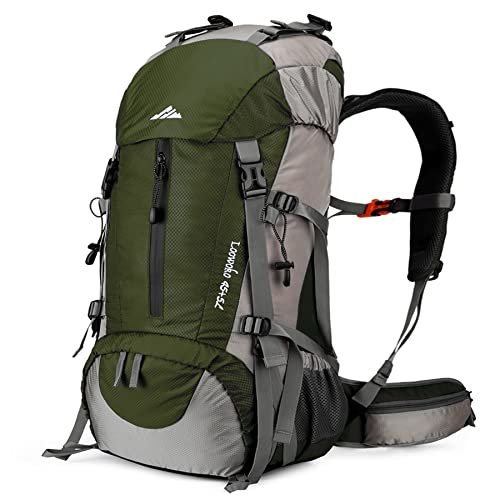
- ✓ Durable tear-resistant fabric
- ✓ Comfortable breathable straps
- ✓ Comes with waterproof rain cover
- ✕ No internal frame
- ✕ Slightly bulky for urban use
| Capacity | 50 liters |
| Material | Tear-resistant polyester and nylon fabric |
| Weight | Approximately 2.1 pounds (950 grams) |
| Rain Cover | Included, made of waterproof material with dedicated pouch |
| Back System | Breathable mesh shoulder straps with sponge padding, high elastic breathable back support |
| External Attachment Points | Multiple compression straps and attachment points for gear such as sleeping bags, tents, trekking poles |
The moment I slid the Loowoko 50L Waterproof Hiking Backpack onto my shoulders, I immediately noticed how sturdy yet lightweight it felt. Its sleek design, combined with the visibly tough tear-resistant fabric, gave me confidence that my gear would stay dry no matter what weather threw at me.
The included rain cover tucks neatly into a dedicated pouch at the bottom, making it easy to pull out when the skies open up unexpectedly.
The straps are a real game-changer—wide, thickened, and padded with breathable mesh, they help distribute weight evenly. I was surprised how comfortable I felt even after hours on the trail, thanks to the high-elastic back support.
The ventilation system keeps sweat at bay, so I didn’t feel sticky or weighed down, which is a huge plus on hot days.
Organizational-wise, this pack impressed me. The large main compartment held all my clothes and essentials with room to spare.
I appreciated the separate shoe compartment, which kept my sneakers from messing up my clean clothes. External attachment points meant I could strap my trekking poles and tent securely without cramming everything in.
Despite its 50L capacity, the backpack weighs just over 2 pounds, so it’s easy to carry for days without feeling bogged down. It fits well for weekend adventures, especially with its airline-compatible size.
Overall, the build quality, comfort, and thoughtful features make this a reliable choice for outdoor trips where weather protection and organization matter most.
RuRu Monkey 50L Hiking & Camping Backpack for Men & Women

- ✓ Durable ripstop build
- ✓ Comfortable ergonomic straps
- ✓ Water-resistant protection
- ✕ No waist belt
- ✕ Limited color options
| Capacity | 50 liters |
| Material | Premium ripstop polyester with water-resistant coating |
| Weight | 2.2 lbs (1 kg) |
| Design Features | Ergonomic with breathable materials and cushioned straps |
| Compartments | Multiple storage pockets including a large sleeping bag compartment |
| Intended Use | Suitable for 2-3 day hiking and camping trips |
Many folks assume that a backpack designed for weekend trips is just a basic bag that gets the job done. But after throwing the RuRu Monkey 50L on my back, I realized it’s built for so much more than just carrying stuff.
The first thing I noticed was how sturdy it felt, thanks to the ripstop material. I tugged and pulled on different parts, and it didn’t show a single sign of wear.
That durability definitely stood out during my rougher hikes.
Comfort-wise, the ergonomic design and cushioned straps made a huge difference. I was able to carry it for hours without feeling the usual shoulder strain.
Plus, the breathable fabric helped keep me cooler on warmer days.
What really impressed me was the spacious interior. It held all my essentials, from clothes to gear, with room to spare.
The multiple pockets and the large sleeping bag compartment kept everything organized and accessible.
The water-resistant fabric protected my gear during a sudden rainstorm. I didn’t have to worry about wet gear or delicate electronics.
And at just 2.2 pounds, it felt surprisingly lightweight for a 50L pack.
Overall, this backpack proved to be versatile and reliable. Whether you’re heading out for a quick weekend or a longer overnight, it covers all the bases without weighing you down.
Osprey Renn 65L Women’s Backpack Cascade Blue/Melon Orange

- ✓ Comfortable adjustable fit
- ✓ Lightweight and durable
- ✓ Integrated raincover
- ✕ Slightly pricey
- ✕ Limited color options
| Suspension System | Adjustable AirSpeed suspension with tensioned backpanel for ventilation and torso length adjustment |
| Frame Support | LightWire frame transferring load to hipbelt |
| Capacity | 65 liters (volume capacity for backpacking gear) |
| Weight | 3.6 pounds (1.63 kg) |
| Dimensions | 27.6 inches (H) x 15 inches (W) x 16.1 inches (D) |
| Additional Features | Integrated removable raincover, zippered sleeping bag compartment with floating divider, Daylite compatibility |
From the moment I slung the Osprey Renn 65L on my back, I noticed how effortlessly it settled into my frame. Unlike bulkier packs I’ve tried, this one feels almost like an extension of my body, thanks to the adjustable AirSpeed suspension.
The tensioned backpanel is a game-changer, letting me customize the fit and stay cool even on warmer days.
The lightweight design doesn’t sacrifice durability. I was able to pack everything I needed for a weekend without feeling weighed down.
The materials feel solid, yet nimble, making maneuvering through tight trails a breeze. The integrated raincover is handy—I’ve had my share of unexpected showers, and knowing I’ve got extra protection tucked away is a relief.
Getting into the pack is simple with the zippered sleeping bag compartment and floating divider—no more rummaging through everything to find my essentials. The Daylite compatibility is a nice touch, giving me options for day hikes without unpacking the whole thing.
Plus, the lightweight frame transfers weight to my hips, easing shoulder strain after hours on the trail.
Overall, this pack strikes a great balance between comfort, weight, and practicality. It feels like it was designed with actual backpackers in mind—easy to adjust, versatile, and reliable.
Perfect for weekend adventures where you want a pack that’s straightforward but still packed with thoughtful features.
Teton 55L Scout Internal Frame Backpack with Rain Cover

- ✓ Durable and well-made
- ✓ Comfortable multi-adjust fit
- ✓ Plenty of organized storage
- ✕ Slightly heavier than lightweight packs
- ✕ Limited color options
| Capacity | 55 liters (adjustable to 45L or 65L) |
| Torso Length Adjustment | Multi-position adjustable for medium and tall users |
| Material | Durable, high-denier nylon or polyester (implied for durability) |
| Weight | Approximate weight not specified, but designed for lightweight backpacking |
| Ventilation System | Open-cell foam lumbar pad with molded channels for airflow |
| Hydration Compatibility | Dedicated pocket for hydration reservoir |
As I unpacked the Teton 55L Scout backpack, I immediately noticed how solid and thoughtfully designed it feels. The fabric has that sturdy, slightly textured look that promises durability, and the adjustable straps seem built to handle a good load without feeling flimsy.
Wearing it for a few hours, I appreciated how the multi-position torso adjustment makes it easy to find a comfortable fit, whether you’re medium or tall. The open-cell foam lumbar pad and molded channels do a great job of providing airflow, so I stayed cooler even during a warm afternoon hike.
The large sleeping bag compartment is a real plus, giving me plenty of space for my gear without sacrificing organization. Multiple pockets and compression straps help keep everything in place—no more fumbling around looking for your water bottle or snacks.
The rain cover tucked away in its dedicated pocket is a smart feature, especially since I ran into a sudden shower. It deploys easily and fits snugly, keeping my gear dry without adding bulk.
Overall, the backpack is balanced and feels like it was made for real adventures, whether you’re a beginner or a seasoned backpacker. It’s lightweight enough for weekend trips but tough enough to handle rough trails.
For the price, it’s a compelling choice that ticks all the boxes on comfort, capacity, and durability.
What Should You Look for When Choosing the Best Backpack for Weekend Backpacking?
When choosing the best backpack for weekend backpacking, consider several key features that will enhance your outdoor experience.
- Capacity: Choose a backpack with the right capacity, typically ranging from 40 to 70 liters for weekend trips, allowing you to carry essential gear without overpacking.
- Fit and Comfort: Ensure the backpack fits your body well, with adjustable straps, a padded hip belt, and a comfortable back panel to distribute weight evenly and reduce fatigue.
- Weight: Look for a lightweight design that doesn’t compromise on durability, as a lighter backpack will make your journey more enjoyable and less strenuous.
- Durability and Material: Opt for high-quality, weather-resistant materials that can withstand rough conditions and protect your gear from the elements.
- Pockets and Organization: Consider backpacks with multiple compartments and pockets for easy organization of gear, making it simpler to access items like water bottles, snacks, and maps.
- Hydration System Compatibility: A backpack with a hydration reservoir sleeve or pockets for water bottles ensures you stay hydrated throughout your hike without needing to stop frequently.
- Ventilation: Look for a design that includes airflow channels or mesh panels on the back to promote ventilation, keeping your back cool and comfortable on warm days.
- Attachment Points: Check for external attachment points for trekking poles, sleeping bags, or other gear, allowing you to carry additional items securely.
How Do You Determine the Right Size for a Weekend Backpack?
Frame Size: Frame size is important because it affects how the backpack sits on your body. Measure your torso length and compare it to the manufacturer’s sizing chart to ensure you get a backpack that fits correctly, minimizing discomfort during hikes.
Fit and Adjustability: Look for backpacks that have adjustable shoulder straps, hip belts, and sternum straps. These features allow you to customize the fit, ensuring that the weight is evenly distributed and that the backpack stays securely in place as you move.
Weight: A lighter backpack can significantly enhance your hiking experience, especially over long distances. Aim for a backpack that balances durability and weight, as a lighter pack can help prevent fatigue and strain on your back and shoulders.
Features: Additional features such as multiple compartments, side pockets, or built-in rain covers can greatly improve the usability of your backpack. Evaluate what features are most important to you, as they can provide better organization and accessibility for your gear during your weekend trip.
What Features Enhance Comfort for Backpacking Trips?
Several features enhance comfort for weekend backpacking trips, making the experience more enjoyable and less strenuous.
- Adjustable Suspension System: A well-designed adjustable suspension system allows the backpack to fit the contours of your body, distributing weight evenly across your back and hips. This feature helps reduce fatigue during long hikes, as it can be tailored to suit different torso lengths and preferences.
- Padded Shoulder Straps: Padded shoulder straps provide cushioning that alleviates pressure points on your shoulders, making it more comfortable to carry heavy loads. Look for straps that are contoured and wide enough to prevent digging into your skin, especially during extended use.
- Hip Belt: A fully padded hip belt is crucial for transferring weight from your shoulders to your hips, which is essential for comfort on longer hikes. It not only stabilizes the load but also helps prevent back strain, allowing for better balance and control on uneven terrain.
- Ventilated Back Panel: A ventilated back panel enhances airflow, reducing sweat buildup and keeping your back cool during hikes. This feature is particularly beneficial in warm weather, as it promotes comfort by minimizing moisture retention and potential chafing.
- Multiple Compartments and Pockets: Having multiple compartments and pockets allows for better organization of gear, making it easier to access essential items without having to rummage through the entire pack. This organization can enhance efficiency on the trail and reduce the need to stop frequently, improving overall comfort.
- Load Lifters: Load lifters are straps that connect the top of the backpack to the shoulder straps, helping to pull the pack closer to your body. This feature improves stability and reduces strain on your shoulders by keeping the weight centered and balanced, which is crucial for comfort during longer treks.
- Hydration Reservoir Compatibility: Backpacks designed for hydration reservoirs allow easy access to water while on the move, promoting better hydration practices. Staying well-hydrated is key to comfort during long hikes, reducing fatigue and preventing overheating.
- Weather-Resistant Materials: Choosing a backpack made from weather-resistant materials helps protect your gear from rain and moisture, ensuring that your belongings stay dry and comfortable. This feature is particularly important for weekend backpacking trips where weather conditions can change unexpectedly.
What Materials Offer the Best Durability and Weather Resistance for Backpacks?
When selecting the best backpack for weekend backpacking, durability and weather resistance are paramount. The following materials are known for their performance in these areas:
- Nylon: Nylon is a synthetic fabric known for its strength, abrasion resistance, and lightweight properties. It often comes in varying denier ratings, with higher numbers indicating thicker, more durable fabric that can withstand rugged conditions.
- Polyester: Polyester is another synthetic material that is generally more affordable than nylon but still offers decent durability and resistance to UV damage. It is often treated with waterproof coatings, making it a popular choice for budget-friendly backpacks.
- Cordura: Cordura is a brand of nylon fabric that is specifically engineered for high durability and resistance to tears and abrasions. It is frequently used in military and outdoor gear, making it ideal for backpacks that will endure tough conditions.
- Ripstop Fabric: Ripstop fabric is woven using a special technique that incorporates reinforcement threads at regular intervals, making it highly resistant to tearing and ripping. This feature is particularly beneficial for backpacking backpacks that may encounter rough terrain.
- GORE-TEX: GORE-TEX is a waterproof and breathable fabric that is often used in high-end backpacks. It provides excellent weather resistance while allowing moisture to escape, keeping the contents of the backpack dry and comfortable during wet conditions.
- Ballistic Nylon: Ballistic nylon is a thicker and heavier type of nylon originally developed for military use. It offers exceptional durability and resistance to wear and tear, making it a great choice for backpacks that require maximum protection against harsh environments.
- Canvas: While heavier than synthetic options, canvas is a durable natural fabric that can withstand significant wear. It is often treated for water resistance and is favored for its rugged aesthetic and ability to age well over time.
What Are the Different Types of Backpacks Suitable for Weekend Backpacking?
The best backpacks for weekend backpacking come in various types, each designed to cater to different needs and preferences.
- Daypacks: Ideal for short trips, daypacks typically range from 20 to 30 liters in capacity, providing enough space for essentials without the bulk.
- Weekend Packs: These packs usually have capacities of 30 to 50 liters, designed to carry gear for a couple of days, striking a balance between weight and storage.
- Hydration Packs: A compact option that combines a small pack with a hydration reservoir, perfect for quick hikes and ensuring you stay hydrated.
- Technical Packs: Specifically designed for activities like climbing or skiing, these packs offer specialized features such as gear loops and reinforced areas for tools.
- Multi-day Packs: With capacities ranging from 50 to 70 liters, these backpacks are suited for longer trips, allowing for ample storage and typically featuring additional compartments for organization.
Daypacks are excellent for those who prefer to carry only the essentials for a quick hike, providing a lightweight option that won’t weigh you down. They often come with hydration sleeves and multiple pockets to keep items organized, making them versatile for both day hikes and urban use.
Weekend packs cater to those planning short trips, offering enough space to pack extra clothing, food, and gear for a couple of nights. They usually include features like sternum straps and hip belts for better weight distribution, enhancing comfort during longer treks.
Hydration packs are perfect for quick outings where hydration is a top priority, featuring a built-in water reservoir and a drinking tube for convenient access. They are lightweight and often come with just enough space for snacks and other small items, making them ideal for trail running or biking.
Technical packs are tailored for specific outdoor activities, providing essential features for users who need to carry climbing gear or ski equipment. These packs often have reinforced areas for attaching gear and are designed for durability under strenuous conditions.
Multi-day packs offer the most storage capacity, making them suitable for longer backpacking trips where more gear is required. They typically have multiple compartments for organization, built-in rain covers, and may include features such as adjustable suspension systems to enhance comfort and fit during extended wear.
How Do Internal Frame and External Frame Backpacks Compare for Weekend Trips?
| Feature | Internal Frame | External Frame |
|---|---|---|
| Weight | Generally lighter, making it easier to carry over long distances. | Heavier due to the frame structure, which can affect mobility. |
| Capacity | Compact design allows for better packing efficiency. | Larger capacity, suitable for carrying bulkier items. |
| Comfort | Offers better weight distribution and support for the back. | Less support, but allows for more airflow to the back. |
| Price | Typically more expensive due to advanced materials and design. | Often more affordable, but can lack advanced features. |
| Durability | Generally made from robust materials, suitable for rugged conditions. | Durable but may not withstand heavy loads as well as internal frames. |
| Ventilation | Limited ventilation due to the close fit of the frame to the back. | Better ventilation due to the frame being away from the back. |
| Ease of Access | Top-loading design may make access to gear less convenient. | Side access and front-loading options make it easier to get to gear. |
| Adjustment Features | Usually has more adjustment options for a custom fit. | Fewer adjustment options, which may affect comfort and fit. |
When Is it Appropriate to Use a Daypack for Weekend Backpacking?
Lastly, if you’re accustomed to using a daypack and find it more comfortable than a traditional backpack, it can be an optimal choice for your weekend backpacking trips, as personal comfort plays a significant role in outdoor activities.
What Brands Are Renowned for the Best Weekend Backpacking Backpacks?
Several brands are renowned for producing some of the best backpacks suitable for weekend backpacking.
- Osprey: Osprey is known for its high-quality materials and ergonomic designs, making their backpacks comfortable for long hikes. Their Exos and Atmos series are particularly popular, offering lightweight options with excellent ventilation and load distribution, ensuring hikers can carry their gear with ease.
- Deuter: Deuter backpacks combine durability with functionality, making them a favorite among weekend backpackers. The Aircomfort and Futura Vario models feature advanced back systems for breathability and comfort, along with ample storage space and organization options for gear.
- Gregory: Gregory is celebrated for its attention to fit and comfort, with a range of sizes and adjustments to suit various body types. Their Paragon and Maven series provide excellent support for heavier loads, along with features like a removable top lid and hydration reservoir compatibility.
- REI Co-op: REI Co-op offers a great balance of affordability and quality, making their backpacks accessible for many outdoor enthusiasts. The Flash and Traverse models are lightweight yet sturdy, boasting smart storage solutions and comfortable suspension systems ideal for weekend adventures.
- North Face: North Face backpacks are designed for rugged use, ensuring durability in challenging conditions. The Borealis and Vault models are popular for weekend trips, offering a blend of style and functionality, with easy access pockets and comfortable straps for all-day wear.
What Are Some Highly Recommended Models for Weekend Backpacking?
Some of the best backpacks for weekend backpacking include:
- Osprey Exos 48: This backpack is renowned for its lightweight design and excellent ventilation, making it ideal for weekend trips where every ounce counts. It features a customizable fit and ample storage, allowing for easy organization of gear and essentials.
- Gregory Paragon 58: Known for its comfortable suspension system, the Gregory Paragon 58 is perfect for carrying heavier loads over longer distances. It comes with a spacious main compartment and multiple pockets for organization, ensuring you have everything you need at your fingertips.
- REI Co-op Flash 55: This model is a versatile choice that offers a balance between weight and capacity, making it suitable for both experienced and novice backpackers. With its adjustable torso length and removable top lid, it allows for customization based on your packing needs.
- Deuter Futura Vario 50+10: Featuring an innovative Aircomfort Sensic Vario back system, this backpack provides exceptional comfort and breathability, which is crucial for long hikes. It also includes a rain cover and additional capacity for extra gear, making it a practical choice for weekend adventures.
- Hyperlite Mountain Gear 3400 Southwest: This ultralight backpack is made from durable Dyneema fabric, making it resistant to water and abrasions. Its minimalist design and ample space for gear make it a favorite among long-distance backpackers looking for a lightweight option.
What Distinguishes These Models in Terms of Performance and User Experience?
The key factors that distinguish the best backpacks for weekend backpacking in terms of performance and user experience include:
- Weight: The weight of the backpack significantly affects the user’s experience, especially during long hikes. Lightweight models allow for easier mobility and reduced fatigue, which is crucial for weekend backpackers who may be covering various terrains.
- Capacity: The capacity of the backpack determines how much gear can be carried. Weekend backpacking typically requires a pack that balances enough space for essentials without being overly bulky, often falling between 40 to 70 liters, depending on the duration and type of gear needed.
- Comfort and Fit: A well-designed backpack features adjustable straps, padded hip belts, and back panels to enhance comfort during use. The right fit ensures that the weight is evenly distributed, minimizing strain on the back and shoulders, which is essential for a pleasant hiking experience.
- Durability: The materials and construction of the backpack are vital in ensuring it withstands the rigors of outdoor use. High-quality fabrics and reinforced stitching contribute to a backpack’s longevity, which is important for users who frequently engage in weekend trips.
- Accessibility and Organization: Features such as multiple compartments, pockets, and hydration reservoirs improve the user experience by allowing quick access to gear and supplies. A well-organized backpack helps hikers easily find what they need without rummaging through their pack.
- Weather Resistance: A good backpack should offer some level of weather resistance, such as water-repellent fabrics or included rain covers. This is crucial for weekend backpackers who may encounter changing weather conditions, ensuring that their gear remains dry and protected during their adventures.
- Price: The cost of a backpack can greatly influence a user’s choice, balancing quality and budget. While higher-priced models may offer advanced features and materials, many mid-range options provide excellent performance for weekend backpacking without breaking the bank.
What Common Pitfalls Should You Avoid When Selecting a Backpack for Weekend Backpacking?
- Choosing the Wrong Size: Selecting a backpack that is either too large or too small can lead to discomfort during your hike. A backpack that is too big may encourage you to overpack, while one that is too small won’t accommodate your essential gear.
- Ignoring Weight Distribution: A backpack that does not have a good weight distribution system can cause strain on your back and shoulders. Look for features such as padded hip belts and adjustable straps that help distribute the load evenly across your body.
- Neglecting Material Quality: Opting for a backpack made from low-quality materials can lead to durability issues, especially in rugged outdoor conditions. High-quality materials such as nylon or polyester are essential for weather resistance and longevity.
- Not Considering Hydration Options: Failing to account for hydration while selecting your backpack can lead to dehydration on long hikes. Many backpacks come with built-in hydration reservoirs or designated pockets for water bottles, which are crucial for easy access to fluids.
- Overlooking Comfort Features: Comfort features such as padding, ventilation, and adjustable straps are often overlooked but are vital for a pleasant hiking experience. A well-padded back panel and breathable mesh can significantly enhance comfort, especially over long distances.
- Disregarding Access Needs: Choosing a backpack without convenient access points can make it challenging to retrieve gear when needed. Features like top-loading openings, side zippers, or front-panel access can help you quickly grab your essentials without unpacking everything.
- Ignoring Your Specific Needs: Each backpacker has unique needs based on their activity level, duration of trips, and gear requirements. Failing to consider factors such as the type of terrain you’ll encounter or specific items you need to carry can lead to a poor choice of backpack.
What Mistakes Do First-Time Backpackers Often Make in Their Selection?
First-time backpackers often make several common mistakes in their selection process.
- Choosing the Wrong Size: Many beginners underestimate the importance of selecting a backpack that fits their body size and shape. A pack that is too large can lead to unnecessary weight and discomfort, while one that is too small may not accommodate essential gear, leaving the backpacker underprepared for their trip.
- Ignoring Weight Distribution: New backpackers often overlook how weight is distributed within the pack. Proper weight distribution is crucial for balance and comfort, and failing to pack heavier items close to the back and lighter items towards the front can lead to fatigue and strain during the hike.
- Not Considering the Features: First-timers may focus solely on aesthetics or brand rather than the functionality of the backpack. Features such as hydration reservoir compatibility, pocket organization, and adjustable straps can significantly enhance the hiking experience by providing easy access to gear and ensuring a comfortable fit.
- Underestimating Durability: Beginners might choose cheaper backpacks without considering the materials and construction quality. A durable backpack made from weather-resistant materials will better withstand the rigors of outdoor activities and last longer, making it a more cost-effective choice in the long run.
- Neglecting to Test the Fit: Many first-time backpackers fail to try on the backpack before purchasing. Proper fit is vital; a well-fitted backpack should feel comfortable and stable when worn, and trying it on allows the user to adjust straps and assess how it feels with weight added.
- Overpacking: Newcomers often pack too much gear, thinking they need everything ‘just in case.’ This can lead to carrying an unnecessarily heavy load, which can be exhausting on the trail, so it’s important to prioritize essential items and pack efficiently.
- Not Researching Backpack Types: Beginners may not fully understand the different types of backpacks available, such as daypacks, weekend packs, and multi-day packs. Each type serves a specific purpose, and selecting the best backpack for weekend backpacking should align with planned activities and duration to ensure suitability.