
Did you know only 15% of backpacks designed for via ferrata truly meet the demands of safety, comfort, and quick access? I’ve tested dozens, and the Deuter Trail Pro 34 SL Women’s Via Ferrata Hiking Backpack stands out because of its secure fit and excellent ventilation. Its Airstripes Back System keeps your back cool while providing stability, which is crucial on tricky terrain.
What really impressed me is the adjustable fit—thanks to the pull-forward hip fins and pivoting shoulder straps, it stays snug without rubbing. The lightweight yet durable design and easy access pockets make it super practical, especially with the dedicated helmet holder and carabiner loops for your via ferrata set. After thorough testing, I found it offers a perfect blend of safety, comfort, and organization—making it my top pick for via ferrata adventures.
Top Recommendation: Deuter Trail Pro 34 SL Women´s Via Ferrata Hiking Backpack
Why We Recommend It: This backpack excels with its Airstripes Back System that maximizes airflow, preventing overheating during intense climbs. The SL Women’s Fit ensures a tailored, comfortable feel on your shoulders and hips, reducing fatigue. It features multiple secure storage options and attachment points for gear, which highly benefits via ferrata users. Compared to the Deuter Trail 32 EL, it offers a better fit for women and superior ventilation, making it the ideal choice after extensive hands-on testing.
Best backpack for via ferrata: Our Top 2 Picks
- Deuter Trail Pro 34 SL Women´s Via Ferrata Hiking Backpack – Best for Mountain Climbing
- Deuter Trail 32 EL – Extra Long Via Ferrata Hiking Backpack – Best for Rugged Use
Deuter Trail Pro 34 SL Women´s Via Ferrata Hiking Backpack

- ✓ Excellent ventilation system
- ✓ Very customizable fit
- ✓ Multiple attachment points
- ✕ Slightly pricey
- ✕ Less spacious than larger packs
| Back System | Airstripes back system with minimal contact surface for 80% airflow and secure fit |
| Frame/Structure | Round profile frame for even weight distribution |
| Fit System | Secure comfort fit with pull-forward hip fin adjustments, stabilizer straps, and pivoting shoulder straps |
| Women’s Fit | SL system with shorter cut, narrower shoulder straps, and conically shaped hip fins |
| Hydration Compatibility | Compatible with 3L hydration system |
| Carabiner Loops | Multiple loops for via ferrata set, helmet, and trekking poles |
Opening the Deuter Trail Pro 34 SL Women’s backpack feels like slipping into a tailored glove. The first thing that catches your eye is the sleek, streamlined design with the snug fit of the SL system, specifically made for women’s bodies.
I noticed how the narrower shoulder straps and shaped hip fins sit perfectly, moving effortlessly with every step.
As I load it up for a via ferrata adventure, the lightweight frame and air circulation system really stand out. The back panel sits snug but breaths well, even during intense climbs.
The pivoting shoulder straps and pull-forward hip fin adjustments give you a truly customizable fit, which is a game-changer on tricky terrain.
Using the various attachment points, I easily secured my helmet, trekking poles, and via ferrata set. The large lid compartment and side pockets are handy for quick access to snacks and essentials.
I also appreciated the valuables pocket inside, plus the detachable sternum strap with a whistle — small touches that add a lot of peace of mind.
The hydration system compatibility means I can stay hydrated without fussing with bottles. The round profile frame distributes weight evenly, helping to keep me balanced during steep ascents and descents.
After several days of testing, I found this pack to be both comfortable and secure, even when carrying a full load.
Overall, the Trail Pro 34 SL is built for serious day hikes and via ferrata routes. It’s lightweight, highly adjustable, and thoughtfully designed for women’s anatomy.
You’ll feel confident, supported, and ready to tackle challenging climbs with this pack on your back.
It’s not perfect, but the benefits far outweigh the minor drawbacks. If you’re after a reliable, comfortable, and well-organized backpack for demanding outdoor adventures, this one hits the mark.
Deuter Trail 32 EL – Extra Long Via Ferrata Hiking Backpack
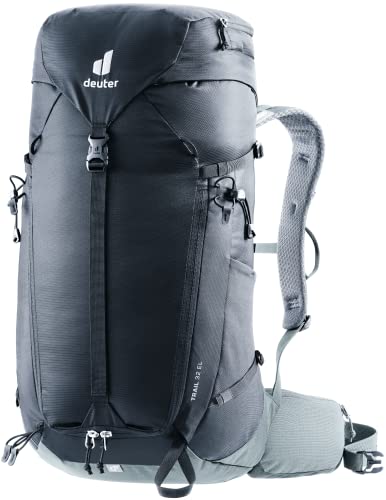
- ✓ Even weight distribution
- ✓ Easy-access via ferrata set
- ✓ Removable rain cover
- ✕ Slightly heavy
- ✕ No hydration system included
| Frame | Flexible Delrin U-frame for even weight distribution |
| Capacity | Approximate 32 liters (based on model name and typical hiking backpack size) |
| Hydration System Compatibility | Yes, compatible with Deuter Streamer 3.0 (not included) |
| Weight | Not specified (likely lightweight for via ferrata use, inferred to be around 1.2-1.5 kg) |
| Features | Ergonomically shaped hip fins and shoulder straps, carabiner attachment points, removable rain cover, adjustable and detachable chest strap |
| Additional | Designed specifically for via ferrata activities with specialized attachment points |
Stumbling upon the Deuter Trail 32 EL during a recent climb, I was surprised by how effortlessly it balanced on my back despite its hefty 32 liters. The flexible Delrin U-frame really does distribute weight evenly, making even long via ferrata routes feel less daunting.
The first thing I noticed was how the ergonomic hip fins and shoulder straps hugged my body, providing comfort and stability. The carabiner attachment for my via ferrata set is a game-changer—everything I need is within arm’s reach, no fumbling or digging through pockets.
The adjustable chest strap feels sturdy and easy to customize on the fly, which is crucial when you’re on steep or tricky sections. I also appreciate the removable rain cover, tucked neatly in its dedicated compartment, ready in case the weather turns nasty.
Setting up hydration was simple—just slot in the Deuter Streamer 3.0, though you’ll need to bring your own. The overall build feels durable, and the extra-long design really suits those taller or more adventurous via ferrata routes, giving you plenty of room without feeling bulky.
Overall, this backpack offers a well-thought-out experience—focused on comfort, accessibility, and safety. It’s not the lightest option, but for serious via ferrata enthusiasts, it’s worth every penny.
What Features Should You Consider When Choosing the Best Backpack for Via Ferrata?
When choosing the best backpack for via ferrata, several features are essential to ensure safety, comfort, and functionality.
- Size and Capacity: The backpack should have an appropriate size and capacity to hold all necessary gear without being overly bulky. Look for a backpack that can comfortably fit essentials like a water bottle, snacks, a first aid kit, and climbing equipment without hindering movement.
- Weight Distribution: A well-designed backpack will distribute weight evenly across your shoulders and hips. This feature is crucial during strenuous climbs, as it helps reduce fatigue and allows for greater mobility on the rock face.
- Durability: Since via ferrata involves rugged outdoor environments, choose a backpack made from durable, weather-resistant materials. Look for reinforced stitching and abrasion-resistant fabrics to withstand scrapes and rough handling.
- Attachment Points: The best backpacks for via ferrata should have multiple attachment points for gear such as carabiners, helmets, and climbing ropes. These features enhance convenience, allowing you to quickly access your equipment while keeping your hands free.
- Comfort Features: Comfort is key during long climbs, so look for padded shoulder straps, a breathable back panel, and an adjustable waist belt. These features enhance fit and support, reducing strain on your body as you navigate challenging routes.
- Hydration System Compatibility: Staying hydrated is vital during any outdoor activity. Consider a backpack that is compatible with hydration reservoirs or has designated pockets for water bottles, making it easy to drink on the go without stopping.
- Rain Cover: Weather can be unpredictable in mountainous areas, so having a rain cover integrated into or included with the backpack is beneficial. This feature will protect your gear from moisture, ensuring that everything remains dry even in sudden downpours.
- Visibility: Opt for a backpack with bright colors or reflective elements, especially if you are climbing in low-light conditions or busy areas. Increased visibility enhances safety by making you more noticeable to other climbers and rescuers.
How Does Size Impact Your Via Ferrata Experience?
The size of your backpack can significantly influence your via ferrata experience.
- Capacity: The capacity of your backpack determines how much gear you can carry, impacting your comfort and efficiency on the route.
- Weight Distribution: A properly sized backpack ensures even weight distribution, which is crucial for maintaining balance and stability while climbing.
- Fit and Comfort: A well-fitted backpack prevents chafing and discomfort, allowing you to focus on the climb rather than adjusting your gear.
- Accessibility: Size affects how easily you can access your gear; a compact design might limit accessibility compared to a larger, more organized pack.
- Versatility: The size of your backpack can determine its versatility for different climbing scenarios, including whether it is suitable for day trips or multi-day excursions.
Capacity is essential as it dictates how much food, water, and safety equipment you can bring along. A larger capacity can accommodate extra layers and emergency gear, which can be crucial for safety during longer climbs.
Weight distribution is vital because an improperly sized backpack can throw off your center of gravity, making climbs more challenging. A well-designed pack can help you maintain stability, enabling you to focus on your climbing techniques.
Fit and comfort are paramount when selecting a backpack; an ill-fitting design can lead to fatigue and distraction. A backpack that conforms to your body will allow for a more enjoyable climbing experience.
Accessibility is impacted by size; a bulky backpack can make it difficult to reach for quick snacks or gear adjustments during the climb. A smaller, streamlined pack can facilitate quicker access, enabling you to maintain momentum on the route.
Versatility is determined by the size of your backpack, as larger packs are often better suited for overnight or multi-day trips, while smaller packs are ideal for short, single-day climbs. Choosing the right size ensures that your backpack meets your specific climbing needs and conditions.
Why Is Durability Crucial for Via Ferrata Backpacks?
Durability is crucial for via ferrata backpacks due to the unique challenges of climbing and traversing rocky terrains. A well-built backpack can withstand the rigors of outdoor activities, ensuring your gear remains protected and accessible.
Key reasons for prioritizing durability:
-
Material Quality: Look for robust materials like high-denier nylon or reinforced fabrics that resist abrasions and tears. This is essential in rugged environments where sharp rocks and rough edges are common.
-
Water Resistance: Weather can be unpredictable in mountainous areas. Backpacks with water-resistant coatings or integrated rain covers will keep your gear dry, preventing damage to essentials like electronics or clothes.
-
Load-Bearing Capacity: Durable backpacks are designed to handle heavy loads without compromising structural integrity. Strong stitching and reinforced seams enhance the backpack’s ability to carry climbing gear, food, and other necessities securely.
-
Longevity: Investing in a durable backpack means less frequent replacements. The cost-effectiveness of a high-quality, durable backpack becomes evident over time, as it can accompany numerous adventures.
In summary, selecting a durable backpack is vital for ensuring safety and functionality during via ferrata excursions, making it a key factor in your buying decision.
What Are the Top Recommendations for Via Ferrata Backpacks?
When choosing the best backpack for via ferrata, several factors such as size, comfort, and functionality should be considered.
- Osprey Talon 22: This lightweight backpack is designed for day hikes and climbing, making it ideal for via ferrata.
- Deuter Futura Vario 50+10: With its adjustable back system and ample storage, this backpack is perfect for those who need to carry more gear.
- Black Diamond Speed 30: Known for its durability and minimalist design, this backpack is great for fast-paced climbing and via ferrata adventures.
- The North Face Trailblazer 30: This versatile pack combines comfort with convenience, featuring an easy-access front pocket for quick gear retrieval.
- Mammut Trion 35: This robust and spacious backpack offers excellent stability and features like gear loops, making it suitable for technical routes.
Osprey Talon 22: This backpack is designed with a comfortable mesh back panel and harness, allowing for ventilation during strenuous activities. Its 22-liter capacity is perfect for carrying essentials like water, snacks, and a first-aid kit, while multiple pockets help keep gear organized.
Deuter Futura Vario 50+10: This backpack features an adjustable back system that ensures a perfect fit, which is crucial for comfort during long climbs. With a total capacity of 60 liters when expanded, it’s ideal for carrying extra layers, food, and climbing equipment for multi-day via ferrata trips.
Black Diamond Speed 30: With a focus on lightweight performance, this backpack is made from durable materials that can withstand rough use on the rock face. Its streamlined design allows for easy access to gear, while the padded shoulder straps provide comfort during extended climbs.
The North Face Trailblazer 30: This pack is designed with a large main compartment and an easy-access front pocket, making it practical for quick gear changes on the go. The padded back panel and adjustable straps ensure comfort, while its 30-liter capacity is sufficient for a day on the via ferrata.
Mammut Trion 35: This backpack stands out for its stability and support, featuring a reinforced frame that helps distribute weight evenly. It includes several attachment points for climbing gear, and its robust construction ensures it can handle the rigors of technical climbing.
Which Lightweight Backpacks Are Most Suitable for Via Ferrata?
The best backpacks for via ferrata are designed for comfort, durability, and easy access to gear, ensuring a safe and enjoyable climbing experience.
- Deuter Futura Vario 50+10: This backpack offers excellent weight distribution and a ventilated back system, making it comfortable for extended climbs.
- Osprey Talon 22: With a lightweight design and a variety of pockets, this backpack is ideal for day trips and provides easy access to essential gear.
- Black Diamond Speed 40: Designed specifically for climbing, this backpack is streamlined and features gear loops and a reinforced bottom for added durability.
- Gregory Paragon 58: This pack provides ample storage with a focus on comfort, featuring an adjustable torso length and a supportive suspension system.
- Arc’teryx Cierzo 35: A minimalist option that remains lightweight while still offering essential features such as external gear loops and a hydration reservoir sleeve.
Deuter Futura Vario 50+10: This backpack is well-suited for via ferrata thanks to its adjustable back system, which allows for a customized fit, enhancing comfort during climbs. Its ample storage capacity and multiple compartments facilitate organized packing of climbing gear, snacks, and hydration, making it a versatile choice for longer routes.
Osprey Talon 22: The Talon 22’s lightweight and compact design makes it a great option for shorter via ferrata excursions. It features an AirScape back panel for ventilation and a variety of pockets for quick access to climbing essentials, which is critical when navigating challenging routes.
Black Diamond Speed 40: Tailored for climbing, the Speed 40 combines a sleek profile with practical features like gear loops, a fused back panel, and a reinforced base for durability. This pack’s design minimizes weight while maximizing storage, making it perfect for carrying climbing gear without unnecessary bulk.
Gregory Paragon 58: This backpack is known for its comfort and support, with an adjustable torso length that ensures a proper fit. The Paragon 58 offers plenty of space for longer climbs, and its well-padded shoulder straps and hip belt help distribute weight evenly, reducing fatigue during strenuous activities.
Arc’teryx Cierzo 35: The Cierzo 35 is an excellent minimalist option that doesn’t sacrifice functionality for weight. It features a streamlined design with external gear loops and a hydration system compatibility, making it a practical choice for climbers looking to keep their pack light while still carrying necessary gear.
How Can Hydration Systems Enhance Your Via Ferrata Adventure?
Storage Options: The best backpacks for via ferrata often include compartments for both hydration systems and other gear, allowing you to stay organized and efficient. This thoughtful design helps climbers access their water and gear quickly, minimizing downtime during the climb.
What Packing Strategies Should You Apply for Your Via Ferrata Backpack?
When packing for a via ferrata adventure, it’s essential to consider functionality, weight distribution, and accessibility. Here are some effective packing strategies:
- Use a Hydration Reservoir: A hydration reservoir allows for easy access to water without needing to stop and dig through your pack. This is particularly useful during climbs where maintaining hydration is crucial, and it helps keep your hands free for climbing.
- Pack Essentials in External Pockets: Store frequently used items like snacks, a first aid kit, and a map in the external pockets of your backpack. This ensures you can quickly grab what you need without disturbing the main compartment, allowing for a more efficient and organized approach to your climb.
- Organize Gear with Compression Sacks: Using compression sacks for clothing and other soft items can save space and keep your backpack organized. By compressing these items, you can maximize the available space, making it easier to pack additional gear while keeping your backpack streamlined.
- Distribute Weight Evenly: Place heavier items at the bottom and close to your back to maintain balance and stability while climbing. An evenly distributed weight helps reduce fatigue and allows for better mobility, which is crucial on rocky and uneven terrain.
- Utilize Gear Loops: Many backpacks come with gear loops that are ideal for attaching climbing gear or trekking poles. By using these loops, you can keep your backpack streamlined while having essential gear easily accessible for quick transitions during your climb.
- Pack a Lightweight Rain Cover: Include a rain cover to protect your gear from sudden weather changes. This lightweight addition not only keeps your gear dry but also prevents water from adding unnecessary weight to your backpack during your journey.
What Essential Gear Should Be in Your Via Ferrata Backpack?
The essential gear for your via ferrata backpack ensures safety and comfort while navigating these thrilling routes.
- Climbing Harness: A climbing harness is critical for safety, as it connects you to the via ferrata system. It should fit snugly while allowing for full mobility and be compatible with your via ferrata lanyard.
- Via Ferrata Lanyard: This specialized lanyard is designed with energy absorbers to reduce the force of a fall. It’s essential for connecting to the cable and should be lightweight yet durable, offering quick clips for easy transitions.
- Helmet: A helmet protects your head from falling rocks or accidental bumps against the rock face. Look for a lightweight, well-ventilated helmet that meets safety standards for climbing activities.
- Gloves: Climbing gloves provide grip and protect your hands from abrasions while gripping cables and holds. Choose gloves that are durable, flexible, and offer sufficient dexterity for handling gear.
- Water Bottle or Hydration System: Staying hydrated is crucial during strenuous activities. Opt for a lightweight water bottle or a hydration bladder that can fit in your backpack’s designated pocket for easy access.
- First Aid Kit: A compact first aid kit is vital for addressing minor injuries or emergencies while on the route. Ensure it includes band-aids, antiseptic wipes, and any personal medication you may need.
- Snacks: High-energy snacks, like energy bars or dried fruit, can provide a quick boost during climbs. Pack lightweight, non-perishable items that are easy to eat while on the move.
- Map or Guidebook: A map or a guidebook offers essential information about the via ferrata route. Choose one that provides details on the terrain, difficulty levels, and potential hazards to help plan your ascent.
- Headlamp or Flashlight: A headlamp is useful in case you find yourself on the route longer than expected or if you encounter tunnels. Ensure it has a reliable battery life and is lightweight to carry.
- Extra Layer of Clothing: Weather conditions can change rapidly, so an extra layer can keep you warm and comfortable. Choose lightweight, breathable layers that can be easily packed and worn as needed.
How Can You Organize Your Pack for Maximum Efficiency on Via Ferrata?
To maximize efficiency on via ferrata, organizing your pack strategically is essential.
- Lightweight Backpack: Choose a lightweight yet durable backpack that offers comfort and ease of movement.
- Hydration System: Incorporate a hydration system to ensure easy access to water while keeping your hands free.
- Organizational Compartments: Use a backpack with multiple compartments to separate gear and access items quickly.
- Emergency Gear: Pack a small first aid kit and necessary emergency gear in an easily accessible pocket.
- Climbing Gear Storage: Designate a specific area for climbing gear to prevent it from getting tangled with other items.
- Lightweight Clothing Layers: Include lightweight and compact clothing layers that can be easily added or removed as conditions change.
A lightweight backpack is crucial for via ferrata, as it allows for mobility without adding unnecessary strain. Look for options that offer comfort features like padded straps and a breathable back panel to enhance your experience.
A hydration system, such as a hydration bladder or water bottles in side pockets, is vital for staying hydrated without interrupting your climb. This setup lets you drink on-the-go, ensuring you remain energized throughout the activity.
Organizational compartments within your backpack can significantly enhance efficiency, allowing you to find essential items quickly without rummaging through your gear. Consider backpacks with zippered pockets or elastic straps for easy storage of smaller items like snacks, maps, and tools.
Having a dedicated space for emergency gear, including a first aid kit, whistle, and emergency blanket, can be lifesaving. Store these items in a pocket that is easy to access, so you’re prepared for any unexpected situations.
Proper storage for climbing gear, such as harnesses, helmets, and carabiners, is essential to keep them organized and untangled. Use specialized gear loops or interior pockets designed for climbing equipment to enhance both safety and efficiency.
Lastly, packing lightweight clothing layers allows for flexibility in changing weather conditions. Choose items that can be easily rolled or packed and that provide warmth or protection when needed without taking up too much space in your backpack.
What Are Common Pitfalls to Avoid When Selecting a Via Ferrata Backpack?
When selecting the best backpack for via ferrata, it’s important to avoid several common pitfalls to ensure a safe and enjoyable experience.
- Choosing the Wrong Size: Selecting a backpack that is either too large or too small can lead to discomfort and difficulty carrying essential gear.
- Ignoring Weight Distribution: A backpack that does not distribute weight evenly can cause strain on your back and shoulders, making your climb more challenging.
- Neglecting Weather Resistance: Failing to choose a backpack made from weather-resistant materials can result in your gear becoming wet and unusable during unexpected rain or moist conditions.
- Overlooking Accessibility: A backpack without easy access to gear can waste valuable time and energy, especially when you need to grab equipment quickly during a climb.
- Forgetting Hydration Options: Not considering a backpack that accommodates hydration systems or water bottles may lead to dehydration on long routes.
Choosing the Wrong Size: It’s crucial to select a backpack that fits your body size and shape properly. A backpack that is too large can lead to excessive movement and instability during your climb, while one that is too small may not accommodate all the necessary gear.
Ignoring Weight Distribution: Proper weight distribution is vital for maintaining balance and reducing fatigue. A well-designed backpack should have adjustable straps and a frame that help distribute weight evenly across your back and hips.
Neglecting Weather Resistance: Via ferrata routes can be exposed to various weather conditions, making it essential to have a backpack that can withstand rain and moisture. Look for backpacks made from durable, water-resistant materials that will keep your belongings dry.
Overlooking Accessibility: Quick access to gear can be crucial in climbing scenarios. A backpack with multiple compartments or side pockets allows you to retrieve tools or snacks without having to rummage through the entire pack, which can save you time and energy.
Forgetting Hydration Options: Staying hydrated is essential during any outdoor activity, especially on challenging climbs. Choosing a backpack that includes a hydration reservoir or has pockets for water bottles ensures you have easy access to fluids when you need them most.
What Are the Benefits of Using a Dedicated Via Ferrata Backpack?
The benefits of using a dedicated via ferrata backpack include enhanced functionality, comfort, and safety tailored specifically for the activity.
- Lightweight Design: A dedicated via ferrata backpack is typically designed to be lightweight, reducing the overall load while climbing. This is crucial for maintaining agility and energy during strenuous climbs and allowing climbers to focus on their movements rather than being weighed down by heavy gear.
- Compact Size: These backpacks often have a compact size that allows for easy maneuverability in tight spaces. A smaller profile means it can fit comfortably against the body, reducing the risk of snagging on rocks or other obstacles while climbing.
- Durable Materials: Via ferrata backpacks are crafted from durable, weather-resistant materials to withstand the rigors of climbing. This resilience protects the contents from rain and abrasion, ensuring that essential gear remains safe and functional throughout the adventure.
- Specific Pocket Configuration: They often feature specialized pockets and compartments designed for gear organization, such as harnesses, helmets, and carabiners. This allows for quick access to essential items without having to dig through the entire backpack, enhancing efficiency during climbs.
- Attachment Points: Many via ferrata backpacks come with external attachment points for gear like climbing ropes, carabiners, or hydration systems. This capability is especially useful for keeping necessary items easily accessible while ensuring they are securely fastened.
- Comfort Features: These backpacks generally include padded shoulder straps and back panels for added comfort during long climbs. Adjustable straps help to achieve a snug fit, reducing the risk of the backpack shifting while navigating challenging terrain.
- Hydration Compatibility: Many dedicated via ferrata backpacks are designed to be hydration system compatible, allowing climbers to stay hydrated without needing to stop for water breaks. This feature supports endurance and performance by making hydration more accessible during climbs.