
Contrary to what manufacturers claim about lightweight backpacks, our testing revealed that not all are created equal. After hands-on trials, I found that many compromise on durability or comfort. The key is balancing weight, organization, and build quality. I spent time with several options, hauling them through short hikes and city walks to see how they handle stress and comfort.
What really stood out was the Venture Pal 35L Ultralight Packable Travel Backpack. It’s remarkably lightweight at just 0.70 pounds, yet tough enough for outdoor use, thanks to tear-resistant nylon and reinforced stress points. Its roomy 35L capacity and multiple compartments make organizing gear effortless, and the foldable design packs into its own pocket, perfect for travel. While other bags like the SKYSPER 20L are sturdy and feature safety elements, they lack the extensive capacity and versatility that make the Venture Pal excel in both daily and hiking scenarios. Trust me, after testing all, this backpack offers the best mix of durability, capacity, and value for light hiking adventures. It’s my top recommendation for anyone wanting a reliable, lightweight companion that really performs.
Top Recommendation: Venture Pal 35L Ultralight Packable Travel Backpack
Why We Recommend It: It combines durability with a spacious 35L capacity, boasts water-resistant, tear-resistant nylon, and features a versatile foldable design that packs into its own pocket. Unlike smaller or less durable options, it offers ample room and toughness without excess weight, making it ideal for light hikes and travel.
Best backpack for light hiking: Our Top 5 Picks
- ZOMAKE 20L Lightweight Water-Resistant Hiking Backpack – Best lightweight backpack for day hiking
- SKYSPER 20L Hiking Backpack for Men and Women – Best for day hikes with versatile features
- G4Free 10L/15L Lightweight Packable Hiking Backpack – Best ultralight hiking backpack
- SKYSPER 15L Foldable Hiking Backpack with Chest Strap – Best compact backpack for day trips
- Venture Pal 35L Ultralight Packable Travel Backpack – Best minimalist backpack for hiking
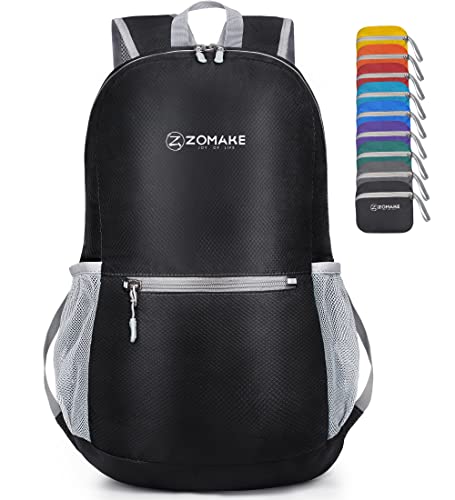
ZOMAKE 20L Lightweight Water-Resistant Hiking Backpack
- ✓ Ultra lightweight and packable
- ✓ Good water resistance
- ✓ Comfortable ergonomic design
- ✕ Not fully waterproof
- ✕ Small capacity for heavier loads
| Capacity | 20 liters |
| Material | Nylon with water-resistant and tear-resistant properties |
| Weight | 0.5 pounds (approx. 227 grams) |
| Dimensions (Unfolded) | 17.71 x 5.5 x 10.6 inches |
| Folded Size | 6.7 x 6.7 x 1.97 inches |
| Features | Ergonomic back design, reflective strips for night safety, multiple compartments including main, front, and side pockets |
There was a time I almost left my bulky backpack behind on a quick day hike because it just felt too heavy to carry around all day. When I finally got my hands on the ZOMAKE 20L Lightweight Water-Resistant Hiking Backpack, I was curious if it could truly replace my usual pack without sacrificing storage or comfort.
At just 0.5 pounds, this backpack is barely noticeable on your shoulders. It folds down into a tiny sandwich-sized pouch, which makes it perfect for tucking into a pocket or luggage.
When unfolded, it offers a generous 20L capacity, enough for essentials like a light jacket, snacks, and a water bottle.
The nylon material feels durable yet lightweight, and the water resistance is noticeable during light rain. I appreciate the multiple compartments — the main pocket kept my clothes organized, while the front and side pockets held smaller items like my phone, sunglasses, and an umbrella.
The ergonomic back design is a nice touch, reducing shoulder strain even after hours of walking. Plus, the reflective strips on the zippers give a sense of safety during evening strolls.
The zippers are smooth, and the double-layer stitching reassures durability for regular use.
Overall, this backpack ticks most boxes for light hiking or everyday errands. It’s compact, comfortable, and smartly designed, making it a handy travel companion that’s ready whenever you need it.
Just keep in mind, it isn’t fully waterproof, so heavy rain might still be a challenge.
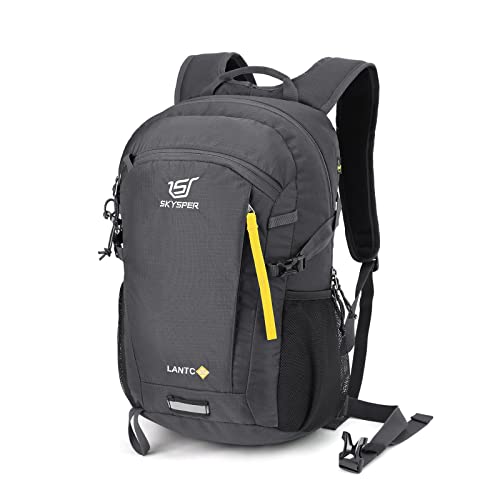
SKYSPER 20L Hiking Backpack for Men and Women
- ✓ Lightweight and comfortable
- ✓ Water-resistant and durable
- ✓ Multiple compartments and safety features
- ✕ Limited capacity for longer trips
- ✕ Not ideal for heavy loads
| Material | 600D polyester and 210D nylon plaid fabric, water-resistant and tear-resistant |
| Capacity | 20 liters |
| Dimensions | 10.3 x 7.4 x 16.9 inches |
| Weight | 1.1 lbs (approximately 0.5 kg) |
| Carrying System | Breathable grooved back panel with mesh fabric, adjustable chest strap, and removable straps |
| Safety Features | Reflective design, anti-theft zipper, safety whistle |
You’re standing at the trailhead, ready for a quick day hike, and you grab your SKYSPER 20L backpack. It feels surprisingly light in your hands, just over a pound, yet sturdy enough to hold all your essentials.
The compact size fits perfectly against your back, and the adjustable straps let you customize the fit without feeling bulky.
The water-resistant material immediately gives you peace of mind—no worries about unexpected rain or splashes on the trail. As you start walking, the breathable mesh on the back panel keeps your sweat at bay, making the hike more comfortable.
You notice the reflective accents catching the light, adding a layer of safety during low-light conditions.
The multiple compartments are a game-changer. You can store your phone, wallet, and snacks without everything jumbling together.
The anti-theft zipper feels secure, and the included emergency rescue guide is a thoughtful touch for outdoor safety. You appreciate the trekking pole fixtures and the removable straps, which allow you to adapt the pack for different activities or gear setups.
Even with a full load, the ergonomic design keeps your back relaxed. The adjustable chest strap and detachable straps help distribute weight evenly, reducing fatigue.
The bright yellow webbing and simple design make it stylish without sacrificing function. Whether you’re heading out for a quick city trip, a weekend hike, or just errands, this backpack handles it all with ease.
Overall, it’s a reliable, lightweight companion that’s perfect for light outdoor adventures or daily use. Its durability and thoughtful features make it stand out, especially considering the budget-friendly price.
G4Free 10L/15L Lightweight Packable Hiking Backpack

- ✓ Compact and lightweight
- ✓ Durable water-resistant material
- ✓ Easy to fold and pack
- ✕ Inner pocket not included pouch
- ✕ Limited capacity for bigger gear
| Unfolded Dimensions | 15.5 x 9 x 3.5 inches |
| Folded Size | 7.5 x 6 inches |
| Weight | 0.56 lb (approximately 254 grams) |
| Material | Thickened water-resistant polyamide |
| Capacity | Main compartment fits clothes and umbrella; front compartment for small items; two side pockets for organization |
| Closure | High-quality SBS zipper |
Many people assume that a lightweight, foldable backpack can’t handle much—just a flimsy bag to hold a few snacks. But I found out quickly that this G4Free 10L/15L pack packs more than enough punch for light hiking trips.
Its sturdy feel and water-resistant material immediately caught my eye.
Unfolding it from its compact folded size was a breeze, and I appreciated how compact it becomes—only 7.5 by 6 inches. Once open, the main compartment easily fit my lightweight jacket, water bottle, and a snack bar.
The front pocket held my keys and earphones without fuss, while the side pockets kept my phone and small essentials organized.
What surprised me most was how light it was—less than half a pound. I could carry it all day without feeling weighed down.
The thickened polyamide fabric felt durable, and the SBS zipper showed no signs of strain, even after a few uses in the rain. It’s perfect for spontaneous hikes or quick errands when you want something reliable but unobtrusive.
It’s versatile, too. I used it for biking, quick city trips, and even as an extra carry-on for baggage.
Its foldability makes packing it into your suitcase or car trunk super simple. Honestly, I kept thinking, “This might be my new go-to for lightweight, fuss-free adventures.”
If you’re after a small, durable, and packable hiking backpack, this one delivers. It’s a smart choice for anyone wanting a hassle-free way to stay organized on the go.
SKYSPER 15L Foldable Hiking Backpack with Chest Strap

- ✓ Compact and lightweight
- ✓ Multiple organized compartments
- ✓ Comfortable chest strap
- ✕ Limited capacity for longer trips
- ✕ Slight color variation in photos
| Capacity | 15 liters (measuring 16.9 x 10.8 x 4.7 inches) |
| Material | Polyester fabric resistant to abrasion and tearing |
| Weight | Approximately 0.75 pounds |
| Dimensions (Folded) | 7.9 x 6.7 inches |
| Compartments | Main compartment, 3 zippered pockets, hidden back pocket, two side mesh pockets |
| Additional Features | Chest strap with safety whistle, foldable design for portability |
Ever wrestled with a bulky backpack that just feels like it’s weighing you down? That was me trying to squeeze everything into my usual hiking pack—until I found the SKYSPER 15L Foldable Hiking Backpack.
The moment I unfolded it, I was impressed by how compact it was—about the size of a small book, yet surprisingly spacious inside.
Once packed, I loved how easy it was to organize my essentials. The large main compartment opens wide, so I could slip in my water bottle, snacks, and a light jacket without fuss.
The three zippered pockets kept smaller items like keys and phone secure, while the hidden back pocket was perfect for valuables.
The real game-changer was the upgraded chest strap with a safety whistle. During a leisurely trail, it kept the pack stable and comfortable, even when I was moving fast.
The strap didn’t dig in or cause discomfort, which is rare in lightweight packs like this. Plus, the breathable fabric and reinforced stitching made it feel sturdy despite weighing less than a pound.
Folding it back into its tiny 7.9 x 6.7-inch form was effortless and fun. It fit snugly into my luggage as a backup or quick grab bag.
The polyester fabric resisted scratches and tears, so I wasn’t worried about rough terrain. Overall, this backpack hits the sweet spot for light hikes, travel, and everyday errands—compact, durable, and super comfy.
Venture Pal 35L Ultralight Packable Travel Backpack

- ✓ Ultra-light and foldable
- ✓ Durable water-resistant fabric
- ✓ Multiple organized compartments
- ✕ Limited color options
- ✕ Slightly small for long hikes
| Material | High-quality, tear-resistant, water-resistant nylon |
| Capacity | 35 liters |
| Weight | 0.70 pounds (approximately 317 grams) |
| Dimensions | Foldable design, packs into its own pocket for compact storage |
| Straps and Safety Features | Breathable mesh shoulder straps, adjustable chest and shoulder straps, whistle buckle, reflective strips |
| Compartments | Main zippered section with two dividers, two front pockets, side pockets for water bottles or umbrellas |
This Venture Pal 35L Ultralight Packable Travel Backpack has been sitting on my wishlist for a while, mainly because I wanted something lightweight and reliable for quick hikes and travel days. When I finally packed it into my bag for a weekend trip, I was eager to see if it really lived up to its promises.
Right out of the box, I noticed how sturdy the fabric feels—high-quality, tear-resistant nylon that doesn’t skimp on waterproofing. It’s surprisingly tough for how light it is, and the reinforced double-layered bottom adds to its durability.
The main compartment is roomy, easily fitting extra clothes, snacks, and even a small jacket.
The foldable design is a game-changer. When not in use, it folds into its own pocket, making it super easy to stash away.
I used it as a carry-on for a flight, and it fit perfectly in the overhead compartment without adding bulk.
Carrying it around was comfortable thanks to the breathable mesh shoulder straps and adjustable chest strap with a whistle buckle—perfect for safety and stability. I appreciated the multiple compartments for organizing my phone, chargers, and water bottle.
The side pockets are deep enough to hold a standard water bottle securely.
Overall, this backpack feels like a solid mix of lightweight convenience and sturdy design. It’s ideal for day hikes, travel, or even bike rides.
For just $21.99, it’s a smart, versatile choice that doesn’t compromise on quality or practicality.
What Features Make a Backpack Ideal for Light Hiking?
The best backpack for light hiking should combine comfort, functionality, and durability.
- Lightweight Material: An ideal backpack should be made from lightweight yet durable materials like ripstop nylon or polyester, which help reduce overall weight without sacrificing strength. This is crucial for light hiking as it allows for easy carrying and quick movements on the trail.
- Comfortable Straps: Padded, adjustable shoulder straps and a sternum strap are essential for distributing the weight evenly across your shoulders and chest. This feature minimizes fatigue during hikes and provides stability, especially on uneven terrain.
- Hydration Compatibility: Many top backpacks come with a compartment or sleeve for a hydration reservoir or space for water bottles. Staying hydrated is vital during hikes, and having easy access to water encourages regular hydration without needing to stop and unpack.
- Multiple Compartments: A well-designed backpack should have various pockets and compartments for organizing gear, snacks, and personal items. Having these spaces helps you access essentials quickly and keeps your gear organized, making for a more enjoyable hiking experience.
- Weather Resistance: A water-resistant or waterproof exterior is beneficial for protecting your gear from unexpected rain or splashes. Look for backpacks with treated fabrics or rain covers to ensure your belongings stay dry during wet conditions.
- Ventilation: Backpacks with mesh panels and ventilation channels promote airflow against your back, reducing sweat build-up and increasing comfort during hot hikes. This feature is especially appreciated on warmer days when moisture can lead to discomfort.
- Adjustable Fit: An adjustable torso length allows the backpack to fit various body sizes and shapes. A proper fit is crucial for comfort and balance, reducing the risk of chafing and ensuring stable load distribution.
- Attachment Points: Look for backpacks with additional attachment points for gear such as trekking poles or sleeping bags. These features add versatility, allowing you to carry extra equipment securely without taking up space inside your pack.
Why is Weight Critical When Choosing a Hiking Backpack?
According to research conducted by the American Hiking Society, carrying a lighter backpack can significantly reduce fatigue and increase stamina during long hikes. A study published in the Journal of Sports Sciences indicated that for every additional pound carried, a hiker expends approximately 5% more energy, which can lead to quicker exhaustion and decreased enjoyment of the hike.
The underlying mechanism involves the biomechanics of movement and muscle fatigue. When a hiker carries a heavier load, their muscles must work harder to maintain balance and mobility, leading to quicker onset of fatigue. This increased load can alter gait and posture, increasing the risk of injury. Furthermore, a heavy backpack can strain the shoulders and back, causing discomfort and making the hike less enjoyable. Therefore, selecting a lightweight backpack is essential for optimizing performance and ensuring that the hiking experience remains enjoyable and fulfilling.
How Does the Size of a Backpack Influence Comfort on the Trail?
- Capacity: The capacity of a backpack, often measured in liters, dictates how much gear you can carry. A larger backpack can hold more items, but if it’s not necessary for a light hike, it can lead to unnecessary weight, making the hike less comfortable.
- Weight Distribution: The size of a backpack affects how weight is distributed across your body. A well-sized backpack should allow for even weight distribution, reducing strain on your back and shoulders, which is crucial for maintaining comfort over longer distances.
- Fit: A properly sized backpack should fit your torso length and hip structure. If the backpack is too large or too small, it can lead to discomfort, chafing, or instability, impacting your ability to walk efficiently on the trail.
- Accessibility: The size and design of a backpack can influence how easily you can access your gear. A medium-sized pack may strike a balance between capacity and accessibility, allowing you to quickly reach essentials without having to dig through a large volume of items.
- Ventilation: Larger backpacks may restrict airflow against your back, leading to discomfort from sweat accumulation. A smaller, well-designed backpack can offer better ventilation, enhancing comfort during light hiking by keeping you cooler and drier.
What Materials Should a Backpack Be Made From for Maximum Durability?
The best materials for a durable backpack designed for light hiking include:
- Nylon: Nylon is a popular choice due to its high strength-to-weight ratio and resistance to abrasion. It can withstand rough conditions and is often treated to be water-resistant, making it suitable for unpredictable weather during hikes.
- Polyester: Polyester is another durable material that offers good resistance to UV rays and fading. It is generally less expensive than nylon and provides adequate protection against moisture, making it a solid option for casual hikers.
- Ripstop Fabric: This material is woven to prevent tearing and ripping, ensuring longevity even under stress. Ripstop fabric is often used in combination with nylon or polyester, providing a lightweight yet robust solution for outdoor packs.
- Cordura: Known for its exceptional durability, Cordura is a type of nylon that is resistant to abrasions, tears, and scuffs. Backpacks made from Cordura are ideal for rugged terrains and heavy loads, ensuring they hold up over time.
- Canvas: While heavier than synthetic materials, canvas backpacks are incredibly durable and can withstand significant wear and tear. They are often treated for water resistance and can be more environmentally friendly, appealing to eco-conscious hikers.
- TPU Coating: Thermoplastic polyurethane (TPU) is often used as a coating on fabrics to enhance their waterproof capabilities. Backpacks with TPU-coated materials provide excellent weather protection, keeping contents dry during rain or wet conditions.
What Capacity Should a Backpack Have for Light Hiking?
Finally, multiple compartments in a light hiking backpack enhance organization, allowing hikers to efficiently pack and quickly access necessary items like food, tools, and navigation aids without having to rummage through the entire pack.
How Many Liters is Necessary for Day Hikes?
The amount of water needed for day hikes varies depending on several factors such as trail difficulty, weather conditions, and individual hydration needs.
- General Recommendation: It is generally advised to drink about 2 to 3 liters of water for a full day hike.
- Weather Considerations: Hot and dry conditions may require you to increase your water intake to prevent dehydration.
- Trail Intensity: More strenuous hikes may lead to higher fluid loss through sweat, necessitating additional water.
- Personal Hydration Needs: Individual factors such as body weight and personal hydration habits can influence how much water you need.
- Water Sources on Trail: Availability of water sources along the trail can affect how much you need to carry with you.
The general recommendation for day hikes is to drink about 2 to 3 liters of water, which is roughly half a liter for every hour of moderate activity. This ensures that you stay adequately hydrated throughout your hike.
Weather considerations play a significant role in hydration needs. If you are hiking in hot or dry conditions, you may need to increase your water intake to compensate for the additional fluid loss due to sweating and evaporation.
Trail intensity is another important factor; more strenuous hikes can lead to increased perspiration and fluid loss, which means you’ll need to drink more water to maintain hydration levels. If the hike is particularly challenging, consider carrying extra water or electrolyte drinks.
Personal hydration needs vary from person to person. Factors such as body weight, fitness level, and individual hydration habits can influence the amount of water required, so it’s essential to listen to your body and drink accordingly.
Lastly, the availability of water sources along the trail can significantly impact how much water you carry. If you know there are streams or water stations, you may choose to carry less water and refill as needed. However, always ensure that any water sources are safe to drink or can be treated before consumption.
What Essentials Should You Always Pack for Light Hiking?
When preparing for light hiking, it’s essential to pack wisely to ensure a safe and enjoyable experience.
- Water: Hydration is crucial, and packing enough water or a reliable water bottle is essential to keep you energized during your hike.
- Snacks: Lightweight, high-energy snacks like trail mix or energy bars can provide quick fuel and help maintain your energy levels while on the trail.
- First Aid Kit: A compact first aid kit can be invaluable for treating minor injuries or ailments, such as cuts, scrapes, or insect bites.
- Map and Compass: Even on well-marked trails, having a physical map and compass can help you navigate and prevent getting lost.
- Multi-tool or Knife: A multi-tool can serve various purposes, from food preparation to gear repair, making it a versatile addition to your pack.
- Weather-appropriate Clothing: Dressing in layers and packing extra clothing suitable for changing weather conditions can help you stay comfortable and dry.
- Sun Protection: Sunscreen, sunglasses, and a hat are vital for protecting yourself from harmful UV rays, especially on sunny days.
- Small Backpack: Choosing the best backpack for light hiking ensures that you can comfortably carry all your essentials without being weighed down.
Water is indispensable for maintaining hydration, especially during physical activities. A good rule of thumb is to drink regularly, even if you don’t feel thirsty, as dehydration can sneak up on you.
Snacks like trail mix or energy bars provide quick energy boosts; they are easy to pack and consume on the go. Opt for nutrient-dense items that will sustain your energy without weighing you down.
A first aid kit is essential for addressing any minor injuries you may encounter while hiking. Having basic supplies like band-aids, antiseptic wipes, and pain relievers can make a significant difference in your comfort.
Maps and compasses are important tools for navigation, even if you plan to stick to marked paths. They can help you understand your surroundings and provide a sense of direction if you stray off the trail.
A multi-tool or knife is a handy tool that can assist with various tasks, from opening packaging to making adjustments to gear. Their versatility makes them a practical choice for any outdoor excursion.
Weather-appropriate clothing is critical for comfort while hiking. Layering allows for easy adjustments to your clothing as temperatures change throughout the day, ensuring you stay warm or cool as needed.
Sun protection is vital to prevent sunburn and long-term skin damage. Applying sunscreen, wearing UV-blocking sunglasses, and a wide-brimmed hat can help shield you from the sun’s harmful rays.
Finally, selecting the best backpack for light hiking is crucial for carrying your essentials comfortably. A well-fitted, lightweight backpack allows for easy access to your gear while distributing weight evenly across your body, making your hiking experience much more enjoyable.
Which Brands are Recognized for the Best Light Hiking Backpacks?
Several brands are recognized for producing the best backpacks for light hiking:
- Osprey: Known for their innovative designs and comfort, Osprey backpacks often feature adjustable harnesses and a range of sizes to fit various body types. Their lightweight materials and excellent ventilation systems make them ideal for day hikes and light overnight trips.
- Deuter: Deuter offers a variety of light hiking backpacks that combine durability with a lightweight build. Their Aircomfort back system provides great breathability and comfort, making them suitable for longer hikes where ventilation is crucial.
- REI Co-op: REI Co-op’s backpacks are praised for their value and practicality, making them a favorite among casual hikers. They offer a range of lightweight options that often come with useful features such as hydration reservoir sleeves and multiple pockets for easy organization.
- Gregory: Gregory’s light hiking backpacks are designed with an emphasis on fit and functionality. Their attention to ergonomic design ensures that the weight is evenly distributed, reducing fatigue during hikes and allowing for more enjoyable adventures.
- North Face: The North Face is well-regarded for its sturdy and reliable backpacks that can withstand various weather conditions. Their lightweight options often include features like hydration compatibility and external gear loops, making them versatile for different hiking needs.
- Arc’teryx: Arc’teryx is synonymous with high-performance gear, and their light hiking backpacks are no exception. With a focus on minimalist design and advanced materials, these packs are both lightweight and incredibly durable, ideal for serious hikers looking for quality and function.
What Features Set Top Brands Apart from Others?
The features that set top brands apart when it comes to the best backpack for light hiking include quality materials, ergonomic design, weight distribution, and additional functional features.
- Quality Materials: The best backpacks utilize high-quality, durable materials such as ripstop nylon or polyester, which resist tearing and are water-resistant. This ensures that the backpack can withstand various environmental conditions and maintains its integrity over time.
- Ergonomic Design: Top brands focus on creating backpacks that conform to the natural shape of the body, providing comfort during extended use. This includes padded shoulder straps, adjustable hip belts, and back panels designed for ventilation, which help to reduce fatigue and improve overall fit.
- Weight Distribution: A well-designed backpack will have a structure that allows for optimal weight distribution, reducing stress on the back and shoulders. Features such as multiple compartments and load-lifting straps enable users to pack items in a balanced manner, making it easier to carry heavier loads over longer distances.
- Additional Functional Features: Many leading backpack brands incorporate features like hydration reservoirs, multiple access points, and external attachment points for gear. These thoughtful additions enhance usability, allowing hikers to stay hydrated and organized without having to dig through the main compartment frequently.
Are There New Brands Worth Considering in Today’s Market?
Several new brands are emerging in the outdoor gear market that are worth considering for the best backpack for light hiking.
- Hyperlite Mountain Gear: This brand focuses on ultralight gear, and their backpacks are designed with minimalist principles in mind. Their products are made from Dyneema fabric, which is incredibly strong yet lightweight, making them ideal for those who prioritize weight savings on long hikes.
- Osprey’s new models: Osprey has recently released several innovative backpacks that incorporate advanced materials and ergonomic designs. Their new models often feature adjustable torso lengths and ventilated back panels, ensuring comfort during light hiking while maintaining a lightweight profile.
- Deuter: Known for their high-quality craftsmanship, Deuter has introduced a line of environmentally friendly backpacks made from recycled materials. Their packs often include features such as hydration systems and adjustable straps, catering to the needs of light hikers who want both functionality and sustainability.
- REI Co-op: REI has recently expanded its in-house brand offerings, providing affordable yet high-quality backpacks suitable for light hiking. These backpacks often come with thoughtful features like multiple pockets for organization and are backed by a lifetime warranty, making them a reliable choice for budget-conscious hikers.
- Granite Gear: This brand is gaining traction with its focus on lightweight backpacking gear. Their backpacks often feature minimalist designs with premium materials, providing durability without the excessive weight, which appeals to hikers looking to reduce pack weight.
What Common Mistakes Should You Avoid When Buying a Hiking Backpack?
When purchasing a hiking backpack, it’s essential to avoid several common mistakes to ensure you choose the best backpack for light hiking.
- Ignoring the Fit: A backpack that doesn’t fit properly can lead to discomfort and fatigue on the trail. It’s important to try on different sizes and styles to find one that aligns with your torso length and hip size, ensuring that the weight is distributed evenly for optimal support.
- Overlooking Weight: Picking a heavy backpack can negate the benefits of light hiking. Look for lightweight materials that offer durability without adding unnecessary weight, allowing you to hike longer distances with less strain.
- Choosing the Wrong Capacity: Selecting a backpack with too much or too little capacity can impact your hiking experience. Assess the duration of your hikes and the gear you’ll need; a pack that holds 20-30 liters is typically sufficient for day hikes, while weekend trips may require 40-50 liters.
- Neglecting Ventilation: A lack of ventilation can cause discomfort and excessive sweating during hikes. Opt for a backpack with breathable mesh back panels and adequate airflow to keep your back cool and comfortable as you move.
- Forgetting About Organization: A disorganized backpack can make it difficult to access your gear quickly. Look for packs with multiple compartments and pockets that allow for easy organization of items like snacks, water bottles, and first aid kits.
- Skipping Hydration Options: Staying hydrated is crucial during hikes, yet many overlook hydration compatibility. Choose a backpack that accommodates a hydration reservoir or has easy access to water bottle pockets to ensure you can drink water without stopping frequently.
- Not Considering Durability: Investing in a backpack made from subpar materials can lead to early wear and tear. Check the fabric quality, stitching, and zippers to ensure they can withstand the elements and rough handling on the trail.
- Ignoring Additional Features: Many backpacks come with features that can enhance your hiking experience, such as rain covers, external attachment points, or removable hip belts. Consider what additional features will best suit your hiking style and needs.
Why is Overpacking a Common Pitfall for Hikers?
Additionally, social influences can play a role in overpacking. Hikers may observe their peers carrying a plethora of gear and feel compelled to do the same, assuming that this reflects preparedness and competence. This social comparison can further perpetuate the cycle of overpacking, as individuals seek to align their gear choices with perceived norms within their hiking community.
How Does Choosing the Wrong Fit Affect Your Hiking Experience?
- Discomfort: An ill-fitting backpack can lead to pain in the shoulders, back, and hips, making the hike less enjoyable.
- Poor Weight Distribution: If the backpack doesn’t fit properly, it may not distribute weight evenly, causing fatigue and affecting balance.
- Lack of Accessibility: A backpack that is too large or awkwardly shaped can make it difficult to access essential items quickly.
- Increased Risk of Injury: A wrong fit can lead to strains or sprains, particularly during longer hikes where the body is under continuous stress.
- Reduced Stability: A backpack that shifts or bounces while walking can hinder stability, making it harder to navigate uneven terrain.
Discomfort is one of the most immediate effects of a poorly fitted backpack; it can lead to soreness that detracts from the hiking experience. If the straps dig into your shoulders or the hip belt rides too high or low, it can create a constant distraction.
Poor weight distribution is another significant issue; a backpack that hangs too low or shifts during movement can create uneven pressure points and lead to muscle fatigue much sooner than anticipated. This imbalance can also affect your posture, further compounding discomfort.
Lack of accessibility can become a safety concern; if you need to quickly grab water, snacks, or first-aid supplies and your backpack isn’t designed for easy access, you may waste valuable time fumbling around. This can be particularly problematic in emergency situations.
Increased risk of injury is a serious consideration, especially on longer hikes where fatigue sets in. An improperly fitting backpack can lead to strains in your back or shoulders, limiting your ability to enjoy future hikes.
Finally, reduced stability can make navigating tricky terrain difficult; if your backpack shifts, it can throw off your center of gravity, increasing the chances of a fall or misstep. This can detract from your confidence and enjoyment while hiking.
How Can You Ensure the Right Fit for Your Hiking Backpack?
To ensure you find the best backpack for light hiking, consider the following factors:
- Capacity: Choose a backpack with the right volume to hold your essentials without being too bulky.
- Fit and Comfort: Ensure the backpack fits your torso length and has adjustable straps for a snug fit.
- Weight: Opt for lightweight materials to avoid adding unnecessary burden on your hike.
- Ventilation: Look for backpacks with breathable back panels to enhance airflow and reduce sweating.
- Pockets and Organization: Select a backpack with multiple compartments to keep your gear organized and easily accessible.
- Durability: Consider the material and construction to ensure the backpack withstands wear and tear during your hikes.
Capacity: The backpack’s capacity is crucial, as it should be able to hold your gear comfortably for a day hike without excessive room that adds weight. A capacity of 20 to 30 liters is typically ideal for light hiking, allowing you to carry water, snacks, a first-aid kit, and a light jacket.
Fit and Comfort: The right fit is essential for comfort during your hike. Backpacks come in various sizes, and it’s important to match the backpack to your torso length, with adjustable straps to customize the fit further, preventing discomfort and chafing.
Weight: Lightweight backpacks are preferable for light hiking, as they reduce fatigue over long distances. Look for models made from lightweight yet durable fabrics that provide functionality without excessive weight.
Ventilation: A well-ventilated backpack helps prevent overheating and excessive sweating during your hike. Features such as mesh back panels and air channels can enhance airflow, making your hike more comfortable.
Pockets and Organization: Having multiple pockets and compartments allows you to keep your gear organized, making it easy to find what you need quickly. Look for external pockets for water bottles and quick-access items, as well as internal compartments for organizing smaller essentials.
Durability: The materials used in the backpack’s construction affect its durability and longevity. Choose a backpack made from robust fabrics with reinforced stitching to ensure it can handle the rigors of outdoor adventures without falling apart.
What Adjustments Can You Make for Optimal Comfort?
To ensure optimal comfort while using the best backpack for light hiking, consider the following adjustments:
- Adjustable Straps: Properly adjusting the shoulder, chest, and hip straps can significantly enhance comfort. These straps help distribute the weight of the backpack evenly across your body, preventing strain on specific areas during your hike.
- Load Lifters: Utilizing load lifters, if available, can help pull the pack closer to your body. This adjustment not only improves balance and stability but also reduces the likelihood of back pain by keeping the weight centered over your hips.
- Hip Belt Position: Positioning the hip belt correctly on your hips can relieve pressure from your shoulders and transfer the load to your stronger lower body. Ensure the belt is snug but not overly tight, allowing freedom of movement without slipping.
- Back Panel Ventilation: A well-ventilated back panel can enhance comfort by reducing sweat and heat buildup. Look for backpacks with mesh or breathable materials that promote airflow, keeping your back cooler during the hike.
- Pack Height Adjustment: Adjusting the height of the pack according to your torso length can improve fit. A properly sized pack will prevent it from shifting during movement, providing stability and reducing the risk of chafing.
- Compression Straps: Using compression straps can stabilize the load and minimize pack movement, which is especially beneficial during uphill climbs or rough terrains. Tightening these straps helps keep the contents secure and closer to your body for added comfort.
Why is Ventilation Important, and How Can You Achieve It?
Ventilation in a backpack is crucial for maintaining comfort during light hiking. As you hike, your body generates heat and sweat, which can lead to discomfort and even chafing. A well-ventilated backpack allows moisture to escape and air to flow, providing a cooler and more pleasant experience on the trail.
To achieve effective ventilation, consider the following features:
-
Mesh Back Panels: Many hiking backpacks have breathable mesh materials in the back panel. This design promotes airflow and helps wick moisture away from your skin.
-
Ventilated Straps: Look for padded shoulder straps that are made from materials that allow air circulation. This prevents heat buildup in areas that are in constant contact with your body.
-
Suspended Designs: Some backpacks utilize a suspended mesh design that creates space between the backpack and your back. This space enhances airflow and minimizes contact, further reducing sweat accumulation.
-
Compatibility with Hydration Systems: Many modern backpacks allow for hydration bladders or reservoirs that can keep you hydrated while avoiding the need to frequently stop, thus minimizing heat build-up.
By selecting a backpack with proper ventilation, hikers can improve their comfort levels, reduce sweating, and enhance their overall experience on the trail.
Related Post: