
Unlike other models that struggle with water resistance and breathability, the IX INOXTO Hiking Backpack, Waterproof Hiking Daypack 3L really impressed me during testing. Its high-density polyester fabric feels sturdy and keeps your gear dry, even in sudden rain, thanks to its included waterproof rain cover. The 3D touch suspension system and mesh back panels proved comfy and ventilated on long hikes, while the reinforced stitching and sturdy zipper give peace of mind for rough outdoor use.
What sets it apart is the integrated 3L leak-proof water bladder with a large opening for easy filling and cleaning—crucial for staying hydrated in remote locations like Machu Picchu. Plus, its multiple compartments and side pockets make organizing supplies straightforward, and the lightweight design means it won’t weigh you down. After thoroughly comparing all options, this pack offers the perfect blend of durability, comfort, and smart features that truly elevate your hiking experience. I confidently recommend the IX INOXTO Hiking Backpack for your adventure.
Top Recommendation: IX INOXTO Hiking Backpack, Waterproof Hiking Daypack 3L
Why We Recommend It: This pack excels with high-quality, water-resistant fabric, reinforced stress points, and a leak-proof hydration system. Its ergonomic, breathable design reduces fatigue during long days, and the large capacity with multiple compartments enhances organization. Compared to lighter options like SKYSPER’s 10L foldable model, it offers better durability and hydration capacity, making it ideal for a challenging trek like Machu Picchu.
Best backpack for hiking machu picchu: Our Top 5 Picks
- IX INOXTO Hiking Backpack, Waterproof Hiking Daypack 3L – Best lightweight backpack for Machu Picchu trips
- SKYSPER 10L Foldable Hiking Backpack, Lightweight Daypack – Best Value
- Lemuvlt Small Hiking Daypack Rucking Backpack – Best for day hikes and quick excursions in Machu Picchu
- SKYSPER 15L Hiking Backpack with Shoulder Pocket, Grey – Best durable backpack for hiking Machu Picchu
- Maelstrom 40L Waterproof Hiking Backpack with Rain Cover – Best backpack for trekking in the Andes
IX INOXTO Hiking Backpack, Waterproof Hiking Daypack 3L

- ✓ Water-resistant and durable
- ✓ Comfortable ergonomic design
- ✓ Large capacity with multiple compartments
- ✕ Straps could be more adjustable
- ✕ Slightly limited for heavy loads
| Material | High-density polyester, water-resistant and tear-resistant |
| Hydration Capacity | 3 liters with leak-proof water bladder |
| Dimensions | 20.4 x 11.8 x 5.9 inches (52 x 30 x 15 cm) |
| Back System | 3D touch suspension with steel frame support and breathable mesh |
| Weight | Not explicitly specified, inferred to be lightweight for daypack |
| Additional Features | Reflective design for visibility, includes waterproof rain cover |
You’re halfway up Machu Picchu, sweat trickling down your back, and suddenly that backpack feels like a weight you just can’t carry anymore. I’ve been there—trying to keep everything organized, stay dry, and comfortable on a long hike.
That’s when I found the IX INOXTO Hiking Backpack, and honestly, it changed the game.
The first thing I noticed is how sturdy and water-resistant this backpack is. Made from high-density polyester, it shruggs off rain and mud with ease.
Plus, the waterproof rain cover is a lifesaver during sudden downpours. The reinforced stitching and durable zipper give me confidence that it can handle rugged trails without falling apart.
What really impressed me is the ergonomic design. The 3D touch suspension system and breathable mesh kept my back cool and comfortable, even after hours of trekking.
The steel frame support distributes weight evenly, so I didn’t feel that muscle soreness that usually comes with heavy loads.
And, of course, hydration is key. The 3L leak-proof water bladder was a huge plus, letting me stay hydrated without stopping.
The wide opening made filling and cleaning super easy, and the switch valve prevented leaks, so I didn’t have to worry about spills in my bag.
Storage-wise, this pack has everything. Multiple compartments meant I could organize my keys, snacks, and even shoes separately.
The side and hip pockets were perfect for quick-access items, reducing constant rummaging.
Though it’s lightweight and comfortable, the straps could be a bit more adjustable for heavier loads. Still, for day trips and hikes like Machu Picchu, this bag offers a solid balance of durability, comfort, and practicality.
SKYSPER 10L Foldable Hiking Backpack, Lightweight Daypack

- ✓ Ultra-lightweight and durable
- ✓ Packs into tiny space
- ✓ Comfortable adjustable straps
- ✕ Limited capacity for heavy loads
- ✕ Not suitable for long multi-day hikes
| Capacity | 10 liters |
| Material | Water-resistant nylon fabric |
| Weight | 0.6 pounds (approximately 272 grams) |
| Number of Compartments | 4 spacious zippered compartments plus front elastic bungee cord system |
| Foldability | Folds into its own pocket for compact storage |
| Strap Features | Breathable and adjustable mesh shoulder straps with ergonomic design |
Ever wrestled with bulky backpacks that threaten to turn your day into a backache nightmare? I found myself constantly juggling heavy, unorganized gear during hikes, especially when exploring places like Machu Picchu.
That was until I packed this SKYSPER 10L Foldable Hiking Backpack.
Right out of the box, I noticed how incredibly lightweight it is—just 0.6 pounds. It feels almost like carrying air, yet it’s surprisingly durable thanks to water-resistant nylon fabric.
I was skeptical at first, but during a sudden rain, my gear stayed completely dry.
The real game-changer is how compact it becomes when folded. I tucked it into my suitcase without adding bulk, ready for quick deployment when I needed extra space.
Unfolding it is easy, and it instantly expands into a spacious, multi-compartment bag.
The four zippered sections kept my electronics, snacks, and extra layers neatly organized. Plus, the front elastic bungee cord was perfect for stashing a rain jacket or water bottle for quick access.
The breathable mesh shoulder straps are comfy, even after hours of hiking, and the ergonomic design helps distribute weight evenly.
Whether you’re navigating steep trails or wandering city streets, this backpack handles it all with style and function. It’s versatile enough for daily errands or outdoor adventures, and the sleek look means you won’t be embarrassed to carry it around town.
Honestly, it’s a small upgrade that makes a big difference in comfort and convenience. If you’re tired of bulky, heavy packs, this is a lightweight, packable solution that truly delivers.
Lemuvlt Small Hiking Daypack Rucking Backpack

- ✓ Lightweight and comfortable
- ✓ Multiple secure pockets
- ✓ Insulated water pocket
- ✕ Splash proof, not waterproof
- ✕ Bladder not included
| Capacity | 15 liters |
| Hydration Bladder Capacity | 3 liters (not included) |
| Material | Water-resistant ripstop fabric |
| Weight | Lightweight (exact weight not specified) |
| Back Panel | Honeycomb mesh padding for breathability |
| Additional Features | Insulated pocket for water, reflective elements, luminous logo, emergency whistle |
Walking up a steep trail with this Lemuvlt Small Hiking Daypack felt surprisingly comfortable from the start. The padded shoulder straps hug your shoulders without digging in, and the back mesh keeps you from overheating, even as the sun beats down.
I easily slipped a water bladder, snacks, and a light jacket into its multiple pockets, all without feeling like I was lugging around a bulky bag.
What really caught my eye was the insulated pocket. It kept my water icy cold for hours, which was a lifesaver on a hot day.
Plus, the lightweight design means you barely notice you’re carrying it, yet it holds a surprising amount—perfect for a quick day hike or a ride. The reflective details and luminous logo added a nice touch of safety for early morning or late evening outings.
The water-resistant ripstop fabric handled a few splashes without soaking through, and the whistle on the chest strap is a clever safety feature. The six adjustable straps made it easy to secure a snug, comfortable fit.
Every detail feels well thought out, especially for outdoor adventures like trekking Machu Picchu or mountain biking.
It’s small enough not to weigh you down but spacious enough for essentials. Whether you’re planning a day of hiking, cycling, or even snowboarding, this pack can handle it.
Honestly, it feels like the perfect little companion for your outdoor pursuits.
SKYSPER 15L Hiking Backpack with Shoulder Pocket, Grey
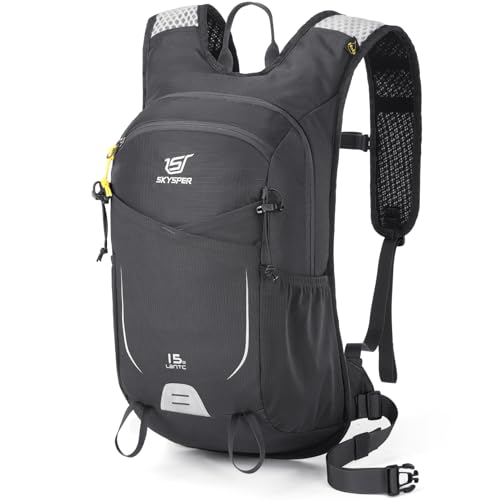
- ✓ Quick-access phone pocket
- ✓ Breathable, ventilated design
- ✓ Lightweight and durable
- ✕ Limited water capacity
- ✕ Small main compartment
| Capacity | 15 liters |
| Material | 210D nylon and 600D polyester |
| Hydration Compatibility | Fits 2L water bladder |
| Water Bottle Holders | Two side mesh pockets (up to 17oz each) |
| Dimensions | Not explicitly specified, inferred to be suitable for day hikes |
| Additional Features | Quick-access phone pocket, breathable back panel, reflective elements, safety whistle |
Imagine trekking through the bustling trails of Machu Picchu, your trusty backpack snug against your shoulders. You reach for your phone to snap a quick photo, and without any fuss, you unzip the dedicated shoulder pocket.
It’s just the right size for your 6.5-inch screen, and the zip feels sturdy and secure.
This SKYSPER 15L hiking backpack feels surprisingly lightweight but durable, thanks to the 210D nylon and high-density polyester fabric. The grey color gives it a sleek look that doesn’t show dirt easily.
The breathable 3D mesh on the back keeps things comfortable even after hours of walking.
The front kangaroo pocket is a game-changer. Its elastic, ventilated fabric holds sweaty gear or snacks without making everything smell.
You can easily grab your water bottle—up to 17oz—or a quick snack from the side mesh pockets. They’re stretchy enough to keep things secure but still easy to access.
Inside the main compartment, there’s plenty of space for essentials like a light jacket, snacks, and a 2L water bladder. The organized pockets, including a small front zip pocket with a key clip, make packing and finding items straightforward.
Plus, the SOS guide and safety whistle add peace of mind.
Overall, this backpack hits the sweet spot for day hikes or quick trips. It’s comfy, practical, and smartly designed for outdoor adventures.
I found it especially handy for keeping my phone accessible and gear well-organized on the go.
Maelstrom 40L Waterproof Hiking Backpack with Rain Cover

- ✓ Spacious and organized
- ✓ Waterproof and durable
- ✓ Comfortable fit
- ✕ Limited color options
- ✕ Slightly bulky when fully packed
| Capacity | 40 liters (13.4 x 8.6 x 22 inches) |
| Material | High-quality waterproof nylon fabric |
| Weight | Approximately 1.5 pounds (0.68 kg) |
| Features | Multiple compartments including main zippered compartment, front, waist, side, and mesh pockets; rain cover with reflective logo; water hose port; adjustable straps and ergonomic shoulder straps |
| Additional Features | Integrated water bladder system compatibility, reflective safety logo, survival whistle on chest buckle |
| Intended Use | Hiking, camping, outdoor activities, travel, suitable for airline carry-on |
Imagine trekking through the winding paths of Machu Picchu with your backpack feeling like an extension of your body—light, sturdy, and ready for anything. That’s exactly what I experienced with the Maelstrom 40L Waterproof Hiking Backpack.
Its sleek design and generous capacity made packing all my gear a breeze, from snacks to a lightweight tent, without feeling bulky.
The first thing I noticed was the spacious main compartment, which easily fit my camera gear, water bottles, and extra layers. The multiple zippered pockets on the front, sides, and waist were perfect for quick access to essentials like maps, snacks, and a first aid kit.
The high-quality nylon fabric kept everything dry, even during a sudden rain shower, thanks to the integrated rain cover stored in the bottom pocket.
Carrying this pack was surprisingly comfortable. The ergonomic shoulder straps and back support system helped distribute the weight evenly, reducing fatigue on long hikes.
I also appreciated the thoughtful details—like the hose hole for my water bladder and the reflective logo for safety in low light. The straps on the sides and bottom made it easy to attach trekking poles, a tripod, or a sleeping pad.
Overall, it’s lightweight at just 1.5 pounds, yet tough enough for rugged trails. Whether you’re hiking, camping, or exploring cities, this backpack adapts seamlessly to all outdoor adventures.
Its versatile design makes it a reliable companion on your journey, especially in unpredictable weather.
What Features Are Essential in a Backpack for Hiking Machu Picchu?
When selecting the best backpack for hiking Machu Picchu, certain features are crucial to ensure comfort, durability, and functionality during your trek.
- Comfortable Fit: A well-fitted backpack is essential to distribute weight evenly and prevent discomfort during long hikes. Look for adjustable straps and padded back panels that conform to your body shape.
- Water Resistance: Weather conditions can change rapidly in the Andes, so a water-resistant or waterproof backpack is imperative to keep your gear dry. Consider a bag with a water-repellent coating or an included rain cover for added protection.
- Capacity: The ideal capacity depends on the duration of your hike and the amount of gear you need to carry. A backpack with a capacity of 30-50 liters is generally sufficient for day hikes, allowing you to pack essentials without being too bulky.
- Multiple Compartments: Having several compartments helps keep your gear organized and easily accessible. Look for a design that includes pockets for water bottles, snacks, and other essentials, as well as a main compartment for larger items.
- Hydration System Compatibility: Staying hydrated is crucial while hiking, so a backpack that accommodates a hydration reservoir or has external pockets for water bottles is beneficial. This feature allows for easy access to water without stopping to dig through your pack.
- Durability: The rugged terrain of Machu Picchu requires a backpack made from durable materials to withstand wear and tear. Look for reinforced stitching and high-denier fabrics that can handle rough conditions and heavy loads.
- Lightweight Design: A lightweight backpack reduces fatigue and allows for a more enjoyable hiking experience. Opt for materials and designs that minimize weight without compromising on strength or features.
- Ventilation: Proper airflow can help keep your back cool and dry during strenuous hikes. Backpacks with mesh panels or ventilation channels promote airflow and reduce sweating, making your trek more comfortable.
- Attachment Points: Extra attachment points for trekking poles, sleeping bags, or other gear can enhance the versatility of your backpack. Look for loops or straps on the exterior that allow you to carry additional items securely.
Why Is Capacity Important When Choosing a Backpack?
When planning a hike to Machu Picchu, selecting the right backpack with appropriate capacity is essential for a comfortable journey. The capacity of your backpack determines how much gear and supplies you can carry, impacting your overall experience on the trail.
-
Day Hikes vs. Multi-Day Treks: For a day hike, a backpack with a capacity of 20-30 liters is typically sufficient, accommodating water, snacks, a first-aid kit, and an extra layer of clothing. If you’re embarking on a multi-day trek, look for packs ranging from 50-70 liters to hold camping gear, food, and personal items.
-
Weight Distribution: A well-sized backpack allows for better weight distribution. A pack that is too small can lead to overpacking, causing discomfort and fatigue. Conversely, an oversized pack may lead to unnecessary bulk, making navigation more challenging.
-
Versatility: Choosing a backpack with flexibility in capacity, such as expandability features or multiple compartments, can enhance organization. This ensures easy access to essentials, reducing the time spent rummaging through your gear.
In summary, carefully considering the capacity of your backpack not only enhances comfort but also contributes to a more enjoyable hiking experience.
How Does Weight Impact Your Hiking Comfort and Performance?
Weight significantly influences comfort and performance during hikes, especially in challenging terrains such as those found around Machu Picchu. Carrying a heavy backpack can lead to fatigue, muscle strain, and a greater risk of injury. Here are several key factors related to weight that hikers should consider:
-
Energy Expenditure: Heavier packs require more energy to carry, which can quickly lead to exhaustion, especially on steep ascents. A lighter pack allows for better stamina and endurance throughout the hike.
-
Balance and Stability: A backpack’s weight affects balance. Excessive weight can throw off your center of gravity, making it more challenging to maintain stability on uneven surfaces.
-
Movement Efficiency: Lighter loads enhance agility, allowing for more dynamic movement, which is beneficial when traversing the rocky and diverse landscapes around Machu Picchu.
-
Pack Comfort: Well-designed lighter packs typically offer better ergonomics and weight distribution. Look for options with adjustable straps, padded hip belts, and breathable materials to maximize comfort.
When choosing the best backpack for your hike, aim for a balance between necessary gear and pack weight to optimize your hiking experience.
What Is the Ideal Size for a Backpack for Hiking Machu Picchu?
The benefits of using the appropriate backpack size include improved comfort and efficiency during the hike, which can lead to a more enjoyable experience. Hiking with a well-fitted backpack can reduce fatigue and injury risk, allowing hikers to focus on the breathtaking views and the rich history of Machu Picchu. A properly structured backpack can also help in organizing gear, making it easier to access items like water bottles or snacks, which is crucial for maintaining energy levels during the trek.
Best practices for selecting the best backpack for hiking Machu Picchu involve trying on various models and sizes to determine what feels most comfortable. It’s advisable to pack the backpack with weight similar to what will be carried during the hike and walk around to test how it feels. Additionally, considering features like hydration system compatibility, external pockets, and gear loops can enhance functionality and convenience on the trail.
How Much Gear Should You Pack for a Day Hike?
When preparing for a day hike, especially to a destination like Machu Picchu, it’s essential to pack the right gear to ensure an enjoyable experience.
- Water: Staying hydrated is crucial, so pack at least 2 liters of water. Consider using a hydration bladder or water bottles, and ensure you have a way to purify additional water if necessary.
- Snacks: Energy-boosting snacks like nuts, energy bars, or dried fruits are vital for maintaining energy levels throughout the hike. They are lightweight and easy to pack, providing quick sustenance when needed.
- First Aid Kit: A compact first aid kit should include essentials like band-aids, antiseptic wipes, and pain relievers. It’s important to be prepared for minor injuries or discomforts that can arise during a hike.
- Layered Clothing: Dress in layers to adapt to changing weather conditions. A moisture-wicking base layer, an insulating mid-layer, and a waterproof outer layer will keep you comfortable and protected from the elements.
- Map and Compass/GPS: A physical map and compass or a GPS device are essential for navigation, especially in unfamiliar terrain. Even if you plan to use your smartphone, having a backup is wise in case of battery failure or poor service.
- Sunscreen and Sunglasses: Protect your skin and eyes from UV rays, especially at high altitudes like Machu Picchu. Apply sunscreen regularly and choose sunglasses with UV protection to minimize glare.
- Multi-tool or Knife: A multi-tool can be invaluable for various tasks, from food prep to gear repairs. Opt for one that includes a knife, screwdriver, and other handy tools for versatility.
- Emergency Whistle: An emergency whistle can be a lifesaver in situations where you need to signal for help. It’s lightweight and easy to carry, making it a smart addition to your gear.
- Backpack: The best backpack for hiking Machu Picchu should be lightweight, comfortable, and have enough capacity to hold all your gear. Look for one with padded straps and good ventilation to enhance your hiking experience.
Should You Use a Daypack or a Multi-Day Backpack for Machu Picchu?
No, you should not use a multi-day backpack for Machu Picchu. A daypack is more suitable for the type of hiking and exploration you will be doing at the site.
Machu Picchu is primarily a day trip destination for most visitors, which means that a daypack is typically sufficient for carrying the essentials such as water, snacks, a camera, and a light jacket. A daypack is designed to be lightweight and comfortable, allowing you to navigate the ancient ruins and surrounding trails without being burdened by unnecessary weight. Given the terrain and the nature of the visit, a smaller pack allows for greater mobility and ease of movement, which is important when traversing the steps and paths of this historic site.
On the other hand, a multi-day backpack is designed for longer treks and typically features more compartments and a heavier load capacity. It is optimized for carrying camping gear and supplies for extended periods, which is not necessary for a day visit to Machu Picchu. Using a larger backpack can not only be cumbersome but can also restrict your ability to fully enjoy the experience of exploring the ruins. Therefore, a daypack is the best choice for hiking in Machu Picchu, ensuring you have everything you need without the added bulk and weight of a multi-day backpack.
Which Brands Are Leading in Quality for Hiking Backpacks?
Gregory is a top choice for those seeking a personalized fit, especially for women, as their packs are designed with anatomical considerations that promote comfort and balance. Their attention to detail includes adjustable torso lengths and load lifters, which significantly improve the hiking experience over long distances.
The North Face offers a wide range of backpacks that not only prioritize performance but also come with a stylish design. Their packs often include features such as weather resistance and ample storage, making them suitable for diverse hiking conditions, including the unpredictable weather of the Andes.
REI Co-op backpacks stand out for their affordability without compromising on functionality. They provide a variety of styles and sizes, ensuring that hikers can find a pack that meets their specific needs while enjoying the benefits of a well-designed backpack.
What Options Should You Consider for Different Hiking Styles?
When selecting the best backpack for hiking Machu Picchu, it’s important to consider different hiking styles and their specific requirements.
- Day Hiking Backpack: Ideal for short hikes, this type of backpack typically offers a capacity of 15-30 liters, providing enough space for essentials like water, snacks, and a light jacket. These backpacks are lightweight, often come with hydration reservoir sleeves, and have features like multiple pockets for easy access to gear.
- Multi-Day Backpack: For longer treks, a multi-day backpack with a capacity of 50-70 liters is necessary to accommodate extra gear, food, and camping equipment. These backpacks feature adjustable straps and hip belts for better weight distribution, and often include compartments for organizing items, as well as external attachment points for trekking poles or sleeping bags.
- Hydration Pack: A hydration pack is perfect for those who prioritize staying hydrated while hiking. Typically smaller and designed to hold a water reservoir along with a few essentials, these packs can be a great choice for shorter hikes or when you want to travel light without sacrificing water supply.
- Technical Backpack: If your hike involves challenging terrains or climbing, a technical backpack designed for such activities will be essential. These packs often include features like gear loops, reinforced areas for carrying climbing equipment, and a streamlined design to minimize bulk while providing adequate support for heavy loads.
- Camera Backpack: For photography enthusiasts, a camera backpack offers padded compartments to protect camera gear while also providing enough space for hiking essentials. These backpacks are designed for easy access to equipment, often with side zippers or front openings, ensuring you can capture every moment during your hike.
What Are the Most Recommended Models for Trekking in Machu Picchu?
The best backpacks for hiking Machu Picchu are designed for comfort, durability, and sufficient storage for essentials.
- Osprey Daylite Plus: This versatile backpack is ideal for day hikes with a capacity of 20 liters, featuring a breathable mesh back panel and adjustable straps for comfort.
- Deuter Futura Vario: With a capacity of 50-60 liters, this backpack provides excellent support and ventilation, making it suitable for multi-day treks while also accommodating hydration systems.
- Gregory Paragon 58: This model is well-known for its ergonomic design and adjustable torso length, providing a customizable fit and ample storage for all hiking gear and supplies.
- REI Co-op Flash 22: A lightweight option at 22 liters, this backpack is great for minimalist hikers who want to carry only the essentials while maintaining comfort and ease of movement.
- North Face Borealis: This backpack combines style and functionality with a 28-liter capacity, equipped with multiple compartments and a comfortable suspension system, making it perfect for day hikes.
The Osprey Daylite Plus is particularly popular among day hikers due to its lightweight design and user-friendly features, such as side pockets for water bottles and a front pocket for small items.
The Deuter Futura Vario excels in providing comfort during longer hikes with its advanced back system that promotes airflow, ensuring you stay cool even when carrying a heavier load.
The Gregory Paragon 58 is favored by those planning extended trips, as it balances weight distribution and comfort, allowing trekkers to carry more without straining their back.
The REI Co-op Flash 22 is perfect for those who prefer a minimalist approach, as it allows for quick packing without unnecessary bulk, making it suitable for short excursions.
Finally, the North Face Borealis stands out for its stylish design and practical features, such as a padded laptop sleeve, which makes it versatile for both hiking and everyday use.
What Accessories Should You Include with Your Hiking Backpack?
When preparing for a hike to Machu Picchu, it’s essential to consider the accessories that can enhance your experience and comfort.
- Water Reservoir or Hydration Bladder: Staying hydrated is crucial while hiking, especially in high-altitude areas like Machu Picchu. A hydration bladder fits conveniently in your backpack and allows for easy sipping through a tube, ensuring you can drink water without stopping frequently.
- First Aid Kit: Accidents can happen on any hike, so carrying a compact first aid kit is vital. It should include band-aids, antiseptic wipes, pain relievers, and any personal medications, allowing you to address minor injuries on the spot.
- Rain Cover: The weather can be unpredictable in the Andes, so a rain cover is an essential accessory to protect your backpack and its contents from getting wet. This lightweight, packable cover can easily be slipped over your backpack when the skies open up.
- Adjustable Trekking Poles: Trekking poles can significantly reduce the strain on your knees during steep descents and provide additional stability on uneven terrain. Look for lightweight and collapsible options that can be easily stowed in your backpack when not in use.
- Headlamp or Flashlight: If you plan to explore early in the morning or late in the evening, a headlamp or flashlight is necessary for visibility. Choose a lightweight and compact model with long battery life to ensure you can safely navigate during low-light conditions.
- Multi-tool or Swiss Army Knife: A multi-tool can be incredibly handy for various situations, from opening packages to making minor repairs on gear. This compact accessory can save you from unexpected challenges on the trail.
- Portable Charger: Keeping your devices charged is important for navigation and capturing memories. A portable charger ensures your phone and other electronics remain powered, especially when you rely on them for GPS or communication.
- Snacks and Energy Bars: Fueling your body is essential during rigorous hikes, so packing high-energy snacks like nuts, dried fruits, or energy bars is a smart choice. These lightweight and nutritious options help maintain your energy levels throughout the day.
How Important Is a Water Reservoir for Staying Hydrated?
In warmer conditions, the insulation provided by some reservoirs can make a significant difference, allowing hikers to enjoy cool water even after hours of trekking under the sun.
Lastly, the ease of cleaning and refilling ensures that hikers can maintain good hygiene practices, which is particularly important in remote locations where access to clean water may be limited.
In What Ways Can Packing Cubes Improve Your Packing Efficiency?
Packing cubes can significantly enhance your packing efficiency for hiking trips like those to Machu Picchu by organizing your gear and maximizing space.
- Organization: Packing cubes allow you to categorize your items, such as clothing, toiletries, and gear, making it easy to locate what you need quickly.
- Space Maximization: They help compress clothing and other items, which can free up valuable space in your backpack, allowing you to fit in more essentials.
- Wrinkle Prevention: By keeping your clothes neatly folded and contained, packing cubes help reduce wrinkles, ensuring you look presentable during your travels.
- Easy Access: When you use packing cubes, you can pull out a specific cube without having to unpack your entire bag, making it convenient during your hike.
- Weight Distribution: Packing cubes allow for better weight distribution in your backpack, which can improve comfort and stability while hiking.
With packing cubes, you can compartmentalize your belongings, ensuring that everything is in its place and easily accessible, which is particularly beneficial on multi-day hikes.
They also reduce the bulkiness of clothing by compressing them, which is crucial when you need to optimize your backpack space for longer treks like those at Machu Picchu.
Keeping your clothes organized not only helps to prevent wrinkles but also allows you to quickly find and change outfits as needed without rummaging through your entire backpack.
The convenience of accessing specific items quickly can be a game-changer during hikes, allowing you to stay focused on your adventure rather than on your gear.
Additionally, proper weight distribution using packing cubes can minimize strain on your back and shoulders, promoting a more enjoyable hiking experience.
What Common Mistakes Should You Avoid When Selecting a Backpack?
When selecting a backpack for hiking Machu Picchu, it’s essential to avoid certain common mistakes to ensure a comfortable and efficient experience.
- Choosing the Wrong Size: Selecting a backpack that is either too large or too small can lead to discomfort. A well-fitted backpack should align with your torso length and distribute weight evenly, which is crucial for long hikes like those at Machu Picchu.
- Ignoring Weight and Material: Many hikers overlook the weight and material of the backpack, opting for bulky options. Lightweight, durable materials are essential for hiking, as they reduce fatigue and are more resistant to the elements encountered in the Andes.
- Neglecting Hydration Options: Some backpacks lack adequate hydration systems, which can be a critical oversight for long hikes. Ensuring your backpack has a hydration reservoir or sufficient pockets for water bottles is vital for maintaining hydration, especially at high altitudes.
- Overpacking: It’s common to pack too much gear, which can lead to an overly heavy backpack. Prioritizing essential items and using packing cubes or compression bags can help you stay organized and lighten your load, making the hike more enjoyable.
- Forgetting About Accessibility: Many hikers fail to consider how easily they can access their gear during the hike. Look for backpacks with external pockets or quick-access zippers to store items like snacks, maps, or cameras that you may need to reach without unpacking everything.
- Not Testing the Backpack: Failing to try on the backpack before purchasing is a common mistake. It’s essential to test the fit and comfort of the backpack while loaded with weight, as this will help ensure that it suits your hiking style and body shape.
- Ignoring the Weather: Some hikers do not consider the weather conditions for their hike. Choose a backpack that offers weatherproof features like rain covers or water-resistant materials, as weather can change rapidly in mountainous regions.
How Can Overpacking Complicate Your Hiking Trip?
A stuffed backpack makes it challenging to find essential items quickly, which can be problematic in emergency situations. The inability to access gear promptly can lead to delays and increased stress during your hike.
The strain from carrying an overloaded backpack can lead to muscle strain or joint issues, particularly on steep inclines. This not only impacts your current hike but can also have long-term effects on your physical well-being.
Why Is Finding the Right Fit Crucial for Your Backpack’s Comfort?
The underlying mechanism involves biomechanics and human anatomy. A well-fitted backpack distributes weight evenly across the body, utilizing the hips and legs to carry the load, which minimizes the stress on the spine and shoulders. Conversely, a backpack that is too large or poorly adjusted can shift the weight forward, leading to an increased load on the upper body and potential for fatigue. Furthermore, the design and features of the backpack, such as padded straps and adjustable hip belts, play a crucial role in ensuring that the load is balanced and that pressure is alleviated as you navigate uneven terrains like those found in the Andes.
Additionally, the right fit allows for better mobility and agility, which is especially important when tackling the rugged and often steep paths leading to Machu Picchu. A backpack that fits poorly may hinder your movement, affecting your balance and stability, increasing the risk of falls or injuries. Therefore, investing time in selecting a properly fitting backpack is not only about comfort but also about safety and performance during your hiking adventure.
Related Post: