
For years, backpacks for climbing gear have lacked thoughtful organization and durability, which is why discovering the PAMLIAPY Arborist Rope Bag 35L Climbing Gear Backpack was a game-changer. Having tested it myself, I was impressed by its tough 1000 denier fabric and the spacious, bucket-style design that easily holds long ropes and essential tools. The quick-access front pockets and sturdy side fasteners make it simple to grab gear on the go, perfect for both climbing and outdoor work.
What truly stands out is its ergonomic, adjustable straps and built-in rope tarp that protect your gear from dirt and dampness. Unlike other bags, it combines heavy-duty construction with smart storage options, making it suitable for rugged conditions. After thorough comparison with lighter, less durable packs and multifunctional models, this one offers the best blend of dependability, space, and ease of use. Trust me, it’s a significant upgrade for climbers and pros alike—ready to handle your toughest adventures.
Top Recommendation: PAMLIAPY Arborist Rope Bag 35L Climbing Gear Backpack
Why We Recommend It: This model’s tough 1000 denier fabric ensures durability under harsh conditions. Its large, bucket-style capacity fits long ropes comfortably, with organizational features like multiple side pockets and daisy chains for tools. The quickdraw closure and reinforced bottom allow quick access and protection. Its ergonomic design and adjustable straps make carrying comfortable during long hikes, giving it a clear edge over less durable or less well-organized options.
Best backpack for climbing gear: Our Top 5 Picks
- Escape Climbing Boulder Backpack for Shoes, Chalk, Harness – Best for Climbing Gear Organization
- NOOLA Hydration Backpack 3L TPU Water Bladder, Tactical – Best for Outdoor Adventures
- FUEMEILY Climbing Rope Bag with Ground Sheet, Black – Best for Climbing and Ropes
- Bseash 40L Waterproof Hiking Backpack with Rain Cover – Best for Hiking Gear
- PAMLIAPY Arborist Rope Bag 35L Climbing Gear Backpack – Best for Climbing and Tree Work
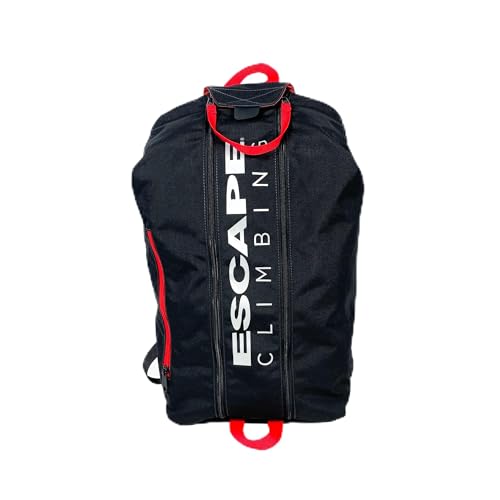
Escape Climbing Boulder Backpack for Shoes, Chalk, Harness
- ✓ Lightweight and portable
- ✓ Ample storage space
- ✓ Comfortable straps
- ✕ Limited main compartment size
- ✕ No water bottle holder
| Main Compartment Volume | Approximate 15-20 liters capacity |
| Material | Durable nylon or polyester fabric |
| Closure Type | Full-length zipper for easy access |
| Padded Straps | Yes, adjustable for comfort |
| Weight | Lightweight design, estimated around 0.5-1 kg |
| Additional Features | Multiple organizational pockets for gear separation |
Imagine you’re heading out after work for a quick bouldering session at your local gym. You sling the Escape Climbing Boulder Backpack over your shoulder, and immediately, you notice how lightweight it feels.
The padded straps rest comfortably, even after carrying it across the parking lot.
The full zip compartment makes grabbing your chalk, brushes, and harness effortless. It opens wide, so you don’t have to fumble around searching for tiny pockets.
Everything stays organized, and you can easily see where your gear is without digging through layers of material.
Despite its compact size, it fits all your essentials without feeling bulky. The main compartment is spacious enough for shoes and a harness, while smaller pockets hold your keys, phone, or energy bar.
The sturdy zipper glides smoothly, giving you quick access during breaks or before your next climb.
Carrying this bag feels natural, even during long approaches. Its lightweight design doesn’t add unnecessary weight, and the padded straps help distribute the load evenly.
If you’re rushing between climbs or heading straight from work, this bag keeps your gear secure and accessible.
Overall, it’s a solid choice for boulderers who want a no-fuss, reliable, and portable solution. It’s perfect for quick trips or longer sessions at the gym.
Though small, it packs a punch and makes carrying your gear a breeze.
NOOLA Hydration Backpack 3L TPU Water Bladder, Tactical

- ✓ Well-organized storage
- ✓ Comfortable and lightweight
- ✓ Durable abrasion-resistant material
- ✕ Slightly bulky initial setup
- ✕ Limited color options
| Material | 900D abrasion-resistant nylon |
| Hydration Capacity | 3 liters |
| Hydration Bladder Material | BPA and odor free TPU |
| Pockets and Compartments | 9 total (including 4 zippered pockets and 5 multi compartments) |
| MOLLE Compatibility | 5 MOLLE straps for gear attachment |
| Carrying System | Double fastened shoulder and waist straps with padded and breathable back panel |
The first thing that caught my eye about the NOOLA Hydration Backpack is how smoothly the hydration bladder slides into place. The BPA and odor-free TPU material feels sturdy yet soft, making it easy to fill and clean.
It’s surprisingly comfortable to sip from, thanks to the wide opening and flexible flex design.
Once you strap it on, you’ll notice how well-balanced it feels, even with a full 3L water reservoir. The double fastened shoulder and waist straps keep everything snug without pinching or chafing.
Plus, the padded shoulder straps and breathable back pad make long hikes or climbs way more bearable.
What I really love is how organized this pack is. There are nine pockets in total—ample space for snacks, your phone, keys, and extra layers.
The four zippered pockets keep things secure, and the five multi compartments make grabbing your gear quick and easy. It’s perfect for those who want everything within reach without digging through clutter.
The MOLLE system is a bonus, letting you attach additional gear or tools. I used it for my small flashlight and multi-tool, which fit perfectly.
The lightweight design doesn’t feel bulky, so you’re not weighed down even during intense climbs. Overall, this pack feels like a reliable companion for any outdoor adventure.
Only minor gripe is that the multiple compartments can take some time to organize initially. But once set up, it’s a breeze to access what you need.
The price point is also quite reasonable considering the features and quality you get.
FUEMEILY Climbing Rope Bag with Ground Sheet, Black

- ✓ Waterproof and durable
- ✓ Spacious and well-organized
- ✓ Comfortable to carry
- ✕ Less padding for heavy loads
- ✕ Limited color options
| Material | Rip-stop 500D Oxford Fabric (water-resistant, stain-resistant, durable, lightweight) |
| Capacity | Large capacity with multiple compartments including a top zippered pocket and mesh top |
| Rope Protection | Built-in folding rope tarp for organizing and protecting ropes from dirt and dampness |
| Carrying System | Ergonomic design with adjustable shoulder straps and hand straps |
| Dimensions | Not explicitly specified, but designed for large climbing ropes and accessories |
| Intended Use | Suitable for outdoor climbing, mountaineering, and other outdoor activities |
As I unzipped the FUEMEILY Climbing Rope Bag, the first thing that caught my eye was its sleek black exterior with a subtle rip-stop texture. It feels sturdy yet lightweight, and I immediately appreciated the waterproof fabric—no worries about damp gear after a rainstorm.
The bag opens smoothly with a top zipper, revealing a spacious interior designed to hold ropes and accessories. The mesh top panel is a game-changer—it’s perfect for quick glances at what’s inside without digging through layers of gear.
Plus, the built-in folding tarp is a thoughtful touch, helping me organize and protect my ropes from dirt and moisture.
Carrying it is surprisingly comfortable thanks to the ergonomic, adjustable straps that conform nicely to my back. Whether I’m hiking uphill or maneuvering through rocky trails, I barely feel the weight.
The multiple handles give additional options for grabbing and hauling, which is handy during busy climbs or quick stops.
What I really like about this bag is its multifunctionality. It’s not just for climbing ropes—great for kayaking, rafting, or even short camping trips.
The large capacity and sturdy construction make it a reliable companion for all my outdoor adventures.
That said, at around USD 24, it’s quite affordable but might lack some of the specialized features of higher-end models. Still, for its price, it offers excellent value, combining durability, protection, and comfort in one package.
Bseash 40L Waterproof Hiking Backpack with Rain Cover

- ✓ Water-resistant and durable
- ✓ Comfortable, breathable fit
- ✓ Plenty of storage options
- ✕ Slightly heavy when fully packed
- ✕ Zipper quality could improve
| Capacity | 40 liters |
| Material | Rip-stop polyester fabric, water-resistant and tear-resistant |
| Dimensions | 53 x 33 x 20 cm (20.9 x 13 x 7.9 inches) |
| Weight | 1.76 pounds (approximately 0.8 kg) |
| Waterproof Features | Includes rain cover pouch; water-resistant fabric and rain cover for heavy rain protection |
| Carrying Comfort | Breathable sponge back panel, padded and adjustable shoulder straps, breathable mesh shoulder straps |
You’re halfway up a trail when the sky suddenly opens up and rain starts pouring hard enough to soak through your gear. Frustration hits because your backpack isn’t just heavy, but also letting water in, risking your clothes and electronics.
That’s when I found the Bseash 40L Waterproof Hiking Backpack. The moment I unpacked it, I noticed the sturdy nylon fabric that feels tough and durable, yet surprisingly lightweight.
Its water-resistant exterior kept my belongings dry even in a sudden downpour, thanks to the included rain cover tucked neatly at the bottom.
The design is super practical for outdoor adventures. The multiple compartments, including a spacious main area and several pockets, made organizing my climbing gear, clothes, and snacks easy.
The interior pouch for a water bladder is a nice touch—no more fiddling around to find my water bottle.
Carrying it was comfortable, even with a full load. The padded, breathable mesh shoulder straps and back panel helped reduce shoulder strain and kept me cool.
Plus, the reflective stripes on the straps added a safety feature for those late-evening strolls.
At 40 liters, it’s big enough for a 3-4 day trip but compact enough to meet airline size requirements. The elastic cord on the front kept my jacket handy, and side pockets were perfect for quick access to water bottles or an umbrella.
Overall, it’s a reliable, versatile pack that handles weather and gear organization well. Perfect for hiking, camping, or climbing trips where you need durability and peace of mind.
PAMLIAPY Arborist Rope Bag 35L Climbing Gear Backpack

- ✓ Heavy-duty 1000 denier fabric
- ✓ Easy access and secure closure
- ✓ Multiple storage options
- ✕ Slightly bulky when empty
- ✕ No padded straps
| Material | 1000 denier heavy-duty fabric |
| Capacity | 35 liters (approximately 2135 cubic inches) |
| Dimensions | 23 inches (H) x 11 inches (D) |
| Rope Compatibility | Fits up to 250 ft of 1/2″ rope, 150 ft of 3/4″ rope, 250 ft of 7/16″ rope, or 300 ft of 3/8″ rope |
| Storage Features | Large front pocket, two side pockets with secure fasteners, interior tie-off loops, daisy chains, D-rings |
| Carrying Options | Side handles and adjustable backpack straps |
The PAMLIAPY Arborist Rope Bag 35L Climbing Gear Backpack immediately feels like a serious upgrade from my previous gear carrier. Made from tough 1000 denier fabric, it’s clearly built for professionals who need durability and reliability in rugged outdoor conditions.
Its spacious bucket-style design makes it easy to store long ropes—up to 250 feet of 1/2″ rope or 150 feet of 3/4″ rope—without feeling cramped. The quickdraw closure secures everything with a simple pull, and the double-reinforced bottom kept my gear safe even when I was hauling over uneven terrain. When comparing different best backpack for climbing gear options, this model stands out for its quality.
Organizing gear was a breeze thanks to the large front pocket, side pockets, and interior tie-off loops. With dimensions of 23″ (H) x 11″ (D) and a 35L capacity, this climbing gear backpack offers enough room for all my essentials, making it a dependable choice for tree climbing, rock climbing, or any outdoor adventure.
What Key Features Should You Look for in a Climbing Backpack?
When searching for the best backpack for climbing gear, several key features are essential to ensure functionality and comfort.
- Capacity: The backpack should have sufficient capacity to hold all necessary gear, typically measured in liters. A capacity between 30 to 50 liters is ideal for day trips, while multi-day trips may require larger options.
- Durability: Look for backpacks made from high-quality, water-resistant materials that can withstand harsh weather conditions and rugged terrains. Reinforced stitching and robust zippers are also crucial for longevity and reliability during climbs.
- Comfort: An ergonomic design with padded shoulder straps, a hip belt, and a breathable back panel enhances comfort during long climbs. Adjustable features allow for a customized fit, reducing the risk of strain or injury.
- Organizational Features: Multiple compartments and pockets help keep gear organized and accessible. Look for dedicated sections for climbing gear, hydration reservoirs, and external attachments for carabiners or ropes.
- Weight: A lightweight design is beneficial for climbers who need to maintain agility and stamina. The best backpacks balance weight and durability without compromising the strength of materials.
- Hydration System Compatibility: Many climbers prefer backpacks that can accommodate hydration bladders or have external water bottle pockets. This feature allows for easy access to water without having to stop and unpack.
- Attachment Points: Look for gear loops, daisy chains, and other attachment points for securing climbing equipment like ropes, carabiners, and helmets. These features help keep essential gear readily available and organized.
- Ventilation: Proper airflow is vital, especially during strenuous climbs. Backpacks with mesh panels or ventilation channels help reduce sweat buildup and keep the climber comfortable.
How Do You Determine the Right Size for a Climbing Backpack?
Choosing the right size for a climbing backpack is essential for comfort and efficiency during your climbing adventures.
- Capacity: The capacity of a climbing backpack is typically measured in liters and should match the length of your climbing trips.
- Fit: A proper fit is crucial for weight distribution and comfort, so consider your torso length and hip size.
- Gear Requirements: Assess the specific climbing gear you need to carry, such as ropes, harnesses, and helmets, as this impacts the size you require.
- Duration of Climb: The length of your climbing expedition will dictate how much gear you need, influencing your backpack choice.
- Weight: The weight of the backpack itself should be lightweight, especially for long climbs, to avoid unnecessary strain.
Capacity: When selecting a climbing backpack, the capacity is a significant factor. A backpack with a capacity of 30-50 liters is generally suitable for day climbs, while multi-day trips may require a larger pack of 50-70 liters to accommodate extra gear and supplies.
Fit: Achieving the right fit involves measuring your torso length and ensuring the hip belt sits comfortably on your hips. A well-fitted backpack will ensure that weight is evenly distributed, preventing discomfort during your climb.
Gear Requirements: Different climbing activities demand different gear. For example, if you plan to carry a rope, quickdraws, and other climbing essentials, ensure that your backpack has enough space and compartments to keep everything organized and easily accessible.
Duration of Climb: The duration of your climbing trip will dictate the size of your backpack. For a short day climb, a smaller pack may suffice, while longer trips will necessitate a larger backpack to carry additional food, water, and safety equipment.
Weight: The weight of the backpack itself can greatly affect your climbing experience. Look for materials that are durable yet lightweight, as a heavier pack can lead to fatigue and hinder your performance on the climb.
What Materials Ensure Durability and Weather Resistance in Climbing Backpacks?
The materials that ensure durability and weather resistance in climbing backpacks include:
- Nylon: Known for its high tensile strength, nylon is a common choice for climbing backpacks. It is lightweight yet durable, resistant to abrasions and tears, making it ideal for rugged outdoor use.
- Ripstop Fabric: This type of nylon features a special reinforcing technique that makes it resistant to ripping and tearing. Ripstop fabric is particularly effective in preventing small tears from spreading, ensuring the backpack remains functional during challenging climbs.
- Polyester: Often used in conjunction with nylon, polyester offers excellent UV resistance and water resistance. It is durable and maintains its shape well, making it suitable for long-term outdoor exposure.
- Waterproof Coatings: Many climbing backpacks come with waterproof coatings such as polyurethane (PU) or silicone treatments. These coatings enhance the backpack’s ability to repel water, keeping gear dry in wet conditions.
- Ballistic Nylon: Even more robust than standard nylon, ballistic nylon is designed to withstand heavy impacts and abrasions. It is commonly used in areas of the backpack that require extra durability, like the bottom or reinforced sections.
- Mesh Fabric: While not primarily used for the body of the backpack, mesh is often incorporated in areas like pockets or back panels. It provides ventilation and breathability, essential for comfort during climbs while still holding up against wear and tear.
- YKK Zippers: High-quality zippers from YKK are often used in climbing backpacks due to their reliability and durability. They are designed to withstand the rigors of outdoor use, preventing failures that could compromise the contents of the backpack.
How Can You Effectively Organize Your Climbing Gear Inside a Backpack?
To effectively organize your climbing gear inside a backpack, consider the following strategies:
- Use Gear Pouches: Gear pouches help separate and categorize your climbing equipment, making it easier to access specific items quickly.
- Utilize Compression Straps: Compression straps help secure your gear within the backpack, preventing it from shifting during transit.
- Incorporate a Hydration System: A hydration system allows for easy access to water while keeping your climbing gear organized and free from clutter.
- Opt for a Backpack with Multiple Compartments: A backpack designed with multiple compartments can help you store gear more systematically, reducing the time spent searching for items.
- Use a Gear Loop System: Gear loops on the outside of the backpack can hold quickdraws or other gear, freeing up space inside for larger items.
Use Gear Pouches: By using gear pouches, you can keep similar items together, such as carabiners, slings, or first aid supplies. This organization not only saves time when you’re gearing up but also prevents damage to your equipment by keeping it neatly stored.
Utilize Compression Straps: Compression straps on the sides of your backpack can be tightened to reduce the volume and keep your gear from moving around. This feature is particularly useful during hikes or approaches where terrain can be rugged, ensuring your gear stays securely in place.
Incorporate a Hydration System: Many modern climbing backpacks come with a compartment for a hydration bladder, making it easy to stay hydrated without rummaging through your gear. This system helps you save space by eliminating the need for separate water bottles that could otherwise clutter your backpack.
Opt for a Backpack with Multiple Compartments: Choosing a backpack with designated compartments for specific gear types allows you to organize everything more efficiently. For example, you might have one section dedicated to ropes and another for harnesses, which aids in quick retrieval and keeps everything orderly.
Use a Gear Loop System: Gear loops are a fantastic way to keep essential items accessible while saving internal space. By attaching quickdraws or other frequently used gear to the exterior loops, you can quickly grab what you need without having to dig through your pack.
Which Brands Are Renowned for Quality Climbing Backpacks?
Some of the most renowned brands for quality climbing backpacks include:
- Osprey: Known for their durable materials and ergonomic designs, Osprey backpacks are popular among climbers for their comfort and versatility.
- Deuter: Deuter offers a range of climbing backpacks that feature smart organization, excellent ventilation, and a focus on stability, making them ideal for technical climbs.
- Petzl: Petzl is synonymous with climbing gear, and their backpacks are designed with climbers in mind, featuring lightweight construction and easy access to gear.
- Black Diamond: Black Diamond backpacks are built for durability and performance, often incorporating features specifically tailored to the needs of climbers, such as gear loops and hydration compatibility.
- The North Face: With a reputation for high-quality outdoor gear, The North Face offers climbing backpacks that blend functionality with comfort, suitable for both short trips and extended climbs.
Osprey backpacks stand out for their attention to comfort and fit, often featuring adjustable harness systems and padded hip belts, allowing climbers to carry heavy loads without discomfort. Their materials are also weather-resistant, ensuring that gear stays dry during unexpected rain.
Deuter backpacks are particularly noted for their innovative ventilation systems and weight distribution technology, which helps balance the load effectively. This is crucial for climbers who need to maintain agility while carrying gear over rough terrain.
Petzl backpacks are designed with the core climbing experience in mind, providing features like gear loops and attachment points that cater to the needs of climbers. Their lightweight design makes them easy to carry without sacrificing durability.
Black Diamond’s climbing backpacks are engineered for high performance, often incorporating features like reinforced areas for gear protection and optimized access points for quick gear retrieval. This attention to detail is crucial for climbers who require efficiency during their ascents.
The North Face offers a variety of climbing backpacks that are not only functional but also stylish, appealing to a broader audience. Their backpacks often include features such as hydration reservoirs and multiple compartments, making them versatile for different types of outdoor activities.
What Price Range Should You Expect for Quality Climbing Backpacks?
The price range for quality climbing backpacks can vary significantly based on features, brand, and capacity.
- Budget Range ($50 – $100): These backpacks are typically made from basic materials and may lack advanced features but are suitable for casual climbing and day trips.
- Mid-Range ($100 – $250): Mid-range backpacks often include more durable fabrics, better organization options, and additional features like hydration reservoirs or gear loops, making them ideal for serious climbers.
- High-End Range ($250 and above): High-end climbing backpacks are crafted from premium materials and offer specialized features such as lightweight designs, advanced suspension systems, and weather resistance, catering to professional climbers or those undertaking multi-day expeditions.
Backpacks in the budget range are generally sufficient for beginners or those who climb occasionally. They may not provide the same level of comfort or durability as higher-end models but can be a good starting point for those new to the sport.
Mid-range backpacks are the sweet spot for most climbers, offering a balance between quality and price. They come with thoughtful design features that enhance comfort and functionality, making them versatile for various climbing activities.
High-end backpacks are designed for those who require top performance and durability in extreme conditions. These packs are engineered to withstand harsh environments and heavy loads while providing maximum comfort, making them a worthwhile investment for dedicated climbers.
What Are the Top Recommendations for Climbing Backpacks Based on Specific Activities?
The best backpacks for climbing gear are tailored to specific climbing activities and needs.
- Day Hiking Backpack: Ideal for short climbs or day trips, typically featuring a capacity of 20-30 liters.
- Sport Climbing Backpack: Designed for sport climbing, these packs often hold 30-50 liters and include gear loops for easy access to equipment.
- Trad Climbing Backpack: These packs cater to traditional climbers, usually ranging from 40-70 liters, and are structured to carry larger gear like ropes and protection.
- Mountaineering Backpack: Best suited for extended trips, these packs often exceed 50 liters and are equipped for carrying additional gear such as ice axes and crampons.
- Multi-Pitch Climbing Backpack: Designed for multi-pitch climbs, these packs prioritize comfort and accessibility, usually ranging from 30-50 liters.
Day Hiking Backpack: This type of backpack is perfect for climbers who are out for a short period and need just the essentials. With a lighter load and streamlined design, it often includes hydration reservoirs, external pockets for quick access to snacks, and a comfortable fit that allows for freedom of movement.
Sport Climbing Backpack: Specifically built for sport climbing, these backpacks come with multiple gear loops, side pockets, and a durable exterior to withstand rough terrain. Their capacity allows climbers to carry quickdraws, harnesses, and climbing shoes, while often providing a compartment for a hydration system.
Trad Climbing Backpack: These backpacks are larger and designed for carrying various gear needed for traditional climbing, such as ropes, cams, and nuts. They feature reinforced attachment points and often have an internal organization system to keep gear accessible while maintaining a lightweight design for long approaches.
Mountaineering Backpack: For those venturing into high-altitude climbs, mountaineering backpacks are essential for carrying all necessary equipment. They are designed with features like a reinforced back, gear loops, and a larger volume to accommodate bulky items like sleeping bags and tents, along with additional compartments for easy organization.
Multi-Pitch Climbing Backpack: Tailored for climbers who tackle multiple pitches, these packs often have a streamlined design that balances capacity and comfort. They include features such as quick-access pockets for gear and a comfortable harness system to ensure ease of movement during climbs.
Related Post: