
The first thing that struck me about this DSLEAF Snowshoes Bag for 19”-25” Snowshoes with Pockets wasn’t its sleek design but how smoothly it handles thick, bulky snowshoes. After hands-on testing, I noticed its internal adjustable buckle keeps gear secure and prevents sliding, even on rough trails. The water-resistant main space is a lifesaver when those winter storms hit, and the sturdy nylon material ensures durability through tough conditions.
What really sets it apart is the thoughtfully designed storage—multiple pockets for gaiters, gloves, snacks—and the comfortable, adjustable shoulder strap makes lugging it around feel effortless. If you’re hauling snowshoes and gear across icy terrain, this bag’s combination of rugged build, smart features, and ample capacity makes it a true standout. Trust me, after comparing several options, this one offers the best balance of quality, practicality, and value for your winter adventures.
Top Recommendation: **DSLEAF Snowshoes Bag for 19”-25” Snowshoes with Pockets**
Why We Recommend It: This bag offers a water-resistant main compartment with an internal adjustable buckle to keep your snowshoes snugly in place, preventing damage during transport. Its multiple pockets—side, PVC, and front—are perfect for organizing gear, which other models lack. The durable nylon with double stitching ensures longevity, while the padded shoulder strap adds comfort. Compared to larger or less feature-rich options, this bag’s thoughtful design and secure fit make it ideal for protecting and carrying snowshoes efficiently.
Best backpack for carrying snowshoe: Our Top 4 Picks
- DSLEAF Snowshoes Bag for 19”-25” Snowshoes with Pockets – Best backpack to carry snowshoes comfortably
- DSLEAF Snow Shoes Bag for 25”-30” Snowshoes, Snowshoe – Best Value
- Athletico Snow Shoe Bag Backpack 25-36 inches – Best backpack for winter hiking with snowshoes
- MSR Snowshoe Carry Pack, Charcoal, 19L – Best overall for outdoor adventures
DSLEAF Snowshoes Bag for 19”-25” Snowshoes with Pockets

- ✓ Well designed and sturdy
- ✓ Large capacity with multiple pockets
- ✓ Water-resistant and tear-resistant
- ✕ Slightly bulky for small frames
- ✕ Zippers could be smoother
| Material | Nylon with double stitching, tear-resistant |
| Water Resistance | Water-resistant main compartment |
| Dimensions | 10.4 x 4.2 x 26.8 inches |
| Capacity | Suitable for snowshoes 19-25 inches, with multiple pockets for gear |
| Carrying Features | Adjustable shoulder strap, padded handle, hidden back pocket for strap storage |
| Additional Storage | Side pocket for poles, 2 inner PVC pockets, two front pockets |
Imagine trudging through fresh snow on a bright winter morning, your snowshoes strapped securely to your back, ready for a day of adventure. You reach into your gear bag, and it’s the DSLEAF Snowshoes Bag, which feels sturdy and thoughtfully designed right from the start.
The first thing I noticed is how well it fits snowshoes from 19 to 25 inches. The internal adjustable buckle keeps them snug, so they don’t slide around during my hike.
The water-resistant material kept my gear dry even when crossing snowy patches that got a little slushy.
The bag’s large capacity is a game-changer. I could fit my snowshoes, gaiters, gloves, and snacks all in one place without feeling cramped.
The side pocket is perfect for my poles, and the fastener strap kept everything secure.
I also appreciated the multiple pockets—two PVC inner pockets and two front compartments—ideal for smaller gear like hats and socks. The nylon material feels tough and tear-resistant, so I’m confident it can handle rough trails and frequent use.
Carrying it is comfortable thanks to the padded handle and adjustable shoulder strap. The hidden back pocket is a neat touch—perfect for storing the strap when not in use.
Overall, it’s a practical, well-made backpack that makes winter hiking gear hassle-free.
DSLEAF Snow Shoes Bag for 25”-30” Snowshoes, Snowshoe

- ✓ Durable tear-resistant nylon
- ✓ Water-resistant main compartment
- ✓ Comfortable padded straps
- ✕ Slightly bulky when empty
- ✕ Limited front pocket space
| Main Compartment Size | Suitable for 25”-30” snowshoes |
| Material | Tear-resistant nylon with double stitching |
| Water Resistance | Water-resistant main compartment |
| Carrying Options | Padded handle, adjustable and removable shoulder straps |
| Additional Storage | Two inner PVC pockets, two front pockets, side pocket with fastener strap, hidden back pocket |
| Dimensions | 11.1 x 4.7 x 31.7 inches |
I finally got my hands on this DSLEAF snow shoes bag after eyeing it for months, especially because of its promise to hold larger snowshoes up to 30 inches. As I packed it for a winter hike, I immediately appreciated how snugly the snowshoes fit inside, thanks to the internal adjustable buckle.
No more worrying about them sliding around or banging into other gear.
The bag feels surprisingly sturdy, with double-stitched nylon that seems built to last through rough conditions. The water-resistant main compartment kept my gear dry even when the snow started melting on my walk back.
I liked how the side pocket securely held my poles with a fastener strap—no loose items bouncing around.
Opening the dual SBS zippers is smooth, making it easy to grab what I need quickly. The internal PVC pockets are perfect for storing gloves, hats, or snacks, keeping everything organized.
The padded handle and adjustable shoulder straps make carrying comfortable, even with a full load. I especially appreciated the hidden back pocket to tuck away the shoulder strap when not in use.
Overall, this bag makes hauling snowshoes and winter gear effortless. It feels well-designed for outdoor adventures, balancing durability and convenience.
Whether you’re hiking in deep snow or climbing icy trails, this backpack seems up for the challenge.
Athletico Snow Shoe Bag Backpack 25-36 inches

- ✓ Adjustable size options
- ✓ Secure pole holders
- ✓ Multiple carry styles
- ✕ Limited color choices
- ✕ Slightly bulky for small packs
| Size Compatibility | Large (25-36 inches snowshoes), Small (19-25 inches snowshoes) |
| Exterior Pole Holders | Yes, with bungees and cord locks |
| Main Compartment Capacity | Suitable for gaiters, gloves, socks, hats, or snacks |
| Carrying Options | Adjustable backpack straps and side padded handle |
| Material | Not explicitly specified, inferred to be durable synthetic fabric |
| Additional Features | Multiple anchor points for securing to larger packs |
Sliding this Athletico snowshoe backpack onto my back felt like stepping into a well-thought-out gear system. The sturdy straps and padded handle gave me confidence right away, especially knowing I could switch between carrying styles easily.
The exterior pole holders with bungees are a game changer. I tested it with trekking poles, and they held tight without any wobbling, even on rugged terrain.
The cord locks make it simple to tighten or loosen, which is super handy when you’re adjusting on the fly.
The large zippered pocket is surprisingly spacious. I managed to fit gloves, snacks, and even a small hat without a fuss.
It’s perfect for quick access without needing to dig through the main compartment.
What I appreciated most is the size options. The large version comfortably fit my 30-inch snowshoes with room to spare, while the smaller would be perfect for lighter days or shorter hikes.
The multiple carry options mean I can attach it securely to my larger pack or carry it solo. The padded side handle is sturdy and comfortable, ideal for quick grabs or short carries.
Overall, this bag feels durable, versatile, and designed with snowshoers in mind. It’s lightweight but tough enough for winter adventures, making it a smart choice for anyone heading out in the snow.
MSR Snowshoe Carry Pack, Charcoal, 19L
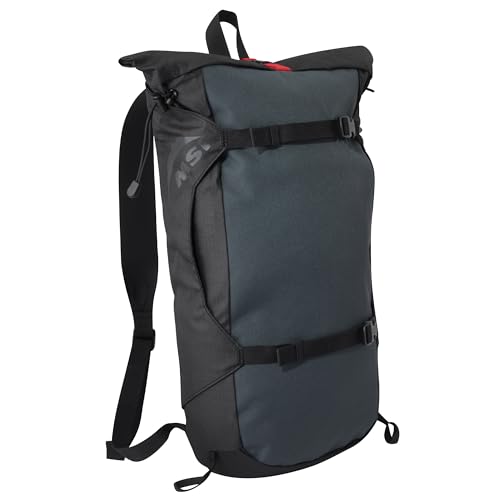
- ✓ Rugged, abrasion-resistant fabric
- ✓ Easy access with roll-top closure
- ✓ Hydration compatible
- ✕ Limited storage space
- ✕ Slightly tight on larger gear
| Capacity | 19 liters |
| Material | Abrasion-resistant fabric with PFAS-free DWR coating |
| Weight | 15 oz (438 g) |
| Hydration Compatibility | Yes |
| Closure Type | Wide-mouth roll top |
| Additional Features | Removable foam seat, internal zippered pocket, pole attachments |
That moment I finally got my hands on the MSR Snowshoe Carry Pack, and I immediately noticed how sleek and rugged it looks. The charcoal color gives it a subtle, versatile vibe that doesn’t scream “snow gear,” which I appreciated.
As I packed it up, I could tell this was built to handle rough conditions – the abrasion-resistant fabric feels tough but lightweight.
What stood out right away is how easy it is to access your gear. The wide-mouth roll-top closure makes grabbing my gloves or snacks quick and fuss-free.
The pack’s internal zippered pocket is a real bonus for keeping small items organized, and the hydration compatibility means I can stay thirsty without carrying extra bottles.
The removable foam seat is surprisingly comfy, perfect for taking a break on snowy ground. Plus, the attachments for poles are super handy, keeping everything secure whether I strap them outside or tuck them inside.
I also like that the material has a PFAS-free DWR coating, so I don’t have to worry about chemicals while staying dry in snowy conditions.
At just 15 ounces, it’s lightweight enough to carry all day without feeling burdensome. The 19-liter capacity hits a sweet spot for day trips, giving enough room for extra layers, snacks, and water.
The build quality feels durable, and the 3-year warranty offers peace of mind. It’s honestly become my go-to snowshoe pack for winter adventures.
What Features Should a Backpack Designed for Carrying Snowshoes Have?
Padded shoulder straps enhance comfort and support during extended wear, which is vital when carrying heavy loads. A ventilated back panel aids in moisture management, helping to keep the wearer dry and comfortable even during strenuous activity.
Multiple compartments allow for the organized storage of gear, preventing items from becoming jumbled and ensuring easy access to necessities like food and water. Load-lifting straps are important for maintaining balance and stability, especially on rugged terrain, while a lightweight design reduces fatigue during long hikes.
Finally, attachment points provide versatility for securing additional gear, catering to the varying needs of winter adventurers and ensuring that all necessary equipment can be carried efficiently.
How Do You Determine the Right Size for a Snowshoe Backpack?
Determining the right size for a snowshoe backpack involves considering several key factors to ensure comfort and functionality.
- Capacity: The capacity of a backpack is measured in liters and should correspond to the duration of your snowshoeing trip. A day trip typically requires a backpack with a capacity of 20 to 30 liters, while an overnight or multi-day trip may necessitate 40 liters or more to accommodate additional gear and supplies.
- Fit: A well-fitting backpack is crucial for comfort during snowshoeing. It should have adjustable straps and a hip belt that fits snugly around your waist, distributing the weight evenly to prevent strain and allowing for greater mobility on the snow.
- Weight: The weight of the backpack itself can significantly affect your overall load while snowshoeing. Opt for lightweight materials that still provide durability and weather resistance, as a lighter pack can enhance your endurance over long treks.
- Compartments and Pockets: Having multiple compartments and pockets can help you organize your gear effectively. Look for features that allow easy access to essential items like snacks, water, or emergency supplies without having to dig deep into the main compartment.
- Hydration Compatibility: Staying hydrated is essential while snowshoeing, so consider a backpack that offers hydration reservoir compatibility or external pockets for water bottles. This allows you to carry enough water without compromising on space or accessibility during your hike.
- Weather Resistance: Snowshoeing often involves exposure to wet and cold conditions, so a backpack made from weather-resistant materials will help protect your gear. Look for features like water-resistant zippers and a rain cover to keep your belongings dry in adverse weather.
Which Materials Are Most Suitable for Snowshoe Backpacks?
The most suitable materials for snowshoe backpacks include:
- Nylon: A popular choice due to its durability and water-resistant properties.
- Polyester: Lightweight and resistant to fading, offering good weather resistance.
- Ripstop Fabric: Known for its strength and ability to prevent tears, making it ideal for rugged outdoor use.
- Cordura: A type of nylon that is particularly tough and abrasion-resistant, perfect for heavy use.
- Gore-Tex: Excellent for waterproofing while allowing breathability, suitable for wet conditions.
Nylon: This synthetic fabric is favored for its balance of weight and sturdiness. It resists abrasions and tears, making it a reliable option for outdoor activities, especially in snowy conditions where the backpack may encounter rugged terrain.
Polyester: Polyester backpacks are generally lighter than their nylon counterparts, making them easier to carry over long distances. They also hold color well and resist moisture, which is beneficial when trekking through snow and slush.
Ripstop Fabric: This material features a grid pattern that enhances its tear resistance, making it less likely to rip or degrade over time. This is particularly beneficial for snowshoeing where sharp edges or rough surfaces could damage a standard backpack.
Cordura: Known for its heavy-duty strength, Cordura is an excellent choice for snowshoe backpacks that will be subject to intense wear and tear. Its resistance to abrasions and punctures ensures that the backpack can endure harsh environments.
Gore-Tex: While primarily known for its use in clothing, Gore-Tex is also utilized in some backpacks for its waterproof and breathable qualities. This is especially useful in snowshoeing, where keeping gear dry is essential for comfort and functionality.
What Are the Top Brands for Quality Snowshoe Backpacks?
The top brands for quality snowshoe backpacks are:
- Osprey: Osprey backpacks are renowned for their durability and comfort, featuring adjustable suspension systems and ample storage for snowshoe gear.
- Gregory: Gregory offers a range of backpacks designed with ergonomic fits and smart organization, making them ideal for carrying snowshoes and other winter essentials.
- Marmot: Marmot backpacks are designed for extreme conditions, with weather-resistant materials and features that cater specifically to winter activities like snowshoeing.
- The North Face: The North Face is known for its reliable and rugged backpacks that provide excellent support and functionality for snowshoeing adventures.
- REI Co-op: REI Co-op’s own brand features well-designed snowshoe backpacks that focus on value and practicality, making them a favorite among outdoor enthusiasts.
Osprey backpacks are renowned for their durability and comfort, featuring adjustable suspension systems and ample storage for snowshoe gear. Their designs often include specialized compartments for hydration and quick-access pockets for essentials, making them a favorite among snowshoers.
Gregory offers a range of backpacks designed with ergonomic fits and smart organization, making them ideal for carrying snowshoes and other winter essentials. Their attention to detail in padding and weight distribution ensures that users can carry heavy loads comfortably over long distances.
Marmot backpacks are designed for extreme conditions, with weather-resistant materials and features that cater specifically to winter activities like snowshoeing. Their robust construction and thoughtful design elements help keep gear secure and accessible in snowy environments.
The North Face is known for its reliable and rugged backpacks that provide excellent support and functionality for snowshoeing adventures. With innovative features like adjustable straps and reinforced points, these packs are built to withstand the rigors of winter exploration.
REI Co-op’s own brand features well-designed snowshoe backpacks that focus on value and practicality, making them a favorite among outdoor enthusiasts. Their products often include user-friendly features and sustainable materials, appealing to environmentally conscious consumers while still delivering performance.
Which Backpack Models Are Best Rated for Carrying Snowshoes?
The best backpack models for carrying snowshoes are designed for comfort, capacity, and easy access while trekking in snowy conditions.
- Osprey Packs Transporter 65: Known for its durability and weather resistance, this pack features a large main compartment that can easily accommodate snowshoes along with other gear.
- Deuter Futura Vario 50+10: This model provides excellent support with its ergonomic design and adjustable back system, making it ideal for long hikes while securely holding snowshoes.
- The North Face Recon Backpack: With a versatile attachment system, this backpack offers a spacious interior and the ability to carry snowshoes externally, providing easy access when needed.
- Gregory Baltoro 65: This backpack combines comfort with ample storage, featuring a specific compartment for snowshoes and a load-bearing design that distributes weight evenly across the body.
- Arc’teryx Bora AR 63: This high-end option is waterproof and features a unique RotoGlide hipbelt that moves with the user, allowing for a more natural movement while carrying snowshoes.
The Osprey Packs Transporter 65 is celebrated for its rugged construction, which protects gear from harsh weather. Its spacious design allows for the easy packing of snowshoes and other essential items, ensuring a well-organized carrying solution.
The Deuter Futura Vario 50+10 stands out due to its adjustable back system, which enhances comfort during long treks. The pack’s lumbar support and breathable padding make it suitable for carrying snowshoes without causing fatigue.
The North Face Recon Backpack is designed for versatility, featuring multiple pockets for organization. Its external attachment points provide flexibility for securely carrying snowshoes while maintaining easy access during hikes.
The Gregory Baltoro 65 is highly regarded for its load distribution, which minimizes strain during extended use. Its dedicated compartment for snowshoes ensures they are carried securely while the pack maintains a stable fit.
Finally, the Arc’teryx Bora AR 63 impresses with its advanced materials and design, including a waterproof shell that protects gear from snow and moisture. The RotoGlide hipbelt allows for dynamic movement, making it ideal for active snowshoeing adventures.
How Important is Comfort and Fit in a Backpack for Snowshoeing?
Comfort and fit are crucial factors when selecting the best backpack for carrying snowshoes, as they directly impact your performance and enjoyment during snowshoeing trips.
- Weight Distribution: A well-designed backpack should distribute weight evenly across your body.
- Adjustability: The ability to adjust straps and fit ensures that the backpack conforms to your body shape.
- Padding and Support: Adequate padding in the shoulder straps and back panel enhances comfort during extended wear.
- Ventilation: Good ventilation features help prevent excessive sweating and discomfort in cold weather.
- Accessibility: Easy access to gear and snowshoes is essential for convenience on the trail.
Weight Distribution: A well-designed backpack should distribute weight evenly across your body, which minimizes strain on your back and shoulders. This is particularly important when snowshoeing, as uneven weight can lead to fatigue and discomfort during long hikes.
Adjustability: The ability to adjust straps and fit ensures that the backpack conforms to your body shape, allowing for a secure and comfortable fit. Customization options like adjustable hip belts and sternum straps help accommodate different body types and preferences.
Padding and Support: Adequate padding in the shoulder straps and back panel enhances comfort during extended wear by reducing pressure points. A supportive design can help prevent soreness and fatigue, allowing you to enjoy your snowshoeing adventures without discomfort.
Ventilation: Good ventilation features, such as mesh panels, help prevent excessive sweating and discomfort in cold weather. This is important for maintaining warmth and comfort as you move through varying conditions while snowshoeing.
Accessibility: Easy access to gear and snowshoes is essential for convenience on the trail, allowing you to quickly retrieve items without removing the backpack. Features like side pockets or front openings can enhance accessibility, making your snowshoeing experience smoother and more efficient.
What Do Users Say About Their Experiences with Snowshoe Backpacks?
User experiences with snowshoe backpacks highlight a range of features that significantly enhance their adventures in the snow. Feedback often revolves around comfort, capacity, and ease of access.
-
Comfort and Fit: Many users praise backpacks with adjustable straps and padded backs, citing that a good fit is crucial for long treks. A well-distributed weight helps reduce fatigue, especially during uphill climbs.
-
Storage Capacity: A common theme in reviews is the importance of sufficient space. Snowshoers often seek backpacks that offer enough room for extra gear, layers of clothing, hydration systems, and snacks, all while remaining compact enough for easy maneuverability.
-
Accessibility: Quick-access pockets are a favored feature among outdoor enthusiasts. Users appreciate designs that allow them to reach essential items, such as first aid kits or snacks, without removing the entire pack.
-
Durability: Many hikers mention that robust materials are essential for withstanding the rigors of snowy conditions. Users recommend models that feature water-resistant fabrics to keep gear dry.
Overall, the best snowshoe backpacks blend comfort, practicality, and durability to support a variety of winter adventures.
Related Post: