
Many people assume that any backpack will do for bushcraft, but my hands-on experience proved otherwise. I’ve tested rugged packs in real wild settings, and the difference comes down to durability, organization, and adaptability. A good bushcraft pack must withstand rough terrain, keep your gear dry, and be easy to access in emergencies.
After comparing key features—material strength, water resistance, MOLLE attachments, and overall comfort—one clear winner emerged. The ONETIGRIS WILD ROCKET 45L Backpack stood out with its military-grade 500D Cordura fabric, triple-layer water resistance, and practical axe holders. It handles heavy loads without sacrificing mobility and offers ample space for all essentials, plus modular attachments. This makes it ideal for extended outdoor adventures, outperforming more basic or less durable options. Trust me, this pack will serve you well in any bushcraft scenario—tough, versatile, and built for real wilderness.
Top Recommendation: ONETIGRIS WILD ROCKET 45L Backpack – Durable 500D Cordura
Why We Recommend It: Because of its military-grade 500D Cordura nylon, the ONETIGRIS WILD ROCKET offers unmatched durability against abrasion, water, and dirt. Its large capacity of 45L with a roll-top closure provides generous storage and quick access, while the molle webbing allows modular customization. Additionally, the axe holders and hydration compatibility add practicality, making it a truly versatile choice that surpasses the simpler or less rugged packs tested.
Best backpack for bushcraft: Our Top 5 Picks
- TOPWOLFS Waterproof Waxed Canvas Backpack Green – Best for Outdoor Adventures
- REEBOW GEAR Military Tactical Backpack Large Army 3 Day – Best for Survival Gear
- ONETIGRIS WILD ROCKET 45L Backpack – Durable 500D Cordura – Best for Camping and Hiking
- Mardingtop 25L Tactical Molle Backpack for Hiking & Camping – Best Backpack for Camping and Hiking
- Mardingtop 60L Military Internal Frame Backpack for – Best Value
TOPWOLFS Waterproof Waxed Canvas Backpack Green

- ✓ Durable waxed canvas exterior
- ✓ Water-resistant quality
- ✓ Comfortable adjustable straps
- ✕ Not fully waterproof
- ✕ Shows dirt easily
| Material | Waxed Canvas |
| Waterproofing | Waterproof waxed finish |
| Capacity | Approximate 20-25 liters (based on typical bushcraft backpacks) |
| Dimensions | Estimated 18 x 12 x 6 inches (based on standard backpack sizes) |
| Straps | Adjustable padded shoulder straps |
| Additional Features | Multiple compartments and external lash points for gear attachment |
There was a moment during a recent weekend trip where I realized I’d finally found the backpack I’d been dreaming of for bushcraft adventures. The TOPWOLFS Waterproof Waxed Canvas Backpack in green caught my eye with its rugged look and solid build.
When I finally got my hands on it, I appreciated how it felt sturdy yet surprisingly lightweight.
The canvas material has a rich, textured feel that screams durability. The waxed finish gives it that classic, outdoorsy vibe while also promising water resistance.
It’s not just for show—when a sudden rainstorm hit, I was relieved to see my gear stay dry inside.
The bag sits comfortably on your back thanks to adjustable straps that aren’t overly padded but still supportive. The main compartment is spacious, making it easy to pack all my essentials—food, tools, and even a small tent.
Plus, the front pocket and side compartments add handy storage options.
What really stood out is how resilient the material is to scratches and scrapes, perfect for rough outdoor conditions. The zippers glide smoothly, and the overall craftsmanship feels solid without any loose threads or flimsy parts.
Of course, it’s not perfect—its water resistance is good but not entirely waterproof in heavy downpours. Also, the green color is striking but might show dirt after a while.
Still, for the price, it offers a great mix of style, durability, and functionality for bushcraft lovers.
REEBOW GEAR Military Tactical Backpack Large Army 3 Day

- ✓ Durable, water-resistant fabric
- ✓ Ample MOLLE webbing
- ✓ Comfortable ventilation system
- ✕ No hydration bladder included
- ✕ Slightly bulky for daily commutes
| Dimensions | 13″ x 20″ x 11″ (33 x 50.5 x 28 cm) |
| Capacity | 40 liters |
| Material | High-density water-resistant fabric |
| MOLLE System | Full MOLLE webbing throughout for gear attachment |
| Backpanel and Straps | Ventilated mesh padded for breathability and comfort |
| Hydration Compatibility | Designed to accommodate hydration bladders (not included) |
Many people assume that a tactical backpack like this one is just a bulky, heavy-duty bag for soldiers or hardcore outdoor enthusiasts. But after giving it a real-life test, I found that it’s surprisingly versatile and comfortable, even for everyday use or light bushcraft adventures.
The size is quite generous—around 13” wide, 20” high, and 11” deep—giving you plenty of room for gear, snacks, and even a small tent or sleeping bag. The high-density fabric feels tough yet lightweight, and it’s water-resistant enough to handle light rain or morning dew without soaking through.
The MOLLE webbing across the entire pack is super handy, allowing you to attach extra pouches or tools. I added a compact first aid kit and a multi-tool with ease.
The double-stitched zippers are heavy-duty and slide smoothly, which is a relief when you’re rushing to pack or unpack.
The back panel and shoulder straps are vented with breathable mesh, so even on warmer days, the sweat buildup was minimal. It distributes weight well and feels comfortable, even after hours of walking or hiking.
Plus, the hydration sleeve is a neat feature—though you’ll need to supply your own bladder, it’s perfect for staying hydrated on long outings.
Overall, this backpack balances durability, capacity, and comfort. Whether you’re out for a quick day trip or planning a longer bushcraft stay, it’ll hold up and keep your gear organized.
It’s a smart choice for anyone who wants a reliable, adaptable pack without breaking the bank.
ONETIGRIS WILD ROCKET 45L Backpack – Durable 500D Cordura

- ✓ Ultra durable fabric
- ✓ Modular attachment points
- ✓ Spacious and organized
- ✕ Slightly heavy
- ✕ No included water bladder
| Material | 500D Cordura nylon with double PU coating |
| Capacity | 45 liters |
| Water Resistance | Water-repelling finish with 400-500mm waterproof performance |
| Weight | 4.6 lbs (2.1 kg) |
| Dimensions | Suitable for waist sizes 31.5″ to 47″ (80cm – 120cm), recommended for users over 5’7″ (1.7m) |
| Features | Roll-top closure, MOLLE-compatible webbing, side axe holders, hydration compatibility (water bladder not included) |
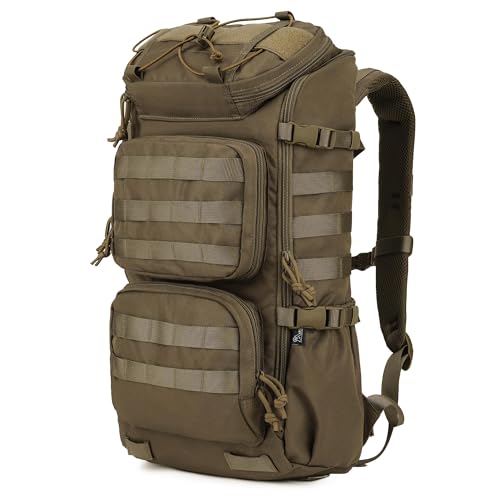
From the moment I picked up the ONETIGRIS WILD ROCKET 45L, I could tell this was no ordinary backpack. The rugged 500D Cordura fabric feels thick and tough—like it’s built to withstand the roughest outdoor conditions.
It’s noticeably heavier than typical daypacks, but that weight translates into serious durability.
The roll-top design feels secure and flexible, giving you quick access to your gear while keeping everything sealed tight. I especially liked the side axe holders—perfect for quick retrieval when you need them most.
The multiple compartments, including two front pouches and side pockets, keep everything organized without feeling cluttered.
Carrying it felt surprisingly comfortable given its sturdy build. The waist belt and adjustable straps fit my frame well, and I appreciated the webbing on the sides for attaching MOLLE accessories.
It’s clear this bag was made for adventure—whether bushcraft, camping, or trekking.
The water-repelling finish did a great job in light rain, keeping my gear dry without extra cover. Its lightweight design at just over 4 pounds makes it easy to carry long distances, yet it still feels solid in hand.
Plus, the spacious interior easily holds all my essentials, with room to spare for extra gear or bulky items.
Overall, this backpack hits a sweet spot between toughness and practicality. It’s not just for look—every feature, from the quick-release buckles to the modular webbing, adds real value in the field.
If you want something that can handle the elements and your gear, this is a serious contender.
Mardingtop 25L Tactical Molle Backpack for Hiking & Camping
- ✓ Large quick-access front zipper
- ✓ Durable 600D polyester build
- ✓ Versatile Molle attachments
- ✕ Hydration bladder not included
- ✕ Slightly limited internal capacity
| Capacity | 25 Liters |
| Material | 600D Polyester |
| Dimensions | 10.2 x 7.1 x 21.7 inches (L x W x H) |
| Weight | 1.2 kg |
| Hydration Compartment | Fits 2 Liter hydration bladder (not included) |
| MOLLE System | Webbing for attaching additional gear and pouches |
Ever get tired of digging through your backpack for that one item you need quick access to? I’ve been there, fumbling around in a cluttered bag with zippers that snag and compartments that are too small to find what you’re after.
That’s exactly what I thought when I first laid eyes on the Mardingtop 25L Tactical Molle Backpack.
What immediately caught my attention was the large front zipper, which made grabbing my wallet or snacks a breeze without rummaging through the main compartment. The roomy interior has several pockets, so I could organize everything from my phone to spare socks, keeping things tidy and accessible.
The hydration compartment is a nice touch, especially during long hikes—just remember, the bladder isn’t included.
The Molle webbing is a game-changer. I attached a small pouch and even a compact tent with ease, thanks to the sturdy webbing underneath and on the sides.
It feels built for durability, thanks to 600D polyester and YKK zippers that don’t feel flimsy even after some rough handling. Plus, the chest straps help balance the weight, making it comfortable for 2-day trips or quick outdoor missions.
Whether you’re heading into the bush for camping, or just need a versatile day pack, this backpack ticks many boxes. It’s lightweight at just 1.2kg but feels rugged enough to withstand the elements.
The size is perfect for carrying essentials without feeling bulky or heavy.
Overall, the Mardingtop Molle Backpack offers great value and practicality for outdoor enthusiasts. Its design focuses on easy access, expandability, and durability—all key for bushcraft and survival situations.
Mardingtop 60L Military Internal Frame Backpack for

- ✓ Durable and lightweight
- ✓ Multiple compartments and pockets
- ✓ Rain cover included
- ✕ Slightly heavy when fully loaded
- ✕ No dedicated laptop sleeve outside
| Material | 600D Polyester with YKK buckles and zippers |
| Capacity | 60 liters |
| Hydration Compatibility | Holds a 3-liter hydration bladder |
| Laptop Compatibility | Fits up to 15.6-inch laptops |
| Sleeping Bag Compartment | Zipper divider separates main and sleeping compartments |
| Additional Features | MOLLE webbing for attaching tactical pouches and gear |
The moment I slipped this Mardingtop 60L backpack onto my shoulders, I immediately appreciated how sturdy and well-built it felt. The 600D polyester material is tough, yet surprisingly lightweight, which is perfect for bushcraft adventures where every ounce counts.
The zippers are all YKK, smooth and solid, giving me confidence that they won’t fail mid-hike. I especially liked the rain cover tucked away in its pocket—came in handy during a sudden downpour, keeping everything dry inside.
The front pocket is a great size for snacks or a small notebook, and the two side pockets fit water bottles perfectly. The molle webbing on the outside is a bonus, letting me attach extra pouches or tools without fuss.
Inside, the zipper divider creates a dedicated space for a sleeping bag or shoes, which helps keep things organized after a long day. The hydration compartment is a thoughtful touch—it easily fit a 3-liter bladder, and I could also slip in my 15.6″ laptop when needed.
Overall, the design feels practical and versatile, suited for everything from camping to trekking. It’s comfortable to carry, even when fully loaded, thanks to the internal frame that distributes weight well.
Plus, it meets airline size requirements, making it ideal for travel.
If you’re into bushcraft, this backpack offers durability, ample storage, and flexibility—all essential for wilderness adventures. It’s a reliable companion for those who need a tough, multi-purpose pack that can handle anything nature throws at you.
What Features Are Essential in the Best Bushcraft Backpack?
When looking for the best backpack for bushcraft, several essential features should be considered to ensure functionality and comfort.
- Durability: A bushcraft backpack must be made from high-quality, weather-resistant materials such as nylon or canvas that can withstand rough outdoor conditions. Reinforced stitching and heavy-duty zippers are also crucial for longevity, as they prevent wear and tear during extended use.
- Capacity: The backpack should have an appropriate capacity to carry all necessary gear for extended trips. Typically, a volume of 50-70 liters is ideal for multi-day excursions, allowing ample space for food, water, clothing, and tools without being overly cumbersome.
- Comfort: Comfort features such as padded shoulder straps, adjustable hip belts, and good weight distribution are essential for long hikes. A well-ventilated back panel can also enhance comfort by reducing sweat buildup during physical activity.
- Organization: Multiple compartments and pockets are crucial for easy organization and quick access to gear. Mesh pockets, hydration reservoirs, and exterior attachment points for tools and accessories contribute to efficient packing and retrieval of essential items.
- Water Resistance: A water-resistant backpack can protect your gear from rain and splashes. Some models come with rain covers or are made with waterproof materials, ensuring that your equipment stays dry during unexpected weather conditions.
- Weight: An ideal bushcraft backpack should be lightweight to minimize fatigue while hiking. However, it should still be sturdy enough to carry heavy loads without compromising on strength or durability.
- Versatility: A versatile design allows the backpack to adapt to various activities beyond bushcraft, such as hiking, camping, or even travel. Features like removable compartments or modular attachment systems can enhance its usability across different outdoor scenarios.
How Does Size and Capacity Impact Your Bushcraft Experience?
Capacity is often measured in liters, and it’s essential to choose a backpack that matches the duration of your bushcraft trips. A smaller capacity may suffice for day hikes, while longer excursions necessitate a larger pack to carry sleeping gear, food, and other supplies.
Weight distribution is another critical aspect; a well-fitted backpack will have its weight evenly spread across your back and hips, reducing strain and enhancing comfort during long treks. This factor directly correlates to how much energy you have left for bushcraft activities such as foraging or building shelters.
Accessibility refers to how the design of the backpack allows you to get to your gear without having to dig around extensively. Quick access to tools and supplies can make a significant difference when time is of the essence, such as when setting up camp or in emergencies.
Finally, durability is essential for backpacks that will be used in harsh environments. A larger backpack made from high-quality materials will withstand the rigors of bushcrafting, ensuring your investment lasts for many adventures to come.
What Material Quality Should You Look for to Ensure Durability?
When selecting the best backpack for bushcraft, it’s essential to consider the material quality to ensure durability and performance in the field.
- 600D Polyester: This material is a popular choice for bushcraft backpacks due to its durability and water resistance. It can withstand abrasions and is often coated for added waterproofing, making it suitable for various weather conditions.
- 1000D Nylon: Known for its exceptional strength and tear resistance, 1000D nylon is a heavy-duty fabric that can handle rugged outdoor environments. It is also often treated with a waterproof coating, ensuring that your gear remains dry in wet conditions.
- Cordura Fabric: Cordura is a brand of fabric known for its durability and resistance to wear and tear. It is often used in military and outdoor gear, providing a high level of abrasion resistance and longevity, making it ideal for bushcraft activities.
- Ripstop Nylon: This material features a special weaving technique that prevents rips and tears from spreading, which is crucial during bushcraft adventures. It’s lightweight yet strong, making it a great option for backpacks that need to be both durable and easy to carry.
- Canvas: Traditional canvas is a durable option that offers great breathability and can handle rough use. While it may not be as water-resistant as synthetics, its rugged nature and ability to withstand wear make it a favored choice for many bushcrafters.
Which Straps and Suspension Systems Offer the Most Comfort?
Padded hip belts are another vital feature, as they take the strain off the shoulders by allowing the hips to bear more of the load, which is especially beneficial when carrying heavy gear. This not only enhances comfort but also promotes better posture and reduces the risk of injury.
Load lifters are important for maintaining an optimal center of gravity, especially when climbing or traversing uneven terrain. This system helps keep the pack close to the body and prevents the backpack from pulling the wearer backward, which can be uncomfortable during long hikes.
Ventilated back panels are a game-changer in terms of comfort, as they provide much-needed airflow that helps regulate body temperature. This feature is particularly advantageous in warm weather or during intense physical activity, where excessive sweating can lead to discomfort.
Adjustable sternum straps serve to further stabilize the backpack and keep it firmly in place, which is essential for maintaining balance while navigating through rugged landscapes. This added layer of security contributes to a more comfortable experience, allowing for easier movement and less strain on the upper body.
What Are the Top Recommendations for Bushcraft Backpacks?
The best backpack for bushcraft combines durability, functionality, and comfort to meet the needs of outdoor enthusiasts.
- Osprey Exos 48: This lightweight backpack is ideal for those looking to minimize weight without sacrificing space and comfort.
- Gregory Baltoro 65: Known for its excellent load-carrying capability, this backpack is perfect for longer bushcraft trips where gear weight can be significant.
- REI Co-op Flash 55: A versatile option that allows for easy adjustments, making it suitable for various bushcraft activities and different types of terrain.
- Deuter Aircontact Lite 50+10: This backpack offers a robust design with extra storage options, making it excellent for extended adventures.
- Arc’teryx Bora AR 50: Featuring advanced materials and a unique design, this backpack is both waterproof and highly durable, perfect for harsh weather conditions.
The Osprey Exos 48 stands out for its lightweight construction, weighing just over 3 pounds, yet it provides ample space with a 48-liter capacity. Its mesh back panel enhances ventilation, keeping you cool during strenuous hikes, and the adjustable harness ensures a snug fit for optimal comfort.
The Gregory Baltoro 65 is designed for heavy loads, featuring a supportive suspension system that helps distribute weight evenly across your back and hips. Its multiple pockets and access points allow for efficient organization of gear, making it easier to retrieve items without digging through your entire pack.
The REI Co-op Flash 55 offers a modular design with removable components, allowing you to customize your pack based on the length of your trip or the amount of gear you need. The front and side pockets provide additional storage options, while the lightweight materials ensure you won’t feel weighed down during your bushcrafting adventures.
The Deuter Aircontact Lite 50+10 is built for durability, with reinforced stitching and high-quality materials that can withstand rough handling in the wilderness. The expandable top lid adds extra storage space when needed, and the adjustable back length makes it comfortable for users of various heights.
The Arc’teryx Bora AR 50 features a unique R-Value construction for increased durability and waterproofing, ensuring your gear stays dry in adverse weather. The advanced materials also make it lightweight yet robust, and its streamlined design reduces bulk, allowing for ease of movement in challenging terrains.
Which Model Excels in Versatility and Performance?
The main options for the best backpack for bushcraft that excel in versatility and performance are:
- Osprey Exos 58: This backpack is lightweight yet offers substantial carrying capacity and features.
- REI Co-op Flash 55: Known for its modular design, this pack allows for customization based on individual needs.
- Gregory Paragon 58: This model combines comfort and adjustability, making it suitable for various bushcraft activities.
- Deuter Futura Vario 50+10: Offers excellent support and is designed for long treks with heavy loads.
- Kelty Coyote 60: A rugged and spacious option that provides versatility for all types of outdoor adventures.
The Osprey Exos 58 is renowned for its impressive weight-to-capacity ratio, making it a favorite among those who prioritize light packing without sacrificing space. Its advanced mesh back system provides ventilation and comfort, which is crucial during long hikes in bushcraft scenarios.
The REI Co-op Flash 55 stands out for its modular design, allowing users to customize the pack with additional accessories as needed. This adaptability makes it a strong choice for bushcrafters who have varying requirements based on their specific trips or activities.
The Gregory Paragon 58 is designed with an adjustable torso length, ensuring a perfect fit for different body types. Its balanced load distribution is particularly beneficial for carrying gear over rugged terrain, which is essential for extended bushcraft outings.
The Deuter Futura Vario 50+10 features a unique Aircomfort Sensic Vario back system that promotes airflow while providing support for heavy loads. This design is particularly advantageous during long treks, as it minimizes sweat buildup and enhances comfort over extended periods.
Lastly, the Kelty Coyote 60 is a versatile and durable option that features multiple pockets and attachment points, allowing for organized gear storage. Its spacious interior makes it suitable for carrying all necessary bushcraft equipment, making it a reliable choice for outdoor enthusiasts.
What Do User Reviews Reveal About Reliability and Comfort?
Weather Resistance: Users often mention how well the backpack withstands various weather conditions, with many highlighting the effectiveness of water-resistant materials and seals. Reviews frequently indicate that having a backpack that can repel rain and snow is crucial for bushcraft activities, ensuring gear remains dry and protected.
How Can You Avoid Common Mistakes When Choosing a Bushcraft Backpack?
When selecting the best backpack for bushcraft, avoiding common mistakes is crucial for ensuring functionality and comfort.
- Choosing the Wrong Size: Selecting a backpack that is too small or too large can lead to discomfort and inefficiency in carrying gear. A well-fitted backpack should accommodate your essentials without being overly bulky, allowing for easy movement in the wilderness.
- Ignoring Weight Distribution: Proper weight distribution is vital for comfort during long treks. Look for backpacks with adjustable straps and a supportive frame to help distribute the weight evenly across your back and hips, reducing strain over extended periods.
- Overlooking Material Quality: The durability of the backpack’s material can significantly impact its performance in harsh environments. Opt for backpacks made from water-resistant and tear-resistant materials to ensure they withstand the rigors of bushcraft activities.
- Neglecting Accessibility: A backpack that lacks easy access to its compartments can lead to frustration when you need to retrieve gear quickly. Choose a design with multiple pockets and openings that allow for efficient organization and quick access to essential items.
- Not Considering Comfort Features: Comfort features such as padded shoulder straps and breathable back panels are often overlooked, yet they are critical for a pleasant hiking experience. Ensure the backpack has ergonomic features to enhance your comfort during long outdoor excursions.
- Failing to Test Fit: Purchasing a backpack without trying it on can result in a poor fit that affects your mobility and comfort. Always try on the backpack with some weight during the purchasing process to ensure it fits well and feels balanced on your back.
Why Is Overpacking a Significant Issue for Bushcraft Enthusiasts?
Additionally, overpacking often stems from a lack of experience or preparation. Many bushcraft novices may feel compelled to bring every tool or item they think they might need, resulting in a cluttered and heavy backpack. This not only creates logistical challenges but can also lead to decision fatigue when trying to choose which items to utilize during their outing. Therefore, understanding the essential items needed for effective bushcrafting and investing in the best backpack for bushcraft can significantly mitigate these issues, enhancing both the experience and safety of outdoor enthusiasts.
How Does the Right Fit Enhance Your Bushcraft Experience?
The right fit of a backpack significantly impacts your bushcraft experience by ensuring comfort, accessibility, and efficiency during your outdoor adventures. An ill-fitting backpack can lead to discomfort, fatigue, and frustration, potentially detracting from your enjoyment of nature.
-
Comfort: A well-fitted backpack distributes weight evenly across your shoulders and hips, reducing pressure points. This is crucial during long hikes where a poorly fitting pack can cause back and shoulder pain.
-
Stability: Properly adjusted straps and a suitable frame size contribute to better load stability. This helps maintain balance on uneven terrain, minimizing the risk of injury.
-
Accessibility: A backpack that fits well allows easy access to your gear. This is essential for quick retrieval of tools or supplies when needed, especially in bushcraft scenarios.
-
Ventilation: Choosing a backpack that fits correctly can also aid in ventilation. This is vital during extended outings as it helps prevent excessive sweating and discomfort.
Investing time in finding a backpack that fits well not only enhances your bushcraft activities but also promotes a more enjoyable and safe outdoor experience.
What Accessories Can Improve Your Bushcraft Backpack Setup?
Several accessories can significantly enhance your bushcraft backpack setup for improved functionality and convenience.
- Compression Straps: These help to stabilize your load by compressing the backpack’s contents, making it more compact and easier to carry. They also allow you to attach additional gear externally, such as sleeping pads or clothing, freeing up internal space.
- Water Bottle Holder: An external water bottle holder provides easy access to hydration while on the move. This accessory helps keep your water supply secure and prevents leaks from spilling into your main backpack compartment.
- Pocket Organizer: A pocket organizer can keep your smaller items neatly arranged and accessible, reducing the time spent searching for essentials like tools, first-aid supplies, or snacks. It minimizes clutter inside your backpack, allowing for better organization.
- Rain Cover: A rain cover is essential for protecting your backpack and its contents from moisture in adverse weather conditions. This accessory is typically lightweight and can be easily packed away when not in use, ensuring that your gear remains dry during unexpected rain.
- First Aid Kit: Including a compact first aid kit in your backpack ensures you’re prepared for injuries or emergencies while out in the wild. Having medical supplies readily available can make a significant difference in addressing minor injuries or providing essential care until help arrives.
- Multi-tool: A multi-tool is an invaluable addition to your bushcraft setup, offering a variety of functions such as cutting, screwing, and opening cans. This versatility makes it easier to tackle various tasks, from preparing food to making repairs on the go.
- Sleeping Bag Compression Sack: A compression sack for your sleeping bag helps to save space in your backpack by reducing the bag’s bulk. This accessory not only allows for more efficient packing but also keeps your sleeping bag protected from the elements.
- Headlamp: A headlamp provides hands-free lighting for navigating or working after dark, making it an essential tool for bushcraft activities. Unlike handheld flashlights, a headlamp allows you to keep your hands free for tasks like cooking or setting up camp.
Which Essential Tools Should Be Integrated Into Your Backpack?
When selecting the best backpack for bushcraft, integrating essential tools can enhance your outdoor experience and ensure preparedness.
- Multi-tool: A versatile multi-tool combines several functions in one compact device, typically including a knife, pliers, screwdrivers, and other essential tools. This allows you to tackle various tasks such as cutting, repairing gear, or preparing food without carrying multiple individual tools.
- Firestarter: A reliable firestarter, such as a ferrocerium rod or waterproof matches, is crucial for starting fires for warmth, cooking, and signaling. It ensures that you can quickly ignite a fire even in adverse weather conditions, which is vital for survival and comfort in the outdoors.
- First Aid Kit: A well-stocked first aid kit is essential for addressing injuries or health issues that may arise during your bushcraft adventures. It should include bandages, antiseptic wipes, pain relievers, and other medical supplies to treat common ailments and prevent infections.
- Water Filtration System: Access to clean drinking water is critical, making a portable water filtration system an indispensable tool. These systems allow you to safely drink from natural water sources by removing harmful pathogens and contaminants, ensuring you stay hydrated without carrying excessive water weight.
- Map and Compass: Even in the age of digital navigation, a traditional map and compass are vital for backcountry navigation, especially in remote areas with limited cell service. They provide a reliable way to orient yourself and navigate through unfamiliar terrain, reducing the risk of getting lost.
- Paracord: Paracord is a lightweight, strong rope that can be used for a multitude of tasks, from setting up shelters to securing gear. Its strength and versatility make it a valuable addition to your backpack, as it can be employed in emergencies and for everyday bushcraft activities.
- Cooking Gear: Compact cooking gear, such as a lightweight stove or mess kit, is essential for preparing meals in the outdoors. Having reliable cooking tools allows you to efficiently prepare food, which can be a morale booster and a source of energy during extended excursions.
- Emergency Whistle: An emergency whistle is a small but powerful tool that can be heard over long distances, making it invaluable for signaling for help in case of an emergency. It is lightweight and easy to carry, making it a smart addition to your bushcraft essentials.
How Do Hydration Systems Complement Your Bushcraft Gear?
Compatibility with water filters is a significant advantage for bushcraft practitioners, as it allows for the use of natural water sources without the need to carry large quantities of water. This feature can lighten your load, making it easier to navigate challenging terrain while still ensuring you have access to safe drinking water when needed.
Related Post: