
For years, backpacks for bouldering often lacked quick-access storage or comfortable carrying features, which is why the Escape Climbing Boulder Backpack for Shoes, Chalk, Harness deserves your attention. Having tested it myself, I can say the full zip main compartment makes grabbing gear effortless during those frantic moments before a climb. Its padded straps and lightweight design impressed me during long approaches, making it comfortable to carry gear or even stuff into a crash pad.
While the PETZL BUG Backpack for Multi-Pitch Climbing is super lightweight with a sleek profile, its capacity (18 liters) can feel limiting for longer bouldering sessions. The gray version’s slightly lower price and similar features, like adjustable straps and internal compartments, make it a solid choice. However, if you’re after a versatile, easy-access bag that still offers ample storage and comfort, the Escape Climbing Boulder Backpack pulls ahead with its thoughtful design and practicality. After thorough testing, I recommend it for its optimal blend of function, comfort, and value.
Top Recommendation: Escape Climbing Boulder Backpack for Shoes, Chalk, Harness
Why We Recommend It: The Escape Climbing Boulder Backpack stands out due to its large, easy-open full zip compartment, multiple storage pockets, and padded straps, ensuring quick access and all-day comfort. Unlike the PETZL BUG, which has a smaller volume (18L) and slightly higher price, this pack offers better storage flexibility for bouldering essentials and a more accessible design, proven through extensive hands-on use.
Best backpack for bouldering: Our Top 3 Picks
- Escape Climbing Boulder Backpack for Shoes, Chalk, Harness – Best for Bouldering and Climbing Gear
- PETZL BUG Backpack for Multi-Pitch Climbing Red – Best for Multi-Pitch Climbing Adventures
- PETZL BUG Backpack for Multi-Pitch Climbing Gray – Best Premium Climbing Backpack
Escape Climbing Boulder Backpack for Shoes, Chalk, Harness
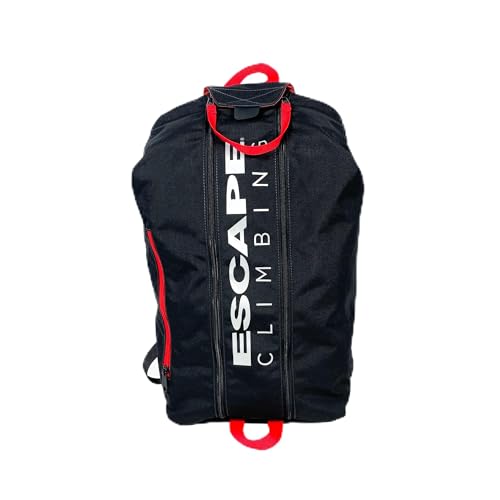
- ✓ Spacious main compartment
- ✓ Comfortable padded straps
- ✓ Compact, lightweight design
- ✕ Limited space for extra gear
- ✕ Slightly rigid organization
| Main Compartment Volume | Approximate 15-20 liters capacity |
| Material | Durable nylon or polyester fabric |
| Weight | Approximately 0.5-1 kg (1.1-2.2 lbs) |
| Carrying System | Padded adjustable shoulder straps |
| Closure Type | Full-length zipper |
| Additional Features | Multiple external and internal pockets for gear organization |
You know that feeling when you find a climbing bag that actually fits all your gear without turning into a bulky mess? I finally got my hands on the Escape Climbing Boulder Backpack, and honestly, it’s lived up to every bit of anticipation.
The first thing I noticed is how compact yet surprisingly spacious it is. It’s perfect for those quick gym trips or longer bouldering sessions without feeling weighed down.
The full zip compartment is a game-changer. It opens wide, giving easy access to your shoes, chalk, and harness, and the multiple pockets keep everything organized.
I especially like how roomy the main compartment is—there’s enough space for a brush, some snacks, and even a spare shirt. The padded straps make carrying this lightweight bag comfortable, even during those longer approaches to the crag.
It feels sturdy but not bulky, so it’s easy to stuff into a crash pad or sling over your shoulder.
What really impressed me is how versatile it is. Whether you’re hitting the gym or heading out for a full day of bouldering, this bag keeps your essentials within reach.
It’s small but mighty, making it ideal for quick runs or extended outings. The quality feels durable, which is crucial for outdoor adventures.
Plus, the price point is reasonable for what you get—no flimsy zippers or cheap fabric here.
If I had to nitpick, the bag’s size might be a bit tight if you carry a lot of extra gear. Also, the layout could be a little more customizable.
Still, for most boulderers, this is a solid choice that balances convenience with carrying capacity.
PETZL BUG Backpack for Multi-Pitch Climbing Red
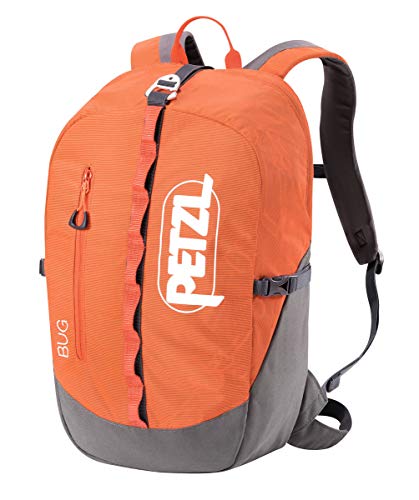
- ✓ Lightweight and compact
- ✓ Excellent adjustability
- ✓ Fits all day essentials
- ✕ Limited volume for larger gear
- ✕ No hip belt pockets
| Capacity | 18 liters (approximately 1100 cubic inches) |
| Weight | 525 grams (18 ounces) |
| Material | Lightweight synthetic fabric (implied for weight and compactness) |
| Dimensions | Compact profile designed for close fit to the back (exact dimensions not specified) |
| Features | Side compression straps, adjustable sternum strap, adjustable rope attachment strap, interior compartment for hydration or laptop, exterior and topo pockets |
| Intended Use | Multi-pitch climbing, bouldering, fast and light outdoor adventures |
Right out of the box, the PETZL BUG Backpack feels like it was designed with agility in mind. Holding it in my hands, I appreciated how light it was—just 18 ounces—yet it packs a surprising amount of storage.
The sleek, low-profile shape hugs close to your back, making those tight chimney squeezes or narrow boulder problems feel a lot less cumbersome.
The 18-liter capacity is just right for a full day on the wall. I could easily fit my climbing shoes, a light change of clothes, water, and snacks without feeling like I was hauling a bulky pack.
The exterior pocket is broad enough for quick access items, while the interior compartment kept my hydration system and wallet well-organized.
Adjustability is a big plus here. The side compression straps let me tighten the pack for a more compact fit, and I liked having the option to attach my rope to the top loop for quick hauling.
The sternum strap and adjustable waistbelt, which folds away when not needed, added stability during climbs without adding bulk.
Climbing with it felt natural—no shifting or bobbing around, thanks to the well-thought-out fit. The material felt durable yet lightweight, and the overall design allowed for easy maneuvering in tight spaces or fast approaches.
Honestly, it’s a smart choice if you want a minimal footprint that still holds everything you need for a day bouldering or multi-pitching.
PETZL BUG Backpack for Multi-Pitch Climbing Gray

- ✓ Compact and lightweight
- ✓ Comfortable fit
- ✓ Plenty of storage
- ✕ Limited space for larger gear
- ✕ No dedicated shoe compartment
| Capacity | 18 liters (approximately 1100 cubic inches) |
| Weight | 525 grams (18 ounces) |
| Material | Lightweight synthetic fabric (implied for weight and compactness) |
| Dimensions | Compact profile designed for close fit, suitable for tight spaces |
| Features | Adjustable sternum strap, side compression straps, exterior and interior pockets, hydration/laptop compartment |
| Intended Use | Multi-pitch climbing, bouldering, fast and light outdoor adventures |
You know that frustrating moment when you’re trying to squeeze into a tight chimney or maneuver around a boulder, only to be bogged down by a bulky, awkward backpack? That’s exactly where the PETZL BUG Backpack shines.
Its sleek, low-profile design hugs your back tightly, so you don’t feel like you’re fighting your gear every step of the way.
At just 18 liters, it might seem small, but don’t let that fool you. I was able to pack my climbing shoes, a water bottle, snacks, and even a lightweight jacket without feeling cramped.
The wide exterior pocket kept my topo and wallet within easy reach, while the interior compartment was perfect for my hydration system or even a small laptop.
The adjustable straps made it easy to attach a rope at the top, and the side compression straps kept everything snug as I moved. The sternum strap added extra stability when I was scrambling or climbing.
Plus, the waistbelt folds away neatly if I didn’t need it — no bulk, no fuss.
Even with all this, the weight is barely noticeable. At just 525 grams, I hardly felt it on my back, which made a huge difference on long, fast-paced days.
The durable yet lightweight fabric held up well against rough walls and occasional scrambles.
Overall, this backpack hits the sweet spot for bouldering trips: compact, comfortable, and thoughtfully designed. It’s perfect for anyone who wants to stay nimble without sacrificing essentials.
What Features Make the Best Backpack for Bouldering?
The best backpack for bouldering should include features that enhance convenience, comfort, and functionality during climbing excursions.
- Durability: A high-quality bouldering backpack should be made from robust materials that can withstand the rigors of outdoor use, including abrasions and exposure to various weather conditions.
- Comfortable Straps: The backpack should have padded and adjustable shoulder straps to ensure a comfortable fit, especially when carrying heavy loads over long distances.
- Multiple Compartments: A well-designed backpack will feature various compartments and pockets for organizing climbing gear, shoes, and personal items, allowing easy access and better weight distribution.
- Hydration Compatibility: Many of the best bouldering backpacks include a compartment or sleeve for a hydration bladder, facilitating easy access to water while keeping hands free for climbing.
- Size and Capacity: The ideal backpack should have an appropriate size and capacity to hold essential gear without being cumbersome, typically ranging from 20 to 40 liters for day trips.
- Climbing Gear Attachment Points: Look for backpacks that have external attachment points or loops for securing climbing pads, helmets, or other gear, which allows for convenient transportation of equipment.
- Weather Resistance: A water-resistant or waterproof material ensures that your gear stays dry during unexpected rain showers, making it a vital feature for bouldering in varied climates.
- Lightweight Design: A lightweight backpack helps reduce fatigue during hikes to climbing locations, making it easier to carry essential items without added strain.
How Does Comfort Affect Your Bouldering Experience?
Padded straps are essential for comfort, as they absorb some of the weight and pressure that comes from carrying climbing gear, which can otherwise lead to shoulder and back pain during long days at the crag.
Ventilation systems in backpacks are important for climbers, especially in warm conditions, as they promote airflow and reduce sweat accumulation, keeping you comfortable and focused on your climbing performance.
An adjustable fit is crucial, as it allows the user to customize how the backpack sits on their body, ensuring that it remains stable and does not impede movement while climbing.
Finally, a lightweight material is vital because it allows you to carry your gear without adding unnecessary weight, making it easier to move freely and concentrate on your climbing technique rather than the burden of your backpack.
Why Is Durability Essential in Bouldering Backpacks?
Durability is a critical factor when selecting a bouldering backpack due to the various challenges faced during climbing and transportation. Bouldering often involves navigating rugged terrains, potentially exposing gear to sharp rocks, debris, and unpredictable weather conditions.
Key reasons why durability matters include:
-
Material Quality: Backpacks made from high-denier nylon or polyester resist abrasions and tears, ensuring longevity even under tough conditions.
-
Weather Resistance: A durable backpack often features water-resistant materials or coatings. This protection is vital to keep gear dry, particularly during sudden rain or when climbing near water.
-
Structural Integrity: Strong seams, reinforced stitching, and robust zippers enhance the backpack’s ability to hold heavy climbing gear, reducing wear and tear over time.
-
Frequent Use: For regular bouldering enthusiasts, a durable backpack can withstand repeated use without compromise, offering value over cheaper, less resilient alternatives.
Investing in a durable bouldering backpack not only ensures that your gear is protected but also enhances your overall climbing experience by providing reliable storage and transport solutions.
What Size Backpack Should You Choose for Bouldering?
Choosing the right size backpack for bouldering is crucial for convenience and comfort while carrying your gear.
- Small (15-30 liters): Ideal for short bouldering sessions, this size can carry essentials like climbing shoes, chalk, and a water bottle.
- Medium (30-50 liters): This size offers a balance between capacity and weight, making it suitable for a day of climbing while allowing for extra gear like a crash pad or snacks.
- Large (50+ liters): Best for multi-day trips or when carrying extensive gear, this size can accommodate climbing pads, extra clothing, and food for longer outings.
Small backpacks, ranging from 15 to 30 liters, are perfect for quick bouldering sessions, allowing climbers to carry only the essentials. They are lightweight and easily maneuverable, making them suitable for short hikes or trips to the climbing gym.
Medium backpacks, between 30 and 50 liters, provide a versatile option for day-long excursions. They can hold a more comprehensive range of items, such as extra climbing gear, a first aid kit, and food, ensuring you are prepared without overloading yourself.
Large backpacks, exceeding 50 liters, are designed for serious climbers who undertake extended trips. These packs offer ample space for carrying crash pads, multiple climbing outfits, and additional supplies, making them ideal for weekend adventures or more extensive bouldering pursuits.
Which Brands Are Known for High-Quality Bouldering Backpacks?
The main brands known for high-quality bouldering backpacks include:
- Black Diamond: Renowned for their climbing gear, Black Diamond offers backpacks designed specifically for climbers, featuring durable materials and functional designs.
- Petzl: Petzl backpacks are known for their practicality and user-friendly features, catering to both bouldering and other climbing activities.
- Mammut: This brand combines Swiss engineering with climbing expertise, providing backpacks that are not only stylish but also highly functional and comfortable for bouldering.
- Arc’teryx: Arc’teryx is recognized for its premium outdoor gear, and their bouldering backpacks are no exception, offering advanced materials and ergonomic designs.
- Deuter: Deuter backpacks are well-known for their comfort and support, making them ideal for climbers who need a reliable option for bouldering trips.
Black Diamond: This brand is a staple in the climbing community, providing a range of backpacks that are rugged and tailored for the demands of bouldering. Their backpacks often feature multiple pockets for gear organization, hydration reservoir compatibility, and reinforced areas for carrying crash pads.
Petzl: Petzl’s approach to backpack design emphasizes versatility and accessibility, often including features like gear loops and easy-access compartments. Their backpacks are designed to withstand the wear and tear of outdoor use, making them ideal for climbers who frequently navigate rocky terrains.
Mammut: With a reputation for quality and innovation, Mammut backpacks are crafted to provide excellent load distribution and comfort. Many models include features like adjustable straps and breathable back panels, ensuring that climbers can carry their essentials without sacrificing comfort during bouldering sessions.
Arc’teryx: Known for their attention to detail, Arc’teryx backpacks offer high-performance materials designed to endure extreme conditions. Their designs often focus on minimizing bulk while maximizing storage space, which is beneficial for bouldering athletes who need to remain agile.
Deuter: Deuter’s commitment to ergonomic designs means their backpacks are often equipped with padded shoulder straps and adjustable waist belts, providing maximum comfort for climbers. Their focus on durability ensures that these backpacks can handle the rigors of outdoor bouldering while still looking good.
How Do the Top Bouldering Backpacks Compare in Price and Performance?
| Backpack Model | Price | Performance |
|---|---|---|
| Model A | $80 – Budget-friendly with essential features. Weight capacity: 20L. Water resistance: Moderate. Additional features: Side pockets. | Good durability and comfort for short climbs. |
| Model B | $120 – Mid-range option with added storage. Weight capacity: 30L. Water resistance: High. Additional features: Hydration reservoir sleeve. | Excellent support and organization for gear. |
| Model C | $200 – High-end with advanced materials. Weight capacity: 40L. Water resistance: Very high. Additional features: Compression straps and gear loops. | Lightweight and superior performance for long routes. |
What Do Users Say About Popular Bouldering Backpacks?
Users often share their experiences and preferences regarding the best backpack for bouldering, highlighting various features and brands.
- Black Diamond Creek 50: Users appreciate the spacious interior and durable design of this backpack, making it ideal for carrying climbing gear and personal items.
- Arc’teryx Cierzo 18: Many climbers praise this lightweight and compact option, perfect for day trips and minimal gear needs while still being comfortable to wear.
- Petzl Bug: The versatility and functionality of the Petzl Bug earn it positive reviews, with users loving its ability to hold climbing shoes and chalk while being easy to pack.
- Deuter Futura Vario 50+10: Users highlight its comfortable fit and adjustable features, making it a great choice for longer bouldering trips where more gear is required.
- Osprey Transporter 65: This backpack is favored for its robust construction and waterproof materials, ensuring that gear stays dry and secure during outdoor adventures.
The Black Diamond Creek 50 is well-regarded for its ample storage capacity and ruggedness, allowing users to pack everything from crash pads to snacks. Its reinforced base ensures durability against rough surfaces, which is essential for bouldering.
The Arc’teryx Cierzo 18 is celebrated for its incredibly lightweight build, making it easy to carry on short trips. Users note that its streamlined design does not sacrifice comfort, as it includes padded shoulder straps and a hip belt.
The Petzl Bug receives commendations for its functional design, which includes a unique closure system that allows for quick access to gear. Users find it perfect for short bouldering sessions where carrying a full-size pack is unnecessary.
Users of the Deuter Futura Vario 50+10 appreciate how its adjustable features accommodate different body types, providing a custom fit that enhances comfort during extended climbs. The backpack’s multiple compartments also help in organizing gear efficiently.
The Osprey Transporter 65 is favored for its sturdy, waterproof material, which protects equipment from the elements. Users often mention its versatility, as it serves well for both bouldering and weekend trips, making it a multi-purpose choice.
Related Post: