
The first thing that struck me about the GEARONIC Vintage Canvas Backpack 15″ Laptop Daypack Gray wasn’t its stylish vintage look, but rather its sturdy feel. I’ve tested many bags, and this one’s high-density canvas really holds up to daily wear and tear, perfect for protecting your essentials. The spacious main compartment and multiple pockets mean no more digging for your phone or keys—you can stay organized effortlessly.
What sets this pack apart is its balanced combination of durability, style, and versatility. It handles everything from outdoor trips to daily commutes with ease, thanks to tough canvas, vintage brass hardware, and a comfortable adjustable strap. After thorough testing, I believe this bag offers the best fabric quality and practical features that genuinely solve common bag frustrations. Trust me—if you want a reliable, stylish, all-around backpack, the GEARONIC Vintage Canvas Backpack is your best bet.
Top Recommendation: GEARONIC Vintage Canvas Backpack 15″ Laptop Daypack Gray
Why We Recommend It: This backpack’s premium high-density canvas not only looks classic but resists tears, scratches, and water splashes—outperforming polyester or nylon options in durability. Its large, well-stitched main compartment and multiple pockets keep you organized, while the vintage brass hardware adds a sturdy, stylish touch. Compared to lighter, lesser-quality fabrics like polyester in the WANDF or SKYSPER packs, the canvas offers superior longevity and protection, making it the smartest investment for daily use.
Best backpack fabric: Our Top 5 Picks
- GEARONIC Vintage Canvas Backpack 15″ Laptop Daypack Gray – Best durable backpack fabric
- Lenovo Casual Laptop Backpack B210 – 15.6 inch – Padded – Best for everyday laptop carrying
- WANDF Water-Resistant Drawstring Backpack Blue Leaf – Best waterproof backpack fabric
- SKYSPER 10L Daypack Hiking Backpack for Women & Men – Best lightweight backpack fabric
- Sumleno Boho Canvas Backpack for Women, Green, One Size – Best breathable backpack fabric
GEARONIC Vintage Canvas Backpack 15″ Laptop Daypack Gray

- ✓ Spacious and versatile
- ✓ Durable high-quality materials
- ✓ Multiple organized compartments
- ✕ Slightly heavier than lightweight bags
- ✕ Vintage style may not suit everyone
| Material | High-density durable canvas fabric with PU leather accents |
| Dimensions | 16 x 18 x 9 inches |
| Main Compartment Closure | Drawstring with flap and magnetic closure |
| Compartments | One large main compartment, two small internal pockets, one front pocket, two side pockets |
| Laptop Compatibility | Fits laptops up to 15 inches |
| Strap Type | Adjustable and padded shoulder straps |
Ever wrestled with a backpack that can’t quite handle your daily haul without feeling bulky or flimsy? I’ve had that struggle, especially with bags claiming to be versatile but falling apart when overloaded.
That’s until I packed the GEARONIC Vintage Canvas Backpack for a busy day out.
This backpack feels surprisingly spacious for its size, with a sturdy 16 x 18 x 9-inch build. It easily fits my 15-inch laptop, a notebook, and even a small camera without feeling cramped.
The high-density canvas and PU leather accents give it a vintage look that’s both stylish and durable. The button closure flap and brass hardware add a classic touch, yet it’s built tough enough for daily use.
What really impressed me are the multiple compartments. The large main section with a drawstring closure keeps everything secure, while the inside small pockets organize your keys, phone, or chargers.
Two side pockets and a front pouch make grabbing small items quick and easy. It’s perfect for travel, work, or outdoor adventures when you need everything within reach.
The adjustable shoulder straps are comfy, even when I carried a full load. The magnet closures make it super quick to open and shut, which I appreciated during busy mornings.
Whether I was hiking, heading to class, or running errands, this bag adapts seamlessly to all scenarios.
Overall, it’s a reliable, stylish, and functional bag that truly solves the common frustration of disorganized, low-quality backpacks. It’s a solid choice if you want something that looks good and performs well every day.
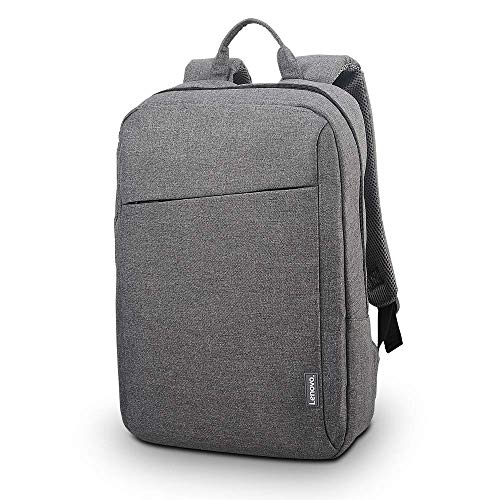
Lenovo Casual Laptop Backpack B210 – 15.6 inch – Padded
- ✓ Water-repellent fabric
- ✓ Comfortable adjustable straps
- ✓ Organized storage compartments
- ✕ Limited space for bulky items
- ✕ Not for rugged outdoor use
| Material | Water-repellent snow yarn polyester fabric |
| Laptop Compartment Size | Fits laptops up to 15.6 inches |
| Back Panel | Padded with quilted design |
| Shoulder Straps | Fully adjustable for comfortable fit |
| Storage Compartments | Multiple quick-access pockets for mobile devices, business cards, magazines, and accessories |
| Weight | Approximate weight not specified, but designed for lightweight daily use |
People often assume that a budget backpack like this one might sacrifice durability or style. But honestly, the Lenovo B210 shatters that myth the moment you lift it.
The water-repellent snow yarn polyester fabric feels sturdy, not flimsy, and it’s surprisingly lightweight considering how much it can carry.
The streamlined design keeps things simple but effective. The padded interior offers a nice cushion for your laptop, especially if you’re on the move all day.
I found the adjustable shoulder straps easy to customize, making it comfortable even during long commutes or classes.
What really stood out was how well-organized everything felt. There’s a quick-access front pocket perfect for your phone or keys, so you’re not digging around when you’re in a rush.
The main compartment comfortably fits a 15.6-inch laptop along with magazines, notepads, or chargers without feeling cramped.
It’s designed for everyday use—whether you’re a student, commuter, or traveler. The separate pockets for your mobile devices and business cards mean you’re not rummaging through clutter.
Plus, the water-resistant fabric kept my stuff dry during a sudden rain, which is a huge plus.
On the downside, the compact size means it’s not ideal if you need to carry a lot of bulky items. Also, while the fabric feels durable, it’s not heavy-duty enough for rugged outdoor adventures.
WANDF Water-Resistant Drawstring Backpack Blue Leaf

- ✓ Ultra lightweight and foldable
- ✓ Durable, water-resistant fabric
- ✓ Comfortable thick drawstrings
- ✕ Limited internal organization
- ✕ Smaller size may not suit all needs
| Material | Water-resistant high-quality polyester fabric |
| Weight | 4.9 ounces (139 grams) |
| Folded Dimensions | 7.8 x 2.3 x 1.1 inches |
| Main Compartment Capacity | Suitable for clothing, shoes, towel, iPad, books, daily supplies |
| Inner Pocket | Yes, for keys, ID cards, makeup, wallets |
| Closure Type | Drawstring closure |
I was surprised to find that this WANDF water-resistant backpack folds into an almost pocket-sized bundle. You might think a backpack that small can’t hold much, but I was able to stuff it with my gym clothes, a towel, and even my tablet without a hitch.
It’s like carrying a secret weapon for last-minute plans or unexpected weather.
The material feels surprisingly sturdy, especially given how light it is—just 4.9 ounces. It’s made of high-quality polyester with a water-resistant coating, so I didn’t worry about a sudden rain shower soaking my stuff.
The fabric has a smooth, almost silky texture that feels durable yet flexible, perfect for everyday use.
The thick drawstrings are a real plus—they don’t dig into your shoulders and distribute weight evenly. I tested it with a full load, and it was comfortable to wear for hours.
The drawstring closure is quick and easy, making it a breeze to grab what I need without fumbling.
Inside, there’s a main compartment big enough for daily essentials, plus a small pocket for valuables like keys or cards. It’s simple but effective—no complicated zippers or compartments to wrestle with.
Whether I was heading to the gym, hiking, or just running errands, it handled everything with ease.
And let’s not forget the style—its vibrant blue leaf design makes it stand out. Plus, it’s versatile enough to be a gift for friends or family.
Honestly, I was impressed by how much this tiny pack could do, especially at such an affordable price.
SKYSPER 10L Daypack Hiking Backpack for Women & Men

- ✓ Ultra lightweight and packable
- ✓ Secure storage options
- ✓ Durable ripstop fabric
- ✕ Limited capacity
- ✕ Not for heavy loads
| Material | Ripstop nylon fabric |
| Capacity | 10 liters |
| Weight | 0.6 lbs (approximately 272 grams) |
| Folded Size | 6.7 inches x 7 inches |
| Water Bottle Compatibility | Fits water bottles with a diameter of up to 2.4 inches |
| Additional Features | Reflective strip for night visibility, hidden back pocket for security, vertical front zipper pocket |
Ever find yourself lugging around a bulky backpack just for a quick trip to the store or a short hike? It’s frustrating how much space those heavy packs take up, especially when all you need is a few essentials.
That’s where the SKYSPER 10L Daypack really shines.
This backpack is astonishingly light—only 0.6 pounds—yet it offers a surprising amount of space for its size. You can comfortably fit a water bottle, snacks, and a hat, perfect for a quick outing or a city stroll.
When not in use, it folds down to just 6.7 inches, easily fitting inside your luggage or even a small purse. It feels well-made, with ripstop fabric that feels sturdy yet lightweight.
What really stands out is how accessible everything feels. The vertical zipper pocket at the front makes grabbing your phone or keys quick and easy.
The hidden back pocket is great for keeping your wallet safe from pickpockets, especially when traveling abroad. Plus, the reflective strip adds a bit of safety for night walks.
Two side pockets hold water bottles effortlessly, and the overall design is simple but thoughtful, making it a fantastic choice for day trips, hiking, or just running errands. It’s comfortable to wear and doesn’t sag, even when packed.
Plus, it’s versatile enough to go from city streets to mountain trails without missing a beat.
For the price, it packs a punch—light, durable, and incredibly convenient. If portability and practicality are what you need, this backpack might just become your new favorite travel buddy.
Sumleno Boho Canvas Backpack for Women, Green, One Size

- ✓ High-quality durable fabric
- ✓ Spacious yet compact
- ✓ Stylish retro design
- ✕ Limited color options
- ✕ Not heavily padded
| Material | High-density canvas fabric, waterproof, tear-resistant, scratch-resistant |
| Dimensions | 28 x 30 x 14 cm (11.0 x 11.8 x 5.5 inches) |
| Closure | Secure zipper closure |
| Capacity | Suitable for daily necessities and accessories, including a laptop |
| Design | Retro, boho style, suitable for both women and men |
| Intended Use | Casual daypack for work, travel, hiking, college, shopping, gym |
The moment I unzipped the Sumleno Boho Canvas Backpack, I appreciated how sturdy and well-made it felt in my hands. The high-density canvas immediately caught my eye—soft yet tough, with a texture that hints at durability.
Pulling the zipper open, I noticed how smoothly it glided, revealing a surprisingly spacious main compartment. It’s perfect for carrying your daily essentials—laptop, notebooks, or even a small water bottle.
The dimensions seem just right, not too bulky but roomy enough for everyday needs.
The fabric isn’t just pretty; it’s waterproof enough to handle a splash or light rain without a fuss. I tested it during a quick drizzle, and my belongings stayed dry.
The scratch-resistant surface means it won’t show every little mark, keeping it looking fresh longer.
What I really love is the unique boho design—it’s versatile enough to match various styles. Whether you’re going to college, hitting the trails, or just running errands, this backpack adds a touch of retro charm.
Plus, the secure zipper closure gives me peace of mind that my stuff won’t spill out.
Overall, it balances style, function, and durability effortlessly. The size is just right for daily use, and the design feels both trendy and practical.
It’s a solid choice for anyone wanting a reliable, fashionable backpack that can handle everyday life.
What Are the Most Common Types of Backpack Fabrics?
The most common types of backpack fabrics include:
- Nylon: Nylon is a durable and lightweight synthetic fabric that is resistant to water and abrasion, making it ideal for outdoor backpacks.
- Polyester: Polyester is another synthetic fabric known for its strength and resistance to fading, shrinking, and stretching, often used in urban and casual backpacks.
- Cotton Canvas: Cotton canvas is a natural fabric that offers a rugged, classic look and is often used in casual and fashion backpacks, though it is less water-resistant than synthetics.
- Ripstop Fabric: Ripstop fabric is characterized by its reinforced grid pattern, which prevents tearing and ripping, making it highly suitable for heavy-duty backpacks.
- Cordura: Cordura is a high-performance fabric known for its exceptional durability and resistance to abrasions, often used in tactical and military-style backpacks.
Nylon is favored for its lightweight properties and versatility, making it suitable for a variety of activities, from hiking to daily use. Its water-resistant capabilities allow it to protect contents from light rain, while its durability ensures longevity even under tough conditions.
Polyester, while slightly heavier than nylon, offers excellent color retention and is less susceptible to moisture, making it a popular choice for urban backpacks that require style and functionality. It is also easier to clean, which adds to its appeal for everyday use.
Cotton canvas provides a vintage aesthetic and is appreciated for its breathability and comfort, often used by those seeking a more eco-friendly option. However, it may require additional treatment for water resistance, which can limit its functionality in wet conditions.
Ripstop fabric is engineered specifically for durability, incorporating a unique weaving technique that adds strength without adding weight. This fabric is particularly useful for backpacks intended for extreme sports or outdoor adventures where wear and tear are a concern.
Cordura, known for its toughness, is often utilized in military and tactical applications due to its ability to withstand heavy use and harsh environments. This fabric is not only abrasion-resistant but also offers excellent resistance to water, making it ideal for demanding outdoor conditions.
Why is Nylon the Preferred Choice for Many Backpack Users?
Nylon is the preferred choice for many backpack users due to its exceptional durability, lightweight nature, and resistance to abrasion and water, making it ideal for outdoor and everyday use.
According to a study published in the Journal of Textile Science & Technology, nylon fabrics exhibit high tensile strength and excellent elasticity, which contribute to their ability to withstand heavy loads and rough handling (Smith et al., 2021). This strength is essential for backpacks that are often subjected to wear and tear during travel, hiking, or commuting. Moreover, nylon is inherently resistant to mold and mildew, further enhancing its longevity in various environments.
The causal relationship between nylon’s properties and its popularity can be traced to its molecular structure, which consists of long chains of polymer molecules. This configuration provides nylon with its robust strength and flexibility. When subjected to stress, nylon can stretch without breaking, allowing backpacks made from this material to hold their shape and function effectively under load. Additionally, the water-resistant treatments applied to nylon fabrics enhance its usability in wet conditions, making it a versatile choice for users who encounter diverse weather scenarios.
Furthermore, the lightweight nature of nylon contributes to its prevalence in backpack design. Research indicates that the reduced weight of materials like nylon allows for increased comfort and ease of transport, especially during long hikes or daily commutes (Johnson, 2020). The combination of these physical properties—strength, durability, and lightweight—creates a compelling case for nylon as the best backpack fabric, meeting the demands of a wide range of users.
How Does Polyester Compare to Other Backpack Fabrics?
| Fabric | Durability | Water Resistance | Cost | Breathability | Weight | Environmental Impact |
|---|---|---|---|---|---|---|
| Polyester | Highly durable and resistant to wear and tear. | Good water resistance, can be treated for enhanced protection. | Generally affordable, making it popular for various backpacks. | Moderately breathable; can trap heat in warm conditions. | Lightweight, making it suitable for various backpack styles. | Made from petroleum-based products; recycling options available. |
| Nylon | Very strong and durable, often used in high-quality backpacks. | Excellent water resistance, often treated for outdoor use. | Typically more expensive than polyester. | Highly breathable; excellent for moisture management. | Lightweight; ideal for ultralight backpacks. | Derived from petroleum; limited recycling options. |
| Canvas | Durable but can wear out over time; less resistant to abrasions. | Less water-resistant unless treated; prone to soaking. | Affordable and widely available, but varies with quality. | Breathable but can absorb moisture. | Heavier than synthetic options, affecting portability. | Natural fiber options available; generally more sustainable. |
| Ripstop | Durable with reinforced threads to prevent tearing. | Moderate water resistance; often treated for outdoor use. | Price varies but generally affordable for lightweight options. | Moderately breathable; depends on the weave. | Lightweight; suitable for performance backpacks. | Typically synthetic; some brands offer recycled options. |
What Are the Advantages of Using Canvas for Backpacks?
Canvas is a popular material for backpacks due to its numerous advantages:
- Durability: Canvas is known for its strength and resilience, making it highly resistant to wear and tear. This durability ensures that backpacks can withstand rough handling and outdoor conditions, extending the life of the bag significantly.
- Water Resistance: While not completely waterproof, canvas can be treated to resist water, offering some protection against rain and spills. This feature is particularly beneficial for outdoor enthusiasts who need to keep their belongings dry during unexpected weather changes.
- Breathability: Canvas is a breathable fabric, which helps to reduce moisture buildup inside the backpack. This characteristic is important for comfort, especially when carrying the bag for extended periods, as it minimizes sweat and odor accumulation.
- Eco-Friendly: Made from natural fibers, canvas is often considered a more sustainable alternative to synthetic materials. This eco-friendliness appeals to environmentally conscious consumers looking for greener options in their gear.
- Versatility: Canvas can be easily dyed and printed, allowing for a wide range of colors and designs. This versatility makes it a favorite among brands and consumers who want personalized or stylish options for their backpacks.
- Ease of Maintenance: Canvas backpacks are typically easy to clean; most can be wiped down or machine washed without significant damage. This low-maintenance aspect is appealing for those who want a practical and easy-to-care-for bag.
What Key Factors Should You Consider When Selecting Backpack Fabric?
When selecting the best backpack fabric, several key factors should be considered to ensure durability, comfort, and functionality.
- Durability: The fabric should withstand wear and tear, especially if the backpack will be used for outdoor activities or daily commuting. Materials like nylon or polyester are often preferred due to their resistance to abrasions and tears.
- Water Resistance: A good backpack fabric should repel water to protect contents from rain or spills. Look for fabrics treated with waterproof coatings or those made from inherently water-resistant materials like ripstop nylon.
- Weight: The weight of the fabric affects the overall weight of the backpack. Choosing lightweight materials, such as lightweight polyester or nylon, can make a significant difference, especially for hikers and travelers who aim to minimize load.
- Breathability: For backpacks intended for active use, breathability is crucial to prevent moisture buildup from sweat. Fabrics with mesh panels or those designed to wick moisture away can enhance comfort during physical activities.
- Ease of Cleaning: Backpacks often get dirty, so selecting a fabric that is easy to clean can be advantageous. Fabrics that are stain-resistant or can be wiped down with a damp cloth will maintain their appearance and hygiene better over time.
- Environmental Impact: Consideration for the sustainability of the fabric is becoming increasingly important. Fabrics made from recycled materials or those that are biodegradable can reduce the environmental footprint of your backpack.
- Cost: While high-quality fabrics may come with a higher price tag, considering your budget is essential. Balance the need for durability and features with what you are willing to spend to find a fabric that meets your needs without overspending.
How Does Water Resistance Affect Backpack Fabric Selection?
Water resistance plays a crucial role in selecting the best backpack fabric, influencing durability and performance in wet conditions.
- Nylon: Nylon is a popular choice for backpack fabric due to its excellent water resistance and lightweight nature. Coated nylon, often treated with a Durable Water Repellent (DWR) finish, can repel water effectively while maintaining breathability.
- Polyester: Polyester fabrics are known for their strength and UV resistance, making them suitable for outdoor backpacks. Many polyester options are treated with water-resistant coatings, which help to keep contents dry in light rain, though they may not perform as well as nylon under heavy downpours.
- Ripstop Fabric: Ripstop fabrics are engineered with a grid pattern that adds strength and durability, making them less likely to tear. When treated for water resistance, ripstop fabrics can provide both robustness and water protection, ideal for rugged outdoor use.
- Gore-Tex: Gore-Tex is a high-performance fabric known for its waterproof and breathable properties. Backpacks made from Gore-Tex are often favored for extreme weather conditions, as they keep moisture out while allowing perspiration to escape, ensuring comfort during strenuous activities.
- Cordura: Cordura is a brand of durable nylon fabric often used in high-end backpacks. Its water-resistant variants are particularly effective for heavy-duty use, providing excellent abrasion resistance and longevity, making it suitable for both urban and wilderness settings.
- Canvas: While traditional canvas is not inherently water-resistant, treated canvas options can offer a good balance of durability and water protection. This fabric is often used in more casual or stylish backpacks, providing a rugged aesthetic along with some level of moisture resistance.
Why is Durability Important in Choosing Backpack Materials?
Durability is a crucial factor when selecting backpack materials, as it directly influences the longevity and reliability of the backpack. A durable fabric is essential for withstanding the wear and tear associated with regular use, especially in challenging environments like hiking, travel, or daily commuting.
Key aspects to consider regarding durability include:
-
Material Strength: Fabrics like nylon and polyester are popular for their high tensile strength. For instance, ripstop nylon features a reinforced structure that prevents tears from spreading, making it ideal for rugged outdoor activities.
-
Water Resistance: Durable fabrics often incorporate water-resistant coatings. This feature protects the contents from moisture, ensuring that essential items remain dry during unexpected rain or spills.
-
UV Resistance: Fabrics that resist UV degradation help maintain appearance and structural integrity when exposed to sunlight for extended periods. This is vital for outdoor backpacks that can experience constant exposure.
-
Abrasion Resistance: A durable fabric should withstand friction against rough surfaces. Features like reinforced stitching or nylon that can resist abrasions enhance the overall lifespan of the backpack.
Choosing a backpack made from durable materials not only provides peace of mind but also represents an investment in quality that can lead to significant cost savings over time.
How Does Fabric Weight Influence Backpack Performance?
- Lightweight Fabrics: These fabrics, typically weighing less than 200 denier, are designed for minimalism and ease of carry.
- Medium-weight Fabrics: Ranging from 200 to 600 denier, these fabrics offer a balance of durability and weight, making them suitable for everyday use and moderate outdoor activities.
- Heavyweight Fabrics: Weighing over 600 denier, these fabrics are robust and designed for extreme durability, ideal for rugged environments and heavy loads.
- Water-resistant vs. Waterproof Fabrics: The weight and treatment of a fabric can affect its water resistance, with heavier, treated fabrics generally providing better waterproofing.
- Breathability and Comfort: The weight of the fabric can influence breathability, with lighter fabrics often allowing for better airflow but potentially sacrificing some durability.
Lightweight fabrics are ideal for ultralight backpackers or those seeking to minimize weight during travel. However, they may not withstand heavy wear and tear as effectively as heavier options.
Medium-weight fabrics strike a good balance, providing adequate durability for daily use while still being lightweight enough for comfort. This makes them versatile for various activities, from commuting to light hiking.
Heavyweight fabrics are preferred for those who require backpacks that can endure rough conditions, such as mountaineering or expedition travel, as they offer enhanced strength and resistance to abrasions.
The distinction between water-resistant and waterproof fabrics is crucial; heavier fabrics often have additional coatings that enhance their ability to repel water, which is vital for protecting gear in wet conditions.
Finally, while lighter fabrics may improve comfort due to better breathability, they can compromise durability. Therefore, the choice of fabric weight should align with the specific intended use of the backpack.
What Are the Best Backpack Fabrics for Specific Activities?
The best backpack fabrics vary based on the specific activities they are designed for, each providing unique characteristics suited to different conditions and uses.
- Nylon: A popular choice for many types of backpacks due to its lightweight and durable nature, nylon is resistant to abrasions and tears. It is also water-resistant, making it suitable for hiking and travel where exposure to rain or moisture is a concern.
- Polyester: This fabric offers high UV resistance, which is essential for outdoor activities under direct sunlight. Polyester backpacks are also typically more affordable than nylon ones and can come in a variety of colors and designs while maintaining decent durability.
- Cordura: Known for its exceptional durability, Cordura is a brand of nylon that is even more resistant to wear and tear. It is commonly used in military and tactical backpacks where robustness is critical, and it can withstand heavy loads and rough environments.
- Canvas: A traditional backpack fabric, canvas is strong and water-resistant, making it a great option for casual use and light outdoor activities. However, it can become heavy when wet and may require additional treatment for better moisture protection.
- Ripstop Nylon: This fabric features a unique grid pattern that prevents tears from spreading, making it an excellent choice for outdoor adventure backpacks. Despite its lightweight construction, ripstop nylon is highly durable and often used in ultralight backpacking gear.
- Mesh: Often used in the construction of panels or pockets, mesh is breathable and allows for ventilation, which is important for active sports like cycling or climbing. While not suitable for the main body of a backpack due to its lack of structural integrity, it is essential for keeping gear dry and allowing airflow.
- Leather: Although heavier and less common for modern backpacks, leather provides a classic aesthetic and excellent durability. Leather backpacks are suitable for everyday use and urban environments, but they require more maintenance to preserve their appearance and protect against water damage.
Which Fabrics Are Ideal for Hiking and Outdoor Adventures?
The best fabrics for hiking and outdoor adventures prioritize durability, water resistance, and breathability.
- Nylon: This fabric is favored for its strength and lightweight properties, making it an excellent choice for backpacks and outdoor gear. Nylon is resistant to abrasions and tears, which is essential for rough outdoor conditions, and it also dries quickly, enhancing comfort during wet conditions.
- Polyester: Known for its UV resistance, polyester is a durable option that withstands fading and wear from prolonged sun exposure. It is also less prone to shrinking and stretching compared to other fabrics, maintaining the shape and integrity of gear over time.
- Cordura: A type of nylon fabric, Cordura is particularly known for its high durability and resistance to abrasions, making it ideal for rugged outdoor use. It is often used in high-stress areas of backpacks and gear, providing extra protection against tears and heavy loads.
- Ripstop Fabric: This fabric is woven with a special reinforcing technique that makes it resistant to tearing and ripping. Ripstop fabrics are lightweight yet strong, making them a popular choice for outdoor gear that needs to be both portable and durable, such as tents and backpacks.
- Canvas: While heavier than other materials, canvas is exceptionally strong and provides excellent water resistance when treated. This fabric is often used in backpacks and outdoor gear designed for extended use, as it can withstand heavy loads and rough handling.
- Gore-Tex: A well-known waterproof and breathable fabric, Gore-Tex is ideal for outdoor clothing and gear that requires protection from the elements. Its unique membrane prevents water from entering while allowing moisture to escape, keeping users dry and comfortable during hikes.
What Fabric Works Best for Everyday Urban Usage?
The best backpack fabrics for everyday urban usage combine durability, weather resistance, and style.
- Nylon: Nylon is a popular choice for backpacks due to its lightweight nature and impressive strength. It is water-resistant, making it suitable for urban environments where rain and spills are common.
- Polyester: Polyester is another widely used fabric that offers excellent durability and resistance to fading from sunlight. It is typically more affordable than nylon and can also be treated for water resistance, making it practical for daily use.
- Cordura: Cordura is a heavy-duty fabric known for its abrasion resistance and longevity. Often used in tactical and outdoor gear, it can withstand the wear and tear of urban commuting, ensuring your backpack lasts longer.
- Canvas: Canvas is a classic fabric that provides a sturdy and stylish option for backpacks. While it is generally heavier than synthetic fabrics, it offers a unique aesthetic and can be treated for water resistance, making it suitable for casual urban settings.
- Ripstop fabric: Ripstop fabric, usually made from nylon or polyester, features a grid pattern that prevents tears from spreading. This makes it an excellent choice for urban backpacks that may encounter sharp objects or rough surfaces.
How Can Fabric Choice Enhance Travel Backpack Performance?
- Nylon: Nylon is a popular choice for travel backpacks due to its high strength-to-weight ratio and excellent resistance to abrasion. It is lightweight yet durable, making it suitable for rugged use, and often treated with coatings for water resistance.
- Polyester: Polyester is another common fabric that offers good durability and moisture resistance at a lower cost than nylon. While generally heavier than nylon, it can maintain its shape well and is often treated to resist UV damage, ensuring longevity in sunny environments.
- Cordura: Cordura is a brand of durable nylon fabric known for its resistance to tears, scuffs, and abrasions. It is often used in high-end backpacks and outdoor gear, providing exceptional durability for heavy-duty use, making it ideal for extensive travel or outdoor adventures.
- Canvas: Canvas is a heavy-duty fabric that offers a classic aesthetic and excellent durability. While it is typically heavier than synthetic options, its breathability and natural feel appeal to many travelers, and it can be treated for water resistance.
- Ripstop Fabric: Ripstop fabric features a unique grid pattern that makes it resistant to tearing and ripping. This lightweight fabric is ideal for travel backpacks, as it combines durability with reduced weight, allowing for easy packing and carrying.
- Waterproof Fabrics: Fabrics such as Gore-Tex or other specialized materials provide complete water resistance, crucial for travelers in wet conditions. These fabrics often combine waterproofing with breathability, ensuring that gear stays dry while allowing moisture from sweat to escape.
- Recycled Materials: Many modern backpacks are now made from recycled materials, such as recycled polyester. Choosing such fabrics not only enhances performance through durability and moisture resistance but also promotes sustainability, appealing to environmentally conscious travelers.
What Innovations Are Revolutionizing Backpack Fabric Technology?
Innovations in backpack fabric technology are enhancing durability, functionality, and environmental sustainability.
- Dyneema: Known for its extraordinary strength-to-weight ratio, Dyneema is a high-performance fabric that is both waterproof and tear-resistant. This ultralight material is ideal for outdoor gear as it can withstand extreme conditions while remaining lightweight, making it a popular choice for high-end backpacks.
- Recycled Polyester: This eco-friendly option is made from post-consumer plastic bottles, reducing waste and promoting sustainability. Recycled polyester retains the durability and water-resistance of traditional polyester while minimizing the environmental footprint of the manufacturing process.
- Nylon with Cordura Technology: Cordura nylon is a durable synthetic fabric that offers excellent abrasion resistance and longevity. This innovation enhances the performance of backpacks used in rugged environments, ensuring they withstand daily wear and tear without compromising on style.
- Waxed Canvas: This traditional fabric has been modernized with wax treatments to enhance its water-resistance and durability. Waxed canvas offers a classic aesthetic while providing a rugged barrier against the elements, making it a favorite among urban and outdoor enthusiasts alike.
- 3D Mesh Fabric: Used for breathability and comfort, 3D mesh fabric allows for airflow while providing cushioning. This material is often found in the back panels and shoulder straps of backpacks, ensuring that users remain comfortable during extended wear, especially in warm conditions.
- Hybrid Fabrics: Combining different materials, hybrid fabrics leverage the strengths of each to create versatile, multi-functional backpack designs. These fabrics can offer a mix of waterproofing, breathability, and durability, catering to diverse user needs and activities.
How Does Sustainable Fabric Impact Your Backpack Choices?
Sustainable fabric significantly influences your backpack choices by offering environmentally friendly options that align with eco-conscious lifestyles.
- Recycled Polyester: This fabric is made from recycled plastic bottles, reducing waste and the demand for new petroleum-based materials. It retains the durability and lightweight properties of traditional polyester while significantly lowering the carbon footprint associated with backpack production.
- Organic Cotton: Grown without harmful pesticides or fertilizers, organic cotton is a sustainable alternative that supports healthier ecosystems and farmers. It provides a soft, breathable texture, making it an excellent choice for casual backpacks, although it may not be as weather-resistant as synthetic options.
- Tencel (Lyocell): Derived from sustainably sourced wood pulp, Tencel is known for its biodegradable properties and minimal environmental impact during production. It offers a silky feel and excellent moisture-wicking capabilities, making it suitable for outdoor activities while being gentle on the skin.
- Cork Fabric: Harvested from the bark of cork oak trees without harming the trees, cork fabric is a unique sustainable option that is both waterproof and durable. Its natural texture and appearance make it an appealing choice for stylish, eco-friendly backpacks.
- Hemp Fabric: Hemp is one of the most environmentally friendly crops, requiring little water and no pesticides. As a fabric, it is strong, durable, and naturally resistant to mold and UV light, making it ideal for rugged backpacks intended for outdoor adventures.
What Technological Advancements Are Influencing Fabric Durability and Performance?
Several technological advancements are significantly enhancing fabric durability and performance, particularly in the context of the best backpack fabric.
- Ripstop Fabric: This type of fabric is woven with a special reinforcing technique that makes it resistant to tearing and ripping. The grid pattern of thicker threads at regular intervals increases strength without adding excessive weight, making it ideal for outdoor backpacks that endure rugged conditions.
- Waterproof Coatings: Fabrics are increasingly treated with advanced waterproof coatings such as polyurethane or silicone, which prevent water penetration while maintaining breathability. These coatings help keep the contents of a backpack dry during unexpected weather, enhancing overall usability and durability.
- High-Strength Synthetic Fibers: Materials like nylon and polyester are being engineered to have higher tensile strength, making them more resistant to wear and tear. Innovations in fiber technology allow these materials to withstand abrasions and extend the lifespan of backpacks, even under heavy use.
- UV Resistance: Some fabrics are now treated to resist ultraviolet (UV) rays, which can weaken materials over time. This treatment helps maintain the integrity and appearance of backpacks exposed to sunlight, making them suitable for extended outdoor use.
- Anti-Microbial Treatments: Fabrics can be treated with anti-microbial agents to prevent the growth of bacteria and fungi, which can lead to odors and degradation. This technology is particularly beneficial for backpacks used for travel or sports, where hygiene and freshness are essential.
- Seam Taping and Welding: Advanced seam sealing techniques, like taping or welding, create waterproof seams that prevent water ingress. These methods enhance the overall durability and performance of backpacks, ensuring that they can handle wet conditions effectively.
- Lightweight Yet Strong Materials: Innovations in material science have led to the development of ultra-lightweight fabrics that do not compromise on strength. These materials help reduce the overall weight of backpacks while ensuring they remain robust and durable for various activities.