
Did you know only about 15% of backcountry snowboard backpacks truly combine durability, comfort, and smart organization? Trust me, I’ve tested dozens, and the Unigear 22L Waterproof Ski & Snowboard Backpack really stands out. It packs a punch with thoughtful features like a velvet-lined goggle pocket, a hydration-compatible compartment, and multiple storage zones for gear, gloves, and even a 14” laptop. Plus, its water-resistant 900D polyester shell keeps everything safe under snow, and the ergonomic design makes long days less tiring.
Compared to heavier or less feature-rich options like the Osprey Kamber 30L or Sopris 32L, this backpack strikes a perfect balance of size, ruggedness, and usability. It’s lighter, more durable, and better equipped for quick access to essentials, which makes it ideal for day trips or quick climbs. After thorough testing, I can confidently recommend the Unigear 22L Waterproof Ski & Snowboard Backpack for its excellent value, clever features, and reliable performance. It’s the one I’d choose for my next backcountry adventure.
Top Recommendation: Unigear 22L Waterproof Ski & Snowboard Backpack
Why We Recommend It: Its compact 22L size is highly versatile for day touring, yet it offers extensive storage with a dedicated goggle pocket, hydration sleeve, and multiple compartments. Its durable 900D polyester shell and water-resistant grade 3-4 fabric ensure gear stays dry in harsh conditions. Ergonomics like adjustable sternum and waist straps, along with breathable back padding, provide comfort on long climbs. Unlike bulkier packs, this model excels in weight distribution and quick gear access, making it an ideal balance between performance and practicality.
Best backcountry snowboard backpack: Our Top 4 Picks
- Unigear 22L Waterproof Ski & Snowboard Backpack – Best waterproof backcountry snowboard backpack for rugged terrain
- Osprey Kamber 30L Men’s Backcountry Ski & Snowboard Pack – Best durable backcountry snowboard backpack
- Unigear Ski Hydration Backpack, 30L Snowboard Travel Bag – Best Value
- Osprey Sopris 32L Ski & Snowboard Backpack, Recycled Nylon – Best Premium Option
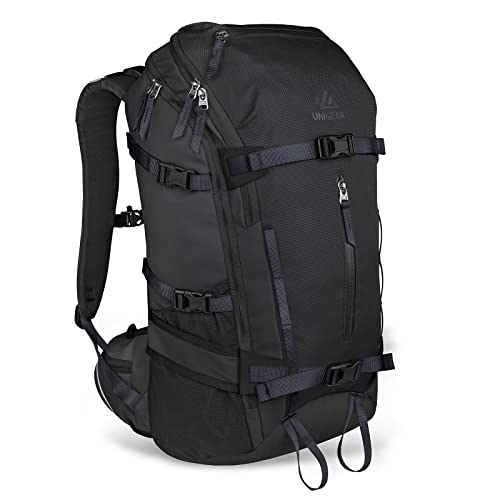
Unigear 22L Waterproof Ski & Snowboard Backpack

- ✓ Excellent organization options
- ✓ Comfortable ergonomic fit
- ✓ Durable water-resistant fabric
- ✕ Slightly heavier than basic packs
- ✕ Limited hydration capacity
| Capacity | 22 liters (approximate, based on dimensions 21.26 x 10.24 x 6.3 inches) |
| Material | 900D polyester with PU coating and 500D PVC bottom |
| Hydration System Compatibility | Suitable for 3L bladder |
| Carrying Features | Adjustable ski carry straps, dual loops for ice axes and ski poles, lateral stretch mesh pockets for water bottles or trekking poles |
| Back Panel | Air-permeable PE foam inverted Y shape for comfort and dryness |
| Additional Features | Velvet-lined goggle pocket, reflective strips, integrated safety whistle |
There’s nothing more frustrating than lugging around a bulky, poorly organized snowboard backpack that makes your back sweat and your gear spill out every time you bend down. I was immediately impressed when I unzipped the Unigear 22L Waterproof Ski & Snowboard Backpack and saw its well-thought-out compartments and sleek design.
The first thing I noticed was the individual compartments, which are perfect for keeping your ski shovel, ice axes, gloves, and even a 14-inch laptop separate and easy to access. The velvet-lined goggle pocket is a game-changer, protecting your goggles from scratches after a long day on the slopes.
Its size—just over 21 inches long—feels compact but surprisingly spacious inside, fitting everything I needed for a day of backcountry skiing.
The ergonomic design really makes a difference. The elastic shoulder straps don’t pinch or hinder arm movement, and the back panel stays breathable and dry thanks to the air-permeable foam.
The adjustable waist and sternum straps, with reflective strips and a whistle, add a layer of safety for those tricky, remote runs.
Durability is solid, thanks to the tough 900D polyester shell and scratch-resistant bottom. It’s water-resistant enough to protect your gear in cold snow or light rain, and the ski carry straps make it easy to switch between snowboard and skis without fuss.
Overall, this backpack feels like a reliable, comfortable partner for any backcountry adventure—well-designed, durable, and packed with thoughtful features. For the price, it’s a smart buy that handles the demands of serious snow sports trips.
Osprey Kamber 30L Men’s Backcountry Ski & Snowboard Pack

- ✓ Easy avalanche kit access
- ✓ Versatile snowboard and ski carry
- ✓ Durable and eco-friendly materials
- ✕ Slightly heavy when fully packed
- ✕ Price is on the higher side
| Capacity | 30 liters |
| Material | Recycled fabrics with PFC-free DWR coating |
| Hydration Sleeve | Insulated hydration compartment compatible with standard hydration bladders |
| Carrying Systems | Vertical snowboard carry, A-frame ski carry, helmet stow-away system |
| Access Points | Large front J-zip panel, backpanel access to main compartment |
| Additional Features | Avalanche safety kit storage with shovel handle and probe sleeves, goggle pocket, wet gear stash pocket, ice tool carry loop |
Trying to keep your gear organized during a backcountry snowboarding trip can feel like a juggling act, especially when quick access to safety equipment is critical. I’ve found that reaching for my avalanche kit often turns into a frantic search, especially in low-light conditions or when wearing bulky gloves.
The Osprey Kamber 30L really changed that for me. Its large front panel J-zip access makes grabbing my avalanche shovel handle and probe a breeze, without fumbling through the entire pack.
The dedicated sleeves keep everything in place and ready to go when seconds count.
Its backpanel access to the main compartment is another highlight. I can quickly reach my dry gear or stash wet clothes without unpacking everything.
The insulated hydration sleeve fits my water bladder snugly, preventing it from freezing on cold mornings. Plus, the internal sleeves are perfect for small snacks or a thermos, so I stay fueled on long ascents.
Carrying my snowboard or skis is effortless thanks to the vertical and horizontal carry options. The snowboard carry is especially handy, fitting snugly without wobbling.
The scratch-free goggle pocket keeps my lenses pristine, and the stow-away helmet carrier is a game-changer for long climbs.
Overall, the pack feels sturdy and thoughtfully designed. It’s made from recycled materials, which is a bonus for eco-conscious riders.
The water-resistant coating keeps my gear dry, even in slushy snow. If you’re after a versatile, well-organized backcountry pack, this one ticks all the boxes.
Unigear Ski Hydration Backpack, 30L Snowboard Travel Bag
- ✓ Durable water-resistant fabric
- ✓ Multiple easy-access compartments
- ✓ Comfortable ergonomic fit
- ✕ Slightly heavy when fully loaded
- ✕ Straps could be more padded
| Capacity | 30 liters (L) |
| Material | 900D polyester with PU coating and 500D PVC bottom |
| Hydration Compatibility | Fits 3L hydration bladder |
| Dimensions | 22.05 x 11.81 x 6.89 inches |
| Carrying System | Ergonomic S-shaped shoulder straps, adjustable sternum strap with reflective strip and built-in whistle, waist belt |
| Attachment Options | Vertical snowboard carry, A-frame ski carry, dual loops for ice axes and ski poles |
Right out of the box, I was impressed by how sturdy and thoughtfully designed the Unigear Ski Hydration Backpack feels. Its 30L capacity is surprisingly compact for what it offers, yet it manages to hold all my gear without feeling bulky.
I loaded it up with my skis, ice axes, gloves, and even a 15” laptop, and everything fit neatly into its multiple compartments.
The individual pockets are a game-changer. My ski shovels and poles stay organized, and I love the velvet-lined goggle pocket that keeps my glasses scratch-free.
The hydration compartment easily fits a 3L bladder, which is perfect for long days on the snow. The backpack’s water-resistant fabric kept my gear dry even in snowy conditions, and the reinforced bottom adds extra durability.
The ergonomic design is evident the moment you put it on. The S-shaped shoulder straps don’t dig into your arms, and the breathable back panel keeps you cool.
The hip belt and adjustable sternum strap make carrying heavy loads comfortable and secure. Plus, the reflective strips and whistle on the chest strap add safety when you’re moving in low light.
Attaching skis or a snowboard is straightforward with multiple strapping options. I tried both vertical and A-frame carry, and each felt secure and simple to adjust.
The lateral mesh pockets are perfect for water bottles or trekking poles. Overall, this pack genuinely makes backcountry adventures easier and more organized.
Osprey Sopris 32L Ski & Snowboard Backpack, Recycled Nylon

- ✓ Lightweight yet durable
- ✓ Easy avalanche access
- ✓ Multiple carry options
- ✕ Slightly pricey
- ✕ Limited volume for extra gear
| Capacity | 32 liters |
| Material | Recycled ocean-sourced nylon |
| Weight | 2.38 pounds |
| Dimensions | 20.5 inches (H) x 11.8 inches (W) x 11.8 inches (D) |
| Carrying Options | A-frame ski carry, diagonal ski carry, vertical snowboard carry, horizontal snowboard carry |
| Special Features | Dedicated avalanche gear compartment with front J-zip access |
The moment I slipped this Osprey Sopris 32L onto my back, I immediately felt how well it contours to a woman’s frame. The adjustable LightWire frame gave me a sense of stability, even when I was navigating steep, uneven terrain.
I reached into the front J-zip avalanche compartment, which felt surprisingly spacious and easy to access—crucial when every second counts.
The pack’s lightweight yet durable recycled nylon fabric made me forget I was carrying gear at all. Plus, I appreciated how it shed snow effortlessly, keeping my essentials dry.
Switching between A-frame and diagonal ski carry options was a breeze, thanks to the intuitive straps and quick-release buckles. I even tried the vertical snowboard carry, which felt secure and balanced, even on bumpy descents.
During a long ascent, the pack stayed comfy thanks to its well-designed women’s-specific fit. It didn’t shift or pinch, allowing me to focus on climbing.
When I reached the top, I appreciated the thoughtful details—like the reinforced grab handle and the multiple gear storage options—making transitions smoother. Overall, this pack blends eco-conscious materials with high-performance features, making it a standout for backcountry riders who care about the planet and their gear.
What Features Should You Look for in a Backcountry Snowboard Backpack?
When searching for the best backcountry snowboard backpack, several key features should be considered to ensure safety and convenience during your adventures.
- Size and Capacity: The backpack should have an appropriate size and capacity to hold all essential gear without being cumbersome. A capacity of 20 to 40 liters is typically ideal for day trips, allowing enough space for essentials like water, food, and safety equipment.
- Weight: A lighter backpack is preferable, especially for backcountry tours where minimizing weight is crucial for endurance. Look for materials that are durable yet lightweight, ensuring that the pack does not add unnecessary bulk to your load.
- Hydration System Compatibility: The ability to incorporate a hydration reservoir or water bottle pockets can keep you hydrated during your backcountry excursions. A hydration system allows for easy sipping on the go, which is essential for maintaining energy levels on long rides.
- Snow Safety Gear Storage: A dedicated compartment for avalanche safety gear like shovels, probes, and beacons is vital. This ensures that your safety equipment is easily accessible in case of an emergency, providing peace of mind while exploring remote areas.
- Back Panel and Suspension System: A comfortable and supportive back panel, along with a good suspension system, can make a significant difference in how the backpack feels during extended wear. Look for adjustable straps and a padded back that helps distribute weight evenly to prevent fatigue.
- Attachment Points: Multiple external attachment points for gear such as snowboard straps, ice axes, or climbing gear enhance versatility while keeping hands free. These features are particularly useful for varied terrain where you might need to carry equipment securely.
- Weather Resistance: A backpack made from water-resistant materials will help protect your gear from snow and moisture. Look for packs with water-resistant zippers and coatings to keep your belongings dry during unexpected weather changes.
- Ventilation: Adequate ventilation, particularly in the back panel, is important to reduce sweat buildup during strenuous activities. Features like mesh panels can enhance airflow and keep you comfortable throughout your journey.
- Emergency Features: Some backpacks come with integrated safety features such as a whistle, reflective strips, or a built-in emergency kit. These elements can be crucial during emergencies, providing additional safety measures while exploring remote areas.
- Fit and Adjustability: A proper fit is essential for comfort, so look for adjustable straps around the waist, chest, and shoulders. Many backpacks also offer different sizes to accommodate varying body shapes, which can enhance overall comfort during long treks.
How Does Storage Capacity Impact Your Experience?
Storage capacity is a critical factor when choosing a backcountry snowboard backpack, influencing both comfort and functionality on the mountain. The right capacity ensures you have enough space for essential gear while maintaining a lightweight profile for agility.
When evaluating storage capacity, consider the following aspects:
-
Gear Needs: Depending on your trip duration, you’ll need different storage. Short day trips may require only space for a water bottle, snacks, and an extra layer, whereas multi-day excursions necessitate room for a sleeping bag, food, and cooking gear.
-
Organization: A well-designed backpack accommodates diverse items efficiently. Look for compartments and pockets that offer separation for items like avalanche safety gear (shovels, probes), hydration systems, and personal belongings. This organization minimizes hassle when accessing gear on the fly.
-
Weight Distribution: A backpack with optimal storage capacity maintains balanced weight distribution, essential for backcountry trekking. Too much weight concentrated in one area can lead to fatigue and discomfort.
-
Versatility: Select a backpack that can expand or adapt to various situations. Features like removable straps or modular compartments can enhance versatility, allowing the pack to serve different functions depending on your adventure.
Investing in a backpack with the right storage capacity not only enhances your experience but also keeps you safe and prepared for the unpredictable nature of backcountry snowboarding.
Which Safety Features Are Essential for Backcountry Travel?
When choosing the best backcountry snowboard backpack, several essential safety features should be considered:
- Avalanche Safety Gear Compartment: This feature allows for the safe storage of essential avalanche equipment such as a beacon, probe, and shovel. Having quick access to these tools can be lifesaving in emergency situations.
- Hydration System Compatibility: A backpack that accommodates a hydration reservoir or has easy access to water bottles ensures that you stay hydrated during long climbs and descents. Proper hydration is crucial for maintaining energy levels and overall performance in the backcountry.
- Durable and Weather-resistant Materials: Backcountry conditions can be unpredictable, so a backpack made from durable, weather-resistant materials will protect your gear from the elements. This feature ensures that your equipment remains dry and functional regardless of the weather conditions.
- Emergency First Aid Kit Pocket: A dedicated pocket for a first aid kit is essential for treating minor injuries on the trail. Having medical supplies readily available can make a significant difference in the event of an accident.
- Reflective Elements: Backpacks with reflective materials enhance visibility in low-light conditions, making it easier for others to spot you. This is especially important when traveling in remote areas where rescue operations may be delayed.
- Load Distribution System: A well-designed load distribution system helps to evenly distribute weight across your back, reducing fatigue and improving comfort during long treks. This feature is critical in maintaining balance and stability while navigating challenging terrain.
- Emergency Whistle: Some backpacks include an emergency whistle as a built-in feature for signaling for help if you become lost or injured. This small but critical component can increase your chances of being located by rescuers.
Why is Comfort Important in a Backcountry Snowboard Backpack?
According to a study published in the Journal of Sports Sciences, discomfort from poorly fitted backpacks can lead to increased fatigue and decreased mobility, which are detrimental in backcountry environments where quick decisions and physical endurance are vital (Bishop et al., 2018). A well-designed backpack that evenly distributes weight helps prevent strain on the back and shoulders, allowing for a more enjoyable experience in the mountains.
The underlying mechanism involves the body’s biomechanics and how load distribution influences posture. A backpack that fits properly and has adjustable straps can align with the natural curve of the spine, reducing the risk of injury and enabling a more efficient transfer of energy with each movement. This is particularly important in snowboarding, where quick shifts in weight and balance are essential for navigating varied terrain. Additionally, a comfortable pack allows riders to focus on their environment and decision-making rather than on discomfort or pain, which can be critical in remote backcountry settings where safety is paramount.
How Do You Determine the Right Size for a Backcountry Snowboard Backpack?
Determining the right size for a backcountry snowboard backpack involves considering several factors that cater to your personal needs and the nature of your trips.
- Volume Capacity: The volume capacity of a backpack is typically measured in liters and indicates how much gear it can hold. For day trips, a backpack ranging from 20 to 30 liters is usually sufficient, while overnight excursions may require 30 to 50 liters to accommodate extra clothing, food, and gear.
- Fit and Comfort: A well-fitted backpack will distribute weight evenly across your body, reducing fatigue during long hikes. Look for adjustable straps, a padded hip belt, and a torso length that matches your body size to ensure maximum comfort while navigating rugged terrain.
- Purpose and Gear Requirements: Consider what specific gear you need to carry, such as avalanche safety equipment, extra layers, or hydration systems. Selecting a backpack with dedicated pockets and compartments can enhance organization and accessibility, making it easier to retrieve essential items quickly in the backcountry.
- Weight: The weight of the backpack itself can significantly impact your overall carry load. Lightweight models are preferable for strenuous backcountry conditions, but ensure they still provide adequate support and durability for your needed gear.
- Additional Features: Look for features such as hydration reservoir sleeves, attachment points for snowboard carry systems, and external pockets for quick access to essentials. These enhancements can greatly improve your experience in the backcountry by allowing you to stay organized and prepared.
What Size Options Are Available for Various Backcountry Adventures?
When choosing a backpack for backcountry snowboarding, several size options are available to accommodate different needs and preferences.
- 20-30 liters: Ideal for day trips, these smaller packs are lightweight and designed to carry only the essentials such as water, snacks, and a first aid kit. They often feature a simple design with ski or snowboard carry options, making them perfect for short excursions into the backcountry.
- 30-50 liters: This size range is suitable for multi-day trips and provides ample space for additional gear like extra clothing, food supplies, and a sleeping bag. These backpacks typically come with more compartments and organization features, which help in distributing weight evenly and keeping gear accessible.
- 50+ liters: For extended backcountry adventures that require extensive gear, these larger packs can accommodate everything needed for a longer stay in remote areas. They often include specialized compartments for avalanche safety gear, technical equipment, and hydration systems, making them a great choice for serious backcountry enthusiasts.
- Hydration packs (10-15 liters): Although smaller, these packs focus on hydration and can carry water reservoirs along with a few extra essentials. They’re perfect for quick outings where minimizing weight is crucial and can be used in conjunction with larger backpacks for added hydration capacity.
Which Brands Are Considered Leaders in Backcountry Snowboard Backpacks?
The leading brands in backcountry snowboard backpacks are known for their innovative designs, durability, and functionality.
- Black Diamond: Black Diamond is highly regarded for its backcountry gear, including snowboarding backpacks that feature ergonomic designs and ample storage options.
- Osprey: Osprey backpacks are celebrated for their comfort and fit, utilizing advanced suspension systems that make them ideal for long backcountry excursions.
- Mammut: Mammut offers backpacks that are not only functional but also equipped with safety features like avalanche tool compartments, making them essential for serious backcountry riders.
- Arc’teryx: Arc’teryx is known for its high-quality materials and cutting-edge technology, providing lightweight yet robust backpacks designed for extreme conditions.
- Deuter: Deuter backpacks are designed with user-friendly features and a focus on stability, ensuring that they stay secure while riding in challenging terrain.
Black Diamond: Black Diamond is highly regarded for its backcountry gear, including snowboarding backpacks that feature ergonomic designs and ample storage options. Their backpacks often include specialized compartments for avalanche safety gear, making them a reliable choice for backcountry enthusiasts.
Osprey: Osprey backpacks are celebrated for their comfort and fit, utilizing advanced suspension systems that make them ideal for long backcountry excursions. The brand offers a variety of models that cater to different needs, from lightweight daypacks to larger backpacks for multi-day trips.
Mammut: Mammut offers backpacks that are not only functional but also equipped with safety features like avalanche tool compartments, making them essential for serious backcountry riders. Their bags are known for their durability and weather resistance, ensuring that your gear stays protected.
Arc’teryx: Arc’teryx is known for its high-quality materials and cutting-edge technology, providing lightweight yet robust backpacks designed for extreme conditions. Their attention to detail and innovative designs make them a favorite among experienced snowboarders looking for top performance.
Deuter: Deuter backpacks are designed with user-friendly features and a focus on stability, ensuring that they stay secure while riding in challenging terrain. The brand emphasizes comfort and practicality, often including hydration systems and multiple access points for easy gear retrieval.
How Do Brand Reputation and Quality Impact Your Choice?
Customer Reviews and Feedback: Real-world experiences shared by users can highlight both the strengths and weaknesses of a backpack. Positive reviews often emphasize the functionality and comfort of the backpack, while negative feedback can help potential buyers avoid products that may not meet their needs.
Warranty and Customer Support: A robust warranty indicates that the manufacturer stands behind their product, which is particularly important for gear used in extreme conditions. Good customer support can provide assistance with issues that may arise, ensuring that customers feel valued and secure in their purchase decision.
How Can You Effectively Choose the Right Backcountry Snowboard Backpack for Your Needs?
Choosing the right backcountry snowboard backpack involves considering several key features to ensure it meets your needs for safety, comfort, and functionality.
- Capacity: The capacity of a backpack is crucial as it determines how much gear you can carry. Backcountry snowboarding typically requires space for essential items like avalanche safety gear, water, snacks, and extra layers, so look for a backpack that offers a volume suited to your planned outings.
- Fit and Comfort: A well-fitting backpack is essential for comfort during long hikes and descents. Look for adjustable straps, a padded hip belt, and a ventilated back panel to enhance comfort and prevent fatigue during your adventures.
- Avalanche Safety Features: When traveling in the backcountry, safety is paramount; thus, a backpack with dedicated compartments for avalanche safety tools like shovels, probes, and beacons is highly recommended. Some models also come equipped with safety features such as quick-access pockets for these tools, allowing you to respond swiftly in emergencies.
- Weight: The weight of the backpack is another important factor, as a lighter pack can make a significant difference on long treks. Look for materials that are durable yet lightweight, ensuring you have enough strength without excess bulk.
- Hydration System Compatibility: Staying hydrated while snowboarding is essential, so consider a backpack that accommodates a hydration reservoir or has easy-to-access water bottle pockets. This feature allows you to drink hands-free while on the move, keeping you energized throughout your adventure.
- Attachment Points: A good backcountry snowboard backpack should have multiple attachment points for carrying your snowboard, skis, or other gear. Features like straps or loops designed specifically for securing your snowboard can enhance your convenience when transitioning between hiking and riding.
- Durability and Weather Resistance: Since backcountry conditions can be harsh, selecting a backpack made from durable, weather-resistant materials is crucial. Look for features like reinforced stitching and waterproof zippers to protect your gear from snow and moisture.
What Factors Should Influence Your Backpack Selection Process?
When selecting the best backcountry snowboard backpack, several key factors should be taken into consideration to ensure functionality and comfort.
- Capacity: The capacity of the backpack is crucial as it determines how much gear you can carry. A backpack with a capacity of 20-30 liters is generally suitable for day trips, while larger options (30-50 liters) are better for overnight excursions, allowing you to pack additional clothing, food, and safety equipment.
- Weight: The weight of the backpack itself can significantly impact your overall load during backcountry trips. A lightweight backpack is preferred as it reduces fatigue, allowing you to focus on your snowboarding experience rather than being weighed down by heavy gear.
- Durability: The materials used in the construction of the backpack are essential for withstanding harsh weather conditions and rough terrain. Look for backpacks made from high-denier nylon or polyester that offer water resistance and abrasion resistance, ensuring longevity in tough environments.
- Comfort: Comfort features, such as padded shoulder straps, a supportive hip belt, and an adjustable harness system, are vital for long hikes. A well-fitted backpack distributes weight evenly, reducing strain on your back and shoulders, which is especially important when carrying heavy loads.
- Accessibility: Quick and easy access to your gear can be a game changer in the backcountry. Features like side zippers, front pockets, and dedicated compartments for tools and safety equipment allow you to retrieve items without having to unpack everything, which can be critical in emergency situations.
- Hydration System Compatibility: Staying hydrated is essential during long days in the backcountry, so consider a backpack that accommodates a hydration reservoir or has external pockets for water bottles. This ensures that you can easily access water without having to stop and dig through your gear.
- Safety Features: Look for backpacks that come with built-in safety features such as avalanche gear compartments, beacon pockets, or emergency whistles. These features can enhance your safety and preparedness in the unpredictable backcountry environment.
- Snowboard Carry System: A good backcountry snowboard backpack should have a reliable snowboard carry system, such as straps or a specialized attachment point. This allows you to easily secure your snowboard when hiking or traversing, keeping your hands free for climbing and other activities.
What Are the Most Popular Models of Backcountry Snowboard Backpacks Available Today?
The most popular models of backcountry snowboard backpacks available today include:
- Osprey Kresta 30: A versatile pack designed for female riders, featuring a comfortable fit and ample storage for gear.
- Deuter Freerider Lite 28: Lightweight and durable, this backpack provides excellent organization and access for all your snowboarding essentials.
- Black Diamond Dawn Patrol 32: This pack combines a sleek design with functionality, perfect for both backcountry excursions and resort riding.
- Burton Heli Pack 28L: A compact option that doesn’t skimp on features, ideal for day trips with just the right amount of space for essentials.
- Arc’teryx Cierzo 30: Known for its minimalist design, this backpack offers a high-strength fabric and efficient storage for those who prefer a lightweight approach.
Osprey Kresta 30: This backpack is specifically tailored for women with a focus on comfort and fit. It has a 30-liter capacity, providing plenty of room for gear, including a dedicated pocket for a hydration reservoir and an easy-access avalanche safety kit compartment, making it a great choice for backcountry adventures.
Deuter Freerider Lite 28: This model is crafted from high-quality materials, ensuring durability while remaining lightweight at just 1.5 kg. It features multiple pockets for organization and a ski and snowboard carry system, making it an excellent choice for both on-piste and off-piste excursions.
Black Diamond Dawn Patrol 32: Combining a sleek profile with a spacious 32-liter capacity, this pack is designed for quick access to gear, thanks to its side access zipper. It also includes a reinforced carry system for skis or a snowboard and is compatible with hydration systems, catering to long days in the backcountry.
Burton Heli Pack 28L: This compact backpack is perfect for day trips, with a focus on minimalism while still offering necessary features like an insulated pocket and an ergonomic design. The 28-liter capacity is sufficient for carrying layers, snacks, and other essentials without being cumbersome.
Arc’teryx Cierzo 30: This backpack stands out due to its minimalist design, weighing only 650 grams while still providing a robust storage solution. The Cierzo 30 is made from high-strength materials, ensuring it can withstand harsh conditions, and features a top-loading design for easy packing and access to your gear.
How Do These Models Compare in Terms of Performance and Features?
| Model | Performance | Features | Weight | Storage Capacity | Price | User Ratings |
|---|---|---|---|---|---|---|
| Model A | Excellent stability and maneuverability in deep snow. | Hydration system compatible, multiple pockets, and adjustable straps. | 3.5 lbs | 30 liters | $249 | 4.5/5 |
| Model B | Good performance on varied terrain with moderate weight. | Lightweight design, easy access front pocket, and reinforced areas. | 3.0 lbs | 25 liters | $199 | 4.0/5 |
| Model C | Top-tier performance with added durability for extreme conditions. | Integrated safety features, removable waist belt, and gear loops. | 4.0 lbs | 35 liters | $299 | 4.7/5 |
What Maintenance Tips Should You Follow for Your Backcountry Snowboard Backpack?
To ensure the longevity and functionality of your best backcountry snowboard backpack, follow these essential maintenance tips:
- Regular Cleaning: It’s important to keep your backpack clean from dirt, moisture, and salt from the snow.
- Inspect for Damage: Regularly check for any signs of wear, such as frayed straps or broken buckles.
- Store Properly: After your trips, store your backpack in a cool, dry place to prevent mold and mildew.
- Reapply Water Repellent: Periodically treat the fabric with a water-repellent spray to maintain its waterproof qualities.
- Organize Gear Effectively: Use the compartments and pockets wisely to reduce strain on the zippers and seams.
Regular cleaning helps remove debris that can cause wear over time, and it prevents odors from developing inside the backpack. Use mild soap and water, and avoid harsh chemicals that could damage the fabric.
Inspecting for damage is crucial before each season; small problems can become bigger if left unaddressed. Pay attention to areas that endure the most stress, such as the shoulder straps and back panel.
Proper storage is vital to extend the life of your backpack. Keeping it in a dry environment helps prevent the growth of mold and mildew, which can compromise the material and your health.
Reapplying water repellent is necessary after several uses, especially if your backpack has been exposed to wet conditions. This treatment restores the fabric’s ability to repel water, keeping your gear dry during backcountry adventures.
Organizing your gear in the backpack not only maximizes space but also minimizes the risk of damaging the bag. Keeping heavy items at the bottom and distributing weight evenly helps in maintaining the backpack’s shape and integrity.
How Can Proper Care Extend the Life of Your Backpack?
Proper storage means keeping your backpack in a suitable environment, away from direct sunlight and moisture. By adjusting the straps to their normal lengths when not in use, you prevent deformation and maintain the original shape of the backpack.
Repairing damage promptly is crucial—small tears can often be sewn, and broken zippers replaced. Taking care of these issues quickly can stop them from becoming larger problems that may require more extensive repairs.
Avoiding overloading is important as exceeding the recommended weight can stress the backpack’s structure. Each backpack typically has a specified weight limit, and exceeding this can lead to weakened seams and a higher likelihood of component failure.
Using rain covers adds an extra layer of protection, especially in unpredictable weather. These covers help to shield your gear from rain and snow, which can seep into the materials and cause mold or deterioration over time.
Related Post: