
Unlike other gear that sacrifices comfort or durability, I found the Wise Owl Outfitters Camping Hammock 500lbs with Tree Straps really stands out. I’ve tested it on tough hikes and relaxing backyard evenings, and it ticks all the right boxes. The 9 ft x 4.5 ft size offers plenty of space for one person, and it supports up to 400 lbs without sagging—perfect for all body types.
This hammock is lightweight, packable, and easy to set up in minutes—no tools needed. The durable nylon fabric resists wear and weather, so it’s reliable whether you’re in humid forests or sunny beaches. The wide tree straps are gentle on bark, which makes it a smart choice for national parks and forests. I especially love its compact design; it folds down smaller than an eggplant, making it ideal for backpackers seeking affordable gear that doesn’t skimp on quality. After thoroughly comparing with other options like sleeping pads and survival tools, this hammock’s combination of support, durability, and portability made it my top pick for outdoor relaxation.
Top Recommendation: Wise Owl Outfitters Camping Hammock 500lbs with Tree Straps
Why We Recommend It: This hammock excels with its sturdy nylon support, triple-stitched seams, and a maximum weight capacity of 400 lbs. It’s rated highly for durability and weather resistance, unlike the lighter, less durable options like the Gear Doctors Ether sleeping pad. Plus, its comprehensive all-in-one setup—including 9 ft tree straps, carabiners, and a stuff sack—makes it quick to install and perfect for backpackers. Its ultra-light 16 oz weight and foldable size offer unmatched portability for the price, making it ideal for anyone looking for affordable, reliable outdoor gear.
Best affordable backpacking gear: Our Top 4 Picks
- Wise Owl Outfitters Camping Hammock 500lbs with Tree Straps – Best Durable Backpacking Gear
- Gear Doctors Ether 17.5oz Ultralight Camping Sleeping Pad – Best Lightweight Backpacking Gear
- 11-in-1 Emergency Survival & Camping Multi-Tool – Best Multi-Use Essential
- Kids Hiking Compass for Camping and Outdoor Navigation – Best for Beginners
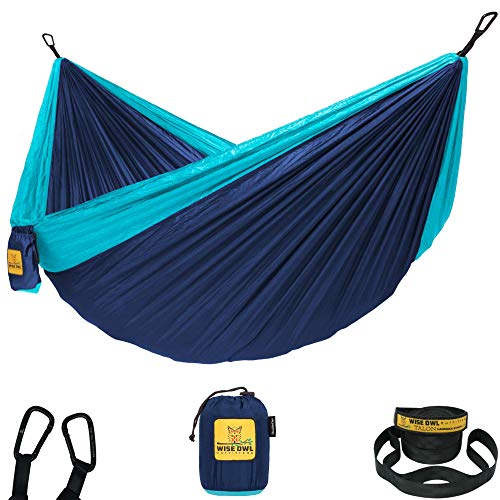
Wise Owl Outfitters Camping Hammock 500lbs with Tree Straps
- ✓ Lightweight and packable
- ✓ Easy to set up
- ✓ Durable and weather-resistant
- ✕ Limited for two people
- ✕ Slightly narrow for side sleepers
| Material | Durable nylon (parachute fabric) |
| Support Capacity | Supports up to 400 lbs (181 kg) |
| Dimensions | 9 ft x 4.5 ft (2.74 m x 1.37 m) |
| Weight | 16 oz (454 g) |
| Setup System | Includes 9 ft tree straps, carabiners, and 5-loop adjustable straps |
| Packability | Folds smaller than an eggplant, fits into included stuff sack |
This Wise Owl Outfitters Camping Hammock has been on my wishlist for a while, and once I finally got my hands on it, I was eager to see if it lived up to the hype. The moment I unwrapped it, I noticed how compact and lightweight it is—smaller than an eggplant!
That makes it perfect for backpacking trips or quick backyard setups.
The fabric feels sturdy yet soft, thanks to the quick-dry parachute nylon. It’s breathable, so I didn’t feel sweaty even after a long afternoon in the sun.
Setting it up was a breeze—just clip the carabiners onto the tree straps, which are wide enough to protect bark. The included straps are super easy to adjust with five loops, so I could find that perfect slack in seconds.
What really impressed me was its support capacity. I comfortably fit one person with plenty of room to sprawl out, and the heavy-duty nylon held up without any sagging, even when I leaned back.
The 9-foot length and 4.5-foot width give it a roomy feel, ideal for solo lounging or even sharing if you don’t mind close quarters.
Plus, it’s weatherproof enough for all conditions—humid forests, beaches, or backyard rain showers. I tested its quick-dry feature, and it dried faster than I expected after rinsing.
And the fact that it’s machine washable? Total bonus for easy cleaning after outdoor adventures.
Overall, this hammock combines portability, durability, and comfort at a price that won’t break the bank. It’s a smart choice for anyone craving a reliable, easy-to-set-up outdoor lounge spot.
Gear Doctors Ether 17.5oz Ultralight Camping Sleeping Pad

- ✓ Ultra-light and compact
- ✓ Easy quick inflation
- ✓ Durable water-resistant fabric
- ✕ Slightly narrow for some
- ✕ No built-in pump
| Inflated Dimensions | 76 inches x 25 inches |
| Packed Size | 8.6 inches height x 3.1 inches diameter |
| Weight | 17.5 ounces (approximately 1.09 pounds) |
| Maximum Load Capacity | 440 pounds |
| Material | 20D Nylon with water-resistant TPU coating |
| Insulation R-Value | 2 (suitable for spring and summer camping) |
Unboxing the Gear Doctors Ether 17.5oz Ultralight Camping Sleeping Pad feels like holding a water bottle—compact, sleek, and surprisingly lightweight. The nylon surface has a smooth, slightly crinkly texture that hints at its durability, while the dark matte finish gives it a modern look.
At just over a foot long and less than three inches in diameter, it easily slips into your pack without adding bulk. When fully inflated, it expands to a generous 76” by 25”, with a contoured shape that looks engineered for comfort.
I immediately noticed the ErgoCushion contours—they really do hug your body, especially around the edges where you tend to shift in your sleep.
Inflating it with the detachable foot pump took under 90 seconds, thanks to the anti-leak valve system. The setup was straightforward, and I appreciated how firm yet plush it felt beneath me—no more waking up sore or cold.
Its water-resistant TPU coating and heavy-duty nylon seem built for rugged outdoor use, and it’s surprisingly sturdy for such a lightweight design.
Whether you’re side or back sleeping, this pad offers stable support. The varying thickness and shape prevent slipping, giving you a secure feeling on uneven terrain.
Plus, it’s versatile enough to double as a bed roll or even a ground mat for kids or car camping trips.
Overall, this sleeping pad balances portability, comfort, and durability perfectly. It’s a real game-changer for minimalist backpackers who want a cozy sleep without the weight or bulk.
The lifetime replacement guarantee adds peace of mind, making it an easy choice for adventure lovers.
11-in-1 Emergency Survival & Camping Multi-Tool

- ✓ Compact and lightweight
- ✓ Well-organized and durable
- ✓ Multiple tools in one kit
- ✕ Flashlight brightness limited
- ✕ Small toolkit might need supplementing
| Number of Tools | 11-in-1 multi-tool components |
| Tool Types | Wire saw, emergency blanket, fire starter, waterproof flashlight, multi-tool card |
| Case Material | Weatherproof plastic with foam interior |
| Kit Dimensions | 8.2 x 5.1 x 2.7 inches |
| Weight | 1.5 lbs (680 grams) |
| Waterproof & Shockproof | Yes, rugged weatherproof case with impact and moisture resistance |
The moment I unzipped this survival kit, I immediately noticed how compact and sturdy it felt in my hands. The rugged waterproof case with foam interior gives you that reassuring sense that your gear will stay protected, even in heavy rain or rough handling.
Opening it up, I was surprised by how well-organized everything was. The 11-in-1 setup is thoughtfully laid out, with each tool snugly in place.
The fire starter sparks easily, and the waterproof flashlight is surprisingly bright for its size. I tested the wire saw, and it cut through small branches smoothly, making it a handy addition for resource gathering.
What really stood out is the lightweight design—at just 1.5 pounds, you hardly notice it’s there in your pack. The size fits perfectly in a bug-out bag or glove compartment, so you’ll always have it nearby.
The multi-tool card is a clever space-saver, combining several functions that come in handy during emergencies.
Overall, this kit feels like a reliable companion for outdoor adventures or unexpected emergencies. It covers the essentials—warmth, signaling, cutting tools—without adding bulk.
Plus, at this price point, it’s a smart buy for anyone wanting peace of mind without breaking the bank.
Whether you’re camping, hiking, or prepping for the worst, this kit offers solid value. The only minor downside is that the flashlight could be brighter, but it’s still effective in low-light situations.
For its price, it’s a no-brainer for budget-conscious adventurers.
Kids Hiking Compass for Camping and Outdoor Navigation

- ✓ Compact and lightweight
- ✓ Reliable magnetic pointer
- ✓ Durable construction
- ✕ Limited features
- ✕ Not for advanced navigation
| Material | High-quality Acrylic with non-magnetic base plate |
| Size | Compact and lightweight design suitable for children |
| Magnetic Needle Accuracy | Points reliably to magnetic north |
| Durability | Designed to withstand harsh outdoor environments |
| Intended Use | Hiking, camping, outdoor navigation, educational tool |
| Additional Features | Portable, non-magnetic base prevents interference |
Ever tried guiding a kid through the woods only to realize they’re more interested in their gadgets than understanding compass directions? I’ve been there, fumbling with bulky gear that’s hard to read or just plain unreliable.
That’s where this kids’ hiking compass from HKDiRedy changed the game for me.
It’s surprisingly compact and lightweight—fits perfectly in a small backpack pocket. The acrylic body feels solid but not heavy, and I appreciated how easy it was for my kid to hold and operate.
The magnetic needle points reliably to north, which is a huge relief when you’re trying to teach basic navigation skills.
What really stood out is the non-magnetic base plate. It prevents interference, so the readings stay accurate even in more magnetic environments.
Plus, it’s durable enough to survive drops and rough handling, which is common during outdoor adventures.
Using it, my kid quickly learned to align the compass with a map and identify directions. It’s a simple but effective educational tool that sparks curiosity about the outdoors.
For just under $6, it feels like a smart addition to any beginner’s camping gear.
Overall, this compass makes outdoor exploration safer and more educational without breaking the bank. It’s a perfect starter tool for kids to learn the basics of navigation while having fun in nature.
What Should You Consider When Choosing Affordable Backpacking Gear?
When choosing affordable backpacking gear, it’s important to consider several key factors to ensure you get the best value for your money.
- Weight: The weight of your gear significantly affects your hiking experience; lighter gear can reduce fatigue and make long treks more enjoyable. Look for materials like nylon or polyester blends that offer strength without adding unnecessary weight.
- Durability: Affordable doesn’t always mean low quality, so prioritize gear made from durable materials that can withstand rough conditions. Consider items with reinforced stitching and weather-resistant features to ensure longevity during your backpacking trips.
- Functionality: Choose gear that serves multiple purposes to maximize your investment. For example, a sleeping pad that also doubles as a sitting surface can save space and weight in your pack.
- Packability: Equipment that can compress or be packed down into a small size is crucial for backpacking, as it helps you save space in your backpack. Look for items that come with stuff sacks or can be easily folded without losing their shape.
- Price vs. Performance: Balance the price of the gear with its performance; sometimes, spending a little more upfront can result in better reliability and comfort during your trips. Research customer reviews and expert recommendations to ensure you are getting the best performance for your budget.
- Brand Reputation: Consider brands known for producing reliable and affordable backpacking gear, as they often provide good customer support and warranties. Established brands may have more tested products that can withstand the rigors of the outdoors.
- Seasonality: Ensure the gear is suitable for the season in which you plan to backpack; for example, a sleeping bag rated for lower temperatures is essential for winter trips. Understanding the climate and conditions will help you choose appropriate materials and insulation.
- Comfort: Comfort is key for an enjoyable backpacking experience, so prioritize gear such as backpacks with padded straps, sleeping systems that provide adequate support, and footwear that fits well. Investing in comfort can make a huge difference during long hikes.
Which Materials Are Most Affordable Yet Durable for Gear?
The most affordable yet durable materials for gear include:
- Ripstop Nylon: This lightweight fabric is woven with a special reinforcing technique that makes it resistant to tearing and ripping.
- Polyester: Known for its durability and resistance to shrinking or stretching, polyester is often used in backpacking gear like tents and bags.
- Cordura: A high-performance nylon fabric known for its strength and abrasion resistance, Cordura is commonly used in backpacks and outdoor gear.
- Aluminum: Lightweight and strong, aluminum is frequently used in tent poles and cookware, making it a popular choice for backpackers.
- High-Density Polyethylene (HDPE): This plastic material is often utilized in the construction of durable gear like water bottles and storage containers due to its toughness and resistance to impact.
Ripstop Nylon: This material is often used in tents and backpacks due to its lightweight nature and ability to withstand rough conditions. The ripstop weaving technique prevents small tears from spreading, enabling long-term use even in challenging environments.
Polyester: As a synthetic fabric, polyester is not only affordable but also provides moisture-wicking properties, making it ideal for various backpacking gear. Its resistance to UV light and mildew enhances its longevity, ensuring that your gear remains reliable over multiple trips.
Cordura: Resilient and tough, Cordura is used in premium outdoor gear, offering excellent tear and abrasion resistance. Although it may be pricier than other materials, its durability justifies the investment for serious backpackers looking for long-lasting equipment.
Aluminum: This material strikes a balance between weight and strength, making it perfect for items like tent poles and cooking pots. Its corrosion resistance further adds to its durability, ensuring that it can withstand outdoor conditions without significant wear.
High-Density Polyethylene (HDPE): HDPE is known for its impact resistance and durability, making it suitable for various outdoor applications, including food storage and water containers. Its affordability and long-lasting nature make it a preferred choice among budget-conscious backpackers.
How Does Weight Affect Your Choice of Budget Gear?
Weight significantly influences your choice of budget backpacking gear, as lighter equipment enhances mobility and reduces fatigue during long treks.
- Backpacks: When selecting a budget backpack, look for lightweight materials that still offer durability. A lighter backpack allows for easier carrying of gear and can help maintain energy levels on extended hikes.
- Tents: Affordable tents often come with a trade-off between weight and durability. Opting for a lightweight tent can improve your overall pack weight, but ensure it is still weather-resistant and stable to withstand outdoor conditions.
- Budget sleeping bags are available in various weights, with down and synthetic insulation types varying significantly. Choosing a lightweight sleeping bag can conserve pack space and reduce the overall weight of your gear, but consider the temperature ratings for warmth.
- Cooking gear: Lightweight cooking systems, such as compact stoves and pots, can greatly affect the weight of your pack. Investing in a minimalist cooking setup helps you maintain a lower total weight without sacrificing the ability to prepare meals on the trail.
- Clothing: The choice of clothing materials is crucial, as heavier fabrics can add unnecessary weight. Lightweight, moisture-wicking clothes are not only more comfortable but also help regulate body temperature during physical exertion.
- Footwear: While budget hiking boots can be heavy, selecting a pair that balances weight and support is essential. Lightweight shoes or boots can reduce fatigue and improve agility on the trails, making them a worthy investment for backpackers.
What Are the Essential Items for Affordable Backpacking?
The essential items for affordable backpacking gear include:
- Backpack: A good-quality backpack is crucial for carrying all your gear comfortably. Look for one that has an adjustable fit, sufficient capacity (around 50-70 liters), and features such as padded straps and multiple compartments for organization.
- Shelter: A lightweight tent or hammock provides essential protection against the elements. Affordable options include tarp shelters or budget-friendly tents, which should be easy to set up, weather-resistant, and compact for packing.
- Sleeping Bag: A sleeping bag suited for the season and climate you’ll be in is vital for a good night’s sleep. Look for synthetic bags for affordability, as they are generally cheaper and perform well in damp conditions, but ensure it’s rated for the temperatures you expect.
- Sleeping Pad: A sleeping pad adds comfort and insulation from the cold ground. Affordable foam pads or inflatable pads can help you save weight and space in your backpack while providing adequate support for restful sleep.
- Cooking System: A simple stove and cookware set will enable you to prepare meals on the trail. Look for lightweight camping stoves that run on canisters or wood, and a basic pot or pan can suffice for cooking and boiling water.
- Water Filtration System: Staying hydrated is essential, and a portable water filter or purification tablets will keep your water safe to drink. Affordable options include filter straws or squeeze filters that can easily fit into your backpack and require minimal maintenance.
- Clothing Layers: Dressing in layers allows you to adapt to changing weather conditions. Invest in moisture-wicking base layers, an insulating mid-layer, and a waterproof outer layer to stay dry and comfortable without breaking the bank.
- First Aid Kit: A compact first aid kit can help you manage minor injuries on the trail. Look for pre-packaged kits that include bandages, antiseptic wipes, and pain relievers, or create your own using affordable supplies from a pharmacy.
- Navigation Tools: A reliable means of navigation, such as a map and compass or a GPS device, is essential for safe hiking. While smartphones can work, having a traditional map and compass as a backup is budget-friendly and does not rely on batteries.
- Multi-tool: A multi-tool combines various tools into one compact device, making it handy for repairs or cooking. Look for one that includes a knife, screwdriver, and pliers, which can save you space and money compared to carrying individual tools.
What Affordable Tents Should Budget Backpackers Consider?
Budget backpackers looking for affordable tents should consider the following options:
- REI Co-op Half Dome SL 2+: This tent offers a great balance of weight, space, and durability, making it ideal for two-person backpacking trips.
- MSR Hubba NX 2: Renowned for its lightweight design and weather resistance, this tent is perfect for backpackers who want a reliable shelter without breaking the bank.
- Big Agnes Copper Spur HV UL2: This tent is celebrated for its ultralight construction and easy setup, making it a favorite among those who prioritize weight savings.
- Kelty Salida 2: An excellent budget-friendly option, this tent provides ample space and straightforward setup, perfect for beginner backpackers.
- Naturehike Cloud Up 2: Known for its affordability and lightweight design, this tent is suitable for those who want a compact shelter for solo or duo adventures.
The REI Co-op Half Dome SL 2+ is designed with a spacious interior, allowing for comfortable movement and storage of gear. Its rainfly is effective against the elements, and the tent is easy to pitch, making it a reliable choice for various conditions.
The MSR Hubba NX 2 stands out for its innovative design that maximizes livable space while keeping the weight low. It features a durable rainfly and a versatile setup that can adapt to different terrains, ensuring that you stay dry and secure during your trips.
Big Agnes Copper Spur HV UL2 is particularly favored for its exceptional weight-to-space ratio, allowing backpackers to carry less while enjoying more room. The tent’s quick setup and sturdy construction make it ideal for those who need a dependable shelter without excessive weight on their backs.
The Kelty Salida 2 offers a simple yet effective design that caters to novice backpackers. With its easy setup process and robust materials, it provides a reliable option for weekend trips at an accessible price point.
Naturehike Cloud Up 2 is designed with budget-conscious travelers in mind, combining affordability with lightweight materials. Its compact size and straightforward pitch make it a suitable choice for solo backpackers or couples looking for ease of use on the trail.
How Do You Choose a Budget-Friendly Sleeping Bag?
When selecting a budget-friendly sleeping bag, consider the following key factors:
- Temperature Rating: A sleeping bag’s temperature rating indicates the lowest temperature at which it can keep you warm. It’s essential to choose a bag that matches the climate you’ll be camping in, as going too low can lead to discomfort, while too high may leave you cold at night.
- Insulation Type: Sleeping bags typically use either down or synthetic insulation. Down bags are lightweight and compressible but can be more expensive, while synthetic bags are generally more affordable, retain warmth when wet, and are easier to clean, making them a practical choice for budget-conscious campers.
- Weight and Packability: For backpackers, the weight and size of a sleeping bag are crucial for ease of transport. Look for lightweight models that pack down small, allowing you to carry them comfortably without sacrificing warmth and comfort.
- Shape and Fit: Sleeping bags come in various shapes, including rectangular, mummy, and semi-rectangular. Mummy bags provide better insulation and are more thermally efficient for backpacking, but if comfort and space are a priority, a rectangular bag may be preferable, even if it’s slightly bulkier.
- Durability and Materials: The outer fabric and zippers of a sleeping bag influence its durability and weather resistance. Look for bags made from ripstop nylon or polyester that can withstand wear and tear, and check for quality zippers that won’t snag or break easily.
- Brand Reputation and Reviews: Researching brands and reading customer reviews can help identify budget-friendly sleeping bags that perform well. Established outdoor brands often offer reliable options, and feedback from fellow campers can provide insights into the bag’s real-world performance.
Which Affordable Backpacks Offer the Best Value?
The best affordable backpacking gear includes options that balance quality and price effectively:
- REI Co-op Flash Pack: A lightweight and versatile backpack that is perfect for day hikes and short backpacking trips.
- Osprey Daylite Plus: Known for its comfort and organizational features, this backpack is suitable for both casual outings and overnight adventures.
- Gregory Paragon 58: This mid-range backpack offers excellent capacity, comfort, and adjustability, ideal for multi-day trips.
- Kelty Redwing 50: A durable and spacious option that provides a great balance of features and price, suitable for various backpacking needs.
- Deuter Speed Lite 20: A compact and lightweight daypack that excels in simplicity and functionality for quick excursions.
The REI Co-op Flash Pack is designed for lightness and functionality, making it an excellent choice for those who prioritize a minimalistic approach while still needing essential storage. With its adjustable straps and breathable mesh back panel, it ensures comfort during active use, making it ideal for both casual day hikes and more demanding excursions.
The Osprey Daylite Plus stands out for its organizational capacity, featuring multiple pockets and a hydration reservoir sleeve, catering to both day trips and light overnight excursions. Its comfortable harness system and breathable back panel allow for extended wear without discomfort, ensuring that it can handle a variety of activities.
The Gregory Paragon 58 provides a perfect blend of capacity and comfort, with an adjustable torso length and ample storage space, making it an excellent choice for weekend backpacking trips. Its unique design allows for easy packing and organization, while the supportive frame helps distribute weight effectively during long hikes.
The Kelty Redwing 50 is appreciated for its versatility, as it can be used for both overnight trips and daily commutes. Its top-loading design, combined with side pockets and a front pocket, ensures easy access to gear while maintaining a comfortable fit thanks to its padded shoulder straps and adjustable hip belt.
The Deuter Speed Lite 20 is ideal for those who prefer a minimalistic approach, offering just enough space for essentials during short hikes or climbing sessions. Its lightweight construction and ergonomic design make it easy to carry, while the mesh back allows for breathability, keeping users cool on warm days.
What Cooking Gear Is Essential for Budget Backpacking?
The essential cooking gear for budget backpacking includes items that are lightweight, compact, and versatile, ensuring you can prepare meals without breaking the bank.
- Portable Stove: A lightweight portable stove, such as a canister or alcohol stove, is crucial for cooking meals on the go. These stoves are designed to be compact and easy to set up, allowing you to boil water or cook simple dishes efficiently while minimizing fuel consumption.
- Cookware Set: A basic cookware set, often made from aluminum or titanium, typically includes a pot, pan, and lid. These materials are lightweight and conduct heat well, making them ideal for backpacking, and many sets come with non-stick coatings for easy cleanup.
- Utensils: Lightweight and multifunctional utensils, such as a spork or a combination knife/fork, are essential for eating and food preparation. They save space and weight in your pack while allowing you to enjoy a variety of meals without carrying multiple tools.
- Biodegradable Soap: Eco-friendly biodegradable soap is important for maintaining hygiene while minimizing environmental impact. It’s effective for cleaning cookware and utensils, ensuring you leave no trace behind when washing dishes in natural water sources.
- Collapsible Sink or Bowl: A collapsible sink or bowl is useful for washing dishes and preparing food. These items can be easily packed away when not in use, providing a clean space for meal prep without taking up too much room in your backpack.
- Food Storage Bags: Resealable food storage bags are essential for keeping ingredients organized and preventing spoilage. These bags are lightweight, waterproof, and can help you portion meals, making them a budget-friendly alternative to bulkier containers.
- Fire Starter: A reliable fire starter, such as waterproof matches or a lighter, is necessary for igniting your stove or campfire. They are lightweight and compact, ensuring you always have a means to cook, boil water, or stay warm in cooler conditions.
What Are the Best Budget Backpacking Stoves Available?
Some of the best budget backpacking stoves include:
- MSR PocketRocket 2: This is a lightweight and compact canister stove that provides quick boiling times and is known for its reliability.
- Jetboil Zip: A convenient and efficient stove system that includes a cooking pot and is designed for rapid boiling, making it ideal for minimalist backpackers.
- Soto WindMaster: Featuring a unique wind-resistant design, this stove performs well in challenging weather conditions and offers great fuel efficiency.
- Primus Lite+: This integrated stove and pot system is compact and lightweight, perfect for solo hikers who need to save space while cooking.
- Trangia Mini Stove: A classic alcohol stove that is simple to use, affordable, and offers a great option for those looking for a more traditional cooking method.
The MSR PocketRocket 2 is celebrated for its portability and fast boiling capabilities, making it a favorite among backpackers who prioritize weight savings without sacrificing performance. Its simple design allows for quick setup and operation, ensuring that you can prepare meals efficiently on the go.
The Jetboil Zip offers an all-in-one cooking system that includes a pot and burner, which allows for easy storage and quick setup. Its ability to boil water in just a couple of minutes makes it an excellent choice for those who need to prepare hot meals or drinks quickly, especially during multi-day treks.
The Soto WindMaster stands out with its ability to withstand windy conditions thanks to its innovative burner design, which enhances stability and fuel efficiency. This stove is particularly useful for backpackers who often find themselves cooking in less-than-ideal weather, ensuring they can still enjoy a hot meal.
The Primus Lite+ combines a pot and stove into one compact system, making it incredibly convenient for solo travelers. It ensures even heat distribution and is easy to pack, making it a great choice for those who prefer to minimize gear while still having a reliable cooking solution.
The Trangia Mini Stove is an alcohol stove that provides a very affordable option for those who prefer a lightweight and straightforward cooking method. Its simplicity and effectiveness make it a timeless choice for backpackers who appreciate a no-frills approach to outdoor cooking.
How Can You Save on Cooking Pots and Utensils?
When looking to save on cooking pots and utensils for backpacking, consider the following options:
- Multi-functional Cookware: Invest in pots and pans that serve multiple purposes, such as a pot that can double as a fry pan. This reduces the number of items you need to carry, saving both space and weight in your backpack.
- Lightweight Materials: Opt for cookware made from lightweight materials like titanium or aluminum, which are often more affordable and easier to carry. They heat up quickly and are durable, making them ideal for backpacking trips.
- Second-hand Gear: Explore thrift stores, online marketplaces, or garage sales for used cooking pots and utensils. Many times, you can find high-quality items at a fraction of the retail price, making it budget-friendly.
- Set Bundles: Look for cooking sets that include multiple utensils and pots at a reduced price. Purchasing items in a bundle is often cheaper than buying each piece separately, providing a cost-effective solution.
- DIY Solutions: Consider making your own cooking utensils from inexpensive materials or repurposing items you already own. For example, a large tin can can be used as a pot, minimizing costs while still being functional.
- Sales and Discounts: Keep an eye out for sales, coupons, or discounts from outdoor retailers. Many stores offer seasonal sales or clearance items, allowing you to secure quality cooking gear at lower prices.
What Accessories Enhance Your Backpacking Experience while Staying on a Budget?
The best affordable backpacking gear can significantly enhance your outdoor experience without breaking the bank.
- Multi-tool: A compact multi-tool is essential for various tasks, from repairing gear to preparing food. It typically includes knives, screwdrivers, and pliers, making it versatile for numerous situations.
- Lightweight Sleeping Bag: A lightweight sleeping bag ensures a comfortable night’s sleep while being easy to pack. Look for one that provides adequate insulation for the temperature you expect while still being affordable.
- Portable Water Filter: Staying hydrated is crucial during backpacking, and a portable water filter allows you to purify water from natural sources. These filters are often lightweight and affordable, providing peace of mind about your water supply.
- Cooking Pot or Mess Kit: A simple cooking pot or mess kit enables you to prepare meals on the trail, enhancing your outdoor dining experience. Many affordable options are available that are lightweight and can be used over a campfire or portable stove.
- Headlamp or Flashlight: A reliable headlamp or flashlight is vital for navigating at night or during early morning hikes. Headlamps are particularly handy as they keep your hands free, and many budget-friendly models offer long battery life.
- Dry Bags: Keeping your gear dry is essential in unpredictable weather. Affordable dry bags come in various sizes and can protect your clothes and electronics from rain and splashes.
- Lightweight Backpack Rain Cover: A rain cover for your backpack helps protect your belongings from getting wet during unexpected showers. These covers are often inexpensive and can easily be packed away when not in use.
- First Aid Kit: A basic first aid kit is crucial for addressing minor injuries while on the trail. Many budget-friendly kits come pre-packed with essential supplies like band-aids, antiseptic wipes, and pain relievers.
- Insulated Water Bottle: An insulated water bottle keeps your drinks cold or hot, depending on your needs, while also being environmentally friendly. Affordable options are available that help you stay hydrated without needing to purchase single-use plastic bottles.
- Compact Camping Chair: A lightweight, foldable camping chair adds comfort to your campsite and is easy to carry. Options are available that provide good support and durability without a high price tag.
Which Affordable Clothing Items Are Necessary for Backpackers?
The essential affordable clothing items for backpackers include:
- Quick-Dry T-Shirts: These shirts are made from synthetic materials that wick moisture away from the body, ensuring comfort during physical activity.
- Lightweight Hiking Pants: Durable and breathable, these pants often come with features like adjustable waistbands and zip-off legs for versatility in different weather conditions.
- Insulating Layer (Fleece or Down Jacket): A lightweight insulating layer is crucial for retaining body heat during cooler evenings or high-altitude hikes.
- Waterproof Jacket: A reliable waterproof jacket protects against rain and wind, keeping the backpacker dry and comfortable on the trail.
- Base Layer (Thermal Top and Bottoms): These layers provide warmth and moisture management, making them ideal for colder conditions or as an extra insulation layer.
- Hiking Socks: Specialized hiking socks are thicker and offer cushioning to prevent blisters, while also providing moisture-wicking properties.
- Wide-Brimmed Hat: This accessory offers protection from the sun, helping to keep the face and neck cool during long hikes.
- Comfortable Hiking Shoes or Boots: Investing in good-quality, affordable footwear is essential for support and comfort on various terrains.
Quick-dry t-shirts are essential for backpackers as they help manage sweat and keep you dry, making them much more comfortable than cotton shirts. Look for lightweight options that are breathable and have good moisture-wicking properties.
Lightweight hiking pants are a must-have for their versatility and durability. They protect your legs from scratches and insects while remaining breathable, and many come with features such as adjustable cuffs and pockets for added functionality.
An insulating layer, such as a fleece or down jacket, is important for warmth during cooler evenings or in higher elevations where temperatures can drop unexpectedly. These layers are lightweight and packable, making them easy to carry without taking up much space.
A waterproof jacket is crucial for any backpacking trip, as weather can change rapidly. Look for jackets that are lightweight, breathable, and have sealed seams to ensure you stay dry without overheating.
Base layers, including thermal tops and bottoms, provide an effective way to regulate body temperature, especially in cold conditions. They help wick moisture away from your skin while providing added warmth, making them suitable for layering.
Hiking socks are specifically designed to provide cushioning and support, which helps prevent blisters during long hikes. Choose socks made from moisture-wicking materials that also provide arch support and cushioning for maximum comfort.
A wide-brimmed hat is an excellent accessory for sun protection, especially during long hikes in open areas. It helps shield your face and neck from UV rays, keeping you cooler and reducing the risk of sunburn.
Comfortable hiking shoes or boots are arguably the most important item for any backpacker, as they provide stability and support on varied terrain. Look for affordable options that offer a good fit, adequate cushioning, and traction to prevent slips and falls.
What Low-Cost Gadgets Can Improve Your Trip?
A packable rain poncho is not only lightweight but also versatile, as it can serve as an emergency shelter or a ground cover when needed. Its compact design allows it to fit easily in any backpack pocket, ensuring you’re prepared for changing weather conditions.
The compression stuff sack helps maximize the space in your backpack by condensing bulky items like sleeping bags and jackets. This organization aids in packing and makes it easier to access your gear on the go.
Finally, a portable solar charger can be a game changer for tech-savvy backpackers. It allows you to charge devices like phones and GPS units using solar energy, ensuring that you stay connected and have access to navigation tools without relying on battery power alone.
How Can You Find the Best Deals on Backpacking Gear?
Finding the best affordable backpacking gear involves researching, comparing prices, and exploring various options. Here are some effective strategies:
- Online Retailers: Websites like Amazon, REI, and Backcountry often have competitive prices and user reviews that can help you make informed decisions.
- Seasonal Sales: Many outdoor retailers offer significant discounts during off-seasons or major sales events like Black Friday, making it a great time to purchase gear.
- Second-Hand Gear: Platforms like eBay, Facebook Marketplace, and local thrift shops can provide high-quality used gear at a fraction of the original price.
- Clearance Sections: Always check the clearance sections of outdoor stores, where you can find last season’s gear that’s still in great condition at reduced prices.
- Gear Rental: If you’re not ready to invest in gear, consider renting from local outdoor shops or websites that specialize in gear rentals, which can save you a lot of money.
- Price Comparison Tools: Utilize price comparison websites or apps to track and compare prices across multiple retailers, ensuring you find the best deal.
Online retailers provide a vast selection of backpacking gear along with customer reviews, helping to assess quality and performance. They often have competitive pricing, and many run promotional sales that can further enhance savings.
Seasonal sales create excellent opportunities to buy gear at lower prices. Retailers typically clear out inventory to make way for new products, so shopping during these periods can yield significant discounts on high-quality equipment.
Second-hand gear can be a fantastic resource for budget-conscious backpackers. Many outdoor enthusiasts sell their gently used gear online or at local shops, allowing you to score great deals on items that are still in excellent condition.
Clearance sections are often overlooked but can hold a treasure trove of bargains. Retailers frequently discount items that are no longer in season, providing the chance to purchase reliable gear for a much lower price.
Renting gear is a practical option for those who may not backpack regularly. This approach allows you to access top-quality equipment without the upfront investment, making it easier to try out different gear before deciding what to buy.
Price comparison tools streamline the process of finding the best deals. By aggregating prices from various retailers, these tools help ensure that you’re getting the most value for your money, especially when considering specific items.
What Online Resources Offer Discounts for Backpacking Gear?
There are several online resources that offer discounts for backpacking gear, making it easier to find affordable options.
- REI Outlet: REI’s outlet section features a variety of discounted outdoor gear, including backpacking essentials. Regular sales and clearance events provide significant savings on high-quality brands.
- Backcountry: Backcountry offers frequent sales and deals on outdoor gear, including backpacks, tents, and sleeping bags. Their clearance section often includes steep discounts on last season’s items, making it a great option for budget-conscious backpackers.
- Amazon: Amazon often has competitive pricing on backpacking gear, along with user reviews that can help in choosing the right equipment. Prime members can take advantage of exclusive deals and free shipping options, which can further reduce costs.
- GearTrade: GearTrade specializes in second-hand outdoor gear, allowing users to buy and sell used items. This platform can provide excellent deals on gently used backpacking gear, making it a sustainable and affordable choice for backpackers.
- Steep & Cheap: Steep & Cheap offers flash sales on outdoor gear, with significant discounts that change frequently. Signing up for their notifications can help you snag great deals on high-quality backpacking gear before they sell out.
- Facebook Marketplace: Local listings on Facebook Marketplace can yield amazing bargains on used backpacking gear. Buyers can negotiate prices and often find items that are in very good condition, making this a practical option for those looking to save money.
- CampSaver: CampSaver often has sales and clearance items featuring a range of outdoor gear. Their website includes a section dedicated to discounts, making it easy to find budget-friendly options for all types of backpacking gear.
What Are the Advantages of Buying Used Backpacking Gear?
The advantages of buying used backpacking gear include cost savings, environmental benefits, and access to high-quality items.
- Cost Savings: Purchasing used gear can significantly reduce the financial burden associated with outdoor activities. Many items, such as tents and sleeping bags, can be found at a fraction of their original retail prices, allowing adventurers to invest in other essential equipment or experiences.
- Environmental Benefits: Buying second-hand gear promotes sustainability by reducing waste and the demand for new products. This practice helps minimize the environmental impact associated with manufacturing and transporting new gear, making it a more eco-friendly choice for outdoor enthusiasts.
- Access to High-Quality Items: The used market often features high-quality brands that may be otherwise too expensive when bought new. This allows backpackers to access premium gear that can enhance their outdoor experience without breaking the bank.
- Unique Finds: Shopping for used gear can lead to discovering unique or discontinued items that may not be available in stores. This can be particularly appealing for collectors or those looking for specific gear that suits their personal hiking style.
- Tested Durability: Used gear often comes with a proven track record, as previous owners have tested it in real-world conditions. This can provide insight into the durability and functionality of the equipment, helping buyers make informed decisions.
- Community Engagement: Buying used gear often involves connecting with local outdoor communities or participating in swap events. This can foster relationships with fellow backpackers and create opportunities for knowledge sharing and tips on gear usage.