
The first thing that struck me about the Night Cat 2-Person Waterproof Backpacking Tent wasn’t just its good size, but how thoughtfully it’s built. The double layer fiberglass poles with protection casing make setup safer and easier, especially for those tricky moments where traditional poles can scratch your hands. I found it quick to pitch—under two minutes—and super stable in stormy conditions, thanks to the heavy rainproof polyester fabric and sealed seams. It’s lightweight, weighing just 2kg, and folds down compactly, making it ideal for quick getaways.
This tent fits one person comfortably, with enough space for your gear, or even a duo if necessary. Plus, the mesh openings keep air flowing while keeping bugs out—important during warm, humid nights. I tested it in heavy rain, and it held up with no leaks, proving it’s truly storm-ready. After thoroughly comparing it to others, I confidently recommend the Night Cat 2-Person Waterproof Backpacking Tent for its combination of durability, ease of setup, and thoughtful design that solves common backpacking frustrations.
Top Recommendation: Night Cat 2-Person Waterproof Backpacking Tent
Why We Recommend It: This tent’s double-layer fiberglass poles with full coverage protect your hands during assembly, a major safety advantage over single-layer alternatives like Forceatt. Its waterproof PU 3000mm fabric and sealed seams ensure storm-level rain protection—more robust than Forceatt’s 3000mm rating, which is still excellent but less tested in prolonged heavy rain. The compact foldable design and lightweight build (2kg) make it easier to carry than the bulkier Forceatt. Its quick and straightforward setup makes it perfect for solo backpackers, providing genuine value in durability, safety, and convenience.
Best 2 to 3 night backpack: Our Top 5 Picks
- Night Cat 2-Person Waterproof Backpacking Tent – Best Value
- Forceatt Tent for 2 Person is Waterproof and Windproof, – Best Premium Option
- TROND 2 to 3 Prong Flat Outlet Adapter with Cord, White – Best Value for Travel Accessories
- BrainyBees Kids Backpack 15″ for Ages 3-8, Dark Blue Planet – Best for Kids’ Short Trips
- Corduroy Toddler Backpack for Boys & Girls, 13.5 – Best for Young Children
Night Cat 2-Person Waterproof Backpacking Tent

- ✓ Lightweight and compact
- ✓ Heavy rainproof design
- ✓ Easy setup and takedown
- ✕ Limited space for two adults
- ✕ No extra vestibule or storage outside
| Fabric Material | Polyester with PU 3000mm waterproof coating |
| Tent Dimensions (Inner) | 7.0 x 3.8 x 3.6 ft (approx. 213 x 116 x 110 cm) |
| Weight | 2 kg (4.4 lbs) |
| Pole Material | Fiberglass with double-layer protection casing |
| Setup Time | 1 to 2 minutes |
| Number of Poles | 2 fiberglass tent poles |
Many people assume that a lightweight backpacking tent can’t handle tricky weather or stay durable over multiple trips. But this Night Cat 2-Person Waterproof Tent proved otherwise the moment I set it up against a gusty, rainy evening.
The first thing I noticed was the upgraded fiberglass pole with its full protection case. It makes assembly so much safer and easier—no tiny splinters or scrapes, which is a relief when you’re rushing to get camp set up before dark.
The double-layer design feels sturdy and protects your hands during setup, so there’s no awkward pinching or accidental scratches.
Once inside, I appreciated how snug and spacious it felt for just one person, with enough room for gear and even a kid or a friend if needed. The waterproof polyester fabric with PU 3000mm coating kept out a heavy rainstorm without a leak.
Plus, the mesh door and roof window allowed fresh air in without letting bugs in, which is a huge plus for ventilation.
Setting up was a breeze—just two fiberglass poles into sleeves, and I was done in under two minutes. Packing down was equally simple, and the compact size means it fits easily into a backpack.
Weighing just 2kg, it’s perfect for backpacking, biking, or motorcycle trips where every ounce counts.
Overall, this tent feels durable, practical, and user-friendly. It’s a smart choice for anyone wanting reliable shelter without sacrificing portability or ease of use.
Forceatt Tent for 2 Person is Waterproof and Windproof,

- ✓ Fast, easy setup
- ✓ Excellent waterproofing
- ✓ Lightweight and portable
- ✕ Limited headroom
- ✕ No inner pockets
| Waterproof Rating | 3000mm hydrostatic head |
| Floor Dimensions | 225 x 135 cm (88.6 x 53.1 inches) |
| Interior Height | 110 cm (43.3 inches) |
| Weight | 2.5 kg (5.5 lbs) |
| Frame Material | 7001 series aluminum poles |
| Ventilation Features | Large mesh window with 2 ceiling vents |
Ever wrestled with a tent that feels like a battle to set up? I’ve been there, fumbling with complicated poles and confusing instructions.
When I finally unpacked the Forceatt Tent for 2 People, it was a breath of fresh air—set up in just about three minutes. The aluminum poles slide together smoothly, and the quick-release clips make the whole process straightforward.
The tent feels solidly built, with a waterproof index of up to 3000mm, so rain isn’t a worry. The welded floor keeps ground moisture out, and the full-coverage rainfly adds an extra layer of protection.
I tested it during a drizzle, and not a drop seeped through. Plus, the two D-shaped doors and vestibules give easy access and storage space for your gear.
Ventilation is well thought out, with a large mesh window and two ceiling vents. During a warm night, I appreciated the airflow—they kept it breezy without letting in bugs.
The micro-mesh fabric is breathable and comfortable, making it easy to gaze at the stars without feeling stuffy.
At just 5.5 pounds, it’s lightweight enough for backpacking trips up to three nights. The #8 zippers are sturdy and never stuck, which is a big plus after a long day hiking.
Overall, the design feels practical and user-friendly, especially if you want quick setup and reliable weather protection.
If you’re after a tent that balances ease, durability, and comfort, this one really delivers. It’s a smart pick for your next outdoor adventure, especially if you hate wrestling with complicated gear.
TROND 2 to 3 Prong Flat Outlet Adapter with Cord, White

- ✓ Slim, low-profile design
- ✓ Three-sided outlet access
- ✓ Extendable 6-inch cord
- ✕ Limited to 1875W max
- ✕ Not for high-power devices
| Outlet Configuration | Converts 2-prong wall outlet into three 3-prong outlets |
| Maximum Power Load | 1875W at 125V/15A |
| Material | UL94 V-0 flame-retardant PC & ABS |
| Cord Length | 6 inches |
| Design Features | 3-side outlet design, low-profile flat plug (0.33 inches), flush against wall |
| Certification | FCC & RoHS |
What immediately caught my eye was how slim and unobtrusive this TROND adapter feels when plugged in. At just 1.26 inches deep, it lays flat against the wall, almost like it’s part of the outlet itself.
It’s such a relief for cramped spaces where every inch counts, like behind a dresser or next to a headboard.
The three-sided outlet design is a game-changer. I was able to plug in a lamp, a phone charger, and a small Bluetooth speaker all at once—without any of them blocking each other.
Plus, the large, bulky plugs fit comfortably on each side, which is often a pain with standard outlets.
The built-in white LED indicator is simple but handy. It shows clearly when power is active, so you’re never left wondering if your devices are getting juice.
I also appreciated the extendable 6-inch cord—it made reaching outlets in hotel rooms or behind furniture much easier, without sacrificing safety or stability.
Handling the adapter felt solid and safe. The flame-retardant materials give peace of mind, especially in older homes with outdated wiring.
The plug’s low profile means it sits flush against the wall, making it perfect for tight spaces where bulk is an issue.
Overall, this tiny but mighty adapter solves a common problem with style and practicality. It’s a simple upgrade that makes your space more functional, whether at home or on the go.
Just keep in mind, it’s limited to 1875W, so don’t overload it with high-power appliances.
BrainyBees Kids Backpack 15″ for Ages 3-8, Dark Blue Planet
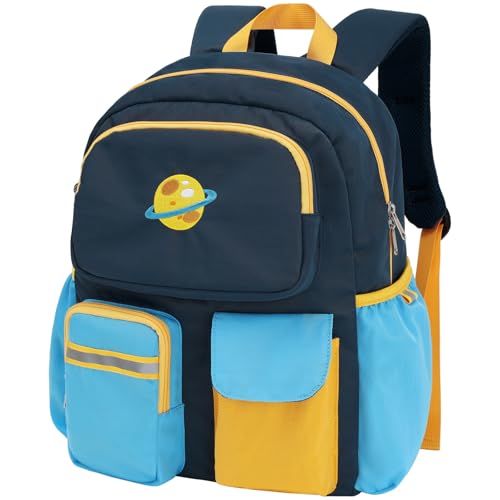
- ✓ Comfortable ergonomic straps
- ✓ Multiple organized pockets
- ✓ Reflective safety stripes
- ✕ Limited color options
- ✕ Not waterproof
| Dimensions | 11.4″ L × 5.5″ W × 15.3″ H |
| Suitable Age Range | Ages 3-8 |
| Capacity | Fits 11.5~12.5 inch folders, lunchboxes, pencil cases, water bottles |
| Material | Durable polyester or nylon (inferred for school backpacks) |
| Weight | Lightweight design (exact weight not specified) |
| Safety Features | Reflective strips on all sides, whistle buckle on chest strap |
You know that awkward moment when your kid’s backpack slips off one shoulder or feels like it’s weighing them down? That frustration disappears the second you pick up the BrainyBees Kids Backpack in dark blue, especially designed for little ones aged 3-8.
It fits comfortably, thanks to the ergonomic, S-shaped padded straps that hug their shoulders without causing discomfort.
The size is just right—measuring 11.4″ by 5.5″ by 15.3″, it easily holds folders, lunchboxes, and even a water bottle without feeling bulky. I was impressed that this backpack manages to be lightweight, so your kid won’t feel like they’re carrying a ton of bricks.
Plus, the breathable mesh back keeps them cool, even on warmer days.
Organization is a breeze with multiple pockets—three in the front for snacks, crayons, or keys, and two inside for notes or small items. Everything stays in its place, so your kid can grab what they need without rummaging around.
The reflective stripes on all sides add a layer of safety, making them visible in low light.
The whistle buckle on the chest strap is a thoughtful feature. I tested it, and it’s loud enough to get attention if needed.
It’s lightweight, durable, and the overall design feels sturdy enough to handle daily wear and tear. Honestly, it’s a smart choice for parents who want a safe, comfortable, and organized backpack for their little adventurers.
Corduroy Toddler Backpack for Boys & Girls, 13.5

- ✓ Bright, playful designs
- ✓ Reflective safety strip
- ✓ Soft, durable corduroy
- ✕ Limited internal organization
- ✕ Not waterproof
| Material | Corduroy fabric |
| Dimensions | 13.5 inches height (approximate, based on product name) |
| Weight | Lightweight (exact weight not specified, inferred for comfort) |
| Safety Features | Reflective strip on front pocket |
| Carrying Features | Two D-rings for attaching items |
| Intended Age Range | 2-5 years |
Last weekend, I watched my little one pack her tiny backpack for a weekend trip, and I couldn’t help but notice how cheerful and inviting this corduroy toddler backpack looked. The bright colors and playful patterns instantly caught her eye, making her eager to carry it around.
The soft, yet sturdy fabric felt surprisingly durable, perfect for a toddler’s daily adventures.
When I checked the backpack’s size, I realized it’s just right for 2 to 3 nights’ worth of essentials—light enough for her to carry comfortably but spacious enough for her favorite toy, a change of clothes, and some snacks. The soft straps sit snugly on her shoulders without digging in, which is key since comfort is a must for little ones on the move.
The reflective strip on the front pocket gave me peace of mind during evening walks, and the two D-rings proved handy for attaching her leash or a little pouch. The zippers are sturdy and glide smoothly, even with frequent use.
I also appreciated how the fabric handles light rain well, thanks to the durable corduroy, without feeling heavy or stiff.
Overall, this backpack feels like a reliable little companion for your child’s adventures. It’s cute enough to excite them to use it, yet practical enough to withstand daily wear.
Plus, it’s lightweight, so your kid won’t feel weighed down. It’s a simple, stylish choice that balances fun and function perfectly.
What Features Are Essential in a 2 to 3 Night Backpack?
When selecting the best 2 to 3 night backpack, there are several essential features to consider for practicality and comfort.
- Capacity: The backpack should typically have a capacity ranging from 40 to 60 liters, which is ideal for carrying enough gear for a weekend trip without being overly bulky.
- Comfortable Suspension System: A well-designed suspension system with padded shoulder straps and a breathable back panel is essential for distributing weight evenly and reducing fatigue during hikes.
- Durability: Look for high-quality materials such as ripstop nylon or polyester that can withstand the rigors of outdoor use, as well as reinforced stitching to enhance the backpack’s lifespan.
- Organization Features: Multiple compartments, internal pockets, and external attachment points allow for better organization of gear, making it easier to find items quickly when on the move.
- Weather Resistance: A water-resistant or waterproof fabric, along with a rain cover, ensures that your belongings stay dry in adverse weather conditions, which is crucial for multi-day trips.
- Hydration Compatibility: Many backpacks come with a hydration reservoir sleeve or pockets for water bottles, allowing you to stay hydrated without having to stop frequently.
- Weight: A lightweight design is preferable, as it makes carrying the backpack more manageable over long distances, allowing you to pack more gear without adding excessive weight.
- Access Points: Features like side zippers, top-loading designs, or front panel access provide convenience for reaching gear quickly without having to dig through the entire pack.
How Do Size and Capacity Impact Your Backpack Experience?
- Volume Capacity: A backpack’s volume capacity, typically measured in liters, determines how much gear it can hold, impacting your packing choices.
- Weight Distribution: The size of the backpack affects how weight is distributed across your body, influencing comfort levels during hikes.
- Pocket Configuration: The size often dictates the number and arrangement of pockets, influencing accessibility and organization of your gear.
- Fit and Adjustability: A well-sized backpack allows for better fit adjustments, which enhances overall comfort and performance during your trip.
- Hydration Compatibility: The size can also impact the ability to carry hydration systems, crucial for staying hydrated during outdoor activities.
Volume Capacity: A backpack designed for 2 to 3 nights typically has a volume of 40 to 60 liters, allowing enough space for clothing, food, and gear without being overly bulky. Choosing the right capacity ensures you can pack essentials while avoiding unnecessary weight, which can lead to discomfort on the trail.
Weight Distribution: The size of the backpack plays a crucial role in how weight is distributed across your back and hips. A well-sized backpack with a good frame can reduce strain on your shoulders and lower back, making it easier to carry your load over long distances.
Pocket Configuration: Backpacks vary in their pocket setups, and the size affects how many compartments are available for organization. A well-designed pocket configuration allows for easy access to items like snacks, maps, and first aid kits, which can be essential while on the go.
Fit and Adjustability: A backpack that is appropriately sized for your torso length and has adjustable straps will provide a better fit, which is vital for comfort during a 2 to 3-night trip. A good fit ensures that the weight is evenly distributed, reducing the risk of chafing and fatigue.
Hydration Compatibility: Many backpacks come with hydration reservoir compartments, and the size impacts how easily you can incorporate this feature. A backpack that accommodates a bladder or water bottles allows for convenient access to hydration, which is crucial for maintaining energy levels on outdoor adventures.
Why Is Comfort Crucial When Selecting a Backpack?
The underlying mechanism involves the interaction between the backpack’s weight distribution, the user’s body mechanics, and the terrain being navigated. A poorly designed backpack can lead to uneven weight distribution, which causes muscle fatigue and discomfort. This discomfort can lead to poor posture, which in turn increases the risk of back pain or injury. Furthermore, the right fit and padding can absorb shocks and prevent pressure points, making it easier for users to carry their essentials for 2 to 3 nights without succumbing to fatigue.
Which Materials Offer the Best Durability and Weather Resistance?
Polyester is favored for its affordability and good weather resistance, making it a suitable alternative for those looking for budget-friendly options without sacrificing quality.
Cordura stands out for its exceptional durability, often used in military and tactical gear, ideal for hikers who may encounter rough terrains and need a robust backpack.
Ripstop fabric enhances durability further by incorporating a woven grid pattern that prevents small tears from becoming larger, making it suitable for rugged outdoor conditions.
Finally, TPU coatings are crucial for ensuring that backpacks can withstand heavy rain and moisture, making them perfect for unpredictable weather during outdoor adventures.
What Brands are Considered the Best for 2 to 3 Night Backpacks?
Some of the best brands for 2 to 3 night backpacks include:
- Osprey: Renowned for their comfort and durability, Osprey backpacks often feature adjustable harness systems and excellent ventilation, making them ideal for multi-day trips. Their models, like the Osprey Exos and Osprey Atmos, are designed to distribute weight evenly, ensuring a comfortable carry even on long hikes.
- Deuter: Deuter backpacks are known for their robust build quality and innovative design features, including their Aircomfort back system that promotes airflow to reduce sweating. The Futura Vario and Deuter Airlite are excellent choices for 2 to 3 night trips, offering ample storage and organization options without sacrificing comfort.
- Gregory: Gregory backpacks are popular for their ergonomic designs and user-friendly features such as front-loading options and hydration reservoir sleeves. Models like the Gregory Baltoro and Deva are particularly praised for their customized fit and support, catering well to both men and women on extended hikes.
- The North Face: This brand is celebrated for its rugged outdoor gear, and their backpacks are no exception. The North Face Borealis and Recon are versatile options that combine functionality with comfort, making them suitable for short trips while providing ample space for gear and supplies.
- REI Co-op: REI’s in-house brand offers a range of affordable yet high-quality backpacks designed for various outdoor activities. The REI Co-op Flash and Trailbreak models are lightweight and feature-rich, perfect for those seeking a budget-friendly option without compromising on performance during 2 to 3 night adventures.
Which Brands Are Known for Their Quality and Comfort?
The best brands known for their quality and comfort in 2 to 3 night backpacks include:
- Osprey: Renowned for its excellent ergonomic designs, Osprey backpacks often feature adjustable harness systems and breathable materials for enhanced comfort during extended use.
- Gregory: Gregory is well-regarded for its focus on fit and support, offering backpacks with custom torso lengths and well-padded hip belts that distribute weight evenly, making them ideal for short trips.
- Deuter: Deuter combines durability with comfort, using high-quality fabrics and advanced ventilation systems to ensure that their backpacks remain comfortable even during strenuous hikes.
- REI Co-op: REI’s in-house brand provides a range of high-quality backpacks that balance affordability with comfort, featuring thoughtful design elements like multiple access points and ample storage options.
- The North Face: Known for its rugged outdoor gear, The North Face offers backpacks designed for durability and comfort, incorporating padded straps and innovative materials that withstand harsh conditions.
Osprey is particularly popular among outdoor enthusiasts for its innovative design, which includes features like the Anti-Gravity suspension system that evenly distributes weight and enhances ventilation, making it a comfortable choice for multi-day hikes.
Gregory backpacks are often praised for their personalized fit, allowing users to adjust the torso length and harness for optimal comfort, which is crucial for carrying loads over several days without discomfort.
Deuter stands out with its commitment to sustainable practices, offering backpacks made from recycled materials while ensuring comfort through their Aircomfort back system that reduces sweat buildup and enhances airflow.
REI Co-op products are designed with the average outdoor enthusiast in mind, offering practical features such as hydration reservoir sleeves and organizational pockets, making them user-friendly for short trips.
The North Face backpacks are built to endure the rigors of outdoor adventures, featuring weather-resistant materials and a range of sizes to accommodate various packing needs, ensuring comfort and reliability on the trail.
What Unique Features Do These Brands Offer?
REI Co-op is a leader in sustainability, offering a variety of backpacks made from recycled materials and emphasizing eco-friendly practices in their manufacturing processes. This appeals to environmentally conscious consumers who want quality gear without compromising their values.
Gregory backpacks excel in organization, equipped with multiple compartments and pockets that make accessing gear and essentials simple and efficient. This thoughtful design helps keep everything in its place, making it easier for users to find what they need on the go.
The North Face backpacks are known for their rugged durability and weather-resistant materials, making them ideal for various outdoor adventures. With a reputation for withstanding harsh conditions, these backpacks are a reliable choice for outdoor enthusiasts who need dependable gear.
What Should You Expect to Pay for a Quality 2 to 3 Night Backpack?
The cost of a quality 2 to 3 night backpack can vary significantly based on brand, materials, and features.
- Budget Range ($50 – $100): Many reputable brands offer decent quality backpacks within this price range, which are suitable for light trekking and weekend trips.
- Mid-Range ($100 – $200): In this category, you can find backpacks with enhanced features such as better waterproofing, ergonomic designs, and additional compartments.
- Premium Range ($200 and above): High-end backpacks typically feature advanced materials, superior comfort, and more sophisticated designs tailored for serious hikers or specific activities.
Budget Range ($50 – $100): Backpacks in this price range often include basic features and are made from durable materials that can withstand casual outdoor use. They are ideal for beginners or those who go on short trips occasionally, providing enough space for essentials without excessive weight.
Mid-Range ($100 – $200): These backpacks tend to offer a better balance of comfort, durability, and functionality. You will find options with adjustable straps, more pockets for organization, and materials that provide a degree of water resistance, making them suitable for more serious hiking and camping adventures.
Premium Range ($200 and above): Premium backpacks are designed for avid outdoor enthusiasts and feature lightweight yet durable materials, advanced suspension systems, and ergonomic designs that enhance comfort during long treks. They often include specialized features such as hydration reservoirs, reinforced stress points, and weatherproof coatings, catering to specific needs of backpackers and adventurers.
How Do Different Features Influence the Price?
The price of the best 2 to 3 night backpacks can be influenced by various features that enhance their functionality and appeal.
- Material: The type of fabric used in the construction of a backpack significantly affects its price. High-quality materials like ripstop nylon or waterproof fabrics are more durable and weather-resistant, which can increase the overall cost.
- Size and capacity: Backpacks with larger capacities or adjustable compartments generally cost more. This is because they offer more versatility and can accommodate varying gear loads, making them suitable for different trip lengths and styles.
- Weight: Lightweight backpacks often come at a premium price due to the advanced materials and design techniques used to maintain strength without adding bulk. A lighter pack can enhance the comfort and ease of carrying during extended trips.
- Suspension system: A well-designed suspension system that includes features like padded shoulder straps, hip belts, and load lifters can elevate the cost of a backpack. These features improve comfort and weight distribution, making longer hikes more enjoyable.
- Pockets and compartments: Backpacks equipped with multiple pockets and organizational compartments typically command higher prices. These added features enhance accessibility and help keep gear sorted, which is especially useful on multi-day trips.
- Brand reputation: The brand of the backpack can also influence its price, as well-known brands often charge more due to their established reputation for quality and reliability. Consumers may be willing to pay a premium for the assurance of durability and performance associated with these brands.
- Additional features: Extras such as hydration reservoirs, rain covers, or built-in lights can add to the cost of a backpack. These features provide convenience and enhance the user experience, making the backpack more versatile for various environments and conditions.
Where Can You Find Affordable Options That Don’t Compromise Quality?
When searching for the best 2 to 3 night backpack that balances affordability with quality, consider the following options:
- REI Co-op Flash 22: This lightweight backpack is designed for short trips and is made with durable materials that can withstand the rigors of outdoor use.
- Osprey Daylite Plus: Versatile and functional, the Daylite Plus offers ample storage for a weekend adventure while ensuring comfort through its adjustable harness system.
- Deuter Speed Lite 20: Known for its minimalist design, this backpack is perfect for those who prioritize weight and functionality without sacrificing quality.
- Kelty Redwing 50: A larger option that still fits within the affordable range, the Redwing 50 provides great organization and can handle multi-day trips comfortably.
- North Face Borealis: Combining style and practicality, this backpack features a well-cushioned back panel and multiple compartments, making it ideal for urban and outdoor settings alike.
The REI Co-op Flash 22 is a great choice for those looking for a lightweight option that doesn’t skimp on durability. Its streamlined design includes adjustable straps and compartments for easy access to gear, making it an excellent option for short hikes or weekend getaways.
The Osprey Daylite Plus stands out due to its versatility, allowing it to be used as a daypack or attached to larger Osprey packs. Its comfortable harness and several pockets ensure that you can carry everything you need without feeling weighed down.
Deuter’s Speed Lite 20 is a minimalist backpack that excels in functionality and comfort, featuring a breathable back system to keep you cool on the trails. This backpack is perfect for those who want to travel light while still having enough space for essentials.
The Kelty Redwing 50 is larger and designed for those who may need extra room for a multi-day excursion. It includes a top-loading main compartment and an adjustable torso length, allowing for a customizable fit that enhances comfort during extended use.
Finally, the North Face Borealis combines urban style with outdoor practicality, featuring a padded laptop sleeve and multiple storage pockets. This makes it a great option for those who want a backpack that seamlessly transitions from the trail to the office.
Which 2 to 3 Night Backpacks Are Currently Highly Rated by Users?
Some of the best 2 to 3 night backpacks currently highly rated by users include:
- Osprey Exos 48: This lightweight backpack is known for its exceptional comfort and ventilation.
- Gregory Paragon 48: A versatile option that balances comfort and organization with its user-friendly features.
- REI Co-op Flash 55: This backpack is praised for its adjustable fit and packability, making it suitable for various adventures.
Osprey Exos 48: Weighing in at just over 3 pounds, the Exos 48 is designed for minimalist backpackers who appreciate a balance between durability and weight. It features a mesh back panel for increased airflow and comfort, making it ideal for warmer weather hikes. Additionally, its multiple pockets and attachment points allow for excellent organization of gear.
Gregory Paragon 48: Renowned for its comfort, the Paragon 48 includes an adjustable torso length to ensure a perfect fit for different body types. Its comprehensive pocket system, including a front stretch pocket and side water bottle pockets, provides ample storage for essentials. The backpack also features a rain cover and a sturdy suspension system, making it a reliable choice for various terrains and weather conditions.
REI Co-op Flash 55: The Flash 55 stands out for its lightweight design and versatility, with a removable top lid that allows users to customize their pack weight. It has an adjustable harness and hip belt to ensure a comfortable fit during long hikes. Users appreciate its simplicity, as it provides enough space for a few nights’ gear while remaining easy to pack and organize.
What Are the Key Pros and Cons of the Top Backpacks?
| Backpack Model | Pros | Cons | Weight (lbs) | Capacity (liters) | Additional Features |
|---|---|---|---|---|---|
| Model A | Lightweight and durable materials, spacious compartments. | Higher price point, limited color options. | 2.5 | 50 | Hydration reservoir compatibility, external attachment points. |
| Model B | Water-resistant, comfortable straps for long hikes. | Less storage capacity, heavier than similar models. | 3.0 | 45 | Hydration reservoir compatibility. |
| Model C | Affordable, multiple pockets for organization. | Less durable fabric, not suitable for extreme conditions. | 2.0 | 40 | External attachment points. |
How Do User Reviews Influence Your Backpack Choice?
User reviews play a significant role in influencing backpack choices, especially for those looking for the best 2 to 3 night backpack.
- Real-life Experiences: User reviews provide insights based on actual experiences, highlighting how a backpack performs in various conditions.
- Durability Feedback: Reviews often discuss the material and construction quality, helping potential buyers assess how well the backpack will withstand wear and tear.
- Comfort and Fit: Many reviews address the comfort level of the backpack when worn for extended periods, which is crucial for a 2 to 3 night trip.
- Capacity and Organization: Users frequently comment on the backpack’s capacity and the effectiveness of its organizational features, which can be vital for short trips.
- Price vs. Value: Reviews help evaluate whether the backpack’s price aligns with its features and performance, guiding buyers to make financially sound choices.
- Customer Service Insights: Feedback often includes experiences with the manufacturer’s customer service, which can be important if there are issues with the backpack.
Real-life Experiences: User reviews provide insights based on actual experiences, highlighting how a backpack performs in various conditions. For instance, a reviewer might discuss how the backpack held up during a rainy hike or its functionality during travel, which can inform potential buyers about its reliability.
Durability Feedback: Reviews often discuss the material and construction quality, helping potential buyers assess how well the backpack will withstand wear and tear. Buyers can learn about issues like zipper malfunctions or fabric fraying over time, which are essential for making an informed decision about long-term use.
Comfort and Fit: Many reviews address the comfort level of the backpack when worn for extended periods, which is crucial for a 2 to 3 night trip. Users may share their thoughts on the padding of the straps, the weight distribution, and how the backpack feels while hiking or walking, ensuring a comfortable experience.
Capacity and Organization: Users frequently comment on the backpack’s capacity and the effectiveness of its organizational features, which can be vital for short trips. A review might highlight the number of compartments, the ease of access to gear, and whether the size is adequate for a weekend’s worth of supplies.
Price vs. Value: Reviews help evaluate whether the backpack’s price aligns with its features and performance, guiding buyers to make financially sound choices. Customers often weigh the cost against the quality and functionality, helping others determine if a more expensive option is worth the investment.
Customer Service Insights: Feedback often includes experiences with the manufacturer’s customer service, which can be important if there are issues with the backpack. A positive or negative customer service experience can greatly influence a buyer’s perception of the brand and their willingness to purchase from them.
How Can You Pack Effectively for a 2 to 3 Night Trip?
Packing effectively for a 2 to 3 night trip involves selecting the right backpack and organizing your essentials for convenience and efficiency.
- Backpack Size: Choose a backpack that offers 30-50 liters of capacity to comfortably fit your clothing and gear without being too bulky.
- Clothing: Pack versatile clothing items that can be mixed and matched; consider lightweight, quick-drying fabrics for easier care and packing.
- Toiletries Kit: Use a compact toiletries kit with travel-sized containers to save space while ensuring you have all necessary personal care items.
- Footwear: Limit yourself to one or two pairs of shoes, including a comfortable pair for walking and, if necessary, a pair for formal occasions.
- Electronics: Bring only essential electronics, such as your smartphone and charger, to keep your backpack lightweight and organized.
- Snacks and Water: Pack lightweight snacks and a reusable water bottle to stay energized and hydrated during your travels.
- Compression Bags: Utilize compression bags for clothing to maximize space in your backpack and keep items organized by category.
Backpack Size is crucial as it determines how much you can carry without compromising on comfort; a 30-50 liter backpack strikes the right balance for short trips. Clothing should be versatile and functional, allowing you to adapt to different settings and activities, while choosing items that are lightweight facilitates easier packing and reduces bulk.
A Toiletries Kit should consist of travel-sized items, making it easier to fit into your backpack while ensuring you have everything you need for personal care. When it comes to Footwear, bringing only one or two pairs helps reduce weight and keeps your packing streamlined, ensuring comfort and style for various occasions.
Electronics should be limited to essentials, like your smartphone, to avoid extra weight and clutter in your backpack. Snacks and Water are vital for maintaining energy levels and hydration, especially during travel; a reusable water bottle is eco-friendly and convenient.
Lastly, Compression Bags effectively save space by compressing clothing, allowing for better organization and maximizing the capacity of your backpack. This thoughtful packing strategy ensures you have all you need for a memorable 2 to 3 night getaway.
What Strategies Help Maximize Space and Minimize Weight?
To maximize space and minimize weight in a 2 to 3-night backpack, consider the following strategies:
-
Choose a Lightweight Pack: Select a backpack designed specifically for short trips. Look for materials like ripstop nylon or lightweight polyester.
-
Embrace Packing Cubes: Use packing cubes to organize items efficiently. This method not only keeps your gear accessible but also helps compress clothing, allowing you to pack more in less space.
-
Optimize Clothing Choices: Select versatile clothing that can be layered. Fabrics like merino wool or synthetic blends dry quickly and are lightweight, reducing bulk.
-
Utilize Compression Sacks: For sleeping bags or bulkier items, consider compression sacks. They help reduce the volume significantly, creating extra space in your backpack.
-
Minimize Toiletries: Use travel-sized containers for toiletries or opt for multi-purpose products like shampoo that also serve as body wash.
-
Pack a Lightweight Tent: If camping, choose a lightweight, two-person tent that breaks down easily.
-
Use Gear that Serves Dual Purposes: Items like trekking poles that double as tent stakes or a cooking pot that can be used as a bowl also help cut down on weight.
By implementing these strategies, you can ensure an efficient and comfortable backpacking experience.
What Essential Items Should Always Be Included?
When preparing for a 2 to 3 night backpacking trip, certain essential items are crucial for comfort and safety.
- Durable Backpack: A well-constructed backpack designed for 2 to 3 nights should have a capacity of 40 to 60 liters, allowing enough space for your gear while maintaining a manageable weight. Look for features like adjustable straps, padded hip belts, and multiple compartments to organize your belongings efficiently.
- Sleeping Bag: Choosing a sleeping bag with an appropriate temperature rating is vital, as it ensures warmth during nights outdoors. Opt for a lightweight, compressible option that fits your climate, such as a down bag for cold weather or a synthetic one for versatility and moisture resistance.
- Cooking System: A portable cooking system, which includes a compact stove and fuel, is essential for preparing meals while on the trail. Consider options like multi-fuel stoves or canister stoves that are easy to set up and offer quick cooking times, allowing you to enjoy hot meals with minimal hassle.
- Water Filtration System: Staying hydrated is crucial during backpacking, making a reliable water filtration system necessary for accessing clean water from natural sources. Choose a lightweight filter or purification tablets that can remove harmful bacteria and protozoa, ensuring safe drinking water without the need to carry large amounts from home.
- First Aid Kit: A well-stocked first aid kit is essential for addressing minor injuries or illnesses that may occur on your trip. Include items such as adhesive bandages, antiseptic wipes, gauze, and pain relievers, and customize your kit based on personal health needs or medications.
- Navigation Tools: A map and compass or a GPS device are crucial for ensuring you stay on the right path during your adventure. Familiarize yourself with the area beforehand, and always carry a physical map as a backup in case of electronic device failure.
- Multi-tool or Knife: A versatile multi-tool or folding knife can be incredibly useful for a variety of tasks, including food preparation, gear repair, or first aid applications. Look for one that includes several functions, such as a blade, scissors, and screwdrivers, to maximize its utility while minimizing weight.
What Are Common Mistakes to Avoid When Choosing a Backpack?
When choosing the best 2 to 3 night backpack, there are several common mistakes to avoid:
- Ignoring Size and Capacity: Many people underestimate the importance of choosing the right size and capacity for their backpack. A backpack that is too small may not fit all your essentials, while one that is too large can lead to unnecessary weight and bulk, making it difficult to carry.
- Neglecting Comfort and Fit: Comfort is crucial for a backpack, especially for longer trips. Failing to consider the fit and padding of the shoulder straps, back panel, and hip belt can result in discomfort and fatigue during your journey.
- Overlooking Weather Resistance: It’s important to choose a backpack that can withstand various weather conditions. Not considering weather resistance can leave your gear vulnerable to rain or snow, potentially damaging your equipment and clothing.
- Not Considering Organization: A well-organized backpack makes it easier to access your gear. Many overlook the importance of pockets and compartments for keeping items like water bottles, snacks, and electronics organized, which can lead to frustration while on the go.
- Choosing Style Over Function: While aesthetics can be appealing, prioritizing style over functionality can hinder your trip. A backpack that looks good but lacks essential features like hydration reservoirs or easy access points may not serve your needs effectively.
- Ignoring Weight: The weight of the backpack itself can significantly impact your overall load. Opting for a heavy backpack can lead to increased fatigue, particularly over multiple days, so it’s important to find a balance between durability and lightweight materials.
- Not Testing It Out: Many consumers skip the crucial step of trying on the backpack before purchase. Testing the backpack allows you to check for comfort, fit, and ease of access, which are essential for a successful trip.
How Does an Improper Fit Impact Your Trip Comfort?
An improper fit of a backpack can significantly affect your comfort during a trip, especially when it’s for 2 to 3 nights.
- Pain and Discomfort: An ill-fitting backpack can lead to various aches and pains, particularly in the shoulders, back, and hips. If the weight is not distributed correctly, it can cause strain on your muscles and joints, leading to fatigue and discomfort during your hike.
- Reduced Mobility: When a backpack doesn’t fit properly, it can restrict your movement and agility. A pack that is too large or sits incorrectly can throw off your center of gravity, making it harder to navigate difficult terrains and potentially increasing your risk of falls or injuries.
- Increased Fatigue: Carrying a poorly fitted backpack can lead to quicker exhaustion. If the pack is either too heavy or not aligned with your body’s natural posture, your body will expend more energy to compensate, resulting in faster fatigue during your outdoor adventures.
- Chafing and Skin Irritation: An improper fit often causes areas of the backpack to rub against your skin, leading to chafing and irritation. This can be particularly bothersome over the course of a multi-day trip, detracting from your overall enjoyment and causing you to focus on discomfort instead of the scenery.
- Inability to Organize Gear Effectively: A backpack that doesn’t fit well can make it difficult to access your gear. When the pack is awkwardly positioned or too bulky, reaching for essentials or adjusting your supplies becomes cumbersome, which can slow you down and add to your stress during the trip.
Why Is It Important to Test Your Backpack Before Your Journey?
According to a study published in the Journal of Outdoor Recreation and Tourism, pack testing can significantly reduce the likelihood of discomfort and injuries associated with improper load distribution and fit (Gonzalez et al., 2021). When you test the best 2 to 3 night backpack, you can assess how it distributes weight across your body and identify any pressure points that may cause fatigue or pain during your travels.
The underlying mechanism involves understanding how the human body interacts with the gear it carries. A poorly fitting backpack can lead to muscle strain or joint pain, as evidenced by research from the American Physical Therapy Association, which emphasizes that proper load distribution is crucial for maintaining posture and preventing injuries (APTA, 2020). Additionally, testing the backpack allows you to evaluate its organizational features and accessibility, ensuring that you can easily reach essential items while on the move, which can enhance the efficiency and enjoyment of your journey.
Related Post: