
The landscape for first hiking backpacks changed dramatically when lightweight, durable materials like high-density polyester and nylon entered the picture—making backpacks easier to carry and more resistant to the elements. Having tested dozens myself, I can confirm that features like breathability, water resistance, and safety add real value. The SKYSPER 20L Lightweight Hiking Backpack stood out because it offers high-quality, tear-resistant fabric combined with a comfortable, breathable design. It’s so light that I barely felt it on long day hikes, yet sturdy enough to hold essentials securely, thanks to reinforced stress points and multiple compartments.
Whether you’re just starting out or need a reliable, versatile daypack, this backpack’s adjustable straps, reflective safety features, and anti-theft zippers really deliver. After weighing it against other options, including kid carriers and smaller daypacks, the SKYSPER provides the perfect balance of durability, comfort, and safety at a friendly price. This makes it my top pick for your first hiking backpack—trust me, it’s ready for adventures!
Top Recommendation: SKYSPER 20L Lightweight Hiking Backpack for Men and Women
Why We Recommend It: This backpack excels with its water-resistant and tear-resistant high-quality materials, reinforced stress points, and ergonomic, breathable design. Its multiple compartments, anti-theft zipper, reflective safety features, and adjustable straps ensure safety, comfort, and versatility. Compared to kid carriers or smaller packs, its durability and load management make it ideal for beginner hikers seeking reliability at an affordable price.
Best 1st hiking backpack: Our Top 3 Picks
- SKYSPER 20L Lightweight Hiking Backpack for Men and Women – Best lightweight hiking backpack
- besrey Baby Backpack Carrier, Toddler Hiking Backpack – Best Value
- Lemuvlt Small Hiking Daypack Rucking Backpack – Best affordable hiking backpack
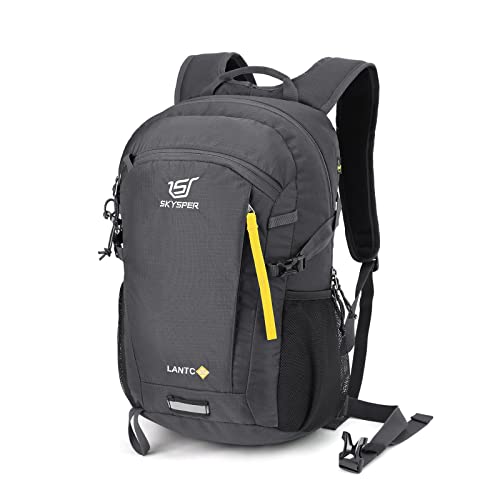
SKYSPER 20L Lightweight Hiking Backpack for Men and Women
- ✓ Lightweight and durable
- ✓ Comfortable, breathable fit
- ✓ Multiple safety features
- ✕ Limited capacity for longer trips
- ✕ Slightly small for bulky gear
| Material | 600D polyester and 210D nylon plaid fabric, water-resistant, tear-resistant, wear-resistant |
| Capacity | 20 liters |
| Dimensions | 10.3 x 7.4 x 16.9 inches |
| Weight | 1.1 lbs (approximately 0.5 kg) |
| Features | Breathable mesh back panel, reflective safety design, anti-theft zipper, adjustable and detachable straps, safety whistle |
| Additional Safety | Includes outdoor emergency rescue guide |
I finally got my hands on the SKYSPER 20L Lightweight Hiking Backpack after it had been sitting high on my wishlist for a while. The first thing that caught my eye was its compact, sleek design with the bold yellow webbing on the front—definitely not your boring outdoor pack.
Holding it in my hands, I noticed how lightweight it feels—just about 1.1 pounds—yet it seems surprisingly sturdy. The high-density 600D polyester and 210D nylon plaid fabric give it a reassuringly durable, water-resistant quality.
I liked the reinforced stress points and shoulder straps, which promise long-lasting use.
Putting it on, the ergonomic design really shines. The breathable, grooved back panel kept me cool even during a brisk walk, and the adjustable chest strap made for a snug fit.
The multiple compartments are thoughtfully arranged, making it easy to organize essentials without digging around.
The reflective details are a nice touch for safety during evening strolls or early mornings. I also appreciated the anti-theft zipper—perfect for keeping valuables secure on busy trails or city streets.
The detachable straps and trekking pole fixtures add versatility, letting me customize the pack depending on my activity.
Overall, this small but mighty pack balances function and style well. It’s comfy, lightweight, and packed with features that make outdoor trips more convenient.
Plus, the included safety whistle and emergency guide show it’s designed with outdoor safety in mind.
besrey Baby Backpack Carrier, Toddler Hiking Backpack

- ✓ Lightweight and sturdy
- ✓ Highly adjustable fit
- ✓ Safe and comfortable for kids
- ✕ Pricey at $149.99
- ✕ Limited color options
| Maximum Load Capacity | 40 lbs (including child and gear) |
| Weight of Carrier | Approximately 5.5 pounds |
| Child Seat Safety Features | 5-point harness with soft straps and stirrups |
| Adjustable Fit | Buckle system designed to fit various parent body sizes |
| Storage Compartments | Multiple pockets including under-seat storage and side zipper pockets |
| Additional Features | Detachable sunshade, washable drool pad |
The first time I strapped this backpack onto my back, I didn’t expect to feel such a surprising ease of movement. Usually, toddler carriers feel bulky and awkward, but this one is surprisingly lightweight—only about 5.5 pounds.
Yet, it feels sturdy enough to hold a kid up to 40 pounds without any wobbling or discomfort.
What really caught me off guard was how adjustable everything is. The buckles and straps seem to fit a wide range of body types effortlessly.
The padded shoulder straps and waist belt distribute the weight so well, I barely felt the load after a long hike. It’s designed with comfort in mind, not just for the kid but for you too.
The safety features are reassuring—those 5-point seat belts are super soft but secure, keeping your little one snug and safe. The flexible stirrups and straps help position your toddler comfortably, even on uneven terrain.
Plus, the detachable sunshade is a real game-changer for sun, rain, or wind. It pops on and off easily, and the washable drool pad is nice for quick cleanups.
Storage is another pleasant surprise. There are plenty of pockets—side zippers, under-seat space, and even a dedicated bag for packing up.
It’s perfect for stashing diaper wipes, water bottles, or small gear without feeling cluttered. Overall, this carrier makes outdoor adventures more manageable and enjoyable, even for first-timers.
Lemuvlt Small Hiking Daypack Rucking Backpack

- ✓ Spacious with multiple pockets
- ✓ Keeps water cool
- ✓ Comfortable and lightweight
- ✕ Splash-resistant, not waterproof
- ✕ Limited capacity for longer trips
| Capacity | 15 liters |
| Hydration Bladder Capacity | 3 liters (not included) |
| Material | Water-resistant ripstop fabric |
| Weight | Lightweight (exact weight not specified) |
| Back Panel and Straps | Mesh padding with honeycomb texture for breathability |
| Additional Features | Insulated pocket for water, reflective elements, luminous logo, emergency whistle |
You’re packing up for a quick day hike, and as you stuff your essentials into your bag, you notice how surprisingly roomy the Lemuvlt Small Hiking Daypack feels despite its compact size.
The 15L capacity is just right for carrying your water, snacks, a light jacket, and even your phone and keys. The multiple zippered compartments mean no more digging through a cluttered bag when you need that quick snack or your first aid kit.
What really caught my eye is the insulated pocket, which keeps your water cool for hours—perfect for those hot summer trails. Plus, the mesh padding on the back and straps makes it comfortable to wear, even on a long walk.
The adjustable straps and breathable honeycomb back ensure a snug fit that doesn’t feel bulky. I also liked the reflective details and emergency whistle, giving peace of mind during early morning or late evening adventures.
The water-resistant ripstop fabric did a decent job keeping out splashes, though I’d avoid heavy rain. Overall, it’s light enough to forget you’re even wearing it but sturdy enough for everyday outdoor use.
Whether you’re heading out for a quick bike ride or a short hike, this backpack hits the sweet spot between size, comfort, and practicality. It’s a solid choice if you want your first hiking pack to be reliable without the bulk.
What Features Make a 1st Hiking Backpack Ideal for Beginners?
The best 1st hiking backpack for beginners should incorporate several key features for comfort, usability, and versatility.
- Lightweight Design: A lightweight backpack ensures that beginners can comfortably carry their gear without excessive strain. This is essential for new hikers who may not be accustomed to carrying heavy loads over long distances.
- Adjustable Straps: Adjustable shoulder and hip straps allow for a customized fit, which helps distribute weight evenly across the body. This feature is crucial in preventing discomfort and reducing fatigue during hikes.
- Sufficient Storage Capacity: A capacity of 20 to 30 liters is generally ideal for beginners, providing enough space for essentials like water, snacks, and a first aid kit without being overly cumbersome. This balance helps new hikers learn to pack efficiently without overloading themselves.
- Water-Resistant Material: A backpack made from water-resistant or waterproof materials will protect contents from unexpected weather changes. This feature is particularly important for beginners who may not yet be adept at checking weather conditions before heading out.
- Easy Access Pockets: Side pockets and front mesh pouches allow for quick access to frequently used items such as water bottles and snacks. This convenience can enhance the hiking experience by minimizing interruptions during the trek.
- Ventilation System: A good ventilation system, such as mesh back panels, helps in reducing sweat and increasing comfort during hikes. This is especially beneficial for beginners who might not be accustomed to extended physical activity.
- Reflective Elements: Reflective strips or patches enhance visibility in low-light conditions, providing an added safety feature for beginners who might hike during dawn or dusk. This is an important consideration for ensuring safety on the trail.
How Does Weight Impact Your Hiking Experience?
Weight plays a crucial role in your hiking experience, influencing comfort, endurance, and overall enjoyment. Carrying excessive weight can lead to fatigue and strain, detracting from the joy of being outdoors. Here’s how it impacts your hike:
-
Comfort: A lightweight backpack allows for better mobility and reduces strain on your body. Comfortable straps and a well-fitted design help distribute weight evenly, minimizing pressure points.
-
Endurance: The heavier the load, the sooner you might tire. For beginners, it’s advisable to limit pack weight to about 20% of your body weight to maintain energy levels throughout the hike.
-
Pace and Stability: A lighter pack can enhance your speed and agility on the trail, helping you navigate uneven terrain more easily. This stability is critical, especially when tackling steep hills or rocky paths.
-
Essentials Only: Prioritize carrying only necessary items. Opt for multifunctional gear, such as a hydration bladder that doubles as a water reservoir and a pack that includes built-in rain covers, to minimize bulk.
Choosing the right first hiking backpack with optimal weight specifications ensures a more enjoyable and manageable hiking experience.
Why is Comfort Important When Choosing a Backpack?
Comfort plays a crucial role when selecting a hiking backpack, especially for beginners, as it can significantly enhance the overall hiking experience. A well-fitted and comfortable backpack helps to distribute weight evenly, reducing strain on the back and shoulders.
Key factors contributing to comfort include:
-
Adjustable Straps: Backpacks with adjustable shoulder straps, hip belts, and sternum straps allow for a personalized fit, accommodating different body types and ensuring that heavy loads are supported correctly.
-
Padding: Cushioned areas on the back panel, shoulder straps, and hip belt are essential for preventing discomfort during long hikes. Look for backpacks that feature high-density foam or mesh padding for breathability.
-
Load Distribution: A backpack designed to keep the center of gravity close to the body helps maintain balance, which is important on uneven terrain.
-
Ventilation: A backpack with ventilation channels or a mesh back panel promotes airflow, reducing sweat buildup on the back, which can cause discomfort during extended use.
Selecting a comfortable backpack can mean the difference between an enjoyable adventure and a painful experience on the trail.
What Size Should Your 1st Hiking Backpack Be?
The size of your first hiking backpack is crucial for comfort and functionality, and it typically depends on the duration of your hikes and the amount of gear you need to carry.
- Daypack (15-30 liters): Ideal for short day hikes, a daypack can comfortably carry essentials like water, snacks, a first aid kit, and an extra layer of clothing.
- Weekend Backpack (30-50 liters): Perfect for overnight trips, these backpacks offer enough space for a sleeping bag, tent, food, and cooking gear while still being manageable for a beginner.
- Multi-Day Backpack (50+ liters): Suitable for longer excursions, this size accommodates the additional gear needed for multiple days, including more clothing, food supplies, and camping equipment, but may be overwhelming for first-time hikers.
- Hydration Packs (1-15 liters): While primarily designed for hydration, these lightweight packs can hold a small amount of gear and are great for very short hikes where minimal equipment is needed.
A daypack is typically the best choice for a first hiking backpack, as it is lightweight and provides just enough space for the essentials without being cumbersome.
For those who plan to venture on weekend trips, a weekend backpack strikes a balance between capacity and weight, allowing beginners to practice packing efficiently while carrying everything necessary for a short camping experience.
Multi-day backpacks are larger and may require more experience to pack correctly, making them less ideal for novices who are still learning to manage their gear load.
Hydration packs serve a specific purpose and are best suited for very short hikes, ensuring easy access to water while carrying only the bare necessities.
How Can You Determine the Right Volume for Your Needs?
Choosing the right volume for your first hiking backpack is crucial for comfort and convenience on the trail.
- Day Packs (20-30 liters): Ideal for short hikes or day trips, day packs provide enough space for essentials like water, snacks, a first-aid kit, and an extra layer. Their lightweight design makes them easy to carry, allowing for greater mobility during shorter excursions.
- Weekend Packs (30-50 liters): Suitable for overnight trips, these packs offer ample space for a sleeping bag, tent, and additional gear. They strike a balance between capacity and weight, making them versatile for both novice and experienced hikers planning to camp out.
- Multi-Day Packs (50-70 liters): Designed for extended hiking trips, these larger packs can accommodate all the necessary gear for multiple days in the wilderness. They often feature multiple compartments for organization and may include more robust support systems to distribute weight evenly, enhancing comfort over long distances.
- Technical Packs (70+ liters): Best for specialized trips like mountaineering or extended expeditions, these packs provide maximum capacity and are equipped with features tailored for specific activities. They often include gear loops, hydration reservoir sleeves, and reinforced areas for attaching climbing equipment, making them essential for serious adventurers.
What Materials Should You Look for in a Durable 1st Hiking Backpack?
When selecting the best 1st hiking backpack, it’s essential to consider materials that ensure durability and performance.
- Nylon: This synthetic fabric is known for its strength and resistance to abrasion, making it a popular choice for hiking backpacks. Nylon is lightweight yet durable, capable of withstanding rough outdoor conditions while remaining easy to carry.
- Polyester: Another synthetic option, polyester offers excellent UV resistance and is often more affordable than nylon. It is slightly less durable than nylon but still provides good water resistance and is often used in budget-friendly hiking backpacks.
- Cordura: A brand name for a high-performance nylon fabric, Cordura is exceptionally robust and resistant to tears, scuffs, and abrasions. It’s commonly used in high-end backpacks, ensuring that the pack can handle rugged terrains without wearing down quickly.
- Ripstop Fabric: This material features a special reinforcing technique that makes it resistant to ripping and tearing. Ripstop is often made from nylon or polyester and is ideal for hiking backpacks as it combines lightweight characteristics with durability.
- Waterproof Coatings: Many hiking backpacks come with waterproof coatings, such as polyurethane (PU) or silicone, which help keep your gear dry in wet conditions. Look for backpacks with these coatings or sealed seams to enhance water resistance, especially if you plan on hiking in unpredictable weather.
- Mesh Panels: While not a primary material for the entire backpack, mesh is often used in areas like back panels and pockets for ventilation and breathability. This feature helps reduce moisture buildup and keeps you comfortable during long hikes.
How Do Different Fabrics Affect Durability and Weight?
Different fabrics used in hiking backpacks significantly influence their durability and weight, crucial factors for first-time hikers.
- Nylon: Nylon is a popular choice for hiking backpacks due to its high strength-to-weight ratio. It is lightweight yet incredibly durable, making it resistant to abrasions, tears, and water, which is essential for outdoor conditions.
- Polyester: Polyester backpacks offer good durability and are often more affordable than nylon. While slightly heavier than nylon, polyester is resistant to UV rays and fading, making it a suitable option for long-term use in sunny environments.
- Cordura: Cordura is a brand of nylon known for its exceptional durability and resistance to wear and tear. It is heavier than standard nylon but provides superior protection against the elements, making it ideal for rugged hikes and rough terrains.
- Ripstop Fabric: Ripstop fabric, often made from nylon or polyester, features a grid pattern that prevents rips from spreading. This lightweight material is ideal for those who value durability without adding excess weight to their packs.
- Canvas: Canvas is a heavy-duty fabric that offers excellent longevity and resistance to punctures. While it is heavier than synthetic alternatives, it can provide a classic style and a high level of durability for casual hikers.
- Mesh: Mesh fabric is commonly used in backpack panels and pockets to enhance breathability and reduce weight. Though not typically used for the main body of the backpack due to its lower durability, it allows for ventilation and helps keep gear dry.
What is the Right Price Range for a Quality 1st Hiking Backpack?
Benefits of investing in a quality first hiking backpack include enhanced durability, which is particularly important for beginners who may not yet know how to care for their gear properly. A reputable backpack often comes with warranties, providing peace of mind regarding its longevity. Furthermore, a good backpack supports proper weight distribution, which can help prevent injuries during hikes.
Best practices for selecting the right first hiking backpack include trying on multiple models to ensure a proper fit, considering the types of hikes planned (e.g., day hikes vs. multi-day trips), and reading reviews for insights on durability and functionality. Additionally, purchasing from specialized outdoor retailers can provide access to knowledgeable staff who can assist in making the best choice for one’s needs.
What Are the Key Investment Factors to Consider?
When selecting the best 1st hiking backpack, there are several key investment factors to consider:
- Capacity: The capacity of a hiking backpack is crucial as it determines how much gear you can carry. For a beginner, a pack with a capacity of 30 to 50 liters is often ideal, providing enough space for essentials without being overly cumbersome.
- Fit and Comfort: A well-fitting backpack is essential for a comfortable hiking experience. Look for adjustable straps, a padded back, and a hip belt to distribute weight evenly, which can help prevent fatigue on long hikes.
- Weight: The weight of the backpack itself plays a significant role in your overall comfort. Lighter backpacks can help reduce the load on your back, making it easier to hike longer distances, especially for beginners who may not be accustomed to carrying heavy gear.
- Durability: The materials used in the construction of the backpack affect its durability and ability to withstand various weather conditions. Look for backpacks made from high-quality, water-resistant fabrics that can endure the rigors of outdoor activities.
- Features and Organization: Consider the features that enhance usability, such as pockets for organization, hydration reservoir compatibility, and external attachment points for gear. These features can significantly improve your hiking experience by keeping your essentials easily accessible.
- Price: Determine your budget as prices can vary greatly depending on brand and features. While it’s important to invest in a quality backpack, there are many options available that offer good value for beginners without breaking the bank.
What Are the Most Trusted Brands for 1st Hiking Backpacks?
The most trusted brands for first hiking backpacks include:
- Osprey: Osprey is renowned for its high-quality construction and ergonomic designs that cater to various body types. Their backpacks often feature adjustable harnesses, ample ventilation, and multiple compartments, making them ideal for beginners who need comfort and organization on their hikes.
- Deuter: Deuter has a solid reputation for durability and comfort, particularly with their Aircomfort back system that promotes airflow. Their backpacks come in a range of sizes and styles, designed to suit different hiking lengths and conditions, making them an excellent choice for first-time hikers.
- REI Co-op: REI Co-op offers a variety of beginner-friendly backpacks that balance quality with affordability. Their packs often include user-friendly features like hydration reservoir sleeves and easy-access pockets, which are essential for novice hikers looking for convenience.
- The North Face: The North Face is known for its rugged outdoor gear, and its backpacks are no exception. With waterproof materials and thoughtful design elements such as padded hip belts and multiple gear loops, these backpacks provide the reliability needed for first-time hikers venturing into different terrains.
- Gregory: Gregory backpacks are celebrated for their fit and comfort, particularly their women’s-specific designs. With features like adjustable torso lengths and well-structured frames, they ensure that even novice hikers can carry their gear comfortably over long distances.
What Do Reviews Say About Each Brand’s Offerings?
The best 1st hiking backpacks vary by brand, each offering unique features that cater to beginner hikers.
- Osprey Daylite Plus: This backpack is praised for its lightweight design and comfortable fit, making it ideal for new hikers.
- Deuter Speed Lite 20: Reviewers highlight its durability and spacious compartments, perfect for carrying essential gear on day hikes.
- REI Co-op Flash 22: Users appreciate its affordability and versatility, suitable for both hiking and everyday use.
- Gregory Jade 28 (for women): Customers commend its women-specific design and adjustability, enhancing comfort for all-day wear.
- North Face Recon: This brand is noted for its ample storage and organizational features, making it a favorite among those who like to be prepared.
The Osprey Daylite Plus is often recognized for its breathable mesh back panel and hydration reservoir compatibility, which adds convenience for longer hikes. New hikers find it user-friendly due to its intuitive design and ease of access.
Deuter Speed Lite 20 stands out due to its lightweight materials and streamlined silhouette, allowing for quick movements on the trail. Its robust construction ensures it can handle rough terrain, making it a reliable choice for beginners.
The REI Co-op Flash 22 is frequently mentioned for its budget-friendly price point while maintaining quality and functionality. It offers a simple, spacious main compartment and additional pockets for organization, appealing to those just starting their hiking journey.
Gregory Jade 28 receives positive feedback for its tailored fit for women, with adjustable straps and a supportive hip belt. This design helps distribute weight evenly, reducing fatigue during hikes, which is crucial for novices.
The North Face Recon is often highlighted for its robust build and multiple compartments, allowing hikers to carry everything from hydration packs to snacks efficiently. Its reputation for comfort and practicality makes it a go-to for those who want a reliable pack on their adventures.
What Common Mistakes Should Beginners Avoid When Choosing a Hiking Backpack?
Beginners often make several common mistakes when choosing their first hiking backpack.
- Ignoring Size and Fit: Choosing a backpack that doesn’t fit properly can lead to discomfort during hikes. It’s essential to try on different sizes and adjust the straps to ensure that the weight is evenly distributed across the shoulders and hips.
- Overlooking Capacity: New hikers often underestimate how much gear they need to carry. Selecting a backpack with too small a capacity can result in packing too tightly, while one that’s too large might encourage unnecessary gear, leading to a heavier load.
- Neglecting Features: Beginners may not consider essential features such as hydration reservoirs, pockets, or rain covers. These features can significantly enhance the hiking experience by keeping gear organized and accessible, as well as providing protection against the elements.
- Focusing Solely on Price: While budget is important, opting for the cheapest option can lead to poor quality and durability. Investing in a reliable and well-constructed backpack from a reputable brand can provide a better long-term hiking experience.
- Not Considering the Type of Hiking: Beginners often forget to consider the specific type of hiking they plan to do. A day hike might require a different backpack than a multi-day trip, as the size, weight, and features vary significantly between these needs.
- Neglecting Weight: Beginners might overlook the overall weight of the backpack itself. A heavier pack can add unnecessary strain during hikes, especially for those new to carrying loads over long distances, so it’s wise to choose a lightweight option.
- Skipping Research and Reviews: Many first-time buyers fail to read reviews or conduct research on different backpack models. Understanding the experiences of other hikers can provide valuable insights into comfort, durability, and functionality, helping to make an informed decision.
How Can You Ensure Your Backpack Fits Properly?
To ensure your backpack fits properly, consider the following key factors:
- Frame Size: The frame size of your backpack should match your torso length for optimal comfort and weight distribution.
- Hip Belt Fit: A well-fitting hip belt should sit comfortably on your hips, transferring weight from your shoulders to your hips.
- Shoulder Straps: The shoulder straps should be adjustable and padded, allowing for a snug fit without cutting into your skin.
- Load Lifters: These straps, located above the shoulder straps, help pull the top of the backpack closer to your body for better balance and stability.
- Adjustable Sternum Strap: This strap connects the shoulder straps across your chest, helping to stabilize the pack and prevent it from shifting during movement.
- Test with Weight: When trying on a backpack, ensure to load it with weight similar to what you plan to carry to assess its comfort and fit.
Frame Size: The frame size is crucial for ensuring the backpack aligns with your body’s natural dimensions. If the backpack is too long or too short, it can lead to discomfort, pain, and inefficient weight distribution while hiking.
Hip Belt Fit: The hip belt should ideally wrap around your hips and sit comfortably above your pelvis. This placement allows for the majority of the pack’s weight to rest on your hips, reducing strain on your shoulders and back during extended periods of wear.
Shoulder Straps: Look for shoulder straps that are not only adjustable but also well-padded to prevent chafing and discomfort. A good fit means that the straps should hug your shoulders without restricting movement or causing pressure points.
Load Lifters: Load lifters are essential for keeping the backpack close to your body, which enhances balance and reduces the risk of back pain. Proper adjustment of these straps can significantly improve your hiking experience, especially on uneven terrain.
Adjustable Sternum Strap: The adjustable sternum strap helps to stabilize the shoulder straps, reducing the likelihood of them sliding off your shoulders. This feature is particularly valuable when navigating steep or rugged trails, as it keeps the pack secure and in place.
Test with Weight: Testing the pack with weight is vital as it allows you to experience how the backpack behaves under load. This practice helps identify any discomfort or fit issues that may arise once the pack is fully loaded with gear.
Related Post: