
Holding the Underwood 1-Person 4-Season Waterproof Backpacking Tent in your hands, you immediately feel its solid build — rugged yet surprisingly lightweight. The aircraft-grade aluminum poles and durable rain fly give it a sturdy, high-quality feel that’s rare in ultra-light models. What really caught my attention was the snow skirt—perfect for winter storms—plus the clever rollable design that’s easy to pack away when not needed.
After testing in rain and wind, I found this tent excels at crossing seasons without sacrificing comfort or reliability. The double-layer door and mesh panels ensure good ventilation without leaks, and the reinforced corners stand up to strong winds. Its compact size and weight (just 4.4 pounds) make it ideal for solo adventures in extreme weather, where dependable protection matters most. Trust me, this tent’s combination of premium materials, all-season features, and smart design make it the best choice for serious backpackers needing a truly extreme weather shelter.
Top Recommendation: Underwood 1-Person 4-Season Waterproof Backpacking Tent
Why We Recommend It: It stands out with its full four-season suitability, including a snow skirt for winter snow, reinforced corners for storm resistance, and premium materials like aircraft-grade aluminum poles and PU5000mm waterproof coating. Unlike others, its versatility in cold, wind, and rain while maintaining a lightweight profile makes it the top pick.
Best 1 man extreme weather backpacking tent: Our Top 4 Picks
- Underwood 1-Person 4-Season Waterproof Backpacking Tent – Best all-weather backpacking tent for one person
- camppal 1 Person Tent for Camping Hiking Mountain Hunting – Best durable backpacking tent for solo adventures
- Clostnature Crux 1-Person Backpacking Tent – Best lightweight backpacking tent for extreme weather
- GEERTOP Ultralight 1 Person Bivy Tent for Camp Waterproof – Best backpacking 1 person tent
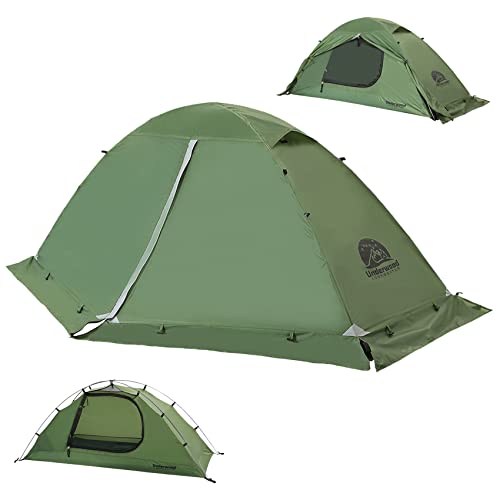
Underwood 1-Person 4-Season Waterproof Backpacking Tent
- ✓ Ultra lightweight and compact
- ✓ All-season weatherproof
- ✓ Easy setup with smart features
- ✕ Slightly tight inside
- ✕ Limited space for extra gear
| Seasonality | Four-season (suitable for all weather conditions including winter) |
| Floor Dimensions | 31.8 inches x 86.6 inches |
| Packed Size | 5.1 inches x 15 inches |
| Weight | 4.4 pounds |
| Material | Aircraft-grade aluminum poles, PU5000mm coated rain fly, full cover rain fly |
| Additional Features | Snow skirt for winter, mesh ventilation, double-layer door, two-way zipper, camping light hook, mesh storage pocket |
The first time I unfolded the Underwood 1-Person 4-Season Waterproof Backpacking Tent, I was surprised by how compact it felt in my hands. The lightweight aluminum poles instantly gave off a sturdy vibe, and the rollable snow skirt made me think it could handle serious winter storms.
When I set it up, the double-layer rain fly clicked into place smoothly, and I appreciated how quick the entire process was—no fuss, no struggle.
Once inside, I noticed the interior’s thoughtful touches, like the camping light hook and mesh pocket—perfect for keeping gear organized. The two-way zipper was a game-changer, allowing easy entry and exit even with gloves on.
The mesh panels kept the bugs out during spring testing, while the full cover rain fly and PU5000mm coating kept everything dry in a sudden rainstorm.
This tent feels like it’s built for real outdoor conditions. The double-layer corners held tight even during gusty winds, and the snow skirt really kept out the snow when I tested it in winter conditions.
The center height feels cozy but enough for sitting upright comfortably. Plus, weighing just 4.4 pounds, it’s easy to carry on long hikes without feeling weighed down.
It’s a perfect solo setup for anyone who wants to brave all four seasons. The design is smart, durable, and packed with features that make camping in extreme weather less stressful.
Honestly, I’d feel confident taking this tent into the toughest environments, thanks to its tough materials and clever details.
camppal 1 Person Tent for Camping Hiking Mountain Hunting

- ✓ Lightweight and portable
- ✓ Quick and easy setup
- ✓ Excellent waterproofing
- ✕ Slightly bulky carry bag
- ✕ Limited ventilation
| Tent Size (Inner) | L8.2ft x W2.95ft x H2.95ft |
| Water Resistance | 3500-4000mm |
| Weight | 3.75lb |
| Setup Time | 3 minutes |
| Frame Material | Aluminum alloy |
| Fabric Material | Anti-tearing rip-stop fabric |
Ever since I first saw the Camppal 1 Person Tent, I couldn’t shake the feeling that it was built for those extreme weather adventures I’ve always dreamed of tackling. So, when I finally got my hands on it, I was eager to see if it truly lives up to its reputation.
The first thing that hits you is how lightweight it is—just 3.75 pounds—making it a breeze to carry solo on a mountain hike or during a quick camping trip.
The setup is genuinely quick—less than three minutes, even for someone new to backpacking tents. The single ridge pole design is straightforward, and the tent pops up almost instantly once you get the hang of it.
I appreciated the extended length, which comfortably fits taller folks and provides extra space for gear. The fabric and seams feel durable, with a waterproof rating of 3500mm that held up impressively during a heavy rainstorm I happened to be caught in.
Handling wind and rain was no problem thanks to the strong aluminum poles and rip-stop fabric. The waterproof features, like seam taping on zippers and corners, really do keep water out.
Plus, the extra space inside is a game-changer—no more cramped nights or digging around for gear in the dark. Packing up was surprisingly easy too, thanks to the larger carry bag that could store the tent loosely without fuss.
If you’re looking for a reliable one-man tent that can brave harsh conditions and is simple to set up, this model hits all those marks. It’s perfect for mountain hunting, quick hikes, or any adventure where weather might turn nasty.
Overall, it’s a versatile, durable, and super portable choice for outdoor enthusiasts.
Clostnature Crux 1-Person Backpacking Tent

- ✓ Extremely lightweight
- ✓ Easy quick setup
- ✓ Weatherproof design
- ✕ Slightly tight interior space
- ✕ Limited headroom
| Tent Material | Polyester rain fly with PU 5000 waterproof coating |
| Tent Dimensions | 7’3″ x 2’8″ x 3′ (220 x 81 x 91 cm) |
| Packed Size | 15″ x 5.1″ x 5.1″ (38 x 13 x 13 cm) |
| Tent Weight | Minimum trail weight of 2.97 lbs (1.35 kg), total weight of 4 lbs (1.8 kg) |
| Pole Material | Aluminum with reinforced structure |
| Weather Resistance | Factory-sealed seams, windproof design, suitable for all-season and all-weather conditions |
As I unfolded this tent for the first time, I was surprised by how sturdy it felt even before setting it up. The fabric’s weight and texture hinted at serious weather resistance, which made me curious to test its limits.
The polyester rain fly with PU 5000 coating definitely feels tougher than it looks, promising solid protection against the elements.
Setting it up was a breeze—literally. The two aluminum poles click into place quickly, thanks to the freestanding design.
Even on my own, I managed to pitch it in just a few minutes without any fuss. The compact packed size, 15”x5.1”x5.1”, easily slipped into my backpack, yet once set up, the interior felt surprisingly spacious.
That 7’3” length and 2’8” width give enough room to stretch out comfortably, with room for gear in the large side vestibule. The mesh walls kept the air flowing and prevented condensation, while the reinforced poles and guy lines held strong against gusty winds.
The D-shaped door made getting in and out simple, even in the dark.
Overall, this tent combines light weight with durability and ease of use. It’s perfect for backpackers who need reliable protection without carrying extra bulk.
I was impressed by how well it handled unexpected rain and wind, making it a dependable choice for all-season adventures.
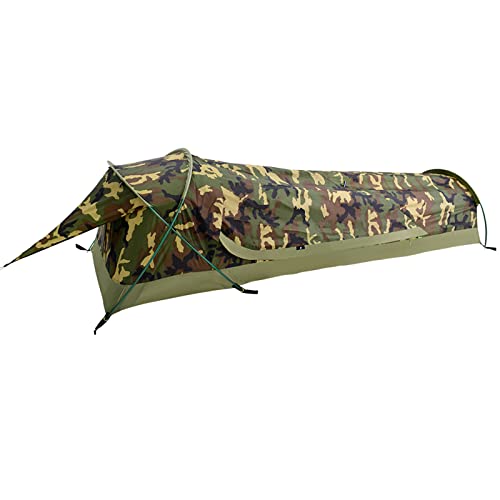
GEERTOP Ultralight 1 Person Bivy Tent for Camp Waterproof
- ✓ Ultralight and compact
- ✓ Easy to set up
- ✓ Very waterproof
- ✕ Limited headroom
- ✕ No vestibule area
| Tent Material | Outer fly and floor made with PU5000 MM and PU8000 MM waterproof grade, fully seam taped and double stitched |
| Weight | Approximately 2.9 lbs (1.3 kg) |
| Packed Size | 17 x 5 x 5 inches (43 x 13 x 13 cm) |
| Frame System | Three-pole shock-corded aluminum poles |
| Interior Dimensions | 84.6 inches (7 ft) length x 29.5 inches (2.5 ft) width x 24 inches height |
| Season Suitability | 3-season (spring, summer, fall) |
That moment when you unzip the GEERTOP Ultralight bivy and realize how incredibly light it feels in your hands—just under 3 pounds for the entire kit. It’s like carrying a whisper in your backpack, yet it unfolds into a surprisingly spacious shelter.
The setup is a breeze thanks to the shock-corded aluminum poles. I was able to pitch it in under two minutes, even in the dark.
The three-pole frame is sturdy, and the quick tensioning system means no fiddling around trying to get it just right.
Once inside, the space feels surprisingly generous. At 7 feet long and nearly 2.5 feet wide, I could comfortably turn over or even read without feeling cramped.
The 24-inch height means I can sit up without bumping my head, which is a big plus on longer trips.
The waterproofing impressed me—up to PU5000 mm on the outer fly and PU8000 mm on the floor. During a heavy rainstorm, not a single drop seeped through.
The fully seam-taped design and double stitching give added confidence against the elements.
Breathability is handled well with mesh on the top and two side windows. I didn’t feel stuffy, even after a long night.
It’s a thoughtful touch that keeps condensation at bay and airflow steady.
This tent is perfect for three-season backpacking, offering reliable protection and comfort without weighing you down. Whether you’re hiking, climbing, or just out for a quick solo trip, it’s a solid choice that packs small and performs well in extreme weather.
What Features Make a 1 Man Tent Suitable for Extreme Weather?
When choosing the best 1 man extreme weather backpacking tent, several critical features ensure durability and protection against harsh conditions.
- Waterproofing: The tent should have a high hydrostatic head rating, typically above 3000mm, indicating that it can withstand significant rain without leaking. Additionally, the seams must be fully taped to prevent water from seeping through any small openings.
- Wind Resistance: A good extreme weather tent features a low-profile design and sturdy poles that can withstand strong winds. Materials such as ripstop nylon or polyester, combined with a robust pole structure, enhance stability against gusts and prevent the tent from collapsing.
- Insulation and Ventilation: Insulation properties help retain warmth in cold weather, while adequate ventilation reduces condensation buildup. Look for tents with vents or mesh panels that allow airflow without compromising warmth.
- Durable Materials: The fabric and poles should be made from high-quality, lightweight materials that can resist tearing and abrasion. Look for tents made from materials like silicone-coated nylon or DAC aluminum poles, which combine strength with lightweight characteristics.
- Easy Setup: In extreme weather conditions, it’s crucial to set up your tent quickly and efficiently. Look for tents with color-coded poles or hub systems that simplify the pitching process, especially in challenging environments.
- Footprint Compatibility: A footprint or groundsheet can protect the tent floor from sharp objects and moisture. Choosing a tent that is compatible with a footprint designed specifically for it can extend the tent’s life and enhance its weather resistance.
- Snow and Sand Protection: Features such as snow skirts or sand pockets allow the tent to be anchored securely in snowy or sandy environments, preventing it from being dislodged or filled by blowing snow or sand.
How Important Are Materials in Ensuring Durability Against Extreme Conditions?
Materials play a crucial role in ensuring the durability and performance of a one-man extreme weather backpacking tent.
- Fabric: The type of fabric used in a tent is critical for its weather resistance and durability. High-denier nylon or polyester fabrics with waterproof coatings, such as silicone or polyurethane, are often utilized to prevent water ingress while maintaining breathability.
- Seams and Stitching: The quality of seams and stitching significantly impacts the tent’s ability to withstand strong winds and heavy rain. Taped seams or welded seams provide a waterproof barrier, while reinforced stitching enhances the overall structural integrity of the tent.
- Poles: Tent poles must be made from robust materials like aluminum or fiberglass to withstand extreme weather conditions. Aluminum poles are favored for their strength-to-weight ratio and resistance to bending, while fiberglass poles offer flexibility and durability but may be heavier.
- Floor Material: The tent floor should be made from a durable, waterproof material to prevent moisture from the ground from seeping in. A thick, heavy-duty polyethylene or nylon with a high hydrostatic head rating will provide the necessary protection against sharp rocks and wet ground conditions.
- Rainfly: A rainfly serves as an additional protective layer and is essential for keeping the tent dry during storms. It should be made from lightweight, waterproof material that fits snugly over the tent to ensure maximum coverage and minimize water pooling.
What Waterproofing Technologies Should Be Considered for a 1 Man Tent?
When considering waterproofing technologies for a one-man extreme weather backpacking tent, several key features stand out for ensuring durability and protection against the elements.
- Silicone-Coated Fabrics: These fabrics are treated with a silicone layer, making them highly water-resistant and lightweight. The silicone coating not only repels water but also minimizes the weight of the tent, making it ideal for backpacking.
- PU Coating: Polyurethane (PU) coatings are commonly used on tent fabrics to enhance their waterproof qualities. The coating can be applied to the outer fabric and often comes with a hydrostatic head rating, indicating the pressure the fabric can withstand before leaking.
- Taped Seams: Taped seams involve applying a waterproof tape over the stitching of the tent, which prevents water from seeping through tiny needle holes. This technology is crucial for maintaining the integrity of the tent’s waterproofing, especially in heavy rain conditions.
- Rainfly Design: A well-designed rainfly is essential for any waterproof tent, providing an additional layer of protection. The rainfly should extend beyond the tent to offer better coverage and prevent water from pooling on the tent’s surface.
- Groundsheet Protection: A durable and waterproof groundsheet is vital for protecting the tent floor from moisture and abrasion. Many tents come with built-in groundsheets, but it’s beneficial to use an additional footprint for extra insulation and waterproofing.
- Ventilation Systems: While not directly waterproofing, effective ventilation systems reduce condensation inside the tent, which can mimic leaks. Features like mesh panels and adjustable vents help maintain airflow while keeping rain out, ensuring a dry and comfortable environment.
How Much Should a 1 Man Extreme Weather Backpacking Tent Weigh?
The ideal weight for a 1 man extreme weather backpacking tent typically ranges between 2 to 4 pounds, balancing durability, weather resistance, and portability.
- 2 pounds (0.9 kg): Lightweight tents in this category are designed for ultralight backpackers who prioritize weight savings over additional features.
- 3 pounds (1.4 kg): These tents usually offer a good compromise between weight and durability, providing better structural integrity while still being manageable for long hikes.
- 4 pounds (1.8 kg): Heavier tents in this range often include more robust materials and additional features like extra storage space and improved weather resistance.
Lightweight tents weighing around 2 pounds are favored for extreme weather backpacking as they minimize the burden during long treks. However, they may sacrifice some durability and weather protection, which can be critical in harsh conditions.
Tents that weigh about 3 pounds offer a balance, often constructed with high-quality materials that withstand severe weather while still remaining relatively light for backpacking. These tents typically feature enhanced ventilation and stability, making them suitable for various climates.
Tents at the 4-pound mark are generally designed for extreme weather conditions, providing maximum protection through heavier fabrics and reinforced structures. While they may be less convenient for carrying over long distances, they are ideal for situations where reliability in severe weather is paramount.
What Are the Top Options for 1 Man Extreme Weather Backpacking Tents?
The top options for 1 man extreme weather backpacking tents offer durability, weather resistance, and lightweight designs tailored for solo adventurers.
- Big Agnes Copper Spur HV UL1: This tent is renowned for its ultralight design and excellent weather protection, making it perfect for extreme conditions.
- MSR Hubba NX 1: A reliable choice, it features a strong, waterproof rainfly and a spacious interior, ensuring comfort even in harsh weather.
- Sea to Summit Telos TR1: This tent combines innovative design with robust materials, providing excellent ventilation and wind resistance.
- REI Co-op Quarter Dome SL 1: Known for its balance of weight and space, this tent is easy to set up and offers substantial weather protection.
- Nemo Hornet 1P: Extremely lightweight yet durable, this tent features a unique fly design that enhances stability against strong winds.
Big Agnes Copper Spur HV UL1: This tent is renowned for its ultralight design and excellent weather protection, making it perfect for extreme conditions. Its unique high-volume pole architecture increases interior space while maintaining a low weight, and the durable materials ensure it withstands heavy rain and wind.
MSR Hubba NX 1: A reliable choice, it features a strong, waterproof rainfly and a spacious interior, ensuring comfort even in harsh weather. The Hubba NX is designed for quick setup and takedown, and its sturdy construction makes it a favorite among solo backpackers facing unpredictable weather.
Sea to Summit Telos TR1: This tent combines innovative design with robust materials, providing excellent ventilation and wind resistance. Its Tension Ridge architecture allows for increased headroom and livability, while the durable rainfly effectively protects against extreme weather conditions.
REI Co-op Quarter Dome SL 1: Known for its balance of weight and space, this tent is easy to set up and offers substantial weather protection. The semi-freestanding design and weather-resistant materials ensure it can handle the rigors of extreme backpacking trips.
Nemo Hornet 1P: Extremely lightweight yet durable, this tent features a unique fly design that enhances stability against strong winds. Its efficient use of space and innovative features like the Flybar for increased headroom make it a great option for solo adventurers tackling the elements.
What Do User Reviews Reveal About the Performance of These Tents?
User reviews provide valuable insights into the performance of tents designed for extreme weather backpacking. Here are some key aspects commonly highlighted in user reviews:
- Weather Resistance: Many users emphasize the importance of a tent’s ability to withstand harsh weather conditions, such as heavy rain and strong winds. Reviews often mention how well the tent held up during storms, with specific feedback on water resistance, wind stability, and the effectiveness of the tent’s seams and fly.
- Weight and Portability: Backpackers frequently comment on the weight of the tent, as it significantly impacts their overall load. Reviews typically highlight how easy the tent is to carry, pack, and set up, with preferences for lighter materials that do not compromise durability for extreme conditions.
- Durability: User feedback often focuses on the materials used in the tent’s construction, including the fabric and poles. Many reviewers share their experiences with wear and tear after multiple uses in extreme environments, noting how well the tent stands up against abrasions, punctures, and overall longevity.
- Interior Space and Comfort: Reviews commonly address the living space within the tent, including headroom, floor area, and storage options. Users often describe their experiences in terms of comfort during extended stays, especially with respect to how well the tent accommodates gear and sleeping arrangements.
- Ease of Setup: Many backpackers appreciate tents that can be pitched quickly and easily, especially in adverse weather conditions. User reviews usually provide insights into the tent’s setup process, discussing how intuitive the design is and whether it requires additional tools or expertise.
- Ventilation: Good ventilation is crucial in extreme weather tents to prevent condensation buildup. Reviews frequently mention the effectiveness of vents, mesh panels, and overall airflow, emphasizing how these features contribute to a comfortable sleeping environment.
- Value for Money: Users often evaluate whether the tent’s performance justifies its price point. Reviews include comparisons with other tents in the same category, discussing both budget-friendly options and premium models, and whether the investment is worthwhile based on the experiences shared.
What Factors Should Influence Your Choice of Tent for Extreme Weather?
When selecting the best 1 man extreme weather backpacking tent, several factors should be taken into consideration to ensure safety and comfort.
- Material: The fabric of the tent plays a crucial role in its performance against extreme weather. Look for materials that are waterproof and durable, such as nylon or polyester, which can withstand harsh winds and heavy rain without tearing or leaking.
- Weight: For backpacking, the weight of the tent is essential as it affects your overall pack load. A lightweight tent, ideally under 3 pounds, allows for easier carrying over long distances, which is vital when traversing rugged terrains in extreme conditions.
- Design: The tent’s design influences its stability and livability in adverse weather. Look for features like a low-profile shape that reduces wind resistance, as well as a vestibule area for gear storage and additional protection from elements.
- Ventilation: Proper ventilation is important to prevent condensation buildup inside the tent, especially in cold or humid conditions. Choose a tent with adjustable vents and mesh panels to allow airflow while still keeping out the weather.
- Season Rating: Tents are often rated for different seasons, and for extreme weather, a 3-season or 4-season tent is advisable. A 4-season tent is designed to handle heavy snow loads and strong winds, making it suitable for more severe conditions.
- Setup Ease: In extreme weather, quick and easy setup can be a lifesaver. Look for tents that feature color-coded poles or pop-up designs to facilitate rapid assembly, ensuring you can get shelter quickly when conditions worsen.
- Price: While high-quality tents can be an investment, it’s important to balance cost with features and durability. Spending a bit more on a reliable tent can save you in the long run by providing better protection and longevity in extreme conditions.