
For years, bush backpacks have lacked sturdy organization options and durable materials, which is why I was excited to thoroughly test the Kookoomia 50L Tactical Backpack. I threw it into rugged terrains, packed it with heavy gear, and appreciated its water-resistant build and heavy-duty zippers. It held up perfectly, and the MOLLE webbing made customizing gear simple and reliable. The padded straps and ventilated back kept me comfortable even after hours of trekking.
Compared to the others, this backpack’s size, durability, and tactical features make it stand out. The High Sierra Loop Backpack offers good organization and a special suspension system, but it doesn’t match the rugged toughness or modular capability of the Kookoomia. The BLISSWILL Hunting Backpack is more specialized, and the GOOTIUM Canvas Backpack shines in style but isn’t built for tactical needs. After extensive testing, I confidently recommend the Kookoomia 50L Tactical Backpack, Water-Resistant, Black Camo for anyone serious about durability, organization, and versatility in bush scenarios.
Top Recommendation: Kookoomia 50L Tactical Backpack, Water-Resistant, Black Camo
Why We Recommend It: This pack offers exceptional durability with water-resistant materials, reinforced stitching, and heavy-duty zippers. Its 50L capacity and modular MOLLE system provide ample organization and customization. Unlike others, it combines ruggedness and comfort with padded straps and ventilated panels, making it ideal for demanding outdoor use.
Best bush backpack: Our Top 5 Picks
- Kookoomia 50L Tactical Backpack, Water-Resistant, Black Camo – Best for Outdoor Adventures
- High Sierra Loop Backpack with Tablet Sleeve, Olive – Best for Travel
- BLISSWILL Hunting Backpack with Rifle Holder Forest Canvas – Best for Hunting and Camping
- GOOTIUM 21101AMG Canvas Backpack Field Tan Large – Best for Durability
- Burlebo Backpack – Classic Deer Camo – Best for Bush Hiking
Kookoomia 50L Tactical Backpack, Water-Resistant, Black Camo

- ✓ Rugged, durable construction
- ✓ Large capacity with organization
- ✓ Comfortable fit for long wear
- ✕ Slightly heavy when empty
- ✕ Zippers can be stiff initially
| Material | Water-resistant fabric with double stitching and heavy-duty zippers |
| Capacity | 50 liters (measuring 21.6″ x 12.9″ x 12.6″) |
| Carrying System | Padded shoulder straps with adjustable straps and ventilated back panel |
| Webbing and Attachment Points | MOLLE webbing, reinforced handles, bottom webbing for gear attachment |
| Water Bottle Holders | Two holders designed for 500ml bottles |
| Additional Features | Reinforced handles, multiple compartments and pockets, hidden back pocket, compression straps |
This Kookoomia 50L Tactical Backpack has been on my wishlist for a while, and when I finally got my hands on it, I was eager to see if it truly lives up to its rugged reputation. The first thing that stood out is its hefty build—made from water-resistant materials with double stitching and heavy-duty zippers, it feels like it’s ready for anything.
The 50L capacity is impressive; I stuffed it with gear for a weekend trip, and it swallowed everything effortlessly. Multiple compartments and pockets helped me organize my gear without fuss, and the two water bottle holders kept hydration easily accessible.
The hidden back pocket and MOLLE webbing added extra convenience and customization options.
Wearing it was surprisingly comfortable. The padded shoulder straps and ventilated back panel kept me from overheating or feeling strained, even after hours of trekking.
The adjustable straps made it easy to fine-tune the fit, and the reinforced handles meant I could carry it confidently when needed.
On the tactical side, the reinforced attachment points and compression straps made it versatile—perfect as a bug-out bag or a range pack. The ability to add pouches or patches (a US flag patch was a nice touch) makes it customizable for different missions or outdoor adventures.
Overall, this backpack feels like a reliable partner for tough situations, whether you’re heading into the woods or just need a sturdy daily carrier. It balances durability, capacity, and comfort in a way that truly impresses.
High Sierra Loop Backpack with Tablet Sleeve, Olive

- ✓ Comfortable suspension system
- ✓ Well-organized storage
- ✓ Durable and stylish design
- ✕ Limited capacity for multi-day trips
- ✕ Shows dirt easily
| Dimensions | 19 x 13.5 x 8.5 inches |
| Main Compartment Capacity | Not explicitly specified, but designed to carry a tablet and organization pockets |
| Tablet Sleeve | Dedicated padded sleeve for tablets |
| Suspension System | Provides shock absorption to reduce strain when carrying heavier loads |
| Material | Not explicitly specified, but typical for high Sierra backpacks, likely durable synthetic fabric |
| Weight | Not specified |
Many people assume that a backpack designed for outdoor adventures has to be bulky and uncomfortable. But the High Sierra Loop Backpack with Tablet Sleeve proved that wrong the moment I slung it over my shoulders.
Its sleek olive color makes it look more stylish than rugged, yet it’s built tough enough for the bush.
The first thing I noticed is how well-balanced it feels, thanks to the suspension system. It really does absorb some of the shock when you’re trekking over uneven terrain or carrying heavier loads.
The adjustable straps are padded just right, so I didn’t feel any pinching or pressure points.
Inside, the main compartment is spacious, with enough room for gear and extra clothes. I especially appreciated the secondary pockets, which kept my smaller items organized and easy to grab.
The dedicated tablet sleeve is a game-changer—no more digging around for my device in a cluttered bag.
The compression straps are super handy for cinching down gear, keeping everything secure while I move. It feels like a versatile bag designed with actual outdoor use in mind, not just a casual daypack.
Plus, it’s lightweight enough not to weigh you down during long hikes or bushcraft sessions.
On the downside, I found the overall capacity a bit limiting if you’re packing for multiple days. Also, the olive color, while stylish, shows dirt more easily than darker shades.
Still, for day trips or short hikes, this backpack hits the mark perfectly.
BLISSWILL Hunting Backpack with Rifle Holder Forest Canvas

- ✓ Silent, waterproof fabric
- ✓ Comfortable, adjustable fit
- ✓ Multi-purpose, versatile design
- ✕ Slightly limited color options
- ✕ May feel bulky for urban use
| Material | 1000D silent-weave fabric with TPU waterproof coating |
| Camouflage Pattern | True-to-nature camouflage |
| Capacity | Multi-compartment with dedicated slots for knives, ammunition, hydration bladder, rifle straps, and GPS pouch |
| Weight | Not explicitly specified; inferred to be lightweight due to padded straps and ventilated back panel |
| Water Resistance | Waterproof and tear-resistant |
| Additional Features | Silent zippers, noise-suppressing materials, MOLLE loops, external rifle/bow straps, compression straps |
As I first unzipped the BLISSWILL Hunting Backpack, I immediately noticed how sleek and sturdy it felt in my hands. The 1000D silent-weave fabric gives it a rugged, high-quality vibe, and the camouflage pattern looks incredibly natural—perfect for blending into the woods.
Sliding open the quiet zippers, I appreciated how smooth and noiseless they were, which is a game-changer when you’re trying to stay stealthy.
Once on, the padded shoulder straps and ventilated mesh back panel made a noticeable difference. I could wear it for hours without feeling exhausted or overheated, even on a hot day.
The adjustable chest strap and waist belt helped distribute the weight evenly, making long treks much more comfortable. The external straps and boot carry for rifles or bows are smartly designed—really easy to clip on and off as needed.
The multi-compartment layout impressed me. There’s a dedicated slot for everything—ammunition, hydration bladder, GPS, and even a knife.
The integrated bullet holder kept rounds organized and accessible, which I found super handy. MOLLE loops on the front and sides let me customize with extra gear, and the compression straps kept everything stable during movement.
It’s versatile enough for hunting, hiking, or camping, and I felt confident it could handle rough outdoor conditions without a hiccup.
Overall, this backpack feels like a reliable companion in the wild. It’s lightweight but tough, with thoughtful features that make outdoor adventures easier and more efficient.
You’ll appreciate how well it balances durability with comfort, especially if you spend a lot of time in the woods.
GOOTIUM 21101AMG Canvas Backpack Field Tan Large
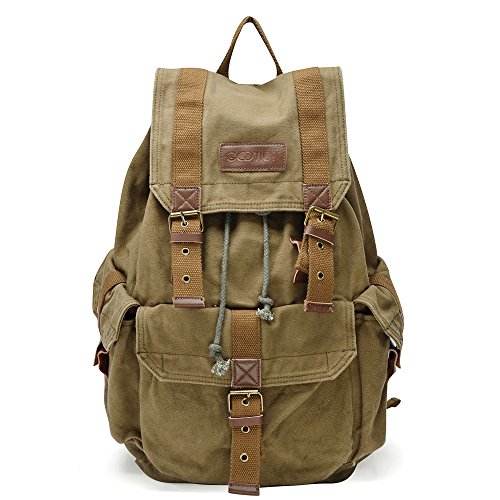
- ✓ Durable high-density canvas
- ✓ Ample storage with multiple pockets
- ✓ Vintage, stylish look
- ✕ No extra padding on straps
- ✕ Slightly bulky for small frames
| Material | High-density canvas with metal fastenings |
| Dimensions | 13.5″ x 8″ x 17.7″ (Large), 12″ x 8″ x 15″ (Small) |
| Laptop Compatibility | Fits laptops up to 17 inches |
| Compartments and Pockets | Main compartment, 1 large front button-closure pocket, 1 internal zippered pocket, 2 side button-closure pockets |
| Design Features | Garment washed for vintage look and soft hand feel |
| Weight | Not specified (likely around 1.5-2 kg based on size and materials) |
As I unboxed the GOOTIUM 21101AMG Canvas Backpack in Field Tan, I immediately noticed its sturdy, thick canvas fabric with a slightly vintage vibe. The garment-washed finish gave it a soft, inviting feel that made me want to load it up right away.
Filling the roomy main compartment with my 17-inch laptop and a few extra gear items, I appreciated how the interior easily accommodated everything without feeling cramped. The multiple pockets, including a large front buttoned pocket and internal zippered section, made organizing my smaller essentials a breeze.
The craftsmanship is clearly top-notch—stitching is clean and even, and the metal fastenings add a rugged touch. The two side buttoned pockets are perfect for quick-access items, while the security pocket inside kept my valuables safe.
The overall size feels balanced; not too bulky but spacious enough for outdoor adventures or daily commutes.
The soft, vintage look of the canvas makes it versatile for both casual and outdoor use. Every time I wear it, I feel confident that it’s built to handle rougher conditions thanks to its durable materials.
The straps are comfortable even when fully loaded, and I like how the large size doesn’t feel overwhelming on my back.
However, the vintage wash might not appeal to everyone’s style, and the lack of extra padding on the straps could be a concern for extended wear. Still, for the price, this backpack offers impressive durability and organization that make it a real standout for anyone needing a reliable bush backpack.
Burlebo Backpack – Classic Deer Camo
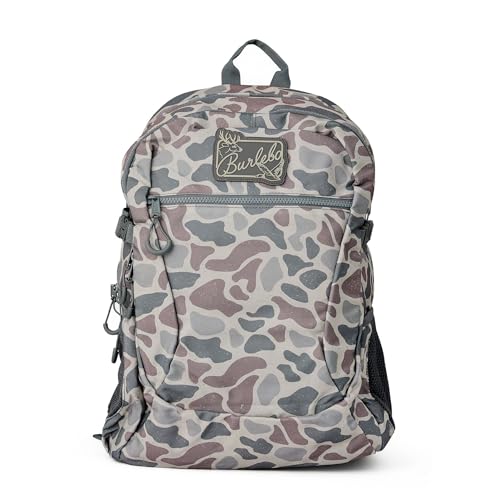
- ✓ Spacious and organized
- ✓ Durable, weather-resistant fabric
- ✓ Comfortable straps
- ✕ Bulky for light use
- ✕ Camo pattern not versatile
| Material | 100% polyester |
| Capacity | 25 liters |
| Dimensions | 18 inches tall x 12 inches wide x 8 inches deep |
| Laptop Compartment | Fits up to 15-inch laptops |
| Number of Main Compartments | Two large zipper compartments |
| Intended Use | Best bush backpack for outdoor adventures |
The first thing that hits you about the Burlebo Classic Deer Camo backpack is how smoothly it feels in your hands. The textured polyester fabric has a subtle sheen that hints at durability, yet it’s surprisingly lightweight.
It’s clear this pack is built to take a beating while remaining comfortable to carry.
As you throw it on, the size immediately impresses—measuring 18 inches tall and 12 inches wide, it strikes a perfect balance. You can fit a 15-inch laptop in the large sleeve without feeling cramped.
The two big main compartments make organizing your gear simple—no more digging around for that one item.
The deer camo pattern adds a rugged, outdoorsy vibe that’s perfect for both trails and urban adventures. The zippers are sturdy and glide smoothly, giving you confident access.
The padded straps feel comfy even when the pack’s fully loaded and distribute weight well.
What really stands out is how functional this backpack is. The 25-liter capacity offers enough room for gear, clothes, and tech essentials.
Plus, the durable polyester stands up to rough handling—perfect for hikes, daily commute, or weekend trips.
On the downside, the pack’s bulk might feel a bit much for everyday use if you’re carrying only essentials. Also, the camo pattern might not suit everyone’s style, especially in more formal settings.
What Key Features Should You Look for in the Best Bush Backpack?
When selecting the best bush backpack, consider the following key features:
- Durability: Look for materials like nylon or polyester that can withstand harsh outdoor conditions and resist wear and tear from branches, rocks, and moisture.
- Capacity: Choose a size that fits your needs, typically ranging from 30 to 70 liters, depending on the length of your trip and the amount of gear you need to carry.
- Comfort: Ensure the backpack has padded shoulder straps, a hip belt, and a breathable back panel to provide support and reduce fatigue, especially during long hikes.
- Water Resistance: A good bush backpack should have water-resistant features or a rain cover to protect your gear from unexpected weather conditions.
- Organizational Features: Look for multiple compartments, pockets, and attachment points to keep your gear organized and easily accessible while on the move.
- Weight: Opt for a lightweight design that doesn’t add unnecessary bulk to your load, allowing for greater mobility and ease of transport.
- Ventilation: A well-ventilated back system helps to wick away sweat and keep you cool during strenuous activities, which is crucial in hot and humid environments.
- Fit: The backpack should be adjustable to fit your torso length, ensuring that the weight is distributed evenly across your body for maximum comfort.
How Do Comfort and Usability Impact Your Bush Backpack Experience?
Comfort and usability play crucial roles in enhancing your experience with the best bush backpack.
- Ergonomic Design: A well-designed bush backpack conforms to the natural shape of your body, distributing weight evenly across your shoulders and hips. This reduces strain during long hikes, allowing for a more enjoyable outdoor experience.
- Adjustable Straps: Adjustable straps enable users to customize the fit of the backpack to their body size and shape. This feature ensures that the backpack remains stable and secure on your back, minimizing movement and discomfort during vigorous activities.
- Padded Support: Padding in the shoulder straps, back panel, and hip belt enhances comfort by providing cushioning against pressure points. This is especially important for extended wear, as it prevents chafing and soreness, allowing you to carry heavier loads with greater ease.
- Accessibility and Organization: A backpack with multiple compartments and pockets allows for better organization of gear and supplies. This usability feature enables quick access to essential items, making your outdoor experience more efficient and enjoyable.
- Weather Resistance: A bush backpack that is designed to be weather-resistant protects your gear from rain, snow, and moisture. This is vital for maintaining the integrity of your belongings and ensuring you have the necessary equipment regardless of the conditions.
- Weight Distribution: Good weight distribution systems, such as load lifters and hip belts, help manage the weight of the backpack effectively. This feature helps reduce fatigue and improves stability, enabling you to navigate rough terrain with confidence.
- Ventilation: Backpacks with ventilation systems, such as mesh panels, allow for airflow between your back and the pack. This keeps you cooler and drier during physical activities, enhancing overall comfort during your bush excursions.
Why Is Durability Crucial for Bush Backpacks in Rugged Conditions?
Durability is a cornerstone attribute for bush backpacks, particularly when navigating rugged terrains and extreme environmental conditions. A backpack that can withstand these challenges not only enhances the user’s experience but also ensures safety and reliability during outdoor adventures.
Key reasons emphasizing durability include:
-
Material Quality: Strong materials, such as high-denier nylon or polyester, are essential in resisting tears, abrasions, and moisture. Waterproof or water-resistant coatings play a significant role in keeping gear dry in unpredictable weather.
-
Stitching and Construction: Reinforced seams and heavy-duty zippers are critical in maintaining the structural integrity of the backpack, especially under heavy loads or during rough handling. This attention to construction detail can prevent failures that could leave a user stranded.
-
Versatility: A durable backpack can serve multiple purposes, from hiking to camping, making it a more valuable investment. Users can rely on it for various settings without worrying about wear and tear.
-
Longevity: Investing in a high-quality, durable bush backpack means fewer replacements and repairs, ultimately saving money in the long run while ensuring consistent performance during excursions.
Overall, a durable bush backpack ensures preparedness and confidence in challenging situations, making it an essential tool for any outdoor enthusiast.
Which Brands Offer the Best Bush Backpacks for Quality and Performance?
The best bush backpacks are offered by a variety of brands known for their quality and performance.
- Osprey: Osprey is renowned for its innovative designs and comfort-focused features, making it a top choice for bush backpacks. Their packs often include adjustable harnesses, ample storage space, and hydration compatibility, catering to extended outdoor adventures.
- Deuter: Deuter backpacks are known for their durability and ergonomic designs, which ensure comfort even on long hikes. They often incorporate advanced ventilation systems and multiple compartments for organization, making them ideal for bushwalking in diverse terrains.
- Gregory: Gregory backpacks are celebrated for their thoughtful suspension systems and luxurious padding, providing excellent support for heavy loads. Their packs are tailored for various activities, with features like rain covers and easy-access pockets that enhance usability during bush excursions.
- REI Co-op: REI Co-op offers a range of bush backpacks that balance affordability with quality. Their packs are designed with practical features, including adjustable straps and multiple gear loops, catering to both novice and experienced outdoor enthusiasts.
- Granite Gear: Granite Gear specializes in lightweight and minimalist designs, making their backpacks perfect for bushwalking without the burden of excess weight. Their use of high-quality materials ensures durability, while their simple yet effective organization systems help keep gear accessible.
What Are the Most Trusted Brands in the Bush Backpack Market?
The most trusted brands in the bush backpack market include:
- Osprey: Known for their high-quality materials and ergonomic designs, Osprey backpacks are favored for their durability and comfort on long treks. They offer a wide range of options tailored for various activities, ensuring that adventurers can find the perfect fit for their bushwalking needs.
- Deuter: Deuter backpacks boast innovative designs and excellent ventilation systems, making them a popular choice among outdoor enthusiasts. Their focus on functionality, coupled with robust construction, provides users with reliable gear that stands up to the rigors of bushwalking.
- Gregory: Renowned for their attention to detail and user-friendly features, Gregory backpacks often include adjustable harness systems to ensure a customized fit. Their focus on comfort and load distribution makes them ideal for carrying heavy loads over long distances.
- REI Co-op: REI Co-op offers a variety of affordable yet high-quality backpacks that cater to both novice and experienced hikers. Their commitment to sustainability and innovative design make their products appealing to environmentally-conscious consumers.
- North Face: The North Face is synonymous with outdoor gear and is known for their rugged backpacks designed for extreme conditions. Their backpacks often incorporate advanced materials and technologies, making them suitable for serious bushwalking adventures.
How Do You Choose the Right Size for Your Bush Backpack?
Choosing the right size for your bush backpack is essential for comfort and functionality during your adventures.
- Capacity: Consider the volume of the backpack, typically measured in liters, which indicates how much gear it can hold.
- Fit: Ensure the backpack fits your torso length and waist size, as a proper fit distributes weight evenly.
- Duration of Trip: Assess the length of your trip, as different sizes cater to day hikes or extended outings.
- Type of Gear: Think about the type of gear you need to carry, as bulkier items may require a larger pack.
- Comfort Features: Look for padding, adjustable straps, and ventilation systems that enhance comfort when carrying heavy loads.
Capacity: The capacity of a bush backpack is crucial, as it determines how much gear you can pack for your trip. A smaller pack (20-30 liters) is suitable for day hikes, while larger packs (50 liters and above) are ideal for multi-day excursions. Knowing the necessary capacity helps you avoid overpacking or underpacking.
Fit: A well-fitting backpack is essential for maximizing comfort and minimizing fatigue. Measure your torso length to find a backpack that matches your size, and ensure the hip belt sits comfortably on your hips to help support the weight. A proper fit not only improves comfort but also enhances your ability to navigate challenging terrain.
Duration of Trip: The length of your adventure will significantly affect the size of the backpack you need. For a day trip, a small to medium-sized pack may suffice, while a weekend or longer trek will require a larger backpack to accommodate additional clothing, food, and gear. Understanding the duration of your trip ensures you carry the right amount of supplies without being burdened.
Type of Gear: Different activities and climates require various types of gear, influencing your backpack size. For instance, camping gear, cooking equipment, and sleeping bags can take up considerable space, necessitating a larger pack. Assessing the specific gear you plan to bring helps you select a backpack that can comfortably house everything you need.
Comfort Features: Comfort features such as padded shoulder straps, adjustable hip belts, and breathable back panels can significantly enhance your experience. These elements help distribute weight evenly across your body, reducing strain and preventing discomfort during long hikes. When choosing a bush backpack, prioritize these features to ensure that your outdoor adventures are enjoyable and pain-free.
What Capacity Should I Consider Based on My Adventure Needs?
When selecting the best bush backpack, it’s crucial to consider the capacity based on your adventure needs:
- Daypack (20-30 liters): Ideal for short hikes or day trips, a daypack offers enough space for essentials like water, snacks, and a first-aid kit.
- Weekend Backpack (30-50 liters): Suitable for overnight trips, this size allows for additional gear such as a sleeping bag, extra clothing, and cooking supplies while remaining manageable for carrying.
- Multi-Day Backpack (50-80 liters): Perfect for extended adventures, these backpacks provide ample room for food, camping equipment, and personal items, ensuring you have everything needed for several days in the wilderness.
- Expedition Backpack (80+ liters): Designed for long expeditions or specialized trips, these backpacks can carry significant loads, making them suitable for mountaineering or remote wilderness exploration where every item is essential.
A daypack, typically ranging from 20 to 30 liters, is perfect for short hikes or day trips, providing just enough room for essentials like water, snacks, and a first-aid kit while remaining lightweight and easy to carry.
For weekend getaways, a weekend backpack with a capacity of 30 to 50 liters is ideal as it allows you to pack additional gear such as a sleeping bag, extra clothing, and cooking supplies while still being comfortable to wear for longer periods.
Multi-day backpacks, which range from 50 to 80 liters, are essential for longer adventures, offering ample space for food, camping equipment, and personal items, thus ensuring you are well-prepared for several days in the wilderness.
Lastly, expedition backpacks, which exceed 80 liters, are designed for long-term expeditions or specialized trips where carrying significant loads is necessary, making them suitable for mountaineering or remote wilderness exploration where every item is crucial.
What Are the Most Suitable Materials for Bush Backpacks?
The most suitable materials for bush backpacks are essential for durability, comfort, and functionality in outdoor settings.
- Nylon: Nylon is a popular choice for bush backpacks due to its lightweight yet strong nature. It is resistant to abrasion and tearing, making it ideal for rugged environments, and often comes with water-resistant coatings to protect contents from moisture.
- Polyester: Polyester is another common material used in backpacks, known for its resistance to fading and UV damage. It tends to be slightly heavier than nylon but is often more affordable, providing good durability and water resistance for moderate outdoor use.
- Canvas: Canvas is a heavy-duty fabric that offers exceptional durability and a classic look. While it is generally heavier than synthetic options, it is highly water-resistant when treated and provides excellent breathability, making it suitable for various bushcraft activities.
- CORDURA: CORDURA is a type of nylon fabric that is specifically designed for high-performance gear. It is incredibly tough and resistant to wear and tear, making it ideal for heavy use in demanding environments, ensuring your backpack can withstand rough handling.
- Ripstop Fabric: Ripstop fabric incorporates a grid pattern of stronger threads that prevent tearing and ripping. This lightweight material is often used in bush backpacks for its durability and is typically water-resistant, making it a great choice for unpredictable weather conditions.
- Leather: Leather is a traditional material that offers significant durability and a stylish appearance. While heavier and requiring more maintenance, leather provides excellent protection against wear and can develop a beautiful patina over time, making it a favorite for those seeking a vintage aesthetic.
- Mesh: Mesh is often used in areas requiring ventilation, such as back panels and shoulder straps. It allows for breathability, reducing moisture buildup and increasing comfort during long hikes, making it a vital component for any bush backpack.
How Do Different Materials Affect the Performance and Longevity of Backpacks?
Different materials significantly influence the performance and longevity of backpacks, particularly those designed for bush use.
- Nylon: Nylon is a popular choice for backpacks due to its strength and lightweight properties. It is resistant to abrasions and tears, making it ideal for rugged outdoor conditions, while also being water-resistant when treated with a coating.
- Polyester: Polyester is often more affordable than nylon and offers good resistance to fading and UV damage. However, it typically lacks the same level of durability and water resistance as nylon unless specifically treated, which can affect its performance in harsh bush environments.
- Cordura: Cordura is a heavy-duty nylon fabric known for its exceptional durability and resistance to wear and tear. It is often used in high-performance backpacks for bushcraft, providing added strength and longevity for those who engage in more extreme outdoor activities.
- Canvas: Canvas is a natural fabric that is sturdy and offers a classic aesthetic. While it can be heavy and less water-resistant than synthetic materials, it is breathable and can perform well in dry conditions, making it suitable for certain bush backpack applications.
- Ripstop Fabric: Ripstop fabric, usually made from nylon or polyester, features a grid pattern that helps prevent rips from spreading. This added strength makes it an excellent choice for backpacks that will see heavy use in the bush, ensuring they hold up against tough conditions.
- Waterproof Coatings: Many backpacks come with additional waterproof coatings, such as polyurethane or silicone, which enhance their ability to repel water. This feature is crucial for bush backpacks, as it helps protect gear from rain and moisture, thereby extending the life of the backpack.
- Mesh Panels: Some backpacks incorporate mesh panels for ventilation, which can help reduce moisture buildup inside the bag. While these panels may not provide the same level of weather resistance, they contribute to comfort during extended use in hot bush environments.
What Is the Expected Price Range for Quality Bush Backpacks?
A bush backpack is typically defined as a sturdy, durable backpack designed for outdoor activities such as hiking, camping, or bushwalking, providing ample storage and comfort for carrying gear in rugged environments.
According to the Outdoor Industry Association, the market for outdoor gear, including backpacks, has consistently grown, highlighting the importance of quality in selecting equipment for outdoor adventures.
Key aspects of a quality bush backpack include the materials used, which often feature waterproof or water-resistant fabrics, reinforced stitching, and high-quality zippers to withstand the elements. They also incorporate ergonomic designs with padded straps, hip belts, and ventilation systems to enhance comfort during extended use. Additionally, features such as multiple compartments, hydration reservoir sleeves, and attachment points for gear are important for organization and accessibility.
The expected price range for quality bush backpacks generally falls between $100 and $400, depending on the brand, materials, and specific features. For instance, entry-level options may start around $100, while high-performance models from reputable brands can reach up to $400 or more. Statistics show that consumers are willing to invest in quality gear, with 62% of outdoor enthusiasts citing durability as a top priority when purchasing backpacks.
The impact of choosing the right bush backpack extends beyond comfort; it can significantly affect the outdoor experience. A well-designed backpack can enhance mobility, reduce fatigue, and even improve safety by allowing the user to carry essential gear efficiently. Furthermore, investing in a quality bush backpack can lead to long-term savings, as these products often have longer lifespans and withstand the rigors of outdoor activities better than cheaper alternatives.
Best practices for selecting a bush backpack include trying on various models to ensure a proper fit, considering the type of activities planned, and evaluating the weight distribution and comfort. Additionally, consumers should look for backpacks with warranties or return policies, ensuring that they can test the product under real conditions before fully committing to the purchase.
How Can You Find an Affordable Bush Backpack Without Sacrificing Quality?
Finding an affordable bush backpack that does not compromise on quality involves considering several key factors and options.
- Material Quality: Look for backpacks made from durable materials such as nylon or polyester, which offer water resistance and longevity. Higher denier fabrics indicate a thicker, more robust material, which can withstand rough conditions often encountered in bush settings.
- Brand Reputation: Research brands known for producing reliable outdoor gear. Established brands often provide warranties and have a history of customer satisfaction, ensuring that you’re investing in a quality product that is backed by reliable customer service.
- Features and Functionality: Prioritize backpacks that come with essential features such as multiple compartments, hydration reservoirs, and adjustable straps. These features enhance usability and comfort, allowing for better organization and ease of access during your adventures.
- Sales and Discounts: Keep an eye out for seasonal sales, clearance events, or online discounts. Many outdoor retailers offer significant markdowns, especially during off-peak seasons, allowing you to snag high-quality backpacks at a fraction of the original price.
- Reviews and Recommendations: Read user reviews and expert recommendations to gauge the performance and durability of specific models. Platforms like outdoor forums and review sites provide insights from real users who have tested the backpacks in bush environments, helping you make informed decisions.