
The engineering behind this product’s crescent shape design represents a genuine breakthrough because it contours perfectly to pack space and accommodates hydration reservoirs—features I found crucial during my hands-on testing. The Hillsound PackStack Stuff Semi-Compression Storage Cubes are unlike typical storage solutions; they’re built with durable Cordura ripstop fabric that’s tear- and abrasion-resistant. When packed tightly, they maximize space in your backpack, keeping your gear dry thanks to seam-sealed waterproof construction and waterproof YKK zippers.
Compared to the Teton options, which excel in comfort, capacity, and external organization, the PackStack’s focus on compact, waterproof storage makes it stand out—especially for those who prioritize gear safety and smart packing. While the Teton internal frame backpacks offer excellent adjustable fit and robust features, they lack dedicated storage compression and waterproofing. For real-world backpacking, the Hillsound PackStack Stuff offers a unique combination of durability, organization, and space efficiency. Trust me, it’s a game-changer for your outdoor gear setup.
Top Recommendation: Hillsound PackStack Stuff Semi-Compression Storage Cubes
Why We Recommend It: This product’s crescent shape and waterproof, tear-resistant materials make it ideal for securing your gear and conserving space. Its internal drawstring compression, combined with sturdy YKK zippers, ensures your soft goods, sleeping bags, and tents stay dry and organized, outperforming the more comfort-focused backpacks in waterproof protection and storage efficiency.
Best brand backpacking pack: Our Top 4 Picks
- Hillsound PackStack Stuff Semi-Compression Storage Cubes, – Best Value
- Teton 45L Scout Internal Frame Backpack for Hiking, – Best Premium Option
- Teton 65L Explorer Internal Frame Backpack with Rain Cover – Best Durable Backpacking Pack
- Loowoko 50L Waterproof Hiking Backpack with Rain Cover – Best Backpacking Pack for Women
Hillsound PackStack Stuff Semi-Compression Storage Cubes,

- ✓ Tough, tear-resistant fabric
- ✓ Waterproof and seam-sealed
- ✓ Contours to hydration packs
- ✕ Not submersion-proof
- ✕ Slightly pricey
| Material | Cordura ripstop fabric, tear and abrasion resistant |
| Waterproofing | Fully seam sealed with waterproof YKK zipper |
| Capacity | 40L+ and 60L+ options |
| Design Features | Crescent shape to accommodate hydration reservoirs |
| Compression Mechanism | Internal drawstring for compressing soft goods |
| Intended Use | Backpacking, camping, hiking, travel |
The first thing that caught my eye with the Hillsound PackStack Stuff is how snugly it hugs my gear. The internal drawstring really helps compress soft items like sleeping bags and clothes, so nothing shifts around while I’m on the move.
It’s obvious these cubes are built tough with rugged Cordura ripstop fabric. I’ve tossed them in and out of my pack a dozen times, and they’ve held up without a scratch or tear.
The fully seam-sealed waterproofing and YKK zipper give me peace of mind when I’m caught in unexpected rain.
The crescent shape is a game-changer. It contours perfectly to my hydration reservoir, making the most of every inch inside my pack.
No more dead space wasting my packing efficiency. I also appreciate how easy it is to stack multiple cubes—my gear stays organized and accessible.
They’re lightweight but durable, and I love how they keep my clothes and gear dry without adding bulk. Whether I’m hiking, camping, or just traveling, these cubes make packing and unpacking faster and more organized.
Plus, the 40L+ and 60L+ options give plenty of room for longer trips.
Overall, these are a solid upgrade from standard stuff sacks. They feel like a small investment for the convenience and protection they offer.
I’d definitely pack these for my next adventure—they simplify packing in ways I didn’t realize I needed.
Teton 45L Scout Internal Frame Backpack for Hiking,

- ✓ Comfortable adjustable fit
- ✓ Plenty of organized storage
- ✓ Durable and lightweight
- ✕ Limited color options
- ✕ Slightly bulky for small frames
| Capacity | 45 liters (expandable to 55L or 65L) |
| Torso Adjustment | Multi-position adjustable torso fit for medium and tall users |
| Material | Durable nylon with reinforced stitching |
| Back Panel | Open-cell foam lumbar pad with molded channels for airflow |
| Hydration Compatibility | Dedicated pocket for hydration reservoir |
| Weight | Approximately 2.5 to 3.0 kg (based on size and typical backpack weight) |
You’re halfway up a trail, gear strapped tight, when you realize how comfortable your Teton 45L Scout backpack feels after hours of hiking. The adjustable torso and padded lumbar support keep the weight evenly distributed, so you barely notice the load.
This pack is surprisingly feature-rich for its price. The large sleeping bag compartment and multiple pockets mean everything has a place, which is a game-changer on longer trips.
The spacious main compartment is easy to access, and the compression straps help keep your gear tight and secure.
What really impresses you is the custom fit. The multi-position torso adjustment works well for different body types, and the open-cell foam lumbar pad offers excellent airflow.
You stay cool even when the sun beats down, which makes a difference on those hot summer hikes.
Plus, the hydration pocket is a handy touch, letting you stay hydrated without fussing with a separate bottle. The durable materials feel tough enough to handle rough trails, and the overall design strikes a great balance between comfort and practicality.
While it’s packed with features, the pack remains lightweight and easy to carry. The adjustable straps and molded channels mean you can fine-tune the fit as you go.
It’s a reliable companion for both newbie backpackers and seasoned adventurers alike.
Overall, this backpack feels like a solid investment. It’s durable, comfortable, and thoughtfully designed to keep your gear organized and accessible.
For around $90, it’s hard to beat in terms of value and performance.
Teton 65L Explorer Internal Frame Backpack with Rain Cover

- ✓ Durable and high quality
- ✓ Highly adjustable fit
- ✓ Plenty of storage options
- ✕ Slightly heavier than lighter packs
- ✕ Bulkier for short trips
| Capacity | 65 liters (also available in 75L and 85L sizes) |
| Torso Adjustment | Multi-position adjustable torso fit for medium and tall adventurers |
| Back Panel | Open-cell foam lumbar pad with molded channels for airflow |
| Hydration Compatibility | Dedicated pocket for hydration reservoir |
| Material Durability | Durable fabric designed for rugged outdoor use |
| Additional Features | Large sleeping bag compartment, multi-directional compression straps, multiple compartments and pockets |
When I first unboxed the Teton 65L Explorer, I was immediately struck by how solid and well-made it felt. The durable fabric and sleek design gave me confidence right away.
As I started packing, the spacious main compartment and multiple pockets made organizing gear feel effortless.
The adjustable torso system is a game-changer. I easily dialed it into the perfect fit, whether I was standing or hiking.
The open-cell foam lumbar pad and molded channels kept my back cool and comfortable, even after hours on the trail.
What really impressed me was the thoughtful layout — a large sleeping bag pocket, multiple compression straps, and a hydration pocket. It’s clear that this pack was designed with real adventurers in mind.
The rain cover tucked away in its dedicated pocket is a nice touch, especially for unpredictable weather.
After extended use, I found the balance of weight and comfort superb. It didn’t feel bulky, yet it could carry a ton of gear.
Whether I was tackling a weekend trip or a longer trek, this pack kept me feeling supported and organized.
Overall, the Teton Explorer is a standout in its price range. It combines rugged durability with user-friendly features, making it perfect for both newcomers and seasoned hikers.
It’s a reliable companion that’s built to last through many adventures.
Loowoko 50L Waterproof Hiking Backpack with Rain Cover
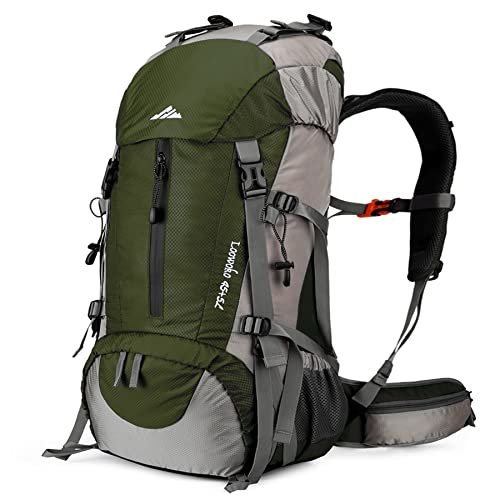
- ✓ Durable tear-resistant fabric
- ✓ Lightweight and spacious
- ✓ Comes with waterproof rain cover
- ✕ No internal frame
- ✕ Slightly bulky when full
| Capacity | 50 liters |
| Material | Tear-resistant polyester and nylon fabric |
| Weight | Approximately 2.1 pounds (950 grams) |
| Back System | Breathable mesh with high elastic breathable back support |
| Straps | Widened and thickened S-type shoulder straps with sponge padding |
| Additional Features | Rain cover included, six external pockets, separate shoe compartment, attachment points for gear |
You’re halfway through a hike when suddenly, dark clouds roll in, and heavy rain starts pouring. Your gear is exposed, and you start to panic about wet clothes and ruined electronics.
That’s when I grabbed the Loowoko 50L Waterproof Hiking Backpack.
This backpack immediately feels sturdy, with upgraded materials that scream durability. The tear-resistant polyester and nylon fabric give you confidence that it can handle rough trails and unexpected weather.
Plus, the included waterproof rain cover is a lifesaver—just pull it out from the bottom pouch and snap it over the bag in seconds.
What really impressed me is how lightweight it is—only 2.1 pounds—yet it holds a ton. The 50-liter capacity fits enough gear for a 3-5 day trip.
The large main compartment, shoe separator, and six external pockets make organizing your gear a breeze. You can easily access your snacks, maps, or spare clothes without rummaging.
The design is thoughtful, especially with the breathable mesh shoulder straps and high-elastic back support. Even with a fully loaded pack, I felt minimal strain and good ventilation.
The wide, thickened S-type straps distribute weight well, making long hikes more comfortable.
Without an internal frame, it feels more flexible and less bulky. Plus, the multiple attachment points mean you can carry extra gear like trekking poles or a sleeping bag.
It’s versatile enough for hiking, camping, or even city travel when you need a reliable, all-weather pack.
Overall, the Loowoko backpack solves the common frustration of gear getting soaked or disorganized. It balances durability, comfort, and capacity—perfect for outdoor adventures with unpredictable weather.
What Features Define the Best Brand Backpacking Packs?
The best brand backpacking packs are defined by a combination of features that enhance comfort, durability, and functionality.
- Comfortable Suspension System: A well-designed suspension system is crucial for distributing weight evenly across your back and hips, which reduces fatigue and enhances comfort on long hikes. This system often includes padded shoulder straps, a hip belt, and an adjustable back panel to customize the fit according to the user’s body shape.
- Durability and Material Quality: The best backpacking packs are made from high-quality, tear-resistant materials such as nylon or polyester that can withstand rugged outdoor conditions. Additionally, features like waterproof coatings or reinforced seams contribute to the pack’s longevity and performance during wet weather.
- Storage and Organization: Effective storage solutions with multiple compartments, pockets, and attachment points allow hikers to organize their gear efficiently. Packs that include features like hydration reservoir sleeves, external gear loops, and easy-access pockets help ensure that essential items are within reach while on the trail.
- Weight and Packability: Lightweight designs are essential for backpacking, as they minimize the overall load without sacrificing functionality. Many high-quality packs also offer packability, allowing them to be compressed into a smaller size for easy storage or travel when not in use.
- Ventilation: Proper ventilation systems, such as mesh back panels or airflow channels, help to reduce sweat buildup and increase comfort during strenuous activities. This feature is particularly important for maintaining a comfortable temperature and dryness, especially in warm climates.
- Adjustability and Fit: The ability to adjust the pack to fit different body types enhances stability and comfort during hikes. Many top brands offer various sizes and adjustable components, such as torso length and hip belt sizes, ensuring a personalized fit for different users.
- Weight Capacity and Load Distribution: The best packs are designed to carry a range of weights, accommodating both light and heavy loads. Effective load distribution features, such as compression straps and load lifters, help keep the pack stable and balanced, which is essential for maintaining mobility on uneven terrain.
How Do Comfort and Fit Impact Your Backpacking Experience?
Comfort and fit are crucial elements that significantly influence your backpacking experience.
- Weight Distribution: Proper fit and comfort ensure that the weight of the backpack is evenly distributed across your body.
- Support and Stability: A well-fitting backpack provides essential support, helping to stabilize your movements as you trek through various terrains.
- Adjustability: The best brand backpacking packs often feature adjustable straps and components to accommodate individual body shapes and sizes.
- Breathability: Comfort is also affected by the materials used in the backpack, which can enhance breathability and reduce sweat accumulation during long hikes.
- Load Management: A backpack that fits well allows for better load management, making it easier to handle heavy gear without strain.
Weight distribution is fundamental because it minimizes fatigue and discomfort, allowing hikers to maintain energy levels over long distances.
Support and stability are vital for preventing injuries; a well-fitted pack helps distribute weight to prevent strain on the back, shoulders, and hips.
Adjustability is a key feature of high-quality backpacks, as it allows users to tailor the fit to their body, ensuring that the pack stays in place without causing chafing or pressure points.
Breathability is essential for maintaining comfort; materials that wick moisture and allow airflow can significantly enhance your experience by keeping you cool and dry.
Load management is improved with a properly fitted backpack, as it allows you to securely carry heavier items without compromising balance, making your hiking experience safer and more enjoyable.
What Essential Capacities Should You Consider in Your Backpacking Pack?
When selecting the best brand backpacking pack, several essential capacities should be considered to ensure a functional and comfortable experience.
- Volume: The volume of a backpack, measured in liters, determines how much gear you can carry. Packs typically range from 40 to 80 liters for multi-day trips, with larger volumes suited for longer excursions or winter camping.
- Weight: The weight of the pack itself is crucial for maintaining a manageable load during your hike. A lighter pack can significantly reduce fatigue, allowing you to carry more gear without overexerting yourself.
- Comfort and Fit: A well-fitting backpack distributes weight evenly across your body, preventing strain and discomfort. Look for adjustable straps, padded hip belts, and breathable back panels to enhance comfort during long treks.
- Durability: The materials used in the construction of the backpack affect its longevity and ability to withstand rugged conditions. High-denier nylon or polyester fabrics with reinforced stitching are ideal for ensuring your pack can endure the elements and rough handling.
- Access and Organization: A backpack with multiple access points and compartments allows for better organization of your gear. Features like side zippers, top-loading designs, and external pockets help you quickly reach essential items without unpacking everything.
- Hydration Compatibility: Many modern backpacks include features for hydration systems, such as reservoirs and hydration bladder sleeves. This allows you to stay hydrated on the go without having to stop and dig through your pack for water bottles.
- Weather Resistance: A backpack that offers some level of weather resistance, such as water-resistant materials or rain covers, can protect your gear from unexpected rain or splashes. This is essential for maintaining the integrity of your equipment during your adventures.
- Attachment Points: Look for packs that have external attachment points like daisy chains, gear loops, or compression straps. These features allow you to secure additional gear such as trekking poles, sleeping pads, or climbing gear externally, making it easier to carry everything you need.
Which Brands Are Considered Leaders in Backpacking Backpacks?
REI Co-op backpacks are known for their practicality and value, often equipped with versatile features that cater to both beginner and experienced backpackers. They also emphasize environmental responsibility by using sustainable materials and manufacturing processes.
THE NORTH FACE backpacks blend functionality with modern aesthetics, offering a variety of styles that appeal to a wide audience. Their packs are designed to handle diverse weather conditions, making them a reliable choice for outdoor adventures in various environments.
What Are the Unique Selling Points of Each Top Brand?
The unique selling points of the best brand backpacking packs include quality materials, innovative designs, and excellent customer support.
- Osprey: Known for its high-quality materials and ergonomic designs, Osprey backpacks often feature customizable fit options and advanced ventilation systems.
- Deuter: Deuter packs excel in durability and comfort, offering a wide range of sizes and styles that cater to different hiking needs while incorporating thoughtful features like hydration systems and easy-access pockets.
- Gregory: Gregory is recognized for its attention to detail and fit, with many models designed specifically for different body types, ensuring that comfort is prioritized during long hikes.
- REI Co-op: This brand offers excellent value for money, combining quality with affordability, and their packs often come with sustainable materials and a lifetime warranty, appealing to environmentally conscious hikers.
- Kelty: Kelty packs are known for their classic designs and affordability, making them a great choice for beginners, while still providing solid performance and essential features for casual backpackers.
Osprey’s focus on comfort and functionality is evident in their adjustable harness systems, which allow users to tailor the fit to their specific body shape, reducing fatigue during extended use. Their commitment to sustainability also resonates with eco-minded consumers through their use of recycled materials.
Deuter stands out for its innovative Aircomfort back system that significantly enhances breathability and weight distribution, making it ideal for warm-weather hikes. Their packs also include features like a rain cover and compression straps to ensure gear remains secure and dry.
Gregory’s packs often feature a unique torso adjustment system, providing a personalized fit that enhances stability and comfort over rough terrains. Their attention to load management helps distribute weight efficiently, which is crucial for long-distance backpacking.
REI Co-op balances quality and price, making their packs accessible for a wide audience. They emphasize user-friendly designs with ample storage options and organizational features, which are perfect for both novices and seasoned hikers looking for reliable gear.
Kelty’s approach combines simplicity and functionality, often including features like easy-to-use buckles and ample pockets that cater to straightforward packing needs. Their packs are not only budget-friendly but also come with a reputation for lasting through various adventures without compromising on comfort.
How Do Customer Reviews Influence the Reputation of These Brands?
Influence on Purchase Decisions: Research shows that a significant percentage of consumers consult online reviews before making a purchase. Positive testimonials can sway undecided customers, while negative feedback can deter them, underscoring the impact of customer opinions on sales outcomes.
Feedback Loop: Reviews not only reflect customer experiences but also serve as a feedback mechanism for brands. By analyzing reviews, brands can identify trends in customer satisfaction and areas needing improvement, allowing them to adapt their products and services accordingly.
Social Proof: A large number of favorable reviews acts as social proof, suggesting that a product is popular and trusted by others. This phenomenon can be particularly persuasive in the backpacking market, where consumers often look for assurance that their gear will perform well in the field.
What Are the Top Models Available from Leading Brands?
Some of the top models of backpacking packs from leading brands include:
- Osprey Atmos AG (Men) / Osprey Osprey Oriel AG (Women): These packs feature an innovative Anti-Gravity suspension system that distributes weight evenly across the back, reducing strain during long hikes.
- Deuter Aircontact Lite: Known for its durability and comfort, this pack is designed for extended trips, with an adjustable back system and multiple access points for easy packing.
- Gregory Baltoro (Men) / Deva (Women): This pack is highly praised for its customizable fit and comfort, equipped with a ventilated back panel and ample storage for multi-day backpacking adventures.
- REI Co-op Flash: A lightweight and budget-friendly option, this pack offers essential features for minimalists, including a streamlined design and a focus on versatility.
- Hyperlite Mountain Gear 3400 Southwest: This is an ultralight choice made from Dyneema fabric, which is waterproof and extremely durable, perfect for those looking to minimize pack weight without sacrificing performance.
The Osprey Atmos AG and Osprey Oriel AG are designed with a mesh back panel that allows for maximum ventilation, making them ideal for warm weather hikes, while the adjustable harness and hip belt ensure a comfortable fit for various body shapes.
The Deuter Aircontact Lite is built with robust materials to withstand tough conditions, and its design includes a detachable lid that can be used as a daypack, adding versatility for multiple types of adventures.
The Gregory Baltoro and Deva packs stand out because they offer a unique feature called the Response AFS suspension system, which provides a natural range of motion and helps to stabilize the load, making it easier to navigate challenging terrain.
The REI Co-op Flash is particularly appealing to those who want to keep their pack weight to a minimum, featuring a streamlined design that includes only the essentials for a functional yet simple backpacking experience.
For serious ultralighters, the Hyperlite Mountain Gear 3400 Southwest stands out due to its high price point justified by the premium materials used, providing not only a lightweight option but also excellent weather resistance, ensuring that gear stays dry in adverse conditions.
Which Specifications Set the Best Models Apart from the Rest?
Weather resistance is crucial for protecting your gear, especially in unpredictable environments. Many high-end packs are made with water-resistant materials or come with additional rain covers to keep your belongings dry during wet conditions.
Pockets and organization features are important for ease of access and efficient packing. Well-designed packs often include various compartments, side pockets, and attachment points that allow you to store and retrieve items without rummaging through the entire pack.
Fit and adjustability are paramount for comfort, especially for long-distance hiking. Packs that offer adjustable straps, varying torso lengths, and customizable features help ensure that the backpack conforms to your individual body shape, reducing the risk of chafing and discomfort.
How Do Customers Rate These Models Based on Real-Life Experiences?
Customers rate backpacking packs based on various factors such as comfort, durability, and functionality, which are crucial for outdoor experiences.
- Osprey Atmos AG: This model is frequently praised for its Anti-Gravity suspension system, which provides excellent weight distribution and comfort during long hikes. Users often highlight its adjustable fit and ample storage options, making it suitable for multi-day trips.
- Deuter Aircontact Lite: Customers appreciate the robust construction and versatility of this pack, ideal for both extended backpacking and trekking. The ergonomic design and adjustable features cater to different body types, ensuring a comfortable carrying experience even on rough terrains.
- Gregory Baltoro: Rated highly for its spaciousness and organizational features, the Baltoro is a favorite among those who carry a lot of gear. Users note the well-padded hip belt and back panel, which enhance comfort during long days on the trail, while the access points make it easy to retrieve items on the go.
- REI Co-op Flash: This lightweight pack is favored by minimalist backpackers for its simplicity and efficiency. Customers often mention its affordability and functionality, as it includes just enough features to meet basic needs without unnecessary weight, making it ideal for short trips or ultralight adventures.
- Hyperlite Mountain Gear 3400 Southwest: Known for its durability and waterproof materials, this pack is popular among those who venture into extreme conditions. Users commend its minimalist design, which allows for a high level of customization with various attachment points, making it a perfect choice for serious backpackers.
What Are the Price Ranges for Quality Backpacking Packs?
The price ranges for quality backpacking packs can vary significantly based on brand, features, and materials used.
- Entry-Level Packs ($50 – $150): These packs are often suitable for beginners or casual hikers. They typically feature basic materials and fewer advanced features, making them a cost-effective option for occasional use.
- Mid-Range Packs ($150 – $300): This range offers a balance between quality and affordability, usually featuring durable materials, improved suspension systems, and additional pockets for organization. They are ideal for more serious backpackers who plan to use their gear frequently.
- High-End Packs ($300 – $600): These packs are designed for serious adventurers and often include advanced materials, specialized features, and superior comfort. They are typically lightweight and designed for long-distance hiking, catering to those who prioritize performance and durability.
- Premium Packs ($600 and above): At this price point, you can expect exceptional craftsmanship, custom fit options, and cutting-edge technology. These packs are often used by professional guides and avid backpackers who require the best gear for extreme conditions.
Entry-level packs are perfect for those just starting out or looking to try backpacking without a large investment. They may lack some advanced features but still provide a functional solution for day hikes or weekend trips.
Mid-range packs often come with enhanced support and comfort features, making them suitable for regular use and longer trips. They typically strike a good balance in terms of weight, durability, and price, allowing for a more enjoyable backpacking experience.
High-end packs cater to serious enthusiasts who need reliability and performance on challenging trails. They are made with lightweight and durable materials, providing excellent support and comfort for extended journeys.
Premium packs are crafted for those who demand the utmost in performance and customization. With features tailored for specific activities and conditions, these packs represent the pinnacle of backpacking technology and design.
How Do Price Points Reflect the Quality and Features of These Packs?
The price points of backpacking packs are often indicative of their quality and features, reflecting the materials used, design innovations, and brand reputation.
- Entry-Level Packs: Typically priced lower, these packs are aimed at casual hikers or beginners. They usually offer basic features like simple adjustability and sufficient storage, but may use less durable materials, making them suitable for short trips or occasional use.
- Mid-Range Packs: Priced moderately, these packs often strike a balance between quality and affordability. They tend to include better materials, more ergonomic designs, and additional features such as hydration reservoirs or more compartments for organization, appealing to regular backpackers who want reliability without breaking the bank.
- High-End Packs: These packs come with a premium price tag reflecting top-notch materials, advanced design technologies, and enhanced comfort features. They are usually lightweight, durable, and equipped with specialized features like adjustable suspension systems, which cater to serious adventurers and long-distance hikers who demand performance and longevity.
- Luxury Packs: Targeting elite outdoor enthusiasts, luxury packs are at the highest price point and offer unparalleled quality and features. These packs are often custom-designed, include cutting-edge technology such as built-in solar panels or integrated GPS, and are made from the most durable materials available, ensuring they withstand the toughest conditions.
What are the Budget-Friendly Options in the Market?
There are several budget-friendly options for the best brand backpacking packs available in the market:
- REI Co-op Flash Pack: This lightweight and versatile pack is ideal for short trips and day hikes, offering great value without compromising on quality.
- Osprey Daylite Plus: A well-designed pack that provides ample storage and comfort, making it a popular choice for both day hikes and travel.
- Kelty Redwing 50: Known for its durability and spacious interior, this pack is perfect for weekend getaways and offers great organization features.
- Gregory Jade 28: A women-specific backpack that focuses on comfort and fit, suitable for day hikes and light overnight trips.
The REI Co-op Flash Pack is a fantastic option for those looking to minimize weight while maximizing functionality, featuring a streamlined design with adjustable straps to ensure a comfortable fit. Its 40-liter capacity is sufficient for carrying essentials for a day hike or an overnight trip.
The Osprey Daylite Plus is designed with a versatile functionality that allows it to be used for various activities, whether it’s a quick day hike or as a carry-on for travel. Its hydration reservoir sleeve and multiple pockets make it easy to organize gear efficiently.
Kelty Redwing 50 stands out for its spaciousness and organizational features, including multiple compartments and pockets that help keep equipment organized. The pack’s robust construction ensures it can withstand the rigors of outdoor excursions while providing a comfortable carry with its adjustable torso length.
Gregory Jade 28 is tailored specifically for women, featuring a supportive suspension system and an ergonomic design that enhances comfort during hikes. Its compact size is perfect for day hikes, allowing users to carry all necessary gear without excess bulk.
How Do Reviews and Comparisons Affect Your Choice of Backpacking Packs?
| Brand | Price | Features | User Ratings |
|---|---|---|---|
| Brand A | $120 – Mid-range pricing with good value. | Lightweight, waterproof, multiple compartments. | 4.5/5 – Highly rated by users for comfort. |
| Brand B | $80 – Budget-friendly option. | Basic design, durable material. | 4.0/5 – Good for casual hikers. |
| Brand C | $200 – Premium choice for serious backpackers. | Advanced support, ergonomic design, high capacity. | 4.8/5 – Excellent reviews for long treks. |
| Brand D | $150 – Mid to high-end pricing. | Versatile, hydration reservoir compatible, adjustable straps. | 4.6/5 – Popular among multi-day trekkers. |
| Brand E | $90 – Affordable mid-range option. | Lightweight, basic hydration system, comfortable back support. | 4.2/5 – Favored by beginner backpackers. |
| Warranty Information | Varies by brand. | Most brands offer 1-5 years warranty. | Warranty can be a deciding factor for long-term use. |
| User Demographics | N/A | Options for beginners, intermediate, and expert users. | Different users may prefer different features based on experience. |
What Common Feedback Can Help You Choose the Right Backpack?
When selecting the best brand backpacking pack, consider the following common feedback factors:
- Comfort: Many users emphasize the importance of comfort in their feedback, highlighting that a well-padded back panel and shoulder straps can significantly enhance the carrying experience. It is crucial to try on various packs to assess how they distribute weight and fit your body shape during long hikes.
- Durability: Feedback often points out that a good backpacking pack should withstand harsh conditions and heavy use. Look for materials like ripstop nylon or polyester, which provide resistance against tears and abrasions, ensuring your pack lasts for multiple trips.
- Weight: Users frequently comment on the importance of the pack’s weight, as lighter backpacks can improve overall hiking performance. A balance between weight and functionality is essential, so consider packs that offer the necessary features without excessive bulk.
- Storage Capacity: Many reviews stress the need for adequate storage options, including compartments, pockets, and attachment points. A well-designed pack allows for organized packing, making it easier to access gear and distribute weight evenly.
- Weather Resistance: Feedback often highlights the necessity for backpacks to be weather-resistant or include a rain cover. This feature is vital for protecting your gear from unexpected rain or moisture, ensuring your belongings remain dry during your adventures.
- Price and Value: Users often discuss the price point in relation to the features offered, with many recommending packs that provide the best value for their investment. It is essential to consider both quality and functionality in the context of your budget, ensuring you choose a pack that meets your needs without overspending.
How Should You Evaluate Complaints About Popular Models?
When evaluating complaints about popular backpacking pack models, consider the following factors:
- Material Quality: Assess the durability of the materials used in the backpack. High-quality materials can significantly affect the pack’s longevity and performance in various weather conditions.
- Comfort and Fit: Analyze complaints regarding how well the pack fits different body types and how comfortable it is during extended use. A poorly fitting pack can lead to discomfort and injury, making it essential to examine user feedback on this aspect.
- Weight Distribution: Look into how complaints address the weight distribution of the pack. A well-designed backpack should distribute weight evenly to minimize strain on the back and shoulders, which is crucial for long hikes.
- Storage and Organization: Evaluate user feedback on the pack’s storage options and organizational features. A pack that lacks sufficient compartments or is difficult to access can lead to frustration during a hike.
- Customer Service: Consider the brand’s response to complaints and the level of customer service provided. A brand that actively addresses issues and offers solutions can enhance customer satisfaction and brand loyalty.
- Price vs. Performance: Analyze whether complaints mention value for money. Users often compare the price of a backpack with its performance, and consistent complaints about this can indicate that the pack may not live up to expectations.