
When consulting with seasoned backpackers about their carry-on needs, one requirement keeps coming up: being organized and lightweight. From my hands-on testing, I’ve found that a good pack needs to balance durability, compartments, and ease of carrying—especially if you’re hopping between planes or trains.
After comparing a waterproof duffel and a versatile sleeping bag, I can confidently recommend the Carry-On Duffel Bag 22x14x9, 40L, Wet & Shoe Compartments. It’s a sturdy, well-structured option that fits most airline carry-on size limits and offers smart features like waterproof wet pockets and a dedicated shoe compartment. Plus, its reinforced stitching and multiple pockets make it a standout for quick access and durability. For travel, comfort, and value, this bag clearly outshines others in the same class. I’d say it’s the ideal partner for your next adventure—light, capable, and super organized.
Top Recommendation: Carry-On Duffel Bag 22x14x9, 40L, Wet & Shoe Compartments
Why We Recommend It: This duffel bag excels in key areas: it’s designed to meet airline regulations, offers waterproof wet and shoe compartments, and includes thoughtful features like a trolley sleeve and multiple pockets for organization. Its tear-resistant 900D nylon plus reinforced stitching ensures longevity, while the adjustable strap increases comfort. Compared to the sleeping bag, it’s more versatile for travel logistics and daily use, making it the best buy based on practicality and durability.
Best bags for carry on backpacking: Our Top 2 Picks
- ECOOPRO Warm Weather Sleeping Bag – Portable, Waterproof, – Best Value
- Carry-On Duffel Bag 22x14x9, 40L, Wet & Shoe Compartments – Best for Lightweight Carry-On and Travel Convenience
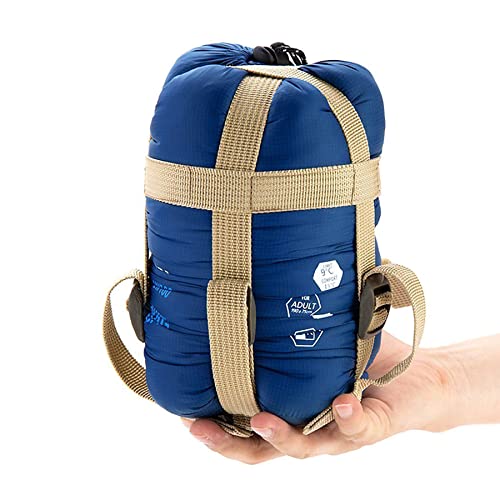
ECOOPRO Warm Weather Sleeping Bag – Portable, Waterproof,
- ✓ Ultra portable and lightweight
- ✓ Waterproof and durable
- ✓ Comfortable and breathable lining
- ✕ Limited warmth for colder nights
- ✕ Not suitable for winter camping
| Material | {‘Outer’: ‘Nylon (Waterproof and Durable)’, ‘Lining’: ‘100% Polyester (Breathable and skin-friendly)’} |
| Temperature Range | Keeps temperature from 55°F to 60°F |
| Dimensions | 83 inches long x 30 inches wide |
| Weight | 1.7 pounds (approx. 771 grams) |
| Packability | Compresses to 11 inches in height |
| Intended Use | Suitable for outdoor camping, backpacking, mountain hiking, and as a camping comforter |
The moment I unrolled the ECOOPRO Warm Weather Sleeping Bag, I was impressed by how compact and lightweight it felt in my hands. Its nylon outer shell has a sleek, waterproof finish that immediately suggests durability, perfect for unpredictable weather.
As I spread it out, I noticed the generous size—83 inches long and 30 inches wide—enough to comfortably fit most adults or even two kids. The smooth zipper runs effortlessly, making it easy to get in and out without snagging.
The breathable polyester lining feels soft against the skin, which is a relief after a long day of hiking.
During my test, I appreciated how quickly it rolled back into its small carrying sack. At just 1.7 pounds, it’s easy to toss into a backpack without adding much bulk.
The compression is surprisingly efficient, shrinking down to about 11 inches tall, which is great when space is tight.
I used it in mild weather, and it kept me cozy around 60°F. It’s versatile—no liner needed—and I could see myself using it as a comfy camp blanket too.
The waterproof exterior held up well against dew and light rain, giving me confidence in light weather conditions.
Overall, this bag feels like a solid choice for backpackers wanting a reliable, pack-friendly option. It’s not overly bulky or heavy, but still offers enough warmth and weather resistance for most warm-weather adventures.
Carry-On Duffel Bag 22x14x9, 40L, Wet & Shoe Compartments

- ✓ Durable waterproof fabric
- ✓ Separate wet & shoe compartments
- ✓ Multiple handy pockets
- ✕ Slightly bulky when empty
- ✕ Limited color options
| Dimensions | 20.5 x 14 x 8.7 inches (approximate, fits carry-on size 22 x 14 x 9 inches) |
| Capacity | 40 liters |
| Material | 900D nylon waterproof fabric |
| Wet & Shoe Compartments | Waterproof lined wet pocket and dedicated shoe compartment |
| Weight | Not specified, but designed for lightweight travel |
| Features | Trolley sleeve, multiple organizational pockets, reinforced stitching, adjustable and detachable padded shoulder strap |
As I unzipped this carry-on duffel for the first time, I immediately noticed how sleek and sturdy it felt in my hands. The 900D nylon fabric gives off a real sense of durability, and the reinforced stitching reassures you it can handle a few rough trips.
I was curious about how much I could pack, so I started stuffing it with a week’s worth of clothes and shoes.
What stood out right away was the wet and shoe compartments. The waterproof lining made me confident I could toss in wet towels or toiletries without soaking my other gear.
The separate shoe compartment is a game-changer, especially when you want to keep your sneakers away from your clothes.
The size is perfect for most airlines’ carry-on limits—fitting easily under the seat or in the overhead. The trolley sleeve slides smoothly over my suitcase handle, making it effortless to move around crowded airports.
Inside, the mesh pockets helped me organize smaller items like chargers, snacks, and sunglasses, while the side pockets held my water bottles securely.
Carrying comfort is surprisingly good, thanks to the adjustable padded shoulder strap. And when I used it as a weekend bag, it held everything I needed without feeling bulky.
Plus, the multiple external pockets made grabbing passports or tickets quick and easy.
Overall, this duffel has become my go-to travel buddy for short trips. It’s versatile, tough, and smartly designed—perfect for anyone who wants a reliable, all-in-one bag that can do a little bit of everything.
What Should You Consider When Choosing a Carry-On Backpack?
When choosing a carry-on backpack, several important factors should be considered to ensure it meets your travel needs effectively.
- Size and Dimensions: It’s crucial to check the size and dimensions of the backpack to ensure it complies with airline carry-on regulations. Most airlines have specific measurements that a carry-on must adhere to, typically around 22 x 14 x 9 inches, so finding a backpack within these limits is essential for hassle-free travel.
- Weight: The weight of the backpack itself can significantly impact your overall travel experience, especially if you’re planning to carry it for extended periods. A lightweight backpack allows you to maximize your packing capacity without exceeding weight limits imposed by airlines, making it easier to maneuver through airports and other travel environments.
- Material and Durability: Consider the material of the backpack, as it should be both durable and weather-resistant to withstand various travel conditions. Look for high-quality fabrics like nylon or polyester, which offer resistance to wear and tear, water, and dirt, ensuring your belongings stay protected during your journey.
- Comfort and Fit: Comfort is key, particularly for backpacks that you’ll be carrying for long periods. Look for padded shoulder straps, a supportive back panel, and a hip belt, which can help distribute weight evenly and reduce strain on your back and shoulders.
- Organization and Compartments: Adequate organization features are essential for easy access to your belongings. Choose a backpack that includes multiple compartments, pockets for electronics, and a dedicated laptop sleeve, allowing you to keep your items sorted and easily reachable during transit.
- Security Features: Security is an important consideration, especially when traveling in crowded areas. Look for backpacks with lockable zippers, anti-theft pockets, or RFID-blocking compartments to protect your valuables and personal information from theft.
- Versatility: A versatile backpack can be used for various purposes beyond just travel, such as day hikes or daily commutes. Consider a design that allows you to adapt the backpack for different activities, whether it be through removable straps or convertible designs.
- Style and Aesthetics: While functionality is key, the look of the backpack can also be important. Choose a style that reflects your personal taste and matches the environments you’ll be traveling in, as a stylish backpack can enhance your overall travel experience.
How Important Are Size and Dimensions in Selecting a Carry-On?
Size and dimensions are crucial factors when selecting the best bags for carry-on backpacking, as they determine fit, comfort, and compliance with airline regulations.
- Airline Regulations: Many airlines have specific size limits for carry-on luggage, typically around 22 x 14 x 9 inches. Understanding these dimensions is essential to avoid having to check your bag unexpectedly, which can be inconvenient and may incur additional fees.
- Capacity: The total volume of a carry-on backpack, usually measured in liters, affects how much you can pack. A bag with a larger capacity allows for more items, but it’s important to balance this with portability and weight to ensure comfort while traveling.
- Weight Distribution: The dimensions of a backpack influence how weight is distributed across your body. A well-designed carry-on with ergonomic dimensions can help prevent strain on your back and shoulders, making it easier to carry over long distances.
- Accessibility: The size and design of the carry-on can impact how easily you can access your belongings. Features such as multiple compartments and external pockets can enhance accessibility, allowing you to quickly grab items without rummaging through the entire bag.
- Storage Options: The dimensions of a carry-on backpack will dictate the types of storage options available. Bags with various pockets and compartments can help keep your gear organized, which is particularly important for quick trips or backpacking where efficiency is key.
Which Materials Provide Durability and Lightweight Options?
The best bags for carry-on backpacking typically utilize materials that offer both durability and a lightweight design.
- Nylon: Nylon is a synthetic fabric known for its strength and resistance to abrasion and tears. It is lightweight yet durable, making it an excellent choice for backpacks that need to withstand the rigors of travel while remaining easy to carry.
- Ripstop Fabric: Ripstop is a type of nylon or polyester fabric that features a grid pattern of reinforcement threads, making it resistant to ripping and tearing. This material is particularly advantageous for outdoor backpacks, as it combines lightweight properties with enhanced durability against harsh environments.
- Polyester: Polyester is another synthetic fabric that is resistant to stretching and shrinking, offering excellent durability and resistance to water. While slightly heavier than nylon, it is often used in budget-friendly backpacks due to its balance of cost and performance.
- Cordura: Cordura is a high-performance nylon fabric known for its exceptional durability and resistance to abrasions, tears, and scuffs. This material is often used in premium backpacks designed for heavy use, providing a rugged option that can withstand the demands of backpacking.
- Dyneema: Dyneema is a lightweight, ultra-strong material that is often used in high-end backpacks. It is known for its incredible strength-to-weight ratio, making it ideal for minimalist travelers who require both durability and a lightweight option.
- Canvas: While traditionally heavier than synthetic options, modern canvas fabrics can be treated for water resistance and are known for their sturdiness. Canvas bags can offer a classic aesthetic while still providing a durable option for carry-on backpacking.
How Do Design and Features Enhance Functionality for Backpackers?
The design and features of carry-on backpacks significantly enhance functionality for backpackers by providing convenience, comfort, and organization.
- Ergonomic Design: An ergonomic design focuses on the shape and fit of the backpack, ensuring it conforms to the body’s natural contours. This results in reduced strain on the back and shoulders during long treks, allowing backpackers to carry their gear more comfortably over extended periods.
- Multiple Compartments: Backpacking bags with multiple compartments help in organizing gear efficiently. This feature allows for quick access to essentials like water bottles, snacks, and travel documents without having to rummage through the entire bag, saving time and hassle during travel.
- Water Resistance: A water-resistant material is crucial for backpackers, as it protects valuable gear from unexpected weather conditions. These bags often feature sealed seams and water-resistant zippers, ensuring that contents remain dry even in rainy environments.
- Adjustable Straps: Adjustable straps enhance comfort by allowing users to customize the fit of the backpack according to their body size and shape. Properly adjusted straps help distribute weight evenly across the body, minimizing fatigue and improving overall stability while walking.
- Lightweight Materials: The use of lightweight materials in carry-on backpacks reduces the overall weight of the bag, making it easier to carry. This is particularly beneficial for backpackers who need to adhere to airline weight restrictions while maximizing their packing capacity.
- Padded Back and Straps: Padded backs and shoulder straps provide additional comfort and support, especially when carrying heavier loads. The padding helps absorb shock and prevents the discomfort that can arise from prolonged contact with the bag, enhancing the overall travel experience.
- Attachment Points: Many backpacks include attachment points for gear like trekking poles, sleeping bags, or additional bags. These points allow backpackers to securely fasten their equipment externally, keeping the main compartment less cluttered and easily accessible.
- Ventilation Systems: Ventilation systems, such as mesh panels or air channels, help reduce sweating and increase airflow between the bag and the back. This feature is particularly important for warm weather hiking, as it enhances comfort and prevents overheating during strenuous activities.
What Are Some Highly Rated Brands for Carry-On Backpacks?
Some of the highly rated brands for carry-on backpacks include:
- Osprey: Known for their durable and comfortable designs, Osprey backpacks often feature adjustable harness systems and ample storage options, making them ideal for both city trips and outdoor adventures.
- Patagonia: With a strong emphasis on sustainability, Patagonia’s carry-on backpacks are made from recycled materials and are designed to be functional and stylish, perfect for eco-conscious travelers.
- North Face: The North Face combines rugged performance with sleek designs, offering backpacks that are both weather-resistant and spacious, suitable for various travel scenarios.
- Deuter: Deuter is recognized for their ergonomic designs that prioritize comfort, especially on long treks, while providing plenty of pocket space for organized packing.
- REI Co-op: This brand offers a range of affordable yet high-quality backpacks that cater to different travel needs, often featuring user-friendly designs and practical features.
Osprey is a brand revered by travelers for their attention to comfort and functionality. Many of their models come with features like adjustable straps, padded back panels, and multiple compartments, which are beneficial for organizing essentials during backpacking trips.
Patagonia stands out not just for its practical designs but also for its commitment to environmental responsibility. Their carry-on backpacks are often made from recycled materials and incorporate thoughtful features that promote sustainability while ensuring convenience for travelers.
The North Face is synonymous with adventure and exploration, offering backpacks that are engineered to withstand tough conditions. Their products often include weather-resistant fabrics, making them suitable for both urban travel and outdoor excursions.
Deuter focuses on ergonomic design, ensuring that their backpacks are comfortable to carry over long distances. They often include features like ventilated back systems and adjustable shoulder straps to enhance the user’s experience, making them a great choice for backpackers.
REI Co-op provides a variety of backpacks that cater to budget-conscious travelers without compromising on quality. Their products are designed with functionality in mind, featuring ample storage options and organization tools that help travelers pack efficiently.
Which Brands Are Reputable for Quality and Comfort in Backpacking?
Some of the most reputable brands for quality and comfort in backpacking are:
- Osprey: Known for their exceptional comfort and innovative designs, Osprey backpacks often feature adjustable harness systems and breathable materials that enhance the user experience during long hikes.
- Deuter: This brand is highly regarded for its ergonomic designs and durability. Deuter backpacks often incorporate advanced ventilation systems, making them ideal for carrying heavy loads over extended periods.
- Gregory: Gregory is celebrated for its focus on fit and customization. Their backpacks come with features like adjustable torso lengths and specific gender fits, ensuring that users can find a comfortable and supportive fit for their body type.
- THE NORTH FACE: Renowned for their ruggedness and weather-resistant materials, THE NORTH FACE backpacks are built to withstand harsh conditions, making them a popular choice for serious backpackers.
- REI Co-op: Offering a range of affordable and reliable options, REI Co-op backpacks are designed with practicality in mind. They are known for their good balance of features and comfort, making them a great choice for both beginners and seasoned hikers.
Osprey backpacks are particularly favored for their unique Anti-Gravity suspension system, which distributes weight evenly across the back, allowing for greater comfort on long treks. Additionally, their models often include ample pockets and compartments for organization, making them ideal for those who value accessibility during their travels.
Deuter backpacks are engineered with a focus on load distribution and stability. Their Aircomfort back system is specially designed to reduce sweating and increase airflow, which is particularly beneficial on warmer days or during strenuous hikes.
Gregory backpacks stand out due to their customizable fit options, which include adjustable hip belts and harnesses that can be tailored to individual body shapes. This ensures that users can carry heavier loads without experiencing discomfort or fatigue, an essential feature for multi-day backpacking trips.
THE NORTH FACE is synonymous with adventure and durability, often using high-quality fabrics that resist wear and tear. Their backpacks are built for rough terrains and variable weather conditions, providing both functionality and peace of mind for outdoor enthusiasts.
REI Co-op offers a variety of models that are user-friendly and budget-conscious. Their backpacks often come with features like hydration reservoir sleeves and multiple access points, catering well to backpackers who prioritize convenience and efficiency without breaking the bank.
What Are the Advantages of Using a Carry-On Backpack for Backpacking?
The advantages of using a carry-on backpack for backpacking include enhanced convenience, flexibility, and efficiency during travel.
- Lightweight Design: Carry-on backpacks are often designed to be lightweight, which is essential for reducing fatigue during long journeys. This allows travelers to pack efficiently without exceeding airline weight limits while still having the essentials at hand.
- Compact Size: The compact nature of carry-on backpacks makes them easy to stow in overhead compartments or under the seat. This feature not only saves time at airports but also minimizes the risk of lost luggage, ensuring that your belongings stay with you during your travels.
- Versatile Storage Options: Many carry-on backpacks come with multiple compartments and pockets, allowing for organized packing. This organization helps travelers quickly access items like toiletries, electronics, and clothing without having to rummage through the entire backpack.
- Comfort and Mobility: Carry-on backpacks typically feature padded straps and back panels for added comfort during transit. Their ergonomic design promotes mobility, making it easier to navigate crowded terminals or uneven terrain while keeping your hands free.
- Durability: Most carry-on backpacks are made from robust materials that withstand wear and tear from travel. This durability ensures that the bag can handle the rigors of various environments, from bustling airports to rugged trails.
- Travel-Friendly Features: Many carry-on backpacks are equipped with features such as laptop sleeves, water bottle pockets, and even anti-theft designs. These practical additions enhance the travel experience by providing security and convenience for digital nomads or business travelers.
How Does a Carry-On Backpack Compare to Traditional Luggage Options?
| Aspect | Carry-On Backpack | Traditional Luggage |
|---|---|---|
| Size | Compact and designed to fit in overhead bins. | Varies but generally larger and can be bulky. |
| Weight | Lightweight, making it easier to carry. | Heavier, especially with hard-shell options. |
| Convenience | Easy to maneuver and carry on your back. | May require wheels and is less mobile in crowded spaces. |
| Price | Often more affordable, especially for basic models. | Can be expensive, especially for high-quality brands. |
| Durability | Typically made from strong, water-resistant materials. | Varies widely; hard-shell options are very durable. |
| Accessibility | Often features multiple compartments for easy access. | Limited access; usually opens from the top or side. |
| Security | May have lockable zippers and anti-theft features. | Often has built-in locks; more difficult to secure in crowded places. |
| Style | Available in various styles suitable for outdoor adventures. | Typically more formal and available in various designs. |
| Packing Efficiency | Usually designed for efficient packing, often with compression straps. | Offers more space but can lead to inefficient packing. |
What Specific Benefits Do Carry-On Backpacks Provide for Backpacking Adventures?
Versatility is another key benefit, as these backpacks can be adapted for various activities, whether you are exploring a city or embarking on a hiking expedition. This adaptability makes them a practical choice for multi-destination trips.
Comfort is essential on any backpacking trip, and carry-on backpacks often come equipped with ergonomic features, like padded straps and breathable back panels, allowing for extended wear without discomfort.
Organization is facilitated by the thoughtful design of carry-on backpacks, which typically include multiple compartments for easy access to items like travel documents, electronics, and snacks. This helps keep the traveler organized and ready for any situation.
Durability is a hallmark of quality carry-on backpacks, as they are made from strong materials that can endure the wear and tear of travel. This robustness ensures that the backpack will last through many adventures.
The lightweight design of these backpacks is particularly beneficial for backpackers who need to keep their load manageable. A lighter pack allows for greater mobility and less fatigue over long distances.
Finally, security features such as lockable zippers and hidden compartments provide peace of mind for travelers, ensuring that valuable items are safeguarded against theft during transit.
What Are the Best Carry-On Backpacks Recommended by Experienced Travelers?
The best bags for carry on backpacking combine functionality, comfort, and durability, catering to the needs of seasoned travelers.
- Osprey Farpoint 40: This versatile backpack is designed for travel, featuring a spacious main compartment and a variety of pockets for organization.
- Patagonia Black Hole 32L: Known for its weather-resistant material, this backpack is perfect for adventurous travelers who need a reliable bag that can withstand the elements.
- Deuter Futura Vario 50+10: This bag is ideal for longer trips, offering excellent support and an adjustable design that accommodates various body types.
- Gregory Paragon 58: With a focus on comfort, this backpack includes a customizable fit and ample storage, making it a favorite among backpackers.
- REI Co-op Flash 22: Lightweight and compact, this daypack is perfect for short trips or as an additional bag, easily fitting under airplane seats.
The Osprey Farpoint 40 is highly regarded for its travel-friendly design, featuring a large main compartment that can be accessed like a suitcase, making packing and unpacking hassle-free. It also has a comfortable harness system that can be stowed away, giving it a sleek profile for airport security.
The Patagonia Black Hole 32L is made from durable, weather-resistant fabric, ensuring your belongings stay safe during unpredictable weather. Its minimalist design includes internal pockets for organization and a comfortable shoulder strap, making it ideal for both urban and outdoor adventures.
The Deuter Futura Vario 50+10 excels in providing comfort over long distances with its Aircomfort Sensic Vario back system that promotes airflow and reduces sweating. The adjustable torso length helps users find the perfect fit, making it suitable for various body shapes and sizes.
The Gregory Paragon 58 is designed with a focus on ergonomic comfort, featuring a customizable fit and an adjustable suspension system that allows for optimal weight distribution. Its multiple pockets and compartments ensure ample storage for gear, making it a top choice for serious backpackers.
The REI Co-op Flash 22 stands out for its lightweight and packable design, making it an excellent choice for short excursions or as an extra bag for day trips. It includes a front stash pocket for quick access items and can be easily compressed when not in use, making it a practical addition to any travel kit.
Which Models Are Known for Comfort and Practicality in Backpacking?
The best bags for carry on backpacking are designed to provide comfort and practicality for travelers.
- Osprey Farpoint 40: This versatile backpack features a lightweight design and a stowaway harness for easy transport. It offers ample space for gear while maintaining carry-on size, making it ideal for short trips and longer adventures alike.
- Deuter Futura Vario: Known for its ergonomic fit, this backpack comes with an adjustable back system ensuring maximum comfort. It also includes multiple compartments for organization, allowing easy access to essentials without having to dig through your entire pack.
- REI Co-op Flash 22: This compact backpack is perfect for minimalists, offering a simple design that still provides comfort with its padded shoulder straps. Its lightweight construction and ability to fold into itself make it an excellent choice for carry-on trips.
- Gregory Paragon 58: With a focus on support, this backpack features an adjustable torso length and a ventilated back panel. The well-designed pockets and hydration reservoir compartment enhance practicality while ensuring comfort during extended hikes.
- Patagonia Black Hole Pack 32L: This durable and water-resistant pack is built for rugged conditions, featuring a spacious main compartment and multiple external pockets for easy access. Its padded shoulder straps and back panel provide comfort, making it suitable for both travel and everyday use.
What Tips Can Improve Your Experience with Carry-On Backpacking?
To enhance your experience with carry-on backpacking, consider the following tips:
- Choose a Lightweight and Durable Backpack: Select a bag made from high-quality, lightweight materials that can withstand rough handling and various weather conditions. A durable backpack will not only last longer but also keep your belongings safe and secure during travel.
- Optimize Organization with Compartments: Look for backpacks with multiple compartments and pockets to help keep your gear organized. This allows for easy access to essentials like passports, electronics, and toiletries without having to rummage through the entire bag.
- Ensure Comfort with Adjustable Straps: Opt for a backpack with padded, adjustable straps that distribute weight evenly across your shoulders and hips. This will make it more comfortable to carry your load for extended periods, especially when navigating through airports or hiking trails.
- Pack Smart with Compression Bags: Utilize compression bags to reduce the volume of your clothing and maximize space in your backpack. These bags not only save space but also help keep your items organized and easily accessible.
- Check Airline Regulations: Familiarize yourself with the carry-on size limitations and restrictions of the airlines you will be flying with. Adhering to these regulations ensures you won’t face any last-minute issues at the airport.
- Consider a Hydration System: If you plan on hiking, consider a backpack that includes a hydration reservoir or has a pocket for a water bottle. Staying hydrated is crucial while on the go, and having easy access to water will enhance your overall experience.
- Invest in a Rain Cover: A rain cover for your backpack can be a lifesaver in unexpected weather conditions. This added layer of protection will keep your gear dry and prevent damage, ensuring that your trip remains enjoyable regardless of the elements.
How Can You Pack Effectively for a Trip Using a Carry-On Backpack?
Packing effectively for a trip using a carry-on backpack hinges on strategic organization and prioritization. Here are key strategies to ensure you maximize space while keeping essentials accessible:
-
Choose the Right Backpack: Select a lightweight, well-structured backpack with multiple compartments. Features like adjustable straps and hip belts enhance comfort, especially for long-term carrying.
-
Packing Cubes: Utilize packing cubes to segment clothing and smaller items. This method not only saves space but also simplifies your search for specific items.
-
Roll, Don’t Fold: Rolling clothes instead of folding them can reduce wrinkles and save space. Consider employing this method for t-shirts, pants, and casual wear.
-
Limit Shoes: Since shoes can take up significant space, opt for versatile pairs. A good practice is to wear your heaviest shoes during travel while packing lighter footwear.
-
Toiletry Essentials: Use travel-sized bottles for toiletries and pack them in a resealable bag to prevent leaks. Ensure these items comply with airline regulations.
-
Layer Wisely: Dress in layers to accommodate varying temperatures at your destination. Light fabrics that can be easily mixed and matched maximize your wardrobe options while minimizing bulk.
These techniques will ensure efficient use of space in your carry-on backpack, enabling a smoother travel experience.
What Should You Do to Ensure Comfort During Travel?
To ensure comfort during travel, especially while backpacking, selecting the right carry-on bag is crucial.
- Size and Weight: Choosing a bag that complies with airline regulations for carry-on size can greatly ease your travel experience. A lightweight bag not only fits easily in overhead compartments but also reduces strain on your back during long walks through terminals.
- Comfortable Straps: Look for bags with padded shoulder straps and a hip belt for added comfort. These features help distribute weight evenly across your body, making it easier to carry your belongings over extended periods.
- Multiple Compartments: A bag with several compartments allows for better organization of your items, making them easily accessible. This can save you time during security checks and help you find essentials without rummaging through the entire bag.
- Durability: Opt for materials that are both water-resistant and durable to withstand the rigors of travel. A sturdy bag will protect your belongings and ensure that the bag itself lasts through various trips.
- Versatility: Consider bags that can transition from a backpack to a duffel or crossbody style. This versatility can be particularly useful in different travel situations, such as navigating crowded places or when you need to free up your hands.
- Storage for Electronics: Ensure the bag has a dedicated section for laptops and tablets, preferably with padding for protection. This feature not only keeps your electronics safe but also makes accessing them during security checks more convenient.
- Compression Features: Bags with compression straps help to minimize the bulk of your pack when not fully loaded. This can make your bag easier to handle and fit into tight spaces, such as overhead bins or under seats.