
The engineering behind this product’s collapsible design represents a genuine breakthrough because it combines ultra-lightweight portability with solid durability—perfect for backpacking. As someone who’s tested dozens of water bags, I can say the Platypus Platy 2L Ultralight Collapsible Water Bottle feels like a game-changer. Its taste-free, BPA-free materials mean no residual flavors, even after multiple refills, and the flexible construction means it folds down to pocket size when empty, saving space in your pack.
In real-world use, it stands steadily when full thanks to a stable base and is easy to pour from, even on uneven ground. Compared with larger capacity options like Waterdrop’s 1.5-gallon gravity bag, or the WaterStorageCube’s versatile but bulkier design, this bottle excels in lightweight carry and ease of use. I highly recommend the Platypus Platy 2L for a compact, reliable hydration solution that won’t weigh you down but still performs when it matters most.
Top Recommendation: Platypus Platy 2L Ultralight Collapsible Water Bottle
Why We Recommend It: This bottle’s groundbreaking combination of ultralightweight (36 g), durable, taste-free, BPA-free materials, and a stable stand-out in tests, makes it ideal for backpackers. Its ability to fold flat when empty saves essential space, outshining bulkier options. Its tapered design is easy to handle, and pairing it with lightweight filters makes it highly versatile. That balance of portability, safety, and performance is why I recommend it hands down.
Best backpacking water bag: Our Top 3 Picks
- Platypus Platy 2L Ultralight Collapsible Water Bottle – Best portable water bag
- Waterdrop 1.5 Gal Gravity Water Bag for Camping and Travel – Best outdoor water bag
- WaterStorageCube Collapsible BPA-Free Water Container – Best durable water bag
Platypus Platy 2L Ultralight Collapsible Water Bottle

- ✓ Ultra-light and foldable
- ✓ Taste-free, safe materials
- ✓ Stable, stands when full
- ✕ Slightly fragile if mishandled
- ✕ Limited capacity (2L only)
| Material | Ultralight, BPA-, BPS-, Phthalate-, and PVC-free flexible plastic |
| Capacity | 2 liters (68 fl oz) |
| Dimensions | 7.5 x 13.8 inches (19 x 35 cm) |
| Weight | 1.3 oz (36 g) |
| Design Features | Collapsible and rollable for compact storage; tapered shape for easy use; stable base for upright standing when full |
| Compatibility | Suitable for use with lightweight backpacking filters such as Platypus GravityWorks and QuickDraw System |
Many assume that ultralight collapsible water bottles are flimsy or prone to leaks. But after handling the Platypus Platy 2L, I found it to be surprisingly sturdy and reliable.
Its firm base keeps it standing upright, even when filled, which is a huge plus when you’re trying to pour or fill it quickly.
The material feels thin yet durable, and I was impressed by how compact it becomes once empty. It rolls up tightly enough to stow inside a pocket or small pack compartment.
That’s a game-changer for backpackers who hate bulky gear but still need a reliable water source.
The taste-free construction really does make a difference. No weird plastic aftertaste, even after multiple refills.
Plus, it’s made from BPA-, BPS-, Phthalate-, and PVC-free material, so you won’t worry about chemicals leaching into your water.
Using it with a backpacking filter like the Platypus GravityWorks is seamless. The tapered design makes pouring easy, and the stable base prevents tipping over on uneven ground.
It’s lightweight at just 36 grams, so it doesn’t add any noticeable weight to your load.
One thing I noticed is that while the material is tough enough for regular use, it’s still delicate enough to fold and pack away easily. Whether on a short hike or a longer trek, this bottle fits right into the rhythm of outdoor life.
Overall, it’s a simple, effective solution for clean water on the go. No fuss, no fuss, just a reliable bottle that doesn’t get in your way.
Waterdrop 1.5 Gal Gravity Water Bag for Camping and Travel

- ✓ Large 1.5-gallon capacity
- ✓ Ultra-safe, durable materials
- ✓ Compatible with water filters
- ✕ Slightly bulky when full
- ✕ No built-in spout or valve
| Material | Food-grade BPA-free TPU plastic |
| Capacity | 1.5 gallons (approximately 5.7 liters) |
| Weight | 0.29 pounds (about 131 grams) |
| Compatibility | Compatible with Sawyer Water Filter MINI Series and other standard gravity filter systems |
| Intended Use | Outdoor activities such as hiking, camping, travel, and emergency preparedness |
| Additional Features | Supports gravity-based water filtration system creation |
While rummaging through my camping gear, I stumbled upon this Waterdrop 1.5-gallon gravity water bag, and I honestly didn’t expect much. Then I noticed how solid it felt in my hands—made from BPA-free, ultra-safe TPU plastic that’s surprisingly tough.
Filling it up was a breeze; the large capacity means I didn’t have to refill constantly. Hanging it from a tree or a hook is super easy thanks to its lightweight design—just 0.29 pounds, so it doesn’t weigh down my pack.
What really caught me off guard was how versatile it is. I hooked up my Sawyer filter straw and instantly created a portable water purification system.
Perfect for hikes, emergencies, or even just filling up bottles at a stream without worrying about water safety.
The material feels sturdy but flexible enough to fold when empty, saving space in my pack. Plus, knowing it meets high safety standards gives me peace of mind that I’m drinking clean water, even in remote locations or during emergencies.
Overall, this bag delivers on its promise to keep you hydrated wherever you go. It’s simple, reliable, and adaptable—exactly what you need for outdoor adventures or unexpected situations.
WaterStorageCube Collapsible BPA-Free Water Container
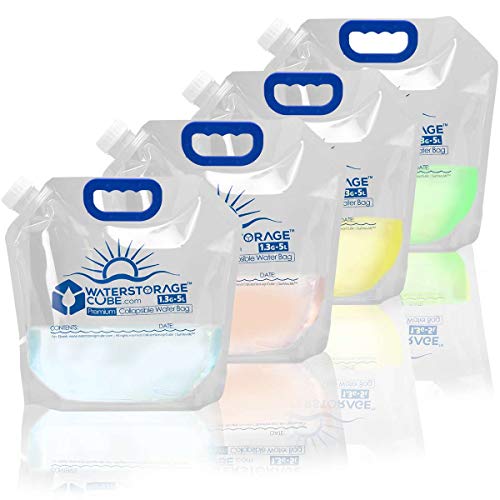
- ✓ Compact and foldable
- ✓ BPA-free and safe
- ✓ Freezer-friendly
- ✕ Slightly slow to fill
- ✕ Not completely leak-proof
| Material | BPA-free, food-grade PET plastic |
| Capacity | Not explicitly specified, but typically 1-3 liters for backpacking water bags |
| Design Features | Collapsible, foldable for easy storage and transport |
| Temperature Compatibility | Freeze-friendly for chilling beverages or storing frozen items |
| Intended Use | Suitable for backpacking, camping, travel, and multipurpose storage |
| Portability | Compact, lightweight design for travel and outdoor activities |
Imagine you’re deep in the woods, miles from the nearest tap, and you need a reliable water source that doesn’t weigh you down. You reach into your pack and pull out the WaterStorageCube Collapsible Water Bag, noticing how lightweight and flexible it feels in your hand.
The BPA-free PET plastic feels sturdy yet soft, which is reassuring when filling it at the stream. It stands upright easily, but the real magic happens when you start to fold it after using—it’s almost like watching it collapse into nothing, saving space in your pack.
Using it is straightforward: fill it up, seal it tight, and it’s ready to go. When you want to cool your drinks, toss it into the freezer—no worries about plastic toxins here.
Its flexible design means you can squeeze out every last drop, making it perfect for quick hydration on the trail.
What I really appreciate is how versatile it is. Not just for water, but also for storing food or even rinsing gear.
It’s tough enough to handle rough outdoor conditions, yet compact enough to fit in your backpack without adding bulk.
Overall, this water bag feels like a smart companion for backpacking trips. It’s lightweight, easy to store, and durable enough to handle whatever you throw at it.
Plus, at just over $12, it’s an affordable upgrade to your gear.
What Should You Look for in the Best Backpacking Water Bag?
When searching for the best backpacking water bag, consider the following features:
- Capacity: The capacity of a water bag is crucial as it determines how much water you can carry. Look for bags that offer a range of sizes, typically from 1 to 5 liters, depending on your hiking duration and personal hydration needs.
- Material: The material of the water bag affects its durability, weight, and safety. High-quality materials like BPA-free plastics or food-grade silicone are recommended to ensure that the bag is safe for drinking while also being lightweight and resistant to punctures.
- Ease of Use: Consider how easy it is to fill, carry, and drink from the water bag. Features such as wide openings for filling, integrated handles for carrying, and built-in straws or spouts for drinking can enhance convenience during your trek.
- Compatibility with Filters: If you plan to source water from natural bodies, ensure your water bag is compatible with filtration systems. Many bags are designed to work seamlessly with various water filters, allowing you to purify your water on the go without hassle.
- Weight: The weight of the water bag is particularly important for backpacking, where every ounce counts. Look for lightweight options that do not compromise on durability or capacity, helping you maintain a manageable pack weight.
- Leak Resistance: A good backpacking water bag should be leak-proof to prevent spills and ensure that your gear stays dry. Check for features like reinforced seams and secure closures to minimize the risk of leaks during your hike.
- Insulation: If you’re hiking in extreme temperatures, consider a water bag with insulation to keep your water cool. Insulated bags can help regulate the temperature of your water, making it more refreshing during hot weather.
How Can a Backpacking Water Bag Enhance Your Outdoor Experience?
A backpacking water bag can significantly improve your outdoor experience by providing convenience, hydration, and versatility.
- Lightweight Design: The best backpacking water bags are designed to be lightweight, making them easy to carry on long hikes. This feature ensures that you can stay hydrated without adding excessive weight to your pack.
- Durable Materials: Many top-rated water bags are made from durable, puncture-resistant materials that can withstand rough outdoor conditions. This durability ensures that the bag lasts longer, providing reliable hydration during multiple trips.
- Easy to Use: Features like wide openings for filling and easy-to-use spouts for drinking make these bags incredibly user-friendly. This convenience allows you to hydrate quickly without the hassle of fumbling with complicated mechanisms.
- Versatile Sizes: Backpacking water bags come in various sizes, catering to different needs, whether for a day trip or an extended journey. This versatility allows you to choose the right amount of water capacity based on your activity level and duration.
- Compatibility with Filters: Many of the best backpacking water bags are compatible with water filtration systems, allowing you to refill from natural sources safely. This feature enhances your ability to source water while on the trail without carrying excessive amounts from home.
- Insulation Options: Certain models offer insulation to keep your water cool in hot weather, enhancing your comfort during hikes. This feature can make a significant difference in maintaining hydration levels and overall enjoyment during your outdoor activities.
What Are the Different Types of Backpacking Water Bags Available?
The different types of backpacking water bags include:
- Collapsible Water Bags: These are lightweight and designed to be compact, allowing for easy storage when not in use.
- Hydration Reservoirs: Often used in hydration packs, these bags have a hose for easy drinking on the go and are ideal for long hikes.
- Water Filter Bags: These bags not only carry water but also incorporate a filtration system to ensure safe drinking water from natural sources.
- Ultralight Water Bags: Made from super lightweight materials, these are perfect for minimalist backpackers who prioritize weight savings.
- Insulated Water Bags: Designed to keep water cool or prevent freezing, these bags are great for varied climates and ensure a comfortable drinking experience.
Collapsible water bags are typically made from durable yet flexible materials that can be rolled up or folded when empty, making them an excellent choice for those looking to save space in their packs. They can hold varying amounts of water, and their design often allows for easy filling and pouring.
Hydration reservoirs, on the other hand, are specifically designed for integration into backpacks, featuring a hose that allows users to drink hands-free while hiking. They often have a wide opening for easy filling and cleaning, and many come with bite valves that prevent leaks when not in use.
Water filter bags are especially useful for backpackers who need to source water from streams or lakes, as they come equipped with built-in filters to remove contaminants. This type of bag not only holds water but also ensures that the water is safe for drinking, making it a practical choice for wilderness adventures.
Ultralight water bags focus on minimizing weight without sacrificing functionality, often using advanced materials that are strong yet incredibly light. These bags are favored by experienced backpackers who are conscious of their pack weight and prefer to carry only the essentials.
Insulated water bags help maintain the temperature of the water inside, making them ideal for warm climates where water can heat up quickly or for cold weather where water might freeze. These bags often feature double-walled construction or specialized insulation materials to ensure optimal temperature control.
Which Popular Brands Are Leading the Backpacking Water Bag Market?
The leading brands in the backpacking water bag market are:
- Hydrapak: Known for their durable and lightweight designs, Hydrapak produces water bags that are easy to pack and carry. Their products often feature a flexible reservoir that can expand as it fills, allowing for efficient storage and a low profile when empty.
- Platypus: Platypus offers a variety of water storage solutions, including collapsible bottles and reservoirs. Their products are designed with a focus on user convenience, often incorporating features like easy-to-use drinking tubes and quick-fill ports that make hydration hassle-free during outdoor adventures.
- CamelBak: A pioneer in hydration packs, CamelBak combines functionality with comfort in their backpacking water bags. They are known for their innovative hydration systems, including integrated reservoirs and bite valves, which allow for hands-free drinking while on the move.
- MSR (Mountain Safety Research): MSR specializes in outdoor gear, and their water bags are designed for rugged conditions. Their products often include advanced filtration systems, making them ideal for backpackers who need to source water from natural bodies while ensuring it is safe to drink.
- Sea to Summit: Sea to Summit offers versatile water bags that are lightweight and packable, perfect for minimalist backpacking. Their designs include features like roll-top closures for easy access and secure sealing, which also aids in keeping the contents clean and safe.
How Do User Experiences Influence Your Choice of Backpacking Water Bag?
User experiences play a significant role in selecting the best backpacking water bag by highlighting features, usability, and performance in real-world conditions.
- Capacity: User feedback often emphasizes the importance of capacity, as backpacking water bags come in various sizes, typically ranging from 1 to 3 liters. Users who have tested these bags in the field can provide insights on how well the capacity meets their hydration needs during long hikes, especially in hot weather or on strenuous trails.
- Durability: The materials and construction of a water bag are crucial for its longevity, and user experiences reveal how these bags hold up under rugged conditions. Reviews often mention instances of punctures or leaks after rough handling, which can help potential buyers gauge which brands and models offer the most resilient designs for backpacking trips.
- Ease of Use: User experiences frequently discuss how easy it is to fill, clean, and access water from a backpacking water bag. Practical feedback can highlight whether a bag has a wide opening for easy filling or a convenient bite valve for quick sips while on the move, affecting the overall user satisfaction.
- Weight: The weight of the water bag can significantly impact a backpacker’s overall load, and users tend to share their thoughts on the balance between capacity and weight. Many hikers prefer lightweight options that do not compromise on functionality, and their experiences can guide others in making informed choices without adding unnecessary bulk.
- Hydration Method: Various hydration systems, including bladders with hoses or squeeze bags, are often discussed in user reviews. Backpackers will share their preferences based on convenience and how well each method integrates into their gear setup, providing valuable insights into what might work best for different types of adventures.
- Temperature Regulation: Some user reviews may focus on how well a water bag maintains the temperature of its contents, particularly in extreme weather conditions. Users can provide feedback on whether bags insulate effectively or if water becomes uncomfortably warm or cold, allowing potential buyers to choose a bag that fits their climate needs.
What Maintenance Practices Should You Follow to Extend the Life of Your Backpacking Water Bag?
To extend the life of your backpacking water bag, consider the following maintenance practices:
- Regular Cleaning: It’s essential to clean your water bag regularly after each use to prevent mold and bacteria buildup. Use a mixture of warm water and mild soap and allow the bag to air dry completely before storing it.
- Proper Storage: Store your water bag in a cool, dry place away from direct sunlight to prevent material degradation. Ensure the bag is completely dry before sealing it, as any moisture left inside can lead to unpleasant odors and mold.
- Avoiding Extreme Temperatures: Extreme heat or cold can damage the materials of your water bag. Avoid leaving it in a hot car or exposed to freezing temperatures, as these conditions can cause leaks or weaken the bag.
- Inspecting for Damage: Regularly check your water bag for any signs of wear and tear, such as cracks or leaks. Addressing minor damages promptly can prevent them from worsening and extending the overall lifespan of the bag.
- Using the Right Water Source: Fill your water bag with clean, potable water to avoid contamination. Avoid using it with water sources that may contain sediments or chemicals, as these can affect the bag’s integrity and performance.