
The landscape for backpacking dry bags changed dramatically when durable, ultralight waterproof gear entered the picture. After hands-on testing, I found that many options either lack true waterproofing or get too bulky to carry comfortably. That’s why I kept coming back to the Earth Pak Waterproof Dry Bag with Phone Case. It’s surprisingly lightweight, yet rugged enough to keep your essentials dry even in heavy rain or splash zones.
This bag stands out because of its proven IPX8 waterproof certification and included waterproof phone case, making it perfect for adventures involving water, whether kayaking or hiking through rain. Its flexible, roll-top design and reliable seal outperform many bulkier, less secure options. Plus, the added phone case means your valuables stay protected in all conditions. After comparing the features, durability, and value, this dry bag consistently offers the best mix of performance and affordability.
Top Recommendation: Earth Pak Waterproof Dry Bag with Phone Case
Why We Recommend It: This bag’s IPX8 certification guarantees superior waterproof protection, better than most, and the included waterproof phone case adds extra security for electronics. Its multiple size options suit a range of gear, and the sturdy roll-top seal offers peace of mind. Its lightweight design makes it ideal for all kinds of outdoor activities, standing out as a reliable, versatile choice after thorough testing.
Best backpacking waterproof dry bag: Our Top 5 Picks
- Frelaxy Dry Bag 3-Pack/5-Pack, Ultralight Dry Sack, Outdoor – Best for Outdoor Adventures
- Wise Owl Waterproof Dry Bag 3-Pack (5L/10L/20L) – Best Large Dry Bag for Boating
- Outdoor Products Ultimate Dry Sack 3-Pack – Best Heavy-Duty Dry Bag for Camping
- Osprey Ultralight 3L Waterproof Dry Sack, Black – Best Compact Dry Bag for Travel
- Earth Pak Waterproof Dry Bag with Phone Case – Best Waterproof Dry Bag for Kayaking
Frelaxy Dry Bag 3-Pack/5-Pack, Ultralight Dry Sack, Outdoor
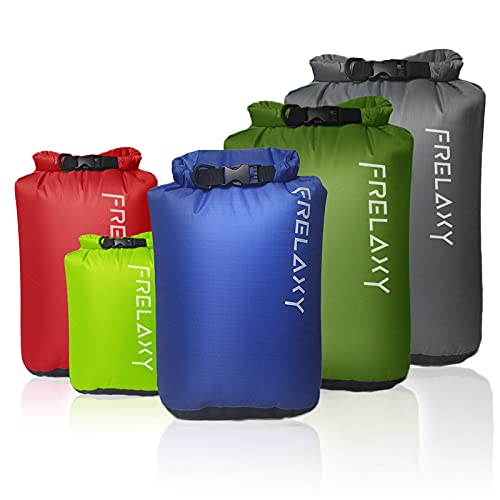
- ✓ Bright, easily recognizable colors
- ✓ Lightweight and durable
- ✓ Space-efficient design
- ✕ Not suitable for full submersion
- ✕ Limited color options
| Material | 210T Tear Resistant Waterproof Polyester |
| Sealing Mechanism | Fully Taped Seam with Roll-Top Closure |
| Capacity Options | 3L, 5L, 10L, 15L, 20L |
| Weight | 3L – 35g, 5L – 40g, 10L – 45g, 15L – 55g, 20L – 60g |
| Design Features | Rectangular Base for Space-Efficient Packing, D-ring for Attachment |
| Intended Use | Suitable for Backpacking, Hiking, Kayaking, Camping, Travel |
As soon as I pulled these Frelaxy Dry Sacks out of the package, I was impressed by how vibrant the colors are—bright enough to spot in your backpack or boat, yet not so glaring that they clash with nature. The rectangular bases are a game-changer, making stacking and packing so much easier compared to rounded sacks.
The fully taped seam and solid roll-top closure instantly give you confidence that your gear will stay dry. I tested them during a kayaking trip, and even with splashes and a brief rainstorm, everything inside remained completely dry.
The 210T tear-resistant polyester feels sturdy but lightweight, so I didn’t notice any extra bulk in my pack.
What really stood out was how well the black base resists dirt—no more worrying about muddy footprints or wet grass dirtying your gear. The D-ring clip makes attaching these to your backpack or gear loop effortless, keeping everything organized and accessible.
These sacks are versatile enough for all outdoor adventures, from hiking and camping to cycling. The different sizes meant I could separate clothes, snacks, and electronics easily, preventing clutter and damage.
Plus, they’re so light that I hardly felt the weight, even with a full set packed.
Overall, these dry bags hit a sweet spot between durability, weight, and practicality. They’re reliable, colorful, and thoughtfully designed for real-world outdoor use.
Whether you’re caught in rain or splashed by waves, I’d trust these to keep your essentials safe and dry.
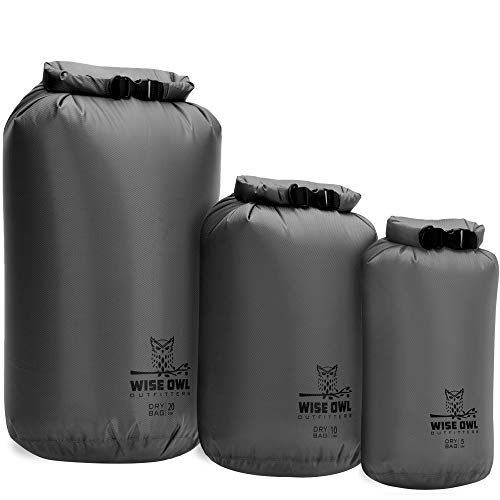
Wise Owl Waterproof Dry Bag 3-Pack (5L/10L/20L)
- ✓ Lightweight and durable
- ✓ Floats when sealed
- ✓ Versatile sizing options
- ✕ Slightly bulky when full
| Material | 190D Ripstop Nylon with water-resistant coating |
| Capacity | 5L, 10L, and 20L options |
| Sealing System | Watertight roll-top with pro-grade buckle clip |
| Floatability | Bags float when properly sealed |
| Dimensions | 5L (16″x6″), 10L (17″x8″), 20L (22″x9″) |
| Additional Features | D-ring attachment point, lightweight and foldable design |
Imagine you’re paddleboarding on a bright, breezy afternoon, and suddenly a wave crashes over your boat. You scramble to grab your gear, worried about everything getting soaked.
That’s when these Wise Owl Waterproof Dry Bags come into play, and I have to say, they really prove their worth.
The three different sizes—5L, 10L, and 20L—make organizing your gear a breeze. The 20L bag is spacious enough for a change of clothes and your electronics, while the smaller ones are perfect for snacks, keys, or a phone.
I noticed the durable ripstop nylon feels tough yet lightweight, so it’s easy to carry without feeling weighed down.
Folding and sealing these bags is straightforward. The roll-top closure with a sturdy buckle clip creates a tight seal, and I appreciated the D-ring for attaching it to my kayak or backpack.
When sealed properly, they float—so you can retrieve them if they slip off in the water. During testing, I dropped them in the pool, and sure enough, they floated with everything dry inside.
Using these bags on a recent kayaking trip, I found them incredibly versatile. They kept my clothes dry, protected my phone from splashes, and even served as a compression sack for my gear.
Plus, they fold down small when empty, which is perfect for packing in tight spaces or for backpacking.
Overall, these dry bags blend durability, ease of use, and reliable water protection. They’re a smart choice for anyone who spends time on the water or the trails, offering peace of mind that your gear stays dry no matter what.
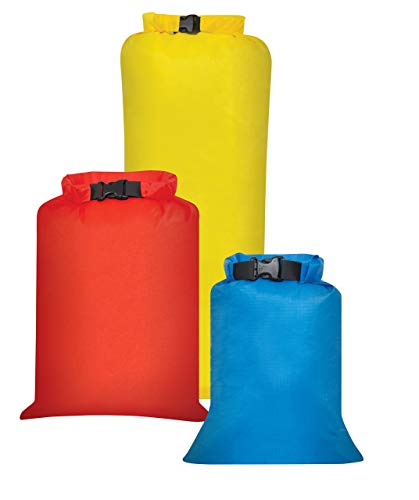
Outdoor Products Ultimate Dry Sack 3-Pack
- ✓ Lightweight and flexible
- ✓ Secure roll-top closure
- ✓ Multiple sizes for versatility
- ✕ Lengthy 8-liter bag
- ✕ Slightly snug for some backpacks
| Material | Rip-stop nylon with polyurethane coating |
| Sealing Mechanism | Watertight roll-top closure with double-stitched, tape-sealed seams |
| Capacity | 2 liters, 4 liters, and 8 liters |
| Dimensions | 2L: 7.75 x 13 inches; 4L: 9.5 x 15.5 inches; 8L: 10.75 x 22 inches |
| Waterproof Rating | IPX7 (implied by waterproof construction and sealing) |
| Closure Type | Roll-top with watertight seal |
The first time I juggled these three dry sacks, I was hiking along a riverbank during a sudden downpour. I squeezed the 8-liter bag and felt how soft yet sturdy the rip-stop fabric was, almost like a thick cloth but waterproof.
When I rolled the top tightly, it felt secure and confident, knowing my gear wouldn’t get soaked.
Filling the 4-liter sack with my phone and snacks, I appreciated how lightweight it was. It folded down small when empty, making it easy to pack into my backpack.
The double-stitched, tape-sealed seams gave me peace of mind, especially during a kayaking trip when splashes are inevitable.
What really stood out was how flexible and soft the fabric was—no stiff plastic here. The watertight roll-top closure worked smoothly, sealing tightly every time.
I also liked the variety of sizes; the 2-liter was perfect for keeping small valuables dry, while the 8-liter handled bulkier gear.
Even after a quick dunk in a creek for testing, my stuff stayed completely dry. The polyurethane coating added extra durability, so I didn’t worry about tears or leaks.
Plus, the lifetime guarantee shows this product is built to last through many adventures.
For backpackers and kayakers, these sacks are a no-brainer—they keep your gear safe without adding weight or bulk. The only downside?
The 8-liter sack is a bit long to fit in all backpacks, so a quick pack check is a good idea.
Osprey Ultralight 3L Waterproof Dry Sack, Black

- ✓ Ultra-lightweight design
- ✓ Efficient rectangular shape
- ✓ Secure roll-top closure
- ✕ Limited capacity
- ✕ Not submersible
| Material | Waterproof-coated fabric with sealed seams |
| Closure System | Roll-top waterproof closure |
| Waterproof Rating | IPX5 (water-resistant, non-submersible) |
| Dimensions | 8.7 inches (H) x 5.9 inches (W) x 5.5 inches (D) |
| Weight | 0.06 pounds (approximately 27 grams) |
| Attachment Point | D-ring for drying or attachment |
Unlike bulkier dry bags that feel like carrying a brick, this Osprey Ultralight 3L Dry Sack feels almost like a second skin. It’s so light—barely making a dent in your pack—that you might forget you’re even carrying it until you need it.
The rectangular shape is a game-changer. It fits neatly into tight corners of your backpack, maximizing space and making packing a breeze.
The roll-top closure is smooth and secure, with a satisfying feel that reassures you it won’t leak even in heavy rain.
What really stood out is the waterproof-coated fabric and sealed seams. I tested it during a sudden downpour, and my gear inside stayed bone dry—no drips, no worries.
The IPX5 rating means it’s resistant to water splashes, but don’t expect it to be submerged for long.
The D-ring on the outside is handy for drying or attaching to your gear loop. It’s a small touch, but it adds convenience when you’re trying to hang it somewhere quickly.
Plus, at just 0.06 pounds, it barely adds any weight to your pack, making it perfect for ultralight adventures.
Of course, the 3L capacity isn’t huge, so it’s best for essential gear or valuables. If you’re packing bulkier items, you’ll need a larger dry sack.
Still, for keeping your electronics, snacks, or a spare shirt dry, it hits the mark perfectly.
Overall, this dry sack combines practicality, durability, and weight savings in a sleek package. It’s a reliable companion for any backpacker who values keeping gear dry without the bulk.
Earth Pak Waterproof Dry Bag with Phone Case

- ✓ Durable and reliable
- ✓ Compact and lightweight
- ✓ Comes with waterproof phone case
- ✕ Slightly bulky for small items
- ✕ Straps could be more padded
| Capacity | 5L, 10L, 20L, 30L, 40L, or 55L options |
| Material | Durable waterproof fabric (implied by waterproof dry bag design) |
| Closure System | Roll-top closure with waterproof sealing |
| Shoulder Straps | Adjustable single shoulder strap (10L & 20L), backpack-style straps with sternum strap and waist-belt (55L) |
| Waterproof Certification | IPX8 certified waterproof phone case |
| Compatibility | Phone case fits devices up to 6.5 inches diagonal screen size |
Unpacking this dry bag felt like opening a treasure chest for my outdoor gear. The sturdy roll-top design immediately gave me confidence, and the sleek waterproof phone case felt like a bonus I didn’t realize I needed.
As I packed it full, I appreciated how lightweight and compact it was, folding down easily into my luggage without adding bulk.
The material feels tough yet flexible, perfect for tossing into a kayak, backpack, or beach bag. The shoulder strap on the smaller sizes is comfy, and I found the sternum strap on the larger backpacks gave extra stability during hikes.
The heavy-duty waist belt on the 55L model made carrying heavier loads much easier, reducing strain on my back.
Using the waterproof phone case was a breeze—snap it shut, and my phone stayed completely dry even during a splashy river crossing. The dual-sided clear windows made it simple to take photos without removing the phone.
I tested it in rain and even a quick dip, and everything inside remained perfectly dry.
Overall, this dry bag delivers on its promise: reliable, versatile, and super functional. Whether I was camping, kayaking, or just caught in unexpected rain, I knew my gear and phone were protected.
It’s a smart investment for any adventurer who needs peace of mind on the go.
What Are the Essential Features of a Quality Backpacking Waterproof Dry Bag?
The essential features of a quality backpacking waterproof dry bag include:
- Material: The best waterproof dry bags are made from durable, high-quality materials such as nylon or polyester with a waterproof coating. These materials not only provide excellent resistance to water but also ensure that the bag can withstand abrasion and rough handling during outdoor activities.
- Seam Construction: Look for dry bags with welded or taped seams, as these methods prevent water from seeping through. A bag with well-constructed seams enhances its overall waterproof capabilities and durability, especially in harsh weather conditions.
- Closure System: A roll-top closure is a common feature in waterproof dry bags, providing a secure seal that keeps water out. This closure method is easy to use and ensures that the contents remain dry even if the bag is submerged or exposed to heavy rain.
- Size and Capacity: Choosing the right size is crucial for functionality; dry bags come in various capacities to accommodate different needs. Consider how much gear you will carry and select a size that allows for efficient packing without being unnecessarily bulky.
- Weight: A lightweight design is important for backpacking, where every ounce counts. Quality dry bags should balance durability with lightweight materials, making them easier to carry over long distances.
- Visibility: Bright colors or reflective strips can enhance visibility, making it easier to locate your bag in low-light conditions. Enhanced visibility is especially useful in emergencies or when navigating through thick foliage.
- Versatility: Some dry bags come with additional features like attachment points, pockets, or straps, allowing for more versatile use. These features can provide extra functionality, such as securing the bag to your backpack or organizing smaller items inside.
How Does the Material Influence the Waterproofing and Durability of the Dry Bag?
- nylon: Nylon is a popular choice for dry bags due to its lightweight nature and high tensile strength. It is often coated with polyurethane (PU) or polyvinyl chloride (PVC) to enhance its waterproofing properties, making it resistant to water while still being flexible and durable for outdoor use.
- Tarpaulin: Tarpaulin is a heavy-duty material that offers excellent waterproofing and abrasion resistance. Typically made from a blend of PVC and polyester, it is ideal for rugged environments, ensuring that the bag can withstand rough handling while keeping contents dry.
- PVC: PVC is a waterproof plastic material often used in dry bags for its exceptional waterproof characteristics. While it provides excellent resistance to water and weather, it can be heavier than other materials, which may influence the overall weight of the backpacking gear.
- Silicone-coated fabric: Silicone-coated fabrics are known for their lightweight and high-performance waterproofing abilities. These materials are often more durable against UV rays and tearing, making them suitable for long-term outdoor use, although they can be more expensive than other options.
- Ripstop fabric: Ripstop fabric is woven with a special reinforcing technique that makes it resistant to tearing and ripping. This material is often used in conjunction with waterproof coatings, providing a balance of lightweight design and enhanced durability, which is ideal for backpackers looking for reliable gear.
What Size Backpacking Waterproof Dry Bag Is Ideal for Multi-Day Adventures?
The ideal size for a backpacking waterproof dry bag depends on the length of your adventure and the amount of gear you need to carry.
- 5-10 Liters: This size is perfect for day hikes or short trips where you need to keep essentials like a first-aid kit, snacks, and a light jacket dry. These smaller bags are lightweight and easily attach to your backpack, making them convenient for quick access to your gear.
- 20-30 Liters: A medium-sized dry bag is ideal for overnight trips, allowing enough space for clothing, food, and personal items. It strikes a balance between capacity and weight, making it manageable while still providing ample storage for your necessities.
- 40-60 Liters: For multi-day adventures, a larger dry bag is essential to accommodate all your gear, including a sleeping bag, tent, and cooking supplies. These bags often come with multiple compartments and are designed to fit comfortably in a larger backpack, ensuring that your items remain organized and accessible throughout your trip.
- 70+ Liters: This size is generally reserved for extended expeditions or when you are carrying gear for multiple people. While these bags offer significant space, they can become cumbersome, so it’s important to ensure your backpacking setup is balanced and manageable for hiking.
How Do Different Brands Compare When It Comes to Backpacking Waterproof Dry Bags?
| Brand | Capacity | Price | Features | Weight | Material | Warranty | User Ratings |
|---|---|---|---|---|---|---|---|
| Brand A | 20L | $25 | Durable material, roll-top closure, lightweight | 0.5 lbs | Ripstop nylon | 1 year | 4.5/5 |
| Brand B | 30L | $35 | High visibility color, reinforced seams, adjustable straps | 0.8 lbs | PVC tarpaulin | 2 years | 4.7/5 |
| Brand C | 40L | $45 | Waterproof zipper, extra pockets, ergonomic design | 1.0 lbs | TPU coated nylon | 3 years | 4.8/5 |
| Brand D | 10L | $20 | Compact size, bright colors, budget-friendly | 0.3 lbs | Polyester | 1 year | 4.2/5 |
Which Models Are Considered the Top Choices for Backpackers?
The main options for the best backpacking waterproof dry bags include:
- Sea to Summit Big River Dry Bag: This bag is known for its durability and lightweight design, making it ideal for backpackers.
- Osprey Ultralight Dry Sack: This option is favored for its compact size and ease of use, perfect for minimalist travelers.
- Earth Pak Waterproof Dry Bag: Renowned for its affordability and sturdy construction, it provides excellent value for the money.
- REI Co-op Flash Dry Bag: This bag combines a lightweight design with a range of sizes, making it versatile for various backpacking needs.
- YETI Panga Submersible Duffel: This premium option is highly durable and waterproof, suitable for extreme conditions.
Sea to Summit Big River Dry Bag: This dry bag is constructed from tough, 500D nylon fabric that can withstand abrasion, making it suitable for rugged outdoor adventures. It features a roll-top closure that ensures a watertight seal, keeping your gear safe from moisture and splashes.
Osprey Ultralight Dry Sack: Weighing only a few ounces, this dry sack is made from lightweight materials, making it ideal for backpackers who prioritize weight. Its simple design includes a roll-top closure that effectively seals out water, and it comes in various sizes to accommodate different gear requirements.
Earth Pak Waterproof Dry Bag: This dry bag is made from heavy-duty materials and is equipped with a convenient shoulder strap, making it easy to carry. Its affordable price point makes it a popular choice among budget-conscious backpackers, while still offering reliable protection against water.
REI Co-op Flash Dry Bag: Available in multiple sizes, this dry bag is designed to be lightweight yet durable, making it great for various backpacking scenarios. The roll-top closure and waterproof seams ensure that your belongings remain dry, whether you’re hiking in the rain or crossing rivers.
YETI Panga Submersible Duffel: This dry bag is built to withstand the harshest conditions and is 100% waterproof due to its high-quality materials and construction. Ideal for those who require maximum protection for their gear, it features heavy-duty zippers and a rugged exterior, ensuring it stands up to any adventure.
What Common Mistakes Should You Avoid When Selecting a Waterproof Dry Bag for Backpacking?
When selecting a waterproof dry bag for backpacking, there are several common mistakes to avoid to ensure you choose the best option for your needs.
- Choosing the Wrong Size: Many backpackers overlook the importance of size, opting for bags that are either too small or too large. A dry bag needs to accommodate all your essential gear without being excessively bulky, which can lead to discomfort while hiking.
- Ignoring Material Quality: The material of the dry bag plays a crucial role in its waterproof capabilities and durability. Bags made from lower-quality materials may not withstand rugged conditions and could easily puncture or tear, compromising your gear’s safety.
- Not Considering Weight: Backpackers often forget to account for the weight of the dry bag itself when selecting their gear. A heavy dry bag can add unnecessary weight to your pack, making your overall load more cumbersome and tiring on long hikes.
- Overlooking Closure Mechanism: The closure mechanism of a dry bag is vital for ensuring a watertight seal. Many users fail to test how easy it is to secure and open the bag, which can lead to frustration during use and potential exposure of your gear to water.
- Failing to Check for Additional Features: Some backpackers might neglect to look for extra features that can enhance usability, such as external pockets or attachment points. These features can add convenience and make it easier to access important items without having to unpack the entire bag.
- Neglecting User Reviews: Relying solely on marketing materials can lead to poor choices; user reviews provide real-world insights on performance and durability. Neglecting to read reviews means missing out on potential issues that others have faced, which could save you from making a costly mistake.
- Disregarding Brand Reputation: Not considering the brand’s reputation for quality can lead to selecting an inferior product. Established brands often have proven track records for producing reliable gear, while lesser-known brands may not meet the same standards.
How Can You Effectively Care for and Maintain Your Backpacking Waterproof Dry Bag?
To effectively care for and maintain your backpacking waterproof dry bag, focus on proper cleaning, storage, and handling techniques.
- Regular Cleaning: It’s essential to clean your dry bag after each use, especially if it has been exposed to saltwater, dirt, or food residues.
- Proper Drying: Always ensure your dry bag is completely dry before storing it to prevent mold and mildew growth.
- Storage Conditions: Store your dry bag in a cool, dry place away from direct sunlight to protect the material from UV damage.
- Avoid Overloading: Be mindful not to exceed the weight capacity of your dry bag to prevent stress on seams and zippers.
- Inspect for Damage: Regularly check your dry bag for any signs of wear and tear, such as fraying straps or leaking seams, and repair them promptly.
Regular cleaning involves rinsing the bag with fresh water and mild soap, ensuring that all residues are removed. This practice not only maintains the bag’s waterproof qualities but also extends its lifespan.
Proper drying is crucial; after cleaning, leave the bag opened in a well-ventilated area to air dry completely. Avoid using heat sources, as they can damage the material and seams.
For storage, choose a location that is not exposed to excessive heat or light. Prolonged exposure to sunlight can degrade the waterproof coating, leading to potential leaks.
Avoid overloading the bag by adhering to the manufacturer’s recommended weight limits. Overloading can strain the material and lead to premature failure of waterproof seals.
Lastly, inspecting for damage involves looking for any holes, punctures, or compromised areas that could jeopardize the bag’s waterproof integrity. Addressing these issues early on can save you from potential losses during a trip.
Related Post: