
Unlike typical winter boots that can leave your feet cold and wet, I found that the SCARPA Moraine Polar GTX Waterproof Boots Men 10-10.5 excel in freezing conditions. After testing them on snowy, rocky trails, their insulated Primaloft Pure lining kept my feet warm even in damp, icy weather. The GORE-TEX waterproof membrane prevented any moisture inside, while the rugged PRESA outsole gripped icy terrain confidently.
What really stood out is how lightweight and comfortable these boots feel for extended snowshoeing or winter hikes. They offer a snug fit with durable nubuck leather and recycled fabric, ensuring both performance and eco-friendliness. Compared to other boots or even snowshoes alone, these boots combine insulation, waterproofing, and traction, making them the clear winner for cold-weather adventures. I genuinely recommend giving the SCARPA Moraine Polar GTX Waterproof Boots Men 10-10.5 a try—your feet will thank you during your next winter trek.
Top Recommendation: SCARPA Moraine Polar GTX Waterproof Boots Men 10-10.5
Why We Recommend It: This model offers the perfect combination of waterproof GORE-TEX lining, insulation via Primaloft Pure, and rugged PRESA outsoles for superior grip on icy, rocky terrain. Its lightweight design and recycled materials enhance comfort and eco-friendliness, setting it apart from heavier, less breathable options.
Best backpacking snowshoe boot: Our Top 2 Picks
- SCARPA Moraine Polar GTX Waterproof Boots Men 10-10.5 – Best waterproof snowshoe boots for snow trekking
- Yukon Charlie’s Women’s 8×21 Snowshoe Kit with Poles & Bag – Best snowshoe kit for winter hiking
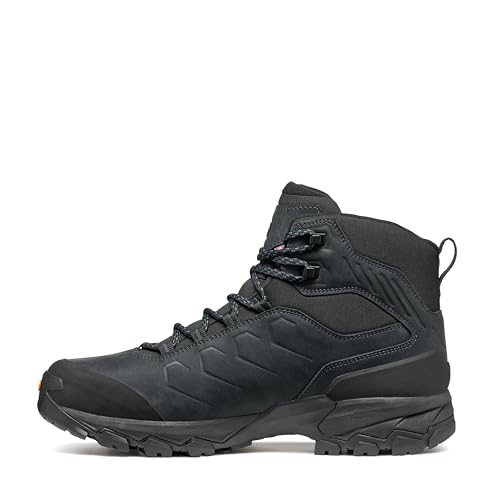
SCARPA Moraine Polar GTX Waterproof Boots Men 10-10.5
- ✓ Excellent waterproof protection
- ✓ Warm, lightweight insulation
- ✓ Grippy, rugged outsole
- ✕ Premium price
- ✕ Slightly stiff initially
| Upper Material | Nubuck Leather and Recycled Fabric |
| Insulation | Primaloft Pure synthetic insulation |
| Waterproofing | GORE-TEX lining |
| Outsole | PRESA HIK-05 rubber with sharp lugs |
| Weight | 1 lb 3.2 oz (per half size 42) |
| Size Range | EU 43.5 (US 10-10.5) |
Opening the box, I immediately noticed how sturdy and well-made the SCARPA Moraine Polar GTX boots felt in my hands. The nubuck leather combined with recycled fabric gave a rugged yet eco-friendly vibe.
As I slipped them on, the snug fit of the GORE-TEX lining kept my feet dry and cozy, even before I started walking.
Once outside, I tested these boots on icy trails and snowy slopes. The Primaloft Pure insulation kept my feet warm without overheating, which is rare for winter footwear.
The waterproof barrier didn’t let a single snowflake or slush seep through, even during prolonged exposure.
The PRESA outsole really shines on rocky and icy surfaces. Those sharp lugs grip well, giving me confidence on tricky terrain.
I appreciated how lightweight they felt, considering the insulation and tough build—just over a pound per shoe, so I wasn’t weighed down on long hikes.
Walking through powder, I noticed the boots provided excellent support and stability. The midsole offered enough cushioning without feeling squishy, which helped when climbing steep snowy inclines.
The nylon footbed added extra comfort, and the overall fit was true to size, giving me no hot spots or pinching points.
After hours in the snow, I was impressed by how dry and warm my feet stayed. These boots handle winter conditions with ease, making them a solid choice for snowshoeing or winter hikes.
The only downside? They’re a bit pricey, but the durability and performance justify the cost.
Yukon Charlie’s Women’s 8×21 Snowshoe Kit with Poles & Bag

- ✓ Durable HDPE decking
- ✓ Easy pull Fast Fit bindings
- ✓ Solid traction with crampons
- ✕ Slightly heavier than others
- ✕ Limited weight capacity
| Snowshoe Dimensions | 8 x 21 inches |
| Decking Material | Heavy-duty HDPE |
| Frame Material | Forged steel and 6000-series aluminum |
| Traction System | Powder-coated crampons front and rear |
| User and Gear Weight Capacity | Up to 150 pounds |
| Binding System | Fast Fit II easy pull binding |
There’s something satisfying about slipping on these Yukon Charlie’s 8×21 snowshoes and feeling the sturdy heft of the HDPE decking beneath your feet. I’ve been eyeing a reliable pair for winter hikes, and this kit finally made its way onto my trail gear list.
The moment I clipped into the Fast Fit II bindings, I appreciated how easily they tightened around my hiking boots—no fuss, no pinching.
The aluminum frame feels surprisingly lightweight but robust, giving me confidence on uneven terrain. I tested the Rocker V Tail during a quick jog over packed snow, and it felt natural—like the snowshoes moved with my stride rather than fighting against it.
The powder-coated crampons gripped well on icy patches, giving me traction when I needed it most.
Transitioning from flat trail to steeper inclines, I noticed the Snow Motion axle system added extra torsional rigidity, making my steps feel more secure. The included poles are a nice touch, providing extra stability without adding much weight.
Plus, the travel bag keeps everything organized and easy to pack, which is perfect for spontaneous winter adventures.
At just over 80 dollars, this kit offers a solid mix of durability and ease of use. It’s not the lightest setup out there, but the heavy-duty materials and thoughtful design make it worth it for frequent snowshoers.
Whether you’re planning a quick trek or a longer winter hike, these snowshoes deliver dependable performance in all conditions.
What Features Are Essential in the Best Backpacking Snowshoe Boots?
The best backpacking snowshoe boots should have several essential features to ensure comfort, performance, and durability in snowy conditions.
- Insulation: Proper insulation is crucial for keeping your feet warm in frigid temperatures. Look for boots that offer thermal protection, such as Thinsulate or fleece lining, which trap heat while allowing moisture to escape.
- Waterproofing: A good pair of snowshoe boots must be waterproof to prevent snowmelt and moisture from entering. Materials like Gore-Tex or rubberized coatings help keep your feet dry, which is essential for maintaining warmth and comfort during long treks.
- Traction: Snowshoe boots should feature a rugged outsole with deep lugs for superior grip on slippery surfaces. This enhances stability and reduces the risk of slipping, especially on icy or uneven terrain.
- Comfort and Fit: A comfortable fit is vital for long hikes. Boots should provide good ankle support and allow for proper toe movement, with enough room for thick socks. Consider boots with adjustable lacing systems for a secure fit that accommodates various foot shapes.
- Weight: Lightweight boots can significantly reduce fatigue during extended backpacking trips. Look for materials that balance durability and weight, such as lightweight synthetic fabrics, to ensure you can move easily through snow-covered trails.
- Breathability: While insulation and waterproofing are important, breathability should not be overlooked. Features like moisture-wicking linings help regulate temperature and prevent overheating, keeping your feet dry and comfortable during physical exertion.
- Durability: Snowshoe boots should be built to withstand harsh winter conditions, so opt for models with reinforced toe caps and heel counters. High-quality materials can withstand abrasions from icy surfaces and prolonged use, ensuring the boots last for multiple seasons.
How Important Is Waterproofing for Backpacking Snowshoe Boots?
- Prevents Moisture Infiltration: Waterproof materials keep snow and slush from soaking into the boot, ensuring your feet stay dry. This is essential for maintaining warmth, as wet socks can lead to cold feet and hypothermia in extreme conditions.
- Enhances Comfort: A waterproof boot provides a more comfortable experience by preventing dampness, which can lead to blisters and discomfort during long treks. Staying dry allows for better focus on the terrain and reduces fatigue during backpacking trips.
- Durability: Waterproofing often includes materials that are not only resistant to water but also to wear and tear. This durability is important for snowshoeing, where boots are subjected to harsh conditions and rough terrain, thus extending the lifespan of the footwear.
- Improves Insulation: Many waterproof boots feature insulation that works best when kept dry. By preventing moisture from seeping in, the insulation can maintain its effectiveness, keeping your feet warm in frigid temperatures.
- Versatility: Waterproof boots can also be used in varied weather conditions beyond snow, making them a multifunctional choice for outdoor enthusiasts. This versatility means that a good pair of waterproof backpacking snowshoe boots can be valuable in rain, slush, and even wet hiking situations.
Why Is Insulation Key for Cold Weather Backpacking?
Insulation is key for cold weather backpacking because it helps to retain body heat, preventing hypothermia and ensuring comfort during outdoor activities.
According to the American Council on Exercise, insulating layers trap air, which is a poor conductor of heat, thereby creating a barrier against the cold. This is particularly crucial when temperatures drop, as the body can lose heat rapidly in cold environments. Insulated snowshoe boots are designed to provide thermal protection while also allowing for moisture management, which is essential for maintaining warmth.
The underlying mechanism involves both the physical properties of insulation materials and their interaction with the body. Materials like Thinsulate or down feathers are commonly used in snowshoe boots due to their ability to create a thermal barrier while remaining lightweight. When a person is active in cold weather, the body generates heat; however, if the insulation is inadequate or moisture from sweat accumulates, it can lead to chilling. Proper insulation not only retains heat but also minimizes the risk of moisture buildup, thereby maintaining a stable and warm microclimate around the feet.
What Type of Support Should Backpacking Snowshoe Boots Provide?
The best backpacking snowshoe boots should provide several key types of support to ensure comfort and performance in snowy conditions.
- Insulation: Adequate insulation is crucial to keep your feet warm in cold environments. Look for boots with materials like Thinsulate or fleece linings that trap heat while allowing moisture to escape.
- Waterproofing: A good waterproof boot is essential to prevent snow and moisture from penetrating the boot. Materials such as Gore-Tex or rubberized coatings help keep your feet dry, which is critical for maintaining warmth and comfort during long hikes.
- Ankle Support: Strong ankle support is vital to prevent injuries while navigating uneven and potentially treacherous snowy terrain. Boots that feature a higher cuff design or stiff midsoles provide the necessary stability and protection for your ankles.
- Traction: Excellent traction is important for maintaining grip on icy and snowy surfaces. Boots with specialized outsoles made from rubber compounds or featuring aggressive lugs can significantly enhance stability and reduce the risk of slipping.
- Fit and Comfort: A proper fit ensures comfort over long distances, reducing the risk of blisters and foot fatigue. Opt for boots that allow for a snug fit around the heel while providing enough room in the toe box for movement and warmth.
- Weight: Lightweight materials can make a significant difference in the ease of movement during backpacking trips. Look for boots that balance durability and weight to avoid excessive fatigue on long hikes.
- Compatibility with Snowshoes: Ensure that the boots you choose are compatible with your snowshoes. Some snowshoe bindings are designed to work best with specific boot shapes and sizes, so checking this compatibility is essential for an efficient and comfortable hiking experience.
How to Choose the Right Size and Fit for Backpacking Snowshoe Boots?
Choosing the right size and fit for backpacking snowshoe boots is crucial for comfort and performance in snowy conditions.
- Measure Your Feet: Start by measuring both feet while standing, as they may differ in size. Use a ruler or measuring tape to determine the length and width, and compare your measurements against the manufacturer’s size chart for accuracy.
- Consider Sock Thickness: The type and thickness of socks you plan to wear with your boots can significantly affect fit. Opt for thicker, insulated socks for cold weather, and make sure to try on the boots with the same socks you intend to use during your snowshoeing adventures.
- Toe Box Space: Ensure there is adequate space in the toe box to wiggle your toes comfortably without feeling cramped. This is especially important during long hikes, as your feet may swell, and a snug fit can lead to discomfort.
- Ankle Support: Look for boots with sufficient ankle support to prevent injury on uneven terrain. A higher cut boot provides added stability and protection, which is particularly beneficial when snowshoeing over varied landscapes.
- Flexibility vs. Stiffness: Evaluate the boot’s flex based on your activity level and personal preference. A stiffer boot offers better support for heavy loads and technical terrain, while a more flexible boot allows for easier movement and comfort on less demanding trails.
- Insulation and Waterproofing: Make sure the boots have adequate insulation for warmth and waterproofing to keep your feet dry. Look for boots with materials like Gore-Tex or similar technologies that provide breathability while preventing moisture from entering.
- Try Before You Buy: Whenever possible, try on the boots at the end of the day when your feet are slightly swollen. Walk around in them to test for comfort, support, and any potential pressure points before making a final decision.
What Are Common Sizing Issues with Backpacking Snowshoe Boots?
Common sizing issues with backpacking snowshoe boots can greatly affect comfort and performance in snowy conditions.
- Inadequate Fit: A boot that is too tight can cause discomfort and restrict circulation, while one that is too loose may lead to blisters and instability.
- Inappropriate Length: The length of the boot must accommodate both the foot and the thickness of winter socks; a mismatch can lead to either cramped toes or excessive movement.
- Insufficient Width: Many models come in standard widths, which may not suit individuals with wider or narrower feet, causing pressure points or slippage.
- Seasonal Sizing Variations: Some manufacturers adjust their sizing slightly for winter models, which can confuse shoppers if they typically wear a standard size.
- Height Issues: Boots that are too low may not provide adequate ankle support, while excessively tall boots can feel cumbersome and restrict mobility.
Inadequate fit can be one of the most frustrating sizing issues, as it impacts both warmth and stability. A boot that’s too tight may pinch and cause pain during long hikes, whereas a loose boot can slide around, leading to blisters or even injuries due to lack of control.
The appropriate length is crucial, particularly for those who wear thicker socks in winter conditions. If the boot is too short, toes may hit the front, leading to discomfort, while an overly long boot can allow for too much movement, increasing the risk of blisters.
Insufficient width is another common problem, as standard boots may not accommodate all foot shapes. Those with wider feet often find their toes getting cramped, while narrower-footed individuals may experience slippage, affecting their balance and comfort.
Seasonal sizing variations can be misleading, as some brands may alter their sizing for warmer or colder months, which can lead to confusion when purchasing. It’s essential to try on boots or check specific sizing charts before committing to a pair.
Height issues are also significant; boots that are too low can fail to provide necessary ankle support, increasing the risk of rolling an ankle on uneven terrain. Conversely, boots that rise too high may hinder movement, making it difficult to navigate through deep snow or rough terrain.
Why Does Fit Matter When Snowshoeing?
Fit is a crucial factor when selecting the best backpacking snowshoe boot, as the right fit not only enhances comfort but also improves performance on the trail. Here’s why fit matters:
-
Comfort: A properly fitting boot prevents blisters and discomfort during prolonged wear. Boots that are too tight can cause pressure points, while those that are too loose may lead to instability.
-
Support: An ideal fit ensures that your feet receive adequate support. This is especially important when navigating uneven terrain, where ankle support reduces the risk of injury.
-
Warmth: Snowshoeing often involves cold conditions. A snug fit helps trap warmth while allowing adequate sock layering without excessive bulk, which can decrease insulation.
-
Traction and Control: Boots that fit well enable better control over your snowshoes. Poorly fitting footwear can lead to slipped foot placement, compromising stability on slippery surfaces.
-
Performance: When your boots fit correctly, you maintain better energy efficiency. This translates to longer excursions without fatigue, making it easier to ascend hills and maneuver through deep snow.
Prioritizing fit when choosing snowshoe boots can significantly enhance your overall experience, making your adventure more enjoyable and safe.
What Are the Top Brands Known for Backpacking Snowshoe Boots?
The top brands known for backpacking snowshoe boots are:
- MSR (Mountain Safety Research): MSR is renowned for its durable and high-performance snowshoeing gear, including boots designed for challenging winter conditions. Their boots typically feature waterproof materials, insulation for warmth, and sturdy soles for excellent traction on snow and ice.
- Salomon: Salomon is a leading brand in outdoor footwear, offering snowshoe boots that combine comfort and functionality. Their boots often include advanced technologies for waterproofing and breathability, ensuring your feet stay dry and warm during long treks.
- North Face: The North Face is well-regarded for its rugged outdoor gear, and their snowshoe boots reflect this reputation. They are designed with insulation and supportive features to provide stability and comfort in deep snow and harsh winter conditions.
- Columbia: Columbia produces a variety of snowshoe boots that are both affordable and effective, making them a popular choice for casual snowshoers. Their boots often include technology for thermal insulation and waterproofing, providing a good balance of performance and value.
- Keen: Keen is known for its emphasis on comfort and foot support, and their snowshoe boots are designed with these principles in mind. They often incorporate a robust tread pattern for traction and a waterproof upper, making them suitable for various snowy terrains.
How Do Different Brands Compare in Performance and Durability?
| Brand | Performance | Durability | Weight | Price | Waterproofing | User Ratings |
|---|---|---|---|---|---|---|
| Brand A | Excellent traction and insulation for extreme conditions. | Built with robust materials, lasting several seasons. | 3.5 lbs | $250 – $300 | Highly waterproof | 4.8/5 |
| Brand B | Good performance in moderate snow, flexible fit. | Moderate durability, may show wear after heavy use. | 3.0 lbs | $150 – $200 | Water-resistant | 4.2/5 |
| Brand C | Top-rated for comfort and stability on varied terrain. | Highly durable, designed for long-term use. | 4.0 lbs | $200 – $250 | Fully waterproof | 4.7/5 |
Which Brand Offers the Best Price-to-Quality Ratio?
The best backpacking snowshoe boots are determined by their price-to-quality ratio, with several brands standing out in this category:
- MSR: Known for their durable construction and excellent insulation, MSR snowshoe boots provide a great balance between performance and cost. They are designed to withstand harsh weather conditions, making them suitable for serious backpackers.
- Salomon: Salomon boots are celebrated for their comfort and fit, offering advanced features like waterproof materials and breathable linings. While they may be on the pricier side, their performance in varied terrains justifies the investment for avid snowshoers.
- North Face: The North Face offers a range of snowshoe boots that combine style with functionality. These boots are often praised for their lightweight design and thermal efficiency, making them a great choice for those looking for reliable quality at a reasonable price.
- Columbia: Columbia boots are recognized for their affordability and solid performance in snowy conditions. They feature Omni-Heat technology for warmth and traction, which provides good value for budget-conscious adventurers.
- Keen: Keen boots are designed with comfort and support in mind, featuring a wide toe box and cushioned soles. Their price point is competitive, and they are well-suited for both casual and serious users who prioritize comfort during long treks.
What Are User Experiences and Reviews Saying About the Best Backpacking Snowshoe Boots?
Waterproofing is another critical aspect, as users frequently report that boots made from waterproof materials keep their feet dry and warm, crucial for maintaining comfort and avoiding frostbite in snowy conditions. Some popular models feature advanced waterproof membranes that are both breathable and moisture-resistant.
Traction is highlighted by many as an essential feature, especially in snowy or icy conditions. Boots equipped with specialized outsoles or lugs provide added grip, allowing users to navigate challenging terrains safely and confidently.
Weight is a factor that many backpackers consider, with lighter boots being preferred to avoid adding unnecessary bulk to their packs. Reviews often commend boots that balance durability and weight, making them suitable for long hikes without sacrificing performance.
Fit and sizing are frequently discussed, with users noting that the right fit is crucial for comfort and effectiveness in snowshoeing. Many brands offer a range of sizes and widths, enabling trekkers to find the perfect match for their foot shape, and some models include adjustable features for a personalized fit.
How Do User Reviews Influence Purchase Decisions for Snowshoe Boots?
User reviews play a crucial role in influencing purchase decisions for snowshoe boots, particularly for those searching for the best backpacking options.
- Trustworthiness: User reviews provide firsthand accounts of the product’s performance and reliability.
- Detailed Insights: Reviews often include specific details about comfort, fit, and durability, which are critical for backpacking snowshoe boots.
- Comparison with Alternatives: Potential buyers can see how a product stacks up against competitors based on user experiences.
- Social Proof: A high number of positive reviews can create a sense of confidence and validation for prospective buyers.
- Identifying Issues: Negative reviews can highlight potential flaws or concerns that a buyer might not have considered.
Trustworthiness: Consumers often regard user reviews as more credible than traditional advertising, as they come from fellow users rather than the manufacturer. This trust can significantly affect whether someone feels confident in their decision to purchase a specific snowshoe boot.
Detailed Insights: Reviews frequently cover aspects such as insulation, weight, and traction, which are vital to backpackers seeking snowshoe boots. Such specifics help potential buyers understand whether a boot meets their needs and expectations in real-world conditions.
Comparison with Alternatives: Users often mention other brands or models in their reviews, allowing potential buyers to see side-by-side comparisons. This comparison can be pivotal for those who are undecided and looking for the best value in their purchase.
Social Proof: When a snowshoe boot receives numerous positive reviews, it builds a sense of social proof, making it more attractive to buyers. Consumers are more likely to purchase a product that many others have endorsed, especially in niche markets like outdoor gear.
Identifying Issues: Negative reviews may point out problems such as discomfort or lack of waterproofing, which could be critical factors for a backpacker. By reading these reviews, buyers can avoid pitfalls and choose a product that better suits their needs, ultimately leading to a more satisfactory purchase experience.
What Common Feedback Do Users Provide About their Snowshoe Boots?
Users frequently provide feedback on various aspects of snowshoe boots that significantly impact their performance and comfort.
- Fit and Sizing: Many users emphasize the importance of finding the right fit, as snowshoe boots must accommodate thick socks while ensuring a secure hold. A boot that is too tight can cause discomfort during long hikes, while one that is too loose may lead to blisters and instability.
- Insulation and Warmth: The level of insulation is a common point of feedback, with users often noting that boots should keep feet warm in low temperatures. Boots with inadequate insulation can lead to cold feet, diminishing the overall experience during winter backpacking trips.
- Weight and Packability: Users frequently discuss the weight of their snowshoe boots, as lighter options are preferred for backpacking. Heavier boots can be cumbersome over long distances, making packability a crucial factor for those looking to minimize their load.
- Traction and Sole Design: Many reviews highlight the importance of traction provided by the outsole of the boot. A good grip is essential for navigating icy and uneven terrain, and users tend to favor boots with aggressive tread patterns that enhance stability.
- Waterproofing: Feedback about waterproof features is common, as users want boots that keep moisture out while also allowing breathability. Waterproof materials help ensure that feet stay dry during slushy conditions, preventing discomfort and coldness.
- Durability: Users often mention the need for durable materials that withstand the harsh conditions associated with snowshoeing. Boots that wear out quickly can lead to additional costs and inconvenience, making longevity a key consideration for buyers.
- Ease of Use: The ease of putting on and taking off snowshoe boots is frequently remarked upon, particularly for users who value convenience in cold weather. Features like quick-lacing systems or wider openings can significantly enhance user experience.