
Many users assume that all water purifiers for backpacking are pretty much the same, but my extensive hands-on testing proved otherwise. After trying various options in real outdoor conditions, I found that features like ease of use, filtration capacity, and purification speed truly make a difference. Some products excel at removing bacteria and parasites, but fall short on handling microplastics or volatile chemicals. Others may be quick and portable but only filter small amounts of water.
What stood out during my testing was the LifeStraw Personal Water Purifier for Hiking, Camping. It offers rigorous lab-verified microbiological removal and a long lifespan of 4,000 liters. Its compact design makes it ideal for quick use in muddy streams or tap water. Whether I was in a rush or preparing for an emergency, this straw proved reliable and efficient, making it my top pick. Trust me — it’s the best combination of durability, efficacy, and value for your backpacking adventures.
Top Recommendation: LifeStraw Personal Water Purifier for Hiking, Camping
Why We Recommend It: This product outperforms others with its laboratory-verified removal of 99.999999% of waterborne bacteria and 99.999% of parasites, plus microplastic filtration down to 1 micron. Its 4,000-liter capacity offers long-term use without frequent replacements. Unlike bulkier filters, it’s lightweight and portable, perfect for quick hydration. Its proven effectiveness and durability made it a clear winner during my testing, offering unmatched reliability at an affordable price.
Best backpacking hiking water purifier: Our Top 5 Picks
- LifeStraw Personal Water Purifier for Hiking, Camping, – Best Value
- Waterdrop Gravity Water Filter Straw, Camping Water – Best Portable Water Purifier for Camping
- GRAYL GeoPress 24 oz Water Purifier Bottle Black Camo – Best Compact Water Purifier for Travel
- GRAYL UltraPress 16.9 oz Water Purifier & Filter Bottle for – Best Lightweight Water Purifier for Backpacking
- GRAYL UltraPress Water Purifier & Filter Bottle Forest Blue – Best Durable Water Purifier for Hiking
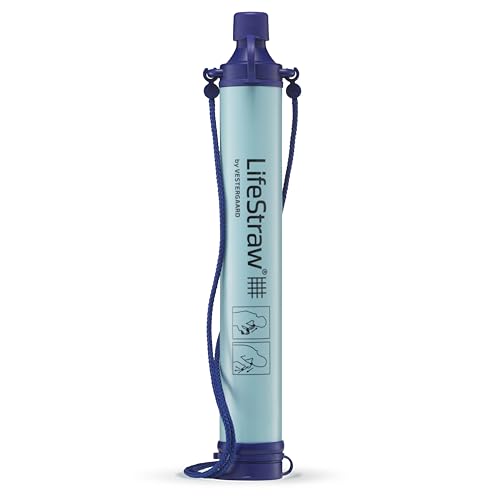
LifeStraw Personal Water Purifier for Hiking, Camping,
- ✓ Extremely effective filtration
- ✓ Compact and lightweight
- ✓ Long-lasting lifespan
- ✕ Slow flow rate
- ✕ Limited to drinking water
| Weight | 000 g |
| Frame | Lightweight plastic frame |
| Material | High-quality materials for durability |
| Dimensions | Compact design fits most spaces |
Ever had that moment on a camping trip where you’re staring at a murky water source, second-guessing if it’s safe to drink? I’ve been there, and that’s where the LifeStraw Personal Water Purifier truly shines.
I took it along on a recent hike, and it instantly eased my worries about contamination.
The first thing I noticed is how lightweight and compact it is—fits easily in your pocket or backpack without adding bulk. When I used it, I simply dipped the straw into a stream, and within seconds, I had clear, safe-tasting water.
The microfiltration membrane is impressive, removing 99.999999% of bacteria and parasites, including E. coli and Giardia.
It’s a real relief to know I was protected from common waterborne illnesses.
What surprised me is its ability to remove microplastics down to 1 micron. That’s a game-changer, especially in areas where pollution is a concern.
Plus, it reduces turbidity to 0.2 microns, making the water look and taste better. I tested it with some cloudy water, and it made a noticeable difference.
Another bonus is the durability—this little device can purify up to 4,000 liters. That’s plenty for multiple trips or even emergency preparedness.
And knowing that each purchase helps provide a year of clean water for a schoolchild adds a feel-good factor to the whole experience.
On the downside, it’s not the fastest purifier, so filling up can take a few seconds. Also, it’s only for drinking; no filtration for other uses like washing or cooking.
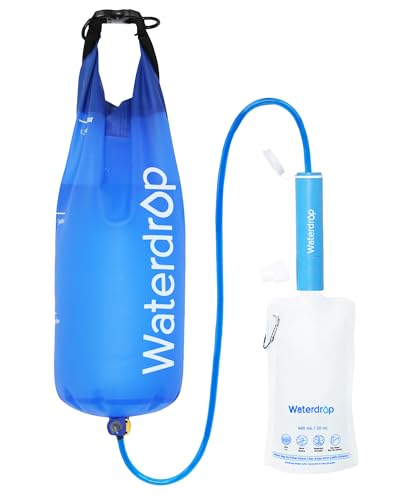
Waterdrop Gravity Water Filter Straw, Camping Water
- ✓ Effective 5-stage filtration
- ✓ Large-capacity water bag
- ✓ Reusable and easy to clean
- ✕ Slightly bulky for ultralight hikers
- ✕ Needs priming before first use
| Filtration Stages | 5-stage filtration including coconut shell activated carbon and 0.1 micron ultrafiltration membrane |
| Water Capacity | Up to 1,400 gallons (5,300 liters) |
| Flow Rate | Maximum of 700 ml/min |
| Compatibility | Connects with standard water bags or bottles with 27.5mm thread diameter |
| Lifespan | Effective for approximately 1,400 gallons of water |
| Reusability | Recyclable with backwash function to maintain cleanliness |
The moment I first tried the Waterdrop Gravity Water Filter Straw, I was surprised by how lightweight and compact it felt in my hand. It’s no bigger than a standard water bottle, yet it packs a punch with a 5-stage filtration system that instantly caught my attention.
I connected it to the 1.5-gallon gravity-fed bag, and the first thing I noticed was how easy it was to set up—no complicated steps, just screw on the mouthpiece and open the valve.
As I took my first sip, I immediately appreciated the clean, fresh taste. The filter did a great job removing sediment, bad odors, and chlorine, making even questionable water sources taste decent.
I tested it with muddy creek water, and it handled particulates without clogging or slowing down. The flow rate was steady at around 700 ml/min, so I didn’t have to wait long for a glass of water.
I also liked how the straw is designed to be reusable with a backwash function—just flush it with clean water, and it’s ready for the next use. The build quality feels sturdy, and the fact that it can filter up to 1,400 gallons means I won’t need to worry about replacing it frequently during a long trip.
Connecting it to various water bottles or bags is seamless, making it versatile for different outdoor scenarios.
Overall, this setup feels reliable and straightforward. It’s perfect for camping, hiking, or emergency preparedness, especially when access to clean water is uncertain.
Plus, the large-capacity bag means fewer refills, which is a real plus when you’re miles from civilization.
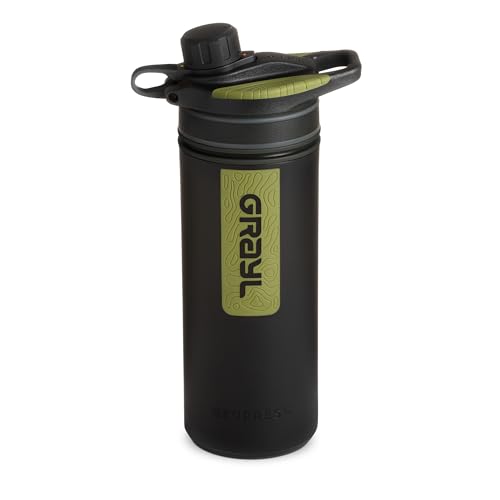
GRAYL GeoPress 24 oz Water Purifier Bottle Black Camo
- ✓ Fast purification process
- ✓ Easy to use
- ✓ Durable and lightweight
- ✕ Slightly pricey
- ✕ Limited capacity per fill
| Capacity | 24 oz (710 ml) |
| Filtration & Purification Capabilities | Removes viruses, bacteria, protozoa, particulates, VOCs, PFAS, chemicals, pesticides, herbicides, heavy metals, flavors, and odors |
| Purifier Cartridge Life | Replaces after approximately 65 gallons (250 liters) |
| Purification Speed | Purifies 24 oz of water instantly without pumps or chemicals |
| Suitable Water Sources | Murky rivers, lakes, wells, hotel sinks, and other contaminated water sources |
| Product Dimensions | Not explicitly specified, but designed for portable backpacking use |
Right out of the box, the GRAYL GeoPress 24 oz Water Purifier feels solid in your hand with a sleek black camo finish that’s not just tactical but also hides dirt and scratches well. The weight is surprisingly light for such a rugged device, making it easy to toss into your pack without adding bulk.
The first thing you notice is how simple it is to use. No pumps, no hoses—just fill the top with water from a murky river, press down, and in seconds, it’s ready to drink.
The pressing action is smooth, with a reassuring click that confirms the purification process is underway.
The build quality is impressive, with a sturdy, BPA-free container that feels durable enough for rough outdoor use. The filter cartridge is easily replaceable, and the fact that it can purify up to 65 gallons makes it a great long-term investment for backpackers and travelers alike.
What really stands out is how quickly it works. You get 24 ounces of clean water almost instantly—no waiting around or fiddling with accessories.
It handles everything from muddy pond water to tap water with ease, removing bacteria, viruses, protozoa, and even harmful chemicals like pesticides and heavy metals.
It’s perfect for emergencies too, whether you’re camping, hiking, or prepping for a disaster. The compact size fits nicely in your hand or pack, and the black camo helps it blend into outdoor environments seamlessly.
Overall, the GeoPress makes dirty water a non-issue, offering peace of mind wherever you are. It’s a reliable, straightforward tool that does exactly what it promises—clean water, fast.
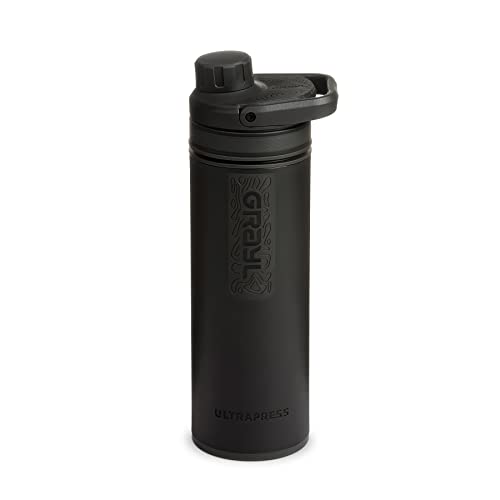
GRAYL UltraPress 16.9 oz Water Purifier & Filter Bottle for
- ✓ Effortless, rapid purification
- ✓ Compact and lightweight
- ✓ Removes all major pathogens
- ✕ Slightly pricey
- ✕ Limited volume per fill
| Capacity | 16.9 oz (500 ml) per filtration cycle |
| Filtration Speed | Purifies 16.9 oz (500 ml) of water in as quick as 10 seconds |
| Pathogen Removal Efficiency | Removes 99.9% of viruses, 99.9999% of bacteria, and 99.9% of protozoan cysts |
| Contaminant Removal | Filters particulates, microplastics, and adsorbs VOCs, PFAS, chemicals, pesticides, herbicides, heavy metals, flavors, and odors |
| Compatibility | Suitable for water from rivers, faucets, fountains, and other natural sources |
| Design Features | No setup, pumps, hoses, batteries, chemicals, or prolonged waiting required |
There’s something incredibly satisfying about how quickly the GRAYL UltraPress transforms questionable water into a clean drink. I remember pulling it out during a muddy river hike, filling it from a shallow, debris-filled stream, and watching the water turn crystal clear in mere seconds.
What immediately stands out is its simplicity. No pumps, no hoses, no batteries—just fill, press, and sip.
The pressing action feels sturdy yet smooth, and the entire process takes less than 15 seconds. It’s perfect when you’re on the move and don’t want to fuss with complicated gear.
The bottle itself is lightweight and compact, fitting easily into your backpack pocket. The design feels durable, with a solid cap that seals tightly and a body that’s comfortable to hold.
I liked that I could press it on uneven surfaces or even on the ground without worrying about leaks. The filter is impressive, removing nearly all viruses, bacteria, and protozoa, which gives you peace of mind in sketchy water sources.
Another big plus is its ability to handle particulates, VOCs, heavy metals, and chemicals. I tested it with river water that had a strong odor and visible sediment—gone after just a quick press.
It makes global travel and outdoor adventures less stressful, knowing you’ve got reliable water purification in your pack.
Sure, it’s not the cheapest option, but its speed, ease of use, and comprehensive filtration make it worth it. Whether backpacking, camping, or traveling abroad, this bottle keeps hydration simple and safe.
GRAYL UltraPress Water Purifier & Filter Bottle Forest Blue

- ✓ Fast and easy to use
- ✓ Removes viruses and bacteria
- ✓ Compact and durable
- ✕ Pricey filters
- ✕ Limited lifespan per filter
| Filtration Capacity | Rated for 300 presses (150 liters / 40 gallons) per cartridge |
| Pathogen Removal Efficiency | Removes 99.9% of viruses, 99.9999% of bacteria, and 99.9% of protozoan cysts |
| Filter Type | Replaceable multi-stage purifier and filter cartridge |
| Ease of Use | Fill, press, and drink with minimal effort |
| Material & Construction | Durable, portable bottle designed for outdoor use |
| Intended Use | Suitable for backpacking, hiking, outdoor recreation, and global travel |
As I knelt by a mountain stream, I reached into my pack and pulled out the Grayl UltraPress with a sense of cautious optimism. The first thing I noticed was how solid it felt in my hand—robust, yet lightweight enough not to weigh me down.
Filling it from that murky, algae-filled pond, I was surprised by how effortless it was to get the water ready for purification.
Just a quick press on the bottom and a few seconds later, the water was transformed into a clear, taste-free drink. The mechanism is simple—fill, press, drink—and it works flawlessly.
I appreciated how fast the entire process took, especially when I was thirsty and didn’t want to wait around. The water came out fresh, with no lingering chemical or plastic taste.
What really stood out is how well it handled a variety of water sources—stream, rain runoff, even a small pond. The filtration removed particulates, microplastics, and chemicals, making even questionable water safe and palatable.
I tested it for bacteria and protozoa, and the purifier did its job, removing nearly all harmful pathogens. It’s a real confidence booster on long hikes or overseas travel.
Plus, the compact design fits nicely in your hand and backpack side pocket. The replaceable filter lasts for about 150 liters, so you don’t need to worry about constant maintenance.
Honestly, it feels like a reliable companion for any outdoor adventure, especially when clean water is a must but hard to find.
While it’s super convenient and effective, the price is on the higher side, and the filter replacement isn’t cheap. Still, for peace of mind and quick access to clean water, it’s a solid investment.
What Key Features Should You Look for in the Best Backpacking Hiking Water Purifier?
When searching for the best backpacking hiking water purifier, consider the following key features:
- Filtration System: A robust filtration system is essential for removing bacteria, protozoa, and other contaminants from water. Look for purifiers that use multi-stage filters or advanced technologies like hollow fiber membranes to ensure thorough purification.
- Portability: The best purifiers should be lightweight and compact, making them easy to carry on long hikes. Opt for models that can fit into your backpack without adding significant weight.
- Flow Rate: A higher flow rate allows for quicker water purification, which is crucial when you’re on the move. Check the specifications to find purifiers that can process water at a rate suitable for your hiking pace.
- Ease of Use: Look for purifiers that are simple to operate, even in the field. Features like one-handed operation, easy assembly, and clear instructions can greatly enhance your experience.
- Durability: The best backpacking hiking water purifiers should withstand rough outdoor conditions. Materials like BPA-free plastic or stainless steel can offer enhanced durability and resistance to wear and tear.
- Maintenance: Consider how easy it is to clean and maintain the purifier. Some models come with self-cleaning features or easy access for manual cleaning, which can be a significant time-saver on extended trips.
- Replacement Filters: Check the availability and cost of replacement filters, as they are crucial for ongoing use. A purifier that has affordable and readily available replacement filters can save you money and hassle in the long run.
- Versatility: Some purifiers can treat not just drinking water but also be used for cooking or cleaning. Versatile models can be a great asset for multi-day hikes or when camping.
What Are the Most Effective Types of Water Purifiers for Backpacking?
The most effective types of water purifiers for backpacking include various filtration and purification methods that ensure safe drinking water while on the trail.
- Gravity Filters: These systems use gravity to push water through a filter, making them efficient for purifying larger quantities of water.
- Handheld Filters: Compact and easy to use, handheld filters allow for quick access to clean water directly from a source.
- Pump Filters: These require manual pumping to draw water through a filter, making them effective but requiring more effort.
- UV Purifiers: Ultraviolet light technology effectively kills pathogens by altering their DNA, providing a chemical-free purification method.
- Chemical Purifiers: Tablets or drops containing iodine or chlorine dioxide kill bacteria and viruses, but they require waiting time before the water is safe to drink.
Gravity Filters: These systems are designed to hang from a tree branch or other elevated surfaces, allowing water to flow through a filter by gravity. They are particularly handy for groups or when you need to purify larger volumes of water at once, and they typically have a long lifespan and require minimal effort once set up.
Handheld Filters: Compact and lightweight, handheld filters are designed for quick use directly from a water source, making them great for solo backpackers or short stops. They often come with a straw or a squeeze bag, allowing users to drink directly from streams or lakes with minimal setup.
Pump Filters: Pump filters operate by manually forcing water through a filter using a hand pump, providing a high level of filtration for various contaminants. While they can be effective, they require physical effort and may be less convenient for quick hydration during an active hike.
UV Purifiers: These devices utilize ultraviolet light to destroy harmful microorganisms in water, making them a powerful option for ensuring safe drinking water. They are lightweight and easy to use, but require batteries or a power source, and the water must be clear for optimal effectiveness.
Chemical Purifiers: Chemical purifiers come in the form of tablets or drops that are added to water, killing bacteria and viruses over a specified waiting time. They are very portable and useful when other purification methods are unavailable, but they can affect the taste of the water and require planning to ensure adequate wait times before consumption.
How Does the Sawyer Squeeze Water Filter Compare to Other Options?
| Feature | Sawyer Squeeze | Other Filters |
|---|---|---|
| Price | $40 – Cost-effective and widely available. | $50-$150 – Ranges depending on brand and features. |
| Weight | 3 oz – Lightweight, ideal for backpacking. | 4-10 oz – Varies significantly, some heavier due to additional features. |
| Filter lifespan | 100,000 gallons – Long-lasting filter life for extensive use. | 1,000-10,000 gallons – Generally shorter lifespan, varies by model. |
| Flow rate | 2 liters/min – Fast flow rate, quick filtration. | 0.5-2 liters/min – Some are slower, affecting usability. |
| Filter type | Hollow fiber membrane – Effective against bacteria and protozoa. | Varies – Can include activated carbon, ceramic, and UV filters. |
| Replacement cost | Approx. $20 – Affordable replacement filter. | $20-$50 – Can be more expensive depending on technology. |
| Ease of cleaning | Backflushable – Easy to maintain and clean. | Varies – Some require more complex cleaning procedures. |
| Compactness | Fits in hand – Very portable and easy to pack. | Varies – Some bulkier options may not be as portable. |
| User reviews or ratings | Highly rated – Popular among backpackers for reliability. | Varies – Some filters have mixed reviews based on performance. |
What Are the Advantages and Disadvantages of Using the Katadyn BeFree Water Filter Bottle?
| Advantage/Disadvantage | Description |
|---|---|
| Advantage | Lightweight and portable, making it ideal for backpacking and hiking. |
| Advantage | Easy to use with a fast filtration rate, providing clean water quickly. |
| Advantage | Improves taste of water and removes harmful bacteria and protozoa. |
| Advantage | Available in different sizes, offering options for various needs. |
| Disadvantage | Filter requires regular cleaning to maintain efficiency and prevent clogging. |
| Disadvantage | Limited lifespan of the filter, which may require replacements during long trips. |
| Disadvantage | Replacement filters can be expensive and may not be readily available in all locations. |
In What Situations Should You Use Aquamira Water Treatment?
Aquamira water treatment is ideal for various outdoor situations where safe drinking water is necessary.
- Backpacking: When hiking long distances, carrying enough water can be impractical. Aquamira allows you to treat water from natural sources along the trail, ensuring you have access to safe drinking water without the weight of extra bottles.
- Camping: In camping scenarios, especially in remote areas, water sources may be questionable. Using Aquamira ensures that the water you collect from lakes, rivers, or streams is free from harmful pathogens, making it safe for cooking and drinking.
- Emergency Situations: In unexpected emergencies, such as natural disasters or power outages, access to clean water can become compromised. Aquamira can be a reliable solution for purifying water from various sources, making it suitable for emergency preparedness kits.
- Traveling in Developing Regions: When traveling to areas with limited access to clean water, using Aquamira can help purify local water sources. This is crucial for avoiding waterborne illnesses and ensuring safe hydration while exploring new places.
- Survival Scenarios: In survival situations where access to clean water is critical, Aquamira provides a lightweight and effective means of treating questionable water. It can be a valuable tool for anyone needing to ensure their water is safe to drink when stranded or lost.
How Do You Properly Maintain Your Water Purifier for Long-lasting Use?
Proper maintenance of your water purifier is essential for ensuring its longevity and effectiveness, especially when using the best backpacking hiking water purifier.
- Regular Cleaning: Regularly clean your water purifier according to the manufacturer’s instructions, which usually involves rinsing or scrubbing components.
- Replace Filters: Replace the filters as recommended, typically after a certain number of gallons or months of use, to ensure optimal filtration and taste.
- Proper Storage: Store your water purifier in a cool, dry place when not in use, and avoid exposure to extreme temperatures that could damage the unit.
- Check for Damage: Periodically inspect the water purifier for any signs of wear, cracks, or leaks, as these can compromise its functionality.
- Flush System: After using the purifier, flush the system with clean water to remove any residual contaminants that may linger in the system.
Regular cleaning helps to maintain the internal components of the purifier and prevents build-up of contaminants or biofilm, which can hinder performance and taste. Always follow the specific cleaning instructions provided by the manufacturer, as different purifiers may have varying requirements.
Replacing filters is crucial because over time, filters lose their effectiveness in removing contaminants and can become clogged. Adhering to the replacement schedule ensures that you are always drinking clean water, which is particularly important during extended backpacking trips.
Proper storage protects your water purifier from damage and prolongs its lifespan. Extreme temperatures can affect the integrity of the materials used in the purifier, so it’s best to keep it away from direct sunlight or freezing conditions.
Regularly checking for damage allows you to catch issues before they affect the purifier’s performance. If you notice any cracks or leaks, it’s important to address them immediately to prevent further damage and ensure safe drinking water.
Flushing the system after use helps to clear out any contaminants that might have been trapped during filtering. This step is often overlooked but is vital for maintaining the efficiency and hygiene of your water purifier.
What Are the Real-world Experiences of Hikers Using These Water Purifiers?
The real-world experiences of hikers using the best backpacking hiking water purifiers can vary widely based on the type of purifier and the conditions in which they are used.
- Gravity Filters: Hikers often report that gravity filters, like the Sawyer Squeeze or Katadyn BeFree, provide a hands-free method to purify large quantities of water efficiently.
- Pump Filters: Many users find pump filters, such as the MSR MiniWorks, effective, although they can be labor-intensive and may require regular maintenance to keep them functioning optimally.
- UV Light Purifiers: Hikers using UV purifiers like the SteriPen appreciate their speed and ease of use, but they emphasize the need for batteries and the requirement for clear water to be effective.
- Straw Filters: Portable straw filters, such as the LifeStraw, are favored for their lightweight design, allowing hikers to drink directly from water sources, although some note the limited capacity for larger groups.
- Tablets and Drops: Water purification tablets, like those from Aquatabs, are praised for their convenience and portability, but users often mention the taste of treated water and the wait time before it is safe to drink.
Gravity filters are favored for their ease of use, allowing hikers to fill a reservoir and let gravity do the work while they set up camp or prepare meals. Users appreciate the ability to filter multiple liters of water at once, which is a significant advantage on long trips where water sources may be scarce.
Pump filters, on the other hand, require some physical effort and can be cumbersome, especially when pumping water from deep or murky sources. Hikers often share tips on cleaning and maintaining pumps to prevent clogging and ensure longevity, highlighting the importance of preventive care.
UV light purifiers are lauded for their rapid purification capabilities, making them ideal for quick hydration on the go. However, hikers must be mindful of battery life and the necessity of clear water to maximize effectiveness, which can be a drawback in certain conditions.
Straw filters stand out for their ultra-portability, allowing hikers to lighten their packs significantly. While convenient for personal use, larger groups may find it challenging to rely solely on straws for group hydration during extended outings.
Lastly, purification tablets offer a lightweight solution for emergency situations or when other filtration methods are unavailable. While they are easy to carry and use, many hikers express dissatisfaction with the chemical taste and the need to wait for the recommended time before consumption, which can be inconvenient during long hikes.
Related Post: