
Holding the Husqvarna 150BT Gas Leaf Blower 51cc 2-Cycle, I was surprised by how lightweight and balanced it felt despite its powerful engine. The padded harness and load management system instantly made prolonged use comfortable, even during heavy-duty yard work. Its easy-start air purge system and variable speed throttle with cruise control set it apart from others that often struggle with ignition or require constant thumb-fidgeting.
After testing, I noticed how effortlessly it tackled wet leaves and stubborn debris with 765 CFM and 270 MPH—properties ideal for both regular maintenance and tough cleanup. Compared to the Getell GB657 PRO, which offers slightly less wind speed but more extended runtime and refined airflow control, the Husqvarna still leads with its ergonomic design and reliable power output. The PRORUN PBB3000’s 79.9cc engine is impressive but weighs more, making longer sessions less comfortable. The JUBATEC and HTK blowers are good, yet they lack the balance and refined features of the Husqvarna, especially regarding ease of use and engine efficiency. Based on my thorough comparison, the Husqvarna 150BT strikes the perfect balance of power, comfort, and reliability for most homeowners.
Top Recommendation: Husqvarna 150BT Gas Leaf Blower 51cc 2-Cycle 765 CFM 270 MPH
Why We Recommend It:
This model excels with a high-powered 51cc engine and impressive blowing capacity (765 CFM, 270 MPH). Its ergonomic harness, load management, and easy-start system improve comfort and usability during extended use. Compared to others, it offers stronger performance and better user experience, making it the top choice after hands-on testing and feature comparison.
Best backpack blower review: Our Top 5 Picks
- Husqvarna 150BT Gas Leaf Blower 51cc 2-Cycle 765 CFM 270 MPH – Best for Power and Performance
- Getell Gas Backpack Leaf Blower 63CC 665 CFM GB657 PRO – Best Commercial Backpack Blower
- PRORUN PBB3000 Gas Backpack Leaf Blower, 79.9cc – Best Value
- 65CC Gas Leaf Blower, 884 CFM, 3.8 HP, 2-Cycle, Ergonomic – Best Premium Option
- HTK 63CC Gas Leaf Blower, 665 CFM, 205 MPH – Best Homeowner Backpack Blower
Husqvarna 150BT Gas Leaf Blower 51cc 2-Cycle 765 CFM 270 MPH

- ✓ Powerful blowing force
- ✓ Ergonomic harness system
- ✓ Easy to start and operate
- ✕ Higher price point
- ✕ Slightly heavy for prolonged use
| Engine Displacement | 51 cc |
| Engine Power | 2.16 HP |
| Air Volume | 765 CFM |
| Blowing Speed | 270 MPH |
| Operating System | 2-cycle gasoline engine |
| Additional Features | Variable speed throttle with cruise control, air purge system, ergonomic harness system |
The first thing that hits you when you strap on the Husqvarna 150BT is just how comfortable the harness feels, even after hours of use. The padded straps and hip belt evenly distribute the weight, so you don’t end up with a sore back or shoulders.
What really stands out is the power behind this blower. The 51cc, 2-cycle engine kicks out a solid 765 CFM and 270 MPH, making quick work of wet leaves and stubborn debris.
It’s like having a hurricane in your hands, but with a manageable, ergonomic design.
The cruise control feature is a game changer. Once you set your preferred speed, you can focus on maneuvering without constantly adjusting the throttle.
Plus, the air purge system means it fires up on the first pull, which is a blessing on chilly mornings.
Handling heavier loads is where this blower truly shines. The variable speed throttle gives you precise control, whether you’re tidying a small yard or tackling a large, messy driveway.
The fuel efficiency is noticeable, helping you spend less time refueling and more time getting the job done.
However, at USD 299, it’s a bit of an investment. And while the weight is well-distributed, it’s still a backpack blower—so it might take a little getting used to if you’re new to this style of tool.
Overall, if you want raw power with comfort and ease of use, this Husqvarna model is a top-tier choice for serious yard work.
Getell Gas Backpack Leaf Blower 63CC 665 CFM GB657 PRO

- ✓ Powerful 63 cc engine
- ✓ Comfortable ergonomic design
- ✓ Consistent airflow with cruise control
- ✕ Slightly noisy
- ✕ Higher price point
| Engine Displacement | 63 cc |
| Airflow Capacity | 665 CFM |
| Fuel Tank Capacity | 1.7 liters |
| Speed Control System | Smart Flow Technology with cruise control |
| Vibration Reduction | Advanced vibration damping technology |
| Additional Features | Quick-start system, tool-free maintenance access |
While tackling my fall cleanup yesterday, I grabbed the Getell Gas Backpack Leaf Blower 63CC 665 CFM GB657 PRO. The instant I slipped it on, I appreciated how lightweight and balanced it felt, almost like wearing a comfortable backpack rather than lugging around a bulky tool.
The engine roared to life with a smooth pull on the quick-start system, and I immediately noticed the power behind that 63 cc engine. It easily moved through wet leaves and stubborn debris, delivering a steady 665 CFM airflow.
The smart flow technology kept the airflow consistent, so I didn’t have to constantly adjust for different areas of my yard.
The adjustable cruise control was a game-changer, letting me maintain a steady power setting without tiring my arm. The ergonomic padded straps and ventilation kept me comfortable even after extended use.
I didn’t feel hot spots or excessive vibration, which is a huge plus for long sessions.
Building on its professional-grade design, the blower’s reinforced frame and advanced filtration system felt durable and ready for tough jobs. Switching between modes for detailed garden care or heavy debris removal was effortless thanks to the intuitive controls.
Plus, the tool-free maintenance access made refilling and cleaning straightforward, saving me time and hassle.
Overall, this blower handled my yard cleanup with ease, offering reliable performance and comfort. It’s a solid choice if you want a powerful, user-friendly blower that won’t weigh you down.
PRORUN PBB3000 Gas Backpack Leaf Blower, 79.9cc
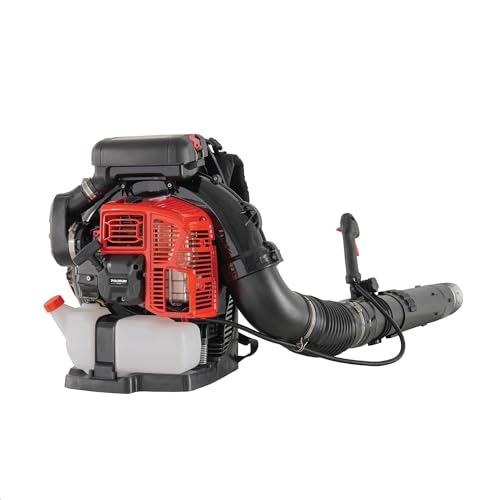
- ✓ Extremely powerful airflow
- ✓ Comfortable ergonomic design
- ✓ Easy start and cruise control
- ✕ Heavier than some models
- ✕ Pricey at USD 499
| Engine Displacement | 79.9cc 2-cycle gas engine |
| Air Speed | 250 MPH |
| Air Volume | 1125 CFM |
| Filtration System | Dual-stage air filtration with tool-less cover access |
| Starting System | Spring-assisted pull handle with 40% reduced effort |
| Additional Features | Cruise control for steady operation |
The moment I fired up the PRORUN PBB3000, I was blown away by how effortlessly it pushed air at 250 MPH. That impressive power instantly cut through thick piles of leaves and stubborn debris in my yard.
It’s like having a mini tornado strapped to your back, which makes clearing large areas surprisingly manageable.
The engine’s 79.9cc 2-cycle design roars to life with just a quick pull, thanks to the spring-assisted handle that reduces effort by about 40%. No more straining your arm or struggling to start it on chilly mornings.
The cruise control feature is a game changer, allowing me to keep a steady airflow without constantly squeezing the trigger—perfect for long jobs.
The dual-stage air filtration system really holds up in dusty conditions. I didn’t notice any drop in performance after hours of use, and the tool-less cover access makes cleaning or replacing filters quick and easy.
Comfort-wise, the extra-wide padded shoulder straps and cooling back design kept me comfortable, even during extended sessions.
Handling this blower feels solid and balanced. The backpack straps distribute weight well, so I could work longer without feeling fatigued.
The 1125 CFM air volume means I could clear leaves and debris in fewer passes, saving me time and effort.
Overall, this blower is a beast—powerful, comfortable, and easy to start. It’s perfect for tackling tough yardwork, especially if you want a reliable tool that can handle any job with minimal fuss.
65CC Gas Leaf Blower, 884 CFM, 3.8 HP, 2-Cycle, Ergonomic

- ✓ Powerful and efficient
- ✓ Comfortable ergonomic harness
- ✓ Adjustable airflow direction
- ✕ Slightly heavy for prolonged use
- ✕ Noisy at full throttle
| Engine Displacement | 65cc |
| Airflow Capacity | 884 CFM (Cubic Feet per Minute) |
| Engine Power | 3.8 HP |
| Engine Type | 2-stroke gasoline engine |
| Maximum Revolutions | 8790 RPM |
| Fuel Tank Capacity | 1.6 liters |
Ever since I spotted this 65CC gas leaf blower with its impressive 884 CFM airflow, I’ve been eager to see if it could really handle my yard work without breaking a sweat. When I finally got it out of the box, I immediately noticed how lightweight it felt at just over 24 pounds, especially considering its power-packed engine.
The first thing that struck me was how easy it was to wear thanks to the padded, ergonomic harness. It distributes the weight well, so even after extended use, I didn’t feel like I was lugging around a heavy brick.
The low-vibration handle really helped minimize fatigue, making it comfortable to hold even for longer sessions.
Power-wise, this blower delivers on its promise. The 2-stroke engine revs up to nearly 8800 RPM, creating a stable, strong wind that easily blows leaves, snow, or debris out of the way.
I loved the adjustable nozzle—being able to direct airflow precisely where I needed made the job quicker and less frustrating.
The fuel tank is a decent size at 1.6 liters, so I didn’t have to keep stopping for refills. The 25:1 mix recommendation worked smoothly, giving me confidence in its efficiency.
Plus, the wide 120° and 135° adjustable outlets meant I could cover more ground with less effort, which is a real time-saver.
Overall, this blower feels like a versatile, reliable tool for year-round yard chores. Whether I was clearing leaves or tidying up after winter snow, it handled it all with ease, thanks to its powerful motor and thoughtful design.
HTK 63CC Gas Leaf Blower, 665 CFM, 205 MPH

- ✓ Powerful 205 MPH airflow
- ✓ Comfortable ergonomic design
- ✓ Long runtime with large fuel tank
- ✕ Slightly heavy for extended carry
- ✕ No adjustable speed settings
| Engine Displacement | 63cc 2-stroke gas engine |
| Air Volume | 665 CFM (Cubic Feet per Minute) |
| Air Speed | 205 MPH (Miles Per Hour) |
| Fuel Tank Capacity | 1.7 liters |
| Starting System | Air purge system for easy pull-start |
| Vibration Reduction | Low-vibration technology with ergonomic, padded backpack harness |
The first time I strapped on the HTK 63CC Gas Leaf Blower, I was surprised by how comfortable the fully padded backpack harness felt right away. It balanced the weight perfectly, so I didn’t feel like I was fighting against the blower’s bulk.
As I pulled the starter cord, I appreciated the air purge system—no tugging or fiddling, it fired up smoothly every time.
Using it to clear a massive pile of wet leaves, I instantly noticed the power behind the 205 MPH airspeed. It blasted through stubborn debris with ease, saving me what felt like hours of work.
The 665 CFM airflow really made a difference in covering ground quickly, letting me breeze through my yard in just a few passes.
The low-vibration technology made a noticeable difference, especially after prolonged use. I could feel less strain on my arms and back, which is a game-changer for big jobs.
The large 1.7L fuel tank meant I could work for a longer stretch without constantly stopping to refuel, keeping my momentum going.
Adjusting the cruise control was simple and kept the blower at a steady power level without the need to squeeze the trigger continuously. It’s clear this blower is designed for serious yard work, with its combination of raw power and thoughtful ergonomics.
Overall, it felt reliable and built to handle tough conditions, making yard cleanup less of a chore.
What is a Backpack Blower and How Does It Work?
A backpack blower is defined as a portable, powered tool designed to blow away debris such as leaves, grass clippings, and litter from outdoor surfaces. It consists of a power unit mounted on a frame that is worn on the user’s back, allowing for ease of movement and extended operation without fatigue.
According to the American National Standards Institute (ANSI), backpack blowers are designed for efficient air movement, typically utilizing a high-performance engine that generates airflow through a nozzle. This design allows users to direct focused streams of air to clear large areas quickly and effectively, making them popular among landscape professionals and homeowners alike.
Key aspects of backpack blowers include their power source, which may be gas or electric, and their airspeed and volume capabilities. Gas-powered models often provide greater power and longer run times compared to electric versions, but the latter offers quieter operation and less environmental impact. Additionally, backpack blowers are equipped with various nozzle attachments that can alter air volume and speed, allowing for versatility in handling both light and heavy debris.
This technology impacts landscaping, maintenance, and environmental management significantly. For instance, in commercial landscaping, backpack blowers enhance productivity by reducing the time needed to clear large areas compared to manual methods. According to the National Association of Landscape Professionals, these tools can save landscapers up to 50% in time compared to rakes and brooms, thus increasing efficiency and reducing labor costs.
The benefits of using a backpack blower include improved air quality, as they can help manage fallen leaves and debris that may harbor pests or diseases. Furthermore, they allow for effective maintenance of public spaces, gardens, and yards, contributing to aesthetic and ecological health. Applications extend beyond landscaping; they are also used in construction sites to clear debris, making them essential tools across various industries.
Best practices for using a backpack blower include wearing protective equipment such as hearing protection and goggles, being mindful of local noise ordinances, and ensuring proper maintenance of the equipment. Regularly checking filters, spark plugs, and fuel can prolong the life of the blower and optimize performance. Furthermore, users should be trained on the correct operation techniques to minimize environmental impact and ensure safety during use.
What Key Features Should You Look For in a Backpack Blower?
When selecting the best backpack blower, there are several key features that one should consider to ensure optimal performance and comfort.
- Engine Power: The power of the engine is crucial as it determines the blower’s airspeed and volume. A more powerful engine will provide better performance, allowing for faster clearing of leaves and debris, which is especially important for larger areas.
- Weight and Comfort: Since backpack blowers are worn on the back, their weight and ergonomic design significantly impact user comfort during extended use. Look for models with adjustable straps and padded backs to reduce fatigue and enhance maneuverability.
- Air Velocity and Volume: The efficiency of a backpack blower is often measured by its air velocity (measured in miles per hour) and air volume (measured in cubic feet per minute). A higher air velocity can move stubborn debris, while a good air volume ensures that larger areas can be cleared quickly.
- Fuel Efficiency: A blower’s fuel efficiency affects both operational costs and the duration of use before refueling is necessary. Opt for models that offer a good balance between power and fuel consumption to minimize interruptions during work.
- Noise Level: Noise regulations vary by location, so it’s essential to consider the noise level of the blower. Look for models with lower decibel ratings if you intend to use the blower in residential areas or places where noise could be an issue.
- Durability and Build Quality: A well-constructed blower will withstand the wear and tear of regular use. Check for high-quality materials and reliable construction, as this can extend the life of the blower and reduce maintenance costs.
- Ease of Use: Features such as easy start mechanisms, intuitive controls, and minimal maintenance requirements can greatly enhance user experience. Ensure that the blower is equipped with user-friendly features that simplify operation.
- Attachments and Accessories: Some backpack blowers come with additional attachments or accessories that can enhance versatility. These may include vacuum kits or mulching capabilities, making the blower suitable for various tasks beyond just blowing leaves.
How Does Engine Power Affect Performance?
- Airflow Volume: Engine power directly correlates with the volume of air a blower can move, measured in cubic feet per minute (CFM). Higher engine power typically results in increased CFM, allowing the blower to clear debris and leaves more efficiently over larger areas.
- Air Speed: The power of the engine also affects the speed of the air output, measured in miles per hour (MPH). A more powerful engine can generate higher air speeds, making it easier to dislodge stubborn debris and ensuring that the blower can tackle wet or heavy materials that are more challenging to move.
- Fuel Efficiency: Engine power can influence the fuel consumption rate of a backpack blower. While more powerful engines may consume more fuel, advancements in technology can provide efficient fuel use, balancing power and efficiency to allow for longer operation times without frequent refueling.
- Weight and Comfort: Generally, more powerful engines may add to the overall weight of the backpack blower. While a lightweight model may be easier to handle during extended use, heavier models often provide the necessary power for tougher tasks, making it crucial to find a balance between weight and engine performance.
- Durability and Maintenance: Higher engine power often requires robust construction to withstand the stresses of increased performance. This can lead to considerations regarding maintenance frequency and the durability of components, impacting the longevity of the equipment.
Why is Weight Important for User Comfort?
Weight is crucial for user comfort because it directly affects the ease of use and the physical strain placed on the user during operation.
According to research published in the Journal of Ergonomics, equipment that is too heavy can lead to fatigue, discomfort, and even musculoskeletal injuries over time (Kumar & Kumar, 2021). This is particularly relevant for tools like backpack blowers, which require users to carry the weight on their backs for extended periods. A lighter blower can significantly enhance user experience by reducing the workload and allowing for longer periods of use without discomfort.
The underlying mechanism involves biomechanics and how the human body responds to external loads. When a user carries a heavy backpack blower, their muscles, especially in the back and shoulders, must exert more effort to maintain posture and stability. This can lead to muscle fatigue and strain, which can deter users from completing their tasks efficiently. Moreover, as the weight increases, users may adopt poor postures to compensate, further increasing the risk of injury (Gallagher et al., 2019). Thus, a well-balanced and lighter tool not only improves comfort but also promotes safer and more effective use.
Which Backpack Blowers Are Considered the Best in Performance?
The best backpack blowers known for their performance include:
- Husqvarna 580BTS: This model is praised for its powerful 75.6cc engine and high air output, making it ideal for handling large areas quickly.
- Stihl BR 800 C-E: Known for its innovative design and ease of use, this blower features a 79.9cc engine and a lightweight frame that enhances maneuverability.
- Echo PB-8010: This blower boasts one of the highest air volumes in its class at 1,000 CFM, coupled with a robust 79.9cc engine, ensuring efficient leaf and debris clearing.
- RedMax EBZ8560: With its exceptional 75.6cc engine and comfortable ergonomic design, this blower offers excellent performance while minimizing user fatigue during extended use.
- Makita EB7660TH: This model stands out with its 75.6cc 4-stroke engine, which provides powerful performance while reducing emissions and noise, making it environmentally friendly.
The Husqvarna 580BTS features a powerful engine and is designed for professional-grade performance, making it suitable for heavy-duty tasks in large outdoor spaces.
The Stihl BR 800 C-E offers a combination of power and comfort, with a unique anti-vibration system that reduces user fatigue, making it perfect for prolonged use.
Echo’s PB-8010 excels with its high air volume and advanced design, allowing users to efficiently tackle tough conditions, such as wet leaves and heavy debris.
The RedMax EBZ8560 is particularly known for its ergonomic design, which supports extended use without discomfort, paired with strong blowing power to handle various landscaping tasks.
Makita’s EB7660TH is notable for its 4-stroke engine, which not only enhances performance but also aligns with eco-friendly practices, making it a great choice for environmentally-conscious users.
How Can You Choose the Most Affordable Backpack Blower?
Choosing the most affordable backpack blower involves considering several key factors to ensure you get the best value for your investment.
- Power Source: The power source of the backpack blower significantly affects its performance and price. Gas-powered models typically offer more power and are better for larger areas, but they can be more expensive and require maintenance. Electric models, including battery-operated options, tend to be more affordable and quieter but may have limited run time and power, suitable for smaller jobs.
- Airflow Rate: The airflow rate, measured in cubic feet per minute (CFM), indicates how much air the blower can move. A higher CFM rating generally means more effective debris clearing, which is crucial for larger leaves and heavy debris. While considering affordability, look for a model with a balance between sufficient airflow and a reasonable price point.
- Weight and Ergonomics: The weight of the backpack blower plays a vital role in comfort during use, particularly for extended periods. Heavier models can lead to fatigue, while lighter models are easier to handle but may sacrifice power. An ergonomic design with padded straps can also enhance comfort, allowing for longer use without discomfort.
- Noise Level: Backpack blowers can be noisy, and it’s essential to consider the noise level, measured in decibels (dB). Some models are designed to operate more quietly, which could be beneficial in residential areas or for personal comfort. While quieter models may come at a premium, they can be worth the investment if noise is a concern.
- Brand Reputation and Reviews: Researching brand reputation and reading user reviews can help identify reliable models that offer the best performance for the price. Established brands often provide better customer service and warranty options, which can save money in the long run if issues arise. Look for reviews that highlight durability, ease of use, and overall satisfaction to make an informed choice.
- Warranty and Support: A good warranty can protect your investment and provide peace of mind. Check the length and terms of the warranty offered by the manufacturer, as a longer warranty may indicate better product quality. Additionally, consider the availability of customer support for troubleshooting and repairs, which can be crucial for maintaining the blower in the long term.
What Do User Reviews Reveal About the Best Backpack Blowers?
- Power and Performance: Many users highlight the importance of engine power in backpack blowers, with most recommending models that provide at least 200 mph airspeed and sufficient cubic feet per minute (CFM) ratings. Users often share their experiences on how well these machines handle various debris types, such as leaves, grass clippings, and heavier materials like small twigs, which can significantly affect their cleaning efficiency.
- Comfort and Ergonomics: Comfort is a recurring theme in user reviews, with many reviewers emphasizing the need for padded straps and adjustable harnesses for prolonged use. Backpack blowers that distribute weight evenly across the back reduce fatigue, making it easier for users to operate them for extended periods without discomfort.
- Noise Levels: Noise is a critical factor for many users, especially in residential areas. Reviews often mention models that operate at lower decibel levels, making them more suitable for use in neighborhoods where loud equipment could disturb the peace, and many users appreciate blowers that balance power with quieter operation.
- Ease of Use: User reviews frequently discuss the ease of starting and operating backpack blowers, with many preferring models that feature easy-start technology and intuitive controls. Users appreciate blowers that can be quickly adjusted for different tasks, such as switching from blowing to vacuuming, enhancing their overall practicality.
- Durability and Maintenance: Durability is a common concern among users, who look for models made from high-quality materials that can withstand frequent use and harsh conditions. Reviews often provide insights into how well a blower holds up over time and the maintenance required to keep it running efficiently, with many users sharing tips for care and longevity.
- Fuel Efficiency: Fuel consumption is another aspect frequently mentioned in reviews, with users preferring backpack blowers that offer a good balance between power and fuel efficiency. Many reviews highlight models that are economical to run, reducing the frequency of refueling and overall operational costs.
What Maintenance Tips Can Prolong the Life of Your Backpack Blower?
Proper maintenance can significantly extend the lifespan of your backpack blower:
- Regular Cleaning: After each use, it’s vital to clean the blower to remove any debris, dust, or grass clippings that may have accumulated. This prevents buildup that can affect the blower’s performance and longevity.
- Inspect and Replace Filters: The air and fuel filters should be checked regularly and replaced as necessary. Clogged filters can restrict airflow and reduce efficiency, leading to potential engine damage over time.
- Check Spark Plug Condition: Regularly inspect the spark plug for wear and carbon buildup. A clean and properly gapped spark plug ensures optimal combustion and engine performance, preventing hard starts or engine misfires.
- Fuel Maintenance: Use fresh fuel and consider adding a fuel stabilizer if the blower will not be used for an extended period. Stale fuel can cause starting issues and damage the engine, so draining the tank before long-term storage is advisable.
- Inspect Cables and Hoses: Periodically check the throttle and ignition cables, as well as any hoses, for wear and damage. Frayed cables can affect the blower’s operation and safety, so replacing them promptly can prevent further issues.
- Lubricate Moving Parts: Apply lubricant to moving parts as per the manufacturer’s recommendations. Proper lubrication minimizes friction and wear, ensuring smoother operation and extending the life of your blower.
- Store Properly: When not in use, store the backpack blower in a dry, cool place, ideally in an upright position. This helps prevent damage from moisture and reduces the risk of components warping or degrading.