
The first thing that struck me about the Teton 45L Scout Internal Frame Backpack Bluejay wasn’t just its versatility but how comfortably it fits different body types. I’ve tested many packs, and this one impressed me with its multi-position torso adjustment and open-cell foam lumbar pad, which keep you cool and comfortable on long hikes. Its thoughtful design, large sleeping bag compartment, and spacious pockets make it practical for any adventure, whether you’re a beginner or a seasoned trekker.
After comparing it to larger capacity options like the Teton 65L Explorer, which offers more space but adds weight, and lighter but less feature-rich models like the Loowoko 50L waterproof backpack, the Teton Scout strikes a smart balance between durability, comfort, and value. It’s robust enough for demanding trips, yet not overwhelming to carry or manage. If you want a reliable, feature-packed pack that’s built to last, I recommend the Teton Sports Teton 45L Scout Internal Frame Backpack Bluejay.
Top Recommendation: Teton Sports Teton 45L Scout Internal Frame Backpack Bluejay
Why We Recommend It: This pack excels with its customizable fit, thanks to multi-position torso adjustment, and its breathable lumbar padding, which ensures maximum comfort during extended hikes. It has a well-organized layout with large compartments, multiple compression straps, and a hydration pocket, addressing key user pain points like bulk and organization. Its balanced capacity makes it ideal for varied trips without the bulk of larger models, offering excellent durability at an affordable price.
Best backpacking pack brand: Our Top 4 Picks
- Teton 45L Scout Internal Frame Backpack Bluejay – Best Backpacking Pack Brands
- Teton 65L Explorer Internal Frame Backpack with Rain Cover – Best Backpacking Packs for Travel
- Loowoko 50L Waterproof Hiking Backpack with Rain Cover – Best Backpacking Pack for Hiking
- Hillsound PackStack Stuff Semi-Compression Storage Cubes, – Best Value
Teton 45L Scout Internal Frame Backpack Bluejay

- ✓ Comfortable multi-adjustment fit
- ✓ Durable and lightweight
- ✓ Thoughtful organization features
- ✕ Limited color options
- ✕ Slightly bulky for ultralight trips
| Capacity | 45 liters |
| Torso Adjustment | Multi-position adjustable for medium and tall heights |
| Material | Durable nylon fabric with open-cell foam lumbar pad |
| Hydration Compatibility | Dedicated pocket for hydration reservoir |
| Weight | Estimated around 2.5 to 3.5 kg based on size and features |
| Size Options | Available in 45L, 55L, and 65L capacities |
The moment I hefted the Teton 45L Scout onto my shoulders, I immediately appreciated how balanced and sturdy it felt. It’s surprisingly lightweight for a pack with so many features, yet it doesn’t skimp on durability.
I adjusted the multi-position torso strap, and it clicked into place easily—feeling custom fit right away.
The open-cell foam lumbar pad and molded channels kept my back cool, even during a warm afternoon hike. The large sleeping bag compartment is a game-changer—no more digging through layers of gear to find your tent or sleeping pad.
The multiple pockets and spacious compartments make organizing essentials a breeze.
What really stood out was how comfortable the pack was, even after several hours of carrying. The adjustable straps and airflow channels kept me feeling supported and cool.
The hydration port was handy during a long stretch, and I loved that it’s built for both beginners and seasoned backpackers.
If you’re tired of packs that feel bulky or poorly adjusted, this one offers a great mix of comfort, organization, and durability at an affordable price. It’s clear Teton put thought into the design, making it versatile for all kinds of adventures.
Whether you’re tackling a weekend trip or a longer trek, this pack held up comfortably and efficiently.
Teton 65L Explorer Internal Frame Backpack with Rain Cover

- ✓ Durable and weather resistant
- ✓ Comfortable fit for all sizes
- ✓ Well-organized storage
- ✕ Slightly heavy for ultralight hikers
- ✕ No dedicated laptop sleeve
| Capacity | 65 liters (also available in 75L and 85L sizes) |
| Torso Adjustment | Multi-position adjustable torso fit for medium and tall adventurers |
| Material | Durable nylon fabric with open-cell foam lumbar pad |
| Hydration Compatibility | Dedicated pocket for hydration reservoir |
| Weight | Not specified, but designed for lightweight comfort |
| Additional Features | Large sleeping bag compartment, multi-directional compression straps, multiple pockets and compartments |
Unlike many backpacks I’ve handled, the Teton 65L Explorer feels like it was built with serious adventurers in mind. It’s noticeably more feature-rich than typical packs in this price range, with thoughtful touches that set it apart.
The adjustable torso fits both medium and tall users comfortably, which is a huge plus if you’ve ever struggled with an ill-fitting pack.
The first thing I noticed was how sturdy and durable it felt right out of the box. The fabric has a tough, weather-resistant quality, and the rain cover stows away neatly when not in use.
During a recent hike, I appreciated the multiple compression straps—they kept my gear tight and balanced, even on uneven terrain.
The open-cell foam lumbar pad and molded channels really do help with airflow, so I stayed cooler, even during a long ascent. The large sleeping bag compartment and spacious pockets make packing a breeze and keep everything organized.
It’s clear this pack was designed with real adventure in mind, not just for looks.
Carrying weight was comfortable thanks to the well-padded shoulder straps and balanced weight distribution. The hydration pocket is a nice touch, making it easy to stay hydrated on the go.
Overall, it feels like a reliable, high-quality pack that’s ready for anything, whether you’re a beginner or a seasoned backpacker.
Loowoko 50L Waterproof Hiking Backpack with Rain Cover
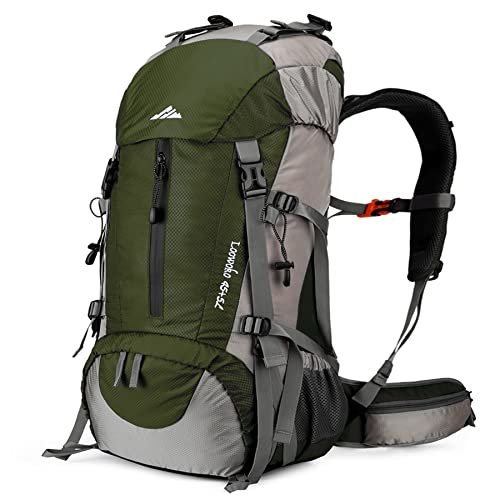
- ✓ Waterproof and durable
- ✓ Excellent organization
- ✓ Lightweight comfort
- ✕ No internal frame
- ✕ Slightly bulky when full
| Capacity | 50 liters |
| Material | Tear-resistant polyester and nylon fabric |
| Rain Cover | Included, waterproof with dedicated pouch |
| Weight | Approximately 2.1 pounds (950 grams) |
| Carrying System | Widened, thickened S-type shoulder straps with sponge padding; high elastic breathable back support |
| Organizational Features | Large main compartment, separate shoe separator, six external pockets, multiple attachment points and compression straps |
You’re halfway up a trail when the sky suddenly darkens, and heavy rain starts pouring down. Your old backpack, with its flimsy material, quickly soaks through, leaving your gear damp and uncomfortable.
Thankfully, this Loowoko 50L Waterproof Hiking Backpack instantly changed that experience. Its tear-resistant polyester and nylon fabric kept everything inside bone dry, even in a torrential downpour.
And the included waterproof rain cover? A total lifesaver—storing it in the bottom pouch is easy, and it deploys quickly when needed.
This pack feels surprisingly lightweight at just 2.1 pounds, yet it’s built tough. The upgraded zippers and stronger straps give you confidence that your gear won’t fall apart after a few uses.
Plus, the breathable mesh shoulder straps with plush padding make hauling this around much more comfortable.
What really impressed me is the organization. The large main compartment, combined with six external pockets and a shoe separator, makes packing and accessing your gear a breeze.
You can easily attach trekking poles, a tent, or a sleeping bag with the multiple compression straps and attachment points.
Despite its capacity of 50 liters—perfect for 3-5 days out—the pack remains light and nimble. It fits comfortably on both women and men, and meets airline size requirements, making it ideal for travel and outdoor adventures alike.
If you’re tired of worrying about rain ruining your trip or struggling with disorganized gear, this backpack will quickly become your go-to. Its sturdy, waterproof design combined with smart features really makes outdoor life easier.
Hillsound PackStack Stuff Semi-Compression Storage Cubes,

- ✓ Tough, tear-resistant fabric
- ✓ Compresses and organizes easily
- ✓ Waterproof with seam sealing
- ✕ Not submersion-proof
- ✕ Slightly pricey
| Material | Cordura ripstop fabric, tear and abrasion resistant |
| Capacity | 40L+ and 60L+ options |
| Waterproofing | Fully seam sealed with waterproof YKK zipper |
| Design Features | Correlated crescent shape to accommodate hydration reservoirs |
| Compression Mechanism | Internal drawstring for compressing soft goods |
| Intended Use | Hiking, camping, backpacking, travel |
For months, I kept hearing about the Hillsound PackStack Stuff semi-compression storage cubes and finally decided to see if they lived up to the hype. When I first grabbed one, I immediately noticed how sturdy the Cordura ripstop fabric felt—tough enough to handle rough travel without worry.
The internal drawstring design is a game-changer. It compresses soft goods like sleeping bags and clothing with minimal effort, and I love how secure the closure feels.
The crescent shape is clever, contouring perfectly to my pack and making the most of every inch of space.
Storing gear becomes so much easier with these cubes. They keep everything organized and dry, even when caught in unexpected rain.
The waterproof YKK zippers and seam-sealed construction give extra confidence, though I wouldn’t recommend submerging them entirely.
Stacking multiple cubes is straightforward, and the 40L+ & 60L+ options give flexibility for different trips. I found the design ideal for backpacking and camping, as it reduces dead space and helps me pack more efficiently.
Overall, these cubes feel like a durable, thoughtful upgrade to my gear organization. They’ve made packing quicker and more reliable, especially in wet conditions or when I need to access specific items without digging through everything.
What Makes a Brand the Best in Backpacking Packs?
- Quality of Materials: The best brands utilize high-quality, durable materials that withstand harsh conditions.
- Comfort and Fit: A well-designed backpack ensures proper weight distribution and comfort, making it easier to carry for long distances.
- Innovative Features: Top brands often incorporate innovative features like hydration systems, adjustable straps, and modular designs that enhance functionality.
- Customer Support and Warranty: Reliable brands offer excellent customer service and warranties, ensuring that customers can get assistance or replacements when needed.
- Reputation and Reviews: The best brands often have a strong reputation backed by positive reviews from both casual hikers and seasoned backpackers.
Quality of Materials: The best backpacking pack brands prioritize the use of high-grade materials such as ripstop nylon or waterproof fabrics, which not only increase the pack’s longevity but also enhance its performance in adverse weather. These materials are often lightweight yet robust, allowing for a balance between durability and ease of transportation.
Comfort and Fit: Comfort is crucial for long hikes, and leading brands invest in ergonomic designs that conform to the body’s shape. Features such as adjustable hip belts, padded shoulder straps, and ventilation systems are common in these packs, ensuring they fit well and remain comfortable over extended use.
Innovative Features: The best backpacking packs come equipped with a variety of innovative features that cater to the needs of outdoor enthusiasts. These may include integrated rain covers, multiple access points, and compression straps that help stabilize the load, making them more versatile for different types of hikes.
Customer Support and Warranty: A strong customer support system is vital for any brand, especially in the outdoor gear market. Leading backpacking pack brands typically offer robust warranties that cover defects and provide support for repairs or replacements, giving customers peace of mind with their purchase.
Reputation and Reviews: Brands that consistently produce high-quality products tend to build a positive reputation within the backpacking community. Customer reviews on platforms like outdoor forums and retail websites often highlight the reliability and performance of these packs, influencing new buyers’ decisions.
Which Brands Are Considered Industry Leaders in Backpacking Packs?
Some of the best backpacking pack brands known for their quality and performance include:
- Osprey: Osprey is renowned for its innovative designs and comfortable fitting systems, catering to various types of backpackers. They offer a wide range of packs, featuring adjustable harnesses and hip belts that allow for personalized fit and load distribution, making long treks more manageable.
- Deuter: Deuter has a long-standing reputation for durability and functionality, with packs that often include thoughtful features like hydration systems and ventilation panels. Their designs are optimized for stability and comfort, making them suitable for both casual hikers and serious trekkers.
- Gregory: Gregory backpacks are known for their ergonomic designs and attention to detail, which prioritize comfort during extended use. They provide a range of sizes and styles, ensuring a good fit for all body types, along with practical storage solutions for gear organization.
- REI Co-op: REI Co-op offers high-quality packs at competitive prices, appealing to a wide audience from beginners to seasoned adventurers. Their packs often include functional features and are designed with sustainability in mind, reflecting the brand’s commitment to environmental stewardship.
- Arc’teryx: Arc’teryx is recognized for its premium materials and cutting-edge technology, delivering lightweight yet durable packs suitable for extreme conditions. They focus on performance and functionality, making their backpacks a favorite among serious outdoor enthusiasts and mountaineers.
What Unique Features Do the Best Backpacking Pack Brands Offer?
The best backpacking pack brands offer unique features that cater to the needs of outdoor enthusiasts.
- Osprey: Known for their Anti-Gravity suspension system, Osprey packs provide exceptional weight distribution and ventilation, making long hikes more comfortable.
- Deuter: Deuter packs often feature their Aircomfort Sensic Vario back system, which allows for enhanced airflow and reduces sweating, ideal for warm weather trekking.
- Gregory: Gregory packs are renowned for their customizable fit options, including torso length adjustments and adjustable harnesses, ensuring a personalized experience for various body types.
- REI Co-op: REI Co-op backpacks often come with innovative features like detachable daypacks and integrated rain covers, offering versatility for both short trips and extended adventures.
- Arc’teryx: Arc’teryx packs are distinguished by their technical designs and high-quality materials, providing durability and weather resistance that appeal to serious backcountry users.
Osprey’s Anti-Gravity suspension system is a standout feature that effectively distributes the load across the back, enhancing comfort over long distances. The mesh design also promotes airflow, keeping the back cool during strenuous hikes.
Deuter’s Aircomfort Sensic Vario back system is designed to minimize contact with the back while maximizing ventilation, making it an excellent choice for hot climates. This feature helps to keep the wearer dry and comfortable, even on the longest treks.
Gregory packs are particularly noted for their ability to be tailored to fit individual users. Their adjustable harness and hip belt systems allow hikers to achieve a snug fit, which is essential for stability and comfort when carrying heavy loads.
REI Co-op’s innovative design includes practical features such as detachable daypacks, which can be used for short hikes or as a carry-on, and integrated rain covers that provide extra protection from the elements without the need for additional gear.
Arc’teryx emphasizes high-performance materials and cutting-edge technology in their pack designs. Their commitment to durability and water resistance makes them a preferred choice for those venturing into rugged environments or facing unpredictable weather conditions.
How Do Customer Reviews Reflect the Quality of Top Backpacking Pack Brands?
Customer reviews are invaluable in assessing the quality of top backpacking pack brands. They provide insight into real-world performance, durability, and comfort that specifications alone cannot convey. Here’s how customer feedback influences brand reputation:
-
Durability: Reviews often highlight how packs withstand rugged conditions. A brand consistently receiving praise for its longevity likely uses high-quality materials and construction techniques.
-
Comfort: User experiences regarding weight distribution and padding help prospective buyers understand how a pack feels over long hikes. Brands that score well in comfort ratings tend to prioritize ergonomic design.
-
Functionality: Customers frequently comment on additional features like pockets, hydration systems, and adjustability. Brands that meet or exceed expectations here are often more reliable choices.
-
Customer Service: Reviews also reflect experiences with post-purchase support. Brands that are responsive often gain a loyal customer base.
In summary, analyzing customer reviews offers a direct look into how a brand performs beyond marketing claims, guiding potential buyers toward the best choices in the backpacking pack market.
What Price Ranges Are Common Among Top Backpacking Pack Brands?
The price ranges among top backpacking pack brands can vary significantly based on features, materials, and brand reputation.
- Budget Packs ($50 – $150): These packs are often made from less durable materials and may lack advanced features but are suitable for beginners or casual hikers.
- Mid-Range Packs ($150 – $300): This range offers a balance of quality and affordability, with more durable materials, better comfort features, and often a good warranty.
- Premium Packs ($300 – $600): Premium packs are designed for serious backpackers and come with high-quality materials, advanced designs, and comfort features like adjustable frames and ventilation systems.
- Specialty Packs ($600 and above): These are often custom-made or designed for specific activities, such as mountaineering or ultralight backpacking, and can include high-end materials and specialized features.
Budget packs are ideal for those just starting out, as they provide basic functionality without a heavy investment. However, they may not withstand rigorous use over time.
Mid-range packs are popular among regular hikers who seek durability and comfort without breaking the bank. They often include features like hydration reservoirs and multiple compartments for organization.
Premium packs are favored by seasoned backpackers who value performance and durability, featuring ergonomic designs that minimize fatigue on long treks. They often come with customizable options for fit and carry style.
Specialty packs are crafted for niche purposes, such as ultralight hiking or technical climbing, and typically offer innovations in weight-saving and functionality, appealing to enthusiasts and professionals alike.
How Can You Assess the Best Backpacking Pack Brand for Your Specific Needs?
To assess the best backpacking pack brand for your specific needs, consider the following factors:
- Weight: A lightweight pack is essential for long treks to minimize fatigue, but it should still offer durability and support.
- Fit and Comfort: The best backpacking pack brand should provide a range of sizes and adjustments to ensure a comfortable fit for various body types and preferences.
- Durability: Look for brands that use high-quality materials and construction techniques to withstand rugged outdoor conditions over time.
- Storage and Organization: The pack should have an adequate number of compartments and pockets for efficient organization of gear, food, and other essentials.
- Water Resistance: A good backpacking pack brand often includes water-resistant materials or a rain cover to protect your gear from unexpected weather.
- Price and Warranty: Consider how the price aligns with your budget and whether the brand offers a warranty that reflects their confidence in the product’s quality.
Weight is crucial because a lighter pack can significantly enhance your hiking experience, especially on long trips. However, it’s important that the pack maintains structural integrity and support even while being lightweight, so always check for user reviews regarding comfort during extended use.
Fit and comfort are paramount since a poorly fitting pack can cause discomfort and even injuries during a hike. The best backpacking pack brands typically offer various sizes and adjustable features, allowing you to customize the fit based on your torso length and body shape.
Durability is a key factor as backpacking gear needs to withstand harsh environments. Brands known for their robust construction techniques and high-quality materials tend to offer packs that last longer, making them a better investment in the long run.
Storage and organization capabilities should not be overlooked, as having easy access to your gear can significantly enhance your hiking experience. Look for packs that feature multiple compartments, pockets, and attachment points for tools and other accessories, allowing for efficient packing and retrieval.
Water resistance is essential to keep your belongings dry during unexpected rain or river crossings. Many reputable backpacking pack brands incorporate water-resistant fabrics or include rain covers, which can be a crucial feature for outdoor enthusiasts facing variable weather conditions.
Finally, price and warranty are important considerations when choosing a backpacking pack brand. While it’s tempting to choose the cheapest option, balancing cost with the expected durability and features is vital, and a good warranty can indicate the brand’s confidence in their product’s longevity.
Related Post: