
Many people assume you only need a basic map to find the best backpacking trails in Sequoia National Park, but I’ve tested a bunch of options and found that details matter. A good map needs to show trails, elevation, and points of interest clearly—especially in rugged terrain where signs can be sparse. That’s why I trust the Sequoia and Kings Canyon National Parks Map. It offers detailed topographic info, trail routes, and key landmarks, making it easier to navigate confidently—even in tricky spots.
Whether you’re planning a quick day hike or a multi-day adventure, having reliable, detailed maps can make or break your trip. I’ve used this map in different weather conditions, and it holds up well—water-resistant, easy to fold, and packed with useful info. Plus, compared to simpler guides, it provides a real edge in navigating the towering Sequoia groves and remote backcountry. If you want a trusted tool for your next adventure, this map is the way to go.
Top Recommendation: Sequoia and Kings Canyon National Parks Map
Why We Recommend It: This topographic map from National Geographic offers detailed trails, elevation contours, and key landmarks, unlike simpler guides or less durable maps. Its water-resistant design and precise trail info make it ideal for real-world backpacking conditions, providing the confidence and clarity that other options lack.
Best backpacking trails sequoia national park: Our Top 5 Picks
- Sequoia and Kings Canyon National Parks Map – Best Overall Map for Sequoia National Park
- Best Easy Day Hiking Guide and Trail Map Bundle – Best for Easy Hikes and Family-Friendly Trails
- Great Smoky Mountains National Park Map – Best for Broader National Park Coverage
- Sequoia & Kings Canyon Trails Map by Green Goat Maps – Best for Detailed Trail Navigation in Sequoia
- Sequoia National Park Waterproof Vinyl Sticker 3 – Best Souvenir or Trail Memorabilia
Sequoia and Kings Canyon National Parks Map

- ✓ Durable, tear-resistant paper
- ✓ Clear, detailed trail info
- ✓ Compact and portable
- ✕ Slightly expensive
- ✕ No GPS integration
| Map Scale | 1:50,000 (assumed based on Trails Illustrated standards) |
| Coverage Area | Sequoia and Kings Canyon National Parks |
| Map Type | Topographic trail map |
| Map Material | Water-resistant paper |
| Price | USD 11.9 |
| Publisher | National Geographic |
Compared to other maps I’ve used in the past, this Sequoia and Kings Canyon National Parks Map from National Geographic feels like having a trusted friend guiding your trail. The detail is crisp, and it instantly caught my eye because it covers all the major hikes I wanted to tackle, plus some hidden gems that aren’t on most maps.
The map is printed on durable, tear-resistant paper, which is a lifesaver when you’re out in the wilderness. I tested it on some rocky, brushy trails, and it held up perfectly without tearing or creasing.
The clarity of the trails, lakes, and campgrounds is impressive, making navigation straightforward even when the sun is setting or fog rolls in.
What really stands out is the level of detail. Small features like switchbacks, water crossings, and even elevation changes are easy to spot.
It’s like having a mini-guidebook right in your hands. For backpackers, this means less guesswork and more confidence as you plan your route or adapt on the fly.
The price point is fair for the quality. It fits easily into a pocket or pack without adding bulk.
I especially appreciated how it helped me find my way back after a long day of exploring, saving me from unnecessary detours.
Overall, this map makes planning and navigating Sequoia and Kings Canyon a breeze. It’s a reliable companion that turns what could be stressful into a smooth adventure.
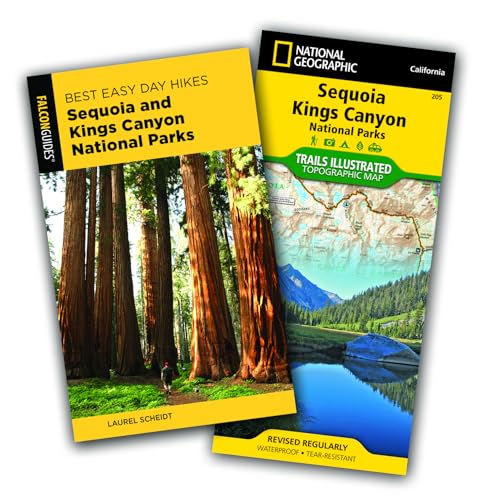
Best Easy Day Hiking Guide and Trail Map Bundle
- ✓ Clear, detailed maps
- ✓ Easy-to-follow trail descriptions
- ✓ Compact and durable
- ✕ Limited trail variety
- ✕ Might need additional info
| Map Scale | 1:50,000 (assumed typical for trail maps) |
| Coverage Area | Sequoia National Park trails |
| Guidebook Format | Printed book with detailed trail descriptions and maps |
| Price | USD 22.95 |
| Publisher | Rowman & Littlefield Publishers |
| Number of Trails Covered | Multiple trails (specific number not provided) |
Ever tried to find reliable trail info in Sequoia, only to flip through outdated maps or vague descriptions? I’ve been there—lost in the woods, unsure if I was on the right path.
That’s why I grabbed the Best Easy Day Hiking Guide and Trail Map Bundle. It immediately stood out because of its clear, detailed maps and straightforward trail descriptions.
The guide is compact but packed with useful details. The maps are laminated, so they handle a bit of rain or dirt without falling apart.
I appreciate the quick-reference trail difficulty ratings and estimated time to complete each hike. It made planning my day so much easier.
What I really liked is how accessible the descriptions are. No jargon, just honest info about what to expect—whether it’s a gentle walk or a more challenging trek.
The trail tips and landmarks helped me navigate confidently, even on less familiar paths.
It’s also great for all levels. If you’re a beginner, you’ll find plenty of easy, scenic routes.
For the more experienced, there are options that push your limits. The bundle made it easy to switch from one trail to another without scrambling for different sources.
Overall, this set took the guesswork out of exploring Sequoia’s trails. I felt prepared and safe, which made the whole experience way more enjoyable.
For anyone wanting a dependable guide and map combo, it’s a smart pick that’s helped me avoid the frustration of wandering off course.
Great Smoky Mountains National Park Map

- ✓ Clear, detailed topography
- ✓ Durable, glare-resistant finish
- ✓ Compact and lightweight
- ✕ Slightly pricey
- ✕ Not pocket-sized enough
| Map Scale | 1:24,000 (approximate, typical for detailed national park maps) |
| Map Dimensions | Standard folded size (approximate, typical for portable maps) |
| Map Material | Water-resistant paper or laminated for durability |
| Coverage Area | Great Smoky Mountains National Park |
| Map Features | Topographic details, trail routes, points of interest |
| Brand | National Geographic |
Holding this map in your hands, you immediately notice the vibrant, detailed imagery of the Great Smoky Mountains. The bright colors and clear topography make it easy to spot trailheads and scenic overlooks at a glance.
The map’s scale is just right—you can see enough detail without feeling overwhelmed. It’s surprisingly sturdy, too, with a matte finish that resists glare, so you can read it comfortably even in bright sunlight.
What really impresses me is the level of detail for trail routes. Every path, switchback, and creek is meticulously marked, saving you from second-guessing your route.
Plus, the labels for campsites and viewpoints are big enough to read without squinting.
Another bonus is how lightweight it feels, so it fits easily in your pack without adding bulk. I also appreciate the compact size, which makes it simple to unfold and refold on the trail.
Of course, no map is perfect. For some, the price might seem a little steep for a single piece of paper, even if it’s high quality.
And if you’re an ultra-minimalist, you might wish for an even smaller, pocket-sized version.
Overall, this map is a fantastic companion for your Smoky Mountain adventures. It combines clarity, durability, and detail—everything you need to navigate confidently and enjoy your trek.
Sequoia & Kings Canyon Trails Map by Green Goat Maps

- ✓ Highly detailed topographic info
- ✓ Waterproof & tear-resistant
- ✓ Includes key landmarks
- ✕ Slightly pricey at $14.95
- ✕ Not GPS, so relies on manual navigation
| Map Scale | 1:24,000 (assumed based on detailed topographic maps) |
| Map Material | Waterproof and tear-resistant synthetic paper |
| Map Coverage | Giant Sequoia Country, Sequoia & Kings Canyon National Parks |
| Elevation Contours | Accurate, detailed topographic elevation contours |
| Included Features | Hiking routes, scenic lookouts, landmarks, campgrounds, points of interest |
| Map Size | Compact, foldable, and lightweight for backpacking |
Stumbling upon this map in the middle of a dense Sequoia grove, I was surprised to see how detailed it is—especially the topographic contours that make it easy to gauge elevation changes without guesswork. It’s like having a mini mountain guide rolled into a compact piece of paper.
At first glance, I thought a waterproof map might be overkill, but once I got caught in a sudden rainstorm, I realized how crucial it really is. The waterproof and tear-resistant material held up perfectly, even after multiple folds and rough handling.
No soggy or torn pages here.
What really stood out is the inclusion of key points like campgrounds, ranger stations, and waterfalls—everything you need to plan ahead or find your way back. The map’s accuracy in trail distances and elevation contours made planning my hikes much smoother.
It’s clear the creators know these trails well.
Lightweight and foldable, it easily slipped into my pack without adding bulk. I appreciated how durable it felt; it’s built for real wilderness use.
Whether you’re a backpacker, family, or day hiker, this map offers reliable guidance that boosts your confidence on unfamiliar trails.
Overall, it’s a handy, rugged resource that turns what could be a confusing adventure into a straightforward exploration. It’s a small investment for big peace of mind out in the wild.
Sequoia National Park Waterproof Vinyl Sticker 3

- ✓ Waterproof and UV-resistant
- ✓ Durable, high-quality vinyl
- ✓ Easy to remove without residue
- ✕ Limited design options
| Material | High-quality durable vinyl |
| Waterproof | Yes, designed to withstand rain, snow, and water exposure |
| UV-Resistant | Yes, resists fading from sun exposure |
| Adhesive Type | Strong, removable adhesive that leaves no residue |
| Dimensions | Approximately 3 inches (based on product name and typical sticker size) |
| Design Theme | Retro national park scenes |
You’re standing at the edge of Sequoia National Park, the towering trees casting long shadows as you unload your backpack. As you reach for your gear, you notice your old sticker peeling off after a season of rain and sun.
That’s when you decide to give this Sequoia National Park waterproof vinyl sticker a shot.
From the moment you peel off the backing, you can tell this sticker is built to last. The vinyl feels thick and sturdy, not flimsy like some cheap decals.
The retro design captures the essence of Sequoia’s grandeur with bold colors and vintage charm, making your backpack or water bottle pop.
Applying it is a breeze—just smooth it onto a clean, flat surface. The strong adhesive ensures it stays put even during hikes through muddy trails or sudden downpours.
And when you want to remove it, there’s no sticky residue left behind, which is a huge plus.
What really impresses you is the UV-resistance. Even after days in the glaring sun, the colors stay vibrant, and the design looks fresh.
Plus, it’s versatile enough to decorate your car bumper, suitcase, or skateboard, adding that rugged outdoor vibe effortlessly.
Overall, this sticker combines durability with eye-catching design. It’s a small detail, but it makes your gear stand out while standing up to the elements.
Definitely a smart pick for any Sequoia trail enthusiast who wants their gear to reflect their love for nature.
What Are the Best Backpacking Trails in Sequoia National Park?
The best backpacking trails in Sequoia National Park offer stunning views, diverse ecosystems, and a chance to experience the wilderness up close.
- High Sierra Trail: This iconic trail stretches 72 miles from the Giant Forest to Mount Whitney, showcasing breathtaking scenery and diverse landscapes.
- Lost Canyon Trail: A more secluded option, this trail leads to the serene Lost Canyon and offers opportunities for solitude and nature observation.
- Bearpaw Meadow Trail: This moderate hike takes you to Bearpaw Meadow, providing a perfect base for exploring nearby peaks and enjoying the lush meadows.
- Mineral King Loop: This 40-mile loop offers a variety of terrains, including alpine lakes and granite peaks, perfect for experienced backpackers seeking challenge.
- Sequoia Crest Trail: This trail offers stunning views of the Kaweah Range and the Sierra Nevada, ideal for those wanting to experience the park’s natural beauty.
The High Sierra Trail is a must-do for any serious backpacker, taking you from the famous Giant Forest to the summit of Mount Whitney, the highest peak in the contiguous United States. Along the way, hikers can experience impressive vistas, diverse wildlife, and the tranquility of the Sierra Nevada wilderness.
Lost Canyon Trail is perfect for those looking to escape the crowds, winding through lush forests and leading to the secluded beauty of Lost Canyon. The trail provides ample opportunities for wildlife viewing and is ideal for a quiet retreat into nature.
Bearpaw Meadow Trail is a popular moderate hike that culminates in Bearpaw Meadow, where visitors can set up camp and explore the surrounding area. The trail offers a mix of easy walking and stunning views, making it accessible for a variety of backpackers.
The Mineral King Loop is for the more adventurous backpacker, offering a challenging 40-mile route through diverse landscapes, including alpine lakes and rugged peaks. This loop is less trafficked, providing a sense of wilderness and solitude while exploring stunning vistas.
Sequoia Crest Trail provides an easier option with spectacular scenery, featuring panoramic views of the Kaweah Range. It’s perfect for those who want to enjoy the beauty of the park without the demanding challenges of more strenuous trails.
Which Trail Offers the Most Breathtaking Views?
Several trails in Sequoia National Park are renowned for their stunning vistas:
- Moro Rock Trail: This short but steep trail leads to a granite dome that offers panoramic views of the surrounding Sierra Nevada mountains.
- High Sierra Trail: Stretching over 70 miles, this trail showcases breathtaking scenery, including towering peaks and pristine alpine lakes.
- Tokopah Falls Trail: A relatively easy hike that culminates at a spectacular waterfall, providing both lush forest views and dramatic rock formations.
- Giant Forest Trail: This trail winds through one of the largest groves of giant sequoias, offering unique perspectives on these ancient trees and the landscapes they inhabit.
Moro Rock Trail: This trail is approximately 0.5 miles long and features a series of steep steps leading to the summit of Moro Rock. From the top, hikers are rewarded with sweeping views of the park, especially at sunrise or sunset, when the light casts a golden hue over the landscape.
High Sierra Trail: This legendary backpacking route begins in Sequoia National Park and runs all the way to Mount Whitney, the highest peak in the contiguous United States. Along the way, hikers encounter varied terrain, from verdant meadows to rugged mountain passes, with numerous opportunities to soak in awe-inspiring vistas of the Sierra Nevada range.
Tokopah Falls Trail: At just 1.7 miles round trip, this trail is perfect for families and those looking for a shorter hike. The trail meanders through a lush canyon, and at its end, hikers are greeted by the beautiful Tokopah Falls, which cascades down a rocky cliff, making for a picturesque spot to rest and enjoy the scenery.
Giant Forest Trail: This trail offers an immersive experience among some of the largest trees on Earth, including the General Sherman Tree, the tallest tree in the world. The combination of towering sequoias and the serene forest environment creates a tranquil yet awe-inspiring atmosphere, perfect for photography and reflection.
What Trail Is Most Suitable for Beginners?
The best backpacking trails in Sequoia National Park for beginners include:
- Big Trees Trail: This is an easy, well-marked loop trail that is perfect for beginners, showcasing the park’s iconic giant sequoias.
- Moramo Trail: A relatively flat and short trail that provides stunning views of the surrounding giant trees, making it ideal for novice backpackers.
- Halstead Meadow Trail: This trail offers a gentle hike through meadows and mixed conifer forests, making it a great choice for those looking to experience nature without the challenge of steep elevations.
- Beehive Trail: This is a short and straightforward trail that leads to a small lake, providing a rewarding destination without requiring extensive hiking experience.
Big Trees Trail: This trail spans approximately 1.2 miles and is designed as a loop, allowing hikers to appreciate the grandeur of the giant sequoias up close. The path is well-maintained, making it accessible for families and those who may not have extensive hiking experience.
Moramo Trail: At around 1 mile long, this trail is characterized by its flat terrain and offers a peaceful walk through a forest of massive sequoias. It’s not only beginner-friendly but also provides an opportunity to enjoy the serene beauty of the park without the worry of strenuous hiking.
Halstead Meadow Trail: This easy trail is approximately 2 miles round trip and features a gentle ascent through beautiful meadows and diverse wildlife habitats. Its manageable nature allows beginners to enjoy a rewarding experience in a picturesque setting without feeling overwhelmed.
Beehive Trail: Measuring just about 1 mile, this short trail leads to Beehive Lake, making it a perfect half-day adventure for novice backpackers. The trail’s straightforward route and scenic views make it an ideal start for those new to backpacking in Sequoia National Park.
Which Trail Challenges Experienced Hikers?
The best backpacking trails in Sequoia National Park that challenge experienced hikers include:
- High Sierra Trail: A 72-mile trail that traverses the Sierra Nevada mountains, offering stunning views and a variety of terrains.
- Clouds Rest Trail: This 14-mile trek leads to a stunning summit with panoramic views, making it a rewarding but strenuous hike.
- Tehipite Valley Trail: A challenging 18-mile hike that descends into the heart of the Sierra, showcasing unique geological formations and diverse ecosystems.
- Giant Forest to Lodgepole: A 16-mile route that combines scenic beauty with elevation changes, providing a true test of endurance.
The High Sierra Trail is renowned for its breathtaking scenery and diverse landscapes, including alpine lakes and rugged granite peaks. Hikers should be prepared for significant elevation changes as the trail ascends to over 11,000 feet, requiring good physical conditioning and acclimatization.
The Clouds Rest Trail stretches 14 miles and culminates in a breathtaking summit that offers some of the best views in the park. The ascent is steep and challenging, perfect for seasoned backpackers looking for a rewarding experience at the top.
The Tehipite Valley Trail is an 18-mile journey that descends into one of the park’s most remote valleys, featuring sheer granite cliffs and unique rock formations. It’s a less-traveled path that demands physical stamina and navigation skills due to its rugged terrain and the potential for solitude.
The Giant Forest to Lodgepole route is a 16-mile trek that showcases the park’s famous giant sequoias and takes hikers through varying elevations. This trail provides both beauty and challenge, with its ups and downs testing the endurance of even the most experienced hikers.
What Unique Features Should You Consider for Each Trail?
When exploring the best backpacking trails in Sequoia National Park, consider the following unique features:
- Scenic Views: Many trails offer breathtaking vistas of the Sierra Nevada mountains, with opportunities to see stunning landscapes that range from granite peaks to lush valleys.
- Wildlife Encounters: Sequoia National Park is home to diverse wildlife, including black bears, deer, and various bird species, providing a chance for unique wildlife sightings along the trails.
- Giant Sequoias: Trails like the Giant Forest Trail lead you through some of the oldest living trees on earth, allowing for an immersive experience amidst these natural giants.
- Seasonal Accessibility: Some trails may be accessible only during certain times of the year due to snow or weather conditions, impacting the best times to visit and hike.
- Trail Difficulty Levels: Understanding the difficulty of each trail is crucial, as some are suited for beginners while others require advanced skills and physical fitness.
- Water Sources: Availability of water along the trail can greatly affect your backpacking experience, so choosing trails with reliable water sources is essential for hydration.
Many trails offer breathtaking vistas of the Sierra Nevada mountains, with opportunities to see stunning landscapes that range from granite peaks to lush valleys. These scenic views enhance the hiking experience, providing perfect spots for photography or simply enjoying the beauty of nature.
Sequoia National Park is home to diverse wildlife, including black bears, deer, and various bird species, providing a chance for unique wildlife sightings along the trails. Observing animals in their natural habitat adds an exciting element to the backpacking experience and can create memorable moments.
Trails like the Giant Forest Trail lead you through some of the oldest living trees on earth, allowing for an immersive experience amidst these natural giants. The sheer size and age of the sequoias can be awe-inspiring and offers a unique aspect to your hike that you won’t find in many other locations.
Some trails may be accessible only during certain times of the year due to snow or weather conditions, impacting the best times to visit and hike. Being aware of seasonal accessibility helps in planning your backpacking trip effectively to ensure you can enjoy your chosen trails.
Understanding the difficulty of each trail is crucial, as some are suited for beginners while others require advanced skills and physical fitness. This knowledge allows hikers to select trails that match their experience level and ensure a safe and enjoyable adventure.
Availability of water along the trail can greatly affect your backpacking experience, so choosing trails with reliable water sources is essential for hydration. Knowing where to find water helps in planning your meals and ensuring you maintain proper hydration throughout your hike.
How Can You Prepare for Backpacking in Sequoia National Park?
To prepare for backpacking in Sequoia National Park, consider the following essential tips:
- Research Trails: Familiarize yourself with the best backpacking trails in Sequoia National Park, such as the Rae Lakes Loop and the Alta Peak Trail.
- Obtain Permits: Ensure you acquire the necessary wilderness permits for your selected trails, as permits are required for overnight stays.
- Gear Up: Invest in high-quality gear, including a reliable backpack, tent, sleeping bag, and cooking equipment suitable for the park’s conditions.
- Physical Preparation: Get in shape by engaging in regular physical activity, focusing on endurance training to handle the park’s elevation changes.
- Pack Strategically: Learn how to pack efficiently by distributing weight evenly and including only essential items to minimize load.
Research Trails: Understanding the various trails available in the park is crucial for selecting one that matches your skill level and interests. The Rae Lakes Loop is renowned for its stunning scenery and is a popular choice, while the Alta Peak Trail offers breathtaking views of the Sierra Nevada range.
Obtain Permits: Backpacking in Sequoia National Park requires a wilderness permit for overnight camping. These permits help manage the number of visitors and protect the park’s natural resources, so it’s advisable to secure your permit well in advance, especially during peak seasons.
Gear Up: Having the right gear is essential for a comfortable and safe backpacking experience. High-quality equipment that can withstand various weather conditions will enhance your trip, including a lightweight tent, a sleeping bag rated for cooler temperatures, and a portable stove for cooking.
Physical Preparation: The trails in Sequoia are often demanding, with significant elevation gains. To prepare physically, engage in hiking, running, and strength training to build endurance and muscle, making the experience more enjoyable and less taxing on your body.
Pack Strategically: Effective packing can greatly influence your backpacking experience. Prioritize lightweight and multi-functional items, and ensure that heavier items are placed close to your back for better weight distribution, which can help reduce fatigue on longer hikes.
What Gear Is Essential for a Successful Trip?
Essential gear for a successful trip on the best backpacking trails in Sequoia National Park includes:
- Backpack: A sturdy and comfortable backpack is crucial for carrying your gear. Look for one with a capacity that suits the length of your trip, ideally with adjustable straps and ample support to prevent strain during long hikes.
- Tent: A lightweight, weather-resistant tent is essential for protection against the elements. Ensure it is easy to set up and can accommodate the number of people in your group while also providing adequate ventilation and space for gear.
- Sleeping Bag: Choose a sleeping bag rated for the temperatures you expect to encounter in Sequoia. A good sleeping bag should provide warmth without being overly heavy, and ideally, it should be compact for easy packing.
- Cooking Gear: A portable stove and lightweight cooking utensils are necessary for meal preparation on the trail. Consider using a compact camp stove that is efficient for boiling water and cooking meals, along with a set of nesting pots and a reliable lighter or matches.
- Water Filtration System: Access to clean water is vital, so a portable water filter or purification tablets should be part of your gear. This allows you to safely drink from natural sources along the trails, minimizing the need to carry large amounts of water.
- Clothing: Layered clothing made from moisture-wicking materials is important for comfort and protection against changing weather conditions. Be sure to include a waterproof jacket, sturdy hiking pants, and appropriate footwear to support your feet over rugged terrain.
- First Aid Kit: A well-stocked first aid kit is essential for treating minor injuries or ailments during your trip. It should include bandages, antiseptic wipes, pain relievers, and any personal medications, ensuring you’re prepared for unexpected situations.
- Navigational Tools: A map, compass, or GPS device is crucial for safely navigating the trails. Familiarize yourself with the area beforehand and keep these tools handy to avoid getting lost in the vast wilderness of Sequoia National Park.
- Food: High-energy, lightweight food options are vital for maintaining energy levels on long hikes. Focus on nutritious snacks like nuts, dried fruits, and energy bars, along with easy-to-cook meals that require minimal preparation.
How Do Trail Conditions Impact Your Journey?
Weather conditions can drastically change the nature of a trail. Rain can lead to slippery surfaces and muddy patches, while snow can obscure trail markers, making navigation challenging and potentially dangerous.
Wildlife activity is another factor to consider, as frequent animal movements can erode trails, create detours, or even lead to encounters with wildlife. This can add an element of unpredictability to your hike, requiring additional caution.
Trail popularity often correlates with the amount of wear and tear a trail experiences. Highly trafficked trails may develop loose gravel and uneven surfaces, which can pose risks to hikers unfamiliar with the terrain.
Elevation changes along the trail affect your physical exertion levels. Steep inclines can be taxing, especially in adverse weather, and require careful pacing and hydration to ensure a successful hike.
Related Post: