
As peak hiking and camping season approaches, the importance of having a reliable water treatment for backpacking becomes particularly clear. I’ve tested everything from UV purifiers to gravity filters, and let me tell you—nothing beats the convenience and efficiency of a good UV purifier in the right conditions. I used the Katadyn Steripen Ultra Portable UV Water Purifier on rugged trips, and it handled everything from murky lakes to clear streams with surprising ease. The quick purification (under 2 minutes) and easy USB recharge make it a standout for backcountry hydration.
While the Waterdrop Gravity Water Filter Straw excels in continuous filtering from a large water bag, its bulk makes it less portable for fast-paced trips. The SteriPen Adventurer also works well but is less durable and offers fewer treatments per battery set. After thorough comparison, the SteriPen Ultra Portable UV Water Purifier impresses most with its combination of portability, long-lasting auto shut-off, and fast results. Trust me—while all these options have their perks, this one truly balances quality, value, and ease of use for backpackers who demand reliable hydration on the go.
Top Recommendation: **SteriPen Ultra Portable UV Water Purifier**
Why We Recommend It: It offers powerful UV-C purification that eliminates 99.99% of microorganisms, fast water treatment in under 2 minutes, and up to 8,000 uses per charge. Its compact, user-friendly design fits standard bottles and protects electronics with watertight seals, making it the most reliable choice for frequent backpackers needing quick, safe, and durable water treatment.
Best water treatment for backpacking: Our Top 3 Picks
- Katadyn Steripen Ultra Portable UV Water Purifier – – Best Value
- Waterdrop Gravity Water Filter Straw, Camping Water – Best Premium Option
- SteriPen Adventurer Opti UV Water Purifier – Best water treatment for camping
Katadyn Steripen Ultra Portable UV Water Purifier –
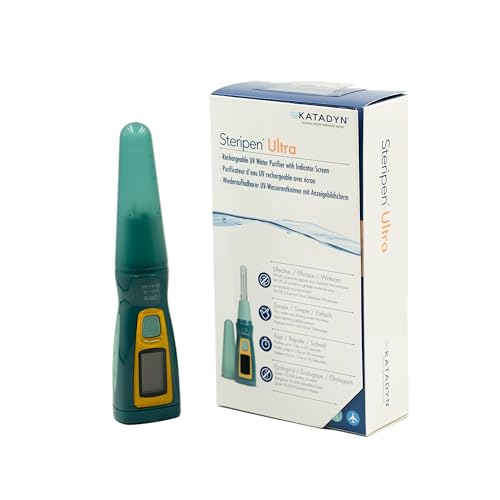
- ✓ Fast, effective purification
- ✓ Compact and lightweight
- ✓ Easy to charge anywhere
- ✕ Slightly pricey
- ✕ Requires agitation for best results
| UV-C Wavelength | 254 nm |
| Battery Capacity | 2200 mAh |
| Water Treatment Capacity | Up to 8,000 uses |
| Treatment Volume | 16 fl. oz. (0.5L) in under 1 minute; 32 fl. oz. (1L) in 90 seconds |
| Power Source | USB rechargeable (solar panel, laptop, car) |
| Water Compatibility | Fits standard water bottles and cups |
Imagine hiking through a remote trail, reaching a pristine-looking stream, only to wonder if the water is truly safe to drink. You flip open the Katadyn Steripen Ultra and realize just how effortless it is to turn questionable water into a safe sip in under two minutes.
Its sleek, compact design slides easily into your pack, and the rubber grips keep it secure even when your hands are a bit damp.
The real surprise? How fast and simple the purification process is.
Just press the button, give the water a gentle agitate, and watch the UV-C light do its thing. In less than 90 seconds, you’ve got a full liter ready to go, saving you precious time and energy in the wild.
Handling it feels natural. It fits perfectly in standard water bottles and cups, and the watertight seals give you confidence that electronics won’t get wet.
Charging via USB is a game changer—whether you’re plugged into a solar panel, a laptop, or your car, you can keep it powered up without fuss.
After about 8,000 uses, it’s still going strong, which makes it a real workhorse for extended trips. The auto shut-off feature is smart, preventing unnecessary battery drain and extending its lifespan.
Honestly, it’s one of those gadgets that just makes outdoor living easier, safer, and more enjoyable.
Waterdrop Gravity Water Filter Straw, Camping Water
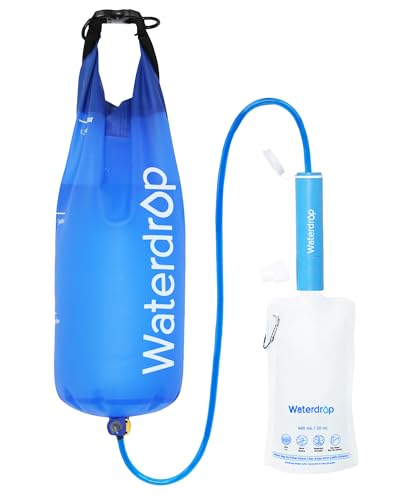
| Filtration Stage | 5-stage filtration with coconut shell activated carbon and 0.1 micron ultrafiltration membrane |
| Water Capacity | Up to 1,400 gallons (5,300 liters) |
| Flow Rate | Maximum of 700 ml/min |
| Compatible Water Containers | Standard water bags or bottles with 27.5mm thread diameter |
| Lifespan | Filters approximately 1,400 gallons (5,300 liters) |
| Backwash Function | Recyclable straw with backwash purifier for maintenance |
The Waterdrop Gravity Water Filter Straw is a compact yet powerful tool for outdoor hydration, and it immediately impressed me with its 5-stage efficient filtration system. The combination of coconut shell activated carbon and a 0.1 um ultrafiltration membrane ensures that water from streams or lakes tastes much cleaner and free of harmful substances. The Waterdrop Gravity Water Filter Straw, Camping Water is a standout choice in its category.
During my testing, I appreciated how easy it was to connect the straw to the 1.5-gallon gravity-fed water bag, which held enough water for an entire day of hiking. The maximum flow rate of 700 ml/min meant I could quickly get refreshing, safe water without long waits, even during intense activity. When comparing different best water treatment for backpacking options, this model stands out for its quality.
What truly sets the Waterdrop Water Filter Straw apart is its backwash purifier function; I simply removed the mouthpiece and flushed it with clean water when flow slowed down, extending the filter’s lifespan up to 1,400 gallons. This versatile design makes it a reliable choice for both outdoor adventures and emergency preparedness, offering peace of mind wherever you go.
SteriPen Adventurer Opti UV Water Purifier

- ✓ Fast, 90-second purification
- ✓ Lightweight and compact
- ✓ Built-in LED flashlight
- ✕ Requires batteries
- ✕ Limited to clear water only
| Water Treatment Method | UV-C light sterilization |
| Treatment Capacity | 8,000 treatments per UV lamp |
| Water Treatment Effectiveness | Destroys 99.9% of protozoa, bacteria, and viruses |
| Battery Type and Life | Two disposable CR123 batteries, treat approximately 60 liters of water |
| Purification Time | 1 liter of water in 90 seconds |
| Device Weight | 3.8 ounces (including batteries) |
Walking along a mountain stream with my backpack loaded for a multi-day trek, I noticed the SteriPen Adventurer Opti tucked neatly into my gear. As I paused to refill my water bottle, I remembered how quickly and effectively this device can turn murky water into safe, drinkable water.
I simply submerged the wide-mouth opening, stirred gently, and pressed the button. Within 90 seconds, the indicator flashed, confirming the water was purified.
What really impressed me is how effortless it is to use. There’s no fussing with tablets or chemicals—just press and go.
Its compact, 3.8-ounce design feels almost weightless in my hand, and the neoprene case with a belt loop makes it easy to clip onto my pack. Plus, the built-in flashlight is a handy bonus for late-night campsite trips or finding your way in low light.
The UV-C light kills 99.9% of protozoa, bacteria, and viruses, covering common threats like cholera and dysentery. It’s also reusable, treating up to 8,000 liters with just two CR123 batteries, which treat about 60 liters each.
I appreciated that I didn’t have to worry about wasting tablets or dealing with waste, making it both eco-friendly and economical.
Overall, this device feels reliable and well-built, perfect for backpackers and travelers who want quick, safe water access without adding bulk. The only minor drawback is that it relies on batteries—so carrying spares is a must.
Still, its performance and portability make it a standout choice for outdoor adventures.
What Are the Most Common Methods of Water Treatment for Backpacking?
The most common methods of water treatment for backpacking are:
- Boiling: Boiling water is one of the simplest and most effective methods to kill pathogens such as bacteria, viruses, and protozoa. By bringing your water to a rolling boil for at least one minute (or three minutes at higher altitudes), you can ensure that it is safe to drink.
- Filtration: Water filters are designed to remove bacteria, protozoa, and sediment from water. They typically use a physical barrier, often a membrane with tiny pores, to trap contaminants while allowing clean water to pass through, making them a popular choice for backpackers who need quick access to clean water.
- Chemical Treatment: Using chemical tablets or drops, such as iodine or chlorine dioxide, is an effective method for disinfecting water. These chemicals work by killing pathogens over a set period, and while they are lightweight and easy to carry, they may leave a taste and take longer to treat larger volumes of water.
- Ultraviolet (UV) Light: UV light treatment devices use ultraviolet rays to kill bacteria, viruses, and protozoa in water. This method is quick and effective, but it requires batteries or a power source, and the water must be clear for the UV light to penetrate effectively.
- Gravity Filters: Gravity filters utilize the force of gravity to pull water through a filter, providing a hands-free method of water treatment. This system is efficient for groups as it can filter larger quantities of water at once, but it can be slower than other methods.
- Purification Systems: Some advanced systems combine multiple methods, such as filtration and UV light, for maximum effectiveness. These purification systems are designed to address various contaminants and ensure the highest level of water safety, though they may be bulkier and more expensive than single-method solutions.
How Does a Filtration System Work for Backpackers?
A filtration system for backpackers is essential for ensuring safe drinking water from natural sources. The best water treatment options for backpacking include:
- Mechanical Filters: These devices physically remove contaminants from water through a porous material, typically a filter cartridge.
- Chemical Treatments: These involve using tablets or drops containing chemicals like chlorine or iodine to kill pathogens in the water.
- UV Light Purifiers: These systems use ultraviolet light to destroy bacteria, viruses, and other microorganisms by disrupting their DNA.
- Gravity Filters: These systems rely on gravity to pull water through a filter, making them efficient for filtering larger quantities of water at once.
- Pump Filters: These require manual pumping action to force water through the filter, allowing for quick filtration directly into a hydration reservoir or container.
Mechanical Filters: Mechanical filters are designed to trap particles and pathogens in the water as it passes through the filter media, such as hollow fiber membranes. They can effectively remove sediment, bacteria, and protozoa, providing clear and safe drinking water. However, they may not eliminate viruses, so additional treatment may be necessary in areas where viral contamination is a concern.
Chemical Treatments: Chemical treatments are a straightforward way to disinfect water by adding a specific dosage of treatment tablets or drops. They work by releasing chlorine or iodine into the water, which kills harmful microorganisms. While these treatments are effective, they usually require a waiting period to ensure all pathogens are neutralized, and the taste may be less appealing to some backpackers.
UV Light Purifiers: UV light purifiers are compact, battery-operated devices that emit ultraviolet light to eliminate microorganisms in water. They are highly effective against bacteria and viruses and do not require any waiting time for water to be treated. However, they rely on batteries or a power source and cannot remove sediments or chemicals, so pre-filtration may be necessary.
Gravity Filters: Gravity filters are ideal for backpackers who need to filter larger amounts of water with minimal effort. They consist of a reservoir bag that holds the dirty water, which then passes through a filter due to gravity into a clean container below. This method is efficient for group camping situations, but it may take some time for the water to filter completely, depending on the filter’s speed.
Pump Filters: Pump filters allow backpackers to manually pump water through a filter directly into a water bottle or hydration pack. This method provides quick access to filtered water and is often capable of filtering out bacteria and protozoa effectively. However, it requires physical effort and can be tiring during long trips if large quantities of water need to be treated.
What Are the Pros and Cons of Using Chemical Treatments?
| Aspect | Pros | Cons |
|---|---|---|
| Effectiveness | Highly effective in killing bacteria and viruses. | May not remove chemical contaminants or sediments. |
| Speed | Quick treatment time, often ready in minutes. | Some treatments require waiting time for effectiveness. |
| Taste | Can improve taste in some cases. | May leave an unpleasant chemical taste. |
| Weight | Lightweight and easy to carry on trips. | Requires additional equipment for application. |
| Environmental Impact | Generally safe for the environment when used properly. | Some chemicals can be harmful to aquatic life if disposed of improperly. |
| Cost-Effectiveness | Often less expensive than filtering systems. | Costs can add up with frequent use. |
| Examples | Common options include iodine tablets, chlorine dioxide drops, and UV light devices. | Some may not be suitable for all water sources or conditions. |
When Should You Consider Boiling Water for Safe Consumption?
Boiling water is a reliable method for ensuring safe consumption while backpacking, particularly in certain situations:
- When Water Source is Unknown: If you are unsure about the safety of the water source, such as streams, lakes, or ponds, boiling is a prudent measure to eliminate pathogens.
- During Outbreaks of Waterborne Illness: If there is a reported outbreak of waterborne diseases in the area, boiling water can help to kill harmful microorganisms that may contaminate the water.
- At Higher Elevations: Boiling water at higher altitudes requires longer boiling times due to lower atmospheric pressure, but it is crucial for inactivating bacteria and viruses that could be present.
- For Turbid Water: If the water is cloudy or contains sediment, boiling can help to kill pathogens, although it is advisable to filter the water first to improve clarity.
- When Using Natural Water Sources: Natural sources can be contaminated with animal waste, chemicals, or pollutants; boiling is an effective way to ensure it is safe for drinking.
Boiling water is one of the simplest and most effective methods to purify water, as it kills bacteria, viruses, and parasites without the need for chemical treatments.
It is important to bring the water to a rolling boil for at least one minute (or three minutes at elevations above 6,500 feet) to ensure maximum safety.
What Factors Should You Consider When Selecting a Water Treatment Method?
When selecting a water treatment method for backpacking, several important factors should be considered to ensure safety and convenience.
- Effectiveness against pathogens: It’s crucial to choose a method that effectively eliminates or inactivates harmful microorganisms such as bacteria, viruses, and protozoa. Methods like UV light, chemical treatments, and filtration are proven to be effective against a wide range of pathogens, making them suitable for various water sources.
- Weight and portability: Since backpacking involves carrying your gear, the weight and size of the water treatment solution are significant factors. Lightweight options like portable filters or chemical tablets are preferred as they minimize the burden while providing adequate treatment.
- Ease of use: The simplicity of the water treatment method is important, especially in outdoor settings where convenience is key. Methods that require minimal setup or can be used directly from a water source, such as squeeze filters or drop-in tablets, are ideal for quick and efficient water purification.
- Time required for treatment: Some methods take longer than others to effectively treat water, which can be a consideration when on the go. Chemical treatments may require waiting for a certain period before the water is safe to drink, while filtration systems typically provide immediate access to clean water.
- Cost and availability: The price of the water treatment method and the availability of consumables (like replacement filters or chemical tablets) can influence the decision. Budget-friendly options that are easy to find in outdoor stores or online can provide peace of mind without breaking the bank.
- Water source characteristics: Understanding the specific water sources you will encounter on your backpacking trip is essential. Some methods work better with clear water, while others can handle murky or sediment-laden sources; hence, knowing the conditions can help in selecting the right treatment method.
- Environmental impact: Consideration of the environmental effects of the water treatment method is increasingly important for responsible backpacking. Choosing methods that have a minimal impact, such as those that don’t leave chemical residues or waste, supports sustainable outdoor practices.
How Do Weight and Size Influence Your Choice of Water Treatment?
- Portable Filters: These are lightweight and compact, making them ideal for backpacking. They typically use a pump or gravity system to filter out bacteria and protozoa, providing safe drinking water without the need for chemicals.
- Chemical Treatments: These options, such as iodine tablets or chlorine dioxide, are extremely lightweight and require minimal space in your pack. They effectively kill pathogens but may have a longer wait time for the water to be safe to drink, which can be a disadvantage when time is of the essence.
- UV Light Purifiers: These devices are also lightweight and small, using ultraviolet light to eliminate bacteria, viruses, and protozoa from water. They require batteries and are generally quick to use, but they may not be effective if the water is murky, as this can hinder the UV light’s effectiveness.
- Gravity Filters: These systems are typically bulkier and require a bit more setup, but they can filter large quantities of water at once without much effort. They utilize gravity to pull water through a filter, making them suitable for groups, but they may not be ideal for solo backpackers due to their size and weight.
- Inline Filters: Designed to be attached directly to hydration systems, these filters are compact and convenient for backpackers who prefer a hands-free approach. They provide continuous access to clean water while hiking but can add some weight to your gear depending on the brand and model.
What Types of Contaminants Should Guide Your Decision?
When considering the best water treatment for backpacking, it’s essential to recognize the types of contaminants that may be present in natural water sources:
- Bacteria: These are single-celled organisms that can cause various illnesses, including gastrointestinal issues. Common sources include fecal contamination from animals or humans, and effective treatment methods include filtration or chemical disinfection.
- Viruses: Much smaller than bacteria, viruses can lead to serious health problems, but they are less common in backcountry water sources. They often require specific treatment methods, such as UV light or chemical disinfectants, as traditional filters may not be effective against them.
- Protozoa: These are microscopic organisms that can cause diseases such as giardiasis. They are resistant to chlorine, making filtration systems with a pore size of 1 micron or smaller essential for removal, as well as boiling water for at least one minute.
- Chemicals: Chemical contaminants can include pesticides, heavy metals, and other pollutants that may be present due to agricultural runoff or industrial activity. Specialized filters or advanced treatments, such as activated carbon, are often required to reduce these harmful substances.
- Suspended solids: These include dirt, silt, and organic matter that can cloud water and harbor pathogens. Physical filtration is usually effective in removing these particles, providing clearer and safer drinking water.
What Are the Top-Rated Water Treatment Products for Backpacking?
The top-rated water treatment products for backpacking include a variety of filtration and purification systems, each suited for different needs and preferences.
- Katadyn BeFree Water Filtration System: This lightweight and compact filter allows for quick filtration of water from various sources.
- Sawyer Squeeze Water Filter System: Known for its versatility, this filter can be used directly from a water source or with a hydration pack.
- MSR Guardian Purifier: This advanced purifier is designed to remove viruses, bacteria, and protozoa, making it ideal for international travel.
- LifeStraw Personal Water Filter: A simple and effective solution, the LifeStraw enables users to drink directly from lakes and streams.
- HydroBlu UV Water Purifier: This portable UV purifier is perfect for those who prefer a chemical-free method to disinfect water.
The Katadyn BeFree Water Filtration System features a 0.1-micron hollow fiber filter that efficiently removes bacteria and protozoa, and its collapsible design makes it easy to pack. Users can fill the soft flask with water from a stream and then simply squeeze it to drink, ensuring a quick and hassle-free hydration experience.
The Sawyer Squeeze Water Filter System is highly regarded for its adaptability; it filters water at a rate of up to 2 liters per minute. Its lightweight design allows for easy transport, and it can be used with various containers, making it a favorite among backpackers who want flexibility on the trail.
The MSR Guardian Purifier is a robust option that utilizes a unique technology to provide clean drinking water by removing all harmful pathogens. Its self-cleaning feature ensures consistent performance and longevity, making it a reliable choice for long trips or unfamiliar environments.
LifeStraw Personal Water Filter has gained popularity for its simplicity and effectiveness, allowing users to drink directly from water sources. With a lifespan of up to 1,000 liters, it is an economical and compact option, ideal for day hikes and emergency situations.
The HydroBlu UV Water Purifier uses ultraviolet light to kill bacteria, viruses, and protozoa, ensuring safe drinking water without the use of chemicals. Its lightweight design and quick action make it an appealing choice for backpackers who prioritize speed and convenience in their water purification process.
Which Filtration Systems Are Most Effective for Backpackers?
The most effective water treatment options for backpackers include:
- Water Filters: Water filters are a popular choice for backpackers due to their efficiency and ease of use.
- Purification Tablets: Purification tablets are compact and lightweight, making them a convenient option for treating water.
- UV Light Purifiers: UV light purifiers utilize ultraviolet light to kill pathogens, providing quick and effective water treatment.
- Boiling Water: Boiling is a traditional method that effectively eliminates harmful microorganisms from water.
- Gravity Filters: Gravity filters are ideal for groups, as they allow for passive filtration without the need for pumping.
Water Filters: These devices typically use a physical barrier, such as a ceramic or hollow fiber membrane, to remove bacteria, protozoa, and sediment from water. They are generally quick to set up and can filter large quantities of water, making them suitable for longer trips.
Purification Tablets: These tablets usually contain chemicals like chlorine dioxide or iodine, which effectively kill bacteria and viruses in water. They are lightweight and take up minimal space, but backpackers should be aware of the necessary wait time for the tablets to work before drinking.
UV Light Purifiers: By using ultraviolet light to disrupt the DNA of pathogens, these devices can purify water in a matter of minutes. They are compact and require minimal maintenance, but they need batteries or a power source to operate, which can be a consideration for remote trips.
Boiling Water: Boiling water for at least one minute can effectively kill bacteria and viruses, making it a reliable method of purification. It requires a heat source, which may not be practical for every backpacking scenario, but it’s a universally accessible method.
Gravity Filters: These systems allow water to flow through a filter using gravity, making them user-friendly and efficient for larger groups. They can be set up in a campsite and can filter multiple liters of water with minimal effort, though they may be heavier than other options.
What Are the Most Reliable Chemical Purifiers Available?
The most reliable chemical purifiers for backpacking are:
- Chlorine Dioxide Tablets: These tablets are effective against bacteria, viruses, and protozoa, making them a popular choice among backpackers.
- Iodine Tablets: Iodine is a well-known disinfectant that can kill a wide range of pathogens, although it may not be as effective against certain protozoa.
- Bleach (Sodium Hypochlorite): Household bleach can be used in small, controlled amounts to purify water, but it requires careful measurement and waiting time.
- Hydrogen Peroxide: This chemical can disinfect water effectively, but it typically requires a higher concentration and may not be as commonly used in the field.
Chlorine Dioxide Tablets: These tablets release chlorine dioxide when dissolved in water, which effectively kills bacteria, viruses, and protozoa such as Giardia and Cryptosporidium. They are favored for their ability to purify water without leaving a strong aftertaste, and they typically require a wait time of 30 minutes to 4 hours for complete disinfection, depending on water clarity and temperature.
Iodine Tablets: Iodine tablets are a classic water purification method, often used for their quick action against a variety of pathogens. While they work effectively against bacteria and viruses, they may have limited effectiveness against certain protozoa, and prolonged use can lead to health concerns such as thyroid problems. Additionally, iodine can impart a taste to the water, which some users find unpalatable.
Bleach (Sodium Hypochlorite): Household bleach can be a cost-effective option for purifying water, but it must be used with caution. A few drops of unscented bleach are usually sufficient for a quart of water, and the water should be allowed to sit for at least 30 minutes before consumption. However, it’s crucial to ensure the bleach is unscented and to follow guidelines carefully, as too much bleach can be harmful.
Hydrogen Peroxide: Hydrogen peroxide can be effective in killing bacteria and viruses, often requiring a concentration of around 3% for water treatment. It breaks down into water and oxygen, leaving no harmful residues, but it is less commonly used due to the need for precise concentrations and longer contact times. Additionally, its availability in the field may be limited compared to other purification options.
How Can You Safely Collect Water While Backpacking?
When backpacking, it’s essential to ensure that the water you collect is safe to drink, and there are several effective methods for treating it.
- Water Filters: Water filters effectively remove bacteria, protozoa, and sediment from water, providing a quick and reliable method for purification.
- Water Purification Tablets: These tablets use chemicals, such as chlorine dioxide, to kill harmful microorganisms in water, making them a lightweight and convenient option for backpackers.
- UV Light Purifiers: UV light purifiers work by exposing water to ultraviolet light, which disrupts the DNA of pathogens, rendering them harmless.
- Boiling Water: Boiling is one of the oldest and most effective methods for water treatment, as it kills most pathogens within minutes, making it a foolproof option in the backcountry.
- Gravity Filters: Gravity filters allow water to pass through a filter by gravity, which can be useful when you need to treat larger quantities of water without manual pumping.
Water Filters: These devices usually consist of a hollow fiber membrane that physically blocks contaminants while allowing water to flow through. They can vary in size and weight, making them suitable for different backpacking scenarios. Many filters also come with pre-filters and hoses to streamline the collection process from lakes or streams.
Water Purification Tablets: Typically sold in small, portable containers, these tablets are a great option for backpackers seeking an ultra-lightweight solution. They require a waiting period—usually around 30 minutes—before the water is safe to drink. However, they can leave a slight taste in the water, which some may find unappealing.
UV Light Purifiers: These compact devices are powered either by batteries or rechargeable sources and work by emitting UV rays that eliminate harmful microorganisms. They are effective against bacteria, viruses, and protozoa, and can purify a liter of water in about a minute. However, they do require clear water, as turbidity can hinder effectiveness.
Boiling Water: Simply bringing water to a rolling boil for one minute (or three minutes at higher altitudes) is sufficient to kill pathogens. This method is universally reliable, but it does require a heat source, which means fuel and cooking equipment must be carried along. Additionally, it can be time-consuming compared to other methods.
Gravity Filters: These systems utilize gravity to draw water through a filter, allowing for hands-free operation while you are engaged in other tasks. They can process large volumes of water quickly, making them ideal for groups or extended trips. However, they can be bulkier compared to traditional pump filters, so consider your space and weight constraints when packing.
What Locations Are Ideal for Sourcing Water on a Hike?
When hiking, it’s essential to identify the best locations for sourcing water to ensure a safe and enjoyable experience.
- Streams: Streams often provide a continuous flow of fresh water, which is typically cleaner than stagnant sources.
- Lakes: Lakes can be excellent water sources, but it’s essential to filter or treat the water due to potential contamination from wildlife.
- Springs: Springs offer natural, filtered water that is usually safe to drink, making them one of the best options for hikers.
- Rainwater: Collecting rainwater can be a sustainable option, especially in wet conditions, but requires a clean collection method to ensure safety.
- Snow and Ice: Melting snow or ice can provide water in colder climates, but it should be treated to eliminate pathogens and impurities.
Streams are often easy to locate along trails and provide a reliable source of water. However, it is crucial to avoid areas near potential contaminants, such as roads or campsites, to reduce the risk of pollution.
Lakes can vary in water quality, and while they may hold a substantial amount of water, treatment is necessary to eliminate bacteria and protozoa. Choosing a lake that is fed by a stream can enhance water quality, as moving water is generally cleaner.
Springs are particularly advantageous because they tend to be located in higher elevations and are less likely to be contaminated. The water emerges from the ground, often filtered through layers of soil and rock, making it a safer drinking option.
Collecting rainwater is an eco-friendly approach, especially if you have appropriate gear to catch and store it. This method depends on weather conditions, so it’s wise to have backup water treatment solutions in case of dry spells.
In snowy environments, snow and ice can be a viable source of water. However, melting snow can lead to a lower volume of water, and it is essential to ensure that the melted snow is treated, as it may not be as pure as expected.
How Can You Assess Water Quality in the Field?
Assessing water quality in the field is crucial for ensuring safe drinking water, especially during backpacking trips. The following methods can be used:
- Visual Inspection: Observing water clarity, color, and any floating debris can give initial insights into its quality.
- Smell Test: A quick sniff can help detect harmful substances; any unusual odors might indicate contamination.
- Field Test Kits: Using portable water testing kits allows for measuring pH, turbidity, and the presence of bacteria or other contaminants.
- Digital Water Quality Meters: These devices can provide precise readings of various parameters, such as dissolved oxygen and conductivity.
- Local Knowledge: Consulting local guides or resources can provide information on water sources that are known to be safe or contaminated.
Visual Inspection: This method involves checking the water for clarity and color. Clear, flowing water is generally preferable, while murky or discolored water may indicate the presence of sediments, algae, or pollutants that could compromise safety.
Smell Test: Smelling the water can reveal hidden dangers; for instance, a strong chemical or rotten egg smell could suggest contamination from industrial runoff or sulfur. If the water has an unpleasant odor, it is best to avoid consuming it.
Field Test Kits: These kits often come with simple tools to test for bacteria, chlorine, pH, and other contaminants. They are user-friendly and provide quick results, making them ideal for backpackers needing immediate assessments.
Digital Water Quality Meters: These advanced tools can measure multiple water quality indicators with high accuracy. While they may be more expensive, they offer detailed insights that can help in making informed decisions about water safety.
Local Knowledge: Engaging with locals or researching online can enhance understanding of which water sources are reliable. This knowledge is especially valuable in remote areas where water quality can vary significantly over short distances.
Related Post: