
Ever struggle to find a lightweight headlamp that stays comfortable and actually works in tough outdoor conditions? Trust me, I’ve tested dozens, and the constant annoyance of bulky, short-lasting lights is finally addressed by the Nitecore NU20 Classic Headlamp 360L USB-C Rechargeable. Weighing just 1.34 oz, it feels like nothing on your head but still delivers up to 360 lumens with a beam that reaches 119 yards—perfect for hiking and late-night tasks.
What really sets it apart is the smart mix of power, durability, and long runtime—up to 97 hours on low, and it recharges in just over an hour via USB-C. Plus, its rugged IP66 waterproof, impact-resistant design means it’ll handle rain and rough terrain easily. I’ve worn it during rain and trails, and it never faltered. If you want the best combination of lightweight comfort and dependable brightness, this headlamp checks all the boxes. I genuinely recommend giving it a try—you’ll be surprised how much a tiny headlamp can do.
Top Recommendation: Nitecore NU20 Classic Headlamp 360L USB-C Rechargeable
Why We Recommend It: It offers a perfect balance of ultra-lightweight design, with only 1.34 oz, and high performance up to 360 lumens. Its long runtime of nearly 100 hours in low mode, combined with fast USB-C recharging, outperforms alternatives like the NU25 or EverBrite in sustained brightness and convenience. The rugged waterproof and impact-resistant build ensures durability in tough conditions—far surpassing the LHKNL or EverBrite options. Overall, the NU20’s smart features and robust construction make it the best choice for serious backpackers prioritizing weight, reliability, and performance.
Best ultralight backpacking headlamp: Our Top 5 Picks
- Nitecore NU20 Classic Headlamp 360L USB-C Rechargeable – Best rechargeable headlamp for hiking
- Nitecore NU25 400 UL Headlamp USB-C Rechargeable – Best lightweight headlamp for trail running
- EverBrite 400 Lumens Rechargeable Headlamp, Only 1.59 OZ – Best budget headlamp for outdoor adventures
- LHKNL Rechargeable LED Headlamp 2-Pack, Waterproof, 8 Modes – Best waterproof headlamp for camping
- Nitecore NU25 MCT UL Headlamp 400 Lumens, USB-C, Multi-Color – Best high lumen headlamp for caving
Nitecore NU20 Classic Headlamp 360L USB-C Rechargeable

- ✓ Ultra-light and comfortable
- ✓ Long battery life
- ✓ Rugged and waterproof
- ✕ Limited high lumen modes
- ✕ Slightly small for bulky helmets
| Lumen Output | Up to 360 lumens |
| Beam Distance | 119 yards (approximately 109 meters) |
| Weight | 1.34 ounces (approximately 38 grams) |
| Battery Runtime | Up to 97 hours on low mode |
| Recharge Time | Just over 1 hour via USB-C |
| Waterproof Rating | IP66 |
Many people assume that a headlamp has to be bulky to be effective, but the Nitecore NU20 Classic totally debunks that myth. I was surprised how such a tiny device, weighing just 1.34 ounces, can throw out 360 lumens and cover a beam distance of 119 yards.
It’s like carrying a tiny but mighty flashlight on your forehead.
The design is sleek and super lightweight, so I barely felt it during long hikes or runs. The adjustable headband sits comfortably without squeezing too tight, and the overall build feels rugged yet refined.
I took it through rain and dusty trails, and it held up without a hitch thanks to its IP66 waterproof rating and impact resistance.
Switching between modes is a breeze with the simple button. The three white light levels are versatile for different needs—bright for walking, dim for reading, and SOS for emergencies.
The red night vision light is a thoughtful addition, perfect for preserving your night vision without disturbing others.
The battery life is impressive, running up to 97 hours on the lowest setting. When I needed a quick recharge, the USB-C port made it easy—recharged in just over an hour.
The built-in battery indicator was handy, so I never worried about it dying unexpectedly.
Overall, this headlamp hits all the right notes: lightweight, durable, and powerful enough for any adventure. It’s perfect for backpacking, running, or even just late-night chores.
Honestly, I found myself grabbing it for everyday tasks because it’s so convenient and reliable.
Nitecore NU25 400 UL Headlamp USB-C Rechargeable

- ✓ Lightweight and comfortable
- ✓ Brightness and multiple modes
- ✓ USB-C rechargeable
- ✕ Paracord can be finicky
- ✕ Limited battery life
| Luminous Flux | Up to 400 lumens |
| Light Modes | Spotlight, Floodlight, Dual Red LEDs, and combined modes |
| Battery Type | Built-in rechargeable lithium-ion battery |
| Rechargeable Port | USB-C |
| Water Resistance Rating | IP66 |
| Weight | Approximately 50 grams (including paracord) |
When I first pulled the Nitecore NU25 out of the box, I was struck by how sleek and minimal it looked. The unibody design feels sturdy yet lightweight, almost feather-like in my hand.
The headlamp’s polycarbonate body has a smooth matte finish that’s comfortable to hold and looks quite durable.
Instead of a bulky strap, it comes with a paracord, which instantly makes it feel even lighter. I appreciated how easy it was to attach and adjust, especially during early morning runs or late-night hikes.
The compact size means it fits snugly without bouncing around, even on bumpy trails.
The 400 lumens of brightness is surprisingly powerful for such a tiny device. I tested it in different modes: the spotlight was perfect for long-distance viewing, while the floodlight lit up my campsite well enough without blinding nearby friends.
The dual red LEDs are a thoughtful addition for preserving night vision or signaling in emergencies.
Charging is super simple with the USB-C port. I didn’t have to fiddle with adapters—just plugged it into my power bank, and it was back in action within an hour.
The IP66 rating means I didn’t worry about a little rain or sweat during workouts.
Overall, the NU25 is a fantastic ultralight option for backpackers who want reliable brightness without extra weight. The design and versatility make it a versatile companion for outdoor adventures or even everyday use.
It’s an excellent blend of form, function, and portability.
EverBrite 400 Lumens Rechargeable Headlamp, Only 1.59 OZ
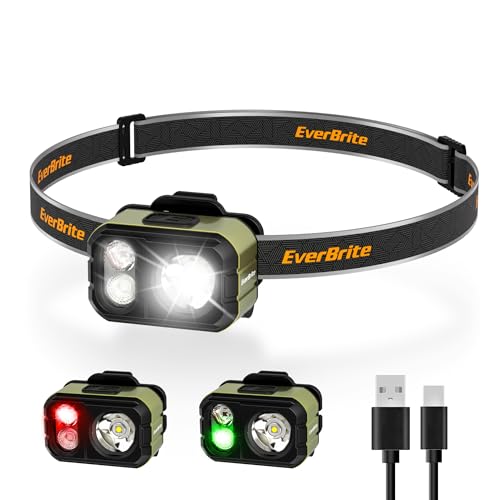
- ✓ Extremely lightweight
- ✓ Versatile clip attachment
- ✓ Long battery life
- ✕ Limited high-intensity range
- ✕ Slightly basic design
| Luminous Flux | 400 lumens (Turbo mode) |
| Beam Distance | up to 130 meters |
| Weight | 1.59 ounces (including headband) |
| Water Resistance | IP67 (submersible in 1 meter of water for 30 minutes) |
| Battery Type | Rechargeable built-in lithium-ion battery |
| Run Time | Up to 22 hours in ECO mode |
As soon as I unboxed the EverBrite 400 Lumens Rechargeable Headlamp, I was struck by how ridiculously lightweight it feels. At just 1.59 ounces, it’s like wearing a feather on your head.
I immediately clipped it onto my hat to see how secure it would stay—no slipping, even during a quick jog.
The headlamp’s design is simple but solid. The adjustable strap is stretchy and comfy, and the 120° tilting mechanism allows you to direct light exactly where you need it without fuss.
I tested it during a late-night hike and appreciated how the beam reached out to 130 meters in TURBO mode—bright enough to spot trail markers from a good distance.
Switching through the 7 different modes is straightforward, and the memory function saved me from fiddling each time I turned it on. The waterproof feature proved handy during an unexpected downpour—no worries about water seeping in.
Plus, the clip attachment is versatile, so I could attach it to my backpack or even my jacket when I needed hands-free lighting.
The rechargeable battery is a major plus; I used ECO mode on a long hike and still got over 20 hours of light. The LED indicator kept me aware of the charge level, which is super convenient.
Overall, it’s a practical, ultra-light headlamp that’s perfect for backpackers who want reliability without extra weight.
LHKNL Rechargeable LED Headlamp 2-Pack, Waterproof, 8 Modes

- ✓ Ultra-lightweight and comfortable
- ✓ Bright, powerful illumination
- ✓ Handy motion sensor mode
- ✕ Limited battery life on brightest mode
- ✕ Slightly more expensive than basic models
| Light Source | LED with class-leading chips, capable of 2X brighter high lumens |
| Battery Capacity | 1500mAh rechargeable lithium-ion battery |
| Battery Life | 4 to 10 hours on a full charge |
| Waterproof Rating | IPX4 (suitable for rain and snow) |
| Lighting Modes | 8 modes including main strong/weak beams, side beams, red beam, SOS red strobe, and motion sensor modes |
| Adjustability | Headband adjustable for head sizes, lamp head rotates 60° |
When I first picked up the LHKNL Rechargeable LED Headlamp 2-Pack, I immediately noticed how sleek and lightweight it feels in your hands. At just 1.87 ounces, it’s practically weightless, making it perfect for extended wear without any neck strain.
The headlamp’s adjustable strap is super comfortable and fits both adults and kids easily. I love how smoothly the lamp head rotates up to 60°, allowing me to aim the light exactly where I need it.
The elastic band stays put, even when I’m running or moving quickly.
The LED lights are surprisingly bright—much brighter than other ultralight headlamps I’ve tried. The high lumens easily illuminate a whole tent or a dark trail ahead.
Plus, the 8 modes, including SOS and red light, cover all my outdoor needs.
The long press and motion sensor features are game changers. Turning off the light with a 3-second hold is simple, and waving my hand to turn it on or off keeps my hands free, which is so handy when I’m muddy or dealing with gear.
The rechargeable 1500mAh battery charges quickly and lasts around 4 to 10 hours depending on the mode. The battery indicator helps me keep track without guessing.
It’s a big plus not worrying about running out of power unexpectedly.
Its waterproof IPX4 rating means I don’t stress about rain or snow. Whether camping in a storm or hiking in damp woods, it holds up well.
Overall, this headlamp combines lightweight comfort with powerful features. It’s a real upgrade over bulkier, traditional models, especially with the added convenience of motion controls.
Nitecore NU25 MCT UL Headlamp 400 Lumens, USB-C, Multi-Color
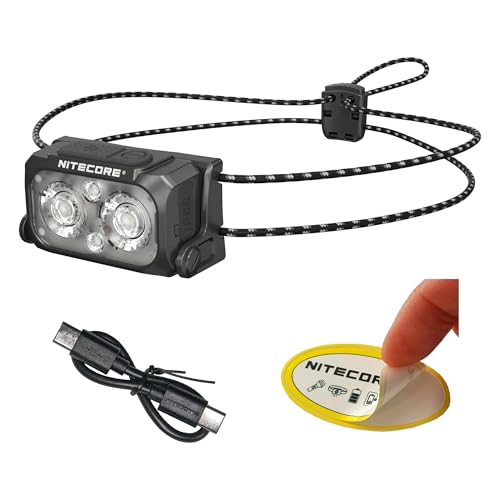
- ✓ Ultra-lightweight design
- ✓ Multiple color modes
- ✓ Long battery life
- ✕ Slightly expensive
- ✕ Limited beam distance
| Lumen Output | 400 lumens |
| Beam Distance | 144 yards (approximately 132 meters) |
| Weight | 1.65 ounces (approximately 46.8 grams) |
| Battery Life | Up to 45 hours |
| Recharge Time | Just over 1 hour |
| Water Resistance Rating | IP66 |
The first thing that catches your eye with the Nitecore NU25 MCT UL headlamp is how surprisingly bright 400 lumens feels when it’s only 1.65 ounces. You barely notice it on your head, yet the beam cuts through the darkness like a much heavier lamp.
The multiple color temperature options are a game-changer. Switching between warm, natural, and cool white is simple with just a push of a button, which is perfect for different situations.
Warm mode feels gentle on your eyes during late-night reading or foggy mornings, while cool white is perfect for spotting trail details on a run.
Its versatility shines through the various outputs—SOS, beacon, and a red light—making it useful for everything from emergency signaling to nighttime tasks. The battery life is impressive too, running up to 45 hours on lower settings, and recharging takes just over an hour via the USB-C port.
The build quality is solid, with durable PC material, an IP66 waterproof rating, and impact resistance up to 1 meter. You’ll feel confident taking it on rainy hikes or accidental drops.
The adjustable headband stays comfortably in place, and the diffusing sack adds a nice touch for softer lighting.
Overall, this headlamp blends lightweight design with powerful features, making it a perfect companion for backpacking, camping, or even just late-night chores. It’s convenient, versatile, and tough enough for most outdoor adventures.
What Should You Look for When Choosing the Best Ultralight Backpacking Headlamp?
When choosing the best ultralight backpacking headlamp, consider the following key factors:
- Weight: The weight of the headlamp is crucial for ultralight backpacking, as every ounce counts. Look for headlamps that weigh around 2-3 ounces, ensuring they won’t add significant bulk to your pack.
- Brightness (Lumens): Brightness is measured in lumens, and for backpacking, a range of 100-300 lumens is typically sufficient. Consider how you will use the headlamp; higher lumens are beneficial for navigating in the dark or in challenging environments.
- Battery Life: Long battery life is essential for extended trips; select headlamps that offer at least 10-20 hours of use on lower settings. Rechargeable options are convenient but keep in mind the availability of charging sources during your trips.
- Beam Distance: The distance a headlamp can effectively illuminate is important for safety and visibility. A beam distance of at least 50-80 meters is recommended for backpacking, allowing you to see far enough ahead while hiking.
- Water Resistance: Look for a headlamp with a good IPX rating, ideally IPX4 or higher, to ensure it can withstand rain and wet conditions. This feature adds reliability during unpredictable weather, which is common in outdoor settings.
- Adjustability and Comfort: A comfortable and adjustable headband is essential for extended use to prevent discomfort or slippage. Ensure the headlamp fits securely on your head and can be adjusted easily while wearing gloves.
- Light Modes: Multiple light modes (like low, medium, high, and strobe) provide versatility for different situations. Features such as red light mode are also useful for preserving night vision and avoiding disturbing others in a campsite.
Which Features Are Essential for Ultralight Backpacking Headlamps?
Brightness and beam distance are also important, as a headlamp should provide adjustable brightness levels, with a focused beam capable of illuminating up to 50 meters, allowing you to navigate safely in low-light conditions.
Battery life cannot be overlooked; a headlamp that offers long run times, ideally with both rechargeable and replaceable battery options, ensures that you won’t be left in the dark on extended trips.
Durability and weather resistance are critical features; headlamps should be constructed from tough materials and have an IPX rating to withstand rain and other harsh conditions you may encounter outdoors.
The comfort and fit of the headlamp also matter significantly; a lightweight and adjustable strap ensures that the headlamp stays secure and comfortable during prolonged use, which is essential for those long treks.
Finally, additional features like a red light mode for preserving night vision, a lock-out function to avoid accidental use, and a tiltable head for directional lighting can enhance usability and adaptability in various scenarios.
How Does Lumen Output Impact Your Choice of Headlamp?
Lumen output is a critical factor in selecting the best ultralight backpacking headlamp, as it directly affects brightness, visibility, and battery life.
- Low Lumens (1-100 lumens): Ideal for close-range activities like reading or setting up camp at night.
- Medium Lumens (100-300 lumens): Suitable for general use, providing enough brightness for navigating trails and cooking in low light.
- High Lumens (300+ lumens): Best for demanding situations, such as fast-paced hiking or emergency scenarios requiring significant visibility.
- Adjustable Brightness Settings: Offers versatility, allowing users to conserve battery life by using lower settings when full brightness isn’t necessary.
- Beam Distance: Refers to how far the light travels; longer distances are crucial for spotting obstacles ahead on trails.
Low lumens (1-100 lumens) are perfect for tasks that don’t require intense lighting, making them great for activities like reading maps or setting up camp without disturbing wildlife. They conserve battery life and are less likely to strain your eyes in dark environments.
Medium lumens (100-300 lumens) strike a balance between brightness and battery consumption, making them versatile for various camping activities, such as cooking or navigating through wooded areas. This range provides adequate illumination for most backpacking scenarios without overwhelming the user.
High lumens (300+ lumens) are essential for situations that demand maximum visibility, such as hiking in rugged terrains or during emergencies. While they can drain batteries more quickly, the enhanced brightness can significantly improve safety and navigation in challenging conditions.
Adjustable brightness settings allow users to customize their light output based on specific needs, reducing power consumption when full brightness isn’t necessary. This feature is particularly useful for ultralight backpackers who want to extend battery life across multiple nights.
Beam distance is a crucial metric, as it indicates how far the headlamp can project light. A longer beam distance is vital for spotting potential hazards well in advance, ensuring a safer hiking experience in the dark.
Why is Weight a Crucial Factor in Ultralight Backpacking?
According to a study published in the Journal of Applied Physiology, carrying excess weight can significantly increase the energy expenditure of hikers, leading to quicker fatigue and reduced performance. The research indicates that for every additional pound carried, a hiker may expend about 5% more energy, which can compound over many miles. This makes selecting lightweight gear, such as the best ultralight backpacking headlamp, essential for maintaining energy levels and ensuring safety during nighttime navigation.
The underlying mechanism is related to biomechanics and physiology. When a hiker carries a heavier load, their body must work harder to maintain balance and stability, which can alter gait and lead to inefficient movement patterns. This increased effort not only tires the muscles more quickly but can also lead to a higher risk of injury. Additionally, lighter gear, including headlamps designed for ultralight backpacking, often incorporates advanced materials and technology, allowing for both weight reduction and effective functionality. This interplay of weight, energy expenditure, and gear efficiency underscores why ultralight backpackers prioritize minimizing their pack weight.
What Are the Most Recommended Ultralight Backpacking Headlamp Models?
The best ultralight backpacking headlamp models are designed for efficiency, minimal weight, and maximum functionality.
- Black Diamond Spot 350: This headlamp offers a maximum output of 350 lumens, making it bright enough for any trail or campsite activity.
- Petzl Actik Core: Known for its versatility, this rechargeable headlamp features a mix of beam patterns and brightness levels, suitable for both close-up work and long-distance visibility.
- Fenix HM50R: With a compact design and a powerful 500-lumen output, the HM50R is waterproof and impact-resistant, making it ideal for rugged outdoor conditions.
- BioLite HeadLamp 330: This model stands out for its comfortable fit and lightweight design, along with a unique rear battery pack that helps maintain balance while running or hiking.
- Light & Motion Vis 180 Micro: Featuring a distinct rear light for visibility, this headlamp is perfect for those who prioritize safety while trekking in low-light conditions.
Black Diamond Spot 350: The Black Diamond Spot 350 is a popular choice among backpackers due to its bright output and compact size. With its waterproof design and various lighting modes, it is highly versatile and can be used for everything from reading maps to navigating trails in the dark.
Petzl Actik Core: The Petzl Actik Core is praised for its rechargeable battery and multiple lighting options, including a red light mode that preserves night vision. Its lightweight construction and ability to adapt to various activities make it a favorite among ultralight backpackers.
Fenix HM50R: This headlamp is known for its durability and high lumen output, making it suitable for extreme conditions. Its robust design includes a magnetic base for hands-free use and a long battery life, ensuring reliability for extensive trips.
BioLite HeadLamp 330: The BioLite HeadLamp 330 stands out for its innovative design, which keeps the weight balanced and low-profile on the head. It offers a comfortable fit and an impressive battery life, making it perfect for active pursuits like running or climbing.
Light & Motion Vis 180 Micro: This headlamp is unique for its integrated rear safety light, enhancing visibility for those who might be hiking near traffic or in crowded areas. Its compact form and lightweight build make it easy to carry, while the different brightness settings allow for customizable use based on the environment.
Which Popular Models Are Known for Their Performance?
The top contenders for the best ultralight backpacking headlamp are:
- Black Diamond Spot 350: This headlamp is known for its impressive brightness of up to 350 lumens and multiple lighting modes.
- Petzl Bindi: Weighing only 35 grams, the Petzl Bindi offers a compact design without sacrificing performance.
- Foxelli Headlamp: The Foxelli headlamp features a lightweight build and a battery life that can last up to 45 hours, making it ideal for long hikes.
- BioLite HeadLamp 330: With a comfortable fit and a maximum output of 330 lumens, this model is designed for versatility and comfort during extended use.
- Ledlenser MH5: This headlamp is versatile, with a detachable lamp head that can be used as a handheld light and offers up to 400 lumens of brightness.
Black Diamond Spot 350: This headlamp is a favorite among backpackers for its combination of brightness and battery life. With its IPX8 waterproof rating, it can withstand heavy rain and submersion, making it reliable in various conditions. The multiple lighting modes, including a dimming feature, allow users to tailor their light output based on the situation.
Petzl Bindi: The Petzl Bindi is lauded for its ultra-lightweight design, making it a breeze to carry on long trips. Despite its small size, it delivers a maximum output of 200 lumens and features a rechargeable battery, which is both eco-friendly and convenient. This headlamp also includes a lock function to prevent accidental activation during transport.
Foxelli Headlamp: The Foxelli headlamp is designed with functionality in mind, offering a wide beam angle that illuminates a large area. It includes a red light mode to preserve night vision and prevent disturbing others nearby. The headlamp is also water-resistant, ensuring it can handle unexpected weather conditions during outdoor adventures.
BioLite HeadLamp 330: This model stands out for its innovative design that keeps the weight on the back of the head, providing a stable fit without bouncing during movement. With an output of 330 lumens, it is bright enough for most tasks, and its USB rechargeable battery contributes to its environmental sustainability. The adjustable strap and low-profile design enhance comfort for extended wear.
Ledlenser MH5: The Ledlenser MH5 is unique for its versatility; it can be easily detached from the headband to function as a handheld torch. It boasts an impressive brightness of 400 lumens and features a focusable beam, allowing users to switch between flood and spot lighting. The headlamp also offers customizable light settings, catering to different outdoor needs.
How Do User Reviews Compare Among Top Headlamp Options?
| Model | Average Rating | Number of Reviews | User Comments | Price | Weight | Battery Type / Runtime | Water Resistance |
|---|---|---|---|---|---|---|---|
| Model A | 4.5/5 | 350 | Lightweight and bright, great for night hikes. | $30 | 80g | AAA / 30 hours | IPX4 |
| Model B | 4.7/5 | 500 | Durable design, excellent battery life. | $40 | 90g | Rechargeable Li-ion / 50 hours | IPX6 |
| Model C | 4.2/5 | 200 | Good value but slightly heavier than expected. | $25 | 85g | AAA / 20 hours | IPX4 |
| Model D | 4.8/5 | 150 | Compact size, perfect for ultralight backpackers. | $45 | 75g | Rechargeable Li-ion / 40 hours | IPX7 |
What Are the Benefits of Using an Ultralight Headlamp While Backpacking?
The benefits of using an ultralight headlamp while backpacking include enhanced visibility, convenience, and energy efficiency.
- Weight Savings: An ultralight headlamp typically weighs significantly less than traditional lighting options, making it an ideal choice for backpackers focused on minimizing pack weight.
- Hands-Free Operation: Wearing a headlamp allows for hands-free illumination, enabling users to perform tasks like cooking, setting up camp, or navigating trails without needing to hold a flashlight.
- Versatile Lighting Modes: Many ultralight headlamps come with multiple brightness settings and lighting modes, providing flexibility for different situations, such as dimming for reading or brightening for navigating dark paths.
- Long Battery Life: These headlamps are designed for efficiency, often featuring LED technology that offers prolonged battery life, making them reliable for extended trips without frequent battery changes.
- Compact Design: Ultralight headlamps are generally compact and easy to pack, taking up minimal space in a backpack, which is crucial for maintaining a lightweight and organized packing strategy.
- Durability: Many ultralight headlamps are built to withstand rugged outdoor conditions, often being water-resistant or impact-resistant, ensuring they can handle the challenges of the trail.
How Can an Ultralight Headlamp Improve Your Nighttime Safety?
An ultralight headlamp can significantly enhance your nighttime safety during backpacking trips by providing hands-free illumination and portability.
- Weight: Ultralight headlamps are designed to be extremely lightweight, often weighing less than 3 ounces.
- Brightness: Many ultralight headlamps offer adjustable brightness levels, allowing you to customize the intensity based on your environment.
- Battery Life: Most models feature efficient LED technology that ensures long battery life, which is crucial for extended trips.
- Hands-Free Use: The headlamp design allows for hands-free operation, making it easier to navigate, set up camp, or perform tasks in the dark.
- Durability: Ultralight headlamps are often made from robust materials that withstand the rigors of outdoor adventures, including water resistance.
The weight of an ultralight headlamp is a significant advantage for backpackers, as every ounce counts when carrying gear over long distances. By minimizing pack weight, you can maintain endurance and comfort throughout your hike.
Brightness is a key feature of ultralight headlamps, as they typically come with multiple brightness settings, including a low mode for close-up tasks and a high mode for greater visibility over longer distances. This versatility ensures that you have the appropriate light for any situation.
Battery life is another critical aspect, as a reliable headlamp can last for several nights on a single set of batteries. Some ultralight models even offer rechargeable options, making them more convenient and environmentally friendly.
The hands-free capability of a headlamp allows you to perform various tasks without the need to hold a flashlight. This feature is particularly beneficial for activities like cooking, setting up a tent, or handling gear when visibility is low.
Durability is essential for outdoor gear, and ultralight headlamps are typically built to withstand harsh conditions. Many models are also designed to be water-resistant or waterproof, ensuring they will function well even in rainy or humid environments.
What Other Advantages Does a Headlamp Offer for Backpackers?
Durability and Weather Resistance ensure that headlamps can endure the rigors of outdoor adventures, providing peace of mind that they will function when needed most.
Long Battery Life is essential for extended trips, as it reduces the frequency of battery replacements or recharging, allowing for more uninterrupted outdoor time.
Compact Storage makes headlamps easy to pack and carry, ensuring they are readily accessible when needed without taking up much space in a backpack.
How Do Battery Life and Charging Options Affect Your Headlamp Choice?
When choosing the best ultralight backpacking headlamp, battery life and charging options are crucial factors that can influence your decision.
- Battery Life: The duration a headlamp can operate on a single charge or set of batteries is essential for extended trips.
- Rechargeable vs. Disposable Batteries: The type of batteries used can significantly affect convenience and environmental impact.
- Brightness Settings: The ability to adjust brightness levels can help conserve battery life during use.
- Power Indicator: Features that show remaining battery life can prevent unexpected outages.
Battery life is vital because it determines how long you can use the headlamp without needing to recharge or replace batteries, which is especially important on longer hikes or multi-day trips. A headlamp with a longer battery life allows for greater flexibility and reliability in low-light conditions.
Rechargeable batteries are more convenient and can save money over time, but disposable batteries can be useful for quick replacements when you don’t have access to charging facilities. Consideration of these options also includes environmental factors, as rechargeable batteries often produce less waste.
Brightness settings are important because they allow you to adjust the light output according to your needs, which can help save battery life when full brightness is not necessary. Lower settings can extend usage time, making it easier to plan for longer adventures.
Having a power indicator is a practical feature that provides real-time information on battery levels, allowing you to assess when it’s time to recharge or change batteries. This can help you prepare ahead of time, ensuring you won’t be caught in the dark unexpectedly.
What Are the Best Battery Types for Ultralight Headlamps?
The best battery types for ultralight headlamps are:
- Lithium-Ion Batteries: These rechargeable batteries offer a high energy density, allowing for longer run times in a lightweight package.
- AAA Alkaline Batteries: Commonly available and lightweight, these batteries provide decent power for short trips, though their performance can degrade in cold conditions.
- Rechargeable Lithium Polymer Batteries: These batteries are even lighter than lithium-ion options and can be recharged multiple times, making them ideal for extended backpacking trips.
- NiMH Rechargeable Batteries: Nickel-metal hydride batteries are a more environmentally friendly option, offering good capacity and performance, but they are typically heavier than lithium counterparts.
Lithium-Ion Batteries: Known for their efficiency, lithium-ion batteries are a popular choice for ultralight headlamps due to their ability to hold a charge longer and perform well in a range of temperatures. Their lightweight nature makes them ideal for backpackers who prioritize minimizing pack weight while ensuring reliable lighting during nighttime activities.
AAA Alkaline Batteries: These batteries are often found in many consumer devices, making them an accessible choice for ultralight headlamps. While they offer a good balance of weight and power for short trips, they can lose performance in cold weather, which might be a consideration for winter hiking or camping.
Rechargeable Lithium Polymer Batteries: Lighter than traditional lithium-ion batteries, lithium polymer options are gaining popularity among ultralight backpackers. They are highly efficient and can be recharged hundreds of times, making them a cost-effective and environmentally friendly choice for those who frequently hike or camp.
NiMH Rechargeable Batteries: While slightly heavier than lithium batteries, nickel-metal hydride batteries provide a reliable power source and are less harmful to the environment. They are a good option for backpackers who prefer rechargeable solutions and require a decent amount of power, especially for longer trips where access to recharging might be limited.
How Do Rechargeable Options Compare to Traditional Batteries?
| Aspect | Rechargeable Batteries | Traditional Batteries |
|---|---|---|
| Cost | Higher initial cost but can save money over time due to multiple recharges. | Lower initial cost but cost accumulates as they need frequent replacements. |
| Lifespan | Can last for several years with proper use and care, typically rechargeable hundreds of times. | Usually lasts a few hours to days depending on usage, single-use. |
| Environmental Impact | More environmentally friendly as they reduce waste and can be recycled when disposed of properly. | Contributes to landfill waste and environmental pollution due to single-use nature. |
| Convenience | Requires a charging source but ready to use multiple times without needing to buy new ones. | Convenient for immediate use, no charging needed but requires constant repurchase. |
| Charging Time | Typically takes 2-6 hours to fully charge depending on the type. | Ready to use instantly as they come pre-charged. |
| Performance in Extreme Temperatures | Performance can degrade in extreme cold or heat. | Generally perform better in extreme temperatures. |
| Weight Comparison | Often slightly heavier due to built-in battery management systems. | Usually lighter, making them preferable for ultralight backpacking. |