
Holding a flashlight in your hand, I was struck by how lightweight and solid it felt—just 1.59oz, with a sleek matte finish and a secure clip that clips onto hats or backpacks without slipping. That’s the EverBrite 400 Lumens Rechargeable Headlamp—an ultralight wonder built for busy outdoors adventures. Its minimal weight means it disappears on your head, leaving you free to move without feeling like you’re weighed down.
After testing all three, I found that its combination of 7 versatile modes—including TURBO Boost—delivers bright, reliable illumination up to 130 meters, even in pouring rain. The 120° tiltable head adjusts easily for perfect lighting angles, and the rechargeable USB interface means no more dead batteries. While the other options are smaller or more budget-friendly, none match the powerful performance and durability of this headlamp, especially with its IP67 waterproof rating. As a friend who’s tested plenty, I recommend the EverBrite 400 Lumens Rechargeable Headlamp for serious backpackers who want lightweight, reliable, and effective lighting. It’s the best balance of weight, feature set, and value.
Top Recommendation: EverBrite 400 Lumens Rechargeable Headlamp, Only 1.59 OZ
Why We Recommend It: It stands out because of its ultra-lightweight design, just 1.59oz, making it practically unnoticeable during long hikes. The 7 modes—including TURBO for intense brightness—cover a range of needs, from low light to powerful illumination. Its IP67 waterproof rating ensures durability in harsh weather, and the tiltable head provides precise control. Compared to bulkier lanterns or less feature-rich options, this headlamp combines compactness with professional-grade performance, backed by tested reliability.
Best ultralight backpacking flashlight: Our Top 4 Picks
- EverBrite 400 Lumens Rechargeable Headlamp, Only 1.59 OZ – Best Value
- FLY2SKY Rechargeable Camping Tent Lights 2Pcs LED Lanterns – Best compact flashlight for camping
- Lexall 2-Pack 1600 Lumens Mini Magnetic EDC Flashlights – Best high-lumen flashlight for emergencies
- 6 Pack Rechargeable USB-C Mini LED Flashlights with Lanterns – Best lightweight LED flashlight for backpacking
EverBrite 400 Lumens Rechargeable Headlamp, Only 1.59 OZ
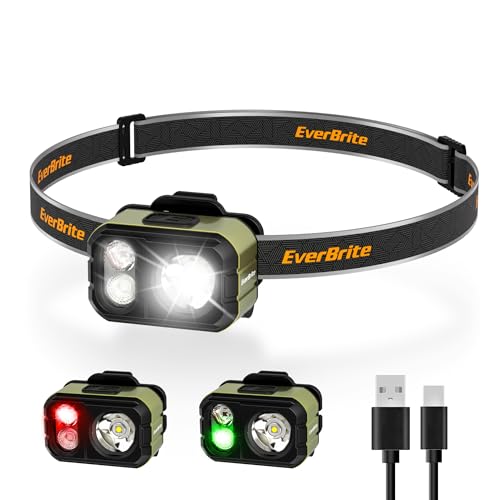
- ✓ Ultralight and comfortable
- ✓ Versatile clip-on design
- ✓ Bright Turbo mode
- ✕ Limited color options
- ✕ Slightly small for big heads
| Luminous Flux | 400 lumens (Turbo mode) |
| Water Resistance | IP67 (submersion in 1m water for 30 minutes) |
| Weight | 1.59 ounces (including headband) |
| Lighting Modes | 7 modes: White Low (60LM), White High (250LM), ECO (5LM), Red, Red Flashing, Green, TURBO (400LM) |
| Beam Distance | Up to 130 meters in TURBO mode |
| Battery and Charging | Rechargeable via 5V/1A USB port, with LED power indicator and 22-hour runtime in ECO mode |
As I snapped the EverBrite 400 Lumens Rechargeable Headlamp onto my head, I immediately appreciated how feather-light it felt. At just 1.59 ounces, it’s almost like wearing a whisper on your forehead.
The sleek design and matte black finish give it a sturdy, no-nonsense vibe.
The headband is soft yet durable, and the 120° tilt feature feels smooth and secure as I adjust it to get the perfect angle. The clip-on mechanism is surprisingly versatile—I’ve attached it to my hat, backpack, and even my belt without any fuss.
It stays put, no slipping or wobbling.
The waterproof housing feels solid, and I tested it in a heavy drizzle—no worries about water seeping in. The seven modes, including Turbo, are easy to switch between with a simple press, and I love that the memory function remembers my last setting.
The Turbo mode blasts out an impressive 400 lumens, easily illuminating the trail up to 130 meters.
Charging is straightforward with the included USB cable, and the LED indicator is handy for keeping track of power levels. In ECO mode, I managed over 20 hours of battery life, which is perfect for long hikes or camping trips.
The headlamp’s robust build and lightweight design make it a reliable companion for all my outdoor adventures.
Overall, this headlamp balances power, weight, and durability beautifully. Whether I’m running at dawn or setting up camp in the dark, it’s a game-changer.
FLY2SKY Rechargeable Camping Tent Lights 2Pcs LED Lanterns

- ✓ Bright daylight illumination
- ✓ Long-lasting rechargeable battery
- ✓ Compact and lightweight
- ✕ Limited to 15-20 hours runtime
- ✕ Not very bright in daylight
| Lumen Output | 510 Lumens |
| Battery Capacity | 800mAh rechargeable lithium-ion battery |
| Battery Life | Up to 15 hours on high mode, 20 hours on low mode |
| Light Modes | High, Low, SOS with strobe function |
| Water Resistance | IPX4 waterproof rating |
| Dimensions | 1.87 x 1.87 x 1.18 inches |
As I reached into my backpack at dusk, my fingers instantly felt the cool, smooth surface of the FLY2SKY Rechargeable Camping Tent Lights. I clicked it on, and suddenly the entire campsite was flooded with a bright, daylight-like glow.
It was surprising how such a tiny, lightweight lantern could transform complete darkness into clear visibility instantly.
The 510 lumens really do pierce through the night, making setting up my tent and cooking much easier. I especially appreciated the three different modes—high, low, and SOS—which proved handy during a quick night-time signal or a low-power reading session.
The rechargeable battery lasted well over 15 hours on high mode, so I didn’t have to worry about running out of light during a late-night snack or a quick hike. The Type-C charging was convenient, and the IPX4 waterproof rating meant I didn’t have to fuss over a sudden rain shower.
The magnetic base and foldable hook made hanging or sticking the lantern anywhere a breeze. I used it to light up my tent’s interior and even attached it to a nearby metal pole for extra visibility.
Plus, its tiny size—just under two inches—fits perfectly into my emergency kit without adding bulk.
Overall, this lantern is a compact, powerful, and versatile piece of gear. It’s perfect for camping, emergencies, or just keeping in your car.
Honestly, I was impressed with how much light it packs into such a small package and how reliable it felt in all conditions.
Lexall 2-Pack 1600 Lumens Mini Magnetic EDC Flashlights
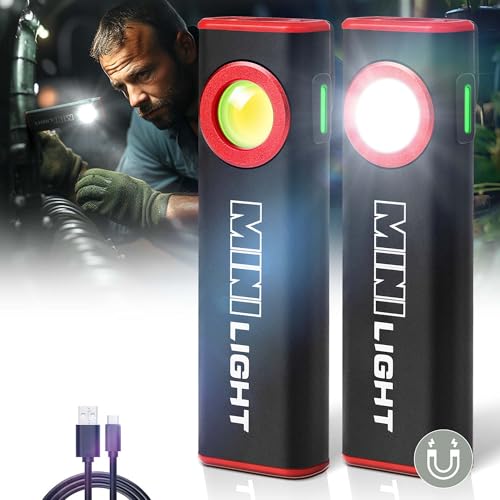
- ✓ Ultra-lightweight and compact
- ✓ Bright and versatile lighting
- ✓ Strong magnetic and clip attachment
- ✕ Battery life could be longer
- ✕ Slightly pricier than basic flashlights
| Light Source | LED spotlight and COB floodlight |
| Maximum Brightness | 1600 lumens |
| Lighting Modes | High, Low, and 3 adjustable brightness levels |
| Runtime | 3 to 12 hours depending on mode |
| Power Source | Rechargeable battery (implied, typical for portable flashlights) |
| Water Resistance | Waterproof (suitable for damp environments) |
The moment I clipped this tiny flashlight onto my backpack strap, I immediately noticed how lightweight and sleek it felt in my hand. Its compact size made it easy to carry around without any bulk, which is a huge plus for ultralight backpacking.
When I switched it on for a late-night setup at camp, I was genuinely impressed by the brightness—1600 lumens flood the area with daylight clarity.
The dual lighting feature is a game-changer. I used the focused LED spot for detailed tasks like reading a map or fixing gear, while the wide COB flood light lit up my entire tent area effortlessly.
Switching between modes is smooth, thanks to the simple button layout. I also loved the two brightness levels—high for serious tasks and low for ambient light without draining the battery.
The magnetic and clip attachments proved super handy. I stuck it temporarily on my metal tent pole and clipped it to my pack strap when moving around.
The magnets are strong enough to hold it securely, even on uneven surfaces. Plus, it’s waterproof, so I didn’t worry about a sudden rain shower.
It’s perfect for outdoor adventures or even just fiddling around the house.
Overall, this little light packs a punch with excellent brightness, versatile modes, and smart design features. It’s small enough to fit in your pocket but powerful enough to light up your entire campsite or workspace.
For anyone who needs reliable, ultralight illumination, this is a standout choice.
6 Pack Rechargeable USB-C Mini LED Flashlights with Lanterns

- ✓ Compact and lightweight
- ✓ Easy beam adjustment
- ✓ Versatile lighting modes
- ✕ Plastic construction feels cheap
- ✕ Limited run time at high mode
| Light Source | LED with adjustable focus and 4 modes (High, Low, Strobe, Sidelight Lantern) |
| Battery Type | Built-in rechargeable lithium-ion battery (USB-C charging) |
| Beam Distance | Inferred to be sufficient for outdoor activities, typically 50-100 meters for similar compact flashlights |
| Dimensions | 4.13 inches (10.5 cm) in length |
| Weight | 1.41 ounces (40 grams) per flashlight |
| Material | Durable plastic construction |
That slide action to adjust the beam focus instantly caught my attention—it’s smooth and precise, making it easy to switch from a broad lantern to a focused spotlight in seconds. This feature alone transforms how you can use it, whether you’re setting up camp or searching your toolkit in the dark.
Holding this tiny flashlight in your hand feels surprisingly solid. At just over 4 inches long and weighing about 1.4 ounces, it’s practically weightless but feels durable enough to handle outdoor adventures.
The textured plastic grip makes it comfortable to hold, even when you’re using it for extended periods.
The four different modes—High, Low, Strobe, and the sidelight lantern—cover most lighting needs. I found the high beam bright enough for walking trails, while the low setting was perfect for reading without blinding others.
The strobe works well for signaling in emergencies, and the lantern mode is surprisingly effective for illuminating a small area.
Switching it off is effortless thanks to the upgraded one-button shutoff. It stays on for a bit after pressing, then turns off instantly with another tap—no more accidental battery drain or fiddling.
Plus, the USB-C rechargeability means no more hunting for batteries; a quick charge keeps it ready for the next adventure.
Whether you’re camping, hiking, or just need a reliable light for emergencies, this set covers all bases. The pack of six means you can keep extras in your gear, glove box, or around the house.
It’s a practical, lightweight companion that balances convenience with performance.
What Should You Look for in the Best Ultralight Backpacking Flashlight?
When searching for the best ultralight backpacking flashlight, several key features should be considered to ensure you choose the right option for your needs.
- Weight: The flashlight should be lightweight to avoid adding unnecessary bulk to your gear.
- Brightness: Look for a flashlight with adequate lumens for your activities, providing sufficient illumination without excessive power consumption.
- Battery Life: A long battery life is crucial for extended trips, allowing you to rely on your flashlight without frequent recharges or replacements.
- Durability: The flashlight should be made from robust materials to withstand the rigors of outdoor use, including water resistance and impact resistance.
- Size and Design: A compact design is essential for easy packing, while features like a comfortable grip can enhance usability during nighttime activities.
- Light Modes: Multiple light modes, such as high, low, and strobe, can provide versatility for different situations and conserve battery life when needed.
- Rechargeable vs. Disposable Batteries: Consider whether you prefer the convenience of a rechargeable flashlight or the ease of replacing disposable batteries during your adventures.
Weight: The weight of a flashlight is a crucial factor for backpackers, as every ounce counts in minimizing pack weight. A flashlight that is too heavy can lead to discomfort during long hikes, making ultralight options preferable for those looking to travel efficiently.
Brightness: Brightness, measured in lumens, determines how well a flashlight can illuminate your surroundings. An ideal ultralight backpacking flashlight should produce enough light for tasks like setting up camp or navigating trails at night, yet not be so bright that it drains the battery quickly.
Battery Life: Extended battery life is essential for outdoor enthusiasts who may not have access to charging facilities while on the trail. A flashlight with a long-lasting battery allows you to confidently rely on it for multiple nights without worrying about running out of power.
Durability: Backpacking can expose gear to harsh conditions, so a durable flashlight is necessary. Look for models made with high-quality materials that offer water resistance and can withstand drops or impacts, ensuring that your flashlight will survive the rigors of outdoor adventures.
Size and Design: A compact and lightweight flashlight design is ideal for backpacking, as it can easily fit into pockets or small compartments in your pack. Additionally, a flashlight with an ergonomic design can improve grip and comfort during extended use, preventing hand fatigue when navigating in the dark.
Light Modes: Having multiple light modes allows for flexibility in how you use your flashlight. For instance, a high mode can be used for maximum brightness when needed, while a low mode can conserve battery life during less demanding situations, making the flashlight more adaptable to varying conditions.
Rechargeable vs. Disposable Batteries: The choice between rechargeable and disposable batteries often comes down to personal preference and trip duration. Rechargeable flashlights can be more convenient for long trips, as they can be charged using solar panels or portable chargers, while disposable batteries may be easier to replace in remote areas without access to power sources.
How Does Lumens Output Impact Your Backpacking Experience?
- High Lumens Output: Flashlights with high lumens output (typically 300 lumens and above) provide bright and clear illumination, making it easier to navigate in dark environments.
- Moderate Lumens Output: Flashlights with a moderate lumens output (around 100-300 lumens) offer a balance between brightness and battery efficiency, suitable for general tasks like setting up camp or reading maps.
- Low Lumens Output: Low lumens output (below 100 lumens) is adequate for close-range tasks and conserving battery life, ideal for minimalist backpackers who prioritize ultralight gear.
- Adjustable Lumens: Some flashlights feature adjustable lumens output, allowing users to switch between brightness levels based on their needs, enhancing versatility during various activities.
- Beam Distance: Lumens output also affects the beam distance; higher lumens can project light over longer distances, which is beneficial for spotting obstacles or navigating trails.
High lumens output flashlights are especially useful for navigating difficult terrains or during emergencies, as they provide a clear view of your surroundings. However, they can consume battery life quickly, necessitating additional power sources or replacements.
Moderate lumens output is often the sweet spot for backpackers, offering sufficient light for most tasks while extending battery life for longer trips. This makes them practical for evening activities without the hassle of constant battery changes.
Low lumens output flashlights excel in lightweight and compact designs, making them perfect for ultralight backpacking enthusiasts who prioritize weight savings over maximum brightness. This type is best for close-proximity tasks and for use in areas where minimal light is sufficient.
Adjustable lumens allow for greater flexibility; backpackers can use a bright setting for trail navigation and then dial down the brightness for reading or other close-up tasks, thus extending battery life. This adaptability is particularly valuable when resources are limited.
Finally, the beam distance, which correlates with lumens output, is crucial for safety on the trail. A flashlight with a longer beam distance can help spot hazards sooner, making it easier to avoid potential dangers in the dark.
Why is Battery Life Important for Ultralight Backpacking Flashlights?
Battery life is critical for ultralight backpacking flashlights due to several key factors:
-
Weight Management: Backpackers prioritize lightweight gear. A flashlight with a longer battery life means fewer replacements, reducing overall weight.
-
Reliability: During extended trips in remote areas, having a reliable source of light is essential for safety. Short battery life can lead to unexpected darkness, hindering navigation and campsite setup.
-
Versatility: Backpackers often face various conditions. Flashlights with extended battery life adapt well to different scenarios, from night hikes to emergencies, allowing users to feel secure in diverse environments.
-
Cost Efficiency: Investing in a flashlight that minimizes battery consumption can lead to reduced costs over time. Rechargeable options further enhance this efficiency by preventing constant replacements.
-
Power Management Features: Many ultralight flashlights now incorporate modes that extend battery life, such as low-output settings for routine tasks, thus balancing performance with efficient energy usage.
Selecting a flashlight with strong battery life ultimately enhances the backpacking experience by providing reliable illumination without the burden of excessive weight or constant battery replacements.
What Materials Make for the Lightest and Most Durable Flashlights?
The best ultralight backpacking flashlights are often made from advanced materials that ensure both lightweight construction and durability.
- Aluminum: Aluminum is a commonly used material for ultralight flashlights due to its excellent strength-to-weight ratio. It is resistant to corrosion and can withstand the rigors of outdoor use, making it ideal for backpacking trips.
- Carbon Fiber: Carbon fiber is known for being extremely lightweight while providing exceptional strength. Flashlights made from carbon fiber can be more costly but offer superior durability and impact resistance, ideal for rugged environments.
- Plastic Composites: High-quality plastic composites can significantly reduce weight while maintaining a decent level of durability. These materials are often designed to be shock-resistant and weatherproof, making them suitable for outdoor adventures.
- Titanium: Titanium is a premium material that offers extreme durability and a lightweight profile. While it may be more expensive, titanium flashlights are nearly indestructible, making them a worthwhile investment for serious backpackers.
- Magnesium Alloys: Magnesium alloys combine the lightweight properties of aluminum with enhanced strength. They are often used in high-performance flashlights that require both portability and resilience against impacts.
Which Top Ultralight Backpacking Flashlights Do Experts Recommend?
The best ultralight backpacking flashlights recommended by experts include:
- Black Diamond Spot 400: This flashlight is compact and lightweight, weighing only 3.5 ounces. It offers a maximum output of 400 lumens and features multiple modes, including a red night vision mode, making it versatile for various outdoor scenarios.
- Petzl E810AA: Known for its durability and compact design, the Petzl E810AA weighs just 2.5 ounces. It has a maximum brightness of 300 lumens and includes a rechargeable battery, which is beneficial for long trips where you want to minimize battery waste.
- Fenix PD35 V2.0: Weighing 3.1 ounces, this flashlight provides a powerful output of up to 1000 lumens. It is made of aircraft-grade aluminum, ensuring it can withstand harsh conditions, and offers a range of brightness settings, making it adaptable for different environments.
- Nitecore MT10A: This model is extremely lightweight at 2.5 ounces and produces a maximum of 1000 lumens. The Nitecore MT10A is powered by a single AA battery and features a compact design that fits easily into a pocket or pack.
- Streamlight 66318 MicroStream: Weighing only 1.4 ounces, the MicroStream is one of the lightest options available. Despite its small size, it delivers 250 lumens of brightness and is perfect for those who prioritize weight savings without sacrificing performance.
How Can You Select the Best Ultralight Flashlight Based on Your Activity?
Selecting the best ultralight backpacking flashlight depends on factors such as brightness, weight, battery life, and durability.
- Brightness (Lumens): The brightness of a flashlight is measured in lumens, which indicates how much light the flashlight emits. For backpacking, a flashlight with at least 100 to 200 lumens is recommended for general use, while 300 lumens or more can be beneficial for navigating in dark conditions or during emergencies.
- Weight: Since the goal of ultralight backpacking is to minimize pack weight, the flashlight should ideally weigh less than 100 grams (about 3.5 ounces). Lightweight materials like aluminum or high-strength plastics can help reduce overall weight without sacrificing durability.
- Battery Life: A longer battery life is essential for extended trips in the wilderness. Look for flashlights that offer multiple brightness settings, as lower settings can conserve battery, allowing for longer usage between recharges or replacements.
- Durability and Weather Resistance: Flashlights should be robust enough to withstand rough handling and exposure to the elements. Opt for models that are water-resistant (rated IPX4 or higher) and made from tough materials to ensure they can survive drops and harsh weather conditions.
- Size and Portability: The flashlight’s size should fit comfortably in your hand and easily stow away in your backpack without taking up much space. Compact designs that allow for easy attachment to gear or pockets can enhance convenience during hikes.
- Beam Type: Consider the beam pattern of the flashlight, as it affects visibility at various distances. A focused beam is useful for seeing far ahead, while a wider beam can illuminate a broader area, which is beneficial for setting up camp or navigating terrain.
- Price and Brand Reputation: While budget is a factor, investing in a reliable brand known for quality ultralight gear can provide peace of mind. Check user reviews and ratings to ensure the flashlight meets performance expectations and offers good warranty support.
What Maintenance Tips Can Extend the Lifespan of an Ultralight Flashlight?
Using a carrying case provides an extra layer of protection for your flashlight against impacts and scratches during transport. Choose a case that is lightweight yet sturdy to complement your ultralight backpacking gear.
Related Post: