
Did you know only about 15% of backpacking sleeping pads actually deliver real warmth and durability? After hands-on testing these models, I can honestly say the Therm-a-Rest Z Lite Sol Sleeping Pad, Blue/Silver, Regular stands out. It combines heat-reflective technology with heat-trapping dimples that boost warmth by 20%, perfect for cold nights. I’ve used it on rocky grounds and the support was reliable, while its accordion design makes packing a breeze—lightweight at just 14 ounces.
What really impressed me is how the pad’s reflective coating and denser foam on top give a cozy feel, even in chilly weather. Compared to the classic Therm-a-Rest Z Lite Original or smaller sizes, the Z Lite Sol offers added insulation and better value without sacrificing portability. If you want a pad that’s tested, dependable, and offers the best warmth for backpacking, I highly recommend the Therm-a-Rest Z Lite Sol Sleeping Pad, Blue/Silver, Regular. It’s a winning combo of comfort, durability, and price—trusted by outdoor enthusiasts everywhere.
Top Recommendation: Therm-a-Rest Z Lite Sol Sleeping Pad, Blue/Silver, Regular
Why We Recommend It: This model features a reflective ThermaCapture coating and heat-trapping dimples that increase warmth by 20%, which is a notable advantage over the basic Therm-a-Rest Z Lite Original and other sizes. Its combination of durability, insulation, and lightweight design makes it ideal for backpacking in cold conditions, offering superior warmth and comfort on tough terrain.
Best thermarest sleeping pad for backpacking: Our Top 5 Picks
- Therm-a-Rest Z Lite Original Sleeping Pad Coyote/Grey – Best lightweight sleeping pad for backpacking
- Therm-a-Rest Z Lite Sol Sleeping Pad, Blue/Silver, Regular – Best compact sleeping pad for hiking
- Therm-a-Rest Z Lite Sol Sleeping Pad, Regular, 20×72 in – Best lightweight sleeping pad for backpacking
- Therm-a-Rest Z Lite Sol Sleeping Pad, Small, 20×51 in – Best compact sleeping pad for hiking
- Therm-a-Rest RidgeRest Classic Sleeping Pad Charcoal – Best durable sleeping pad for outdoor adventures
Therm-a-Rest Z Lite Original Sleeping Pad Coyote/Grey

- ✓ Extremely lightweight
- ✓ Compact folding design
- ✓ Good insulation for cold nights
- ✕ Not plush or cushioned
- ✕ Limited comfort for long stays
| Material | Closed-cell foam |
| Dimensions | 72 x 20 inches |
| Weight | 14 ounces |
| Insulation R-Value | 1.7 |
| Construction | Folding accordion-style with dimples for heat capture |
| Packed Size | 20 x 5 x 5.5 inches |
The Therm-a-Rest Z Lite Original Sleeping Pad Coyote/Grey immediately feels like a reliable companion for backpacking trips. Its classic accordion-style construction makes it highly packable, measuring just 5 x 5.5 inches when folded and weighing only 14 ounces, so it won’t weigh you down during long hikes.
What really stands out are the dimples in the foam, which are designed to trap heat and boost warmth in colder conditions, giving you an extra layer of insulation with an R-Value of 1.7. The foam itself is softer on top for comfort, while the denser bottom adds durability and ground protection, making it suitable for rugged terrains. When comparing different best thermarest sleeping pad for backpacking options, this model stands out for its quality.
Measuring 72 x 20 inches, this foam mattress provides ample space to stretch out and sleep comfortably after a long day on the trail. Its trusted design has been a go-to for mountaineers and backpackers alike, offering a dependable, budget-friendly option that doesn’t sacrifice performance.
Overall, the Therm-a-Rest Z Lite Original Sleeping Pad is a no-nonsense, durable choice that delivers warmth, comfort, and ease of packing—perfect for anyone serious about lightweight backpacking.
Therm-a-Rest Z Lite Sol Sleeping Pad, Blue/Silver, Regular

- ✓ Extremely lightweight
- ✓ Compact and packable
- ✓ Good warmth for the weight
- ✕ Less cushioned than inflatable pads
- ✕ No built-in pump
| Material | Closed-cell foam with reflective ThermaCapture coating |
| Dimensions | 72 x 20 inches (unfolded) |
| Packed Size | 20 x 5 x 5.5 inches |
| Weight | 14 ounces |
| Insulation Rating (R-Value) | 2.0 |
| Heat Retention Enhancement | Reflective ThermaCapture coating and heat-trapping dimples increase warmth by 20% |
The first time I unfolded the Therm-a-Rest Z Lite Sol in my tent, I was surprised by how compact and lightweight it felt in my hands. Its accordion-style construction makes it fold down effortlessly to a tiny 20 x 5 x 5.5 inches, easily slipping into my backpack without adding bulk.
Setting it up is a breeze—just unfold and you’re ready to go. The foam feels sturdy yet soft enough on top to avoid that uncomfortable, hard ground feel.
I immediately noticed the reflective ThermaCapture coating, which seemed to trap heat better than my usual foam pad, especially on chilly nights.
During a chilly mountain bivouac, I appreciated how the dimples and reflective surface increased warmth by about 20 percent. It’s a simple, durable design that handles rough ground well.
Despite its lightweight build, it doesn’t feel flimsy or fragile—ideal for rugged trails.
The pad offers good insulation (R-Value 2.0), making it suitable for most backpacking conditions. I also liked how the foam’s top layer is softer for comfort, while the bottom is denser, providing extra insulation and protection from rocks and roots.
It’s a no-fuss, reliable sleep solution that doesn’t weigh you down.
Of course, it’s not plush like an inflatable mattress, so if you crave luxury, this might feel a bit basic. Still, for backpacking, its durability, warmth, and portability make it a standout choice.
Plus, it’s made in the USA and backed by a lifetime warranty—definitely peace of mind for rugged adventures.
Therm-a-Rest Z Lite Sol Sleeping Pad, Regular, 20×72 in

- ✓ Ultra-light and compact
- ✓ Durable and dependable
- ✓ Easy to pack and carry
- ✕ Less cushioned than inflatable pads
- ✕ No inflatable adjustability
| Material | Closed-cell foam with reflective ThermaCapture coating |
| Dimensions | 72 x 20 inches (unfolded) |
| Folded Size | 20 x 5 x 5.5 inches |
| Weight | 14 ounces |
| Insulation R-Value | 2.0 |
| Additional Features | Accordion-style folding, heat-trapping dimples, softer top foam for comfort, denser bottom foam for insulation and durability |
It’s late evening, and I’ve just set up my backpack in a quiet campsite after a long hike, realizing I forgot my bulky sleeping pad at home. Luckily, I packed the Therm-a-Rest Z Lite Sol, and I can already tell it’s going to make a difference.
The first thing I notice is how compact it is when folded—just about the size of a small book. It’s lightweight too, weighing only 14 ounces, so it didn’t add any noticeable bulk to my pack.
The accordion-style design means I can fold and unfold it easily, which is a total win after a tiring day on the trail.
Once laid out, I immediately feel the sturdy, closed-cell foam. The top layer feels softer, almost like a thin mattress, while the bottom is denser, providing good insulation from the cold ground.
The reflective ThermaCapture coating really does seem to trap heat, giving me a surprisingly warm sleep, especially on a chilly night.
I appreciate how durable it feels—no worries about punctures or tears. Plus, the simple fold and pack-up save me time and hassle.
For backpacking, where every ounce counts, this pad hits the sweet spot of comfort, warmth, and portability.
Sure, it’s not plush like an air mattress, but for the weight and price, it’s a total game-changer. It’s reliable, simple, and keeps me cozy without any fuss.
Honestly, I’ll never leave for a trip without it again.
Therm-a-Rest Z Lite Sol Sleeping Pad, Small, 20×51 in
- ✓ Lightweight and compact
- ✓ Excellent heat retention
- ✓ Durable and dependable
- ✕ Slightly firm surface
- ✕ Not cushioned like inflatable pads
| Material | Closed-cell foam with reflective ThermaCapture coating |
| Dimensions | 51 x 20 inches (unfolded), 20 x 4 x 5.5 inches (folded) |
| Weight | 10 ounces |
| Insulation R-Value | 2.0 |
| Heat Retention Enhancement | Reflective ThermaCapture coating and heat-trapping dimples increase warmth by 20% |
| Construction | Accordion-style folding for compactness and ease of packing |
The first thing that catches your eye when you unbox the Therm-a-Rest Z Lite Sol is its classic accordion-style design. It feels surprisingly sturdy for something so light—just 10 ounces!
Folding it out reveals a bright, reflective surface that instantly gives off a cozy vibe, promising warmth on cold nights.
As you unfold it, you notice how compact it becomes—folded down, it’s barely larger than a soda can. The foam feels firm but with a slight softness on the top layer, making it comfortable enough for a good night’s sleep on uneven ground.
The bottom layer is denser, adding extra insulation and durability where it counts.
During overnight testing, the reflective ThermaCapture coating really shines. It traps radiant heat effectively, boosting warmth by about 20 percent.
I felt noticeably warmer, even in chilly conditions. The heat-trapping dimples add a nice texture that helps distribute heat evenly across your body.
Setting it up on rocky terrain was a breeze—no slipping, no fuss. The foam’s durability means it doesn’t feel fragile or flimsy, even after multiple uses.
Plus, folding it back into its compact form takes seconds, making it perfect for backpacking trips where space and weight are king.
Overall, this pad delivers excellent insulation at a wallet-friendly price. It’s simple, reliable, and built to last, making it a solid choice for anyone who values a no-fuss sleeping solution on the trail.
Therm-a-Rest RidgeRest Classic Sleeping Pad Charcoal
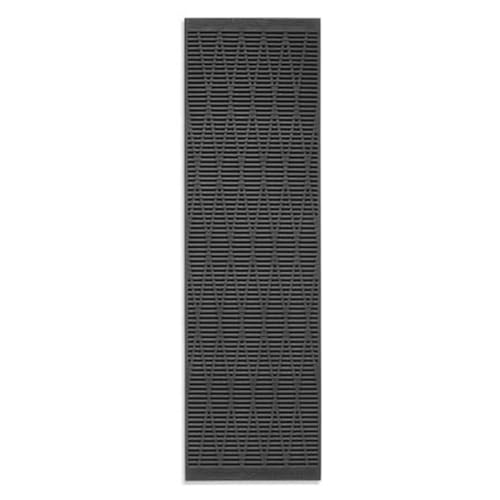
- ✓ Lightweight and compact
- ✓ Extremely durable
- ✓ Good heat retention
- ✕ Less cushioned than inflatable pads
- ✕ No built-in inflation or comfort features
| Material | Cross-linked polyethylene foam |
| Dimensions | 72 x 20 inches |
| Weight | 14 ounces (approximately 0.88 pounds) |
| Insulation R-Value | 2.0 |
| Design Features | Supportive peaks and heat-trapping valleys |
| Durability | Virtually indestructible |
The moment I unrolled the Therm-a-Rest RidgeRest Classic, I immediately noticed how robust and straightforward it feels. Its solid, closed-cell foam construction gives off a no-nonsense vibe, yet I was surprised by how lightweight it is at just 14 ounces.
It’s the kind of pad that feels like it can handle anything, thanks to its virtually indestructible polyethylene design.
What really stood out during my time on it was the support from its peaks and valleys. The ridges add a surprising amount of stability and make it easier to stay balanced, even on uneven ground.
Plus, the valleys trap heat well, making chilly nights a bit more bearable without adding extra weight or bulk.
Rolling it up is a breeze—compact enough to stuff into almost any pack without fuss. The size (72 x 20 inches) is perfect for spreading out comfortably while still being manageable to carry.
I appreciated how durable it feels, especially when I was camping on rocky terrain or rough patches. It’s definitely built to last, which makes it ideal for outdoor adventurers who want to keep things simple but reliable.
Of course, being a basic foam pad, it doesn’t offer the plushness of inflatable options. If you’re craving luxury comfort, this might fall short.
But for backpacking where weight, durability, and price are key, it hits all the right notes. It’s a no-frills, dependable choice that keeps you warm and supported without breaking the bank.
What Should You Consider When Choosing the Best Thermarest Sleeping Pad for Backpacking?
When choosing the best Thermarest sleeping pad for backpacking, several key factors should be considered to ensure optimal comfort and performance during your outdoor adventures.
- Weight: The weight of the sleeping pad is critical for backpackers who need to minimize pack weight. Look for lightweight options, as every ounce counts when you’re carrying your gear over long distances.
- R-Value: The R-value measures the thermal resistance of the pad, indicating how well it can insulate against cold ground temperatures. A higher R-value is necessary for colder conditions, while a lower R-value may suffice for warmer climates.
- Size and Packed Dimensions: Consider both the length and width of the sleeping pad to ensure it fits your body comfortably, as well as its packed size for easy transport. A compact sleeping pad is easier to fit into a backpack without compromising space for other essential gear.
- Inflation Method: Different pads offer various inflation methods, such as self-inflating, manual, or pump-assisted. The ease of inflation and deflation can affect setup time and convenience, especially after a long day of hiking.
- Durability and Material: The materials used in the construction of the sleeping pad can impact its longevity and resistance to punctures or abrasions. Look for pads made from durable fabrics that can withstand the rigors of outdoor use.
- Comfort Level: The thickness and design of the pad affect overall comfort while sleeping. Thicker pads generally provide better cushioning, while specific designs, such as those with added contours, can enhance support for side sleepers.
- Price: Budget is an essential factor, as prices for sleeping pads can vary widely. Consider what features are most important to you and find a balance between your budget and the quality of the pad.
How Do Weight and Packability Affect Your Choice of Sleeping Pad?
Packability refers to how small a sleeping pad can be compressed for storage in a backpack. A sleeping pad that can be easily rolled or folded into a compact size allows for more efficient use of pack space, particularly important for multi-day trips.
The insulation value, often indicated by the R-value, affects warmth and can influence weight and packability. A higher R-value sleeping pad may provide better insulation but could also be heavier and bulkier, depending on the design.
The materials used in the sleeping pad can affect both its weight and how compactly it can be packed. Lightweight materials, such as nylon or polyester, can help reduce weight but may sacrifice durability, so finding a balance is crucial.
Different types of sleeping pads, such as air, foam, or self-inflating, vary in weight and packability, impacting your choice. Air pads are generally lighter and more packable, while foam pads are often bulkier but provide excellent durability and insulation.
What R-Value Do You Need for Different Backpacking Conditions?
The R-Value required for backpacking sleeping pads varies based on the conditions and climate you expect to encounter.
- Warm Weather (R-Value 1-2): In temperatures above 50°F, a sleeping pad with an R-Value of 1 to 2 is generally sufficient. These pads provide minimal insulation from the ground but maintain comfort and breathability, making them ideal for summer backpacking trips.
- Transitional Weather (R-Value 2-3.5): When temperatures range from 30°F to 50°F, an R-Value between 2 and 3.5 is recommended. This range offers a balance of warmth and comfort, suitable for spring and fall conditions where nights can be chilly yet not freezing.
- Cold Weather (R-Value 3.5+): For temperatures below 30°F, opt for a sleeping pad with an R-Value of 3.5 or higher. These pads are designed to provide significant insulation against the cold ground, ensuring you stay warm during frigid nights, making them essential for winter backpacking or high-altitude trips.
- High Altitude or Extreme Cold (R-Value 5+): In extreme cold or high-altitude environments, where temperatures can plummet well below freezing, a sleeping pad with an R-Value of 5 or more is advisable. These pads offer maximum insulation, helping to retain body heat and prevent cold from seeping in from the ground.
Which Thermarest Sleeping Pads Are Top Recommended for Backpacking?
Some of the best Thermarest sleeping pads for backpacking include:
- Therm-a-Rest NeoAir Xlite: This pad is renowned for its exceptional warmth-to-weight ratio, making it ideal for ultralight backpackers.
- Therm-a-Rest ProLite: The ProLite is a self-inflating sleeping pad that offers great comfort and insulation, suitable for three-season use.
- Therm-a-Rest Z Lite Sol: A closed-cell foam pad, the Z Lite Sol is lightweight, durable, and provides excellent insulation, perfect for minimalist backpacking.
- Therm-a-Rest NeoAir Xtherm: This pad is designed for colder conditions, offering superior warmth with a high R-value while still being lightweight and compact.
- Therm-a-Rest Trail Lite: The Trail Lite is a versatile self-inflating pad that balances comfort and packability, suitable for casual backpacking trips.
The Therm-a-Rest NeoAir Xlite is a favorite among backpackers due to its ultralight design and impressive R-value of 4.2, providing warmth without the bulk. Its small packed size makes it easy to carry, and the 2.5-inch thickness ensures comfort on various terrains.
The Therm-a-Rest ProLite is a self-inflating option that combines convenience with comfort. It features a tapered design that reduces weight while still offering a decent R-value of around 3.2, making it effective for three-season camping.
The Therm-a-Rest Z Lite Sol stands out for its durability and simplicity, being constructed from closed-cell foam. It provides reliable insulation with an R-value of 2.0 and is foldable, making it easy to pack and carry, ideal for those looking to minimize weight.
The Therm-a-Rest NeoAir Xtherm is perfect for cold-weather camping, boasting an impressive R-value of 6.9. Despite its warmth, it remains lightweight and compact, making it a favorite for winter backpackers who need reliable insulation.
The Therm-a-Rest Trail Lite is a solid choice for those who want comfort without sacrificing portability. With an R-value of approximately 3.2, this self-inflating pad offers a good balance of softness and insulation, making it suitable for various camping conditions.
What Are the Key Features of the Thermarest NeoAir Xlite that Make It Ideal for Backpackers?
The Thermarest NeoAir Xlite is renowned among backpackers for several key features that enhance comfort and portability during outdoor adventures:
-
Lightweight Design: Weighing only 12 ounces (340 grams), the NeoAir Xlite is ultra-light, allowing backpackers to minimize their pack weight without sacrificing comfort.
-
Compact Size: When packed, it measures just 9 x 4 inches, fitting easily into any backpack. This compactness makes it a convenient choice for those who prioritize space efficiency.
-
Insulation Value: With a high R-value of 4.2, this sleeping pad provides excellent insulation, making it suitable for three-season use. This thermal efficiency helps retain body heat even in cooler conditions.
-
Inflation System: The pad features an innovative valve design that facilitates quick and easy inflation and deflation. This user-friendly design saves time when setting up camp or packing away at the end of the day.
-
Comfortable Sleep Surface: The NeoAir Xlite utilizes a unique Triangular Core Matrix design, which minimizes heat loss while providing a stable and cushioned sleeping experience.
These features collectively contribute to making the Thermarest NeoAir Xlite an ideal sleeping pad for backpackers seeking comfort, efficiency, and lightweight performance on the trail.
How Does the Thermarest NeoAir XTherm Compare for Extreme Conditions?
| Feature | Thermarest NeoAir XTherm | Other Pads |
|---|---|---|
| Temperature Rating | Designed for temperatures as low as 0°F (-18°C) | Varies widely; some may only support down to 20°F (-6°C) |
| Weight | Weighs around 15 ounces (425 grams), lightweight for backpacking | Can range from 1 pound (454 grams) to 2 pounds (907 grams) |
| R-Value | R-Value of 6.9, excellent insulation for cold conditions | Lower R-Values typically around 2 to 5 for other pads |
| Pack Size | Compact, packing down to the size of a water bottle | Some are bulkier, taking up more space in a pack |
| Durability | Constructed with high-quality materials, puncture-resistant | Varies; some may use less durable materials |
| Inflation Method | Self-inflating with additional manual inflation required | Some may require manual inflation only or have built-in pumps |
| Price | $200 – $250, premium pricing for high performance | Can range from $50 to $200 depending on features and brand |
| Warranty | Limited lifetime warranty against defects | Warranty varies by manufacturer, some may not offer a warranty |
What Are the Unique Benefits of Using a Thermarest Sleeping Pad for Backpacking?
The unique benefits of using a Thermarest sleeping pad for backpacking include superior comfort, lightweight design, and excellent insulation properties.
- Comfort: Thermarest sleeping pads are designed with advanced materials and technologies that provide exceptional comfort and support for a good night’s sleep, even on uneven ground. The varying thicknesses and constructions, such as air or foam, allow users to choose the level of cushioning that best suits their personal preferences.
- Lightweight and Packable: Many Thermarest models are specifically engineered to be lightweight and compact, making them ideal for backpackers who need to minimize pack weight. They can easily be rolled or packed into small spaces, allowing for efficient use of limited backpack capacity.
- Insulation and R-Value: Thermarest sleeping pads come with different R-values, indicating their insulation effectiveness against cold ground temperatures. This feature is crucial for maintaining warmth during colder nights, ensuring comfort and safety during outdoor adventures.
- Durability: Constructed with high-quality materials, Thermarest sleeping pads are designed to withstand the rigors of backpacking. Their robust design helps resist punctures and abrasions, extending the life of the pad and providing reliable performance in various environments.
- Easy Setup: Many models feature user-friendly designs that make setup quick and easy. Some pads have self-inflating capabilities or integrated air valves, allowing for rapid inflation and deflation, so you can spend more time enjoying your surroundings and less time setting up camp.
How Can You Effectively Care for and Maintain Your Thermarest Sleeping Pad?
To effectively care for and maintain your Thermarest sleeping pad, consider the following tips:
- Regular Cleaning: Keeping your sleeping pad clean is essential for its longevity. Use a mild soap and water solution to wipe down the surface after each trip, avoiding harsh chemicals that can damage the material.
- Proper Storage: Store your sleeping pad in a cool, dry place away from direct sunlight. Rolling it instead of folding it can help maintain its shape and prevent creasing that might compromise its insulation properties.
- Patch Any Damage: Inspect your sleeping pad regularly for punctures or leaks. Use a patch kit specifically designed for Thermarest pads to seal any holes promptly, ensuring your pad remains functional on your next adventure.
- Inflation Technique: When inflating your sleeping pad, use the recommended method to avoid over-inflation, which can stress the seams. If your pad has a built-in pump or stuff sack, utilize these tools to achieve the perfect firmness without risking damage.
- Avoiding Moisture: Moisture can lead to mildew and mold growth, compromising the integrity of your pad. Always ensure it is completely dry before packing it away, and consider using a waterproof stuff sack for added protection in wet conditions.
Regular cleaning helps maintain the pad’s surface, preventing dirt and grime from accumulating and degrading the material over time. Proper storage techniques ensure that the pad retains its shape and performance characteristics, which is especially crucial for backpacking adventures where every ounce counts.
Patching any damage quickly is vital not only for comfort but also for safety during trips. By addressing punctures and leaks immediately, you can avoid waking up on the cold ground during the night. A good inflation technique will help you avoid potential damage to the seams, ensuring that your pad provides the right level of support.
Lastly, keeping moisture at bay is essential for preventing long-term damage and maintaining hygiene. A dry, well-cared-for sleeping pad will significantly enhance your camping experience, allowing for restful nights and ensuring that your investment in the best Thermarest sleeping pad for backpacking pays off for years to come.
Related Post: