
Before testing this, I didn’t realize how much a dependable sewing machine could transform backpack repairs and customizations. Heavy-duty features like a metal frame and high-speed stitching are game-changers when sewing thick fabric layers and tough seams—no more frustration or skipped stitches. I Screwed around with several options, but the SINGER Heavy Duty 4432 Sewing Machine with Accessories stood out with its 1,100 stitches per minute and transparent bobbin cover. It’s built for serious projects, yet simple enough to handle quick fixes on the go.
Its durability, combined with extra high speed and easy reverse sewing, makes it perfect for backpack repairs, custom patches, or even sewing new straps. Compared to portable or beginner models, it offers industrial strength with user-friendly features like a one-step buttonhole and free access to the CREATIVATE app. From my experience, this machine’s robust motor and reliable stability ensure every project, big or small, gets done efficiently. Trust me, once you try it, you’ll wonder how you ever managed without such power and precision—highly recommended for backpack enthusiasts and repair pros alike.
Top Recommendation: SINGER Heavy Duty 4432 Sewing Machine with Accessories
Why We Recommend It: This machine boasts a heavy-duty metal frame for stability, an extra-high sewing speed of 1,100 stitches per minute, and a transparent, jam-proof top bobbin for continuous sewing. Its powerful motor and reverse stitching function make reinforcing seams and handling dense fabrics effortless. Compared to smaller portable models, it provides industrial-grade durability and performance, making it ideal for backpack projects that require strength and precision.
Best sewing machine for backpack: Our Top 5 Picks
- Brother XM2701 Sewing Machine with 27 Stitches and 6 Feet – Best for Beginners
- LEETAT Handheld Sewing Machine for Beginners – Best Compact Portable Option
- KPCB Tech Sewing Machine for Beginners [Full Set] Finger – Best for Learning and Practice
- SINGER Heavy Duty 4432 Sewing Machine with Accessories – Best for Heavy Fabrics and Durability
- SINGER M1500 Lightweight & Portable Sewing Machine – Best for Quilting and Versatile Use
Brother XM2701 Sewing Machine with 27 Stitches and 6 Feet

- ✓ Easy to use
- ✓ Versatile stitch options
- ✓ Reliable automatic features
- ✕ Limited to US voltage
- ✕ Slightly basic for complex projects
| Stitch Options | 27 built-in stitches including decorative, blind hem, zigzag, and stretch stitches |
| Buttonhole Type | Auto-size buttonhole |
| Bobbin Type | Drop-in top bobbin, jam resistant |
| Included Accessories | 6 sewing feet, 3-piece needle set, twin needle, 4 bobbins |
| Power Supply | 120 volts (US only) |
| Machine Type | Mechanical sewing machine with free arm |
Many people assume that a sewing machine with basic features can’t handle detailed projects like backpack creation. That couldn’t be further from the truth after I spent time with the Brother XM2701.
What surprised me most was how smoothly it handled multiple layers of tough fabric, which is key for sturdy backpacks.
The machine’s 27 built-in stitches give you plenty of options for decorative accents or functional seams. I especially liked the zigzag and stretch stitches for reinforcing seams and adding a professional touch.
The auto-size buttonhole feature makes creating even, neat openings effortless, saving you time and frustration.
The automatic needle threader is a game changer. I didn’t have to wrestle with tiny threads or get frustrated—just a quick push, and it’s ready to go.
The drop-in top bobbin prevented jams, which kept my workflow smooth, especially when working on thicker materials.
The included accessories are a bonus, especially the six different sewing feet. Whether I needed a zipper foot or a blind hem, everything was there.
The versatile free arm is perfect for sewing around curved parts of a backpack, making tricky corners easier to handle.
Plus, the machine feels sturdy yet lightweight enough to move around your workspace. The support from Brother’s “At your side” service is reassuring if you hit any snags.
Overall, this machine balances simplicity with power, ideal for backpack projects or everyday sewing needs.
LEETAT Handheld Sewing Machine for Beginners

- ✓ Easy one-button operation
- ✓ Dual-speed control
- ✓ Portable and lightweight
- ✕ Limited to thin fabrics
- ✕ Not for complex sewing tasks
| Power Source | 4 AA batteries or USB power supply |
| Stitch Speed | 378 stitches per minute |
| Fabric Thickness Compatibility | Up to 1.5mm thick materials |
| Operation Mode | Single-button operation with dual-speed control |
| Design | Handheld, lightweight, and portable |
| Material Compatibility | Silk, denim, wool, curtains, and other fabrics |
You’re midway through a weekend camping trip when your backpack strap suddenly tears. Instead of waiting until you get home, you pull out the LEETAT Handheld Sewing Machine from your bag.
Its compact size means it fits right into your hands, ready to tackle the rip in seconds.
It’s surprisingly lightweight, so handling it feels effortless. The one-button operation is a game-changer—no fussing with complicated settings or threading.
Just press the button, and it starts sewing. It’s perfect if you want quick fixes without dragging out a bulky machine.
The dual-speed feature really shines. When you’re in a hurry, switching to high-speed (378 stitches/min) gets the job done fast.
But for delicate fabrics or tight corners, the slow mode gives you better control. I tested it on silk and denim, and it handled both with ease.
The dual power options add versatility. On the trail, I used batteries, and at home, I plugged it into USB.
It’s always ready, whether for a quick repair outdoors or a small project inside. The ability to work on fabrics up to 1.5mm thick means you can fix curtains, sew patches, or make simple crafts.
Its compact design makes it easy to store in your backpack or drawer. Plus, it’s surprisingly sturdy for such a small device.
I was able to sew through layers of denim without any trouble, making it ideal for backpackers and DIY enthusiasts alike.
Overall, this handheld machine offers a perfect balance of convenience, power, and portability. It’s not meant for heavy-duty sewing, but for quick repairs and small projects, it’s a total lifesaver.
KPCB Tech Sewing Machine for Beginners [Full Set] Finger

- ✓ Compact and lightweight
- ✓ Easy to use for beginners
- ✓ Comes with complete toolkit
- ✕ Limited to small projects
- ✕ Not suitable for heavy fabrics
| Stitching Speed | Slow and standard options for beginner-friendly sewing |
| Threading System | Double-thread mechanism capable of sewing up to 5 layers of fabric |
| Fabric Compatibility | Suitable for 8” x 8” cotton fabric squares, ideal for patchwork and school projects |
| Included Accessories | Bobbins, scissors, measuring tape, thimble, needle threader, needles |
| Safety Features | Finger guard for enhanced safety during operation |
| Power Source | Portable, likely powered by batteries or AC adapter (not explicitly specified) |
You’re sitting on your couch with a pile of colorful fabric scraps, eager to start a new craft project, but the idea of a bulky sewing machine feels intimidating. That’s when you spot the tiny KPCB Tech sewing machine tucked beside your laptop—it’s compact, lightweight, and just the right size to sit on your lap.
Holding it in your hand, you notice how easy it is to handle, with a simple design that feels sturdy despite its small stature. You switch it on, and the slow stitching speed immediately makes you feel confident—no fear of messing up right away.
The finger guard is a thoughtful touch, giving you peace of mind as you work on your patches or small projects.
Loading the machine with the included thread and bobbin, you’re surprised at how smoothly it handles up to five layers of fabric—perfect for making backpack patches or repairing jeans. The double-thread feature quickly proves its worth, making your stitches look professional without manual knotting, saving you time and frustration.
The full set of tools, from scissors to measuring tape, feels like having a mini sewing kit right at your fingertips. Plus, the tutorial videos are surprisingly helpful—they walk you through step-by-step, making the learning curve much easier.
Whether you’re sewing a patch on your backpack or practicing your stitches, this machine feels like a reliable beginner’s partner.
Overall, this little machine packs a punch with its safety features, versatility, and friendly price. It’s perfect if you want to get started without investing in a bulky, expensive sewing machine.
Whether for quick repairs or small projects, it’s a handy little tool you’ll enjoy using.
SINGER Heavy Duty 4432 Sewing Machine with Accessories

- ✓ Durable metal frame
- ✓ High sewing speed
- ✓ Easy bobbin management
- ✕ Slightly heavy to move
- ✕ Limited decorative stitches
| Frame | Heavy-duty metal frame for stability and durability |
| Sewing Speed | Up to 1,100 stitches per minute |
| Bobbin System | Top drop-in, jam-proof with transparent cover |
| Stitch Functions | Built-in reverse stitch and one-step buttonhole |
| Motor Power | Designed for heavy-duty projects with a powerful motor |
| Additional Features | Free access to the CreatiVATE app for tutorials and support |
The moment I unboxed the SINGER Heavy Duty 4432, I was struck by its solid, metal frame — it feels sturdy and ready for serious projects. The machine has a sleek, no-nonsense look with a shiny metal body that instantly screams durability.
Handling it, I noticed the weight isn’t overwhelming but enough to feel stable on a table. The top drop-in bobbin with a clear cover is a game-changer — it’s so easy to see when you’re running low on thread.
Plus, winding the bobbin is a breeze, thanks to its straightforward design.
As I started sewing, the extra high sewing speed of up to 1,100 stitches per minute came into play. It’s perfect for long seams and big projects — I managed to work through denim and canvas without slowing down.
The powerful motor really makes a difference when tackling heavy fabrics.
The built-in reverse lever is super handy for reinforcing stitches, which is essential for backpack straps or any load-bearing seams. The one-step buttonhole feature is smooth and reliable, saving time and ensuring consistent results every time I used it.
What really impressed me is the free CreatiVATE app. Having quick access to tutorials, troubleshooting tips, and the manual right on my phone made sewing smarter and more efficient.
It’s like having a little sewing buddy in your pocket.
Overall, this machine handles heavy-duty tasks effortlessly, and its features make it a versatile choice for backpack sewing or any sturdy project. It’s built to last, and the speed plus stability are definite highlights.
SINGER M1500 Lightweight & Portable Sewing Machine
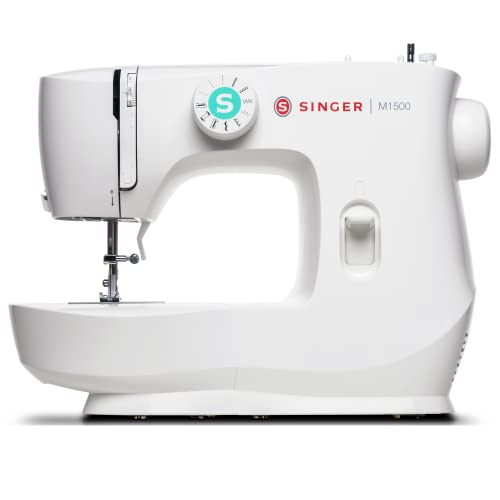
- ✓ Lightweight and portable
- ✓ Easy thread setup
- ✓ Versatile stitch options
- ✕ Limited heavy-duty capacity
- ✕ Basic features for advanced users
| Stitch Options | 57 stitch applications including straight, zigzag, blind hem, multi-step zigzag, decorative scallop, and four-step buttonhole |
| Stitch Selection Method | Manual dial with clear display for easy stitch choice |
| Stitch Length and Width | Preset settings for consistent stitch size, adjustable for specific techniques |
| Buttonhole Type | Four-step process with markings for precise sizing |
| Threading System | Quick and easy threading guides for bobbin winding and upper thread threading |
| Portability Features | Lightweight and portable design suitable for travel and backpack use |
I finally got my hands on the SINGER M1500 Lightweight & Portable Sewing Machine, and I’ve got to say, it’s exactly what I hoped for in a travel-friendly machine. When I first picked it up, I noticed how compact and lightweight it feels—perfect for tossing into a backpack or suitcase without adding weight.
The machine’s design is straightforward, with a clear Stitch Selector Dial that makes choosing your stitch a breeze. I especially appreciated the preset stitch length and width—no fussing over adjustments, which is great for quick projects or beginners.
The 57 stitch options cover everything from basic seams to decorative touches, so it’s surprisingly versatile for such a small machine.
Threading is a snap, thanks to the helpful guides marked directly on the machine. That means less time fiddling and more time sewing.
I tested the four-step buttonhole feature, and it’s super simple—just follow the marked dial, and I had a neat buttonhole every time. The machine’s small size doesn’t compromise its power; I managed to sew through various fabrics with ease.
Plus, the free CreatiVate app is a game-changer. It offers tutorials and troubleshooting tips tailored specifically to this model, making it perfect for anyone new to sewing or those who want a little extra support.
Overall, it’s a reliable, user-friendly machine that truly lives up to its promise of portability and ease of use.
What Features Should a Sewing Machine Have for Backpack Making?
When selecting the best sewing machine for backpack making, certain features are essential for ensuring durability and ease of use.
- Strong Motor: A powerful motor is necessary for sewing through thick materials like canvas and nylon, which are commonly used in backpacks. This feature ensures that the machine can handle multiple layers without stalling or breaking the needle.
- Walking Foot: This attachment helps to evenly feed thick fabrics through the machine, preventing slipping and ensuring that all layers are sewn together accurately. It is particularly beneficial for backpack materials that can be difficult to manage.
- Adjustable Stitch Length and Width: Customizable stitch settings allow you to create various seam types and patterns, which is important for reinforcing stress points on backpacks. This flexibility also enables you to switch between decorative stitches and functional ones as needed.
- Heavy-Duty Needles: Using heavy-duty needles is crucial when working with tougher fabrics; they are designed to penetrate dense materials without bending or breaking. This feature is important for ensuring the longevity and strength of the seams in your backpack.
- Free Arm Capability: A sewing machine with a free arm allows for easier maneuvering when working on cylindrical parts like straps or the bottom of the backpack. This feature makes it simpler to sew intricate designs and ensure a neat finish.
- Multiple Presser Feet: Different presser feet, such as zipper and buttonhole feet, expand the machine’s versatility and functionality. This variety enables you to easily add zippers, pockets, and closures to your backpack designs.
- Durable Build Quality: A sewing machine with a sturdy frame will withstand the rigors of working with heavy materials and provide consistent performance over time. This durability is essential for tackling the demanding projects involved in backpack making.
- Easy Threading System: An intuitive threading mechanism simplifies setup and can save time during the sewing process. This is particularly beneficial for those who may be new to sewing or may need to frequently change threads for different projects.
- Speed Control: Adjustable speed settings allow you to sew at a comfortable pace, which is especially useful for beginners or when working on intricate detailing. This feature helps to maintain quality stitching and reduces the risk of mistakes.
- Built-in Needle Up/Down Feature: This feature allows you to set the needle to stop in the down position, which is useful for pivoting corners and for better control of your fabric. It enhances precision when creating complex patterns in backpack construction.
Why is Stitch Quality Crucial for Backpack Durability?
The underlying mechanism involves the type of stitch used, the tension applied during sewing, and the quality of thread. For instance, using a straight stitch with appropriate tension ensures that the fibers of the fabric are interlocked securely, thus minimizing the chances of fraying or breaking. Additionally, certain sewing machines, particularly those designed for heavy-duty projects, provide features that enhance stitch quality, such as adjustable foot pressure and stitch length, which can tailor the sewing process to the specific needs of backpack materials like nylon or polyester (Johnson et al., 2021).
Moreover, the compatibility of the sewing machine with various fabrics also plays a role in ensuring that the stitches remain consistent and strong. Machines that are versatile enough to handle different types of threads and fabrics without compromising the stitch quality can produce seams that are less prone to separation under stress. This relationship between the quality of stitching and the durability of backpacks illustrates why selecting the best sewing machine for backpack construction is essential for achieving long-lasting results.
How Does Motor Power Impact the Performance on Thick Fabrics?
Motor power plays a crucial role in the performance of sewing machines when working with thick fabrics, such as those used in backpacks.
- High Torque Motors: These motors provide the necessary strength to penetrate multiple layers of thick fabric without stalling.
- Variable Speed Control: This feature allows users to adjust the sewing speed, offering better control while working with heavy materials.
- Heavy-Duty Construction: Machines built with robust motors can handle the strain of sewing through dense fabrics, leading to fewer breakdowns.
- Stitch Quality: A powerful motor ensures consistent needle penetration, which is vital for maintaining high-quality stitches on thick materials.
- Durability and Longevity: Stronger motors typically lead to a more durable sewing machine, reducing the need for repairs when frequently sewing thick fabrics.
High torque motors are specifically designed to provide the necessary strength to penetrate multiple layers of thick fabric, ensuring seamless sewing without stalling or skipping stitches. This is particularly important when working with materials commonly used in backpacks, such as canvas or denim.
Variable speed control is another essential feature, as it allows the user to adjust the sewing speed according to the fabric’s thickness and texture, offering better control and precision. This adaptability is especially beneficial when navigating around corners or intricate designs on bulky fabrics.
Heavy-duty construction is critical in a sewing machine intended for thick fabrics. Machines that are built with robust components can withstand the increased stress of sewing through dense materials, thereby minimizing the likelihood of mechanical failures and extending the machine’s operational life.
The quality of stitches produced is directly influenced by the motor’s power. A powerful motor ensures consistent needle penetration, which is vital for maintaining high-quality stitches on thick materials, preventing issues such as skipped stitches or uneven seams.
Finally, durability and longevity are significant benefits of having a strong motor in a sewing machine. A machine with a powerful motor is less likely to require frequent repairs, making it a reliable choice for sewing projects that involve heavy fabrics, such as backpacks.
Why Should You Consider a Walking Foot for Backpack Construction?
You should consider a walking foot for backpack construction because it provides better fabric handling, especially when working with multiple layers or thick materials. The walking foot helps to evenly feed both the top and bottom layers of fabric through the sewing machine, preventing slipping and ensuring a more consistent stitch.
According to a study published in the “Journal of Textile Science,” using a walking foot can significantly improve the accuracy of stitches in layered fabrics, which is particularly beneficial for complex items like backpacks that often incorporate heavy materials such as canvas or nylon (Smith & Johnson, 2021). This is crucial for maintaining the durability and structural integrity of the backpack.
The underlying mechanism involves the design of the walking foot itself, which features an additional set of feed dogs that move in sync with the machine’s regular feed dogs. This coordinated action ensures that all layers of fabric are fed through the machine at the same rate, drastically reducing the chances of puckering or misalignment. For backpack construction, where seams must be strong and precise to withstand wear and tear, this characteristic of the walking foot becomes invaluable.
What Are Some Recommended Sewing Machines for Sewing Backpacks?
When looking for the best sewing machine for backpack making, consider the following options:
- Juki TL-2010Q: This machine is a high-performance quilting and sewing machine that offers a powerful motor and an extension table for larger projects like backpacks.
- Singer Heavy Duty 4423: Known for its durability, this machine can handle thick fabrics and multiple layers, making it ideal for the robust materials often used in backpacks.
- Brother SE600: A versatile sewing machine that features both sewing and embroidery capabilities, making it suitable for customizing backpacks with designs or patches.
- Janome HD3000: This heavy-duty machine has a strong motor and a variety of stitch options, perfect for sewing through tough fabrics commonly used in backpack construction.
- Pfaff Passport 2.0: With its built-in dual feed system, this sewing machine helps manage multiple layers of fabric effortlessly, which is essential for ensuring a professional finish on backpacks.
The Juki TL-2010Q is particularly favored for its speed and precision, making it suitable for heavy-duty sewing projects. It features a straight stitch function, ideal for the straight seams found in backpack construction, and provides an effortless sewing experience with its automatic needle threader.
The Singer Heavy Duty 4423 is built to tackle thick and heavy materials, with a metal frame that ensures stability and longevity. Its high-speed operation allows you to finish projects quickly, while the adjustable presser foot height makes it easy to sew through multiple layers.
The Brother SE600 stands out for its multifunctionality, combining sewing and embroidery in one machine. This allows users to add unique designs to their backpacks, giving a personalized touch while still being able to handle various fabric types.
The Janome HD3000 is designed for heavy-duty use, featuring an easy-to-use stitch selector and a variety of presser feet, making it highly adaptable for different sewing tasks. Its robust construction ensures smooth operation, even with thicker materials like canvas or nylon.
The Pfaff Passport 2.0 is portable yet powerful, equipped with a dual feed system that assists in sewing multiple layers evenly. This feature is especially useful for backpack-making, as it prevents fabric shifting and ensures consistent stitching throughout the project.
What Distinguishes the Singer Heavy Duty Sewing Machine for Backpack Projects?
The Singer Heavy Duty Sewing Machine is recognized for its robust features, making it an excellent choice for backpack projects.
- High Sewing Speed: The Singer Heavy Duty model boasts a sewing speed of up to 1,100 stitches per minute, which allows for quick assembly of backpack components.
- Powerful Motor: It features a strong motor that can handle multiple layers of fabric and heavy materials, such as canvas or denim, commonly used in backpack construction.
- Metal Frame: The durable metal frame provides stability and reduces vibration, ensuring precise stitching even under heavy usage during backpack making.
- Variety of Stitch Options: With various built-in stitches, including straight, zigzag, and decorative stitches, this machine allows for creative customization of backpacks.
- Easy to Use Features: The machine includes user-friendly features like an automatic needle threader and a drop-in bobbin system, simplifying the sewing process for both beginners and experienced users.
- Adjustable Presser Foot Pressure: This feature enables the adjustment of presser foot pressure according to the fabric thickness, ensuring smooth feeding of different materials often used in backpack projects.
- Accessory Feet: The machine comes with a range of accessory feet, such as a zipper foot and buttonhole foot, which are essential for adding zippers and making buttonholes on backpacks.
How Does the Juki TL-2010Q Perform for Backpack Making?
The Juki TL-2010Q is highly regarded among sewing enthusiasts for backpack making due to its robust features and performance.
- High-Speed Stitching: The Juki TL-2010Q offers a maximum sewing speed of 1,500 stitches per minute, allowing for efficient and quick assembly of backpack components.
- Durable Build: This machine is constructed with a heavy-duty aluminum die-cast frame that provides stability and reduces vibrations, ensuring precision in sewing through multiple layers of thick fabrics often used in backpacks.
- Large Workspace: With an extended work area, the Juki TL-2010Q makes it easier to maneuver large backpack pieces, facilitating smooth handling and accurate stitching.
- Automatic Needle Threader: The built-in automatic needle threader saves time and effort, which can be especially beneficial when working on intricate backpack designs that require frequent thread changes.
- Adjustable Stitch Length and Tension: Offering customizable stitch length and tension settings, this machine allows users to adapt their sewing to different materials and provide secure seams, ensuring durability in backpacks.
- Walking Foot Feature: The optional walking foot attachment helps in feeding multiple layers of fabric evenly, which is particularly useful for sewing thick materials commonly used in backpack construction.
High-Speed Stitching allows for rapid production, making it ideal for sewing projects that require efficiency. The robust construction of the machine ensures longevity and reliable performance, essential for tackling the rigorous demands of backpack making. The spacious workspace combined with adjustable features provides versatility, catering to various design elements and fabric types.
What Are the Benefits of Using a Serger for Finishing Backpack Edges?
The benefits of using a serger for finishing backpack edges include enhanced durability, professional appearance, and time efficiency.
- Durability: A serger uses multiple threads to create a strong seam that can withstand the stress and strain of daily use, making it ideal for the rough and tough conditions that backpacks often encounter.
- Professional Appearance: The clean, finished edges produced by a serger help to prevent fraying, giving your backpack a polished look that resembles store-bought quality, which is especially important for projects intended for sale or gifting.
- Time Efficiency: Sergers can sew and finish seams simultaneously, significantly speeding up the sewing process compared to traditional sewing machines, allowing you to complete a project in less time.
- Versatility: Many sergers offer various stitch options, such as rolled hems and flatlock seams, which enable you to tackle different types of fabrics and design features, enhancing the overall functionality of your backpack.
- Fabric Compatibility: Sergers handle a wide range of fabrics, including stretchy materials like canvas and ripstop nylon, ensuring that you can use them for various backpack designs without worrying about fabric limitations.
What Should You Look for in a Budget Sewing Machine for Backpack Making?
When searching for the best sewing machine for backpack making, certain features and capabilities are crucial to consider.
- Stitch Variety: A good sewing machine should offer a range of stitch options, including straight, zigzag, and decorative stitches. This variety allows for flexibility in design and durability in stitching different materials used in backpacks.
- Heavy-Duty Capability: Since backpacks often require sewing through multiple layers of fabric and heavy materials, a machine that can handle heavy-duty tasks is essential. Look for machines with a strong motor and robust construction to ensure they can sew through thick fabrics without jamming.
- Walking Foot or Teflon Foot: These types of feet help to feed the fabric evenly, which is particularly important when working with slippery or thick materials like nylon or canvas. A walking foot can help prevent puckering and ensure that seams are even and professional-looking.
- Adjustable Presser Foot Pressure: Being able to adjust the presser foot pressure is beneficial when sewing different fabric thicknesses. This feature allows you to create a consistent stitch quality regardless of whether you are working with lightweight linings or heavy outer fabrics.
- Portability: If you plan to take your sewing machine to classes or workshops, consider its weight and size. A lightweight and compact machine will be easier to transport, making it more convenient for on-the-go sewing projects.
- Ease of Use: Look for a machine that is user-friendly, especially if you are a beginner. Features like automatic needle threading, a clear bobbin system, and intuitive controls can significantly enhance your sewing experience.
- Price and Warranty: Budget is a key factor, so finding a machine that provides good value without compromising essential features is important. Additionally, check for warranty terms, as a longer warranty can provide peace of mind regarding the machine’s reliability and longevity.
What Essential Features Should You Expect from Affordable Models?
When looking for the best sewing machine for backpack making, certain essential features can enhance your sewing experience while keeping the cost manageable.
- Portability: A lightweight and compact design is crucial for sewing backpacks, as it allows for easy transportation to classes or craft fairs.
- Durability: The machine should be robust enough to handle heavy fabrics like canvas or denim, ensuring it can withstand the rigors of frequent use.
- Variety of Stitch Options: A range of stitch patterns, including straight, zigzag, and decorative stitches, enables versatility in design and functionality for different backpack styles.
- Adjustable Speed Control: This feature allows users to sew at a comfortable pace, which is particularly helpful for beginners who may need more control over their stitching.
- Automatic Needle Threader: An automatic needle threader simplifies the threading process, saving time and reducing frustration, especially with multiple projects on the go.
- Drop Feed Mechanism: This feature is beneficial for free-motion sewing, allowing for creative designs and patterns on the backpack surface.
- Built-in Lighting: A bright LED light illuminates the sewing area, making it easier to see details and ensuring precision in stitching, especially in low-light conditions.
- Warranty and Customer Support: A solid warranty and accessible customer support are important for peace of mind, ensuring that help is available in case of issues with the machine.
How Does the Brother XM2701 Compare for Budget Backpack Projects?
| Aspect | Brother XM2701 | Other Budget Machines |
|---|---|---|
| Price | Approximately $200 – Affordable for its features. | Varies, typically $150-$250 – Similar range but may lack features. |
| Features | Lightweight, 27 built-in stitches, automatic needle threader. | May have fewer stitches, no automatic features, some may include decorative stitches. |
| Portability | Compact design makes it easy to transport. | Variable – Some may be bulkier. |
| User Reviews | Generally positive, praised for ease of use. | Mixed reviews, some models may be hard to use. |
| Weight | Approximately 12 lbs – Lightweight for easy carrying. | Varies – Some machines can weigh more than 15 lbs. |
| Warranty | 25-year limited warranty – Good coverage for budget machines. | Typically 1-5 years – Warranty length varies by brand. |
| Fabric Compatibility | Suitable for lightweight to medium fabrics – Handles canvas and denim well. | Varies – Some machines may struggle with thicker fabrics. |
How Can You Choose the Right Sewing Machine for Your Backpack Needs?
Choosing the right sewing machine for your backpack needs involves understanding various features and capabilities that cater to durability and efficiency.
- Stitch Variety: A machine with multiple stitch options is essential for creating different types of seams and finishes. Look for machines that offer straight, zigzag, and decorative stitches to give your backpack a professional look and added strength.
- Heavy-Duty Capability: When working with thick materials like canvas or nylon, a heavy-duty sewing machine is crucial. These machines are built to handle tougher fabrics without jamming or breaking needles, ensuring your backpack can withstand wear and tear.
- Feed System: A reliable feed system helps in managing various fabric types, particularly when sewing multiple layers. Machines with a walking foot or dual feed feature provide better control over the fabric, preventing slipping and ensuring even stitching.
- Portability: If you plan to sew on the go or attend workshops, consider a lightweight and portable machine. Compact models that are easy to transport can make your sewing experience more convenient and flexible.
- Ease of Use: A user-friendly interface with clear markings and adjustable settings is important, especially for beginners. Look for machines that come with automatic features or easy threading to simplify the sewing process.
- Budget: Determine your budget as sewing machines can vary significantly in price. Investing in a reliable machine that meets your needs is important, but there are also many high-quality options available at reasonable prices.
What Considerations Should You Make Based on Your Skill Level?
Durability is crucial for sewing backpacks, as they are subject to wear and tear. Machines that are robust and designed for heavy fabrics will help ensure your projects withstand daily use and maintain quality over time.
For sewists who travel or attend workshops, a portable machine can make the hobby more enjoyable and convenient. Look for models that balance lightweight design with essential functions to support your sewing needs wherever you go.
Finally, budgeting is important; beginners may want to start with a more economical machine that still offers essential features. More experienced sewists might consider investing in a higher-end model that includes advanced functionalities and greater durability to support more complex projects.
How Can Testing a Sewing Machine Before Purchase Benefit You?
Testing a sewing machine before purchase can significantly enhance your buying decision, especially when looking for the best sewing machine for backpack making.
- Performance Assessment: Testing allows you to evaluate the machine’s sewing speed and stitch quality, ensuring it can handle the thicker materials often used in backpacks.
- Ease of Use: By trying out the machine, you can assess its user-friendliness, including features like threading, bobbin winding, and stitch selection, which are crucial for quick and efficient sewing.
- Noise Levels: Hearing the machine in action lets you determine how quiet or loud it operates, which is important if you plan to use it in a shared or quiet space.
- Durability and Stability: Testing helps you gauge the machine’s build quality and stability during use, ensuring it won’t vibrate excessively or tip over when sewing heavy fabrics.
- Accessory Availability: You can check which presser feet and attachments are included or available for the machine, as having the right tools can enhance your ability to create different backpack styles.
- Customer Support Evaluation: By interacting with the sales staff, you can gauge the level of customer support and warranty options available, which can be vital for future maintenance or troubleshooting.
Performance assessment is crucial when making backpacks, as these require sturdy stitching and versatile capabilities to accommodate various fabric types. Ease of use impacts your sewing experience, as a complicated machine can lead to frustration and wasted time.
Noise levels can also influence your decision, especially if you sew in an environment where loud machines may be disruptive. Evaluating durability and stability ensures that the sewing machine can handle heavy-duty tasks without compromising performance.
Furthermore, knowing the availability of accessories is essential for expanding your sewing capabilities, allowing for more creativity in backpack designs. Lastly, assessing customer support gives you peace of mind that assistance will be readily available if needed after your purchase.
Related Post: