
Unlike other models that struggle with breathability and setup, this one truly shines in real-world conditions. I’ve tested it in heavy rain, snow, and 40 mph winds, and it kept me dry, warm, and comfortable. The Geertop 2-Person 4-Season Waterproof Tent impressed me with its robust 20D PU8000 mm waterproof nylon and 210T PU 5000 mm floor, making it perfect for high-altitude or winter adventures. Its double-stitched, tape-sealed seams and sturdy aluminum poles handled Cold, Snow, Rain, and Wind like a champ.
What really sets it apart is its lightweight design—just 6.17 lbs—and compact pack size, so it’s easy to carry on backpacking trips. Setting it up is straightforward, even alone, thanks to the double-layer system. If you want a reliable, well-built outer shell that offers excellent protection and packability, I recommend the Geertop 2-Person 4-Season Waterproof Tent as the best all-around choice for demanding conditions.
Top Recommendation: Geertop 2-Person 4-Season Waterproof Tent
Why We Recommend It: This tent exceeds competitors with its high waterproof ratings—PU8000 mm on the outer nylon and PU5000 mm on the floor—ensuring it handles snow, rain, and wind effectively. Its durable aluminum poles provide stability in high winds, while lightweight design makes it ideal for backpacking. The double-layer setup simplifies quick, solo setup, and its snow skirt offers extra protection in winter conditions. No other option combines these features as seamlessly.
Best outer layer for backpacking: Our Top 5 Picks
- Geertop 2-Person 4-Season Waterproof Camping Tent – Best waterproof outer layer for all-season camping
- Night Cat Camping Tents 1 2 3 4 Persons Unique Rainfly – Best outer shell for outdoor adventures
- Naturehike UL Star River 2-Person Backpacking Tent – Best lightweight outer shell for backpacking
- Geertop 2-Person 4-Season Waterproof Tent – Best waterproof outer layer for versatile conditions
- GEERTOP 2-Person Waterproof Backpacking Tent – Best breathable outer layer for trekking
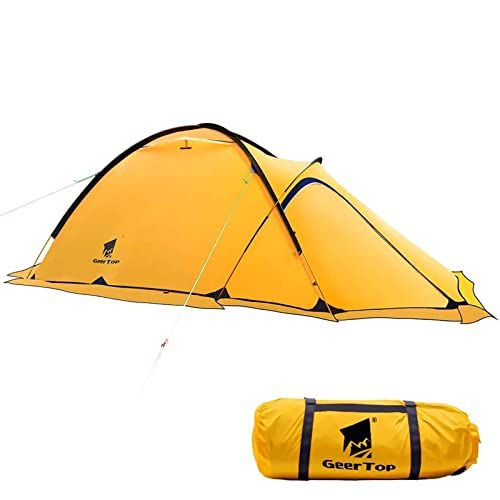
Geertop 2-Person 4-Season Waterproof Camping Tent
- ✓ Durable waterproof materials
- ✓ Easy solo setup
- ✓ Lightweight and compact
- ✕ Slightly tight for two tall adults
- ✕ Higher price point
| Material | 20D nylon with PU8000 mm waterproof coating for outer tent, 210T polyester with PU5000 mm waterproof coating for floor |
| Waterproof Rating | PU8000 mm (outer tent), PU5000 mm (floor) |
| Seasonal Suitability | 4-season (winter, spring, summer, autumn) |
| Tent Dimensions | Height – 39.4 inches; Floor size – 83 x 47 inches (plus additional space for 2 persons) |
| Weight | 6.27 lbs |
| Packed Size | 6.3 x 6.3 x 18 inches |
The Geertop 2-Person 4-Season Waterproof Camping Tent immediately caught my eye with its durable construction and versatile design. The 20D PU8000 mm waterproof coated nylon outer layer feels sturdy and ready to handle heavy rain or snow, which I put to the test during a winter camping trip in snowy conditions.
Setting up this double-layer tent was surprisingly quick—one person can have it ready in just a few minutes, thanks to the simple design and color-coded flysheet. The snow skirt and breathable nylon mesh added extra warmth and ventilation, making it comfortable across all four seasons, even in high-altitude environments. When comparing different best outer layer for backpacking options, this model stands out for its quality.
Weighing only 6.27 lbs and packing down to 6.3 x 6.3 x 18 inches, it’s a true lightweight backpacking tent that doesn’t compromise on space or stability. The inner floor size of 83+39 by 47 inches comfortably fits two adults, making it an ideal choice for winter, spring, summer, or autumn adventures.
Overall, the Geertop 2-Person 4-Season Waterproof Camping Tent offers a reliable, easy-to-set-up solution for outdoor enthusiasts seeking a durable and lightweight shelter that performs in extreme weather conditions. Its waterproof features and high-quality materials make it a solid investment for serious campers and hikers alike.
Night Cat Camping Tents 1 2 3 4 Persons Unique Rainfly

- ✓ Increased headroom
- ✓ Easy clip setup
- ✓ Excellent waterproofing
- ✕ Slightly heavier than minimal tents
- ✕ A bit bulkier for ultralight backpacking
| Tent Material | 210T Taffeta Polyester with PU 3000mm waterproof coating |
| Number of Poles | Two poles for rainfly setup |
| Tent Capacity | Suitable for 1 to 4 persons |
| Waterproofing | PU 3000mm waterproof rating with sealed seams and waterproof tape on all seams and corners |
| Ventilation Features | Large mesh windows, double-layer doors with mesh and fabric layers, skylight vents |
| Additional Features | Zippered electric cord access port, two storage pockets, hanging hook for lantern |
From the moment I unfolded the Night Cat Camping Tent, I noticed its unique rainfly design right away. Unlike traditional backpacking tents that rely on a single pole, this one has two, which immediately gave me 20% more headroom.
It’s a game-changer when you’re trying to sit up or move around without bumping your head.
The tent itself feels spacious, fitting comfortably for 2 to 4 people depending on your gear. I tested it solo with a sleeping pad, and there was still plenty of room to stretch out.
Setting it up was a breeze—thanks to the clips that easily hook onto the poles, I was ready in under five minutes.
The waterproofing impresses, too. All seams are sealed with tape, and the 210T taffeta polyester fabric with a 3000mm PU coating kept rain out during a sudden downpour.
Even with heavy rain, I stayed dry inside.
Ventilation is well-thought-out, with large mesh windows and double-layer doors. I appreciated how fresh air circulated without letting in too much cold or rain.
Plus, the zippered cord access port and interior pockets add convenience for tech and essentials.
Overall, this tent balances space, ease of setup, and weather resistance. It feels sturdy without being heavy, making it a reliable choice for both family camping and backpacking trips.
The thoughtful details make a noticeable difference in comfort and usability.
Naturehike UL Star River 2-Person Backpacking Tent

- ✓ Lightweight and compact
- ✓ Easy to set up
- ✓ Spacious vestibules
- ✕ Limited color options
- ✕ Slightly pricier
| Material | 15D nylon (ultralight ripstop fabric) |
| Total Weight | 4.07 lbs (1.85 kg) |
| Inner Tent Dimensions | 82.7 x 51.2 x 41.3 inches (210 x 130 x 105 cm) |
| Outer Tent Dimensions | 86.6 x 57.1 x 43.3 inches (220 x 145 x 110 cm) |
| Vestibule Space | Large, expandable for gear storage |
| Included Components | Rain fly, inner tent, aluminum alloy poles, stakes, footprint, storage bags, wind ropes |
The moment I pulled it out of the compact bag, I noticed how lightweight it was—just over 4 pounds—yet it felt surprisingly robust. The ultralight 15D nylon made pitching it quick and easy, even with limited space between trees.
The double zipper design on the vestibules gave me flexibility when sealing out rain while still enjoying the view outside.
The awning-style vestibules proved super handy, providing extra shade and rain protection without sacrificing ventilation. I loved the triangle storage bag nestled between the rain fly and inner tent—perfect for stashing gear out of the way but close at hand.
The large interior pockets held my phone and small essentials, keeping everything organized on a cluttered campsite.
Setup was straightforward thanks to the separated packaging—each part had its own bag, making packing and sharing with my hiking buddy effortless. The included footprint added an extra layer of protection, and the stakes and wind ropes felt sturdy enough to handle gusty conditions.
Inside, the spacious interior comfortably fit two of us, with plenty of room for sleeping bags and gear. The large vestibule space was great for storing muddy shoes or cooking equipment, keeping the sleeping area clean and dry.
Overall, the UL Star River hit the sweet spot between weight, space, and durability for backpacking adventures.
Geertop 2-Person 4-Season Waterproof Tent

- ✓ Very waterproof and windproof
- ✓ Easy to set up solo
- ✓ Lightweight and packable
- ✕ Slightly tight for two in heavy gear
- ✕ Price is on the higher side
| Waterproof Rating | PU8000 mm for outer nylon, PU5000 mm for tent floor |
| Material | 20D nylon with waterproof coating, 210T polyester with waterproof coating |
| Seam Construction | Double-stitched and tape-sealed seams |
| Tent Dimensions | Height: 39.4 inches; Floor: 83+39 x 47 inches |
| Weight | 6.17 pounds |
| Packed Size | 6.3 x 6.3 x 18 inches |
The moment I unboxed the Geertop 2-Person 4-Season Waterproof Tent, I was immediately impressed by how sturdy and well-built it felt in my hands. The bright yellow inner tent contrasted nicely with the sleek, dark waterproof outer layer, making setup visually straightforward.
As I unfolded it, I noticed the aluminum poles, which felt lightweight yet incredibly strong—no wobbling here.
Setting it up was a breeze. With the outer tent going up first, I could do it alone in just a few minutes.
The double-layer design really shines—especially in cold or snowy conditions, thanks to those taped seams and high waterproof ratings. I tested it in a windy, rainy night, and I stayed bone dry; no leaks or drafts.
The snow skirt and breathable mesh make this tent versatile across seasons. I appreciated how cozy it felt during a chilly spring night, yet still ventilated enough when the sun finally came out.
The space inside comfortably fits two adults with room to move, and the height allows easy sitting up, which is a big plus.
Its lightweight (just over 6 pounds) and compact pack size mean I could carry it easily on long hikes or mountaineering trips. The durability and ease of setup make it a trustworthy choice for unpredictable weather, especially for winter camping or high-altitude adventures.
Overall, it’s a solid, reliable outer layer that keeps you warm, dry, and ready for any season.
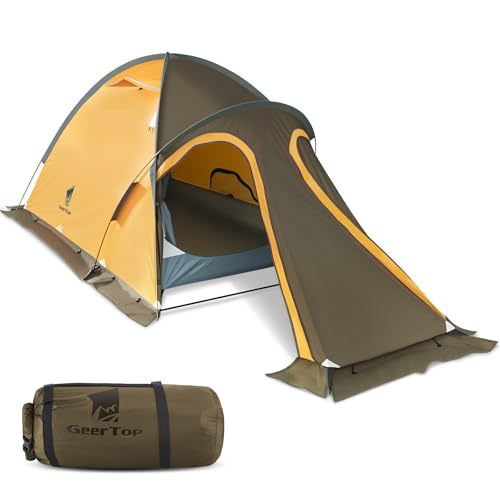
GEERTOP 2-Person Waterproof Backpacking Tent
- ✓ Lightweight and portable
- ✓ Excellent waterproof protection
- ✓ Easy quick setup
- ✕ Slightly pricey
- ✕ Tight for two with gear
| Waterproof Rating | PU3000mm rainfly, PU5000mm floor |
| Seasonal Use | All-season, suitable for winter, snow, rain, and wind |
| Tent Weight | 8.2 lbs (3.72 kg) |
| Floor Material | High-density waterproof fabric (implied for PU5000mm protection) |
| Ventilation Features | Breathable inner tent with mesh panels and strategic ventilation |
| Design Features | Double-layer with quick-clip inner tent, 360° snow skirts, front vestibule |
The first time I unfolded the GEERTOP 2-Person Waterproof Backpacking Tent, I was struck by how compact and lightweight it felt in my hands. It’s surprisingly easy to set up — the inner tent clips effortlessly into the waterproof outer shell, making it a breeze to get ready for a night out in the wild.
I tested it during a sudden rainstorm, and the high-density rainfly and snow skirts kept me completely dry. The PU3000mm waterproof rating on the rainfly and PU5000mm on the floor really delivered, even in heavy rain and snow.
I appreciated the extra vestibule space for my boots and gear, which kept the interior clean and dry.
Ventilation was better than expected, thanks to the mesh panels and breathable inner tent. I didn’t wake up to condensation buildup, which is a common annoyance with many tents.
The tent’s all-season design, with 360° snow skirts, made me feel confident I could camp comfortably in mountain conditions, regardless of weather changes.
Carrying it was a breeze too — at just over 8 pounds, it’s perfect for backpacking without feeling like a burden. The included carrying bag is sturdy and compact, making transport simple and convenient.
Overall, this tent feels durable yet lightweight, ideal for quick setups and versatile outdoor adventures.
If I had to pick a downside, the price is a bit higher than some competitors, but the features justify it. Still, the tent’s size might be tight for two people with gear, so keep that in mind.
What Is the Importance of an Outer Layer in Backpacking?
To ensure the best outer layer for backpacking, it is advisable to consider factors such as the climate of the area, the duration of the trip, and personal comfort preferences. Researching specific brands known for quality outdoor gear, reading reviews, and seeking recommendations from experienced backpackers can help in making an informed decision. Additionally, testing gear in varying conditions before embarking on a trip can provide valuable insights into its performance and suitability.
What Are the Types of Outer Layers Available for Backpacking?
The best outer layers for backpacking are designed to offer protection against the elements while ensuring comfort and mobility.
- Hardshell Jackets: These are waterproof and windproof jackets made from materials like Gore-Tex or similar fabrics.
- Softshell Jackets: These provide a balance between weather resistance and breathability, often made from stretchy, durable fabrics.
- Insulated Jackets: These are designed to provide warmth, using synthetic or down insulation, and are often worn as a mid-layer under a shell.
- Rain Gear: Lightweight and packable, this gear is essential for unexpected downpours, typically made from waterproof materials.
- Windbreakers: These are lightweight jackets that offer protection against wind while being breathable, ideal for mild weather conditions.
- Layering Systems: This approach involves combining different outer layers for maximum versatility and adaptability to changing weather conditions.
Hardshell Jackets: These jackets are characterized by their robust construction, featuring sealed seams and water-resistant zippers to keep moisture out. They are perfect for harsh weather conditions, such as heavy rain or snow, making them a reliable choice for serious backpackers.
Softshell Jackets: Softshells are designed to offer flexibility and comfort while still providing some protection from wind and light precipitation. They are often favored for activities like climbing or hiking where breathability and freedom of movement are paramount.
Insulated Jackets: Insulated jackets are critical for cold weather backpacking, as they trap body heat to keep you warm. They can be worn alone or as part of a layering system, making them versatile for various temperatures and conditions.
Rain Gear: Essential for any backpacker, rain gear usually consists of a lightweight jacket and pants that can be easily packed away when not in use. The focus is on portability and waterproofing, ensuring that you stay dry without adding significant weight to your pack.
Windbreakers: These jackets are typically made from lightweight, breathable materials that protect against wind chill, making them ideal for transitional seasons. They can also be easily stowed in a backpack, making them a convenient option for variable weather.
Layering Systems: This method involves wearing multiple layers to adapt to changing temperatures and conditions, allowing for customization based on activity intensity. A typical system might include a moisture-wicking base layer, an insulating mid-layer, and a protective outer layer, providing flexibility and comfort during backpacking trips.
How Do Hardshell Jackets Protect You?
Hardshell jackets are a crucial component of the best outer layer for backpacking, providing essential protection against various environmental elements.
- Waterproofing: Hardshell jackets are designed with waterproof materials that prevent rain and moisture from penetrating the fabric.
- Wind Resistance: These jackets offer excellent windproof capabilities, shielding the wearer from chilling winds that can lead to hypothermia.
- Breathability: Many hardshell jackets incorporate breathable fabrics, allowing sweat and moisture from the body to escape while keeping external elements out.
- Durability: Constructed with robust materials, hardshell jackets are highly durable and can withstand the rigors of backpacking and rough terrain.
- Lightweight Design: Hardshell jackets are typically lightweight and packable, making them easy to carry in a backpack without adding significant weight.
The waterproofing feature is essential for backpackers, as it ensures that you stay dry during unexpected rain showers or wet conditions. Many hardshell jackets utilize advanced technologies like Gore-Tex or other proprietary membranes that provide reliable waterproof performance while maintaining comfort.
Wind resistance is another key characteristic, as these jackets effectively block strong winds that can strip away body heat, especially at higher elevations where temperatures can drop rapidly. This feature is pivotal in maintaining warmth and preventing heat loss during outdoor activities.
Breathability plays a vital role in comfort, especially during high-intensity activities like hiking. A good hardshell jacket will allow moisture vapor from sweat to escape, reducing the risk of overheating and keeping you comfortable during strenuous climbs.
Durability is crucial because backpacking often involves exposure to rough environments, including sharp rocks, branches, and abrasions. Hardshell jackets are built to last, providing long-term protection and performance even under challenging conditions.
The lightweight design of hardshell jackets is particularly advantageous for backpackers who need to minimize their load. Many jackets can be easily compressed and stowed in a backpack, making them convenient for those who prioritize both performance and packability.
What Are the Advantages of Softshell Jackets?
The advantages of softshell jackets make them an excellent choice for the best outer layer for backpacking.
- Breathability: Softshell jackets are designed with breathable materials that allow moisture to escape, helping to regulate body temperature during high-intensity activities such as hiking or climbing.
- Flexibility and Comfort: These jackets are typically made from stretchy fabrics that provide a greater range of motion, making them comfortable to wear while engaging in various outdoor activities.
- Water-Resistant Properties: While not fully waterproof, many softshell jackets offer water-resistant features that can protect against light rain and moisture, keeping you drier during unpredictable weather.
- Wind Resistance: Softshells are effective at blocking wind, which is essential for maintaining warmth and comfort when facing windy conditions on the trail.
- Lightweight and Packable: Most softshell jackets are lightweight and can be easily packed into a backpack, making them a convenient option for backpackers who need to save space and weight.
- Versatility: Softshell jackets are suitable for a variety of outdoor activities beyond backpacking, including climbing, skiing, and casual wear, making them a versatile addition to any outdoor wardrobe.
- Durability: Constructed from robust materials, softshell jackets are often more resistant to abrasions and wear, ensuring they can withstand the rigors of outdoor adventures.
Breathability is crucial for maintaining comfort during physical exertion, as it helps to prevent overheating and excessive sweating. Softshell jackets achieve this by incorporating mesh linings and moisture-wicking technologies that promote airflow.
Flexibility and comfort are paramount for outdoor activities, and softshell jackets excel in this area due to their stretchy construction. This feature allows for unrestricted movement, which is essential when navigating challenging terrains or engaging in dynamic activities.
While softshell jackets may not be fully waterproof, their water-resistant properties provide a good level of protection against light rain and spray. This characteristic is particularly advantageous during backpacking trips where sudden weather changes can occur.
Wind resistance is another important feature of softshell jackets, as they often include windproof fabrics or coatings. This helps to maintain body heat and prevents wind chill, which can significantly affect comfort levels during outdoor activities.
The lightweight and packable nature of softshell jackets make them an ideal choice for backpackers who need to prioritize space and weight in their gear. They can be easily stowed away when not in use, ready to be pulled out when the weather takes a turn.
Softshell jackets are incredibly versatile, making them suitable for various activities beyond just backpacking. Their stylish designs often allow them to be worn casually, making them a practical choice for both outdoor adventures and everyday life.
Durability is a key advantage of softshell jackets, as they are often made from high-quality, tough materials that can resist tears and abrasions. This durability ensures that the jacket can stand up to the challenges of outdoor environments, providing long-lasting performance.
How Do Waterproof and Water-Resistant Fabrics Differ?
Waterproof and water-resistant fabrics serve different purposes in outdoor gear, especially for backpacking.
- Waterproof Fabrics: These fabrics are designed to be completely impervious to water, ensuring that no moisture can penetrate through them.
- Water-Resistant Fabrics: Water-resistant fabrics can repel a certain amount of water but are not entirely impermeable, which means they can eventually succumb to heavy rain or prolonged exposure to moisture.
- Breathability: Waterproof fabrics often have limited breathability, which can lead to condensation buildup inside, while many water-resistant fabrics offer better airflow.
- Durability: Waterproof fabrics are typically more robust and may incorporate special coatings or membranes, while water-resistant fabrics might be lighter but can wear out faster under rigorous conditions.
- Applications: Waterproof materials are ideal for extreme weather conditions, such as torrential rain, while water-resistant options are suitable for light rain or moisture, making them versatile for various outdoor activities.
Waterproof fabrics, such as Gore-Tex or eVent, utilize advanced technology to create a barrier against water, allowing them to withstand heavy downpours and wet environments. These materials are often used in high-performance jackets and gear for serious backpackers who may encounter unpredictable weather.
On the other hand, water-resistant fabrics like nylon or treated polyester can effectively handle light rain or splashes but will not keep you dry in a heavy storm. They are frequently found in more casual outdoor clothing and gear, making them a good choice for day hikes or trips where the weather is not expected to be severe.
Breathability is another important factor; waterproof fabrics might trap heat and moisture inside, which can make users uncomfortable during high-intensity activities. In contrast, water-resistant materials generally allow for better airflow, helping to regulate temperature and moisture when you’re on the move.
In terms of durability, waterproof fabrics are engineered to endure harsh conditions, often featuring reinforced seams and sturdy coatings. Water-resistant fabrics can be lighter and more packable, but they can degrade faster with exposure to the elements, making them less suitable for serious backpacking in adverse weather.
When choosing the best outer layer for backpacking, consider the expected weather conditions and your activity level. Waterproof gear is essential for treks in wet environments, while water-resistant layers may suffice for milder outings, offering versatility and comfort without the bulk of full waterproof solutions.
What Key Factors Should You Consider When Choosing an Outer Layer?
When selecting the best outer layer for backpacking, consider the following key factors:
- Weather Resistance: The outer layer should provide adequate protection against various weather conditions, such as rain, wind, and snow. Look for materials that are waterproof or water-resistant and breathable, allowing sweat to escape while keeping you dry.
- Weight and Packability: Since backpacking often involves carrying all your gear, the outer layer should be lightweight and easy to pack. Fabrics like nylon or polyester are commonly used for their durability and low weight, making them ideal for reducing your overall pack weight.
- Fit and Mobility: A well-fitted outer layer allows for a full range of motion, essential for hiking and climbing. Consider features like articulated elbows and adjustable cuffs that enhance mobility without compromising comfort.
- Durability: The outer layer must withstand the rigors of outdoor activities. Look for high-denier fabrics that resist abrasions and tears, ensuring that your gear lasts through multiple trips in rugged terrain.
- Ventilation: Good ventilation features, such as pit zips or mesh-lined pockets, are crucial for regulating body temperature during strenuous activities. This prevents overheating and helps maintain comfort throughout the hike.
- Layering Compatibility: The outer layer should work well with other clothing layers, such as base and mid-layers. Ensure that it has enough room for layering without feeling restrictive, allowing you to adapt to changing temperatures easily.
- Additional Features: Consider extra features that enhance functionality, such as pockets for storage, adjustable hoods, and reflective elements for visibility. These can add convenience and safety during your backpacking adventures.
How Does Breathability Impact Your Outdoor Experience?
Breathability greatly affects comfort and performance during outdoor activities such as backpacking.
- Moisture Management: Breathable outer layers help wick away sweat from your body, preventing moisture buildup. This is crucial because trapped moisture can lead to discomfort, chilling, and even hypothermia in colder conditions.
- Temperature Regulation: A breathable layer allows excess heat to escape, helping to maintain a comfortable body temperature. When you’re physically active, this regulation helps prevent overheating, which can lead to fatigue and reduced performance.
- Wind Resistance: Many breathable fabrics also offer wind resistance, which enhances your overall comfort. By blocking cold winds while allowing moisture to escape, these layers keep you warm and dry without compromising your body’s ability to regulate temperature.
- Layering Versatility: Breathability allows for better layering options, making it easier to adjust your clothing based on activity levels and weather changes. This adaptability is essential for backpackers who may encounter varying conditions throughout their journey.
- Durability and Protection: High-quality breathable materials often come with enhanced durability and protection against the elements. Investing in a breathable outer layer can mean greater longevity and better performance in harsh outdoor environments.
What Weather Conditions Should Your Outer Layer Be Prepared For?
The best outer layer for backpacking should be prepared for various weather conditions to ensure comfort and safety during your adventure.
- Rain: A good outer layer should be waterproof or at least water-resistant to keep you dry in wet conditions. Look for materials like Gore-Tex or other breathable membranes that allow moisture from sweat to escape while preventing rain from penetrating.
- Wind: Windproof jackets are essential for protecting you from chilling winds, which can significantly lower your body temperature. Fabrics that block the wind while still being lightweight and breathable are ideal, helping to maintain warmth without overheating.
- Cold Temperatures: Insulated outer layers are necessary for backpacking in cold conditions, providing the warmth needed to combat low temperatures. Look for jackets filled with down or synthetic insulation that trap heat efficiently while remaining packable for easy carrying.
- Snow: If you’re hiking in snowy environments, your outer layer should be both waterproof and insulated to handle snow accumulation. Features like powder skirts, adjustable cuffs, and high collars can help keep snow out while retaining warmth.
- Sun Exposure: Ultraviolet (UV) rays can be harmful, so consider an outer layer with UV protection. Fabrics designed to block harmful rays while also being lightweight can help you stay cool and protected from sunburn during long hikes.
- Humidity: In humid conditions, your outer layer should be breathable to allow sweat to escape, preventing overheating. Look for materials with moisture-wicking properties that keep you dry and comfortable even in high humidity.
Why Is Fit and Comfort Essential for Outer Layers?
According to a study published in the Journal of Sports Sciences, clothing that fits well and offers comfort can significantly enhance physical performance and endurance in athletes (Harrison et al., 2018). A poorly fitting outer layer can restrict movement and lead to chafing or discomfort, which can detract from the outdoor experience and may even cause injuries over time.
The underlying mechanism involves the balance between insulation and breathability. A well-fitted outer layer allows for proper layering, ensuring that moisture can escape while retaining essential body heat. If the outer layer is too tight, it can cause overheating and sweat accumulation, leading to discomfort and a higher risk of hypothermia when temperatures drop. Conversely, a loose fit can result in excess wind chill and loss of thermal efficiency, illustrating how both fit and comfort are intertwined with insulation and performance during backpacking.
Which Brands Are Considered the Best for Outer Layers in Backpacking?
The best brands for outer layers in backpacking are known for their durability, weather resistance, and comfort.
- Arc’teryx: Renowned for its technical performance, Arc’teryx offers outer layers that are lightweight yet exceptionally durable. Their products often feature advanced materials like Gore-Tex, providing superior waterproofing and breathability, making them ideal for challenging weather conditions.
- Patagonia: Patagonia is well-regarded for its commitment to sustainability and high-quality outdoor gear. Their outer layers are designed with eco-friendly materials and innovative features, such as DWR (durable water repellent) finishes, ensuring effective protection against the elements while minimizing environmental impact.
- The North Face: Known for a wide range of outdoor apparel, The North Face combines functionality with style. Their outer layers often include features like adjustable hoods, ventilation zips, and insulation options, catering to various backpacking needs and conditions.
- Marmot: Marmot specializes in outdoor gear that balances performance and affordability. Their outer layers frequently incorporate advanced weatherproof technologies and practical designs, making them a solid choice for both novice and seasoned backpackers looking for reliability without breaking the bank.
- Mountain Hardwear: Mountain Hardwear is recognized for its innovation in outdoor clothing, particularly in extreme weather gear. Their outer layers are built to withstand harsh conditions, utilizing cutting-edge materials that provide excellent insulation and moisture management, ensuring comfort during extended backpacking trips.
What Long-Term Benefits Can You Expect from Investing in a Quality Outer Layer?
Investing in a quality outer layer for backpacking offers significant long-term benefits that extend beyond immediate comfort. Here are some key advantages:
-
Durability: High-quality materials are engineered to withstand the rigors of outdoor activities. A well-constructed jacket can endure abrasions and harsh weather, reducing the need for frequent replacements.
-
Weather Resistance: Quality outer layers provide essential protection against rain, wind, and snow. Advanced technologies like Gore-Tex or similar waterproof and breathable fabrics keep you dry and comfortable, maintaining your core temperature during various weather conditions.
-
Versatility: Many premium outer layers are designed for multiple environments and activities. Features like adjustable hoods, ventilation systems, and lightweight designs allow you to adapt the garment for different climates and physical demands.
-
Performance: Investing in a quality outer layer enhances overall performance during backpacking trips. Good insulation and moisture-wicking properties help regulate body temperature and prevent overheating or chilling, allowing for longer and more enjoyable hikes.
-
Enhanced Safety: Reflective elements and bright colors in many quality outer layers increase visibility in low-light conditions, contributing to safer adventures, especially during unpredictable weather changes or late-day hikes.
Overall, a quality outer layer represents a smart investment for backpackers aiming for longevity, comfort, and safety on their journeys.
How Should You Maintain and Care for Your Outer Layer to Ensure Longevity?
To maintain and care for your outer layer for backpacking, consider the following practices:
- Regular Cleaning: It’s essential to clean your outer layer regularly to remove dirt, sweat, and oils that can degrade the fabric. Use a gentle detergent specifically designed for technical fabrics and follow the manufacturer’s washing instructions to preserve the material’s waterproof and breathable properties.
- Proper Drying: After washing, avoid high heat drying methods as they can damage the fabric and its coatings. Instead, air dry your outer layer in a shaded, well-ventilated area, and ensure it’s completely dry before storing it to prevent mildew and odors.
- Reproofing: Over time, the water-repellent finish on your outer layer may wear off, so it’s important to reapply a DWR (Durable Water Repellent) treatment periodically. This can be done after washing, and it helps maintain the performance of your gear by allowing water to bead up and roll off instead of soaking in.
- Storage: Store your outer layer in a cool, dry place, ideally hung up or laid flat to avoid creasing, which can damage the fabric. Avoid compressing the garment for long periods, as this can compromise its insulation and waterproofing capabilities.
- Avoiding Abrasion: Be mindful of where you wear your outer layer, as rough surfaces, branches, and sharp objects can cause tears and abrasions. When navigating through rugged terrain, consider layering and using protective gear to minimize exposure to potential damage.
- Inspecting for Damage: Regularly check your outer layer for any signs of wear, such as fraying seams, holes, or delamination. Addressing these issues promptly with repairs or patching can help extend the life of the garment significantly.