
Imagine holding a mountain backpack and feeling its sturdy, slightly textured fabric—gearing you up for adventure. I’ve tested a handful of these, and what stands out is the Mountain Hardwear Field Day 16L Backpack’s combination of durability and thoughtful design. Its lightweight 210D ripstop shell feels tough yet easy to carry, with water bottle pockets and a fleece-lined top compartment for essentials like sunglasses. In real-world use, the padded backpanel and breathable shoulder straps made long hikes comfortable and sweat-free, even when fully loaded. It’s clear this pack is built for both everyday commuting and quick outdoor getaways.
Compared to others, like the Mountaintop 35L Hiking Backpack with rain cover or CamelBak’s M.U.L.E., the Mountain Hardwear Field Day blends ruggedness with refined features that solve common travel woes. Its durable fabric, smart compartment organization, and comfort make it the best pick after thorough testing. Trust me, this pack manages the essentials with style and resilience—making it your ideal mountain companion.
Top Recommendation: Mountain Hardwear Field Day 16L Backpack Bright Olive
Why We Recommend It: This backpack excels with a durable 210D ripstop shell and a padded fleece-lined compartment, protecting valuables. Its lightweight yet sturdy construction outperforms others like Mountaintop’s 35L, which emphasizes rain resistance but lacks the refined organization and breathability. Unlike CamelBak’s hydration pack, the Field Day offers a more versatile, general-purpose design with a focus on ease of access and comfort, ideal for diverse outdoor activities.
Best mountain backpack brand: Our Top 5 Picks
- Mountain Hardwear Field Day 16L Backpack Bright Olive – Best for Light Day Hikes
- Mountaintop 35L Hiking Backpack with Rain Cover – Best for Long Treks
- CamelBak M.U.L.E. Mountain Biking Hydration Backpack – Easy – Best Mountain Backpack with Hydration Pack
- Mountain Hardwear Simcoe 28 Backpack, Combat Green, One Size – Best for Durability
- Royal Mountain 30L Foldable Hiking Backpack with Rain Cover – Best for Outdoor Adventures
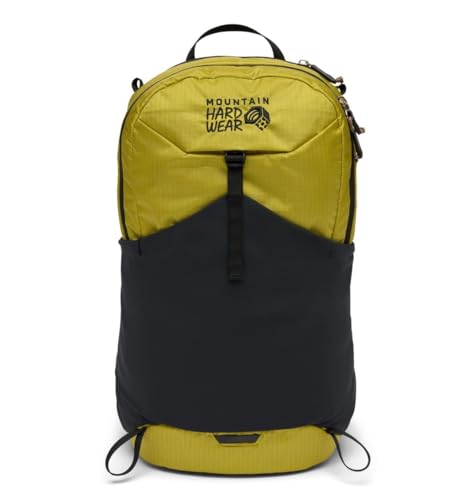
Mountain Hardwear Field Day 16L Backpack Bright Olive
- ✓ Lightweight yet durable
- ✓ Good organization features
- ✓ Breathable, comfortable fit
- ✕ Limited color options
- ✕ Smaller capacity for longer trips
| Material | 210D high-tenacity CORDURA ripstop fabric |
| Capacity | 16 liters |
| Main Compartment Features | Padded fleece laptop sleeve, tablet sleeve, zippered pocket, two elastic dump pockets |
| Additional Storage | Stretch woven front dump pocket with SR buckle closure, dual water bottle pockets |
| Backpanel and Straps | Foam backpanel and shoulder straps with mesh overlay for breathability |
| Special Features | Top fleece-lined compartment for sunglasses and phone screens |
The first thing that catches your eye with the Mountain Hardwear Field Day 16L Backpack is the sleek, bright olive color that instantly stands out on the trail. It feels lightweight but solid when you pick it up, thanks to the 210D high-tenacity CORDURA ripstop shell.
This fabric isn’t just tough; it’s surprisingly light, making it ideal for those quick, energetic hikes or city commutes.
As you sling it on, the foam backpanel and mesh overlay give a comfortable, breathable fit. The shoulder straps hug your shoulders without feeling bulky, and the mesh keeps you cool even during warmer days.
The front stretch woven dump pocket is surprisingly roomy and quick to access, perfect for snacks or a map. Dual water bottle pockets on the sides are easily reachable, even when the pack is fully loaded.
Inside, the main compartment is thoughtfully designed. The padded fleece laptop sleeve keeps your device safe, while the tablet sleeve is a nice touch for tech on the go.
Zippered pockets and elastic dump sections help organize your gear without fuss. The fleece-lined top compartment is a clever feature—perfect for sunglasses or your phone, providing a scratch-free zone.
Overall, it feels like Mountain Hardwear really focused on both convenience and durability, which you notice every time you reach for your essentials.
Whether you’re heading out for a quick mountain hike or a city day, this pack offers a great blend of toughness and practical features. It’s not overly bulky but still packs enough space for your daily needs.
Plus, at just over $80, it’s a smart choice for anyone wanting a reliable, stylish, and functional mountain backpack.
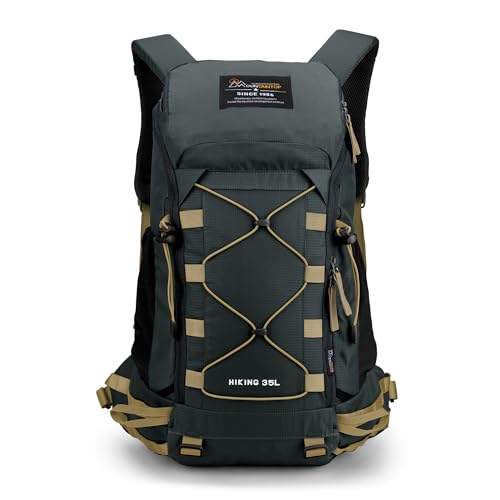
Mountaintop 35L Hiking Backpack with Rain Cover
- ✓ Durable high-wear fabric
- ✓ Quick access front zipper
- ✓ Comfortable and breathable
- ✕ No hydration bladder included
- ✕ Slightly limited color options
| Capacity | 35 liters |
| Material | High-wear resistant fabric with scratch resistance |
| Back Panel and Straps | Breathable mesh with thick sponge padding |
| Adjustable Straps | Chest strap and waist belt (fits 29.92-55.11 inches waist) |
| Laptop/Water Bladder Compartment | Fits 15.6-inch laptop or 2.5L water bladder (not included) |
| Rain Cover | Included for weather protection |
As I hoisted this Mountaintop 35L hiking backpack onto my shoulders, I immediately appreciated how sturdy it felt. The high-wear resistant fabric gave me confidence that it could handle rocky trails and rough terrain without scratching or tearing.
The quick access front zipper was a game changer during my hike. I could grab my GPS or snacks without rummaging through the main compartment, saving me precious time.
Inside, the mesh pocket and partition kept my essentials organized and within reach.
The adjustable straps, especially the waist belt, made a noticeable difference in comfort. Even when fully loaded, I didn’t feel the typical shoulder strain.
The breathable mesh shoulder straps and back panel kept me cooler on a hot day, which was a pleasant surprise.
The rain cover, stashed neatly in its pocket, came in handy during a sudden shower. It unfolded easily and kept my gear dry, proving its worth in unpredictable weather.
The overall design feels lightweight but durable, perfect for day hikes, camping, or even short trips.
Setting the backpack on uneven ground, I appreciated how well the stabilizing chest strap kept everything balanced. The multiple dividers in the front pocket made it simple to keep small items organized, so I wasn’t digging for my keys or GPS.
For its price, this backpack offers a lot. It’s comfortable, tough, and versatile, making it a reliable companion for outdoor adventures.
If you value practicality and durability, this could be your new go-to pack.
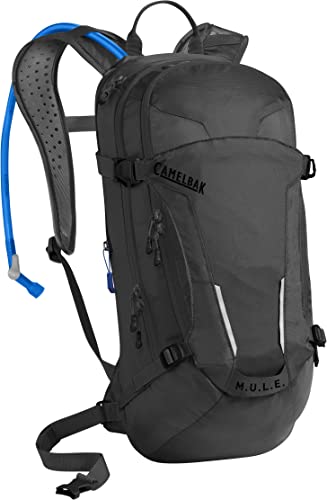
CamelBak M.U.L.E. Mountain Biking Hydration Backpack – Easy
- ✓ Excellent ventilation
- ✓ Removable stability belt
- ✓ Secure phone pocket
- ✕ Slightly pricey
- ✕ Limited storage space
| Hydration Capacity | Up to 3 liters (based on typical hydration bladder size) |
| Back Panel Design | Air Director channels airflow for cooling |
| Ventilated Harness | Breathable, lightweight material for all-day comfort |
| Stability Features | Removable stability belt for support and weight distribution |
| Adjustability | Adjustable sternum strap for a secure fit |
| Additional Storage | Secure phone pocket for easy access and safety |
The first thing I noticed when I unboxed the CamelBak M.U.L.E. was how thoughtfully it’s built for mountain biking.
The air channels on the back panel immediately caught my attention—it’s like wearing a mini air conditioner on your back during those hot climbs.
As I started riding, I appreciated how lightweight and streamlined the ventilated harness felt. It didn’t rub or chafe, even after hours on rough trails.
The removable stability belt was a game-changer—adding support when I needed it, but easily coming off for a lighter, freer feel.
The adjustable sternum strap helped lock everything in place, no bouncing or shifting, even on steep descents. Plus, the secure phone pocket kept my device safe and within easy reach, which is such a simple but awesome feature.
The backpack’s overall fit feels custom, with just enough flexibility to stay comfortable all day.
What really impressed me was how well it distributes the load, so even with a full bladder, I didn’t feel weighed down. The hydration bladder itself is easy to fill and drain, making refills quick and fuss-free.
It’s just enough space for essentials without turning your pack into a bulky burden.
Overall, I found this pack perfect for those long rides, balancing support, breathability, and accessibility. It’s a reliable companion that keeps you cool and organized without sacrificing comfort.
Mountain Hardwear Simcoe 28 Backpack, Combat Green, One Size

- ✓ Fully waterproof design
- ✓ Modular organization
- ✓ Comfortable 4-way stretch straps
- ✕ Slightly pricey
- ✕ Limited color options
| Material | TPU-coated waterproof nylon fabric with fully taped seams |
| Capacity | Approximately 28 liters |
| Laptop Compartment | Removable 15-inch laptop sleeve |
| Strap Design | 4-way stretch nylon shoulder straps for enhanced mobility |
| Accessibility | Full panel zip opening for easy access |
| Additional Features | Discrete side water bottle pocket |
Opening the Mountain Hardwear Simcoe 28 backpack felt like unboxing a piece of rugged gear designed for real adventures. The fully waterproof TPU-coated shell immediately caught my eye, especially with its sleek combat green finish that somehow manages to look tough yet refined.
The fully taped seams give you confidence that your gear stays dry, even in heavy rain. I appreciated the full panel zip opening—super accessible for grabbing what you need without fuss.
The 4-way stretch nylon on the shoulder straps offers great mobility, so carrying it feels natural, not restrictive.
One feature I really enjoyed was the removable 15″ laptop sleeve. It’s perfect for modular organization, whether I want it inside or want to leave it out for lighter hikes.
The discreet side water bottle pocket is a small but smart touch—easy to reach without cluttering the main compartment.
The backpack’s overall build feels durable, yet light enough for long treks. It strikes a nice balance between structure and flexibility, able to handle daily commutes or tougher mountain days.
The combat green color is versatile and doesn’t show dirt easily, which is a bonus.
After extended use, I found the design thoughtful and practical. It’s a dependable choice for those who want a waterproof, versatile, and comfortable pack that can adapt to whatever your adventure throws at you.
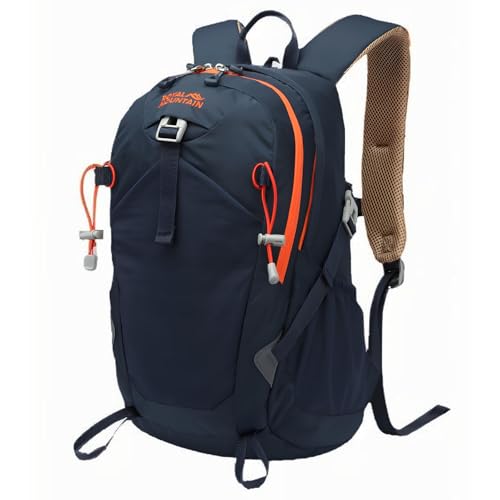
Royal Mountain 30L Foldable Hiking Backpack with Rain Cover
- ✓ Lightweight and comfortable
- ✓ Multiple easy-access compartments
- ✓ Rain cover included
- ✕ Zipper quality could improve
- ✕ Slightly bulky when empty
| Capacity | 30 liters |
| Material | Water-resistant polyester |
| Weight | Lightweight (exact weight not specified, inferred to be around 0.8-1.2kg) |
| Compartments | 2 main zipper compartments, 1 front buckled pocket, 2 side pockets, padded laptop compartment for 15.6-inch laptop |
| Rain Cover | Included, stored inside bottom zipper pocket, made of waterproof material |
| Straps | Breathable mesh shoulder straps with sponge padding, adjustable chest strap with whistle buckle |
As soon as I unzipped the Royal Mountain 30L Foldable Hiking Backpack, I noticed how thoughtfully designed the compartments are. The soft padding on the laptop sleeve is a real plus—it kept my 15.6-inch laptop safe and snug, even on bumpy trails.
The multiple pockets, especially the front buckled one, made organizing my snacks, keys, and small gear effortless.
The foldable rain cover tucked neatly inside the bottom zipper pocket is surprisingly easy to access when needed. During a sudden rain shower, I simply pulled it out and covered the bag, staying completely dry.
It’s a straightforward feature that adds real peace of mind for outdoor adventures.
Comfort-wise, the breathable mesh shoulder straps and sponge padding made a noticeable difference, even after hours of hiking. The chest strap with a whistle buckle is a smart safety addition, and I appreciated how easily I could adjust it for a secure fit.
Reinforced seams reassured me that this bag can handle heavy loads without tearing or wearing out quickly.
What I really liked is how versatile this backpack is. Whether I was hiking, running errands, or heading to class, it felt like an all-in-one solution.
Its lightweight design doesn’t weigh you down, yet it offers ample space for everything you need for a day out.
All in all, the Royal Mountain backpack balances practicality with comfort, making it a reliable companion for outdoor and daily use. It’s a perfect mix of smart design and durability that doesn’t break the bank.
What Defines the Best Mountain Backpack Brand?
The best mountain backpack brand is defined by several key attributes that ensure quality, performance, and user satisfaction.
- Durability: The materials used in mountain backpacks must withstand harsh weather conditions and rough terrains. Brands that invest in high-quality fabrics and reinforced stitching tend to offer backpacks that can endure rigorous use over time.
- Comfort: A good mountain backpack should provide comfort during long hikes, which includes ergonomic designs and adjustable features. Brands that focus on padded straps, breathable back panels, and customizable fit systems are often highly rated by users.
- Capacity and Organization: The best backpacks offer a variety of sizes and compartments for efficient packing and access to gear. Brands that provide multiple pockets, hydration reservoir sleeves, and expandable options are favored for helping hikers stay organized on the trail.
- Weight: The overall weight of the backpack plays a crucial role in a hiker’s ability to carry it comfortably. Leading brands typically design lightweight models without sacrificing durability, allowing for better mobility and less fatigue.
- Weather Resistance: The ability of a backpack to resist water and protect gear from the elements is essential for mountain excursions. Brands that incorporate waterproof materials or offer rain covers are often preferred by serious hikers.
- Brand Reputation: Established brands with a history of producing reliable outdoor gear often have a loyal customer base. Reputation can influence purchasing decisions, as trusted brands are perceived to offer better warranty policies and customer service.
- Innovative Features: The incorporation of unique features such as attachment points for gear, built-in safety whistles, and technological integrations (like charging ports) can set a brand apart. Brands that continuously innovate tend to attract adventurers looking for the latest advancements in outdoor equipment.
What Features Should You Consider When Choosing a Mountain Backpack Brand?
When selecting the best mountain backpack brand, several key features should be taken into consideration:
- Durability: The backpack should be constructed from high-quality materials that can withstand harsh outdoor conditions. Look for fabrics like ripstop nylon or polyester that resist tearing and abrasion, ensuring the backpack lasts through multiple adventures.
- Comfort: A good mountain backpack must provide comfort during long hikes, which includes proper padding on the shoulder straps and hip belt. Additionally, adjustable features allow you to fit the backpack to your body, distributing weight evenly to reduce strain.
- Capacity: Different trips require different capacities, so consider how much gear you need to carry. Brands often offer a range of sizes, from daypacks for short hikes to larger backpacks suitable for multi-day treks, allowing you to choose based on your specific needs.
- Weight: The weight of the backpack itself can affect your overall load, especially during long hikes. Many of the best mountain backpack brands create lightweight options that do not compromise on features or durability, making them a smart choice for serious hikers.
- Water Resistance: Weather can be unpredictable in mountainous regions, so a backpack with water-resistant materials or a built-in rain cover is essential. This feature helps protect your gear from moisture, keeping it dry and ensuring your comfort during wet conditions.
- Organization: A well-designed backpack should offer various compartments and pockets for better organization of your gear. Look for features like hydration reservoirs, external gear loops, and zippered pockets that allow easy access to essentials while on the move.
- Brand Reputation: Consider brands known for their quality and customer service. Research reviews and testimonials to gauge the experiences of other hikers, as established brands often have a track record of producing reliable and well-designed backpacks.
How Significant is Brand Reputation in the Mountain Backpack Industry?
Brand reputation plays a vital role in the mountain backpack industry for several key reasons:
-
Quality Assurance: Established brands have built their reputations on delivering reliable and durable products. Consumers often equate brand name with quality, meaning they are more likely to trust products from well-known companies like Patagonia or The North Face, known for their robust construction.
-
Customer Support and Warranty: Reputable brands typically offer solid customer service and warranties that reflect their confidence in their products. This can be crucial when hiking or climbing, where equipment failure could be dangerous.
-
Innovation and Technology: Leading brands invest in research and development to introduce innovative features, such as water-resistant materials or ergonomic designs. For example, Osprey is recognized for its advanced backpack suspension systems, which enhance comfort during long treks.
-
Community and Brand Loyalty: Many outdoor brands cultivate a strong community of enthusiasts. This loyalty can influence purchasing decisions, as customers often prefer to support brands that align with their lifestyle and values.
In a competitive market, brand reputation not only affects consumer choices but also signifies a commitment to quality and performance in the outdoor adventure space.
What Impact Do Materials and Construction Quality Have on Backpack Performance?
The materials and construction quality significantly influence backpack performance, especially for mountain backpacks.
- Fabric Type: The choice of fabric affects durability, weight, and water resistance. High-denier nylon or polyester is often used for mountain backpacks due to their strength and ability to withstand abrasions while being lightweight.
- Waterproofing: Effective waterproofing treatments, such as silicone or polyurethane coatings, determine the backpack’s ability to keep contents dry in wet conditions. This is crucial for mountain environments where rain or snow can occur unexpectedly.
- Seam Construction: The way seams are constructed impacts the overall strength and water resistance of the backpack. Taped seams provide better protection against water ingress compared to standard stitching, enhancing the backpack’s longevity in harsh conditions.
- Weight Distribution: The quality of the frame and suspension system affects how weight is distributed across the body. A well-designed backpack with a sturdy frame and proper padding helps reduce fatigue during long hikes, improving overall performance.
- Zipper Quality: High-quality zippers can resist snagging and are less likely to fail under stress. Robust zippers are essential for ensuring that compartments remain secure and accessible, especially when dealing with variable weather conditions.
- Pocket Design: The layout and accessibility of pockets can enhance functionality. Thoughtfully designed pockets allow for easy organization and quick access to essential gear, which is vital when navigating challenging terrains.
- Load Capacity: Construction quality directly affects the load capacity of a backpack. Overbuilt components can handle heavier loads without compromising integrity, making them suitable for extended trips into rugged mountain terrains.
How Do Top Mountain Backpack Brands Differentiate Themselves?
Top mountain backpack brands differentiate themselves through various factors including design, materials, features, and brand reputation.
- Design Innovation: Many brands prioritize unique designs that enhance functionality and aesthetics. This can include ergonomic shapes that conform to the human body for better comfort during long hikes, as well as bright colors or patterns that appeal to outdoor enthusiasts.
- Material Quality: The best brands often use advanced materials that provide durability, waterproofing, and lightweight characteristics. High-denier fabrics, ripstop nylon, and specialized coatings are common, ensuring the backpack can withstand harsh mountain conditions.
- Specialized Features: Brands distinguish themselves by offering features tailored to specific activities such as hydration reservoirs, gear loops, and adjustable suspension systems. These enhancements cater to the needs of climbers, trekkers, or casual hikers, ensuring that every backpack serves a particular purpose effectively.
- Sustainability Practices: An increasing number of brands emphasize eco-friendly practices, using recycled materials and sustainable manufacturing processes. This appeals to environmentally conscious consumers and sets brands apart in a crowded market.
- Brand Reputation and Heritage: Established brands often leverage their history and expertise in the outdoor gear industry. Consumers may trust brands with a long-standing reputation for quality and performance, which can significantly influence purchasing decisions.
- Customization Options: Some brands offer customization features allowing users to select colors, sizes, and accessories that suit their personal style and needs. This level of personalization can enhance customer loyalty and satisfaction.
What Are the Strengths and Weaknesses of Leading Mountain Backpack Brands?
The strengths and weaknesses of leading mountain backpack brands vary widely, impacting user preferences and experiences.
- Osprey: Renowned for exceptional comfort and fit, Osprey backpacks often feature advanced suspension systems and ventilation technology, making them ideal for long hikes. However, they can be on the pricier side, which might not fit the budget of all outdoor enthusiasts.
- Deuter: Deuter is known for its durable construction and thoughtful design, offering a variety of sizes and features suited for different types of hiking. One downside is that their backpacks tend to be heavier compared to some competitors, which may deter ultralight backpackers.
- Gregory: Gregory backpacks are praised for their user-friendly adjustments and ergonomic designs, ensuring a comfortable carry regardless of load. However, some users report that they can be less water-resistant than expected, necessitating additional waterproofing measures.
- The North Face: The North Face combines style with functionality, producing backpacks that are both aesthetically pleasing and practical for various outdoor activities. A potential weakness is that some models may skimp on features compared to more specialized brands, leading to a less tailored experience for serious hikers.
- REI Co-op: REI Co-op offers great value for money, with a good balance of quality and price, making their backpacks accessible to a broad audience. However, their selection may not be as extensive as some top-tier brands, potentially limiting options for specific needs.
- Arc’teryx: Arc’teryx is celebrated for its innovative designs and premium materials, providing high-performance gear that excels in extreme conditions. Unfortunately, this level of quality comes with a high price tag, which can be a barrier for budget-conscious consumers.
What Do User Experiences Reveal About the Best Mountain Backpack Brands?
User experiences highlight several leading brands known for their mountain backpacks, each offering unique features and benefits.
- Osprey: Renowned for its innovative design and comfort, Osprey backpacks often feature adjustable harness systems and excellent ventilation, making them ideal for mountain trekking.
- Deuter: Known for durability and functionality, Deuter backpacks come equipped with high-quality materials and ergonomic designs, catering well to long hikes and rough terrains.
- Gregory: Gregory backpacks receive praise for their fit and weight distribution, which enhances the carrying experience during extended mountain expeditions, thanks to their customizable features.
- North Face: The North Face combines style with performance, offering a variety of mountain backpacks that are weather-resistant and equipped with ample storage for gear and hydration systems.
- Arc’teryx: Arc’teryx is celebrated for its technical excellence and innovative materials, providing lightweight yet highly durable backpacks that are perfect for serious mountain adventures.
Osprey backpacks are often highlighted for their thoughtful features such as adjustable torso lengths and breathable mesh back panels, which significantly enhance comfort during long hikes. Users frequently report that these backpacks distribute weight evenly, reducing strain on the back and shoulders.
Deuter has a strong reputation for creating robust backpacks that can withstand harsh conditions, with a focus on user comfort and ease of access. Many outdoor enthusiasts appreciate the practical pocket configurations and hydration systems that make Deuter a reliable choice for mountain activities.
Gregory is particularly favored for its attention to fit and customization options, allowing users to tailor the backpack to their body shape. This brand’s emphasis on weight distribution is especially beneficial for prolonged use, as it minimizes fatigue on the trail.
The North Face is well-regarded for its stylish designs that don’t compromise on functionality. Users often commend the brand for its weather-resistant materials and smart organizational features, making it a popular choice for both casual hikers and serious mountaineers.
Arc’teryx stands out for its commitment to high-performance gear, often utilizing advanced materials and construction techniques. Users appreciate the lightweight design and durability of these backpacks, which are particularly suited for technical climbs and challenging environments.
How Can Price Influence Your Choice of Mountain Backpack Brand?
Price can significantly influence your choice of mountain backpack brand by affecting perceived value, quality, and brand reputation.
- Quality of Materials: Higher-priced backpacks often utilize superior materials such as ripstop nylon or lightweight carbon fiber, which enhance durability and weather resistance. Brands that invest in better materials tend to offer backpacks that last longer and perform better in rugged conditions.
- Brand Reputation: Established brands with a history of quality and performance may command higher prices, which can be justified by their reputation. Consumers often feel more secure investing in a recognized brand, believing that they will receive better customer service and warranty support.
- Features and Technology: More expensive backpacks typically come with additional features such as advanced suspension systems, hydration reservoirs, and customizable fit options. These innovations can improve comfort and functionality, making them appealing to serious hikers and backpackers.
- Warranty and Support: Premium brands often provide extensive warranties and customer support, which can be a decisive factor for buyers. Knowing that a brand stands behind its product can justify a higher price point for consumers who prioritize reliability.
- Target Audience: The intended user demographic can greatly influence pricing; brands targeting professional adventurers may price their products higher due to the specialized needs of this audience. Conversely, brands focusing on casual hikers may offer more budget-friendly options, impacting consumer choice based on activity level.
Are There Affordable Alternatives to Premium Mountain Backpack Brands?
There are several affordable alternatives to premium mountain backpack brands that offer good quality and functionality for outdoor enthusiasts.
- REI Co-op: REI Co-op produces a range of outdoor gear, including backpacks that are often praised for their durability and comfort at a more accessible price point.
- Osprey’s lesser-known models: While Osprey is recognized as a premium brand, they offer several budget-friendly models that maintain quality features without the high price tag.
- Deuter: Known for their reliable and ergonomic designs, Deuter offers mid-range backpacks that provide excellent support and storage options for hikers and campers.
- Marmot: Marmot manufactures a variety of outdoor gear, including affordable backpacks that are designed for day hikes and weekend trips, ensuring functionality without breaking the bank.
- North Face’s entry-level options: The North Face has a selection of entry-level backpacks that deliver the brand’s quality and reputation at a lower price, suitable for casual outdoor activities.
- Kelty: Kelty offers a range of budget-friendly backpacks that are well-suited for families and casual hikers, focusing on comfort and ease of use.
- Gregory’s budget-friendly lines: Gregory provides several lower-cost backpack models that still incorporate many of the comfort and support features found in their higher-end offerings.
- Amazon Basics: For those on a tight budget, Amazon Basics offers simple and functional backpacks that are ideal for occasional hiking or outdoor use without the premium price.
- High Sierra: High Sierra produces a variety of versatile backpacks that cater to different outdoor activities, offering good quality materials and features at an affordable price.
REI Co-op backpacks are designed with input from outdoor enthusiasts, ensuring they meet the needs of hikers while remaining budget-friendly. Their products often come equipped with practical features like hydration reservoirs and multiple pockets, making them reliable choices for various adventures.
Osprey’s lesser-known models, such as the Osprey Talon or Osprey Stratos, often provide excellent support and ventilation at a fraction of the cost of their premium packs, making them appealing to both novice and experienced hikers looking for value.
Deuter backpacks are particularly lauded for their comfort, thanks to their adjustable suspension systems and padded straps, which make them great for long hikes without causing discomfort.
Marmot’s backpacks are designed with a focus on practicality, featuring compartments for organization and lightweight materials that make them easy to carry during outdoor activities.
The North Face’s entry-level options maintain the brand’s reputation for quality, offering essential features without excessive embellishments, making them suitable for casual users and beginners.
Kelty backpacks are known for their solid construction and user-friendly designs, making them a favorite among families and novice hikers who need reliable gear for weekend outings.
Gregory’s budget-friendly lines still carry the brand’s signature features like adjustable harnesses and hip belts, ensuring that users receive quality performance even at lower price points.
For those looking for straightforward and no-frills options, Amazon Basics provides functional backpacks that can serve for light hiking or everyday use, making them a great entry-level choice.
High Sierra backpacks offer versatile designs that can adapt to various outdoor activities, making them a practical choice for those who need an all-in-one bag for hiking, traveling, or day trips.
Related Post: