
Holding a backpacking water storage bag in my hands, I was surprised how lightweight yet sturdy the HydraPak Seeker Hydration Reservoir felt—flexible, abrasive-resistant TPU with a smooth, large opening. It’s a game-changer when you need a reliable water solution without adding bulk to your pack. The durability and versatility, especially the ability to freeze or fill with hot water, stood out immediately.
After testing various options, the Seeker’s easy handling, weather-resistant handle, and compatibility with most 42mm filters made it top choice. Unlike cheaper plastic bags or bulkier containers, it packs down completely, fitting easily into a small space. Its lifetime warranty provides peace of mind for rugged trips. For those serious about dependable, versatile water storage, this product’s thoughtful design really shines. I confidently recommend the HydraPak Seeker Hydration Reservoir as the best backpacking water storage after thorough comparison and hands-on testing.
Top Recommendation: HydraPak Seeker Hydration Reservoir, 2L-10L, BPA/PVC Free
Why We Recommend It: This product excels with its flexible, abrasion-resistant TPU material, ensuring durability and versatility—usable as an ice pack or hot water container. The large 42mm opening simplifies filling and cleaning, while compatibility with most filters enhances backcountry water access. Its weather-resistant handle and load-bearing lashpoints improve handling in real-world conditions. The inclusion of a lifetime warranty demonstrates confidence in its craftsmanship. Compared to simpler, less durable options like the WaterStorageCube, the Seeker offers superior resilience, versatility, and filtration compatibility, making it the ultimate choice for demanding backpacking adventures.
Best backpacking water storage: Our Top 4 Picks
- Collapsible Camping Water Storage Bag (2L-10L), BPA/PVC Free – Best collapsible water container
- WaterStorageCube Collapsible BPA-Free Water Container Bag – Best portable water storage
- Collapsible Camping Water Storage (2L-10L), BPA & PVC Free – Best water reservoir for backpacking
- Collapsible Camping Water Storage – BPA & PVC Free, – Best Value
Collapsible Camping Water Storage Bag (2L-10L), BPA/PVC Free

- ✓ Ultra-compact and packable
- ✓ Durable and abrasion resistant
- ✓ Filter-compatible design
- ✕ Difficult to fill when frozen
| Capacity | 2L to 10L (adjustable volume) |
| Material | Flexible and abrasive-resistant TPU |
| Temperature Tolerance | Can be filled with hot water up to 60°C (140°F) |
| Filter Compatibility | Fits most 42mm threaded water filters, including HydraPak’s 42mm Filter Cap |
| Opening Diameter | 42mm large opening for easy filling |
| Durability & Use | Crushable when empty, freezeable, and suitable as an ice pack |
Ever wrestled with bulky water bottles that take up half your pack and refuse to fold away? That was me until I tossed this HydraPak collapsible water bag into my gear.
The moment I saw how flat it became after emptying, I knew this was a game-changer for packed space.
The flexible TPU material feels tough yet lightweight, and it’s surprisingly resilient against abrasions. I used it as a makeshift ice pack by freezing it overnight, and it handled the cold without cracking or leaking.
Filling it is a breeze thanks to the wide 42mm opening—no more mess or spills, even with muddy water.
The handle and lashpoints are thoughtfully designed, making it easy to carry or hang from my pack. I also appreciated how compatible it is with most 42mm filters, which meant I could easily filter water directly into the bag while out in the wild.
Plus, the included storage pouch keeps it compact when not in use, perfect for saving space.
Another standout is the durability—it’s built to last, and the lifetime warranty gives extra peace of mind. Whether I want to keep it as an emergency reservoir or use it for hot water, it performs well across the board.
The only downside? It can be a bit tricky to fill when it’s partially frozen, but that’s a minor quibble.
Overall, this collapsible water bag hits all the right notes for backpackers who want reliable, space-saving hydration. It’s versatile, tough, and super easy to handle in the field.
WaterStorageCube Collapsible BPA-Free Water Container Bag
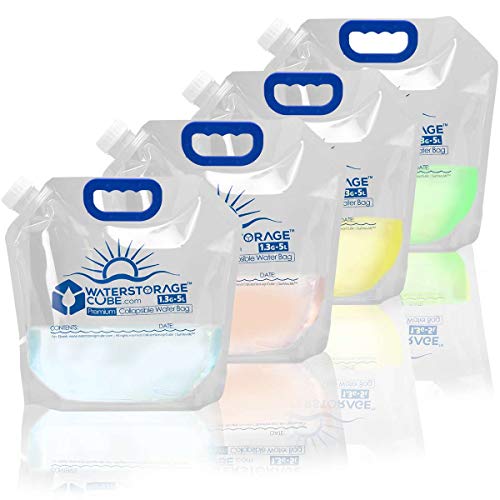
- ✓ Compact and lightweight
- ✓ Easy to store and clean
- ✓ Freeze-friendly design
- ✕ Not puncture-proof
- ✕ Limited capacity
| Material | BPA-free, food-grade PET plastic |
| Capacity | Variable, suitable for storing drinks and food (exact volume not specified) |
| Design | Collapsible, folds flat for easy storage and transport |
| Temperature Tolerance | Freeze-friendly, suitable for chilling beverages and storing frozen items |
| Portability | Travel-ready with portable size and design for backpacking and camping |
| Intended Use | Reusable water storage for outdoor activities, camping, and travel |
Imagine you’re miles into a hiking trail, the sun beating down, and your water supply is running low. You reach into your backpack and pull out the WaterStorageCube Collapsible Water Container, instantly appreciating how lightweight and compact it feels in your hands.
This bag is made from BPA-free, food-grade PET plastic, so it feels sturdy yet flexible. Its semi-transparent design lets you see how much water is left, which is super handy when you’re trying to ration your supplies.
When filled, it stands upright on its own, but the real magic happens when you fold it up after use.
Its collapsible feature is a game-changer. Once empty, you can flatten it to a fraction of its size, fitting easily into your pack or side pocket.
I found this especially useful when packing up camp—no bulky bottle or jug to deal with. Plus, it’s freeze-friendly, so you can toss it in the freezer overnight to keep your drinks cold during the day.
Using it to store drinks or even food is straightforward. The wide opening makes pouring and filling a breeze, plus cleaning is simple since it doesn’t have complicated crevices.
I also tested its durability, and although it’s lightweight, it held up well under typical camping conditions.
Overall, it’s a versatile, travel-ready option that solves the common hassle of bulky water containers. It’s perfect for backpacking, camping, or even emergency preparedness.
Just keep in mind that it’s not completely puncture-proof, so gentle handling is best.
Collapsible Camping Water Storage (2L-10L), BPA & PVC Free

- ✓ Ultra-compact and lightweight
- ✓ Durable and abrasion-resistant
- ✓ Easy to fill and pour
- ✕ Limited hot water capacity
- ✕ Slightly stiff opening
| Capacity | 2L to 10L (adjustable volume) |
| Material | Flexible and abrasive-resistant TPU |
| Temperature Tolerance | Can be filled with hot water up to 60°C (140°F) |
| Filter Compatibility | Fits most 42mm threaded filters, including HydraPak’s 42mm Filter Cap |
| Opening Diameter | 42mm for easy filling and cleaning |
| Weight and Portability | Lightweight and foldable, designed to be packed into included storage bag |
The moment I squeezed this collapsible water bag for the first time, I was struck by how incredibly lightweight and flexible it felt. The TPU material is almost like thick plastic rubber, yet it folds and crushes down easily, making it so simple to pack away when empty.
Filling it up is straightforward thanks to the large 42mm opening, which fits most filters perfectly. I appreciated how sturdy the handle is, providing a comfortable grip even when the reservoir is full.
It feels durable enough to handle rough camping conditions, and the abrasion-resistant material gives me confidence it won’t puncture or tear easily.
The versatility is impressive. I froze it overnight, and it doubled as an ice pack for my cooler during the day.
Filling it with hot water was hassle-free—up to 60°C—and I liked knowing I could use it for hot drinks or cleaning. The lash points make attaching it to my pack or hanging it at camp super easy.
Its compatibility with water filters means I can refill it from streams without fuss. The included storage bag is a nice touch, letting me fold it into a tiny size when not in use.
Honestly, this reservoir feels like a smart, durable, and adaptable choice for backpackers who want convenience without sacrificing quality.
Overall, it’s a fantastic blend of portability, durability, and functionality. Whether you’re filtering water on the go or just want a reliable container that packs down small, this one hits all the marks.
Collapsible Camping Water Storage – BPA & PVC Free,

- ✓ Ultra-compact when empty
- ✓ Durable and versatile
- ✓ Easy to fill and carry
- ✕ Slightly stiff when frozen
- ✕ Limited hot water temp
| Material | Flexible TPU (Thermoplastic Polyurethane) |
| Capacity | Approximately 4 liters (based on typical backpacking water reservoirs) |
| Max Fill Temperature | 60°C (140°F) |
| Compatibility | Fits most 42mm threaded water filters, including HydraPak’s 42mm Filter Cap |
| Dimensions | Foldable and packable, specific dimensions vary when full or empty |
| Warranty | Lifetime guarantee against manufacturing defects |
Pulling this collapsible water bag out of my backpack for the first time, I immediately appreciated how lightweight and flexible it felt in my hand. Its soft TPU material is surprisingly sturdy, giving it a durable feel without adding bulk.
When I unfolded it, I noticed how compact it became—like crumpling a piece of paper—making it incredibly easy to stash away once empty.
Filling it up was straightforward thanks to the wide 42mm opening. It’s large enough to pour water in quickly, and the weather-resistant handle made it easy to carry to the stream.
I tested the reservoir with a filter cap, and it threaded on smoothly, which is a big plus for filtering in the backcountry.
The real bonus came when I froze the reservoir overnight—no cracking or stiffness—and used it as an ice pack. After some hours, the water was still frozen solid, and I appreciated how versatile this feature is for keeping things cold.
Filling it with hot water was just as simple; the max temp of 60°C/140°F handled my hot beverages without issue.
Handling it while hiking, I found the load-bearing lashpoints and low-profile handle made pouring and carrying effortless. When empty, folding it down meant it took up almost no space in my pack.
The lifetime warranty gave me confidence in its long-term durability, making this a smart, reliable choice for backpackers.
What Key Factors Should You Consider When Choosing Backpacking Water Storage?
When choosing the best backpacking water storage, several key factors should be considered to ensure safety, convenience, and efficiency.
- Capacity: The size of the water storage should align with the length of your trip and your personal hydration needs.
- Weight: Opt for lightweight options to minimize the load on your back, particularly for long hikes.
- Material: The choice of material affects durability, weight, and the potential for leaching harmful chemicals into the water.
- Ease of Use: Consider how easy it is to fill, carry, and access the water during your hike.
- Filtration System: Many backpacking water storage solutions include built-in filters; evaluate their effectiveness in removing contaminants.
- Hydration Method: Determine whether you prefer a reservoir, bottles, or another system based on your hiking style.
Capacity: The capacity of the water storage should be sufficient to meet your hydration needs based on the length of your trip and the climate. For example, on hot days or strenuous hikes, you may need more water than on cooler, less intense outings. Aim for storage that can hold at least 2 to 3 liters for a full day of hiking.
Weight: The weight of the water storage is crucial, especially when backpacking for extended periods. Heavier containers can significantly add to your pack weight, making every ounce count. Look for lightweight, collapsible options that can be easily stowed when not in use.
Material: The material of your water storage device should be durable yet lightweight. Common materials include BPA-free plastic, silicone, and stainless steel. It’s essential to choose a material that doesn’t impart taste or chemicals into the water, especially with long-term use.
Ease of Use: Consider how convenient the water storage is to fill, carry, and drink from while on the trail. Features such as wide openings for easy filling, straps for carrying, and spouts for drinking can enhance the user experience. If you’re frequently stopping for hydration, a design that allows for quick access will be beneficial.
Filtration System: If you’re sourcing water from natural bodies, a built-in filtration system can be a great asset. Evaluate the filtration capabilities to ensure it can effectively remove pathogens and particulates, keeping your drinking water safe. Some systems also offer rapid filtration, which can save time on the trail.
Hydration Method: Different backpackers have different preferences for how they hydrate. Some may favor a hydration reservoir with a tube for easy sipping, while others might prefer traditional water bottles. Your choice should reflect your hiking habits and the specific needs of your journey.
How Do Size and Capacity Impact Your Water Storage Choices?
Size and capacity are crucial factors when selecting the best backpacking water storage solutions as they directly affect weight, convenience, and the amount of water you can carry.
- Hydration Bladders: Hydration bladders are flexible reservoirs that can fit inside a backpack, providing easy access to water through a hose. They typically range from 1.5 to 3 liters in capacity, allowing for hands-free drinking and efficient use of space in your pack.
- Water Bottles: Standard water bottles come in various sizes, usually between 0.5 and 1.5 liters, and are versatile for camping and hiking. They are durable, easy to refill, and can be carried in external pockets or attached to the pack, but carrying multiple bottles may add to the weight.
- Collapsible Water Containers: These containers can hold anywhere from 2 to 10 liters of water and are designed to fold down when empty, saving space in your pack. They are ideal for longer trips where you need to carry extra water but can be cumbersome if filled to capacity.
- Water Filters with Storage Bags: Many portable water filters come with bags that allow you to collect and store water safely. These bags typically hold 1 to 2 liters and are great for filtering water on the go, but managing multiple bags can become unwieldy during a trek.
- Ultralight Water Canteens: Ultralight canteens offer a good balance of weight and capacity, usually ranging from 1 to 2 liters, and are made from lightweight materials. They are easy to carry and can often be squeezed to drink directly, but their durability may be lower compared to rigid options.
Why Is Weight an Important Consideration for Backpackers?
The causal relationship between weight and performance can be traced back to biomechanics and energy expenditure. When backpackers carry additional weight, their muscles and joints must work harder, which increases the risk of injury and can lead to a less enjoyable experience. Research indicates that as pack weight increases, so does the metabolic cost of hiking, which means that backpackers may have to consume more calories to sustain their energy levels (Murray & Hargreaves, 2016). Consequently, backpackers often seek out the best backpacking water storage solutions that are both lightweight and efficient to minimize their load while ensuring adequate hydration during their adventures.
What Are the Advantages of Different Materials in Water Storage Solutions?
The advantages of different materials in water storage solutions for backpacking include weight, durability, and ease of use.
- Plastic: Lightweight and affordable, plastic water containers offer a practical solution for backpackers. They are resistant to breakage and available in various sizes, making them versatile for different trip lengths. However, certain plastics can retain odors and flavors, so choosing BPA-free options is essential for safety.
- Stainless Steel: Known for its durability and resistance to corrosion, stainless steel is a popular choice for water bottles and reservoirs. These containers often keep water cooler for longer periods and do not retain flavors, ensuring a fresh taste. However, they can be heavier than plastic options, which may be a consideration for ultralight backpackers.
- Hydration Bladders: Typically made from flexible plastic or TPU (thermoplastic polyurethane), hydration bladders provide a convenient hands-free option for drinking on the go. They can fit easily into a backpack and allow for quick sips through a hose, which is ideal for hikers and runners. The downside is that they can be more challenging to clean and may require careful handling to avoid leaks.
- Collapsible Bags: These lightweight bags are made from flexible materials such as nylon or TPU and can be easily packed away when empty. They are ideal for multi-day hikes where space is at a premium, as they take up minimal room. However, they may not be as durable as rigid containers and could be prone to punctures if not handled with care.
- Glass: While less common for backpacking, glass containers offer excellent taste preservation and are free from chemical leaching. They are easy to clean and do not retain flavors from previous contents. The main drawback is their weight and fragility, as they can easily break during transport.
What Types of Water Storage Solutions Are Available for Backpacking?
The best backpacking water storage solutions vary in design and functionality to suit different needs on the trail.
- Water Bottles: Lightweight and easy to carry, water bottles are a popular choice for backpackers who prefer a simple solution.
- Hydration Reservoirs: These systems fit in a backpack and feature a drinking tube, allowing for hands-free hydration while hiking.
- Collapsible Water Bags: Made from flexible materials, these bags can be rolled or folded when empty, saving space in a backpack.
- Water Bladders: Designed for larger water storage, bladders can hold several liters and are ideal for group trips or extended hikes.
- Water Filters with Storage Containers: These combine filtration and storage, allowing backpackers to purify water on the go and store it in a dedicated container.
Water bottles are typically made from materials such as plastic or stainless steel, offering durability and insulation for temperature control. They come in various sizes and are often equipped with features like wide mouths for easy filling and cleaning.
Hydration reservoirs are ideal for those who want to drink water easily while on the move. They are designed to fit snugly in a backpack’s hydration compartment, minimizing bulk and providing convenient access through a tube.
Collapsible water bags are particularly useful for minimalist backpackers or those looking to save weight. When empty, they can be easily stored, and when filled, they provide a flexible, lightweight option for carrying water.
Water bladders offer a larger capacity for extended trips, often featuring multiple compartments that can help organize water and other gear. Their robust design ensures they can withstand rough outdoor conditions while providing ample hydration.
Water filters with storage containers are essential for backpackers who need to source water from natural bodies. These systems allow for immediate purification, ensuring safe drinking water while also providing a way to store it for later use, combining convenience and safety on the trail.
How Do Traditional Water Bottles Perform Compared to Modern Hydration Packs?
| Feature | Traditional Water Bottles | Modern Hydration Packs |
|---|---|---|
| Capacity | Typically 500ml to 1L, may require multiple bottles for longer trips. | Usually 1.5L to 3L, designed for extended hydration without refills. |
| Portability | Lightweight but can be bulkier when carrying multiple bottles. | Highly portable, often equipped with straps for easy carrying. |
| Ease of Use | Simple to refill and drink but can require frequent stops. | Hands-free drinking through a tube, allowing for on-the-go hydration. |
| Price | Generally cheaper, ranging from $5 to $30. | More expensive, typically between $30 to $100 depending on features. |
| Weight | Lightweight but can add up with multiple bottles. | Generally heavier due to added features, but weight is distributed across the back. |
| Durability | Varies by material; plastic bottles may crack or break. | Usually made from durable materials; better suited for rugged conditions. |
| Cleaning & Maintenance | Easy to clean but can retain odors. | Can be harder to clean; some models have removable reservoirs. |
| Insulation | Some offer insulation; others do not. | Many hydration packs include insulation to keep water cool. |
What Is the Role of Hydration Bladders in Effective Water Storage?
Hydration bladders are flexible, durable containers designed to store and dispense water, commonly used in outdoor activities such as backpacking and hiking. These bladders typically feature a wide opening for easy filling and a hose with a bite valve for convenient drinking while on the move, making them an efficient solution for effective water storage.
According to the American Hiking Society, hydration bladders are favored among backpackers due to their lightweight design and capacity to hold significant volumes of water, often ranging from 1.5 to 3 liters. This allows adventurers to maintain hydration without frequently stopping to retrieve water bottles from their packs.
Key aspects of hydration bladders include their ability to distribute weight evenly across a backpack, which enhances comfort during long treks. The materials used in these bladders are typically BPA-free and designed to minimize taste transfer, ensuring that the water remains fresh. Additionally, many bladders come with features such as insulation to keep water cool and built-in filters for safe drinking from natural sources, further enhancing their utility on the trail.
The use of hydration bladders significantly impacts the efficiency of water consumption during outdoor activities. Studies indicate that proper hydration can enhance physical performance and cognitive function, which is crucial in demanding environments. Furthermore, the convenience of sipping water through a hose encourages more frequent hydration, which can prevent dehydration-related issues like fatigue and decreased endurance.
Benefits of using hydration bladders extend beyond convenience; they also promote sustainability. By reducing the need for single-use plastic water bottles, users contribute to environmental conservation. According to the Container Recycling Institute, Americans used approximately 50 billion plastic water bottles in 2018, most of which ended up in landfills. Hydration bladders provide a reusable alternative, helping to mitigate plastic waste during outdoor activities.
Best practices for using hydration bladders include regular cleaning and maintenance to prevent mold and bacteria growth, which can compromise the quality of the stored water. Users should also ensure proper sealing and check for leaks before embarking on trips to avoid unexpected water loss. Additionally, strategically planning water refills along the hiking route can optimize the use of hydration bladders, making them an integral part of effective backpacking water storage solutions.
Why Might Collapsible Containers Be the Right Choice for Your Backpacking Trip?
Collapsible containers are often the optimal choice for backpacking water storage because they provide lightweight, space-efficient solutions that can adapt to varying needs during a trip.
According to a study published in the Journal of Outdoor Recreation and Tourism, portability and versatility are key factors that influence the selection of gear among backpackers. Collapsible containers can be easily compressed or rolled up when empty, allowing hikers to save precious space in their packs for other essentials, which is crucial when considering weight and volume limitations on long treks.
The primary reason collapsible containers are favored is their ability to reduce bulk while maintaining functionality. Traditional rigid water bottles can occupy significant space and become cumbersome when not in use. Collapsible options, often made from flexible materials like silicone or nylon, allow for efficient packing. This design not only enhances the user experience but also minimizes the risk of leaks, as many collapsible containers come with secure sealing mechanisms that prevent spills, thus protecting other gear in the backpack.
Additionally, the materials used in collapsible containers often have built-in qualities that make them suitable for outdoor conditions. For example, many are designed to withstand extreme temperatures and resist UV damage, which extends their usability and durability in the field. Research indicates that the right choice of water storage can significantly impact hydration strategies, as easy access to water encourages regular consumption, essential for maintaining energy levels and performance during strenuous activities. Therefore, collapsible containers not only streamline packing but also promote better hydration practices, making them a smart choice for any backpacker.
What Essential Features Should Backpacking Water Storage Solutions Include?
The essential features for the best backpacking water storage solutions include:
- Lightweight Design: A lightweight design is crucial for backpacking, as it helps reduce the overall load you carry on your back. Options like collapsible water containers or bladders made from lightweight materials allow for easy transport without adding unnecessary weight.
- Durability: Durability is essential to withstand the rigors of outdoor use. Materials such as high-quality plastics or nylon can resist punctures and abrasions, ensuring that the water storage solution lasts through various terrains and conditions.
- Capacity: The capacity of the water storage solution should meet your hydration needs without being overly bulky. Options typically range from small, portable bottles to larger reservoirs, allowing you to choose a size that suits your planned duration of hiking and water availability.
- Ease of Filling and Cleaning: Features that facilitate easy filling and cleaning, such as wide openings or detachable hoses, are important for maintaining hygiene and convenience. This ensures that you can refill the container easily at water sources and clean it effectively to avoid any taste or contamination issues.
- Leak-proof Design: A leak-proof design is vital to prevent water loss and to keep your gear dry. Look for features like secure seals, reinforced caps, or tap systems that ensure no water escapes during transport.
- Compatibility with Water Filters: Compatibility with water filters is a key feature for ensuring that you can safely drink from natural sources. Many backpacking water storage solutions are designed to fit standard filtration systems, allowing you to purify water efficiently on the go.
- Insulation: Insulation can be an important feature if you are hiking in extreme temperatures. Insulated water bottles or sleeves can help keep your water cool in the heat or prevent it from freezing in colder climates, making hydration more comfortable.
- Versatile Use: Versatile use includes the ability to use the water storage solution for various activities, such as cooking or washing. A design that allows for multi-purpose functionality can enhance the overall utility of the item during your backpacking trips.
How Do Filtration Systems Enhance Your Water Storage Options?
Filtration systems play a crucial role in enhancing water storage options for backpackers by ensuring the water is safe and free from harmful contaminants.
- Portable Water Filters: These compact filtration devices remove bacteria, protozoa, and sediment from water sources, making them essential for safe drinking water while backpacking.
- Gravity Filters: Utilizing gravity to filter water, these systems allow for larger volumes of water to be purified efficiently, which is useful when camping with groups.
- Inline Filters: Typically integrated into hydration systems, inline filters allow hikers to drink directly from water sources without manual filtration, promoting convenience and speed.
- UV Light Purifiers: These devices use ultraviolet light to neutralize pathogens, offering an effective chemical-free method of ensuring water safety while maintaining a lightweight pack.
- Water Purification Tablets: A practical option for emergency situations, these tablets can be used to treat water when filtration systems are unavailable, ensuring safe consumption on the go.
Portable water filters are essential for backpackers as they are lightweight and designed for easy use in the field. They typically feature replaceable filters that can last for several hundred liters, providing a reliable source of clean water from streams or lakes.
Gravity filters are particularly advantageous for groups, as they can filter multiple liters of water at once without requiring constant attention. These systems usually consist of a dirty water reservoir and a clean water bladder, making them ideal for longer camping trips.
Inline filters are integrated into hydration packs, allowing users to fill their reservoirs from natural water sources while hiking. This feature eliminates the need for additional equipment and enables on-the-go hydration without compromising water safety.
UV light purifiers are a cutting-edge solution, effectively killing viruses and bacteria without adding any chemicals to the water. They are compact and battery-operated, making them a great choice for those who prioritize weight savings in their backpacking gear.
Water purification tablets serve as a last resort option for emergency situations and are easy to carry in any pack. Simply add them to questionable water sources, wait for the recommended time, and the water becomes safe to drink, providing peace of mind during backpacking adventures.
Why Is Durability Important in Backpacking Water Containers?
Durability is crucial in backpacking water containers because these items are often exposed to harsh outdoor conditions, including extreme temperatures, rough handling, and potential punctures or abrasions from other gear. The ability of a water container to withstand these stresses directly affects its functionality and the safety of the user.
According to the Outdoor Industry Association, the demand for high-quality, durable outdoor gear has increased significantly as more people engage in backpacking and hiking activities. Durable containers are made from robust materials such as high-density polyethylene or reinforced nylon, which are designed to resist wear and tear while maintaining their integrity over time (Outdoor Industry Association, 2021). This durability ensures that backpackers can rely on their water storage without the fear of leaks or breaks during critical moments on the trail.
The underlying mechanism of durability relates to the material properties and design features of the containers. For instance, many high-quality water storage solutions incorporate features like reinforced seams and impact-resistant designs that help prevent failure under stress. Additionally, maintaining a seal against contamination is vital, and durable materials are less likely to degrade or allow bacteria to permeate, ensuring safe drinking water (Smith & Johnson, 2022). This interplay of material science and practical design underscores the importance of choosing the best backpacking water storage that can endure the rigors of outdoor adventures while providing reliable hydration.
What Are the Top Recommendations for Backpacking Water Storage?
The best backpacking water storage solutions are essential for ensuring hydration during outdoor adventures.
- Water Bladders: Water bladders are flexible, lightweight reservoirs that can be placed inside a backpack, often equipped with a drinking tube for easy access.
- Collapsible Water Bottles: These bottles are made from soft materials that can be folded or rolled up when empty, making them highly portable and convenient for backpackers.
- Hard-Shell Water Bottles: Durable and often insulated, hard-shell bottles provide excellent protection for your water supply while maintaining temperature for both hot and cold beverages.
- Water Filters: While not a storage solution per se, portable water filters are crucial for backpacking, allowing you to collect water from natural sources and safely drink it.
- Hydration Packs: These are specialized backpacks that come with built-in water bladders, making it easy to carry water and stay hydrated on the go.
Water bladders are popular among backpackers due to their lightweight design and ability to fit snugly in a pack, reducing bulk while providing a convenient drinking source through a hose. They typically hold several liters of water and are easy to refill at water sources.
Collapsible water bottles are favored for their versatility and space-saving features; when empty, they can be rolled up or flattened, making them easy to stash in a pack. They are often made from BPA-free materials and can be used for both hot and cold liquids.
Hard-shell water bottles are robust and provide excellent insulation, ensuring your water remains at the desired temperature for extended periods. Many of these bottles are designed to be durable enough to withstand rough handling, making them ideal for rugged outdoor use.
Water filters are essential for backpackers who need to source water from rivers or lakes, allowing them to convert potentially contaminated water into safe drinking water. Portable filters come in various designs, including pump filters, gravity filters, and straw filters, each suited for different needs and preferences.
Hydration packs combine the convenience of carrying water and gear in one unit, allowing backpackers to drink hands-free while on the move. They often have additional compartments for storing essentials like snacks and keys, making them a practical choice for short hikes and long treks alike.
Which Options Provide the Best Value for Budget-Conscious Backpackers?
The best options for budget-conscious backpackers seeking water storage solutions include:
- Collapsible Water Bottles: These lightweight and space-saving bottles are ideal for backpackers who need to minimize their gear. Made from durable materials, they can be rolled up or flattened when empty, making them easy to pack away.
- Hydration Reservoirs: Often used with hydration packs, these reservoirs provide a convenient way to carry a larger volume of water. They feature a hose for easy sipping while on the move, which is particularly beneficial for long hikes.
- Water Bladders: Similar to hydration reservoirs, these bladders can hold multiple liters of water and are designed for efficient storage in backpacks. They are typically made from lightweight materials and can be filled from various water sources, making them versatile for outdoor adventures.
- Water Filters: While not a direct water storage solution, portable water filters can provide peace of mind by allowing backpackers to drink from natural water sources. Investing in a reliable filter can save money on bottled water and reduce pack weight since it negates the need to carry large quantities of water.
- Reusable Canteens: Made from sturdy materials like stainless steel or BPA-free plastic, these canteens offer durability and insulation for hot or cold beverages. They are a one-time purchase that allows backpackers to refill from clean sources, promoting sustainability and saving money over time.
Collapsible water bottles are perfect for those who prioritize space and weight, as they can easily conform to the shape of their pack when not in use. Hydration reservoirs are excellent for longer treks, allowing backpackers to carry more water without sacrificing convenience, since they can drink hands-free.
Water bladders offer similar benefits as reservoirs but often come with features like easy filling and cleaning options. Water filters are crucial for those who venture into remote areas where clean water isn’t guaranteed, enabling the use of streams or lakes without the risk of contamination.
Reusable canteens add an extra layer of versatility, as they can be used for both water and food storage, reducing the need for multiple containers. Each of these options provides cost-effective solutions for budget-conscious backpackers while ensuring they stay hydrated on their adventures.
What Premium Choices Are Available for Serious Thru-Hikers?
For serious thru-hikers, having reliable water storage options is crucial for hydration and convenience on the trail.
- Hydration Reservoirs: Hydration reservoirs are flexible bladders that fit inside a backpack and come equipped with a drinking tube for easy access to water while on the move.
- Collapsible Water Bottles: These lightweight and compressible bottles can be expanded when you need them and rolled up or flattened when empty, making them highly portable.
- Hard-Sided Water Bottles: Durable and often made from stainless steel or BPA-free plastic, these bottles provide excellent insulation for temperature control and are robust enough to withstand rough handling.
- Water Filters and Purifiers: Integrated or standalone filtration systems ensure that water from natural sources is safe to drink, removing pathogens and impurities effectively.
- Water Bladders: Similar to hydration reservoirs, these larger bladders can hold significant volumes of water and are particularly useful for multi-day hikes where water sources may be scarce.
Hydration reservoirs are favored for their convenience, allowing hikers to drink hands-free while keeping their hands free for other tasks. They typically come with various hose lengths and mouthpiece designs, catering to different preferences and pack sizes.
Collapsible water bottles are ideal for those conscious about weight and space, as they can be easily stowed when not in use. Many of these bottles are designed with durable materials that can withstand rugged environments, making them a reliable choice for long treks.
Hard-sided water bottles are excellent for serious hikers who value durability and insulation. They often come with wide openings for easy filling and cleaning, and their sturdiness means they can be used as a lightweight cooking pot or even a makeshift cup in emergency situations.
Water filters and purifiers are essential for hikers venturing into areas where water quality is questionable. They vary from pump systems to gravity filters and UV purifiers, allowing hikers to select a method that best suits their hiking style and needs.
Water bladders offer the advantage of carrying larger volumes of water, making them a suitable choice for longer hikes where water resupply is limited. Their design allows for easy filling and pouring, often featuring wide openings to accommodate ice for cold drinks on hot days.
How Can You Properly Maintain and Clean Your Backpacking Water Storage Gear?
Proper maintenance and cleaning of backpacking water storage gear is essential to ensure safe drinking water and prolong the life of the equipment.
- Hydration Bladders: Regular cleaning with soap and water is crucial to prevent mold and bacteria growth.
- Water Bottles: Sterilizing with a mixture of water and vinegar or using a bottle brush can help remove stubborn residue and odors.
- Filters and Purifiers: Following the manufacturer’s instructions for cleaning and replacing filters ensures optimal performance and safe drinking water.
- Collapsible Water Containers: Rinsing them with warm soapy water after each trip and allowing them to dry completely prevents mildew.
- Water Treatment Tablets: Proper storage in a cool, dry place is important to maintain their efficacy over time.
Hydration bladders should be emptied and rinsed thoroughly after each use. To clean, a mixture of mild soap and warm water can be used, and it is advisable to use a cleaning kit specifically designed for hydration systems to reach all areas, ensuring no residues remain that could promote bacterial growth.
Water bottles, especially those made of plastic, can retain odors and flavors from previous contents. To clean them effectively, utilize a solution of equal parts water and white vinegar or a specialized bottle cleaning tablet, and scrub with a brush to reach all corners, ensuring they are rinsed well afterward.
Filters and purifiers require special attention to ensure they function properly. Depending on the type, some filters can be backflushed or soaked in clean water, while others might need to be replaced after a certain number of uses or after prolonged storage, so it’s essential to consult the product guidelines for specific maintenance instructions.
Collapsible water containers need to be treated with care to avoid damage and maintain hygiene. After each outdoor adventure, rinse them with warm soapy water, and ensure they are completely dry before storing, as moisture can lead to mildew and unpleasant odors.
Water treatment tablets should be stored in their original container in a cool, dry location to preserve their effectiveness. It’s also important to check the expiration date regularly, as expired tablets may not provide the intended purification results.
What Practices Help Extend the Life of Your Water Storage Solutions?
Several practices can help extend the life of your water storage solutions for backpacking.
- Regular Cleaning: Proper cleaning of your water storage containers after each trip is crucial to prevent algae and bacteria buildup.
- Use Food-Grade Materials: Selecting containers made from food-grade materials ensures that they are safe for storing water and less prone to leaching harmful chemicals.
- Store in a Cool, Dark Place: Keeping your water storage containers away from direct sunlight and heat can prevent degradation of materials and maintain water quality.
- Avoid Freezing: While it might be tempting to store water in freezing conditions, doing so can cause containers to crack or become damaged, affecting their longevity.
- Check for Leaks Regularly: Inspecting your containers for leaks or wear can help you catch potential issues early, extending the lifespan of your storage solutions.
Regular cleaning is essential as it mitigates the risk of contaminants that can compromise the quality of stored water. Use mild soap and ensure thorough rinsing to eliminate any residues that could promote bacterial growth.
When choosing your water storage solutions, opt for containers labeled as food-grade, which are designed to safely hold consumable liquids without imparting any toxic elements. This choice not only ensures safety but also enhances durability against wear and tear.
Storing your water containers in a cool, dark location significantly reduces the risk of material degradation that often results from prolonged exposure to UV rays and high temperatures. This practice preserves the integrity of the containers and the quality of the water stored within.
Avoiding freezing conditions is critical since extreme cold can cause plastic containers to become brittle and crack. Additionally, water expands when frozen, which can lead to ruptures in your storage system.
Regularly checking for leaks involves a simple inspection of your containers for any signs of wear, cracks, or moisture accumulation. Early detection of leaks is key to preventing water loss and ensuring your storage solutions remain effective.
Related Post: