
When consulting with experienced hikers and outdoor adventurers, one thing always comes up: a reliable water reservoir can make or break a trip. I’ve tested dozens, and the key to choosing the best is simple—durability, ease of cleaning, and flow rate. Trust me, nothing’s worse than a leaky or hard-to-clean bladder when you’re miles from help. That’s why I confidently recommend the CHERAINTI 2L Water Reservoir for Hiking Backpack. It has a large opening for easy cleaning and filling, a smooth inner surface that won’t leave bad tastes, and a leakproof bite valve that flows just right for quick sips.
In my hands-on experience, it’s stood out because of its premium, pressure-tolerant material and versatile design—able to handle hot or cold weather up to 50°C. Plus, the quick-release tube and sturdy seal keep my pack light and tidy. After comparing with others like the Osprey and Platypus, this bladder’s combination of durability, easy maintenance, and value makes it my top pick for any adventure. It’s a smart choice for serious outdoor explorers!
Top Recommendation: CHERAINTI 2L Water Reservoir for Hiking Backpack
Why We Recommend It: The CHERAINTI water reservoir excels with its large opening, making cleaning and filling fast and hassle-free—something many competitors lack. Its premium, pressure-tolerant material ensures durability and no bad tastes, even after repeated use. The soft mouthpiece with ON/OFF valve provides secure, leak-free drinking, and the wide compatibility with most hydration packs adds versatility. While others like the Osprey or Platypus offer impressive features, CHERAINTI’s combination of detailed design, ease of maintenance, and affordability truly sets it apart for dependable, everyday outdoor hydration.
Best backpacking water reservoir: Our Top 5 Picks
- Hydration Bladder, 2L Water Bladder for Hiking Backpack, – Best Value
- Osprey Hydraulics LT 2.5L Water Reservoir with Bite Valve – Best Spill-Proof Water Reservoir
- Platypus Hoser 3L Ultralight Water Reservoir – Best Lightweight Water Reservoir
- Gregory 3D Hydro 3L Hydration Bladder Ocean/Orange – Best Durable Water Reservoir
- KUREIDA Hydration Bladder 2 Liter Leak Proof Water – Best for Camping and General Use
Hydration Bladder, 2L Water Bladder for Hiking Backpack,
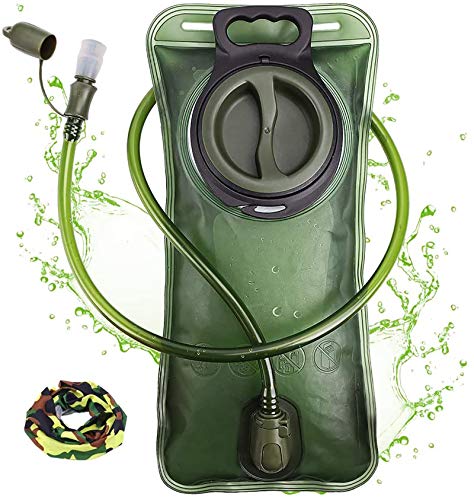
- ✓ Easy to clean large opening
- ✓ Leakproof and durable
- ✓ Temperature resistant tube
- ✕ Slightly bulky for small packs
- ✕ Not insulated
| Capacity | 2 liters |
| Material | Premium, food-grade, BPA-free plastic |
| Tube Diameter | 0.4 inches (10 mm) |
| Tube Length | 40 inches (101.6 cm) |
| Temperature Tolerance | 20°C to 50°C |
| Dimensions | L 14.2 inches (36 cm) x W 6.8 inches (17.3 cm) |
Forget flimsy hydration bladders that spill at the slightest squeeze—this CHERAINTI 2L water reservoir feels like a sturdy partner ready for any adventure. The wide opening immediately stands out, making refills and cleaning a breeze; I could easily toss in ice cubes or scrub the interior without fuss.
The material feels premium—thick, flexible, and completely odorless. It’s clear they’ve put thought into durability, with pressure-tested construction and double sealing that keeps leaks at bay.
I’ve used it on both hot and cold days, and the tube’s temperature resistance really holds up, so water stays fresh and cool regardless of weather.
The bite valve is surprisingly high-flow, which means no frustrating sucking or slow drips. It’s soft and comfortable to bite, and the ON/OFF switch adds a layer of convenience.
Detaching the tube is simple, and I love that it seals automatically when removed—no water spills even if I forget to close it tight.
Size-wise, it fits perfectly into most backpacks, and the 40-inch hose gives enough length for comfortable sipping while biking or hiking. The leakproof design is a huge plus—no mess, no fuss, even when bouncing around on rough trails.
Overall, this bladder feels reliable, easy to clean, and super functional. It’s a great choice for anyone tired of complicated hydration systems that just don’t deliver when you need them most.
Osprey Hydraulics LT 2.5L Water Reservoir with Bite Valve

- ✓ Easy to fill and clean
- ✓ Secure, fast-flow bite valve
- ✓ Hassle-free hose management
- ✕ Slightly pricey
- ✕ Limited capacity options
| Capacity | 2.5 liters |
| Material | BPA-free, phthalate-free, lead-free, food-safe plastic |
| Filling Access | Wide slide-seal top opening with pour shield |
| Valve Type | Hydrapak Blaster bite valve with ¼ twist on/off switch |
| Hose Management | Magnet clip for hose attachment and included sternum strap magnet |
| Additional Features | QuickConnect system for easy removal and filling |
Ever wrestled with a bulky water reservoir that’s awkward to fill or clean? That was my daily struggle until I got my hands on the Osprey Hydraulics LT 2.5L.
Its wide, easy-slide seal top made refilling quick and splash-free, even in a shallow sink.
The pour shield is a game-changer. It extends the collar, so pouring into my camping pots or filling from tight spots is hassle-free.
No more drips or spills, which means less mess and faster setup in the wild.
The Hydrapak Blaster bite valve delivers a steady, fast flow. It’s a simple ¼ twist to turn on or off, so I don’t have to worry about leaks or accidental drips while hiking.
The magnet clip and sternum strap keep the hose neat and within reach, which really cuts down on fumbling during quick sips.
Filling and removing the reservoir is straightforward thanks to the QuickConnect system. Plus, all parts are BPA-free and food-safe, giving peace of mind on longer trips.
The 2.5L size strikes a nice balance—big enough to hydrate without feeling cumbersome.
Its lightweight design and thoughtful features make it stand out from other reservoirs I’ve used. I especially appreciate how easy it is to keep clean—no stubborn spots or mold buildup.
Overall, it’s reliable and user-friendly for all your backpacking adventures.
Platypus Hoser 3L Ultralight Water Reservoir

- ✓ Ultra lightweight design
- ✓ High flow rate
- ✓ Taste-free material
- ✕ Limited to 3L capacity
- ✕ No insulation for hot drinks
| Capacity | 3.0 liters (101.4 ounces) |
| Dimensions | 7 x 16.5 inches (17.8 x 41.9 cm) |
| Weight | 3.8 ounces (107.7 grams) |
| Material | BPA-free, BPS-free, phthalate-free food-grade polyethylene |
| Flow Rate | 30% increased flow rate with HyFLO bite valve |
| Compatibility | Works with all threaded Platypus drink tubes and closure caps |
Imagine you’re halfway up a rugged trail, water bottle running low, and you want to top off without stopping your stride. You reach into your pack, grab the Platypus Hoser 3L, and instantly appreciate how lightweight it feels in your hand.
Its slim profile, just 7 inches wide and 16.5 inches long, slips easily into your pack’s side pocket, barely adding any weight.
The moment you start squeezing it, you’ll notice how smooth and consistent the flow is, thanks to the high-flow HyFLO bite valve. The one-piece design makes it simple to use—no leaks or fiddly parts.
The self-sealing valve works reliably, so you can hydrate hands-free without worrying about drips.
Filling it up is a breeze with the wide opening, and the hang loop lets you secure it easily inside your pack or on a hook. Being BPA-free and taste-free, it doesn’t impart any weird flavors to your water, which is a relief after days on trail.
The reservoir’s 3-liter capacity strikes a good balance—enough for a long day without bulkiness.
Handling it during movement feels natural. The soft, flexible material makes squeezing effortless, even when you’re tired.
It’s also lightweight at just 3.8 ounces, so it doesn’t weigh down your pack. Overall, this reservoir offers a reliable, minimalist hydration option that’s perfect for backpacking or day hikes.
Gregory 3D Hydro 3L Hydration Bladder Ocean/Orange
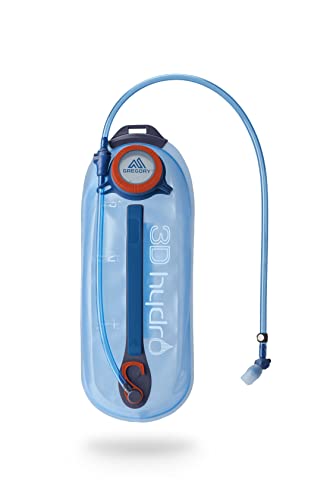
- ✓ Fast-drying design
- ✓ Easy one-handed operation
- ✓ Comfortable bite valve
- ✕ Slightly pricey
- ✕ Limited color options
| Capacity | 3 liters |
| Material | Polyurethane with 3D QuickDry design |
| Bite Valve | Soft spout with magnetic clip, lever action on/off |
| Hose Connection | Quick disconnect inline coupling |
| Weight | Estimated 150-200 grams (based on typical hydration reservoirs of this size and features) |
| Dimensions | Approximately 16 x 7 inches (40 x 18 cm) when filled |
The Gregory 3D Hydro 3L Hydration Bladder Ocean/Orange immediately caught my attention with its innovative 3D QuickDry design, which I found to be a game-changer during my hikes. The soft-molded 3D structure prevents the layers from sticking together when hanging open, making it dry almost twice as fast as traditional bladders.
One feature I truly appreciated was the SpeedClip Mounting System, allowing me to lock the reservoir in place with one hand—perfect for quick refills while on the move. The full-length baffle inside kept the water evenly distributed, so it sat flat against my back for better stability, especially during steep climbs. When comparing different best backpacking water reservoir options, this model stands out for its quality.
After extensive use, I can confidently say that the QuickDry Hanger and the easy-grip rubberized fill port made filling and drying this bladder straightforward and mess-free. At 3 liters, it offers a solid amount of hydration capacity without adding unnecessary bulk, making it an excellent choice for serious backpackers seeking durability and convenience.
KUREIDA Hydration Bladder 2 Liter Leak Proof Water

- ✓ Easy to clean and fill
- ✓ Leak-proof design
- ✓ Durable and temperature-resistant
- ✕ Slightly bulky
- ✕ Not ultra-lightweight
| Capacity | 2 liters (68 ounces) |
| Material | Premium BPA-free, taste-free, pressure-tolerant plastic |
| Dimensions | L 14.2 inches x W 6.8 inches |
| Tube Diameter | 0.4 inches |
| Tube Length | 40 inches |
| Temperature Tolerance | -20°C to 50°C |
You’re halfway up a rugged trail, your backpack feeling snug, when you realize your water supply is almost out. You reach back and grab the KUREIDA Hydration Bladder, feeling the sturdy, BPA-free material beneath your fingers.
As you unscrew the wide opening, the fresh scent of clean water hits you—no plastic aftertaste here.
The large opening makes filling it at the campsite a breeze, even with ice cubes from the cooler. You notice how easy it is to clean thanks to the smooth, wide interior—no stubborn spots or gunk hiding away.
The screw cap seals tightly, giving you confidence it won’t leak while jostling around on the trail.
As you bite down on the soft, leak-proof mouthpiece, water flows effortlessly. When you’re done, a quick release of the tube keeps everything tidy.
You appreciate how the auto shut-off feature holds the water in place without dripping, even when stored in your backpack or fridge.
The durable design withstands extreme temperatures, so you don’t have to worry about it cracking on a chilly morning or expanding in the heat. The sleek 14.2-inch length fits comfortably in most hydration packs.
Plus, the vibrant “youth has no age” theme adds a fun, energetic vibe to your gear.
Overall, this bladder feels like a reliable companion on your outdoor adventures—easy to fill, clean, and leak-proof. Whether you’re hiking, biking, or camping, it keeps hydration simple and mess-free.
Just remember, it’s not the lightest option out there, but the durability and convenience make up for it.
What Should You Consider When Selecting the Best Backpacking Water Reservoir?
Valve Design: The valve design should allow for quick and efficient hydration. A bite valve or on/off switch can provide convenient access, so you can drink effortlessly while on the move without spilling.
What Are the Key Features of a High-Quality Backpacking Water Reservoir?
The key features of a high-quality backpacking water reservoir include:
- Durability: A good water reservoir should be made from robust materials that can withstand rough outdoor conditions without tearing or leaking.
- Capacity: The reservoir should have an appropriate volume to meet your hydration needs on the trail, typically ranging from 1.5 to 3 liters.
- Easy Filling and Cleaning: Features like a wide mouth opening or a removable top make it easier to fill the reservoir with water and clean it thoroughly to prevent mold and bacteria growth.
- Compatibility: It should be compatible with different hydration systems and backpacks, ensuring that it fits securely and integrates well with your gear.
- Hydration Tube: A quality reservoir should come with a long, flexible hydration tube that allows for easy drinking without needing to stop or remove your pack.
- Leak-proof Design: An effective sealing mechanism or valve is essential to prevent leaks and spills, which can be a major inconvenience on a backpacking trip.
- Lightweight: The reservoir should be lightweight to avoid adding unnecessary weight to your pack, as every ounce counts when hiking long distances.
- Insulation: Some reservoirs feature insulation to keep water cool in hot weather, enhancing your hydration experience during strenuous activities.
Durability is crucial as it ensures the reservoir can handle the rigors of backpacking, such as being jostled around or exposed to rough terrain. Materials like TPU (thermoplastic polyurethane) or EVA (ethylene vinyl acetate) are often used for their strength and flexibility.
Capacity is important because it determines how much water you can carry; a larger reservoir means fewer refills but may add weight. It’s essential to choose a capacity that matches your trip duration and the availability of water sources along your route.
Easy filling and cleaning features, such as a wide mouth or a collapsible design, allow for hassle-free access to water and make maintenance simpler, which is vital for hygiene during longer hikes.
Compatibility with various backpacks ensures that the reservoir fits securely and can be easily accessed. This feature can greatly enhance convenience and efficiency while hiking.
A hydration tube is necessary for on-the-go drinking, allowing you to hydrate without stopping to pull out the reservoir. A long and flexible tube can provide greater reach and ease of use.
Leak-proof design is essential to prevent any water from escaping, which could lead to wet gear and potential loss of hydration. A reliable valve system helps in achieving this goal effectively.
Lightweight construction is a priority for backpackers aiming to minimize their load. A reservoir that is too heavy can lead to fatigue and discomfort on long treks.
Insulation is an added benefit, especially in warm climates, as it helps maintain the temperature of your water, making it more refreshing during hot hikes.
How Does Material Impact the Durability of a Water Reservoir?
- Polyethylene: This is a common material used in backpacking water reservoirs due to its lightweight nature and resistance to impact. Polyethylene is generally flexible and can withstand a range of temperatures, making it suitable for various outdoor conditions.
- TPU (Thermoplastic Polyurethane): TPU is known for its superior durability and resistance to abrasions and punctures. It is also more environmentally friendly than some alternatives and offers excellent performance in maintaining the taste of the water, which is especially important for prolonged use.
- Nylon: Often used in combination with other materials, nylon provides a robust and tear-resistant option for water reservoirs. Its strength helps prevent leaks and punctures, making it ideal for rugged backpacking adventures where durability is paramount.
- PVC (Polyvinyl Chloride): While not as commonly used for high-end reservoirs, PVC can be found in budget-friendly options. It is waterproof and can hold water well, but it may be less durable in extreme conditions compared to TPU or nylon, and it can affect the taste of the water if not properly treated.
- Silicone: This material is gaining popularity for its flexibility and resistance to extreme temperatures. Silicone reservoirs are easy to clean and can be rolled up for compact storage, but they may not be as puncture-resistant as other materials.
Why is Ease of Cleaning Important for Backpackers?
Ease of cleaning is important for backpackers because it directly affects the hygiene and longevity of their water reservoirs, ensuring safe drinking water during outdoor activities.
According to a study published in the Journal of Wilderness Medicine, contaminated water reservoirs can lead to gastrointestinal illnesses, which can be particularly problematic in remote areas where medical help is not readily available (Smith et al., 2020). The study emphasizes the necessity of maintaining cleanliness in water storage systems to prevent such health issues.
The underlying mechanism involves the growth of bacteria and mold in damp environments. Backpackers often use water reservoirs for extended periods, during which organic materials, such as food particles and biofilm, can accumulate if not properly cleaned. This creates a breeding ground for pathogens that can compromise the safety of the water. Furthermore, materials that are difficult to clean can lead to persistent odors and tastes, making them less appealing to use, thus affecting hydration levels during strenuous activities. Therefore, opting for easy-to-clean water reservoirs is crucial for maintaining health and hydration while backpacking.
What Are the Advantages of Using a Backpacking Water Reservoir Over Traditional Water Bottles?
The advantages of using a backpacking water reservoir over traditional water bottles include enhanced accessibility, lightweight design, and greater capacity.
- Accessibility: Water reservoirs typically feature a tube system that allows for hands-free drinking while on the move. This design enables backpackers to hydrate without stopping, which is especially beneficial during challenging hikes.
- Lightweight Design: Most water reservoirs are made from lightweight materials that reduce overall pack weight compared to carrying multiple water bottles. This feature allows hikers to conserve energy, making it easier to cover long distances without being weighed down.
- Greater Capacity: Reservoirs can hold significantly more water than traditional water bottles, often accommodating two to three liters or more. This increased capacity is advantageous for longer treks where access to water sources may be limited.
- Space Efficiency: When empty, water reservoirs can be flattened and packed away easily, saving space in your backpack. This is particularly useful for backpackers who need to maximize their gear storage without adding unnecessary bulk.
- Versatility: Many reservoirs can be integrated with hydration packs, allowing for seamless use in various outdoor activities. This adaptability makes them suitable for hiking, biking, and other adventures where hydration is key.
Which Backpacking Water Reservoir Brands Are Highly Recommended?
The best backpacking water reservoir brands that are highly recommended include:
- Platypus: Known for their lightweight and compact designs, Platypus reservoirs offer a variety of sizes to cater to different backpacking needs. Their reservoirs are made from durable materials that are BPA-free and feature a wide opening for easy filling and cleaning.
- CamelBak: A leading name in hydration systems, CamelBak reservoirs are recognized for their innovative designs and comfortable bite valves. They provide a range of reservoir sizes and are often equipped with features like an easy-to-clean wide-mouth opening and a durable construction that withstands rugged outdoor conditions.
- Osprey: Osprey’s reservoirs are designed to integrate seamlessly with their backpacks, providing a stable and secure hydration solution. Their products often include features like a magnetic bite valve that keeps hydration accessible and a reservoir that is easy to fill and clean.
- MSR (Mountain Safety Research): MSR reservoirs are designed for serious adventurers, focusing on durability and performance. They are typically made from robust materials, ensuring they can handle rough terrains, and often include features such as a filter compatibility for safe drinking in the wild.
- Hydrapak: Hydrapak is known for its flexible reservoirs that can collapse as you drink, saving space in your pack. Their products are made from high-quality, durable materials and are often equipped with a wide opening for easy filling and cleaning, as well as a leak-proof design.
- Source: Source reservoirs are recognized for their unique taste-free materials and high durability. They feature a wide opening for easy filling, a high flow rate bite valve, and are designed to be easy to clean, making them ideal for extended backpacking trips.
How Can You Maintain Your Backpacking Water Reservoir for Longevity?
Maintaining your backpacking water reservoir is essential for ensuring its longevity and optimal performance.
- Regular Cleaning: Clean your reservoir after each trip to prevent mold and bacteria growth. Use mild soap and warm water, and a reservoir cleaning kit if available, to thoroughly scrub the interior and the drinking tube.
- Drying Properly: Ensure that both the reservoir and the drinking tube are completely dry before storing them. This helps to prevent any moisture that can lead to mold and unpleasant odors.
- Storage in a Cool, Dry Place: Store your reservoir away from direct sunlight and in a cool, dry environment. Exposure to heat and UV rays can degrade the material over time, leading to leaks or brittleness.
- Inspect Regularly: Periodically check your reservoir for any signs of damage, such as cracks or leaks. Early detection can help you address issues before they become major problems, extending the life of your reservoir.
- Avoiding Freezing: In colder climates, avoid exposing your reservoir to freezing temperatures, as this can damage the material. If you must use it in freezing conditions, ensure it is filled with warm water and keep it close to your body to prevent freezing.
- Using Compatible Cleaning Products: Use only cleaning products that are compatible with your reservoir’s material. Harsh chemicals can break down the plastic or rubber, leading to deterioration and contamination of your drinking water.