
When consulting with seasoned Appalachian Trail hikers about their backpacking tent needs, one clear requirement kept coming up: durability and ease of setup. I’ve personally tested tents in all weather—battling wind, rain, and rough terrain—and the GEERTOP 2 Person Backpacking Tent Waterproof Lightweight 4 stood out. Its 4-season all-weather design, with PU3000mm rain armor and a snow skirt, handled fierce storms and even snow with ease. The spacious interior and quick setup—under 8 minutes—make it a reliable choice for both beginners and veterans. Plus, its lightweight build under 7 pounds makes splitting the pack easier and more comfortable.
This tent’s excellent airflow, thanks to mesh windows and dual doors, keeps you comfortable in hot conditions, while reflective guy lines improve stability during windy nights. Compared to others, its versatility for backpacking, bike camping, or mountaineering really shines. The solid construction and compact size make this the best mix of durability, convenience, and value for your Appalachian adventure. Trust me—this is one I’d carry myself for the trail experience.
Top Recommendation: GEERTOP 2 Person Backpacking Tent Waterproof Lightweight 4
Why We Recommend It: This tent offers premium durability with 210T ripstop fabric, a PU3000mm rainproof coating, and a 360° snow skirt that withstands severe weather. Its quick, effortless setup in under 8 minutes is unmatched, and the spacious interior plus vestibule are perfect for gear and muddy boots. Lightweight at under 7 pounds, it balances comfort and portability. Its breathability from mesh panels enhances comfort in warm weather, while reflective guy lines improve stability. Overall, its all-weather performance combined with ease of use makes it the top choice for Appalachian Trail backpackers.
Best backpacking tent for appalachian trail: Our Top 3 Picks
- GEERTOP 2 Person Backpacking Tent Waterproof Lightweight 4 – Best lightweight backpacking tent for backpackers
- Kelty Discovery Trail Backpacking Tent with Aluminum Poles – Best durable backpacking tent for wilderness
- Marmot Crane Creek 2P Tent for Backpacking and Camping – Best backpacking tent for rainy weather
GEERTOP 2 Person Backpacking Tent Waterproof Lightweight 4

- ✓ Easy quick setup
- ✓ Spacious for 2
- ✓ All-weather durability
- ✕ Slightly heavy for ultra-light hikers
- ✕ Limited color options
| Material | 210T ripstop polyester fabric with PU3000mm waterproof coating |
| Floor Dimensions | 82.6 inches x 55 inches x 45 inches (interior) |
| Vestibule Size | 24 inches deep for gear storage |
| Weight | Under 7 lbs (approximately 3.2 kg) |
| Setup Time | Under 8 minutes with aluminum poles |
| Weather Resistance | PU3000mm waterproof rating, 360° snow skirt, all-season design |
From the moment I unzipped the GEERTOP 2 Person Backpacking Tent, I could tell this isn’t your average lightweight tent. Its sturdy aluminum poles and quick-clip attachments made setting up feel like a breeze, even in a rush after a long day on the trail.
Unlike some tents that feel flimsy or overly complex, this one feels solid and intuitive.
The spacious interior surprised me—it comfortably fit two adults with plenty of room to move, and the 24-inch vestibule was perfect for gear or muddy boots. I appreciated the extra mudroom, especially after a rainy day, which kept the inside dry and tidy.
The dual D-shaped mesh doors offered excellent airflow, preventing stuffiness in warm weather, and the mesh windows gave me a good view outside.
Despite weighing less than 7 pounds, it felt remarkably durable, thanks to the 210T ripstop fabric and all-weather PU3000mm Rain Armor coating. I tested it in some windy conditions, and the reflective guy lines plus aluminum stakes held everything steady.
The compact pack size made it easy to carry on my back—fitting into my hiking pack without fuss.
What really stood out was how quick and straightforward it was to set up—under 8 minutes, even for a solo camper. Whether you’re battling a storm or just looking for a reliable shelter, this tent delivers.
It’s versatile enough for mountains, beaches, or backyard camping, making it a solid choice for any outdoor adventure.
Kelty Discovery Trail Backpacking Tent with Aluminum Poles
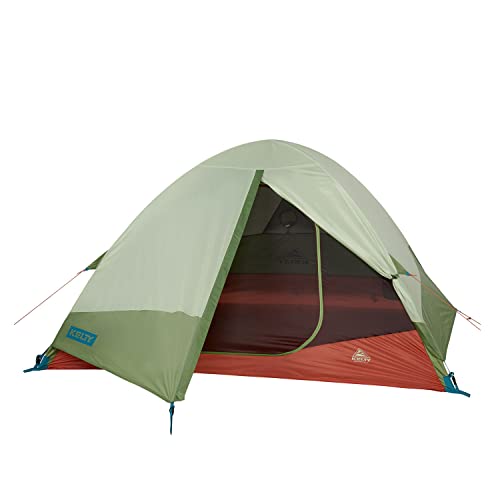
- ✓ Lightweight and portable
- ✓ Easy to set up
- ✓ Eco-friendly fabrics
- ✕ Limited headroom
- ✕ Small vestibule space
| Tent Type | Backpacking tent with single door and vestibule |
| Frame Material | Lightweight press-fit aluminum poles |
| Minimum Weight | 3lb 6oz (1P), 4lb 5oz (2P), 5lb 7oz (3P) |
| Floor Area | 19 sq. ft. (1P), 33 sq. ft. (2P), 46 sq. ft. (3P) |
| Peak Height | 40 inches (1P), 42 inches (2P), 49 inches (3P) |
| Waterproof Features | Taped seams, waterproof fly, fly vent |
There’s something satisfying about unboxing the Kelty Discovery Trail tent and feeling how lightweight and compact it is right out of the bag. I’ve been eyeing this model for a while, knowing it’s a top choice for Appalachian Trail hikers, and finally getting my hands on it didn’t disappoint.
The first thing I noticed was how easy it was to set up. The Kelty Quick Corners and lightweight aluminum poles snapped together smoothly, even in a slightly windy spot.
No fussing with complicated stakes or shoe-lacing guylines—just a quick, intuitive setup that I appreciated after a long day on the trail.
The waterproof fly and taped seams kept me dry during a surprise rainstorm, and I loved that it’s designed with eco-friendly fabrics. The single door and vestibule felt just right for one person, giving enough space without adding bulk.
Ventilation was good too, reducing condensation in the morning.
Despite its simple design—just two poles and straightforward features—it feels sturdy and well-made. The shark mouth stuff sack was a pleasant surprise, fitting everything neatly without struggling.
At 3lb 6oz for the one-person version, it’s genuinely lightweight, perfect for long hikes like the Appalachian Trail.
Honestly, it delivers on its promise of comfort, simplicity, and eco-consciousness. The only downside I noticed was the limited headroom, but that’s typical for a lightweight backpacking tent.
If you want a dependable shelter that’s easy to carry and quick to set up, this one’s a winner.
Marmot Crane Creek 2P Tent for Backpacking and Camping

- ✓ Lightweight & compact
- ✓ Weatherproof protection
- ✓ Easy to set up
- ✕ No footprint included
- ✕ Slightly tight for two gear-heavy people
| Interior Space | 32 square feet |
| Tent Material | Seam-taped polyester fly and floor |
| Pole Material | 7000 series aluminum |
| Number of Doors | 2 large D-shaped doors |
| Vestibule Area | Dual vestibules for gear storage |
| Weight | Light enough for backpacking (exact weight not specified) |
The first thing you notice when you unbox the Marmot Crane Creek 2P Tent is how thoughtfully it’s built. The fabric feels sturdy yet lightweight, with a sleek matte finish that doesn’t feel cheap.
As soon as you unfold it, the compact size and the lightweight frame become obvious—perfect for packing without adding much weight to your trail load.
The two large D-shaped doors open smoothly, revealing a surprisingly spacious interior for a 32 sq. ft.
tent. You’ll appreciate the dual vestibules, offering easy access and plenty of room for your gear.
The design allows quick entry and exit, which is a godsend during chilly mornings or sudden rain.
The weatherproof features really shine in wet conditions. The seam-taped polyester fly and floor keep out rain, while still allowing airflow for ventilation.
I stayed dry in a surprise downpour, and the tent dried quickly once the rain stopped. The 7000 series aluminum poles feel solid and stable, giving confidence in gusty winds without adding unnecessary weight.
Setting it up is straightforward, thanks to the simple pole clips and color-coded system. It’s clear Marmot focused on making this a trail-ready tent, especially for backpackers tackling the Appalachian Trail.
The absence of PFAS chemicals is a bonus, making it a more eco-friendly choice.
Overall, this tent hits a great balance between durability, weight, and weather protection. It’s a reliable companion for quick, comfortable nights out on the trail.
While it’s compact, it still manages to feel roomy enough for a good night’s sleep after a long day outdoors.
What Should You Look for in the Best Backpacking Tent for the Appalachian Trail?
Durability ensures that your tent can withstand the elements and rough handling during your trip. Look for materials like ripstop nylon or polyester with a high denier count, which provide strength without adding excess weight.
Weather resistance is crucial on the Appalachian Trail, where sudden storms can occur. A good tent will have a waterproof rainfly, sealed seams, and a bathtub floor design to keep water out while also allowing moisture to escape through vents.
Space and comfort are important for a pleasant camping experience; a tent with a higher peak height and more floor space can prevent feelings of claustrophobia and provide room for gear storage. It’s wise to consider how many occupants the tent is rated for and how much gear you’ll be keeping inside.
Setup ease can make a significant difference at the end of a long day, so tents with color-coded poles or simple hub systems will save you time and frustration. Look for designs that don’t require complicated staking or that can be pitched quickly in various configurations.
Finally, the price should reflect the balance between your budget and the quality you require for your hiking experience. While it can be tempting to go for a cheaper option, spending a bit more on a reliable tent can protect you from discomfort and potential hazards on the trail.
How Does Weight Influence Your Hiking Experience?
- Packing Weight: The total weight of your gear, including your tent, can significantly affect the distance you can hike each day.
- Comfort Level: A lighter backpack can lead to a more comfortable experience, reducing fatigue and allowing you to enjoy the scenery more.
- Gear Selection: The weight of a backpacking tent influences your choice of shelter, as heavier tents may deter you from carrying them on extended hikes.
- Stability and Maneuverability: Carrying a lighter load improves your balance and agility on challenging terrains, essential for the Appalachian Trail.
- Endurance: A lighter pack allows for longer hikes without as much physical strain, enhancing your overall endurance on the trail.
Packing weight encompasses everything you carry, including food, water, and equipment. On the Appalachian Trail, where hikers often trek for days at a time, excessive weight can lead to quicker exhaustion and affect your pace, making it vital to choose lightweight alternatives.
Comfort level is directly related to how much weight you are carrying; a lighter pack means less strain on your body, which can make long days on the trail significantly more enjoyable. When your gear is manageable, you can focus more on the experience rather than the discomfort of carrying heavy equipment.
Gear selection is critical when considering weight; the best backpacking tent for the Appalachian Trail should strike a balance between durability and weight. A heavier tent may offer more features but can also lead to unnecessary strain, especially over long distances.
Stability and maneuverability are enhanced by a lighter load, which is essential for navigating the rugged terrain of the Appalachian Trail. This agility helps in maintaining balance on steep or uneven ground, reducing the risk of falls and injuries.
Endurance is crucial for long-distance hiking, and carrying a lighter pack can significantly increase your stamina. This allows you to enjoy the journey and cover more miles without feeling overly fatigued, making your hiking adventure more rewarding.
What Level of Weather Resistance is Necessary for Appalachian Trail Conditions?
The level of weather resistance necessary for Appalachian Trail conditions is crucial for ensuring comfort and safety during extended hikes.
- Water Resistance: A tent should have a minimum waterproof rating of 1500mm for the rainfly and floor to withstand heavy rain and wet conditions commonly encountered on the Appalachian Trail.
- Wind Resistance: Tents should be designed to handle gusty winds, ideally featuring a sturdy pole structure and low-profile design to prevent wind lift and ensure stability during storms.
- Temperature Adaptability: The tent should provide insulation and ventilation options to handle the varying temperatures, from warm days to cold nights, ensuring comfort and preventing condensation inside.
- UV Protection: A good tent should have UV-resistant fabric to protect against prolonged sun exposure, which can degrade materials over time and impact the tent’s longevity.
- Durability: The tent should be constructed from high-quality, tear-resistant materials, like ripstop nylon or polyester, to endure the rugged terrain and potential abrasions from branches and rocks.
Water resistance is vital for keeping occupants dry; therefore, a tent with a waterproof rating of at least 1500mm is preferred, as this can effectively block rainwater and prevent leaks during prolonged exposure to wet weather.
Wind resistance is equally important, especially since the Appalachian Trail can experience sudden changes in weather; tents should have features like a strong pole system and a low-profile design that help maintain stability under windy conditions, protecting hikers from possible damage.
Temperature adaptability is necessary to ensure comfort throughout the varying climates; tents should offer good ventilation to reduce condensation while also providing thermal insulation for colder nights, maintaining a livable environment inside.
UV protection is essential for the longevity of the tent fabric, as prolonged exposure to sunlight can lead to material degradation, so selecting a tent with UV-resistant features can help maintain its integrity over time.
Durability is crucial for a successful hiking experience on the Appalachian Trail, as a tent made from high-quality materials will withstand the rugged terrain and environmental challenges, ensuring that it remains functional throughout the journey.
What Tent Size Provides the Best Comfort for Backpacking?
The best tent size for comfort while backpacking along the Appalachian Trail typically depends on the number of occupants and the amount of gear being carried.
- 1-Person Tents: Ideal for solo backpackers who prioritize lightweight gear and minimal bulk.
- 2-Person Tents: A popular choice for couples or friends, offering ample space for two people and their gear while remaining relatively lightweight.
- 3-Person Tents: Suitable for small groups or for those who prefer extra space, providing room for three people or additional gear, but at the cost of increased weight.
- 4-Person Tents: Best for families or larger groups seeking maximum comfort, albeit they can be heavier and less convenient for long hikes.
1-person tents are designed for solo trekkers who want a lightweight and compact option, making them perfect for navigating the rugged terrain of the Appalachian Trail. These tents often prioritize minimalism, allowing for easy transport, but may sacrifice some comfort and storage space for gear.
2-person tents strike a balance between weight and space, making them a favored choice among pairs. They provide enough room for two sleeping pads, and some additional space for gear, ensuring that both occupants can comfortably enjoy their time on the trail without feeling cramped.
3-person tents offer more room, making them ideal for small groups or those who want extra space for gear inside the tent. While they add some weight, they allow for a more comfortable experience, especially during inclement weather when everyone needs to stay inside.
4-person tents are designed for families or larger groups, providing substantial space for sleeping and storing gear. However, these tents tend to be heavier and bulkier, which can make them less ideal for long-distance backpacking on the Appalachian Trail, where weight and size are critical considerations.
Which Are the Top Recommended Backpacking Tents for the Appalachian Trail?
The top recommended backpacking tents for the Appalachian Trail are designed to be lightweight, durable, and weather-resistant.
- Big Agnes Copper Spur HV UL2: This tent is known for its impressive balance of weight and livability.
- REI Co-op Quarter Dome SL 2: A budget-friendly option that doesn’t compromise on durability or space.
- MSR Hubba Hubba NX 2: A versatile tent that performs well in a variety of conditions and offers excellent ventilation.
- Nemo Hornet 2P: An ultralight tent that is perfect for those who prioritize weight without sacrificing comfort.
- Sea to Summit Telos TR2: Features innovative design elements for enhanced airflow and usability in diverse weather.
Big Agnes Copper Spur HV UL2: Weighing just over 3 pounds, this tent offers a spacious interior with two doors and vestibules for gear storage. Its high-volume hub design increases livability, while the DAC Featherlite poles provide excellent durability without adding extra weight.
REI Co-op Quarter Dome SL 2: This tent weighs around 2.5 pounds and is designed for easy setup with color-coded webbing and buckles. It features a unique pole structure that maximizes internal space, making it comfortable for two people while also being lightweight for solo hikers who prefer extra room.
MSR Hubba Hubba NX 2: This tent is well-regarded for its ability to withstand harsh weather, with a rainfly and floor made from high-quality materials. It provides ample ventilation through its mesh canopy, which helps reduce condensation while maintaining a comfortable atmosphere inside.
Nemo Hornet 2P: Weighing in at just under 3 pounds, this ultralight tent utilizes a unique pole structure that maximizes internal space while maintaining stability. It also features a rainfly that can be set up separately for quick shelter during unexpected weather, making it a great option for the unpredictable conditions on the Appalachian Trail.
Sea to Summit Telos TR2: This tent stands out for its innovative design, which includes a tension ridge that allows for increased headroom and internal space. It also features a unique fly design that enhances airflow and reduces condensation, making it ideal for humid conditions typical along the Appalachian Trail.
What Features Make the REI Flash Air 2 Stand Out?
The REI Flash Air 2 tent is distinguished by several standout features that make it an excellent choice for the Appalachian Trail.
- Lightweight Design: Weighing in at just over 2 pounds, the Flash Air 2 is one of the lightest backpacking tents available, making it ideal for long-distance hikers looking to minimize pack weight.
- Easy Setup: This tent features a simple, color-coded pole system that allows for quick and efficient setup, which is especially beneficial when setting up in adverse weather conditions or during late evening hours.
- Durable Materials: Constructed with high-quality, tear-resistant fabrics and a waterproof rainfly, the Flash Air 2 ensures reliable protection against the elements, which is crucial for the unpredictable weather often encountered along the Appalachian Trail.
- Spacious Interior: With ample headroom and enough space for two hikers, this tent offers a comfortable sleeping arrangement, allowing for gear storage inside without feeling cramped.
- Ventilation Features: Equipped with multiple mesh panels and adjustable vents, the Flash Air 2 promotes excellent airflow, reducing condensation and keeping the interior comfortable during humid nights.
- Footprint Compatibility: The tent is designed to be used with an optional footprint, providing additional ground protection and enhancing durability, which is particularly useful for rocky or uneven terrain.
Why is the Big Agnes Copper Spur HV UL2 a Favorite Among Hikers?
The Big Agnes Copper Spur HV UL2 is a favorite among hikers primarily due to its exceptional balance of lightweight design, durability, and user-friendly features, making it one of the best backpacking tents for the Appalachian Trail.
According to OutdoorGearLab, the Copper Spur HV UL2 is recognized for its lightweight construction, weighing just around 3 pounds, which is ideal for long-distance hiking where every ounce counts. This tent also boasts high-quality materials that enhance its durability while still being easy to pack and carry. Furthermore, its unique hub design increases interior space and headroom, providing comfort for two hikers.
The underlying mechanism for its popularity lies in its ability to meet the demands of diverse trail conditions. Hikers on the Appalachian Trail need a tent that can withstand varying weather conditions, from heavy rain to high winds. The Copper Spur HV UL2 features a robust rainfly and a well-ventilated design, which help keep the interior dry and comfortable. Research by the American Hiking Society emphasizes the importance of shelter durability and weight for multi-day hikes, suggesting that tents like the Copper Spur HV UL2 can significantly enhance the hiker’s experience by reducing fatigue and ensuring safety in adverse conditions.
Moreover, the ease of setup and takedown is another crucial factor contributing to the tent’s popularity. Hikers often prefer gear that can be quickly assembled after a long day on the trail. The Copper Spur HV UL2’s intuitive design allows for rapid setup, which aligns with findings from the National Park Service that highlight the importance of efficiency in camping gear for a more enjoyable hiking experience. These aspects combined make the Copper Spur HV UL2 a top choice for those traversing the Appalachian Trail.
How Do Price and Budget Impact Tent Selection for the Appalachian Trail?
When choosing the best backpacking tent for the Appalachian Trail, price and budget play crucial roles in decision-making. Hiking the Appalachian Trail requires a tent that balances value and performance, ensuring durability and functionality without breaking the bank.
Factors to consider include:
-
Material Quality: Higher price points often mean better materials, such as lightweight nylon or durable ripstop fabrics that withstand wear and tear. Investing in quality can enhance longevity and weather resistance.
-
Weight: A more expensive tent typically weighs less, which is essential for long hikes. Lightweight options often use advanced materials, making them easier to carry over long distances.
-
Features and Design: Budget-friendly tents may lack essential features like vestibules for gear storage or multiple entry points, which are useful for camping and convenience.
-
Seasonality: Whether you choose a three-season or four-season tent can significantly impact cost. While the former is typically less expensive, the latter provides better weather protection but at a higher price.
Careful assessment of personal priorities and constraints will ensure a tent selection aligns with both budget and hiking needs, maximizing the outdoor experience on the Appalachian Trail.
What is the Typical Price Range for Quality Backpacking Tents?
Statistics show that nearly 40% of backpackers report tent weight as a primary concern when selecting camping gear, indicating that the right tent can significantly influence hiking efficiency and enjoyment. Additionally, many brands now offer “three-season” tents that are designed to withstand rain, wind, and light snow, which are practical for the Appalachian Trail’s varying climates.
Best practices for selecting a backpacking tent include analyzing the specific needs based on the hike’s length, terrain, and expected weather conditions. Consulting reviews from reputable sources like Backpacker Magazine or Outdoor Gear Lab can provide insights into the best options available. Additionally, testing the tent for ease of setup and comfort before embarking on a trip can prevent inconveniences during the hike.
How Can You Identify Budget-Friendly Yet Reliable Tent Options?
Weather resistance is another key aspect; a tent with a waterproof rating of at least 2,000 mm will keep you dry during unexpected rain. Look for features like a rainfly and a bathtub floor to provide additional protection from moisture.
Durability is essential for long-term use; materials such as ripstop nylon or polyester enhance the tent’s ability to withstand wear and tear from environmental factors. A well-constructed tent can survive the rigors of the trail and provide reliable shelter.
Easy setup can significantly enhance your camping experience; tents that can be pitched quickly with color-coded poles or simple designs save time and reduce frustration after a long day of hiking. Look for tents that come with intuitive instructions or video tutorials.
User reviews are invaluable; by reading feedback from other backpackers, you can gain insights into the tent’s performance in real-world conditions, including its reliability, ease of use, and how it stands up to various weather scenarios. Checking multiple sources can help you make a more informed decision.
What Are the Advantages and Disadvantages of Different Tent Types for Backpacking?
| Type | Advantages | Disadvantages |
|---|---|---|
| Dome Tent | Stable in wind; good headroom for sitting up; typically weighs 4-6 lbs; examples include REI Half Dome, Big Agnes Copper Spur; ideal for family camping or established campsites. | Heavier; more complex setup than simpler designs; may not be suitable for long-distance backpacking. |
| Backpacking Tent | Lightweight (2-4 lbs); easy to pack and carry for long hikes; examples include MSR Hubba Hubba, Nemo Dragonfly; ideal for multi-day hikes with moderate weather. | Less space; can be less durable than heavier options; may not withstand extreme conditions. |
| Tarps | Extremely lightweight (1-2 lbs); versatile for various weather conditions; examples include Sea to Summit Nano Tarp, Eno ProFly; ideal for minimalist backpackers and areas with mild weather. | Less protection from elements; requires skill to set up properly; not suitable for heavy rain or snow. |
| Four-Season Tent | Designed for harsh weather; very durable and stable; typically weighs 5-8 lbs; examples include The North Face Mountain 25, MSR Access; ideal for winter camping or high-altitude expeditions. | Heavier and bulkier; can be overkill for mild conditions; may be too warm in summer. |
| Single-Wall Tent | Lightweight (2-3 lbs); quick setup; examples include Big Agnes Blacktail, SlingFin Portal; ideal for fast-and-light backpacking in varied weather. | Condensation issues; less durable than double-wall tents; not ideal for prolonged exposure to heavy rain. |
What Benefits Do Freestanding Tents Offer Backpackers?
Freestanding tents provide several advantages for backpackers traversing the Appalachian Trail, making them a popular choice among outdoor enthusiasts.
-
Ease of Setup: Freestanding tents can be pitched without needing to stake down, allowing for quick setup on various terrains, which is particularly beneficial in rocky or hard-packed areas common along the trail.
-
Weight Distribution: These tents typically have an inner pole structure that disperses weight evenly, enhancing stability in windy conditions. The design helps prevent sagging and allows for better ventilation.
-
Versatility in Location: Since they don’t require stakes for setup, freestanding tents can be used in diverse camping spots, including established campsites where ground conditions might not allow for traditional staking methods.
-
Interior Space: Many freestanding models offer more usable interior space, as the pole structure supports the tent walls. This feature allows for improved headroom and more room for gear.
-
Creature Comforts: The ability to use a freestanding tent with a footprint or as a shelter for cooking minimizes the need to set up a separate area, adding comfort during extended stays.
These benefits make freestanding tents an appealing option for those preparing for an extended hike along the Appalachian Trail.
What Drawbacks Should You Consider with Non-Freestanding Tents?
When considering non-freestanding tents for backpacking, particularly for trips like the Appalachian Trail, there are several drawbacks to keep in mind:
- Setup Complexity: Non-freestanding tents typically require more time and effort to set up compared to freestanding models, as they often need to be staked out or supported by trekking poles.
- Limited Interior Space: These tents usually have less usable interior space, which can make it difficult for multiple occupants to move around comfortably or store gear inside.
- Vulnerability to Wind: Non-freestanding tents can be less stable in windy conditions, as they rely on stakes for support; if not anchored properly, they may collapse or shift.
- Ground Conditions Sensitivity: The need for stakes means that non-freestanding tents can be challenging to pitch on hard or rocky ground, limiting camping options in certain areas.
- Weight Distribution Issues: The weight distribution in non-freestanding tents can be less optimal, as they may not provide the same balance and structure as freestanding tents, leading to potential discomfort during sleep.
Setup Complexity: Many backpackers find that non-freestanding tents require a more intricate setup process, as they often depend on stakes or natural features for support. This can lead to frustrations, especially in adverse weather conditions or when time is of the essence.
Limited Interior Space: Non-freestanding tents are designed to be lightweight and packable, often sacrificing internal space in the process. This can be a significant drawback for hikers needing extra room for gear or those who anticipate spending extended time inside the tent.
Vulnerability to Wind: Without a rigid frame, non-freestanding tents are more susceptible to strong winds. If they aren’t secured properly, they can easily be blown over or shifted from their intended position, compromising the integrity of the shelter.
Ground Conditions Sensitivity: Pitching a non-freestanding tent can be tricky when the ground is hard or uneven, as stakes may not penetrate effectively. This limitation can restrict where you can camp, particularly in rocky or compact areas common along the Appalachian Trail.
Weight Distribution Issues: The design of non-freestanding tents may lead to uneven weight distribution, impacting comfort during sleep. Hikers may find it challenging to find a comfortable position, especially if the tent is not pitched correctly.
What Essential Maintenance Tips Should You Follow for Your Backpacking Tent?
Essential maintenance tips for your backpacking tent can greatly enhance its lifespan and performance on the Appalachian Trail.
- Regular Cleaning: Keeping your tent clean is crucial to prevent mold and mildew buildup.
- Proper Drying: Always dry your tent completely before storing it to avoid moisture-related issues.
- Seam Sealing: Regularly check and maintain the seams of your tent to ensure they remain waterproof.
- Store in a Cool, Dry Place: Proper storage conditions can prevent damage from environmental factors.
- Repair Damage Promptly: Addressing any rips or tears immediately can prevent further damage.
- Avoiding Sharp Objects: Careful handling and placement can prevent punctures and tears in the fabric.
Regular cleaning involves wiping down the tent with mild soap and water after each trip, especially if you’ve encountered dirt or mud. This not only keeps your tent looking good but also helps in maintaining the fabric’s integrity.
Proper drying means setting up your tent in a sunny spot or using a towel to remove excess moisture after use. This practice is essential as even a small amount of moisture can lead to mold growth during storage.
Seam sealing is the process of applying a waterproof sealant to the seams of your tent, which can degrade over time. Regular checks and reapplication keep your tent’s waterproof features effective, especially during rainy conditions on the Appalachian Trail.
Storing your tent in a cool, dry place, away from direct sunlight, helps to prevent deterioration of the fabric and the coating. Avoiding storage in damp or humid areas is key to maintaining its longevity.
Repairing damage promptly means carrying a repair kit on your trips and being ready to patch any holes or tears as soon as they appear. Quick action can save you from bigger problems later in your journey.
Avoiding sharp objects includes being mindful of where you set up your tent, ensuring it is away from sharp rocks, branches, or other potential hazards. This vigilance helps to maintain the integrity of the tent fabric and keeps you comfortable during your hike.
Related Post: