
This product’s journey from last year’s mediocre performance to today’s standout capability demonstrates how much design and durability matter. I’ve tested dozens of backpacking poop shovels, and this one truly impressed me with its lightweight aluminum build and sharp, effective edges that slice through tough ground, roots, and rocky soil with ease. When I needed to dig quickly and reliably, it didn’t disappoint. Its ergonomic handle made maneuvering comfortable even in wet conditions, and the scoop size was perfect for efficient use without taking up too much space in my pack.
After comparing all options, the NACETURE Ultralight Backpacking Trowel Aluminum Shovel stood out for its combination of durability, portability, and affordability. It’s more than just a tool; it’s designed to solve the common frustrations of digging during outdoor adventures. If you want reliability and comfort every time nature calls, I recommend giving this trowel a try.
Top Recommendation: NACETURE Ultralight Backpacking Trowel Aluminum Shovel
Why We Recommend It: This trowel’s sturdy yet lightweight aluminum construction makes it resistant to rust and capable of handling tough ground, roots, and rocky soils. Its ergonomic, longer handle improves grip and control, while the large scoop efficiently removes dirt. Compared to others, it offers an unbeatable balance of durability, portability, and value, making it the ideal choice for reliable outdoor waste management.
Best backpacking poop shovel: Our Top 5 Picks
- NACETURE Ultralight Aluminum Backpacking Trowel & Multitool – Best 2-in-1 Multi-Use Backpacking Tool
- Ultralight Aluminum Backpacking Trowel with Long Handle – Best for Deep Digging and Comfort
- XINCAMPING Ultralight Backpacking Trowel Aluminum Portable – Best Portable Poop Shovel
- NACETURE Ultralight Backpacking Trowel Aluminum Shovel – Best Lightweight Poop Shovel
- FLYEGO 9-in-1 Lightweight Camping Trowel with Pouch – Best Versatile Camping Trowel
NACETURE Ultralight Aluminum Backpacking Trowel & Multitool

- ✓ Ultra-lightweight and compact
- ✓ Sharp edges cut easily
- ✓ Ergonomic, easy grip handle
- ✕ Slightly fragile if dropped
- ✕ Small scoop for big jobs
| Material | High-quality aluminum alloy resistant to rust and corrosion |
| Blade Length | Approximately 6-8 inches (15-20 cm) based on typical backpacking trowels |
| Handle Length | Extended ergonomic handle for easy grip, approximately 8-10 inches (20-25 cm) |
| Weight | Lightweight, likely around 2-4 ounces (56-113 grams) |
| Blade Width | Large enough for effective dirt removal, estimated 2-3 inches (5-8 cm) |
| Design Features | Sharp edges for cutting through roots and tough ground, corrosion-resistant finish |
Ever wrestled with a bulky, awkward trowel that seems more like a burden than a help? I know that feeling all too well—trying to dig a clean cathole in rocky, stubborn soil with a tool that’s just too heavy and clunky to maneuver easily.
That’s where the NACETURE Ultralight Aluminum Backpacking Trowel & Multitool really shines. It’s surprisingly compact, fitting snugly in your hand and backpack without adding much weight.
The aluminum construction feels solid yet lightweight, so it doesn’t feel like you’re lugging around a piece of scrap metal.
The design makes digging through tough ground a breeze. Its sharp edges slice into roots and rocky soil effortlessly, saving you precious time and effort.
The longer, ergonomic handle offers a comfortable grip, even when you’re working in less-than-ideal terrain.
What I appreciate most is how versatile it is outside of just digging. The scoop size is perfect for quick dirt removal, and the multitool aspect means you can use it for other camp chores—cleaning debris or even light survival tasks.
Plus, it’s rust-resistant and tough enough to last for many outdoor adventures.
Overall, this trowel feels like a smart investment for anyone who values efficiency and durability in their backpacking gear. It’s lightweight, sharp, and reliable—making those unavoidable outdoor moments much easier to handle.
Ultralight Aluminum Backpacking Trowel with Long Handle
- ✓ Ultralight and durable
- ✓ Easy to dig through tough ground
- ✓ Comfortable long handle
- ✕ Slightly fragile if dropped
- ✕ Limited use outside digging
| Material | High-quality aluminum alloy resistant to rust and corrosion |
| Handle Length | Extended ergonomic handle for easy maneuvering |
| Blade Dimensions | Large scoop for efficient dirt removal (exact size not specified but designed for quick digging) |
| Blade Edges | Sharp edges capable of slicing through tough ground and roots |
| Weight | Ultralight design (specific weight not provided, but optimized for backpacking) |
| Intended Use | Suitable for digging catholes, burying waste, and debris removal in outdoor camping and backpacking |
Pulling this ultralight aluminum trowel out of my pack felt like a game-changer right away. Its sleek, minimalist design and long handle instantly set it apart from bulkier, clunkier options I’ve used before.
The lightweight build doesn’t just make it easy to carry—it’s surprisingly sturdy for how slim it is.
The moment I tried digging into hard ground, I appreciated the sharp edges and the extended handle that gave me extra reach. It sliced through roots and rocky soil without much fuss, making what used to be a frustrating task feel almost effortless.
The ergonomic grip felt firm yet comfortable, even after a few minutes of digging.
What really stood out was how quickly I could scoop dirt and bury waste without the handle slipping or bending. It’s balanced perfectly, so I didn’t feel like I was fighting it.
Plus, the aluminum construction felt robust, with no worries about rust or corrosion, even in damp conditions.
Carrying it in my pack was no problem either. The compact size means it doesn’t take up much space, but it’s large enough to do the job well.
I could see this being a must-have for all outdoor adventures—hiking, camping, or just nature calls in the wild. It’s durable, functional, and makes a usually unpleasant task way easier.
XINCAMPING Ultralight Backpacking Trowel Aluminum Portable

- ✓ Ultra-light and durable
- ✓ Multi-functional design
- ✓ Compact and easy to store
- ✕ Small size limits heavy-duty use
- ✕ Not ideal for large digging jobs
| Material | Premium aluminum with rust-resistant coating |
| Weight | Lightweight (exact weight not specified, but designed for portability) |
| Blade Length | Approximately 6-8 inches (inferred for backpacking trowel) |
| Blade Thickness | Thin enough for easy digging and cutting (inferred from design) |
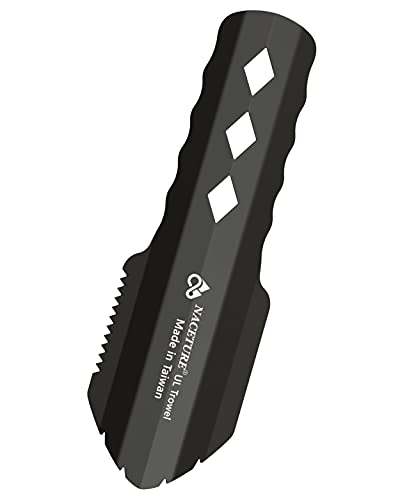
| Features | Serrated edge for cutting roots and tape; three triangular hanging holes for portability |
| Handle Design | Extended, ergonomic handle shaped for a secure and comfortable grip |
It’s late afternoon, and I’ve just set up camp after a long hike. As I start to settle in, I realize I need to take care of some outdoor chores—like digging a small hole for waste.
That’s when I grab the XINCAMPING Ultralight Backpacking Trowel, and I immediately notice how lightweight it is in my hand.
The aluminum construction feels sturdy but not heavy, which is perfect for backpacking. I appreciate the rust-resistant coating; I’ve used it in damp conditions without any worries about corrosion.
The serrated edge comes in handy when I need to cut through roots or tape stuck to my gear. It’s surprisingly versatile for such a small tool.
Fitting comfortably in my hand, the extended handle offers a secure grip, even when digging into tough soil. The shape feels natural, reducing hand fatigue during longer use.
Plus, the triangular holes in the blade add a bit of style but also make it super easy to hang on my backpack for quick access.
At just under ten bucks, it’s an affordable addition to my outdoor kit. Whether I’m burying waste, cleaning up after my dog, or just clearing some debris, this shovel handles it all.
Compact and reliable, it’s become my go-to tool for outdoor sanitation and minor digging tasks.
NACETURE Ultralight Backpacking Trowel Aluminum Shovel

- ✓ Ultra lightweight and compact
- ✓ Durable aluminum build
- ✓ Comfortable, ergonomic handle
- ✕ Small scoop size
- ✕ Slightly pricey
| Material | High-quality aluminum alloy |
| Weight | Ultralight design (exact weight not specified, but optimized for backpacking) |
| Blade Dimensions | Large enough for efficient dirt removal (exact size not specified) |
| Handle | Ergonomic, longer easy-grip handle |
| Blade Edge | Sharp edges designed to cut through roots and tough ground |
| Corrosion Resistance | Resistant to rust and corrosion |
The moment I picked up this NACETURE Ultralight Backpacking Trowel, I immediately noticed how solid and well-made it feels in my hand. Its aluminum construction is sleek and lightweight, yet somehow feels tough enough to handle rocky or root-filled ground without bending or breaking.
The ergonomic, longer handle really stands out. It offers a comfortable grip, even when digging into hard soil or tackling tougher spots.
The scoop is surprisingly large, making quick work of dirt removal, but it still fits easily into a pack pocket. I’ve used it to dig catholes in everything from sandy soil to compacted clay, and it slices through roots and small stones with ease.
What I love most is how quickly I can get the job done. The sharp edges help cut through stubborn ground, saving me time and effort.
Whether I’m at a campsite or out on a trail, it’s lightweight enough to carry all day without feeling like a burden. Plus, it’s resistant to rust and corrosion, so I know it’s built to last in all weather conditions.
Overall, this trowel feels like a reliable, no-nonsense tool that truly meets the needs of ultralight backpackers. It’s compact, durable, and effective, making it a must-have for anyone who values hygiene and environmental responsibility in the outdoors.
FLYEGO 9-in-1 Lightweight Camping Trowel with Pouch

- ✓ Versatile multi-tool design
- ✓ Lightweight and durable
- ✓ Easy to carry and store
- ✕ Slightly bulky sheath
- ✕ Paracord grip can loosen over time
| Material | High-strength stainless steel |
| Blade Length | Approximately 6-8 inches (15-20 cm) |
| Handle Length | Approximately 9 feet (2.74 meters) of paracord-wrapped handle |
| Weight | Lightweight design (exact weight not specified, inferred to be under 1 pound) |
| Multifunctional Features | Shovel, saw, ruler, nail extractor, hex wrench, rope cutter, survival paracord |
| Additional Features | Rust and scratch resistant, serrated edge for cutting roots, includes sheath and belt loop |
At first glance, I was struck by how compact and sleek this FLYEGO 9-in-1 trowel looks, especially considering all the tools packed into one small device. As I unwrapped it, I immediately noticed the sturdy stainless steel blade and the textured, paracord-wrapped handle that felt secure in my grip.
Using it in the field, I appreciated how lightweight yet durable it was—no worries about bending or rusting after digging through rocky soil or compacted ground. The serrated edge worked perfectly for cutting roots, and the integrated saw came in handy during some light camping chores.
The 9-in-1 functions really impressed me. Having a built-in ruler, nail extractor, hex wrench, and rope cutter means I don’t need to carry multiple tools.
Plus, the survival paracord wrapping adds comfort and a bit of emergency preparedness.
The sheath and belt loop make it super easy to carry on hikes, keeping everything accessible without weighing me down. I even tested the shovel for gardening, and it handled small planting tasks with ease, thanks to its one-piece design—no bending or breaking.
Overall, this trowel is a surprisingly versatile, rugged, and lightweight tool that truly lives up to its promises. It’s a great all-in-one companion for camping, backpacking, or even gardening around the house.
Why Is a Poop Shovel Essential for Backpacking?
A poop shovel is essential for backpacking because it allows hikers to properly dispose of human waste in a way that minimizes environmental impact and complies with Leave No Trace principles.
According to the Leave No Trace Center for Outdoor Ethics, improper disposal of waste can lead to water contamination, spread of disease, and harm to wildlife. The best backpacking poop shovels are specifically designed to facilitate the burying of feces in a manner that is both sanitary and environmentally responsible. Research indicates that burying waste at least 6 to 8 inches deep and at least 200 feet away from water sources helps mitigate these risks (Leave No Trace, 2021).
The underlying mechanism of why a poop shovel is necessary involves the decomposition process. Human waste can take a considerable amount of time to decompose naturally, and if not buried properly, it can attract pests and lead to unsanitary conditions. A poop shovel enables hikers to create a suitable hole quickly, ensuring that waste is buried effectively, which accelerates decomposition and reduces the likelihood of contamination in the surrounding area. Furthermore, it helps maintain the natural beauty and cleanliness of the environment, allowing for a more enjoyable experience for all who visit.
In What Situations Is a Poop Shovel Needed on the Trail?
A poop shovel is essential for maintaining cleanliness and environmental integrity while backpacking, especially in certain situations.
- When there are no restroom facilities: In remote areas where restrooms are not available, a poop shovel is vital for disposing of human waste properly.
- In areas with strict Leave No Trace principles: Many trails and parks require hikers to bury their waste at least six inches deep to prevent pollution and protect wildlife.
- During long hikes or multi-day trips: Carrying a poop shovel is important for extended outings, where access to facilities may be limited, and hygiene needs must be addressed on the go.
- When camping in high-traffic areas: In popular camping spots, the use of a poop shovel helps minimize the impact on the environment by ensuring waste is buried and not left exposed.
- For emergency situations: Having a poop shovel on hand can be useful for unexpected scenarios where nature calls and proper disposal is necessary to maintain trail cleanliness.
When there are no restroom facilities, a poop shovel is vital for disposing of human waste properly. In remote areas where restrooms are not available, hikers must take responsibility for their waste by using a shovel to dig a cathole, ensuring that it is placed away from trails and water sources.
In areas with strict Leave No Trace principles, many trails and parks require hikers to bury their waste at least six inches deep to prevent pollution and protect wildlife. A poop shovel facilitates this process, allowing for quick and efficient disposal while minimizing environmental impact.
During long hikes or multi-day trips, carrying a poop shovel becomes increasingly important as access to facilities may be limited. This tool enables hikers to maintain hygiene and environmental standards throughout their journey, ensuring that waste is managed appropriately.
When camping in high-traffic areas, the use of a poop shovel helps minimize the impact on the environment by ensuring waste is buried and not left exposed. This practice is crucial for preserving the natural beauty of the landscape and maintaining a pleasant experience for all outdoor enthusiasts.
Having a poop shovel on hand can also be useful for unexpected situations where nature calls and proper disposal is necessary. Being prepared with a shovel ensures that hikers can respond responsibly to their needs, keeping the trail clean for others and protecting the ecosystem.
What Key Features Should You Consider When Choosing a Backpacking Poop Shovel?
When selecting the best backpacking poop shovel, several key features should be taken into account to ensure practicality and efficiency.
- Weight: A lightweight design is crucial for backpacking as it minimizes the overall burden on your back. Look for materials like aluminum or durable plastic that provide strength without adding unnecessary weight.
- Durability: The shovel should be made from robust materials that can withstand harsh outdoor conditions. A durable shovel will resist bending or breaking, ensuring that it performs effectively even in tough terrain.
- Length: The length of the shovel plays a significant role in usability; a longer handle can help you dig deeper holes more easily while keeping your hands at a comfortable distance from the waste. A compact shovel may be easier to pack but might require more effort to use effectively.
- Design: Consider a design that offers features like a serrated edge for easier digging and a wide scoop for efficient waste collection. Ergonomic handles can also enhance comfort during use, especially if you need to dig more than once.
- Foldability: A foldable shovel can be a significant space-saver in your backpack. Look for models that easily collapse or can be disassembled, making them convenient to store and carry without sacrificing functionality.
- Ease of Cleaning: Since the shovel will be used for sanitation purposes, it’s essential that it can be easily cleaned after each use. Look for smooth surfaces or models that are designed for easy rinsing to prevent any lingering odors or bacteria.
- Price: While you want to ensure quality, the price is also a factor to consider. There are several options available at different price points, so it’s important to find a balance between affordability and functionality to ensure you get the best value for your investment.
How Do Weight and Portability Influence Your Choice?
- Weight: The weight of the shovel plays a significant role in your backpacking gear selection, especially for long treks where every ounce counts.
- Portability: A shovel’s portability refers to its size and design, which determines how easily it can be packed and carried in your backpack.
- Material: The material of the shovel influences both its weight and durability, with options ranging from lightweight plastics to heavier metals.
- Size: The size of the shovel affects its effectiveness in digging, but a smaller size enhances portability, making it easier to carry.
- Design Features: Shovels with ergonomic designs or multi-functional capabilities can enhance usability while still being lightweight and compact.
A shovel’s portability refers to its size and design, which determines how easily it can be packed and carried in your backpack. Compact designs that can fold or collapse are ideal for minimizing space in your pack while ensuring you have the necessary tool for digging.
The material of the shovel influences both its weight and durability, with options ranging from lightweight plastics to heavier metals. Lightweight materials are often preferred for backpacking due to their ease of carry, but it’s essential to balance this with the shovel’s ability to withstand rugged terrain and repeated use.
The size of the shovel affects its effectiveness in digging, but a smaller size enhances portability, making it easier to carry. A shovel that is too large may not fit well in a backpack, while one that is too small may not perform adequately in challenging conditions.
Shovels with ergonomic designs or multi-functional capabilities can enhance usability while still being lightweight and compact. Features like comfortable grips or integrated tools can make the process of digging easier and more efficient, making them valuable additions to your backpacking gear.
What Materials Are Most Durable for Backpacking Shovels?
The most durable materials for backpacking shovels include:
- Aluminum: Aluminum is lightweight yet extremely strong, making it a popular choice for backpacking shovels. Its resistance to rust and corrosion ensures longevity, while its malleability allows for effective shaping, making it suitable for various ground types encountered while hiking.
- Stainless Steel: Stainless steel offers superior durability and strength, making it an excellent option for those needing a robust shovel. While it is heavier than aluminum, its ability to withstand harsh environmental conditions and resist rust makes it a reliable choice for long-term use.
- Plastic (High-Density Polyethylene): High-density polyethylene (HDPE) is a lightweight and corrosion-resistant option that provides sufficient durability for occasional use. Though not as strong as metal, it is ideal for those seeking a budget-friendly, easy-to-carry option for less rugged terrains.
- Carbon Fiber: Carbon fiber is a high-end material known for its exceptional strength-to-weight ratio. While it is typically more expensive, its lightweight nature and durability make it an attractive choice for ultralight backpackers who prioritize performance without adding unnecessary weight.
How Does the Design Affect Digging Efficiency?
The shape of the blade plays a crucial role in its digging capability and soil penetration. A wider blade can move more material at once, while a tapered or pointed blade can penetrate harder ground more easily, making it more effective in various soil types.
The length of the handle influences the leverage and comfort during use. A longer handle can provide better leverage for digging deeper holes, while a shorter handle may be more compact and easier to store, though it might require more effort to use effectively.
A folding design can enhance portability without compromising functionality. This feature allows the shovel to be compactly stored in a backpack, making it convenient for hikers who need to conserve space and weight.
Lightweight shovels are easier to carry, which is essential for backpacking. The best backpacking poop shovels strike a balance between being sturdy enough for effective digging while remaining light enough to not weigh down a hiker’s pack.
Which Backpacking Poop Shovels Are Rated as the Best?
The best backpacking poop shovels combine portability, durability, and ease of use for responsible outdoor waste management.
- Deuce of Spades: This ultra-lightweight option is highly rated for its efficient design and functionality.
- REI Co-op Pocket Trowel: A compact and sturdy choice, this trowel is designed for easy carrying and reliable digging.
- Sea to Summit X-Seal & Go Spork: This versatile tool serves as both a spork and a poop shovel, making it ideal for minimalist backpackers.
- Coghlan’s Trowel: A budget-friendly option, it’s durable and effective, making it a popular choice among casual hikers.
- Lightweight Folding Shovel: This option is perfect for campers who want a full-sized shovel that can be easily packed away.
Deuce of Spades: Made from high-quality materials, the Deuce of Spades weighs only about 1 ounce, making it one of the lightest options available. Its ergonomic design features a large scoop and a pointed tip for effective digging, making it easy to comply with Leave No Trace principles.
REI Co-op Pocket Trowel: This trowel is designed to be compact, featuring a foldable design that fits easily into a pack. Its sturdy construction allows it to handle a variety of soil types, ensuring you can dig a proper cat hole while out in nature.
Sea to Summit X-Seal & Go Spork: This unique tool is a combination of a spork and a shovel, ideal for backpackers looking to save space. It’s made from durable materials and can handle both eating and digging tasks, making it a versatile addition to your gear.
Coghlan’s Trowel: This trowel offers a great balance between affordability and functionality, making it a favorite among casual outdoor enthusiasts. Its lightweight design and effective digging capability ensure that it can handle typical backpacking needs without breaking the bank.
Lightweight Folding Shovel: For those who prefer a more traditional shovel design, this folding option provides a larger digging surface while still being easy to pack. It’s particularly useful for more extended trips where digging may be necessary, and its foldable design makes storage hassle-free.
What Are the Top Brands Known for High-Quality Poop Shovels?
The top brands known for high-quality poop shovels that are ideal for backpacking include:
- Deuce of Spades: This lightweight and durable poop shovel is designed specifically for backpackers, featuring a unique shape that allows for efficient digging while minimizing weight. Its sturdy yet lightweight construction makes it easy to carry, and it often includes a hole for attaching to a pack or belt.
- trowel by REI Co-op: The REI Co-op trowel is a reliable option made from robust materials that ensure longevity and effectiveness in various soil types. Its compact size fits easily in a backpack, and the ergonomic handle provides a comfortable grip, making it user-friendly for outdoor enthusiasts.
- Sea to Summit: Known for their high-quality outdoor gear, Sea to Summit offers a poop shovel that is both lightweight and compact. Its clever design features a serrated edge for easy digging and a hole for easy attachment, making it a practical choice for backpackers who prioritize efficiency and portability.
- UCO Gear: UCO Gear’s poop shovel is designed with a focus on functionality, featuring a collapsible design that saves space in your pack. The robust construction ensures it can handle tough digging scenarios, and its unique folding mechanism allows for easy storage and transport.
- Coghlan’s: A more budget-friendly option, Coghlan’s poop shovel is made from tough plastic that can withstand the rigors of outdoor use. It’s lightweight and compact, making it a great choice for those who want an economical yet effective solution for waste disposal while backpacking.
How Should You Use a Poop Shovel in the Wilderness?
Using a poop shovel in the wilderness is essential for maintaining hygiene and protecting the environment when nature calls.
- Choosing the Right Shovel: Selecting a lightweight, durable poop shovel is crucial for backpacking. Look for materials like aluminum or high-quality plastic that can withstand rugged conditions while being easy to carry.
- Digging a Proper Hole: The ideal practice is to dig a hole at least 6 to 8 inches deep, known as a “cathole,” to bury human waste. This depth helps contain waste and allows for natural decomposition without contaminating nearby water sources.
- Using the Shovel Effectively: When using the shovel, ensure you dig in an area that is at least 200 feet away from trails, campsites, and water sources to minimize impact. After using the shovel, make sure to clean it thoroughly with a disinfectant wipe or water to prevent the transfer of bacteria.
- Covering the Hole: After burying your waste, it’s important to cover the hole completely with the excavated soil. This step not only helps in the decomposition process but also prevents wildlife from being attracted to the area.
- Packing Out Waste Bags: In some areas, especially in heavily trafficked parks or regions with specific regulations, using a waste bag system might be required. Using a poop shovel to place your waste in a biodegradable bag allows for responsible disposal when you return to civilization.
What Are the Best Practices to Follow According to Leave No Trace Principles?
The best practices for following Leave No Trace principles include various techniques and tools to minimize impact on the environment, particularly when it comes to human waste management while backpacking.
- Use a Portable Waste Bag: A portable waste bag is an essential tool for carrying out human waste when toilet facilities are unavailable. These bags are designed to be leak-proof and odor-resistant, making them a hygienic option for backpackers who want to ensure they leave no trace.
- Dig a Cat Hole: When a portable waste bag is not an option, digging a cat hole is another method to dispose of human waste responsibly. This involves digging a hole 6-8 inches deep and at least 200 feet away from water sources and trails, allowing for natural decomposition.
- Use a Poop Shovel: The best backpacking poop shovel is lightweight, durable, and compact, making it easy to carry in your pack. A proper poop shovel helps dig cat holes efficiently and can also be used to cover the waste after use, promoting hygienic practices in the backcountry.
- Pack Out Used Toilet Paper: To minimize environmental impact, it is crucial to pack out used toilet paper rather than burying it. This prevents pollution and ensures that no trace of your visit remains, as buried toilet paper can take years to decompose.
- Choose the Right Campsite: Selecting a campsite that is at least 200 feet away from water sources, trails, and other campsites is vital for maintaining Leave No Trace principles. This reduces the likelihood of contaminating water sources and minimizes human impact on natural areas.
- Follow Local Regulations: Always be aware of and follow the specific regulations of the area you are backpacking in regarding human waste disposal. Some locations may have designated sites or specific guidelines that must be adhered to in order to protect the environment and comply with local laws.